2027 Part-Time vs Full-Time Online Art History Bachelor's Degree Programs

Co-Founder and Chief Data Scientist
Balancing a growing family and an ambition to shift into the museum sector presents complex scheduling challenges for many prospective students. For working adults eager to study online art history, the choice between part-time and full-time enrollment significantly affects both workload and career timing. According to recent data, 65% of online art history bachelor's degree students are working professionals seeking flexible pathways.
This growing trend highlights the importance of program structure in achieving educational and professional goals. This article examines the key differences between part-time and full-time online art history bachelor's degree programs to help readers make an informed decision tailored to their unique circumstances.
Key Benefits of Part-Time vs Full-Time Online Art History Bachelor's Degree Programs
- Part-time online Art History programs offer flexible schedules, allowing students to balance coursework with careers or family, whereas full-time programs require more consistent weekly commitments.
- Full-time students typically complete their degrees in about four years, while part-time learners may extend their studies to six years or more.
- Balancing education and responsibilities is more manageable part-time, but full-time study often immerses students faster, potentially enhancing networking and academic focus.
What is the difference between part-time and full-time online art history bachelor's degree programs?
Part-time and full-time online art history bachelor's degree programs differ mainly in workload, pacing, and time commitment. Nearly 38% of online undergraduate students in the U.S. choose part-time enrollment, highlighting the demand for flexible scheduling and workload in online art history programs. These variations shape how students manage their study expectations alongside other responsibilities.
Part-Time Online Programs
- Course Load: Part-time students usually enroll in 6 to 9 credit hours per semester, allowing them to maintain a manageable academic pace while balancing work or family obligations.
- Scheduling Flexibility: This option offers greater adaptability, enabling learners to arrange their classes around personal and professional commitments more easily than full-time programs.
- Study Intensity: Part-time study involves a slower progression, with less concentrated weekly coursework demands, making it easier to absorb complex material without overwhelming pressure.
Full-Time Online Programs
- Course Load: Full-time students typically take 12 to 15 credit hours per term, requiring a focused commitment to keep pace with the accelerated curriculum.
- Scheduling Demands: Full-time study often follows a more structured timeline, with a steady, intensive course schedule demanding consistent engagement.
- Study Intensity: This option demands a higher level of dedication and sustained effort, as students must manage multiple courses simultaneously while meeting deadlines.
Choosing between part-time and full-time online art history bachelor's degree programs largely depends on individual time availability and learning preferences. Those seeking the best online degrees may find that understanding these structural differences helps them select a format that aligns with their personal and professional goals.
How long does it take to complete part-time vs full-time online art history bachelor's degrees?
Completion time for online art history bachelor's degrees varies notably between full-time and part-time enrollment. The National Center for Education Statistics reports the average bachelor's degree completion is about 4.5 years for full-time students, reflecting typical program durations across many fields.
These timelines naturally shift with student pace and course load, influencing how quickly credits accumulate. The following outlines key differences in duration and pacing between part-time and full-time online study.
Part-Time Online Programs
- Extended Duration: Many part-time students take six years or more to finish their degrees, balancing coursework with work and family responsibilities.
- Reduced Course Load: Students typically enroll in one to two classes per term, allowing for manageable schedules but slower credit accumulation.
- Flexible Scheduling: Many programs offer self-paced options and variable start dates, enabling adaptation to personal commitments and temporary enrollment pauses.
- Work-Life Balance: Lighter course demands help students maintain other obligations while progressing steadily toward degree completion.
Full-Time Online Programs
- Accelerated Progress: Full-time students usually complete their studies within four years, aligning with traditional expectations for online art history bachelor's degrees.
- Higher Course Load: With three to five courses per semester, students maintain a steady pace essential for timely graduation.
- Structured Terms: Regular registration cycles and semester schedules provide a consistent academic rhythm, facilitating continuous credit accumulation.
- Focused Commitment: Full-time enrollment demands more intense study periods, often limiting flexibility but speeding up degree completion.
Working adults seeking flexibility may explore options highlighted in the affordable graduate school guide for further insights on managing online degree programs effectively.
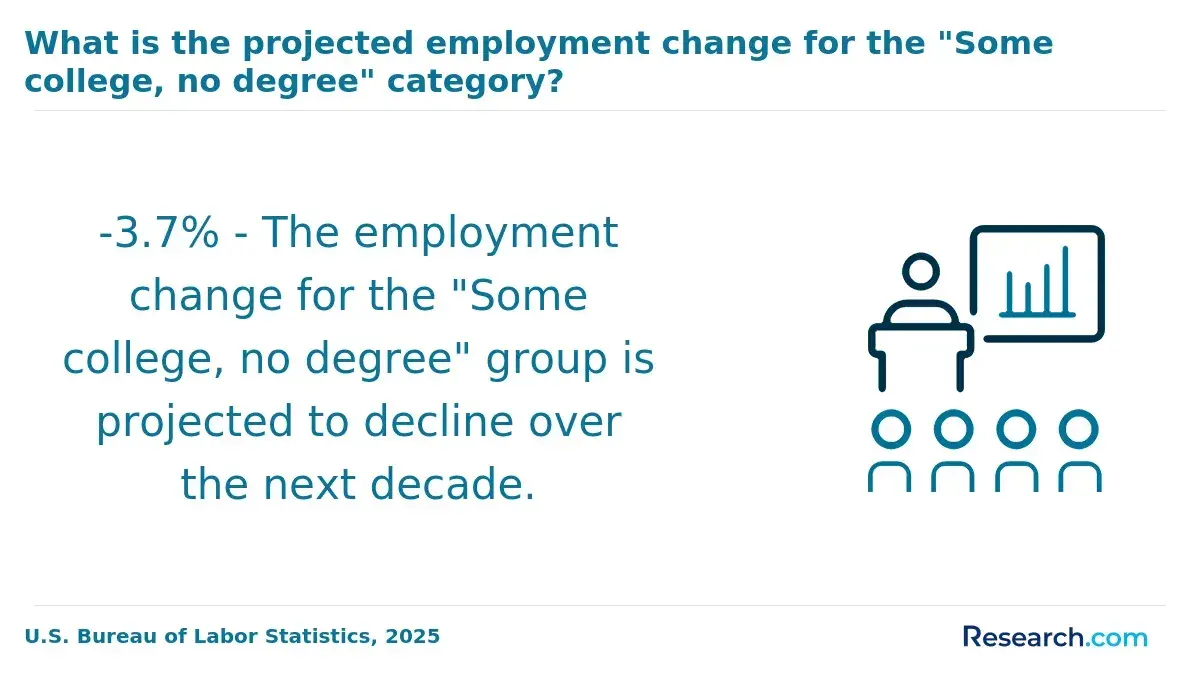
What is the workload for a part-time vs. a full-time online art history bachelor's degree?
Full-time online art history bachelor's students usually take around four to five courses each semester, dedicating approximately 15 to 20 hours per week to their studies. This schedule involves consistent engagement with readings, lectures, discussions, and assignments, creating a demanding but steady workflow that aligns with a typical four-year degree plan.
On the other hand, part-time students generally enroll in one or two courses per semester, spending about 6 to 10 hours weekly on coursework. This lighter load offers greater flexibility, which is helpful for managing other commitments, though it often results in a longer overall program length.
The structure of online learning means that full-time students navigate faster-paced semesters with more frequent deadlines, while part-time learners work on a slower timeline but still face established submission requirements.
The academic intensity varies between these formats, with full-time students handling overlapping assignments and tight schedules that require strong organizational skills to stay on track. Frequent tasks such as weekly discussion posts, essays, and exams demand careful time management, making it essential for students to prioritize and plan effectively.
Part-time learners experience fewer simultaneous demands but must maintain consistent progress over a prolonged period, avoiding procrastination despite fewer deadlines at once. Both groups benefit from setting dedicated study times and using tools like digital calendars to manage workloads. Ultimately, success in either path relies heavily on the ability to balance academic responsibilities with other life priorities.
Both part-time and full-time online art history bachelor's degree programs can accommodate working adults, depending on their availability, capacity for coursework, and personal life commitments. Nearly 40% of online students balance full-time employment, highlighting the crucial role of flexible education options. Here are some important considerations when weighing these two enrollment paths:
- Scheduling Flexibility: Part-time programs often allow students to spread courses across a longer timeframe, making it easier to juggle work and family life. Full-time study tends to demand more concentrated blocks of time, which can be challenging for those with rigid schedules.
- Workload Intensity: Full-time students usually handle a heavier number of credits per term, potentially intensifying stress if coupled with a full workweek. Part-time enrollees face a lighter course load each term, which might ease day-to-day pressure but extends overall program length.
- Pace of Completion: Those studying full-time frequently finish their degrees in about four years, whereas part-time learners might take six years or more, depending on their pace and availability.
- Time Management: Part-time students must maintain steady progress over a prolonged period, requiring discipline and consistent study habits. Full-time students deal with tighter deadlines but shorter overall duration.
- Personal Commitments: For individuals caring for family or managing other responsibilities, part-time enrollment might offer a more manageable balance due to reduced credit loads per semester.
A working professional who chose to pursue an online art history degree part-time shared her experience: "Balancing work, family, and schooling was daunting at first. I appreciated spreading out my courses, which allowed me to absorb content deeply without feeling overwhelmed.
Sometimes I had to put in late-night reading sessions or weekend essays, but pacing myself helped me sustain motivation over the years. It wasn't always easy to stay consistent, yet the flexibility meant I didn't have to sacrifice important personal commitments." Her insights underscore the personal nature of selecting the right path between part-time and full-time study.
Many online art history bachelor's degree programs permit students to alternate between part-time and full-time enrollment to accommodate changes in work schedules, family duties, or academic progress. This flexibility is especially beneficial for nontraditional learners balancing multiple responsibilities.
Research indicates that about 65% of online students adjust their study load at least once during their academic journey, highlighting a growing trend in adaptable learning paths. Those exploring changing enrollment status in online art history bachelor's programs find that this option supports maintaining progress without sacrificing personal commitments. Such fluidity helps students tailor their education based on evolving circumstances.
Switching between part-time and full-time study involves several important considerations. Transitioning to full-time often means a heavier course load and quicker completion pace, while moving to part-time may extend the program length and affect course availability each semester.
Institutional policies usually require students to consult advisors or receive approval to ensure the change fits academic goals and workload capacity. Prospective students should communicate early with program coordinators to understand any implications for scheduling and prerequisites. For those interested in accelerated options, exploring an accelerated paralegal program online can offer insight into intensive course structures and flexible enrollment practices.
Tuition costs for online art history bachelor's degrees vary widely depending on enrollment status, course pacing, and institutional pricing methods. On average, total costs range from $15,000 to $40,000, influenced heavily by whether students attend part-time or full-time. These factors shape how and when students pay, affecting the financial commitment over the program's duration.
Part-Time Online Programs
- Per-Credit Charges: Tuition is often billed per credit hour, meaning students pay only for courses taken each term without flat-rate discounts.
- Extended Payment Period: Spreading credits over more terms can lead to smaller, more manageable payments but extends the total timeframe and overall administrative fees.
- Flexible Scheduling: The ability to take fewer courses per term accommodates work or personal commitments but may increase the cumulative cost due to protracted enrollment.
- Lack of Bulk Pricing: Part-time students typically do not benefit from reduced per-credit rates that might be offered to full-time learners.
Full-Time Online Programs
- Flat-Rate Tuition: Many institutions offer a fixed tuition fee per term for full-time enrollment, regardless of taking the maximum allowed credits.
- Higher Term Costs: Paying more upfront per term reflects the increased course load, but often results in lower per-credit expenses overall.
- Accelerated Completion: The heavier credit load enables faster degree completion, potentially reducing total tuition paid over time.
- Potential Savings: Bulk enrollment pricing or flat fees make this option more cost-effective for students who can commit full-time.
When asked about tuition differences, a recent graduate shared that navigating part-time tuition felt daunting initially: "Balancing monthly payments while working full-time was challenging. I appreciated paying per course as it let me adjust my schedule, but I didn't realize how fees could add up over several years."
Meanwhile, full-time peers seemed to benefit from more predictable term fees-though committing so many credits at once required a significant upfront financial and time investment. These insights highlight the trade-offs between flexibility and total cost in pursuing an online art history degree.
Financial aid availability for online art history bachelor's degree students depends largely on enrollment status, eligibility criteria, and each institution's policies. Approximately 42% of part-time online students receive some form of financial assistance, highlighting that aid is available but often more limited compared to full-time students. The following points compare key types of financial aid and how they typically apply to part-time versus full-time learners.
- Federal Pell Grants: These grants are mainly awarded to full-time students with demonstrated financial need. Part-time students may still qualify but usually receive smaller, prorated amounts based on their reduced course loads.
- Federal Direct Loans: Both part-time and full-time students can access these loans; however, full-time students generally qualify for higher loan limits each academic year, offering greater borrowing potential.
- State Grants and Scholarships: Many state programs require full-time enrollment for eligibility, but some states provide options for part-time students by prorating funds according to credit hours taken.
- Institutional Scholarships: Scholarship availability varies by school. Some awards prioritize full-time enrollment, while others focus on academic merit or financial need regardless of how many credits are taken.
- Employer Tuition Reimbursement: This benefit is typically available to working adults whether enrolled full-time or part-time, though specifics depend on individual employer policies rather than enrollment status.
Choosing between part-time and full-time online art history bachelor's degrees involves balancing flexibility, workload, and personal goals. Many students find themselves weighing the benefits of pacing their studies against the desire to complete their degree quickly. Below is a comparison of key pros and cons to consider when deciding on the best approach.
Pros
- Flexibility: Part-time programs allow students to manage work, family, and other commitments more easily by spreading courses over an extended period.
- Reduced Stress: A lighter course load per term in part-time study helps maintain a manageable workload and prevents burnout.
- Faster Completion: Full-time students can complete their degree more quickly, ideal for those eager to enter careers in museums, education, or cultural institutions.
- Immersive Learning: The structured, rigorous schedule of full-time study often enhances focus and academic retention.
Cons
- Extended Timeline: Part-time study often means longer degree completion times, which may delay advancing to job markets or graduate programs.
- Slower Momentum: Spending fewer courses per term can make it challenging to stay engaged with academic communities and faculty.
- High Demands: Full-time study requires significant time and energy, which can be difficult for students balancing work or caregiving duties.
- Burnout Risk: The accelerated pace of full-time study can lead to exhaustion without adequate support and time management skills.
When choosing between part-time vs full-time online art history degree advantages, it is essential to consider your schedule and learning preferences carefully. Some students may also explore related fields, including a sports management online degree, known for its accelerated options and flexible format, which can offer insights into balancing workload and time management in online education.
About 72% of employers prioritize skills and relevant experience over whether a candidate pursued a degree full-time or part-time, reflecting a broader shift toward skills-based hiring. This trend indicates that the pace of enrollment in online art history degree programs has limited effect on career outcomes. Below are key factors to consider when evaluating how enrollment status influences art history bachelor's outcomes.
- Skill Development: Both part-time and full-time students acquire critical analytical and research abilities essential for art history careers. The focus remains on mastery of research methods, art criticism, and cultural knowledge that employers value.
- Work Experience Integration: Part-time students often balance studies while gaining professional experience, which enhances resumes and workplace readiness. This practical experience can be equally beneficial compared to a full-time study path.
- Degree Credibility: The accreditation and reputation of the institution awarding the degree significantly affect employability, regardless of study pace. Ensuring a recognized qualification is more important than enrollment status.
- Progression Opportunities: Full-time learners may complete their degree faster, enabling earlier entry into the job market or graduate programs. Conversely, part-time students often benefit from extended time to build networks and combine work with academic learning.
For working adults and nontraditional learners, understanding these factors is essential when choosing between part-time vs full-time online art history degree career impact. Those interested in starting with foundational studies might consider an online associate degree to build relevant skills before pursuing a bachelor's degree.
Deciding between part-time and full-time online study for an art history bachelor's degree demands thoughtful planning to avoid setbacks. Research shows that fewer than 60% of online students finish within six years, often due to challenges managing workload and time. Recognizing common mistakes can help learners stay on track.
- Underestimating Workload: Full-time students may be overwhelmed by the intense course demands, while part-time students often overlook how quickly assignments accumulate, making consistent effort essential in both cases.
- Poor Time Management: Balancing studies with work and personal life is critical, especially for adults studying online. Without careful scheduling, both part-time and full-time students risk falling behind.
- Misaligned Schedules: Part-time learners might struggle if course times clash with work commitments, and full-time students risk burnout without breaks. Coordinating study hours realistically is key to sustained progress.
- Unrealistic Expectations: Expecting rapid completion as a part-time student or assuming full-time study allows ample free time can lead to frustration and increased dropout risk.
- Ignoring Support Resources: Failing to utilize tutoring, advising, and peer support can increase academic pressure. Engaging with these services improves retention and success for all students.
What Graduates Say About Part-Time vs Full-Time Online Art History Bachelor's Degree Programs
- Derrick: "Choosing a part-time online art history bachelor's program was essential for me as I balanced a full-time job and family commitments. Although managing coursework alongside daily responsibilities was challenging, the flexibility allowed me to deeply engage with the material at my own pace. Completing this degree has opened doors for me in the museum sector, where I now contribute with greater expertise and confidence."
- Arjun: "Pursuing a full-time online art history degree was the perfect way to immerse myself completely in the subject while living abroad. Initially, adapting to remote discussions and virtual assignments felt isolating, but the interactive platforms and supportive faculty made the experience rewarding. This intensive focus helped me secure a research assistantship that accelerated my academic and professional growth in the field."
- Elias: "My decision to enroll in a part-time online art history bachelor's program stemmed from a desire to explore my passion without interrupting my career. The biggest challenge was staying disciplined with deadlines, but the program's structure and engaging content kept me motivated. Earning this degree has greatly enhanced my credentials in the art market, allowing me to confidently advise clients with a strong scholarly foundation."
Other Things You Should Know About Art History Degrees
Part-time online art history bachelor's degree programs are designed to offer flexibility, catering to the schedule of full-time employees. These programs typically allow students to pace their studies, choosing course loads that fit their availability while maintaining their work commitments.
Part-time students in online art history programs typically have access to the same academic resources as full-time students, including digital libraries, tutoring, and faculty support. However, some services, such as career counseling or lab access, may have limited availability depending on the institution. It's important to check with the specific school to confirm resource access.
Full-time enrollment is usually 12 or more credits per term, while part-time enrollment is typically 6 to 11 credits. Many schools set full-time status for financial aid and progress tracking at 12 credits, and a 120-credit bachelor's degree can take about four years full-time or longer part-time.
- Is it possible to transfer from full-time to part-time and vice versa? https://bizbase.techinfus.com/en/mojno-li-perevestis-s-ochnogo-na-zaochnoe-i-naoborot.html
- 5 Common Mistakes to Avoid when Choosing an Online Degree | Tapscape https://www.tapscape.com/5-common-mistakes-to-avoid-when-choosing-an-online-degree/
- Is BA Distance Education A Good Career Option For Arts Students https://wlvos.nl/index.php/Is_BA_Distance_Education_A_Good_Career_Option_For_Arts_Students
- Can I switch from part time to full time doing Open Uni https://www.thestudentroom.co.uk/showthread.php
- Can I earn a bachelor's degree in art history through an online distance learning program? https://www.onlineschoolscenter.com/bachelors-degree-art-history-distance-learning-program/