2027 Self-Paced Online Management Information Systems Bachelor's Degree Programs

Co-Founder and Chief Data Scientist
Many professionals with unrelated undergraduate degrees face challenges when shifting careers to management information systems (MIS). Balancing work, family, and education often prevents enrollment in traditional programs. Self-paced online MIS bachelor's degrees have emerged as flexible solutions, allowing learners to progress on their own schedules.
According to recent studies, 68% of students in these programs report improved job prospects within a year of graduation. These degrees help bridge the skills gap in technology-driven industries. This article explores key features of self-paced online MIS programs, highlighting how they enable career transitions while meeting industry needs efficiently and effectively.
Key Benefits of Self-Paced Online Management Information Systems Bachelor's Degree Programs
- Self-paced online management information systems programs offer flexibility for working professionals to balance studies and job demands without fixed class schedules.
- Students can accelerate skill acquisition by progressing through coursework based on mastery, reducing time to degree completion.
- These programs provide cost-effective pathways-often with transfer credits and prior learning assessments-leading to accredited bachelor's credentials while minimizing debt.
What Are Self-Paced Online Management Information Systems Bachelor's Degree Programs, and How Do They Differ From Traditional Online Formats?
Self-paced learning in online higher education allows students to begin studies at any time and progress at their own speed, unlike cohort-based or asynchronous-but-scheduled formats that rely on fixed deadlines and calendars. Self-paced online management information systems bachelor's degree programs emphasize flexibility, making them ideal for those balancing work and personal commitments. These programs commonly feature open enrollment, allowing students to register when ready without waiting for term start dates, flexible timelines that accommodate varied learning speeds, and milestone-based progression where students must demonstrate mastery before advancing.
Comparing the differences between self-paced and traditional online mis formats highlights key distinctions:
- Time Management: Self-paced students control their schedules and reduce stress from deadlines, while traditional formats require adherence to fixed calendars with regular assignments.
- Faculty Interaction: In self-paced setups, instructor contact is often less frequent and mainly asynchronous, whereas traditional courses include scheduled live sessions and more direct engagement.
- Student Accountability: Self-paced learners rely heavily on self-motivation to stay on track, while traditional cohorts foster accountability through group activities and checkpoints.
- Open Enrollment: Enables learners to start anytime, expanding access for non-traditional students and working professionals.
- Flexible Progression: Students advance by mastering content, not by completing fixed semesters, which supports personalized pacing and prior knowledge.
- Competency-Based Education: Focuses on skill demonstration through assessments rather than classroom hours, potentially accelerating degree completion.
- Ideal Candidates: Those disciplined and seeking maximum schedule flexibility-especially working adults-benefit most from this structure.
Prospective students exploring self-paced online management information systems bachelor's degree programs should also consider aspects such as transfer credit policies, prior learning assessments, and financial aid eligibility. These elements can significantly impact affordability and time to completion. For additional insights on choosing degree paths that combine speed and financial benefit, consider reviewing the fastest degree to get.
Which Accredited Institutions Offer Self-Paced Online Management Information Systems Bachelor's Degree Programs?
Several regionally accredited institutions provide self-paced online management information systems bachelor's degree programs tailored for working professionals and non-traditional students. These programs often utilize competency-based education models, allowing learners to advance by demonstrating mastery rather than following strict semester timelines. Tuition options vary-from per-credit fees to subscription-based rates-while transfer credits and prior learning assessments frequently shorten degree duration. For those exploring top accredited universities offering online management information systems degrees, the following five colleges stand out.
- Western Governors University: Accredited by the Northwest Commission on Colleges and Universities (NWCCU), WGU offers a competency-based bachelor of science in management information systems. Tuition is a six-month flat subscription fee of about $3,675, encouraging students to complete as many courses as possible within that period. Average completion time ranges from 2 to 3 years depending on prior experience and pace. Transfer credits and prior learning assessments help accelerate progress.
- Capella University: Regionally accredited by the Higher Learning Commission (HLC), Capella's FlexPath format provides a self-paced bachelor's degree in business information technology with a management information systems focus. Tuition is charged per six-month term at around $2,500, allowing unlimited course enrollment during that term. Transfer credits and prior learning credits support accelerated completion.
- Southern New Hampshire University: Accredited by the New England Commission of Higher Education (NECHE), SNHU offers an online bachelor of science in information technologies with management information systems concentrations. While not strictly competency-based, students can progress at their own pace within semester schedules. Tuition is about $320 per credit, and generous transfer credit policies and credits for professional certifications are available.
- University of Wisconsin Flexible Option: Operated under the Higher Learning Commission, this program features a fully competency-based bachelor's degree in IT-management information systems pathway. Tuition is monthly at roughly $2,500 with no caps on course load. Transfer credits and prior learning assessments can shorten the common 1.5 to 3-year completion timeframe.
- Walden University: Regionally accredited by the Higher Learning Commission, Walden provides a bachelor's degree in management information systems online with flexible start dates and pacing. Tuition averages $320 per credit hour on a per-credit basis, and transfer credit is accepted. Though not purely competency-based, it accommodates adult learners balancing work and study commitments.
For prospective students interested in advancing their career through flexible learning paths, these self-paced online management information systems bachelor's degrees from accredited colleges offer various options to balance education and life.
Additionally, those seeking related studies might explore a library science degree, which can complement information management skills in many industries.
2026 Update: Checking Career-Ready MIS Skills Before You Enroll
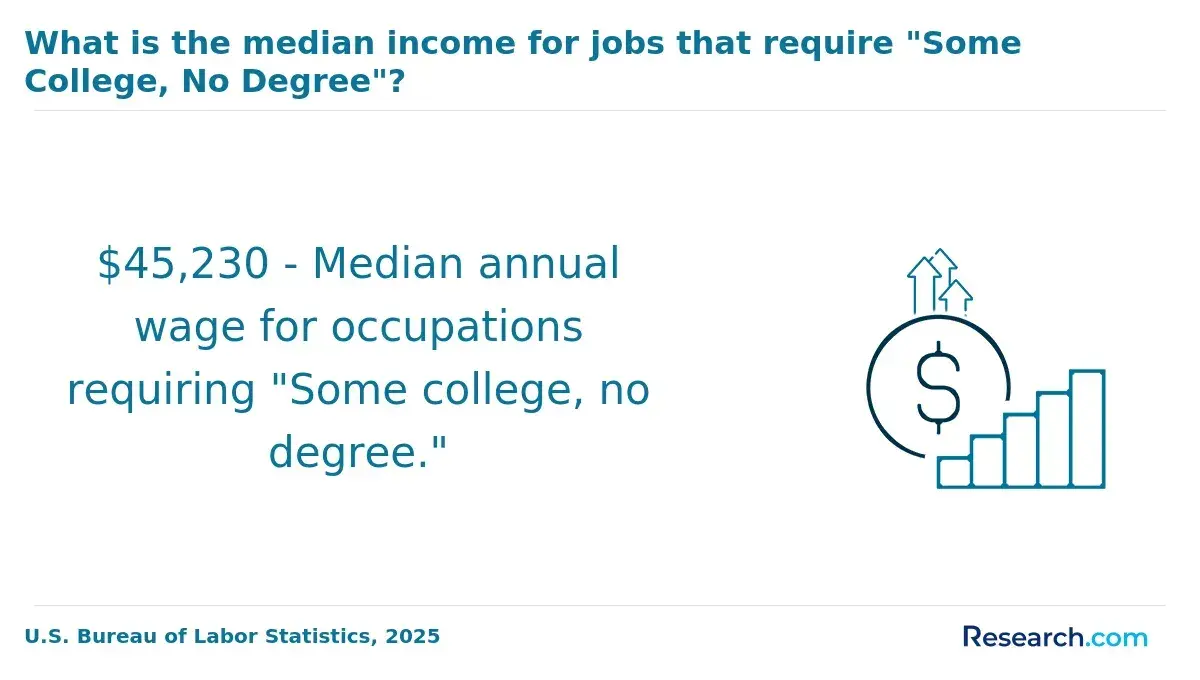
For this 2026 update, we reviewed the practical skill signals students should look for in self-paced online MIS bachelor’s programs, especially if they are using the degree to move into technology, analytics, systems, or business operations roles.
- Whether courses include hands-on work with databases, systems analysis, business analytics, cybersecurity basics, and project management.
- If assignments use realistic business cases rather than only quizzes or textbook-based exams.
- Whether students build portfolio-ready projects they can discuss with employers after graduation.
- If the program teaches commonly used workplace tools for data, reporting, collaboration, and process improvement.
- Whether faculty or mentors have current experience in MIS, IT management, analytics, or enterprise systems.
- If career support includes resume help, interview preparation, and guidance for translating prior work experience into MIS roles.
Reviewing these factors helps students choose a flexible program that is not only convenient, but also aligned with the skills employers expect from MIS graduates.
Completion times for self-paced online management information systems bachelor's degrees vary from as little as two years to upwards of six years, depending on key factors influencing each student's pace. The Bureau of Labor Statistics and National Center for Education Statistics note that traditional bachelor's degrees usually take four to six years, serving as a useful comparison point for self-paced completion.
- Prior Credits and Transfers: Transferring existing college credits or recognized certifications often reduces required coursework, potentially cutting a year or more off completion time depending on credit relevance and quantity.
- Weekly Time Commitment: The amount of weekly study hours significantly impacts progress. Students able to dedicate 20+ hours weekly can finish faster, while those balancing work or family may experience a slower pace.
- Prior Learning Assessments: Many programs offer competency-based options where knowledge and skills demonstrated through exams or portfolios earn credit, skipping some courses and trimming degree length.
- Program Design and Support: Modular or mastery-based structures allow students to advance upon demonstrating proficiency. Strong advising, tutoring, and academic support help maintain momentum and reduce risks of delays or dropout.
Setting a realistic schedule relies on honest evaluation of personal commitments and study time availability. Early engagement with advisors helps tailor an achievable plan, while institutional resources like time management workshops or peer groups reinforce steady progress.
Reflecting on his journey, a professional enrolled in a self-paced online management information systems bachelor's program shared that balancing work deadlines and family demands made pacing a challenge. He said, "Some weeks, I could push through multiple modules; others, just one. It felt like a constant negotiation with time." He appreciated the flexibility but acknowledged the need for self-discipline and support to prevent overwhelm. "Advisors were crucial-they helped me adjust my plan as life shifted." This experience underscores how individual circumstances and program resources shape completion timelines.
High School Diploma or GED: Applicants typically must hold a recognized high school diploma or GED to demonstrate foundational academic skills essential for college-level coursework in self-paced online management information systems bachelor's degree programs.
Minimum GPA Expectations: While some programs enforce GPA thresholds-commonly between 2.5 and 3.0-many programs with flexible admission criteria do not strictly require a minimum GPA. Those with lower academic records may need to submit extra documentation or complete prerequisite courses to meet enrollment standards.
Prerequisite Coursework: Basic competence in mathematics and introductory computer or business courses is often expected. Many institutions allow students to fulfill these requirements during their studies, especially under open-enrollment policies designed to broaden access.
Open-Enrollment and Rolling Admission: Numerous self-paced programs adopt rolling admissions or open-enrollment, enabling students to start at various times throughout the year. This flexibility is particularly valuable for non-traditional students or those returning to education after a break.
Selectivity and Support: Selective management information systems programs generally demand higher admission standards but offer structured academic assistance. In contrast, open-access options prioritize accessibility and may supplement learning with additional tutoring and advising.
Application Enhancement Tips: Prospective students who fall short of minimum criteria can strengthen their applications by submitting updated transcripts reflecting recent academic success or earning relevant professional certifications. Demonstrating related work experience also highlights readiness and commitment.
- Admission Requirements: These programs require applicants to hold a high school diploma or GED and may request a minimum GPA, flexible for some but firm in selective cases.
- Prerequisites: Foundational courses in math and computer skills are expected, with chances to complete them post-enrollment in many self-paced curricula.
Students exploring online degrees may also consider related fields like online accounting degrees to understand the varied offerings in flexible and affordable program options.
Per-Credit Tuition: Many programs charge tuition based on credit hours, typically between $300 and $600 per credit. Since a bachelor's degree usually requires about 120 credits, costs can vary depending on transfer credits and course load intensity.
Flat-Rate Subscription: Some institutions offer a monthly or term-based subscription model granting unlimited course access. This approach often benefits students who complete courses quickly, potentially lowering total expenses compared to traditional per-credit fees.
Bundled Fees: A few schools combine tuition with technology, course materials, and software costs into a single payment, which simplifies financial planning. It's crucial to confirm which services are included to avoid unexpected charges later.
Technology Fees: Extra charges for online platform use, exam proctoring, and specialized software typically range from $50 to several hundred dollars per term, and these fees can add significant costs if not bundled with tuition.
Course Materials: Unlike conventional programs, self-paced courses often require purchasing digital textbooks or access codes separately, sometimes costing several hundred dollars per class.
Pacing Impact: Accelerating program completion can reduce ongoing fees but may increase initial tuition payments. Conversely, taking longer may lower monthly costs but lead to higher cumulative fees and living expenses.
Financial Aid and Credits: Scholarships, federal aid, and generous transfer credit policies can significantly reduce net tuition, making it vital for students to investigate eligibility.
A professional who completed a self-paced online Management Information Systems bachelor's degree shared that managing costs required careful planning to balance speed and expenses. She recalls, "At first, I underestimated the technology fees and material costs, which added up quickly." However, she found that advancing through courses faster helped reduce subscription fees and overall expenses. "It was challenging to stay disciplined, but knowing I could finish sooner kept me motivated," she explained. Her experience highlights the importance of understanding all financial components-not just tuition-when budgeting for such a program.
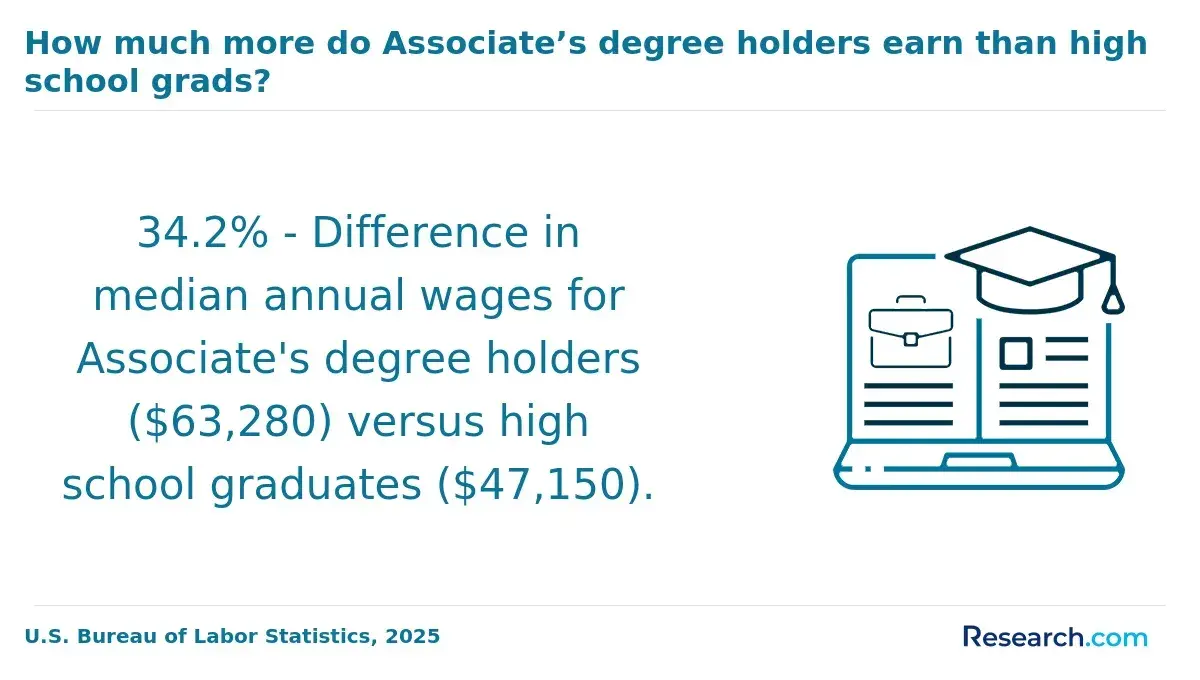
Financial aid for self-paced and competency-based online Management Information Systems bachelor's degrees includes federal, state, and institutional resources aimed at reducing the cost burden for students. Many competency-based education (CBE) programs follow unique credit-hour equivalencies that influence FAFSA eligibility and federal aid disbursement. The Department of Education permits these programs to qualify for federal aid if they meet appropriate accreditation and enrollment criteria.
State-funded grants and scholarships may support online students who reside within those states, though availability often depends on program acceptance and residency verification. Colleges frequently provide dedicated scholarships and grants for students enrolled in online or competency-based Management Information Systems degrees, supplementing public funding.
Industry organizations related to Management Information Systems also offer scholarships targeting students in this field to promote workforce development and diversity. Since about 37% of undergraduates recently took some form of distance education, accessible financial aid tailored to online learning has become increasingly important.
Given the different academic pacing and credit recognition methods used by self-paced programs, students should proactively consult financial aid offices to understand specific application requirements and timing for aid disbursement to maximize support.
- Federal Aid Eligibility: Many self-paced Management Information Systems programs qualify for federal financial aid, but aid amounts and timing depend on how credit completion is tracked and compliance with FAFSA policies.
- State Grants and Scholarships: Online learners may access state financial aid, though availability is contingent on residency and program acceptance criteria.
- Institutional Funding: Colleges often provide scholarships or grants designed for online or competency-based Management Information Systems students to offset costs.
- Professional Association Scholarships: Specialized scholarships from Management Information Systems organizations support student advancement and diversity within the field.
- Financial Aid Advising: Contacting school financial aid offices before enrolling is critical to navigate unique disbursement schedules and eligibility for self-paced programs.
Competency-based education (CBE) models in self-paced online Management Information Systems (MIS) bachelor's degree programs allow students to advance by demonstrating mastery of specific skills and knowledge rather than accumulating traditional credit hours through time spent in class. This assessment-driven approach uses projects, exams, and real-world problem-solving tasks to confirm a learner's competency in core MIS areas. Students progress once they prove proficiency, which reduces repetition and supports accelerated degree completion.
For financial aid eligibility, many CBE programs convert demonstrated competencies into equivalent credit hours. This helps maintain access to federal aid while offering flexible learning options. Direct assessment programs differ in that they grant credit strictly based on mastery without linking to traditional time-based metrics, whereas credit-hour CBE programs assign conventional credit hours reflecting learning outcomes.
Examples of self-paced online MIS programs using the CBE model include Western Governors University, Southern New Hampshire University, and Capella University. These schools employ thorough assessment methods aligned with practical MIS challenges, combined with faculty support from mentors or coaches who guide learners without traditional lectures. Their degrees are widely recognized by employers due to regional accreditation and alignment with industry standards.
A strong degree of self-discipline is crucial for success in a CBE environment, as students must manage their own pace and motivation. Prospective learners should carefully consider their learning style-especially their ability to study independently-before enrolling. Recent data from the National Center for Education Statistics shows enrollment in competency-based programs has increased by over 25% in five years, highlighting growing demand for flexible education among working adults.
- Mastery-Based Progression: Students advance by proving skills through varied assessments rather than seat time, enabling motivated learners to complete degrees faster.
- Financial Aid Conversion: Many programs translate competencies into equivalent credit hours, preserving federal aid eligibility while supporting flexible pacing.
- Direct vs. Credit-Hour Models: Direct assessment awards credit purely based on mastery, unlike credit-hour CBE which assigns traditional credits reflecting demonstrated learning.
- Program Examples: Western Governors University and Southern New Hampshire University offer CBE-focused MIS degrees with mentoring support and strong employer recognition.
- Self-Discipline Required: Success demands motivated, self-directed learners capable of managing pace and accountability throughout the program.
Accreditation is a fundamental factor influencing credit transferability, employer recognition, and financial aid eligibility in self-paced online management information systems bachelor's degree programs. Regional accreditation for online management information systems degrees is regarded as the highest standard, indicating that institutions meet rigorous academic and administrative criteria. Employers and graduate schools widely accept these programs, which enhances career advancement prospects. The six regional accrediting bodies recognized by the U.S. Department of Education are the Middle States Commission on Higher Education, New England Commission of Higher Education, Higher Learning Commission, Northwest Commission on Colleges and Universities, Southern Association of Colleges and Schools Commission on Colleges, and Western Association of Schools and Colleges Senior College and University Commission.
Some self-paced MIS bachelor's programs also hold programmatic accreditation from specialized organizations that validate curriculum alignment with industry standards, although this is less common. National accreditation-often associated with vocational or career-focused schools-generally maintains less stringent standards, resulting in limited credit transfer and potential skepticism from employers. Additionally, non-accredited programs pose significant risks, including reduced academic credit recognition and obstacles when pursuing graduate education or certain career paths.
Students should verify accreditation status through the U.S. Department of Education's accreditation database or the Council for Higher Education Accreditation (CHEA) directory before enrolling. This step safeguards educational investments and aligns with long-term career goals. For those balancing education with other responsibilities, self-paced options with proper accreditation are essential for flexibility and recognition.
Self-paced online management information systems programs designed for working professionals and non-traditional students may also incorporate competency-based education models, transfer credit policies, prior learning assessments, and financial aid eligibility to optimize both affordability and academic progress. To explore tailored degree options, consider degrees for stay at home moms designed to support maximum flexibility.
- Regional Accreditation: The highest standard of quality assurance recognized by most employers and graduate schools, ensuring academic rigor and eligibility for credit transfer.
- National Accreditation: Generally less rigorous, often applies to vocational or career-focused schools; credits rarely transfer easily and may not be respected by employers.
- Regional Accrediting Bodies: Six agencies oversee regional accreditation nationwide, including the Middle States and Higher Learning Commission.
- Programmatic Accreditation: Specialized accreditation may apply to some management information systems programs but is not widespread; it offers additional quality validation.
- Risks of Poor Accreditation: Limited credit transfer, reduced career options, and potential challenges in pursuing graduate education.
- Verification Resources: The U.S. Department of Education and CHEA provide reliable accreditation databases for prospective students to confirm program legitimacy.
Transfer credit limits for self-paced online management information systems bachelor's degree programs vary significantly, affecting how prior learning can be applied toward degree completion. Many institutions evaluate transfer credits based on course equivalency, accreditation status, and alignment with their degree requirements. Typically, programs cap transferable credits between 60 and 90 semester hours, allowing students to accelerate earning their degrees by leveraging previously completed coursework.
Programs with the most flexible policies often accept military training credits through the American Council on Education (ACE) recommendations, which can substantially reduce degree requirements for veterans and active service members. Additionally, articulation agreements with community colleges facilitate smooth credit transfers for foundational courses, supporting a streamlined path toward degree attainment. These agreements are important for those looking at applying prior learning and transfer credits to online management information systems bachelor's degrees.
Because transfer credit evaluations influence remaining credit requirements and overall program costs, prospective students are strongly encouraged to request an official transfer credit evaluation before enrolling. This process clarifies how many credits will count toward the degree and prevents unexpected delays or expenses during their studies. For professionals curious about career outcomes after obtaining such a degree, resources exploring what jobs can you get with an environmental science degree provide insightful information relevant to career planning post-degree.
- Maximum Transfer Credits: Many self-paced management information systems programs allow up to 90 transfer credits, enabling students to apply previously earned college credits toward degree requirements and graduate faster.
- Military and ACE Credits: Institutions often accept military training credits evaluated through ACE recommendations, which can significantly reduce course requirements for veterans and active service members.
- Articulation Agreements: Formal partnerships between universities and community colleges streamline credit transfer, especially for foundational coursework, promoting easier degree progression.
- Course Equivalency Evaluation: Credits are assessed for content relevance and accreditation, with institutions determining the fit of transferred courses into their curriculum standards.
- Pre-Enrollment Evaluation: Requesting a transfer credit review before enrollment helps applicants understand their true remaining credit obligations and potential cost savings.
Prior Learning Assessment (PLA) enables students in self-paced online Management Information Systems bachelor's degree programs to earn academic credit by validating knowledge gained outside traditional classrooms. This includes professional experience, military training, industry certifications, and self-directed study. Credit evaluation methods commonly involve portfolio reviews, challenge exams, and standardized tests such as CLEP (College-Level Examination Program) and DSST (DANTES Subject Standardized Tests).
The American Council on Education (ACE) provides essential credit recommendations for military and workforce education. These guidelines help service members and working professionals transfer their military courses and certifications into academic credits in affordable self-paced programs that often align with ACE evaluations.
Many flexible programs allow students to apply between 30% and 50% of their degree credits through PLA. Submissions usually require detailed documentation-like job descriptions, certificates, or training evaluations-and collaboration with academic advisors to ensure all evidence meets institutional standards.
Recent research shows that over 70% of colleges have increased their credit-for-experience offerings, reflecting a trend toward accommodating non-traditional learners and accelerating degree completion.
- Credit for Professional Experience: Institutions award credits based on portfolios illustrating relevant work history and accomplishments in Management Information Systems.
- Military Training Recognition: ACE credit evaluations facilitate converting military training into degree-applicable credits for veterans in self-paced tracks.
- Standardized Examinations: CLEP and DSST tests offer cost-effective options to demonstrate mastery of core subjects and earn credits.
- Submission Process: Effective PLA requires thorough evidence organization and advisor support to align prior learning with degree criteria.
- Institutional Flexibility: Programs with higher PLA credit caps and streamlined procedures enhance opportunities for faster degree progress.
Self-paced online management information systems bachelor's degrees commonly offer several specialized tracks that align with distinct career objectives and industry demands. Your choice of specialization can affect how long it takes to complete the program, as certain concentrations involve more comprehensive coursework or added requirements like internships and certifications.
- Business Analytics and Data Management: This focus area trains students to interpret large volumes of data to support strategic decisions. Graduates typically become business analysts or data managers, earning median salaries over $90,000. The curriculum is demanding but rarely mandates extra certifications.
- Cybersecurity and Information Assurance: Centered on safeguarding digital information, this track prepares learners for cybersecurity analyst roles. Average earnings exceed $100,000, though credentials such as CISSP or CompTIA Security+ are often necessary. Internship obligations may extend program duration.
- Systems Analysis and Design: Students learn to develop and optimize IT systems for organizational efficiency. Careers like systems analysts yield median salaries near $98,000, with most requirements contained within the degree.
- Enterprise Resource Planning (ERP): Geared towards integrating business functions via ERP software platforms such as SAP or Oracle, this specialization is ideal for consultants and project managers. Salaries often range between $80,000 and $110,000, with certifications recommended but not mandatory.
- IT Project Management: This area focuses on managing IT initiatives, frequently pairing well with PMP certification goals. Graduates can expect median pay around $95,000. Course intensity and capstone projects may influence pacing.
Selecting a concentration requires weighing workload, personal interests, and employment outlook to best fit one's career path and maximize the flexibility a self-paced program offers.
What Graduates Say About Self-Paced Online Management Information Systems Bachelor's Degree Programs
- Trace: "I chose a self-paced online management information systems bachelor's degree because I needed the flexibility to balance work and study. The affordable tuition was a huge plus, allowing me to invest in my education without financial stress. Since graduating, I've landed a position in IT consulting that truly values my practical knowledge and adaptability."
- Sutton: "Deciding to pursue a management information systems degree online was driven by my desire to switch careers without pausing my income. The program's cost-effectiveness made it accessible, and the self-paced format let me learn deeply on my own schedule. This degree has opened doors to project management roles I never thought possible before."
- Ezekiel: "Enrolling in a self-paced online management information systems program was a strategic move to advance professionally while managing family commitments. The lower cost compared to traditional programs eased the decision. Thanks to what I learned, my employer promoted me to a systems analyst role-proof that the degree significantly boosted my career trajectory."
Other Things You Should Know About Management Information Systems Degrees
Yes. Most 2027 self-paced online Management Information Systems bachelor’s programs require a capstone in the final term or final 6 to 9 credits. Students usually complete a business systems project, case analysis, or internship-style report to show they can apply database, analytics, and project-management skills.
These programs offer flexibility by allowing students to progress through coursework on their own schedules, accommodating irregular work hours or family commitments. Many institutions provide access to academic advising, tutoring, and technical support tailored to remote learners. Transfer credit policies and prior learning assessments often help reduce time and cost to degree completion by recognizing previous education and professional experience. Financial aid options are also typically available to assist students balancing education with other responsibilities.
Enrollment in 2027 self-paced online Management Information Systems programs typically requires a reliable internet connection, a computer with modern specifications, and software access like databases and analytics tools. Schools may have additional requirements for virtual learning platforms or specific operating systems.
- Are online degrees in Management Information Systems as valuable as traditional ones? https://m.umu.com/ask/q11122301573853865337
- MIS Degree Online https://www.snhu.edu/online-degrees/bachelors/bs-in-business-administration/management-information-systems
- Online Prior Learning Assessment (PLA) Programs | Colorado State University Global https://csuglobal.edu/admissions/transfer-students/alternative-credit-options/online-prior-learning-assessment-pla-programs
- Most Affordable Online Management Information Systems Degrees 2022 https://www.collegechoice.net/business/information-systems/most-affordable-online-bachelors-degrees/
- Online Bachelor's Degrees https://www.umgc.edu/online-degrees/bachelors
- Management Information Systems Online Degree - Northwood Online https://online.northwood.edu/programs/management-information-systems/
- management information systems online bachelors https://www.umu.com/ask/t11122301573854480212
- Management Information Systems PathwayAAS to MBA 3+1+1 https://www.muw.edu/pathways/holmes/management-infosys/
- Bachelor of Science in Management Information Systems (MIS) Online https://online.maryville.edu/online-bachelors-degrees/management-information-systems/
- Information Systems (BSc) at International School of Management (ISM) | You Apply https://youapply.com/program/information-systems-bsc-bachelor-international-school-of-management-ism