2027 Cheapest Accredited Online Psychiatric Mental Health Nurse Practitioner Degree Programs: Tuition, Fees, and Financial Aid

Co-Founder and Chief Data Scientist
Choosing an affordable online Psychiatric Mental Health Nurse Practitioner program is harder than comparing tuition rates. Fees, clinical placement costs, residency requirements, and financial aid can change the real price. The decision matters because the U. S. Bureau of Labor Statistics reported a May 2024 median annual wage of $132,050 for nurse practitioners, making PMHNP preparation a high-stakes investment.
This guide is for registered nurses comparing accredited online MSN, BSN-to-DNP, or related PMHNP pathways. You will learn how to identify genuinely low-cost programs, verify accreditation, estimate net price, and avoid hidden costs.
Key Things You Should Know
- The cheapest accredited online PMHNP options are usually public university MSN programs with per-credit rates roughly in the $350 to $600 range, but total cost depends on credits, mandatory fees, clinical requirements, and residency travel.
- A low advertised tuition rate is not the same as a low net price; FAFSA-based federal loans, school scholarships, employer tuition benefits, military benefits, and state grants can make a higher-tuition program less expensive out of pocket.
- Before enrolling, verify both institutional accreditation and nursing program accreditation, then confirm state authorization, clinical placement rules, certification eligibility, and whether the program participates in federal student aid.
What Are the Cheapest Accredited Online Psychiatric Mental Health Nurse Practitioner Degree Programs?
The cheapest accredited online Psychiatric Mental Health Nurse Practitioner degree programs are typically online or low-residency MSN programs offered by public universities. They tend to cost less than private nonprofit and for-profit options because their tuition is often set by state systems, and some charge the same online rate regardless of residency.
The table below is a cost-screening list, not a guarantee of final price. It focuses on accredited or accreditation-eligible nursing programs with online PMHNP pathways and comparatively low published graduate tuition. Students should verify current tuition, fees, credit requirements, and state authorization directly with each school before applying.
| School | Online PMHNP pathway | Typical credits | Published tuition indicator | Estimated tuition before fees | Cost note |
| University of West Georgia | MSN Psychiatric Mental Health Nurse Practitioner | About 46 credits | Online graduate tuition commonly listed below many national private programs | Often among the lowest public-university estimates when calculated by credit | Confirm eTuition, program fees, and Georgia Board of Nursing-related clinical requirements. |
| Georgia Southern University | MSN Psychiatric Mental Health Nurse Practitioner | About 47 credits | Public online graduate tuition structure | Often estimated in the lower-cost range before fees | Check whether nursing course fees, clinical fees, and campus intensives apply. |
| University of Texas Rio Grande Valley | Online MSN Psychiatric Mental Health Nurse Practitioner | About 49 credits | Competitive online graduate rate | Often around the low-$20,000s before certain external costs | Review whether tuition is all-inclusive or whether additional program fees apply. |
| Northern Kentucky University | Online MSN Psychiatric Mental Health Nurse Practitioner | About 46 credits | Published online rate near the mid-$400s per credit | Often around the low-$20,000s before non-billed costs | Ask about clinical placement support, course fees, and state authorization. |
| McNeese State University | MSN Psychiatric Mental Health Nurse Practitioner | Varies by plan of study | Public university graduate tuition model | Frequently competitive for Louisiana and online students | Confirm whether out-of-state online learners pay additional charges. |
| University of South Alabama | MSN Psychiatric Mental Health Nurse Practitioner | Often about 45 credits for MSN specialty coursework | Public university online graduate rate | Usually moderate compared with many private online PMHNP programs | May include clinical and specialty fees that change the final total. |
| Eastern Kentucky University | Online MSN Psychiatric Mental Health Nurse Practitioner | About 47 credits | Flat online graduate tuition rate | Usually higher than the lowest public options but still below many private programs | Can be a value candidate if support services, admissions fit, and timeline are strong. |
| Frontier Nursing University | MSN or DNP Psychiatric Mental Health Nurse Practitioner pathway | Varies by degree level | Specialized graduate nursing tuition model | Often not the lowest tuition-only option, but relevant for PMHNP-focused comparison | Consider total cost, clinical support, specialty reputation, and residency travel. |
The least expensive path for many RNs is an MSN PMHNP program rather than a BSN-to-DNP route because it usually requires fewer credits. However, nurses who want the terminal practice credential may compare MSN and DNP program online options to decide whether paying more now could reduce future schooling later.
When comparing programs, separate three numbers. Tuition is the instructional charge. Mandatory fees are required charges such as technology, nursing, clinical, simulation, or student service fees. Total program cost adds tuition, required fees, books, supplies, background checks, travel, certification exam costs, and other required expenses. Net price is what remains after grants, scholarships, tuition benefits, and other aid that does not need to be repaid.
How Were the Cheapest Online Psychiatric Mental Health Nurse Practitioner Degree Programs Ranked?
The most useful affordability ranking does not start and end with the lowest per-credit tuition. A PMHNP program with a slightly higher tuition rate may cost less overall if it requires fewer credits, charges fewer mandatory fees, provides renewable scholarships, or helps students avoid travel and delayed graduation.
This ranking approach gives the most weight to the cost items students are most likely to pay. It also screens for accreditation and federal aid relevance, because a low-cost program that does not support licensure, certification, or financial aid access may not be a good value.
- Accreditation screen: Programs must be offered by institutionally accredited schools, and nursing programs should hold recognized nursing accreditation such as CCNE or ACEN when applicable.
- Published tuition comparison: Per-credit or term-based tuition was reviewed first, with preference for public universities and transparent online rates.
- Credit requirement adjustment: Tuition was multiplied by required credits where available because a lower rate can be offset by a longer plan of study.
- Mandatory fee review: Technology, nursing, clinical, distance-learning, student service, and graduation fees were considered when schools publish them clearly.
- Financial aid and net price relevance: Programs were favored when the school participates in federal student aid and provides scholarships, employer billing, payment plans, military benefits, or graduate assistantship options.
- Practical value factors: Clinical placement expectations, state authorization, certification eligibility, online flexibility, completion support, and licensure alignment were considered because delays can increase real cost.
A major limitation is that schools do not publish costs in the same way. Some list tuition only, some bundle fees, and others separate program-specific expenses. For that reason, students should treat any ranked list as a starting point and request a written, program-specific cost estimate before committing.
Best affordability rule: compare the estimated cost to graduate, not the advertised tuition rate. The cheapest PMHNP program on paper may not be the cheapest after fees, clinical travel, repeated courses, and lost work time.
How Can You Verify the Accreditation of an Online Psychiatric Mental Health Nurse Practitioner Degree Program?
Accreditation is the first affordability filter because it affects federal aid eligibility, transferability, certification preparation, employer recognition, and licensure. For PMHNP students, there are two levels to check: institutional accreditation for the university and nursing program accreditation for the school or program.
Use the following sequence before you compare prices. It helps you avoid low-cost programs that may not support your professional goals.
- Confirm institutional accreditation: Check whether the college or university is accredited by an agency recognized by the U.S. Department of Education.
- Confirm nursing accreditation: Look for nursing accreditation from a recognized nursing accreditor such as CCNE or ACEN, and verify the status on the accreditor's own database rather than relying only on marketing pages.
- Check certification preparation: Ask whether the PMHNP curriculum is designed to prepare graduates for the psychiatric-mental health nurse practitioner certification exam offered by the relevant national credentialing body.
- Verify state authorization: Confirm that the program is authorized to enroll students in your state and that clinical placements can be completed where you live.
- Ask your state board of nursing: Requirements vary, so verify whether your state accepts the program for advanced practice registered nurse licensure or recognition.
- Confirm federal aid participation: Make sure the school participates in Title IV federal student aid if you plan to use FAFSA-based loans.
Red flags include vague accreditation language, "accreditation pending" claims without clear documentation, refusal to state whether the program meets your state's APRN requirements, or pressure to enroll before you receive a written cost and eligibility explanation. Accreditation does not guarantee a job or licensure by itself, but it is a critical baseline for a legitimate PMHNP investment.
How Much Does an Accredited Online Psychiatric Mental Health Nurse Practitioner Degree Really Cost?
The real cost of an accredited online PMHNP degree depends on degree level, credits, tuition model, fees, travel, and how quickly you finish. MSN programs are usually less expensive than BSN-to-DNP programs because they require fewer credits, while post-master's certificates may cost less for nurses who already hold a graduate nursing degree.
The table below summarizes common PMHNP pathway cost drivers. It is useful because two students can enroll in the same online program and pay different net prices based on transfer credits, employer benefits, scholarships, and state residency rules.
| Pathway | Who it fits | Typical cost driver | Affordability advantage | Cost risk |
| MSN PMHNP | RNs with a BSN seeking first graduate NP preparation | Graduate credits plus clinical and specialty fees | Often the lowest degree route to PMHNP preparation | May require more later study if the student eventually wants a DNP. |
| BSN-to-DNP PMHNP | BSN-prepared RNs seeking terminal practice preparation | More credits, longer enrollment, project courses, and practicum requirements | Can reduce the need for a second doctoral program later | Usually higher total cost and longer time before advanced-practice employment. |
| Post-master's PMHNP certificate | APRNs or MSN-prepared nurses adding psychiatric-mental health specialization | Specialty courses and clinical hours | Often fewer credits than a second degree | Not always classified as a degree, and federal aid rules may differ by school. |
| MSN-to-DNP with PMHNP focus | MSN-prepared nurses pursuing doctoral practice preparation | DNP credits, project hours, and specialty gap courses if needed | May align with leadership, systems, or advanced clinical goals | Can become expensive if specialty prerequisites are missing. |
As a practical estimate, many lower-cost online MSN PMHNP programs fall in the low-to-mid five figures before living expenses and loan interest, while BSN-to-DNP options can cost substantially more because of the longer curriculum. The key is to request a full cost-of-attendance estimate, not just a tuition calculator result.
Students should also consider opportunity cost. A part-time plan may be easier to manage while working, but it can extend fees, delay credentialing, and increase the amount of time before the student can pursue PMHNP roles. A full-time plan may finish faster, but it may reduce work income during clinical terms.
Which Tuition Models Make Online Psychiatric Mental Health Nurse Practitioner Degree Programs More Affordable?
Tuition model matters because the same posted rate can produce very different final bills. A per-credit public university program may be cheapest for one student, while a flat-rate or cohort-priced program may be better for another student who can take a heavier course load.
These are the tuition structures PMHNP applicants are most likely to encounter and how they affect affordability.
- Per-credit tuition: Students pay for each credit attempted, which is transparent and works well when the program has a low credit requirement.
- Flat online tuition: Online students pay the same rate regardless of residency, which can help out-of-state students avoid expensive nonresident tuition.
- In-state and out-of-state tuition: Public universities may charge lower rates to residents, but some online nursing programs use a separate eTuition rate instead.
- Semester flat-rate tuition: Students pay a fixed amount within a credit range, which can lower cost per credit for students who can safely take more courses at once.
- Cohort or program pricing: The school publishes a total program price or package rate, which can make budgeting easier if fees are clearly included.
- Employer-partner tuition: Hospitals and health systems sometimes negotiate reduced rates or direct-bill tuition arrangements with specific universities.
Students entering PMHNP study from an associate-degree RN background may need a BSN first. In that case, choosing efficient bridge options, including online RN to BSN programs no clinicals, can reduce the total pre-PMHNP education cost before graduate tuition even begins.
The best tuition model depends on your work schedule and academic pace. If you can complete more credits per term without risking course failure, flat-rate tuition may help. If you need to study slowly while working full time, a low per-credit rate and minimal recurring fees may be safer.
What Fees and Hidden Costs Should Online Psychiatric Mental Health Nurse Practitioner Degree Students Expect?
Online PMHNP students often budget for tuition and forget the costs required to remain enrolled, complete clinicals, and qualify for certification. These costs may be smaller than tuition individually, but together they can change which program is truly cheapest.
When asking schools for cost estimates, request a written list of required and likely expenses. The following categories are common in online graduate nursing programs.
- Mandatory university fees: Technology, distance-learning, student service, library, graduation, transcript, and registration fees may be charged each term or per credit.
- Nursing program fees: Simulation, laboratory, clinical tracking, testing, skills assessment, and course-specific fees may apply even when coursework is online.
- Clinical compliance expenses: Background checks, drug screening, immunizations, CPR certification, malpractice insurance, health documentation, and onboarding platforms can be required before practicum.
- Travel and residency costs: Some online PMHNP programs require campus visits, intensives, skills weekends, or local travel to clinical sites.
- Books and digital materials: Graduate nursing texts, exam preparation tools, e-books, and required software can add recurring costs.
- Certification and licensure expenses: After graduation, students may pay for national certification, state APRN application fees, transcripts, and prescriptive authority requirements.
- Technology costs: A reliable computer, webcam, secure internet connection, privacy-compliant telehealth simulation tools, and proctoring fees may be necessary.
A common mistake is comparing only the first-term bill. Instead, ask each school for the full program cost by term, including required fees and expected non-billed expenses. If a program requires students to find their own preceptors, also ask how often students delay graduation because of clinical placement challenges, since delays can add tuition, fees, and lost income.
How Does FAFSA and Federal Financial Aid Work for Online Psychiatric Mental Health Nurse Practitioner Degree Programs?
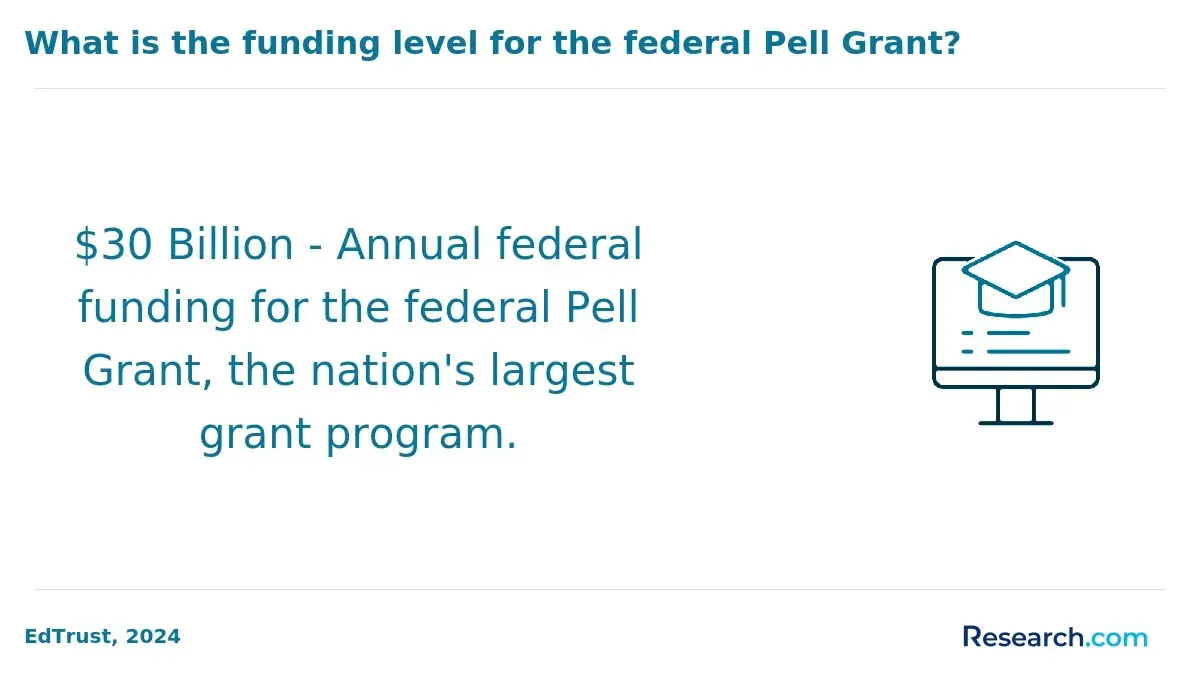
FAFSA is the application students use to be considered for federal student aid. For online PMHNP students, the most common federal aid is graduate student loans rather than Pell Grants, because Pell Grants generally apply to eligible undergraduate students.
Graduate nursing students at eligible schools may use federal aid if they meet enrollment and program requirements. The most important distinction is that the school and program must be eligible; an online format alone does not make a program ineligible.
- Submit the FAFSA: List each school you are considering so its financial aid office can prepare an aid offer if you are admitted.
- Confirm Title IV eligibility: Ask whether the specific PMHNP degree or certificate pathway qualifies for federal student aid.
- Review Direct Unsubsidized Loan eligibility: Graduate students may be eligible for up to $20,500 per academic year in federal Direct Unsubsidized Loans, subject to federal rules and aggregate limits.
- Consider Graduate PLUS Loans carefully: These can cover remaining eligible cost of attendance but may carry higher costs than unsubsidized loans.
- Compare aid offers: Look at scholarships, grants, tuition discounts, employer payments, loan amounts, loan fees, and estimated interest separately.
- Borrow only what you need: You may be offered loans up to the cost of attendance, but accepting the full amount can increase repayment pressure after graduation.
The redesigned FAFSA process has made timing more important for students because aid packaging can depend on institutional deadlines and document processing. Apply early, respond quickly to verification requests, and do not assume that an admission offer automatically means the program qualifies for the aid you expect.
Which Scholarships, Grants, and Tuition Benefits Can Help Pay for an Online Psychiatric Mental Health Nurse Practitioner Degree?
Scholarships, grants, and tuition benefits reduce net price because they do not function like standard student loans. The best funding strategy for PMHNP students is usually layered: school aid first, employer benefits second, professional awards third, and federal loans only for the remaining gap.
Graduate nursing aid can be competitive, so students should ask whether awards are one-time, renewable, need-based, merit-based, specialty-specific, or tied to service commitments. These are the most relevant categories to explore.
- University nursing scholarships: Many schools offer graduate nursing awards based on academic performance, financial need, specialty area, or service background.
- State workforce grants: Some states support nurses entering shortage areas, including behavioral health and primary care, but eligibility can depend on residency or employment location.
- Employer tuition assistance: Hospitals, behavioral health systems, community clinics, and VA-related employers may reimburse tuition or pay schools directly.
- Loan repayment programs: Federal, state, military, tribal, and nonprofit programs may repay part of qualifying educational debt in exchange for service in eligible shortage settings.
- Professional association scholarships: Nursing organizations sometimes fund graduate students pursuing advanced practice, mental health, rural health, or underserved-community roles.
- Military and veteran benefits: Eligible students may use GI Bill benefits, Yellow Ribbon participation, military tuition assistance, or branch-specific nursing incentives.
- Diversity and community-service awards: Some scholarships support students from underrepresented backgrounds or those planning to serve high-need populations.
Students at earlier stages of healthcare education should also calculate the cost of reaching RN status before PMHNP study. For example, someone starting outside nursing may compare an LPN fast track program, ADN pathway, BSN completion option, and eventual graduate nursing route before choosing the cheapest long-term plan.
The most important scholarship question is not "How much can I win?" but "How much will this reduce what I must borrow?" A $3,000 renewable scholarship over several terms can be more valuable than a larger one-time award if it consistently lowers loan need.
Can Transfer Credits, Prior Learning, and Competency-Based Study Lower the Cost of an Online Psychiatric Mental Health Nurse Practitioner Degree?
Transfer credit can reduce PMHNP costs, but graduate nursing programs are usually stricter than undergraduate programs. Because advanced practice curricula must meet certification, accreditation, and clinical-hour expectations, schools may limit how many graduate credits they accept and how old those credits can be.
Before assuming transfer credit will save money, ask for a formal transcript evaluation. The following items are especially important for PMHNP applicants.
- Check maximum transfer credits: Ask how many graduate credits can apply to the PMHNP plan of study and whether specialty courses are excluded.
- Confirm course age limits: Advanced pharmacology, pathophysiology, assessment, and specialty psychiatric courses may expire after a set number of years.
- Review residency requirements: Many schools require students to complete a minimum number of credits at the institution, even if previous coursework is similar.
- Ask about prior clinical hours: Clinical hours from another program may not transfer unless they match population focus, supervision, documentation, and timing requirements.
- Request the decision in writing: Verbal transfer estimates can change after admission or faculty review.
- Calculate savings after fees: Fewer credits can lower tuition, but some semester fees may remain if the transfer reduces course load without shortening the calendar.
Competency-based education is less common in PMHNP preparation than in some undergraduate or nonclinical online degrees because APRN programs must document specific competencies, supervised clinical hours, and population-focused outcomes. Students comparing healthcare routes outside nursing may see more flexible credit models in fields such as 1 year radiology tech programs, but PMHNP preparation is more tightly regulated.
Prior learning can still help indirectly. Strong undergraduate grades, current RN experience, psychiatric nursing experience, and completed prerequisite courses may improve admission readiness and reduce the risk of repeating foundational work, even when they do not directly cut graduate credits.
How Should Students Compare the Net Price, Quality, and Return on Investment of Online Psychiatric Mental Health Nurse Practitioner Degree Programs?
The best-value online PMHNP program is the accredited option that gives you a realistic path to graduation, certification eligibility, licensure alignment, manageable debt, and career mobility. The lowest tuition program may be a poor fit if it lacks clinical support in your state, has unclear outcomes, or requires travel you cannot afford.
Use the following comparison framework after narrowing your list to accredited programs. It helps you balance cost against completion risk and career value.
- Build a total-cost spreadsheet: Include tuition, mandatory fees, books, clinical compliance, travel, certification, licensure, loan fees, and expected interest.
- Estimate net price: Subtract scholarships, grants, tuition reimbursement, military benefits, and other non-loan aid from the total cost.
- Compare time to completion: A shorter program may reduce fees and opportunity cost, but only if the pace is realistic with your job and clinical schedule.
- Evaluate clinical placement support: Ask whether the school secures sites, assists with preceptors, or leaves placement mostly to students.
- Check certification and licensure alignment: Confirm that the program prepares students for PMHNP certification and meets requirements in the state where you plan to practice.
- Review outcomes carefully: Ask for graduation rates, certification pass-rate information, employment support, and student complaint processes where available.
- Model loan repayment: Compare expected monthly payments under federal repayment options against realistic post-graduation income scenarios.
- Consider professional fit: PMHNP work requires psychiatric assessment, medication management, therapeutic communication, crisis awareness, ethics, and comfort working with complex behavioral health needs.
The BLS May 2024 wage data for nurse practitioners can help frame ROI, but it should not be treated as a personal salary forecast. Pay varies by state, setting, experience, specialty, employer, and schedule. A student planning rural behavioral health practice, telepsychiatry, hospital-based psychiatry, or community mental health may see different compensation and loan-repayment opportunities.
Finally, compare PMHNP against adjacent healthcare goals if cost is your main concern. A clinical nursing graduate route is very different from a nutritionist degree online, public health degree, counseling pathway, or allied health program, so ROI should be judged by licensure requirements, scope of practice, patient-care responsibilities, and long-term career fit.
Other Things You Should Know About Psychiatric Mental Health Nurse Practitioner
Financial aid options for online PMHNP programs in 2027 include federal student loans, scholarships, and grants. The Free Application for Federal Student Aid (FAFSA) is key to accessing these options, with specific deadlines varying by program. Always check with individual institutions for additional funding opportunities.
Yes, most accredited online PMHNP degree programs require applicants to have a minimum GPA of 3.0 for admission. Some programs may have higher GPA requirements or consider GPA alongside other factors such as experience or letters of recommendation.
While students can complete much of their PMHNP coursework online, securing clinical preceptors often falls on the students themselves. Many programs provide guidance, but students usually need to arrange clinical placements to fulfill their practice requirements and gain real-world experience.
References
- BSN to PMHNP Programs Online: Top Degrees & Key Details https://www.edumed.org/online-schools/nurse-practitioner-programs/psychiatric-mental-health/bsn-to-pmhnp/
- Most Affordable Online PMHNP Programs for 2025–2026 - Nurse Practitioner Degrees https://npdegrees.org/degrees/online-np-masters-degrees/most-affordable-pmhnp-programs/
- Psychiatric Mental Health Nurse Online Certificate | Washburn University https://www.washburn.edu/academics/college-schools/nursing/grad/pmhnp/index.html
- Top Online PMHNP Programs 2026 (Comprehensive Rankings) https://www.npschools.com/rankings/all-online-pmhnp-programs
- 2025 Most Affordable Online Nurse Practitioner Programs https://www.onlineu.com/most-affordable-colleges/nurse-practitioner-masters-degrees
- Online Psychiatric Mental Health Nurse Practitioner (PMHNP) Programs https://nursinglicensemap.com/nursing-degrees/online-nurse-practitioner-programs/psychiatric-mental-health-pmhnp/
- MSN Psychiatric-Mental Health Nurse Practitioner Specialization https://www.chamberlain.edu/academics/nursing-school/psychiatric-mental-health-nurse-practitioner