2027 Human Resources Degree Completion Programs for Working Adults

Co-Founder and Chief Data Scientist
Working adults aiming to complete a human resources degree often face barriers-managing work schedules, ensuring prior credits transfer, and balancing financial burdens. Many programs lack flexible scheduling and accredited status, reducing their value for licensure or career advancement.
Research shows that graduates of accredited human resources degree completion programs earn 15% higher median salaries than those with generic undergraduate degrees. This difference underscores the importance of program quality in return on investment and career outcomes.
This article explores how to evaluate degree completion programs based on accreditation, credit transfer policies, cost, and scheduling to align education with professional and life goals effectively.
Key Things to Know About Human Resources Degree Completion Programs for Working Adults
- Maximize credit for prior learning-many programs grant up to 50% transfer credits for military, professional training, or ACE-evaluated coursework, accelerating degree completion.
- Identify employer- and licensure-recognized programs by verifying accreditation from bodies like HRCI or SHRM to ensure credentials meet industry standards.
- Access financial aid for working adults through employer tuition assistance, federal grants like Pell, and scholarships targeting nontraditional or transfer students.
What Are Human Resources Degree Completion Programs, and Who Are They Designed For?
Human resources degree completion programs for working adults provide a focused pathway to finish bachelor's degrees after some prior college work-distinct from traditional four-year degrees or graduate studies. These options cater specifically to busy adults by combining accelerated pacing, credit-for-prior-learning policies, and flexible scheduling. This focus enables faster completion without compromising academic integrity.
Accelerated Pacing: Programs use condensed semesters or shorter courses designed to help students graduate efficiently.
Credit-for-Prior-Learning Policies: Many accept transfer credits and recognize military training-often accredited through the American Council on Education (ACE)-to reduce course loads significantly.
Flexible Scheduling: Courses often take place online, during evenings, or weekends to fit around employment and family life, supporting accessible study for working adults seeking online human resources degree completion options for professionals.
Target Audiences:
- Adults with Some College but No Degree: Those pausing education for work or personal reasons who want to complete their degree.
- Military Veterans: Learners utilizing ACE-certified military training for academic credit and career transition.
- Working Professionals: Individuals requiring a bachelor's degree for promotion or credential-based HR roles.
- Career Changers: Those entering the human resources field needing relevant academic qualifications.
Research from the National Student Clearinghouse, the American Association of State Colleges and Universities (AASCU), and the Lumina Foundation proves this pathway's legitimacy. They emphasize that such programs uphold rigorous standards while offering practical credit transfer, financial aid, and career-centered curricula.
Applicants should carefully evaluate program accreditation, credit transfer policies, and cost-especially if comparing certificates online or other credentials alongside a human resources degree completion program suited to their financial and professional goals.
How Do Human Resources Degree Completion Programs Differ From Traditional On-Campus Degree Programs?
Human Resources degree completion programs for working adults versus traditional campus-based programs differ notably in structure and delivery-designed specifically to fit the complex lives of employed learners balancing family and education. These programs offer Scheduling Formats such as evening, weekend, online, or hybrid classes that allow students to study without disrupting their work schedules, contrasting with traditional degrees that mostly require weekday, daytime attendance on campus.
- Pacing Options: Completion programs often provide accelerated cohorts or self-paced enrollment, enabling students to manage their progress flexibly. Traditional degree programs adhere to semester-based calendars with full-time enrollment that may be less suitable for adults with multiple responsibilities.
- Residency Requirements and Coursework Delivery: Such programs minimize or eliminate the need for on-campus residency, delivering a large portion of courses asynchronously online. Traditional programs emphasize full-time, in-person attendance with limited online options.
- Structural Accommodations: Completion pathways feature rolling or multiple start dates, streamlined academic advising tailored to adult learners, and more flexible credit transfer policies-including military training evaluated through ACE credits. In contrast, traditional programs typically have fixed start dates, stricter credit acceptance, and more rigid advising processes.
Data from the National Center for Education Statistics (NCES) and IPEDS highlight growing enrollment in degree completion programs over the last decade, underscoring increased demand by working adults. While both program types typically confer identical bachelor's degrees-either a Bachelor of Science or Bachelor of Arts in Human Resources-the completion program is optimized to minimize employment and family disruption, delivering a fundamentally different educational experience.
- Credit Transfer Flexibility: Completion programs are more generous in recognizing prior college coursework, military service, and professional training, which benefits veterans and mid-career professionals alike.
- Advising and Support: These programs offer dedicated advising focused on efficient degree planning and career alignment, unlike the more generalized advising typical of traditional degrees.
- Financial and Career Considerations: Many completion programs provide financial aid options tailored for part-time students and career services aimed at credential-gated promotions or career changers entering human resources.
For learners evaluating differences between online human resources completion programs and on-campus degrees, identifying a program that maximizes credit for prior learning and aligns with professional goals is critical. Interested students may explore 2 year accelerated bachelor degrees as a pathway that often integrates these flexible, adult-oriented features.
What Prior Credits and Experiences Count Toward a Human Resources Degree Completion Program?
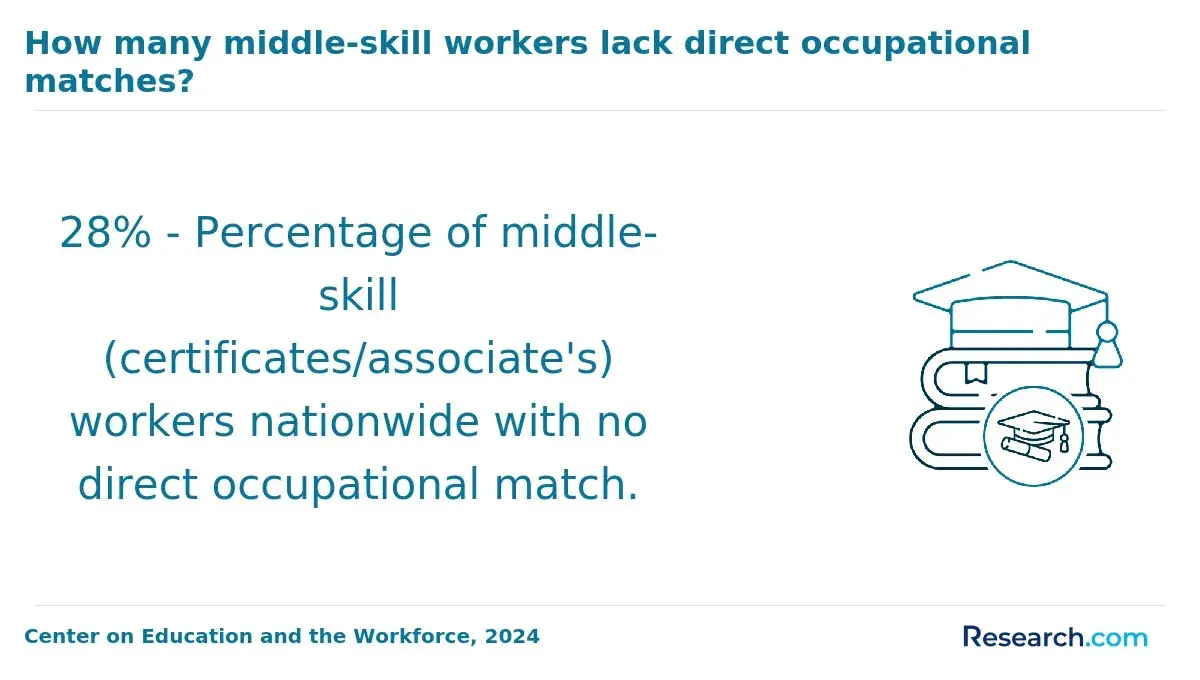
Transfer Credits: Courses completed at regionally accredited colleges usually qualify, though acceptance varies by institution and the accreditation of the original school. Prospective students should secure official transcripts and request a pre-enrollment credit review to confirm eligibility.
Military Training Credits: Many programs recognize military experience evaluated by the American Council on Education (ACE). Veterans often convert this training into academic credit, but beware of schools that outright reject ACE recommendations or impose unjustified credit limits.
Professional Certifications: Credentials like SHRM-CP or PHR may translate into credit through Prior Learning Assessment (PLA), which also includes workplace learning portfolios documenting real-world expertise.
Credit-by-Examination: Tests such as CLEP and DSST provide routes to quickly earn credit by demonstrating subject mastery, frequently accepted to fulfill general education requirements.
CAEL research reveals that leveraging PLA and transferred credits can reduce time-to-degree by six months to a year, enabling significant savings on tuition and living expenses. Students should compare program policies against AACRAO guidelines, which advocate for transparent, fair transfer evaluations-institutions ignoring these standards risk hindering learner progress through arbitrary limits.
One professional who completed a human resources degree remarked on the process: "Initially, I wasn't sure which of my past courses and military training would count. The credit evaluation took some back-and-forth, and there were moments of frustration waiting for official transcript submissions. But once my prior learning was recognized-including my SHRM certification and military credits-it cut my remaining coursework by nearly half. That progress was a real relief and kept me motivated through late-night studies and balancing work."
What Is the Minimum GPA Requirement for Human Resources Degree Completion Programs?
Admission into human resources degree completion programs generally hinges on a cumulative GPA ranging from 2.0 to 2.5 on a 4.0 scale based on prior college work, signaling readiness for advanced coursework. This minimum GPA requirement helps balance academic rigor with the demands of working adult students.
- Conditional Admission: Some schools accept applicants with GPAs below the threshold-often just under 2.0-by providing resources like tutoring, mentoring, or lighter course loads to support academic achievement.
- Open Admission with Experience: Programs serving working adults, including veterans with ACE-credited training, frequently consider professional experience as a substitute for higher academic performance, allowing entry based on documented career competencies.
- Holistic Review: GPA is weighed alongside other factors at many institutions accredited by the Higher Learning Commission and regional bodies, including:
This comprehensive evaluation acknowledges candidates who show promise despite lower GPAs.
- Relevant years of work experience
- Letters of recommendation that highlight applied skills
- Personal statements describing goals and motivation
- Returning Students: Adults reentering after a break with subpar GPAs may qualify for fresh-start or academic forgiveness policies-mechanisms that reset GPA calculations after certain non-enrollment periods, providing a clean slate for degree completion.
- Pre-admission Evaluation: Prospective students should request formal academic reviews from each institution to clarify admission prospects before investing effort in applications.
This understanding of minimum GPA requirements for human resources degree completion programs equips applicants to better assess their eligibility based on academic and experiential criteria. For those comparing options in this field, finding the best online degrees can provide flexible pathways tailored to adult learners balancing work, life, and career advancement.
How Are Human Resources Degree Completion Programs Structured Around Full-Time Work Schedules?
Many human resources degree completion programs cater to adults working full-time-often 40+ hours weekly-through flexible scheduling such as evening cohorts, weekend intensives, fully asynchronous online courses, or hybrid formats blending in-person and virtual classes. These approaches enable learners to study without disrupting their established work routines.
For full-time working students, the typical credit load per term ranges from 6 to 9 credits, balancing steady academic advancement with professional and personal commitments. A common feature is the cohort learning model, where students progress together as a fixed group. This design improves scheduling predictability and fosters accountability and peer support, crucial for adults managing courses alongside job and family responsibilities months in advance.
The National Student Clearinghouse Research Center reports that cohort-based programs yield higher persistence and graduation rates compared to traditional enrollments, providing solid evidence that structured cohort experiences encourage successful completion.
Prospective students should inquire about:
- Course Policies: Availability of course cancellation rules and accommodations for unavoidable work conflicts.
- Student Support: Access to dedicated success advisors who help navigate scheduling challenges and keep students on track.
- Scheduling Formats: Flexibility options aligning with full-time work demands, such as evenings, weekends, online, or hybrid settings.
- Cohort Benefits: Enhanced support systems and reliable curriculum pacing through fixed group progression.
- Credit Load Management: Recommended term credits that maintain a sustainable balance with other life obligations.
Reflecting on her experience, a professional who completed her human resources degree shared that balancing a demanding job and family life initially felt daunting. She appreciated how the cohort model created a close-knit network that kept her motivated during tough weeks, while flexible scheduling meant she never had to sacrifice work commitments. Having a student advisor to coordinate make-up options when unexpected shifts arose made all the difference-she described it as a "lifeline" that prevented setbacks. Ultimately, this structure allowed her to focus on both her studies and career growth simultaneously, which she credits as key to establishing her HR career after graduation.
Is Online or Hybrid Delivery Available for Human Resources Degree Completion Programs?
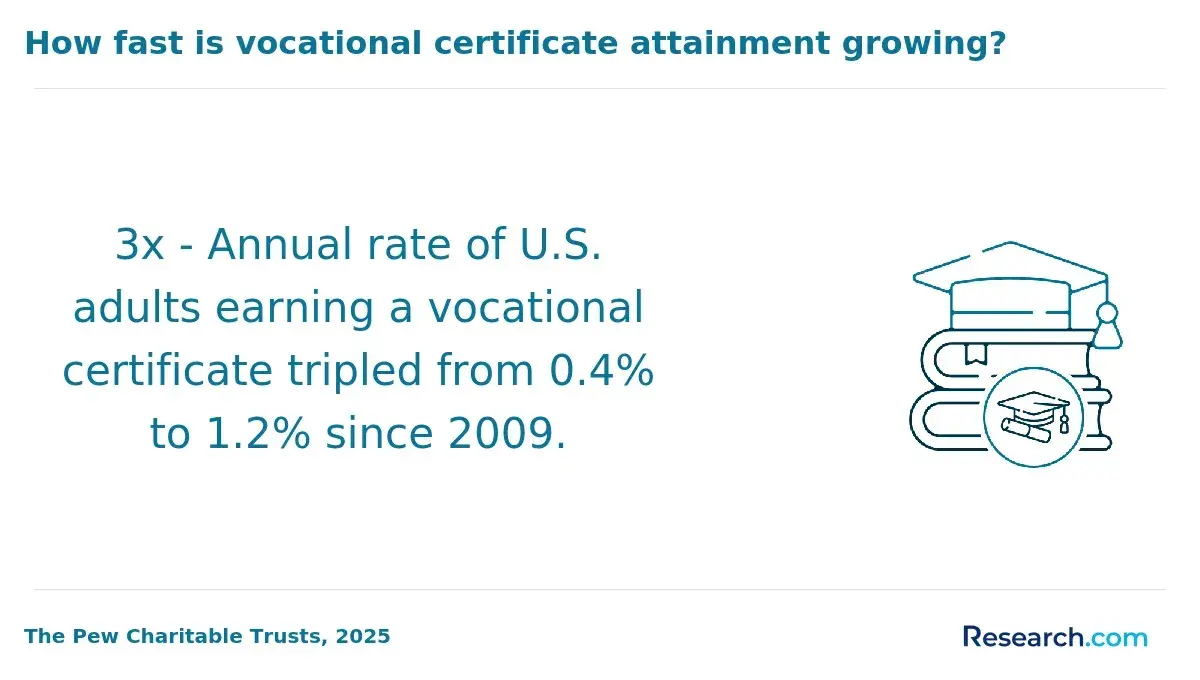
As of 2023, about 65% of adult learners in human resources degree completion programs enroll fully online, with roughly 25% choosing hybrid formats that combine online work and scheduled in-person sessions. This shift intensified during the COVID-19 pandemic, prompting many schools to enhance their online infrastructure and adopt effective remote teaching practices.
Delivery methods vary significantly-each has trade-offs for working professionals in different locations:
- Synchronous Live Sessions: Real-time video classes encourage interaction but require attendance at fixed times, which can be difficult for those with irregular hours or living in different time zones.
- Asynchronous Recorded Lectures: Learners engage with materials and assignments on their own schedules, offering maximum flexibility but needing strong self-discipline and time management skills.
- Hybrid Models: These combine online study with occasional on-campus intensives, facilitating direct faculty engagement and peer networking-but geographic access is necessary for the in-person components.
When comparing programs, evaluate these quality markers:
- Faculty Credentials: Instructors should possess relevant academic and professional qualifications in human resources management.
- Student-to-Faculty Ratios: Lower ratios often result in more personalized support, aiding comprehension and career guidance.
- Virtual Academic Support: Access to online tutoring, library services, and career counseling significantly impacts student success.
- Accreditation: The online program must share equal institutional accreditation with on-campus offerings to ensure credit transferability and employer recognition.
Prospective students should ask enrollment advisors about scheduling flexibility, technology support for engagement, and availability of remote resources. Choosing between synchronous, asynchronous, or hybrid formats depends on personal learning preferences and professional obligations-making the right match crucial for degree completion and career advancement.
How Long Does It Take to Complete a Human Resources Degree Completion Program?
Completion times for human resources degree completion programs vary widely based on prior credits, enrollment intensity, and program specifics. Students entering with about 60 credits-roughly equivalent to two full years-typically require 2 to 3 years when attending part-time. Those with 90 credits, close to completing their degree, can often finish in 12 to 18 months if transfer and scheduling align well. Candidates with substantial prior learning, such as military training evaluated via portfolio review or ACE credit, sometimes complete programs in under a year-particularly when enrolled full-time or in accelerated formats.
Key variables influencing how quickly students finish include:
- Credits Awarded: More transfer or prior learning assessment credits mean fewer required courses, directly cutting time-to-degree.
- Enrollment Status: Part-time study balances life and work but lengthens duration; accelerated or heavier course loads speed completion when feasible.
- Program Requirements: Fixed components like internships and capstone projects have non-negotiable durations, limiting how fast those elements can be completed regardless of academic progress.
- Scheduling Flexibility: Programs with frequent start dates and asynchronous courses enable quicker progress by fitting diverse schedules.
Faster completion reduces tuition costs and opportunity costs from lost income, while allowing earlier access to improved post-degree salaries. This financial impact makes accelerated timelines not merely a convenience but a significant economic consideration, especially for working adults balancing family and career.
Prospective students are advised to request written data from programs about average completion times for their specific credit profiles-rather than rely on minimum advertised timelines that often reflect best-case scenarios for highly credited students under ideal conditions. This objective data helps adults-whether military veterans with ACE-credited training, mid-career professionals, or career changers-make informed comparisons between credential pathways tailored to their needs.
What Accreditation Should a Human Resources Degree Completion Program Hold?
Regional Accreditation: This is the highest and most respected standard for accredited human resources degree completion programs-granted by agencies such as the Higher Learning Commission (HLC), Middle States Commission on Higher Education, and SACSCOC. Employers, graduate schools, and the federal student aid system widely recognize these accreditations. Programs with regional accreditation ensure credits earned are transferable, maintaining strong value in the job market and for future education. This factor is crucial for working adults aiming to leverage previous college credits or military training toward a degree.
National Accreditation: Offered by agencies like the Distance Education Accrediting Commission (DEAC), national accreditation is often viewed as lower status. While some institutions hold it, these programs frequently limit credit transfer options and may have less acceptance from employers and graduate schools. For adults seeking human resources degree accreditation standards for working adults, this distinction is vital as it can affect career advancement and licensing eligibility.
Programmatic Accreditation: Though uncommon specifically in human resources, some relevant business-related accreditations-such as the Accreditation Council for Business Schools and Programs (ACBSP) or the Association to Advance Collegiate Schools of Business (AACSB)-enhance degree value. Unlike fields like engineering or social work that have dedicated accreditors, human resources students benefit from business programmatic accreditation, which can improve hiring prospects and ease graduate school admissions.
Accreditation Verification: Beware of programs listing unrecognized or questionable accreditors. Completing a degree from such institutions risks wasted time and money, as employers or licensing boards may not accept the credential. To confirm legitimacy, use the U.S. Department of Education's Database of Accredited Postsecondary Institutions and Programs (DAPIP) rather than relying solely on marketing claims. For those interested in supplementary options, exploring recognized certificate programs can also support career goals.
How Much Do Human Resources Degree Completion Programs Cost, and What Financial Aid Is Available?
Costs for human resources degree completion programs vary by institution type and additional fees. Public regional universities typically charge $250-$500 per credit hour, while private nonprofit institutions range from $600 to $1,200 per credit hour. For-profit schools often charge the highest rates but may offer accelerated or flexible scheduling options to accommodate working adults. Beyond tuition, students should budget for mandatory fees averaging $100-$300 per term, plus technology and course materials costing $200-$600 annually. Some programs mandate residencies or intensives, adding travel and lodging expenses. Understanding these costs is critical when comparing affordable financial aid programs for human resources degree completion students.
Financial aid options tailored to adult learners include Pell Grants, which remain accessible to part-time students who qualify, though awards may be prorated based on enrollment status. Employer tuition reimbursement programs can substantially reduce out-of-pocket costs for professionals supported by their companies. Military-affiliated learners benefit from GI Bill and MyCAA educational benefits, often covering full tuition or providing stipends. Many schools also offer scholarships targeting non-traditional students-including adults returning after a break from education. Filing the FAFSA independently is essential for unlocking eligibility for federal aid and institutional grants.
Tax advantages further offset expenses for working adults paying tuition out-of-pocket. The Lifetime Learning Credit allows a credit of up to $2,000 annually for qualified tuition and fees. Additionally, IRS Section 127 lets employers provide up to $5,250 per year in tax-free educational assistance. Consulting a tax professional is advised to optimize these benefits based on personal financial circumstances.
When assessing human resources degree completion program cost and financial aid options, it's important to build a comprehensive comparison accounting for credit transfer savings, employer reimbursement eligibility, and net tuition after aid. Sticker price rarely reflects actual out-of-pocket expenditure-especially for working adults leveraging prior credits and employment benefits. For adults balancing career and study, exploring quick masters degrees online pathways may also offer flexible, cost-effective opportunities.
- Tuition Rates: Public regional universities $250-$500/credit; private nonprofits $600-$1,200/credit; for-profits often highest, plus fees and materials.
- Financial Aid: Pell Grants for part-time learners; employer tuition reimbursement; GI Bill and MyCAA for military; adult-targeted scholarships; FAFSA filing essential.
- Additional Costs: Technology fees, course materials, residency travel-budgeting beyond tuition is critical.
- Tax Benefits: Lifetime Learning Credit and employer educational assistance exclusion can lower net costs; professional tax advice advised.
- Cost Comparison: Account for credit transfer savings and employer support-sticker price rarely reflects true out-of-pocket expenses for working adults.
What Career Outcomes Can Working Adults Expect After Completing a Human Resources Degree?
Completing a human resources bachelor's degree while working often leads to distinct career advantages over traditional graduates. Georgetown University Center on Education and the Workforce data highlight a clear salary boost for degree completers compared to peers with some college but no degree, reflecting access to higher-paid, credential-required roles.
- Promotion Eligibility: Degree holders commonly gain entry to supervisory and managerial positions within human resources-roles frequently closed to those without a completed degree.
- Credential-Gated Roles: Senior titles like HR manager or compensation specialist usually mandate a completed bachelor's, positioning degree completion programs as critical steps for working professionals.
- Salary Premium: Median earnings climb by about 20-30% following degree completion, drawing on College Scorecard and BLS wage data segmented by education level.
- Experience Leverage: Working adults return to finish degrees with years of relevant professional experience-letting them bypass entry-level positions and pursue advanced jobs immediately upon graduation.
- Alignment With Goals: Prospective students aiming for licensed roles, leadership upgrades, or graduate study should verify program accreditation and confirm the degree meets specific credential or admission criteria before enrolling.
Focusing on credit transfer, flexible scheduling, affordability, and quality indicators helps learners select programs suited to their unique career objectives, financial realities, and life commitments-ensuring degree completion leads to meaningful advancement rather than simply an additional credential.
How Do Employers View a Human Resources Degree Completed Through a Completion Program?
Surveys from the Society for Human Resource Management (SHRM) and the National Association of Colleges and Employers (NACE) reveal that employers prioritize the accreditation and reputation of the institution awarding a human resources degree over the student's enrollment method. Whether the degree was earned via a traditional path or a completion program using prior learning assessment (PLA) rarely affects employer evaluation.
- Accreditation: Degrees from accredited institutions ensure quality and are generally accepted regardless of how the credits were earned.
- Diploma Presentation: Human resources completion program diplomas usually appear identical to those from traditional students, with no mention of the completion route.
- Resume Strategy: Candidates should list the accredited institution as their degree source. During interviews, highlighting the accelerated or adult-focused nature of the program can showcase time management and practical experience.
- Employer Scrutiny: Federal jobs subject to OPM qualification rules or licensed professions regulated by state boards might require more detailed verification of how degrees were completed.
- Verification Recommendations: Individuals in regulated fields should consult licensing authorities or HR departments before enrolling to ensure the degree meets professional standards.
- Private Sector Hiring: Most private employers value professional competency, experience, and references over enrollment format-making a completion degree a credible qualification that complements career advancement.
What Graduates Say About Human Resources Degree Completion Programs for Working Adults
- Yeshua: "Completing my human resources degree as a working adult was a game changer-I appreciated how the program's flexible scheduling formats accommodated my full-time job and family commitments without sacrificing course quality. The accreditation standards really stood out to me; knowing my degree met rigorous criteria gave me confidence it was respected in the industry. Additionally, the generous credit transfer policies saved me time and money by recognizing previous coursework, which made finishing the program much more attainable."
- Hugh: "After enrolling in a human resources degree completion program, I realized how vital cost considerations are-high-quality programs balance affordability with valuable outcomes, so it's crucial to look beyond price tags alone. The structural features of the coursework-focused on applied skills and leadership development-prepared me well for my career transition. What really impressed me were the clear career outcomes the program emphasized, which helped me map out my next steps and ultimately land a role that aligned with my goals."
- Atlas: "Reflecting on my human resources degree experience, I recognize how fundamental accreditation is in ensuring that my credential holds weight in the professional world-something generic programs often overlook. The program's flexible scheduling formats allowed me to maintain work-life balance throughout my studies, proving that quality education can fit around real-life obligations. Now, with a clearer understanding of credit transfer policies and cost structures, I'm more confident in recommending this pathway to other working adults seeking a meaningful qualification."
Other Things You Should Know About Human Resources Degrees
To enroll in a 2027 Human Resources degree completion program for working adults, you typically need an associate degree or equivalent credits, relevant work experience in the field, and a minimum GPA as specified by the institution. Specific requirements vary by school.
In 2027, Human Resources degree completion programs for working adults often incorporate practical experience through internships, collaborative projects, and real-world case studies. These elements allow students to apply theoretical knowledge in workplace settings, enhancing their understanding and preparing them for HR roles after graduation.
Yes, classes in Human Resources degree completion programs for working adults are often offered online, providing flexibility and convenience. In 2027, many programs focus on remote learning to accommodate the busy schedules of working professionals, facilitating career advancement without disrupting work commitments.
References
- How Long to Earn an HR Certificate? | HR Training Timelines https://hrcertification.com/blog/hr-certificate-completion-time-guide-biid1000172
- What Degree Might You Need to Pursue an HR Career Path? The Requirements to Know https://www.trident.edu/what-degree-do-you-need-for-hr-requirements-to-know/
- Top 100% Online HR Master’s with No GRE/GMAT Requirement https://www.humanresourcesedu.org/top-100-online-hr-masters-with-no-gre-gmat-requirement/
- Study Human Resource Management in Poland - Bachelors & Masters Courses https://www.studyeurope.in/study-human-resource-management-in-poland/
- CourseCareers https://coursecareers.com/blog-posts/human-resources-credentials-compared
- Degrees for Human Resources: A Guide to Starting or Switching Your Career https://www.aihr.com/blog/degrees-for-human-resources/
- How Long Does an HR Course Take? https://globaltraining.edu.au/article/how-long-does-an-hr-course-take
- Top 15 Online Master's in HR With a Low GPA Acceptance - Human Resources Degrees https://www.humanresourcesmba.net/best/top-online-masters-hr-low-gpa-acceptance/
- Discover The Most Affordable Online Human Resources Degrees https://www.affordablecollegesonline.org/degrees/human-resources-programs/
- How to Earn Your Bachelor’s Degree in Human Resources https://www.allbusinessschools.com/human-resources/bachelors-degree/