2027 Nurse Leadership Degree Growth by State: Where Interest Is Rising the Fastest

Co-Founder and Chief Data Scientist
States experiencing rapid growth in nurse leadership degree enrollment reflect distinct regional pressures such as shifting demographics, healthcare infrastructure expansion, and regulatory changes influencing workforce demand. For instance, states with aging populations and rural care shortages show notable surges in prospective students aiming to fill leadership roles, responding to urgent institutional needs.
According to the National Center for Education Statistics in 2024, online and flexible program formats have increased nurse leadership master's enrollment by over 18%, highlighting a pivotal shift toward accessible education for working adults. This trend directly affects how candidates weigh timing, program format, and career mobility amid evolving state-specific healthcare landscapes.
Key Things to Know About the State Where Nurse Leadership Degree Interest Is Rising the Fastest
- Florida's aging population drives urgent workforce demand for nurse leadership roles, but fluctuating state funding restricts program expansion, requiring prospective students to weigh growth potential against limited local education capacity.
- Texas benefits from regulatory flexibility easing clinical hour requirements, appealing to working professionals and enabling quicker licensure, which employers interpret as greater readiness but may signal less hands-on experience.
- California's robust online nurse leadership enrollment reflects broad adult learner access but contributes to program saturation, imposing longer wait times and potential tuition inflation that delay career mobility for new entrants.
- Which States Are Seeing the Fastest Growth in Nurse Leadership Degree Enrollment? States Seeing the Fastest Growth in Enrollment
- What Does Enrollment Growth in Nurse Leadership Programs Actually Tell Prospective Students? Interpreting Enrollment Growth
- How Do Regional Job Market Conditions Drive Nurse Leadership Degree Demand by State? Role of Regional Job Market Conditions
- Which States Have Added the Most New Nurse Leadership Degree Programs in the Last Five Years? States That Have Added the Most Programs
- How Has the Rise of Online Education Changed Which States Lead in Nurse Leadership Program Interest? Role of Online Education in Increased Program Interest
- What Demographic Trends Are Fueling Nurse Leadership Degree Growth in Specific States? Demographic Trends Fueling Growth
- How Do State Funding Levels for Nurse Leadership Services Influence Degree Program Growth? Role of State Funding Levels
- Which States Are Emerging as Unexpected Leaders in Nurse Leadership Degree Interest? States Emerging as Unexpected Leaders in Growth
- How Does State Population Size Affect the Interpretation of Nurse Leadership Degree Growth Data? Role of State Population Size
- What Role Do State Licensing Requirements Play in Driving or Suppressing Nurse Leadership Enrollment? Role of State Licensing Requirements
Which States Are Seeing the Fastest Growth in Nurse Leadership Degree Enrollment?
The growth of nurse leadership degree enrollment is not merely a reflection of increased academic interest but signals shifting employer expectations and healthcare market demands across the United States. As graduate and undergraduate nurse leadership programs expand nationally, states with the most pronounced enrollment gains reveal localized workforce pressures and strategic institutional responses. For prospective students weighing program options, understanding which states exhibit rapid enrollment growth offers insight into where healthcare systems emphasize leadership development and where graduates may find richer career opportunities amid evolving service models and regulatory complexities.
- Texas: Enrollment surges here correspond to the state's vast and diverse healthcare workforce needs, supported by a robust system of public universities that provide flexible and distributed graduate nurse leadership offerings emphasizing administrative competence alongside clinical expertise.
- Florida: Demographic realities, particularly an aging population, drive increased demand for nurse leaders adept at quality improvement and regulatory navigation in metropolitan health systems, reflected in notable degree enrollment growth.
- California: With its complex healthcare ecosystem, California's increase in nurse leadership enrollment is concentrated in institutions integrating leadership with informatics and population health, preparing graduates for multifaceted roles crucial to system-wide coordination.
- Washington: State-sponsored incentives aimed at strengthening rural healthcare leadership create pockets of rapid enrollment expansion, highlighting the critical function of nurse leaders in underserved regions.
- Virginia: Investment by both public and private universities in programs targeting policy and population health leadership aligns with regional health system demands, driving sustained enrollment increases.
This geographic distribution of nurse leadership degree enrollment growth is nationally dispersed rather than regionally confined, reflecting specific economic, demographic, and regulatory conditions. The patterns highlight tradeoffs for students in selecting programs, including the balance between choosing locations with strong institutional support and those aligned with emerging healthcare sector priorities. Subsequent sections will analyze the underlying factors influencing these state-level enrollment trends-such as funding mechanisms, licensure frameworks, and workforce dynamics-and why carefully evaluating such enrollment momentum is crucial for understanding long-term graduate employability and professional mobility within and beyond particular states. For those comparing broader program costs and benefits, resources like healthcare administration degree cost analyses offer complementary insights essential to making informed enrollment decisions.
What Does Enrollment Growth in Nurse Leadership Programs Actually Tell Prospective Students?
Enrollment growth in nurse leadership programs often signals increased interest, but interpreting this surge requires careful consideration beyond mere headcounts. For example, a program expanding rapidly in a state with acute healthcare shortages may reflect genuine labor market demand, whereas another growing through aggressive marketing might not yield comparable graduate success.
Raw enrollment numbers provide a useful starting point but insufficient insight into program quality, student outcomes, or workforce alignment. Prospective students must weigh additional indicators to assess a program's true value and relevance to their career goals. These measures help distinguish programs thriving due to strong academic rigor and employer connectivity from those that expand primarily through relaxed admission standards or recruitment tactics.
- Retention Rates: Reflects whether students are supported throughout the program, signaling academic environment strength and admissions appropriateness.
- Graduation Rates: Indicates the institution's effectiveness in enabling timely completion and readiness for leadership roles.
- Job Placement Outcomes: Shows the degree to which programs connect graduates with relevant employment, influencing return on investment.
- Licensure Pass Rates: Demonstrates curriculum quality and student preparation for professional certification requirements.
- Growth Drivers: Distinguishes growth stemming from labor market needs and academic reputation versus marketing-driven increases or diluted standards.
- Critical Evaluation: Advises students to use enrollment growth as one data point, supplementing it with direct conversations with current students and alumni to understand program culture, rigor, and career impact.
How Do Regional Job Market Conditions Drive Nurse Leadership Degree Demand by State?
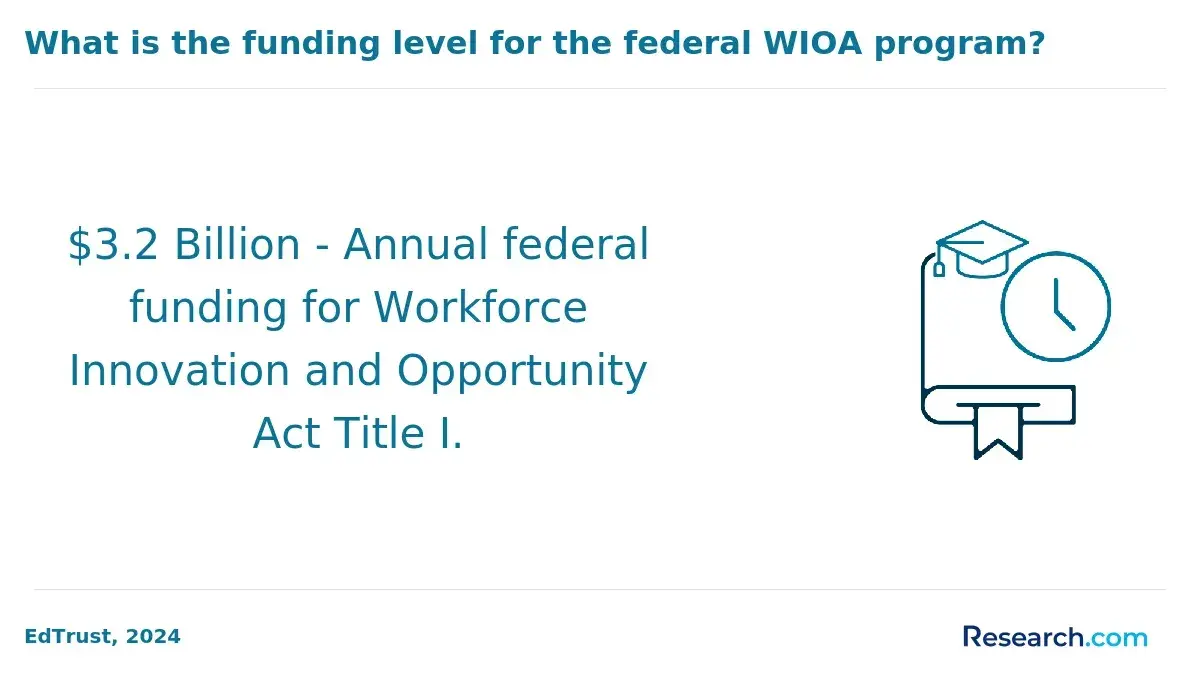
State-level variations in healthcare infrastructure and public employment strategies heavily shape the demand for nurse leadership degrees, with regional labor market conditions acting as a primary catalyst for enrollment growth. Areas witnessing hospital expansions, school district increases, or heightened public health initiatives tend to generate substantial opportunities for nurse leaders who can manage complex clinical and administrative environments. Workforce incentives such as loan forgiveness and recruitment grants in select states further amplify the appeal of advanced nurse leadership credentials, intensifying graduate program interest. Aligning Bureau of Labor Statistics occupational projections with state workforce analyses highlights where rising job openings and educational demand intersect most strongly.
- California: Ongoing investments in healthcare facility enhancements and a large public health system foster one of the nation's fastest-growing markets for nurse leadership roles, driven by complex patient populations and expanded service delivery models.
- Texas: Population growth paired with increasing hospital and community health service capacity support strong demand for nurse leadership professionals, bolstered by statewide initiatives that encourage advanced nursing education.
- Florida: The state's aging demographic intensifies the need for leadership in elder care and hospital administration, contributing to increased enrollment in nurse leadership graduate programs.
- New York: Efforts to modernize healthcare systems and expand nurse leadership roles in education sectors translate to a growing number of advanced nursing leadership positions statewide.
- Washington: Expansion of biotech industries and public health employment underpin broader nurse leadership opportunities, prompting a surge in demand for related graduate credentials.
For those evaluating how regional job market conditions influence nurse leadership degree demand by state, carefully researching the workforce outlook in your intended location is critical. A vibrant local market enhances practicum availability by providing diverse clinical and administrative settings essential for hands-on leadership development. It also strengthens negotiating leverage for salaries upon graduation, reflecting the competitive supply-demand balance of qualified candidates. Conversely, states with limited employment growth in nurse leadership fields may constrain both experiential learning options and long-term career prospects, forcing students to consider geographical mobility versus professional priorities. Prospective learners or career changers should integrate these dynamics into their decision-making process to align educational investments with tangible career outcomes, especially given the variability in regional demand.
For individuals seeking streamlined paths within healthcare, exploring options like a 12 week LPN program might offer practical entry points before pursuing advanced nurse leadership roles.
Which States Have Added the Most New Nurse Leadership Degree Programs in the Last Five Years?
Growth in accredited nurse leadership degree programs varies notably by state, shaped by a mix of economic incentives, workforce demands, and regulatory conditions that directly influence program availability and student outcomes. States with rapid expansion often leverage new or expanded online delivery, targeted grant funding, or workforce shortage designations to boost enrollment capacity, which impacts tuition pricing and scholarship competition. For students, this means broader program choices but also a need for nuanced evaluation of each option's practical merits beyond headline availability.
- Texas: Expansion here is propelled chiefly by new programs and the addition of online pathways at established schools. State grants aligned with healthcare workforce gaps encourage institutions to increase seats, meeting strong regional hospital demand for nurse leaders adept at managing complex care systems.
- Ohio: Growth largely stems from traditional programs augmenting online formats, reflecting accreditation bodies' push for flexible learning models that accommodate working nurses. Institutions face competitive pressure to attract mid-career professionals, fueling enrollment increases without necessarily launching new programs.
- Florida: State policies tying funding to workforce metrics drive new on-campus programs plus expanded online options, addressing leadership shortages across a geographically dispersed population. This mix supports access but may challenge students balancing clinical placements and travel.
- California: Growth tends to be incremental, emphasizing expanded enrollment in established programs with diverse specializations. Navigating stringent state regulations and competitive admissions affects both program accessibility and financial aid availability.
- North Carolina: Increases primarily result from scaling current programs rather than new launches. Rural workforce shortages motivate universities to widen recruitment and push leadership education focused on population health and integrated care coordination.
States offering numerous nurse leadership programs often foster competitive tuition rates and richer scholarship pools, particularly where institutions vie for the same applicants. Expanded program options also typically include specialized tracks, allowing tailored leadership development. However, prospective students should weigh factors like accreditation quality, faculty experience, clinical affiliations, and cost differences before selecting among multiple programs within the same state to optimize both educational value and employment prospects.
A graduate reflected on applying to nurse leadership programs amid expanding options in her state. She recalled how the rolling admissions process required careful timing; initial application submissions left her uncertain about acceptance while waiting for decisions from programs with different deadlines and capacities. "It was frustrating to juggle deadlines and not knowing which offer would come first," she said, emphasizing how the proliferation of programs meant more choice but also increased complexity in strategic planning. Ultimately, the later acceptance she received offered better alignment with her work schedule and financial aid, underscoring how program expansion can benefit students who are able to navigate these practical tradeoffs thoughtfully.
How Has the Rise of Online Education Changed Which States Lead in Nurse Leadership Program Interest?
The expansion of fully online nurse leadership programs has dismantled the previous geographic limits on graduate enrollment, where proximity often dictated student choices. States such as California, Texas, and Florida now draw significant out-of-state enrollment due to their investment in accredited, flexible online formats combined with competitive tuition structures and strong professional reputations. This shift enables programs in these states to operate as national education hubs rather than regional providers, altering recruitment dynamics and workforce preparation strategies across the country.
- Geographic Decoupling: Online program availability removes the need for relocation, broadening access for students nationwide and enlarging applicant pools for states with mature online offerings.
- Program Quality and Accreditation: Institutions with rigorous curricula and recognized accreditation attract candidates regardless of their location, reinforcing these states' roles as centers of nurse leadership education excellence.
- Cost and Tuition: Affordability remains a key factor; states offering lower tuition or better financial value see increased demand from learners in higher-cost regions.
- Student Implications: Online access expands program choices but also requires careful navigation of variable state licensure regulations that may restrict credential transfer or practice eligibility.
- Workforce Effects: States hosting prominent online programs influence the distribution and readiness of nurse leadership professionals nationally, which may impact regional healthcare leadership and foster cross-jurisdictional collaboration.
What Demographic Trends Are Fueling Nurse Leadership Degree Growth in Specific States?
States experiencing the fastest nurse leadership degree growth reveal that workforce demand hinges on sharply localized demographic and economic realities rather than broad national trends. This has tangible consequences for graduates weighing employment prospects: programs in states dependent on transient or cyclical demand pose greater risks of unstable career paths compared to those aligned with enduring population shifts. For example, nurse leaders in Florida must navigate the complexities of an aging population requiring chronic disease coordination, while those in California manage linguistic and cultural diversity stemming from large immigrant communities-both scenarios necessitating distinct leadership competencies shaped by demographics. Evaluating state-specific population trends impacting nurse leadership enrollment is thus critical for informed decision-making that ties educational investment to practical outcomes.
- Population Aging: States like Florida, Arizona, and parts of the Midwest face escalating demand for nurse leaders versed in geriatric care and long-term management, reflecting U.S. Census Bureau data on aging population clusters that drive sustained program growth.
- Immigration Patterns: California, Texas, and New York's rising immigrant populations increase the need for culturally competent nurse leaders who can handle diverse health beliefs and reduce language barriers, directly influencing enrollment surges in these states' leadership programs.
- Urbanization: States such as Georgia and Nevada, experiencing rapid urban expansion, require nurse leaders to optimize strained healthcare infrastructures in dense areas, a factor correlated with enrollment growth in urban-centered programs.
- K-12 Enrollment Growth: Rising K-12 populations in Southern and Southwestern states signal future pediatric and family care needs necessitating nurse leadership expertise, supporting long-term educational demand reflected in recent institutional reports.
- Rising Diagnosed Mental Health Conditions: Data from state health departments confirm increased mental health diagnoses in Colorado and Oregon, fueling the need for nurse leaders skilled in behavioral health management and integrated care delivery.
Decisions about where to pursue a nurse leadership degree should incorporate this nuanced understanding of nurse leadership degree growth by state demographic factors, as it influences both licensure requirements and job stability. States demonstrating sustained demographic-driven demand generally offer more predictable career trajectories than those with cyclical fluctuations. Mobile students who align their educational choices to these demographic footprints position themselves to better leverage state-specific workforce needs. Additionally, for those balancing multiple educational interests or career shifts, exploring complementary options like online degrees in nutrition may provide broader interdisciplinary insights relevant to holistic care leadership in evolving healthcare settings.
How Do State Funding Levels for Nurse Leadership Services Influence Degree Program Growth?
State funding for nurse leadership services fundamentally shapes where nurse leadership degree programs expand or stagnate. Regions that allocate substantial public resources-such as higher Medicaid reimbursement rates, dedicated school-based mental health funding, block grants, and community health center support-build more reliable job markets for nurse leaders. This financial backing incentivizes program developers to increase capacity and innovate curricula aligned with evolving healthcare demands. Conversely, states with erratic or minimal funding often see their nurse leadership programs plateau, with graduates migrating to better-funded states, undermining local healthcare workforce continuity.
- Funding Stability: States with dependable, sustained investment enable programs to grow their offerings, reflecting broader healthcare commitments rather than short-term budget cycles.
- Employment Pipelines: Well-funded environments foster robust in-state hiring, making it easier for graduates to transition into relevant jobs without relocating.
- Graduate Retention: Limited funding correlates with fewer local opportunities, prompting graduates to seek positions in states with more comprehensive nurse leadership support.
- Program Adaptability: Financially supported programs can swiftly integrate leadership roles in emerging care models like telehealth or integrated behavioral health, maintaining graduate competitiveness.
- Legislative Indicators: Examining recent state funding legislation provides critical foresight into the stability and future prospects for nurse leadership careers within that state.
- Transparency from Programs: Prospective students should question programs about the percentage of graduates employed locally within five years to gauge real-world impacts of public funding on career sustainability.
A graduate recalled applying to a nurse leadership program in a state known for its variable funding environment. Despite early inquiry, the program's rolling admissions process delayed offering a clear enrollment decision for months, reflecting internal uncertainty linked to state budget approvals. This wait forced the candidate to carefully balance acceptance timelines elsewhere against the hope of entering a program with a stronger local network and career pathway. The experience highlighted how funding volatility can complicate not just post-graduate prospects but also access and decision-making during admission, underscoring the need for applicants to factor financial climate into their strategic planning.
Which States Are Emerging as Unexpected Leaders in Nurse Leadership Degree Interest?
States that have not traditionally been recognized for graduate nurse leadership education are now emerging as practical options for those aiming to enter or advance in nursing leadership roles. This shift reflects a nuanced interplay of legislative changes, workforce needs, and program availability that can alter regional career trajectories significantly. Choosing an up-and-coming state market can mean less competition and more tailored local support, but it requires careful evaluation of whether these gains are persistent or contingent on short-term funding or policy changes.
- Arkansas: Arkansas's recent enrollment growth follows new legislative backing for healthcare education and the expansion of accredited online nurse leadership programs linked to regional universities. The state's inclusion in the Nurse Licensure Compact (NLC) enhances mobility for professionals seeking flexible pathways. However, long-term prospects hinge on whether state funding and support persist beyond temporary pandemic-era relief.
- Nebraska: Nebraska shows sustainable growth driven by strategic state workforce initiatives concentrated on rural healthcare leadership deficits. Partnerships that facilitate clinical leadership placements provide working nurses with practical pathways. This commitment to regional capacity-building is rooted in ongoing demographic pressures, making growth here more durable.
- West Virginia: Growth here is linked to targeted investments combatting acute workforce shortages, with the state's NLC membership encouraging student enrollment. Nevertheless, economic constraints and shifting political priorities could cause enrollment volatility, underscoring risk in relying solely on this market.
- Montana: Montana's growth hinges on new degree pathways at public institutions, affordable tuition, and local employer demand in complex health systems. Its limited population and geographic spread, however, may cap expansion, posing long-term scalability challenges.
For career changers and working nurses evaluating nurse leadership degrees, understanding these state-specific conditions is key to balancing tuition costs, program accessibility, and employment odds. Many employers now seek candidates with practical leadership exposure during their graduate program. Consequently, some returning students weigh options including accelerated nurse practitioner courses or leadership tracks that integrate clinical experience to align faster with hiring cycles.
How Does State Population Size Affect the Interpretation of Nurse Leadership Degree Growth Data?
Interpreting nurse leadership degree enrollment growth by state population size requires more than reviewing absolute increases to avoid misleading conclusions about local market strength. For example, a large state adding 2,000 new nurse leadership graduates annually may seem to dominate growth, yet this figure needs context against its overall population and workforce baseline. In contrast, a smaller state adding 300 graduates may represent a significant per-capita expansion that outpaces local demand, potentially saturating its market more rapidly. This difference highlights why raw enrollment numbers alone are insufficient for gauging genuine market expansion or hiring potential.
Per-capita growth metrics adjust enrollment relative to population size, revealing whether supply is keeping pace with demand in meaningful terms. States where the ratio of licensed nurse leadership professionals to the population falls below the national average often indicate underserved markets presenting stronger early-career hiring opportunities-a crucial consideration for those weighing geographic options. These workforce saturation indicators offer more reliable signals than simple growth figures, which can mask regions with static or declining relative demand despite rising enrollment.
When evaluating market viability, it is essential to consider licensure barriers, state demographics, and economic factors alongside enrollment trends. Some states have restrictive nurse leadership licensure requirements that constrain workforce expansion regardless of program interest or growth. For prospective students looking for flexible or less competitive options, exploring accredited online MPH programs easy to get into can offer practical pathways parallel to nurse leadership careers in underserved regions.
- Population Density: High-density states may produce higher absolute graduate numbers but show slower per-capita nurse leadership growth due to established training ecosystems and workforce saturation.
- Licensure Complexity: States with stringent nurse leadership licensure rules can limit actual workforce growth despite enrollment increases.
- Workforce Saturation: Markets with an already dense nurse leadership population exhibit weaker demand, impacting hiring despite rising enrollment.
- Economic Factors: Regional healthcare funding and infrastructure investment critically affect whether enrollment growth transforms into job market expansion.
What Role Do State Licensing Requirements Play in Driving or Suppressing Nurse Leadership Enrollment?
State licensing requirements materially influence enrollment trends in nurse leadership graduate programs by shaping not only access but also the perceived return on investment for prospective students. In states where licensure pathways are transparent and stable, applicants are more likely to commit to graduate study because the administrative process is predictable and aligned with employer expectations. For instance, a nurse leadership candidate in a state with clear, well-delineated prerequisites and examination protocols can plan a seamless transition from education to practice, thereby maximizing employability and salary potential, which often ranges broadly depending on regional demand and role complexity.
- Transparency: States that provide explicit guidance on clinical hour requirements, eligibility criteria, and testing timelines reduce uncertainty, helping students optimally sequence educational and licensure steps and avoid costly delays.
- Stringency: While rigorous standards can deter some applicants due to prolonged processing or extensive documentation demands, they may attract driven candidates seeking positions in highly competitive healthcare systems where licensure signals elevated professional quality.
- Employer Expectations: Licensing boards indirectly drive enrollment by setting norms that employers respond to; states emphasizing nurse leadership licensure often see employers prioritize licensed candidates for managerial roles, reinforcing the incentive to comply with licensure pathways.
- Regulatory Stability: Frequent modifications to licensure rules disproportionately affect career changers and mobile professionals who weigh the risks of investing time and resources under shifting conditions that could impede certification.
- Strategic Decision-Making: Prospective students should thoroughly examine the full licensure trajectory in target states, contrasting it with alternatives to evaluate flexibility, timing, and post-graduation feasibility, all critical factors in aligning educational choices with career goals.
References
- Rounds with Leadership: Following Nursing Workforce Trends: Part I https://www.aacnnursing.org/news-data/all-news/article/rounds-with-leadership-following-nursing-workforce-trends-part-i
- Exploring Future Nursing Leadership Through Student Insights in a Transforming Healthcare Landscape: A Descriptive Study https://www.cureus.com/articles/392830-exploring-future-nursing-leadership-through-student-insights-in-a-transforming-healthcare-landscape-a-descriptive-study
- Bachelor’s in Nursing Enrollment Trends: How Healthy Is the Market? https://www.encoura.org/resources/wake-up-call/bachelor-s-in-nursing-enrollment-trends-how-healthy-is-the-market/
- 2026 Emerging Nursing Trends for Nurse Leaders https://icdevents.com/emerging-nursing-trends/
- The evolving landscape of nursing leadership https://www.myamericannurse.com/the-evolving-landscape-of-nursing-leadership/
- 6 Must-Do Strategies For Recruiting Nursing Students https://www.oho.com/blog/6-must-do-strategies-recruiting-nursing-students
- What Management and HR Leaders Need to Know About Nurse Licensure and the Nurse Licensure Compact (NLC) - Case Management Society of America https://cmsatoday.com/2021/12/10/what-management-and-hr-leaders-need-to-know-about-nurse-licensure-and-the-nurse-licensure-compact-nlc/
- 2 strategies to grow enrollments in your nursing programs (during and after COVID-19) https://eab.com/resources/blog/adult-education-blog/increase-nursing-program-enrollment/
- The Power of Demographics - Emerging Nurse Leader https://emergingrnleader.com/power-demographics/
- Nursing License Map https://nursinglicensemap.com/
Other Things You Should Know About Nurse Leadership
Employers in states with rapid nurse leadership degree growth tend to value candidates who demonstrate strong operational and strategic skills alongside clinical expertise. This has led to higher expectations for graduates to manage complex health systems and lead interdisciplinary teams effectively. As a result, programs in these states often emphasize practical leadership experiences and partnerships with healthcare organizations, making graduates better prepared for immediate impact roles. Students should prioritize programs that incorporate real-world leadership challenges aligned with employer demands in these markets.
Cost considerations strongly influence where students enroll, especially since nurse leadership degrees often require balancing work and study. States with lower tuition and living expenses see noticeable spikes in enrollment, attracting working professionals seeking affordable continuation of education without relocating to high-expense urban centers. However, lower costs may sometimes correspond with fewer clinical internship opportunities and smaller healthcare industry hubs. Prospective students must weigh whether savings offset potential limitations in networking and clinical leadership exposure crucial for post-graduation job placement.
Rising state enrollment growth signals strong local demand but also growing competition among graduates post-degree. Students should interpret these trends as one factor alongside healthcare market saturation, employer preferences, and program quality. Prioritizing states with balanced growth-robust hiring demand without oversupply of nurse leaders-can improve job placement odds. Evaluating program connections to regional healthcare networks and leadership opportunities is crucial, as high enrollment alone does not guarantee advantageous career outcomes.