2027 Careers for Biology Majors That Pay Well

Co-Founder and Chief Data Scientist
If you are considering a biology degree, the real question is not just “What can I study?” but “Which biology-related career path can pay well, fit my strengths, and actually lead somewhere?” Biology is one of the most flexible science majors because it can lead to clinical practice, research, public health, engineering, biotechnology, conservation, and data-driven roles. But many of the strongest-paying jobs require more than a bachelor’s degree, so choosing the right path early matters.
This guide breaks down the highest-paying careers for biology majors, what each role actually does, which education path is required, and how to decide whether the return on investment makes sense for you. It also covers current hiring trends, the growing importance of computational skills, and the certifications or advanced degrees that can strengthen your options.
Quick Answer: What are the best-paying careers for biology majors?
The highest-paying careers for biology majors are usually in medicine, dentistry, pharmacy, optometry, veterinary medicine, and advanced scientific research. In many cases, a biology degree is the starting point rather than the final credential. The best-paying roles often require medical school, a professional doctorate, a master’s degree, or a Ph.D.
For students who want the shortest route into the workforce, biology can also support entry-level careers in healthcare support, lab work, environmental science, and technical roles. For students willing to continue education, biology can lead to much higher earning potential and more specialized work.
Why biology careers matter more in 2026
Biology is no longer just about memorizing cells, organisms, and taxonomy. Employers now expect biology graduates to work across data, technology, healthcare, and sustainability. That shift is especially important in 2026, when life sciences, bioinformatics, and AI-assisted research are shaping hiring expectations in labs, hospitals, and biotech firms.
Recent research and industry reporting continue to point to a stronger need for computational literacy in biology. In practical terms, that means students who can analyze data, use research software, and understand biological systems with a quantitative lens may have more options than those with only traditional lab experience.
Biology also remains central to major public needs: cancer treatment, infectious disease research, food systems, aging populations, conservation, and climate adaptation. That broad relevance is why biology can still be a strong major—if you choose a path strategically.
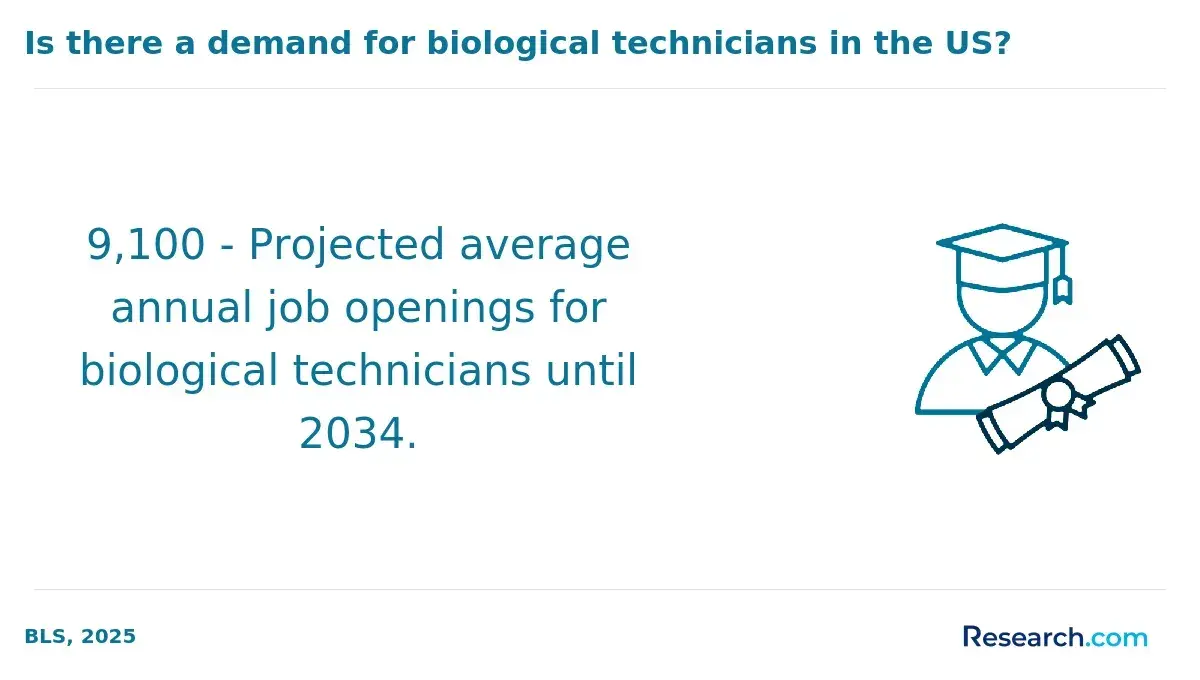
How to think about biology career return on investment
A biology degree can be worth it, but not all biology careers offer the same financial outcome. The highest salaries usually go to professions that require advanced licensing or graduate study. By contrast, some biology-adjacent jobs offer faster entry but lower earnings.
Before choosing a path, compare these factors:
- How many years of school are required
- Whether the role requires licensure or certification
- How much hands-on experience you need before applying
- Whether the job is growing, stable, or highly competitive
- Whether the salary matches your education debt and time investment
That lens is especially useful if you are choosing between graduate school, a professional doctorate, or an immediate job after your bachelor’s degree.
Top high-paying careers for biology majors
The careers below are listed by salary and common biology relevance, but salary alone should not drive your decision. Use the table to compare the education path, work setting, and career fit before you commit.
| Career | Median Annual Salary | Estimated Openings Per Year | Typical Education Path | Best Fit For |
| Oncologist | $323,271 | 23,800 | Bachelor’s degree, medical school, residency, oncology training | Students committed to long-term clinical specialization |
| Neurologist | $281,830 | 7,120 | Bachelor’s degree, medical school, residency, specialty training | Students interested in nervous system disorders and medicine |
| Physician and Surgeon | $208,000 | 23,800 | Bachelor’s degree, medical school, residency, fellowship sometimes | Students who want broad medical practice options |
| Dentist | $163,220 | 5,100 | Bachelor’s degree, dental school, licensure | Students who want clinical care with a focused specialty |
| Podiatrist | $145,840 | 11,500 | Undergraduate study, DPM degree, licensure | Students interested in foot, ankle, and lower-leg care |
| Pharmacist | $128,570 | 13,600 | Doctor of Pharmacy degree, licensure | Students interested in medications and patient counseling |
| Optometrist | $124,300 | 1,700 | Undergraduate study, O.D. degree, licensure | Students interested in eye health and vision care |
| Physician Assistant | $121,530 | 12,700 | Bachelor’s degree, PA program, licensure | Students who want clinical practice with a shorter path than medicine |
| Biochemists and Biophysicists | $102,270 | 4,000 | Bachelor’s degree for some roles; Ph.D. for advanced research | Students drawn to lab research and molecular science |
| Veterinarian | $100,370 | 4,800 | Bachelor’s degree, veterinary school, licensure | Students who want to work with animals and public health |
| Computational Biologist | $97,652 | 3,300 | Biology plus computing or advanced data training | Students who want biology, coding, and data analysis together |
| Biomedical Engineer | $97,410 | 1,200 | Engineering or biomedical engineering degree; advanced study sometimes | Students who want to design medical devices and systems |
| Physical Therapist | $95,620 | 15,400 | Bachelor’s degree, DPT degree, licensure | Students interested in rehabilitation and movement science |
| Medical Scientist | $95,310 | 10,000 | Ph.D. in biology or related field; MD sometimes | Students who want research and clinical translation |
| Occupational Therapist | $85,570 | 10,100 | Bachelor’s degree, master’s degree, licensure | Students focused on rehabilitation and daily function |
| Agricultural Engineer | $82,640 | 100 | Biological engineering or related bachelor’s degree | Students interested in farming systems and technology |
| Genetic Counselor | $80,150 | 300 | Bachelor’s degree, master’s in genetic counseling, board certification | Students interested in genetics and patient guidance |
| Microbiologists | $79,260 | 1,900 | Bachelor’s degree for entry roles; advanced degree for research | Students interested in microbes, lab work, and pharmaceuticals |
| Epidemiologist | $78,830 | 800 | Bachelor’s degree, MPH or related master’s degree | Students interested in disease patterns and public health |
| Registered Nurse | $77,600 | 203,200 | BSN, associate degree, or diploma; licensure required | Students who want a large job market and direct patient care |
| Environmental Scientist | $76,530 | 7,800 | Bachelor’s degree in biology or related science | Students interested in climate, pollution, and conservation |
| Chiropractor | $75,000 | 2,100 | Undergraduate study, Doctor of Chiropractic, licensure | Students interested in musculoskeletal care |
| Agricultural and Food Scientist | $74,160 | 4,100 | Bachelor’s degree in biology or related science | Students interested in food systems and safety |
| Zoologist and Wildlife Biologist | $64,650 | 1,500 | Bachelor’s degree; master’s or Ph.D. for advanced work | Students who want fieldwork with animals and habitats |
| Conservation Scientists and Foresters | $64,110 | 1,100 | Bachelor’s degree in forestry, biology, or related subject | Students interested in land management and ecosystems |
1. Oncologist
Median Annual Salary: $323,271
Estimated Openings Per Year: 23,800
Oncologists diagnose and treat cancer. Their work involves helping patients understand treatment options, coordinating care, and working closely with multidisciplinary teams. Because cancer treatment is complex, oncologists need strong communication, leadership, and decision-making skills in addition to scientific knowledge.
Most oncologists begin with a biology or pre-med bachelor’s degree, then complete medical school, internship, residency, and oncology specialization. This is a long training path, but it also leads to one of the highest-paying biology-related careers. If you want a research-driven clinical specialty and can commit to many years of education, oncology can be a strong option.
2. Neurologist
Median Annual Salary: $281,830
Estimated Openings Per Year: 7,120
Neurologists diagnose and manage disorders of the brain, spinal cord, and nerves. They often work in hospitals and medical offices, and their patients may have stroke, epilepsy, movement disorders, or chronic neurological conditions.
Becoming a neurologist requires a long medical training sequence: undergraduate study, medical school, internship, residency, and specialty training. This path suits students who want a deep understanding of the nervous system and are ready for years of structured clinical training.
3. Physician and Surgeon
Median Annual Salary: $208,000
Estimated Openings Per Year: 23,800
Physicians and surgeons diagnose illnesses, treat injuries, and perform procedures in a wide range of specialties. They may work in hospitals, clinics, government settings, insurance organizations, or nonprofit groups.
This is one of the broadest options for biology majors, but it is also one of the most demanding. Most professionals complete a bachelor’s degree, medical school, residency, and sometimes fellowship training. Students who want flexibility across specialties may prefer this route over a narrower medical field.
4. Dentist
Median Annual Salary: $163,220
Estimated Openings Per Year: 5,100
Dentists treat oral health problems, provide preventive care, correct bite issues, and perform procedures such as fitting crowns, bridges, and dentures. They also play a major role in patient education and long-term oral hygiene.
A biology degree is a common undergraduate foundation for dental school. After dental school, dentists must be licensed, and specialists usually complete additional residency training. This path works well for students who want a health profession with direct patient interaction but a more defined scope than general medicine.
5. Podiatrist
Median Annual Salary: 145,840
Estimated Openings Per Year: 11,500
Podiatrists focus on the foot, ankle, and lower leg. They diagnose problems, perform surgery when needed, prescribe orthotics or inserts, and help patients improve mobility and manage pain.
Most podiatrists complete undergraduate study followed by a Doctor of Podiatric Medicine program. This can be a good fit for students who want a specialized medical career with a narrower patient focus than traditional medicine.
6. Pharmacist
Median Annual Salary: $128,570
Estimated Openings Per Year: 13,600
Pharmacists review prescriptions, prepare medications, advise patients, and monitor drug therapy. They are also important in helping patients use medications safely and correctly.
To enter this field, students need a Doctor of Pharmacy degree from an accredited program and the required licensure exams. Biology helps because pharmacy relies on anatomy, chemistry, pharmacology, and patient care knowledge. This path is strongest for students who want medication-centered healthcare work.
7. Optometrist
Median Annual Salary: $124,300
Estimated Openings Per Year: 1,700
Optometrists examine eyes, identify vision problems, treat certain eye conditions, and prescribe lenses or contacts. They also help detect signs of broader health issues that can appear in eye exams.
Students usually complete undergraduate preparation in biology or physical science before earning the Doctor of Optometry degree. Additional residency training may be required for specialization. This career suits students who want a clinical role focused on vision and preventive eye care.
8. Physician Assistant
Median Annual Salary: $121,530
Estimated Openings Per Year: 12,700
Physician assistants evaluate patients, order tests, assist with diagnosis, and provide treatment under physician supervision. They can prescribe medicine and often serve in fast-paced clinical settings.
Compared with medical school, PA training is shorter and usually more direct. Applicants typically need a bachelor’s degree, relevant healthcare experience, and admission to a physician assistant program. Biology graduates are often well positioned if they also gain patient-care hours.
9. Biochemists and Biophysicists
Median Annual Salary: $102,270
Estimated Openings Per Year: 4,000
Biochemists and biophysicists study the chemical and physical processes of living systems. They usually work in labs, research and development settings, or technical environments where they investigate proteins, molecules, and biological reactions.
A biology bachelor’s degree can help you enter the field, but advanced research work often requires a Ph.D. This career is a good choice for students who prefer discovery, experimentation, and scientific analysis over patient-facing work.
10. Veterinarian
Median Annual Salary: $100,370
Estimated Openings Per Year: 4,800
Veterinarians diagnose and treat animals, advise owners, prescribe medication, and perform surgery when needed. Their work also supports public health because animal health and human health are connected.
The usual route is a biology-related bachelor’s degree followed by a Doctor of Veterinary Medicine program. Students who want a career with clinical care, animals, and science should consider this path carefully, especially if they are prepared for competitive admissions.
11. Computational Biologist
Median Annual Salary: $97,652
Estimated Openings Per Year: 3,300
Computational biologists use algorithms, programming, and data analysis to study biological systems. Their work is increasingly important in genomics, drug discovery, precision medicine, and biotechnology.
This is one of the best examples of how biology is changing in 2026. Employers often want candidates who understand both biology and coding. A biology major can move into this area by adding statistics, Python, R, data science, or graduate-level bioinformatics training.
12. Biomedical Engineer
Median Annual Salary: $97,410
Estimated Openings Per Year: 1,200
Biomedical engineers design medical devices, software, and systems that support patient care. They often collaborate with clinicians, researchers, and other engineers to solve practical healthcare problems.
Although many biomedical engineers study engineering directly, biology majors can enter the field through additional engineering coursework or graduate study. This path is especially attractive if you want to build, test, or improve technology rather than provide direct patient care.
13. Physical Therapist
Median Annual Salary: $95,620
Estimated Openings Per Year: 15,400
Physical therapists help patients recover from injuries, manage pain, and improve movement. They work with people who have chronic conditions, neurological challenges, sports injuries, or post-surgical needs.
To become a physical therapist, students must earn a Doctor of Physical Therapy degree from a CAPTE-accredited program and pass licensure requirements. For students who like anatomy, mobility, and one-on-one patient support, this is a strong biology-related healthcare path.
14. Medical Scientist
Median Annual Salary: $95,310
Estimated Openings Per Year: 10,000
Medical scientists design and run research studies on human health, disease, and treatments. They often work in laboratories, universities, and research organizations, and many focus on translating scientific findings into clinical applications.
Most medical scientists hold a Ph.D. in biology or another life science, though some also earn a medical degree. This path is best for students who want to create new knowledge, not just apply existing clinical methods.
15. Occupational Therapist
Median Annual Salary: $85,570
Estimated Openings Per Year: 10,100
Occupational therapists help people develop or regain the skills needed for daily living and independent function. They work with patients recovering from injury, disability, illness, or developmental challenges.
Entry into the profession usually requires a bachelor’s degree followed by a master’s degree in occupational therapy and licensure. Biology can be a useful undergraduate base, especially when paired with coursework in anatomy, psychology, and health science.
16. Agricultural Engineer
Median Annual Salary: $82,640
Estimated Openings Per Year: 100
Agricultural engineers improve farming systems, equipment, facilities, and resource use. Their work may involve automation, irrigation, storage, waste management, and environmental compliance.
This career makes sense for biology students who are also interested in engineering, sustainability, and food production. It is a narrower field than healthcare, but it can be valuable for students who want to solve practical agriculture problems.
17. Genetic Counselor
Median Annual Salary: $80,150
Estimated Openings Per Year: 300
Genetic counselors help patients and families understand inherited conditions, genetic testing, and disease risk. They combine science with communication, counseling, and decision support.
A biology bachelor’s degree is a common starting point, followed by a master’s degree in genetic counseling or genetics and board certification. This is a strong choice for students who like genetics but also want meaningful patient interaction.
18. Microbiologists
Median Annual Salary: $79,260
Estimated Openings Per Year: 1,900
Microbiologists study microorganisms such as bacteria, viruses, and fungi. They often work in labs testing samples, analyzing growth patterns, and supporting drug development or quality control.
For entry-level work, a biology degree is often enough, but advanced research roles usually require graduate study. This career is a natural fit for students interested in infection science, pharmaceuticals, and laboratory methods.
19. Epidemiologist
Median Annual Salary: $78,830
Estimated Openings Per Year: 800
Epidemiologists investigate how diseases spread, identify outbreak sources, and analyze health data to support prevention efforts. They play a central role in public health response and policy.
Most epidemiologists complete a bachelor’s degree in biology or a related field and then earn a master’s degree, often an MPH. This path is ideal for students who enjoy statistics, public health, and population-level problem-solving.
20. Registered Nurse
Median Annual Salary: $77,600
Estimated Openings Per Year: 203,200
Registered nurses coordinate care, educate patients, and help implement treatment plans. They work in hospitals, physician offices, outpatient centers, and other healthcare settings.
There are several entry routes into nursing, including a BSN, an associate degree, or a nursing diploma, followed by licensure. A biology background can be helpful for nursing school preparation, especially in anatomy, physiology, and microbiology.
21. Environmental Scientist
Median Annual Salary: $76,530
Estimated Openings Per Year: 7,800
Environmental scientists study pollution, waste, ecosystems, and environmental risks to help protect public health and natural resources. They may work in the field, in labs, or alongside policymakers.
A biology degree is a useful foundation for this career, especially for students interested in climate change, conservation, and environmental compliance. Graduate study can open more advanced research and teaching opportunities.
22. Chiropractors
Median Annual Salary: $75,000
Estimated Openings Per Year: 2,100
Chiropractors focus on musculoskeletal conditions, especially those involving the spine, joints, muscles, and nerves. They use manual adjustments and other clinical approaches to treat pain and improve function.
Students need a Doctor of Chiropractic degree and state licensure. Biology is a useful pre-professional background because the field depends heavily on anatomy and physiology. Still, students should compare program costs carefully because this path requires additional training after the bachelor’s degree.
23. Agricultural and Food Scientist
Median Annual Salary: $74,160
Estimated Openings Per Year: 4,100
Agricultural and food scientists study crops, livestock, food safety, and production systems. Their work supports food supply quality and helps improve farming and manufacturing practices.
This career is a strong match for biology students interested in applied science, food systems, and sustainability. Employers often prefer candidates from accredited science programs, and some professionals pursue additional study to expand career options.
24. Zoologist and Wildlife Biologist
Median Annual Salary: $64,650
Estimated Openings Per Year: 1,500
Zoologists and wildlife biologists study animals, habitats, and the ways humans affect ecosystems. Their work may involve field research, lab analysis, conservation planning, and environmental monitoring.
A bachelor’s degree in biology, zoology, or wildlife biology is usually the entry point. Students who want independent research or university roles often need a master’s or Ph.D. This path is best for people who are motivated by conservation more than salary alone.
25. Conservation Scientists and Foresters
Median Annual Salary: $64,110
Estimated Openings Per Year: 1,100
Conservation scientists and foresters manage forests, land resources, and ecosystem health. They help protect natural areas and guide decisions about land use, sustainability, and conservation practices.
A biology-related degree can be a strong base for this work, especially if paired with forestry or environmental coursework. Students who enjoy outdoor work and resource management may find this a practical and meaningful path.
What biology majors should know about certifications
Certifications can help biology graduates move into job markets faster, especially in healthcare support, lab assistance, and administrative roles. They are not a substitute for a degree in licensed professions, but they can make your resume more competitive for entry-level jobs.
Examples of useful certifications include phlebotomy, medical coding, and clinical laboratory technology. These can help if you want to enter healthcare quickly, test whether you enjoy patient-facing work, or build experience before graduate school.
If you are weighing options, look for programs that are practical, employer-recognized, and aligned with the type of job you want. Short-term credentials can be a smart bridge, but only if they connect to a real hiring need.
Current trends shaping biology careers in 2026
Biology careers are being shaped by several major trends that students should understand before choosing a path.
- Computational biology is expanding: Employers want graduates who can work with data, not just wet-lab techniques.
- AI is entering research and healthcare workflows: Biology professionals increasingly need to understand how automated tools support discovery, diagnosis, and analysis.
- Biotech and genomics remain strong areas: Drug development, personalized medicine, and gene-focused research continue to create demand for specialized talent.
- Environmental and climate work is becoming more urgent: Sustainability, water, pollution, and ecosystem management are long-term employment areas.
- Interdisciplinary hiring is increasing: Many employers want candidates who combine biology with programming, engineering, public health, or business skills.
These trends do not make traditional biology skills obsolete. Instead, they raise the value of graduates who can connect biology with data, technology, and applied problem-solving.
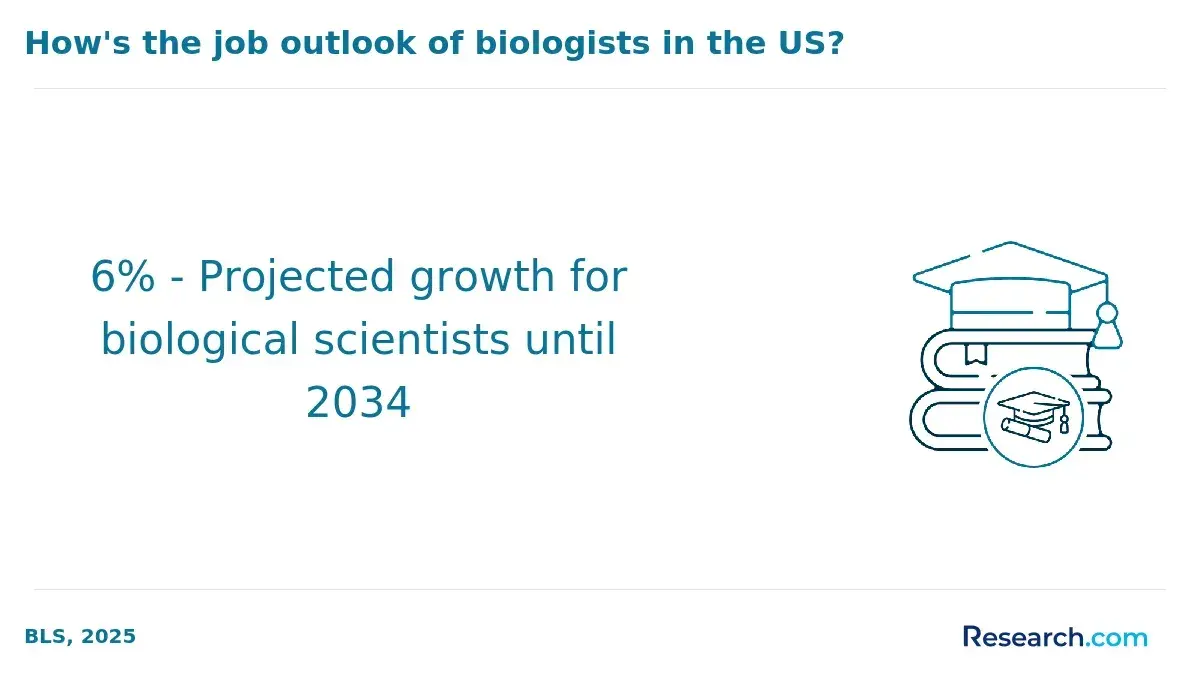
Which biology career path is best for you?
The right path depends on how long you are willing to stay in school, whether you want patient contact, and how much you care about salary versus specialization.
| If you want... | Best biology-related paths | Why it fits |
| High income and patient care | Oncologist, neurologist, physician, dentist, pharmacist | These roles offer strong salaries, but they require long training and licensure. |
| Clinical work with a shorter path | Physician assistant, registered nurse, physical therapist | These paths can lead to healthcare careers without medical school. |
| Research and lab work | Biochemist, microbiologist, medical scientist | These careers suit students who enjoy experimentation and scientific analysis. |
| Data and technology | Computational biologist, biomedical engineer | These are strong options if you like coding, modeling, or device design. |
| Animals, ecosystems, and conservation | Veterinarian, zoologist, wildlife biologist, forester, environmental scientist | These careers fit students who want fieldwork and sustainability-related work. |
If you want a biology job with the fastest entry, look at support roles, lab roles, or environmental positions that accept a bachelor’s degree. If you want the highest earning ceiling, plan for graduate school or a professional doctorate early.
How to choose a biology degree path wisely
- Decide whether you want patient care, research, or fieldwork. That single decision eliminates many mismatched careers.
- Check the real education requirement. Some roles need a bachelor’s degree; others require years of postgraduate training.
- Confirm licensure and accreditation requirements. This matters especially for nursing, pharmacy, physical therapy, chiropractic, veterinary medicine, and dental careers.
- Compare salary against time in school. A higher salary can still be a poor financial choice if training is too long or expensive.
- Add a marketable skill. Statistics, coding, lab methods, public health, or business training can improve employability.
- Look at job growth and location. A strong national outlook does not guarantee good hiring where you live.
Common mistakes biology majors should avoid
- Choosing a career based only on salary without checking the education path
- Assuming all biology jobs require the same degree or training
- Ignoring licensure, accreditation, or clinical placement requirements
- Skipping data and computational skills in a field that increasingly expects them
- Assuming a biology degree alone guarantees a high-paying job
- Overlooking lower-cost pathways such as certifications, bridge programs, or public institutions
Questions to ask before committing to a biology career path
- Do I want direct patient care, or do I prefer research and analysis?
- Am I willing to pursue graduate school or a professional doctorate?
- Will this role require state licensure or board certification?
- What does the job market look like in my state or region?
- Can I afford the time and tuition required for this path?
- Do I need stronger skills in coding, statistics, or lab methods?
- Will this career still interest me after years of training?
Useful next steps for biology majors
If you are still deciding, start by matching your interests to a career cluster rather than chasing the highest salary number. Then compare training length, cost, and licensing requirements. For example, if you want patient care with a shorter training path, physician assistant or nursing may be more realistic than medical school. If you prefer lab-based work, microbiology, biochemistry, or medical science may fit better. If you want to combine biology with tech, computational biology or biomedical engineering may be the strongest long-term fit.
Students who are still in school can improve their odds by adding statistics, programming, research experience, and internships. Students already working can use certifications or graduate study to move into a more specialized role. The goal is not to pick the “best” biology career in the abstract. It is to pick the one that matches your strengths, budget, and long-term goals.
How biotechnology, online learning, and interdisciplinary study can expand your options
Biotechnology continues to create new opportunities in drug development, genetics, agricultural science, and medical innovation. For biology majors who want to move into that space, graduate-level training can help build the technical depth employers expect.
Flexible online study can also make advancement more realistic for working adults or students who cannot relocate. For example, a online biotechnology master's programs can support specialization in molecular biology, bioinformatics, or bioprocessing while allowing students to keep working.
Interdisciplinary study can also improve job prospects. A biology major paired with nutrition, public health, healthcare administration, or pharmacy-related training can open different career lanes, especially in wellness, policy, operations, and clinical support.
How a nutrition background can support a biology career
A biology degree and nutrition training can work well together because both fields focus on human health, metabolism, and evidence-based decision-making. Students interested in food science, wellness, public health, or clinical prevention may find this combination especially useful.
If you want to build that bridge, a nutrition degree online can add practical knowledge in dietary science and health promotion. That can be valuable for roles connected to wellness programs, food policy, and preventive health.
How extra certifications can help biology graduates stand out
Some biology graduates benefit from practical certifications that make them more employable in medical offices, labs, and support roles. If you want a quicker entry point into healthcare, skills in medical billing and coding can be especially useful.
Programs such as affordable online medical billing and coding schools can help students and career changers build administrative skills that complement biology knowledge. This route is not for everyone, but it can be a practical option for those who want stable healthcare-adjacent work without a long graduate program.
How to judge whether a biology degree is worth it for you
The best way to evaluate ROI is to compare total education cost against likely earnings, time to employment, and career flexibility. Do not focus only on tuition. Include books, fees, unpaid clinical hours, licensing tests, and the income you give up while in school.
Also consider whether the degree gives you options. Some biology paths have broad utility across healthcare, research, policy, and biotech. Others are highly specialized and may be harder to pivot out of later. If you want help comparing pathways, look at biology degree careers alongside occupation-specific requirements and salary data.
How advanced degrees change the biology career picture
Advanced degrees often unlock the careers with the greatest responsibility, specialization, and pay. They can also make it easier to move into leadership, teaching, research, and policy roles. But the payoff depends on whether the degree aligns with a clear career target.
For example, a master’s degree can be useful in public health or genetic counseling, while a Ph.D. is often necessary for senior research roles. If your goal is to influence population health, an advanced public health degree can be a strong addition to a biology background, especially through affordable online masters in public health.
Why business and management skills can matter in biology
Biology graduates are increasingly working in roles that involve project coordination, operations, product development, and healthcare management. That means communication, budgeting, and leadership skills can be just as important as lab knowledge in some settings.
If you want to move beyond technical work, structured management training may help. A low cost healthcare administration degree online can be useful for students who want to work in health systems, clinics, or support operations while still leveraging a science background.
Why pharmacy training can also be a smart next step
Students with strong interests in drugs, therapeutics, and patient counseling may decide that pharmacy is a better fit than general biology alone. In that case, professional pharmacy study can build on your life science foundation and open advanced clinical and research roles.
If you want to explore that option, online PharmD programs for pharmacists may be worth reviewing, especially if flexibility matters and you are already committed to pharmaceutical practice.
Networking and professional development in biology
Strong biology careers are rarely built on coursework alone. Networking, research exposure, and professional development can help you find internships, mentors, and job opportunities that are not visible in basic job searches.
Professional associations, conferences, lab experience, and online seminars can all help you stay current. The most useful development activities are the ones that match your target field. For instance, a student interested in public health should seek epidemiology or health data experience, while a student aiming for biotech should prioritize lab techniques, programming, and research collaboration.
If you are exploring broader academic options, it can also help to compare biology with other most popular college majors that blend science with technology, health, or applied research.
What are the most affordable ways to start a biology-related career?
If cost is a major concern, start by separating “biology degree careers” from “biology-adjacent careers.” Some roles require a long and expensive training path, while others allow you to enter the workforce much sooner.
For students looking for a lower-cost entry point into healthcare or support roles, a program such as online associate radiology tech programs may be worth exploring, even though it is not a direct biology degree path. The broader lesson is to compare the education cost, time to employment, and licensing requirements before choosing a program.
Find the biology career path that fits your goals
Biology is a strong major because it can lead in many directions, but the best path depends on what kind of work you want to do. If you want the highest salaries, you will usually need to continue into medicine, dentistry, pharmacy, or another licensed profession. If you want faster entry, look at laboratory, environmental, public health, or support roles. If you want to work at the intersection of science and technology, computational biology and biomedical engineering are especially promising.
The smartest choice is the one that matches your interests, the amount of school you can realistically complete, and the kind of work you want to do every day. Biology can support a meaningful and well-paid career, but only if you align the degree with a clear plan.
Key Insights
- A biology degree can lead to both high-paying clinical careers and more accessible entry-level science roles.
- The top earners usually require medical school, a professional doctorate, a master’s degree, or a Ph.D.
- Computational, data, and AI-related skills are becoming more important across biology careers in 2026.
- Licensure and accreditation matter in fields such as nursing, pharmacy, physical therapy, veterinary medicine, and chiropractic care.
- Salary should be weighed against education length, training cost, and job flexibility, not viewed in isolation.
- Students who add programming, statistics, public health, or management skills can improve their career options.
- Biology is still a strong major for students interested in healthcare, research, conservation, food systems, and biotechnology.
References:
- American Association for the Advancement of Science. (2025). Careers in science and engineering. https://www.aaas.org/careers
- American Society for Biochemistry and Molecular Biology. (2025). Career resources. https://www.asbmb.org/careers
- Centers for Disease Control and Prevention. (2025). Public health careers. https://www.cdc.gov/careers
- Martins, J., Silva, R., & Chen, L. (2025). Integrating generative AI and advanced simulation into the core undergraduate bioscience curriculum. Nature Communications, 16(1), 112-128. https://www.nature.com/articles/s41467-024-55891-x
- National Human Genome Research Institute. (2025). Genomics careers. https://www.genome.gov/careers
- O*NET OnLine. (2026). Biochemists and biophysicists. U.S. Department of Labor. https://www.onetonline.org/link/summary/19-1021.00
- Smith, J., Lee, H., & Garcia, M. (2025). Current frontiers in bioinformatics and data science education: Global trends and gaps. Nature Reviews Genetics. https://doi.org/10.1038/s41576-025-00123-4
- CBRE. (2025). U.S. life sciences talent trends 2025. https://www.cbre.com/insights/reports/us-life-sciences-talent-trends-2025
- U.S. Bureau of Labor Statistics. (2026). Epidemiologists. Occupational Outlook Handbook. https://www.bls.gov/ooh/life-physical-and-social-science/epidemiologists.htm
- U.S. Geological Survey. (2025). Biology careers at USGS. https://www.usgs.gov/about/organization/science-support/human-capital/biology-careers
Other Things You Should Know About Careers for Biology Majors That Pay Well
Analytical skills, proficiency in data analysis tools like R or Python, and knowledge of biotechnology are critical for high-paying biology careers in 2027. These skills are in demand for roles in research, pharmaceuticals, and environmental science, enhancing employability and salary potential.
A master’s or PhD opens the highest-paying biology paths, especially in biotechnology, genomics, pharmacology, and biomedical research. Many roles require 2–6 additional years of study after a bachelor’s degree, plus research experience and a published thesis or dissertation for doctoral positions.
Certifications like Certified Biological Safety Professional (CBSP) and Registered Biological Safety Officer (RBSO) can enhance salaries for biology majors. These certifications demonstrate expertise and commitment, often leading to higher-paying roles in environmental safety and research sectors in 2027.