2027 Cheapest Online Marketing Master's Degrees That Pay Well: Tuition, Duration, and Earnings

Co-Founder and Chief Data Scientist
Choosing an online marketing master’s degree is mainly a return-on-investment decision: How much will you pay, how quickly can you finish, and will the credential help you move into better-paid marketing roles? Cost-conscious students should look beyond advertised tuition and compare total program price, completion time, financial aid, accreditation, and career fit.
A recent report shows that graduates with a master’s in marketing can boost their median annual earnings by 20% compared to those with only a bachelor’s degree. That does not mean every graduate receives an immediate raise, but it does show why program price matters. A lower-cost degree with strong coursework in analytics, digital strategy, branding, consumer behavior, and marketing leadership may produce a better payoff than a more expensive program with similar outcomes.
This guide explains what to expect from the cheapest online marketing master’s degrees, including tuition ranges, required fees, completion timelines, credit requirements, accelerated formats, financial aid options, salary potential, and industries that hire graduates. Use it to compare programs with a clear budget, realistic career goals, and a stronger sense of what “affordable” should mean.
Key Things to Know About the Cheapest Online Marketing Master's Degrees That Pay Well
- Affordable tuition for online Marketing master's programs often ranges between $10,000 and $25,000, making advanced education accessible without excessive debt.
- Most programs can be completed in 12 to 24 months, allowing students to enter the workforce or advance careers quickly.
- Graduates typically see salary increases of 15% to 25%, with median earnings surpassing $75,000 annually in marketing-related roles.
How Much Does an Online Marketing Master's Degree Cost?
An online marketing master’s degree commonly costs between $15,000 and $40,000 in total graduate tuition. The cheapest programs are usually public university options, especially when online students qualify for in-state or reduced online tuition. Private universities often charge more, though some offer flat online rates that make budgeting easier.
Price should be compared at the program level, not just by credit hour. A program with a lower per-credit rate may still cost more if it requires more credits, extra terms, or mandatory fees. Students comparing marketing programs may also want to review broader information on related college majors to understand how marketing fits into business, communication, analytics, and management pathways.
| Cost factor | What it usually means for students |
| Public in-state tuition | Often the lowest-cost route, with total tuition commonly around $20,000. |
| Public out-of-state tuition | May exceed $30,000 unless the school offers a special online tuition rate. |
| Private university tuition | Typically between $30,000 and $40,000, often with the same rate regardless of residency. |
| Program length | Longer programs may increase total cost through additional terms, fees, and materials. |
| Employer or scholarship support | Can reduce out-of-pocket cost, but eligibility rules vary by school and employer. |
When comparing the cost of online marketing master’s programs in the US, ask each school for a full cost estimate that includes tuition, fees, books, technology charges, and any required residency or assessment expenses. The lowest advertised tuition is not always the lowest total cost.
What Fees Are Included in the Total Cost of an Online Marketing Master's Program?
The total cost of an online marketing master’s program includes more than tuition. Fees can change the real price of a degree, especially in programs that charge technology, registration, or course-material fees every term. Before enrolling, students should request a written cost breakdown from the school’s billing or financial aid office.
- Tuition fees: These cover instruction and are usually charged by credit hour, course, semester, or term. Tuition is the largest part of the bill and should be calculated across the full degree, not one term.
- Technology fees: Online students may pay for learning platforms, software access, IT support, and digital systems used for course delivery.
- Enrollment or registration fees: These administrative charges may apply once at admission or repeatedly each term to maintain enrollment and student records.
- Course materials fees: Marketing courses may require digital textbooks, case packets, simulation tools, research platforms, or access to proprietary databases.
- Exam or assessment fees: Some programs charge for proctored exams, portfolio reviews, certification-related assessments, or final evaluations.
Students should also ask whether fees are mandatory, whether they apply to every course, and whether they are included in the published tuition estimate. This matters most for students trying to identify the cheapest online marketing master’s degree, because small recurring fees can narrow the difference between programs.
For students who are still planning their academic path before graduate study, lower-cost options such as online associate degree programs may provide an affordable starting point before completing a bachelor’s degree and later pursuing a master’s.
How Long Does It Take to Complete an Online Marketing Master's Degree?
Most online marketing master’s degrees take about two years to complete. Full-time students may finish in one to two years, while part-time students often take longer because they enroll in fewer courses each term. The right timeline depends on your work schedule, financial plan, and tolerance for an intensive course load.
- Enrollment status: Full-time study speeds completion but requires more weekly time for reading, projects, group work, and exams. Part-time study can be more realistic for working professionals but may extend the calendar time to graduation.
- Accelerated programs: Fast-track formats compress coursework into shorter terms. They can reduce time away from career advancement, but they demand strong time management and may leave little room for breaks.
- Course scheduling: Required courses may not be offered every term. Students should check whether core classes, prerequisites, and capstone courses are available often enough to avoid delays.
- Work and life balance: Many online graduate students continue working full time. A slower plan may protect academic performance and reduce stress, even if it delays graduation.
A shorter program is not automatically better. Students should compare speed with workload, support services, internship or project requirements, and the quality of marketing coursework. Finishing quickly only helps if the program still builds the skills employers expect.
How Many Credits Are Required for an Online Marketing Master's Degree?
Credit requirements vary by institution and curriculum design. The number of credits affects tuition, workload, and completion time, so students should review the degree plan before focusing on per-credit price alone.
- Program specialization: Concentrations such as digital marketing or analytics may require additional specialized courses. These tracks can be valuable for targeted career goals, but they may increase the total academic load.
- Core vs. electives: Core courses usually cover marketing strategy, consumer behavior, research methods, analytics, and management. Electives allow students to tailor the degree, but choosing extra courses beyond the requirement can raise costs.
- Capstone or thesis: Some programs require a final applied project, portfolio, thesis, or consulting-style capstone. These experiences can strengthen a résumé, but they may add credits and require significant independent work.
- Delivery format: Online programs may use traditional semesters, shorter terms, or accelerated schedules. The format affects how many credits students can reasonably complete at once.
When comparing programs, look at the total credits required, the cost per credit, and whether credits are tied to required courses that match your career goals. Students comparing business, analytics, and marketing pathways may also find it useful to review high-paying college majors when thinking about long-term earning potential.
Do Accelerated Online Marketing Master's Programs Cost More?
Accelerated online marketing master’s programs do not always cost more, but they can change when and how students pay. Some charge the same per-credit tuition as standard programs, while others have higher rates, shorter terms, or additional fees tied to intensive delivery. The only reliable comparison is total program cost after fees and aid.
- Credit hour cost: Accelerated programs may charge by credit hour. Even if the per-credit rate is higher, the total cost may be comparable if the program requires fewer credits or fewer terms.
- Program delivery: Intensive online formats may include enhanced learning platforms, frequent faculty interaction, simulations, or structured cohort support. These features can improve the experience but may increase fees.
- Institution type: Private institutions usually set higher tuition than public universities. Public university accelerated programs may be more affordable, especially when online tuition discounts are available.
- Financial aid options: Some accelerated calendars affect aid timing or eligibility. Students should confirm whether federal aid, scholarships, employer tuition assistance, and payment plans apply to the exact format they choose.
- Course load intensity: Condensed programs can require heavier weekly work and may include summer or interim sessions. Students should budget for both tuition and the time demands of a faster schedule.
An accelerated program is best for students who can handle concentrated graduate work without reducing job performance or academic quality. If a faster format causes withdrawals, repeated courses, or lost employer support, it may become more expensive than a standard timeline.
What Financial Aid Is Available for Online Marketing Master's Degrees?
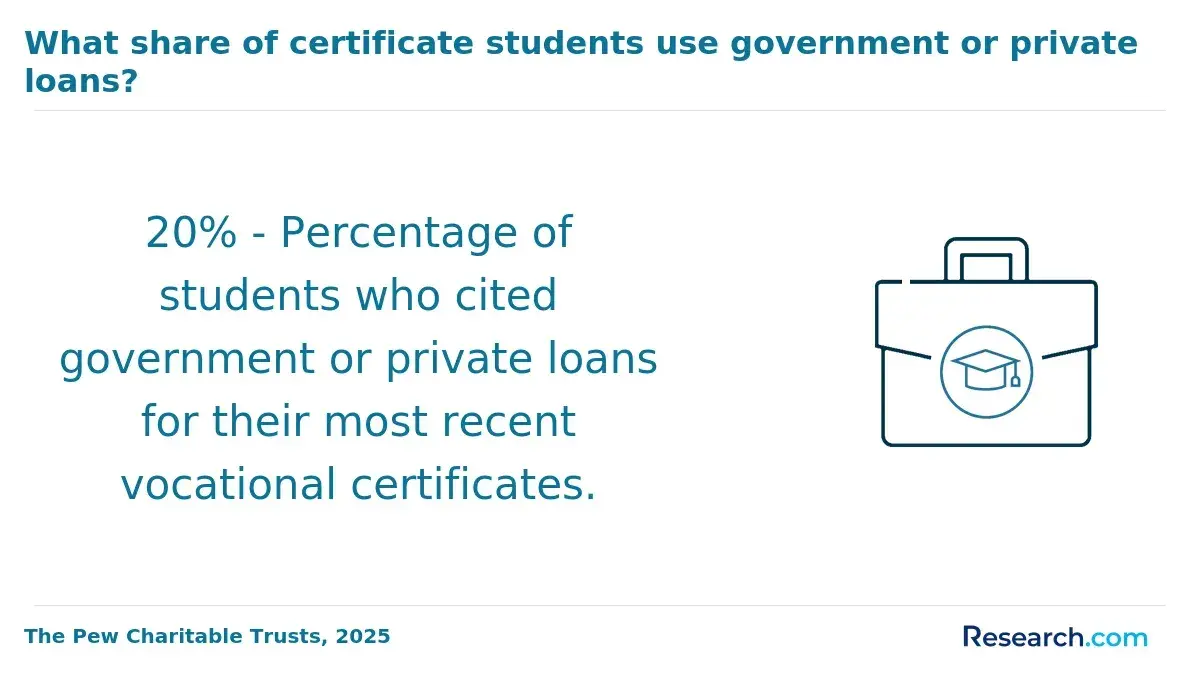
Financial aid can make an online marketing master’s degree more affordable, but students should focus on net cost rather than the sticker price. Nearly 85% of graduate students benefit from some type of financial assistance, which may include loans, scholarships, employer benefits, or institutional awards.
- Federal loans and grants: Graduate students commonly begin by completing the FAFSA. Federal aid may provide fixed interest rates and repayment options, though grants are less common at the graduate level.
- Scholarships: Universities, foundations, professional associations, and private organizations may offer merit-based or need-based scholarships for graduate business or marketing students. Scholarships do not need to be repaid.
- Employer tuition assistance: Working professionals should ask whether their employer supports graduate study related to marketing, analytics, sales, product management, or leadership. Employers may require minimum grades, continued employment, or repayment if the employee leaves early.
- Private loans: Private loans can fill funding gaps, but they often have less flexible repayment terms than federal options. Students should compare interest rates, fees, cosigner requirements, and repayment protections carefully.
Before accepting aid, calculate how much you will borrow, when repayment begins, and whether the degree is likely to support your career plan. The best financial aid package is not always the largest; it is the one that lowers long-term cost without creating unnecessary debt.
How Much Can You Earn With an Online Marketing Master's Degree?
Graduates with an online marketing master’s degree generally earn between $60,000 and over $110,000 annually, depending on role, experience, location, employer, industry, and leadership responsibility. A degree can improve access to higher-level roles, but it does not guarantee a specific salary.
Salary outcomes should be evaluated alongside program cost and career timing. A lower-cost program can produce stronger ROI if it helps students qualify for promotions, management roles, analytics-focused positions, or strategic marketing jobs without excessive debt. Students comparing other affordable graduate options, such as MLIS programs, can use the same approach: compare total cost, completion time, and realistic earnings.
Marketing salaries often grow with experience, portfolio strength, data fluency, communication skills, and the ability to connect campaigns to business outcomes. Employers may value a master’s degree more when it is paired with measurable achievements, such as campaign performance, market research, product launches, revenue growth, or team leadership.
Students focused on the cheapest online marketing master’s degree salaries should avoid choosing by price alone. Accreditation, curriculum quality, faculty expertise, networking opportunities, and career support can influence whether the degree helps graduates move into better-paid work.
What Are the Highest-Paying Jobs for Online Marketing Master's Graduates?
The highest-paying jobs for online marketing master’s graduates are usually roles that combine strategy, leadership, analytics, revenue responsibility, and cross-functional decision-making. A master’s degree can support advancement, but employers also look for experience, measurable results, technical skills, and industry knowledge.
- Marketing Manager: Leads campaigns, manages teams, sets promotional strategy, and coordinates budgets. Median salaries often range from $80,000 to $140,000 annually.
- Product Marketing Manager: Connects product strategy with customer needs, competitive positioning, messaging, and sales enablement. Earnings for this role typically fall between $90,000 and $150,000 per year.
- Market Research Director: Oversees research strategy, customer insights, segmentation, and data-informed recommendations. With senior management duties, salaries usually exceed $100,000 annually.
- Digital Marketing Director: Manages online channels, paid media, search, email, analytics, conversion strategy, and digital growth. Compensation often falls between $95,000 and $160,000.
- Brand Manager: Develops brand positioning, messaging, product identity, and growth tactics. Earnings are between $85,000 and $130,000 on average.
Students aiming for these roles should prioritize programs with advanced coursework in marketing analytics, digital strategy, consumer insights, brand management, and leadership. Data skills are especially useful in modern marketing, so some students also compare marketing programs with options such as the most affordable online master’s in data science programs when deciding how to strengthen their quantitative profile.
The strongest path is usually a marketing master’s program that helps students build both strategic judgment and evidence-based decision-making. Employers pay more for professionals who can explain not only what a campaign did, but why it worked and how it affected business results.
What Industries Hire Online Marketing Master's Graduates?
Online marketing master’s graduates are hired across industries because organizations need people who can understand customers, position products, manage brands, analyze markets, and drive growth. The U.S. Bureau of Labor Statistics projects a 10% growth in employment for marketing management roles from 2022 to 2032, reflecting demand for advanced marketing expertise.
- Technology: Technology companies hire marketers for product launches, demand generation, user acquisition, customer lifecycle marketing, and competitive positioning.
- Healthcare: Healthcare organizations and pharmaceutical companies need marketers who can communicate clearly, understand audience trust, and operate within a complex regulatory environment.
- Retail and e-commerce: Retailers rely on marketing professionals for customer experience, loyalty programs, omnichannel campaigns, merchandising strategy, and conversion optimization.
- Financial services: Banks, insurance companies, fintech firms, and investment organizations use marketing teams to promote financial products, build consumer trust, and segment audiences effectively.
- Entertainment and media: Media companies hire marketers for audience development, content promotion, subscription growth, brand partnerships, and consumer insights.
Common roles include marketing manager, brand strategist, digital marketing analyst, product marketer, market research specialist, and growth marketing manager. Students should choose electives and projects that match their target industry because healthcare marketing, technology product marketing, and retail e-commerce strategy can require different knowledge and examples of work.
Is an Online Marketing Master's Degree a Smart Financial Investment?
An online marketing master’s degree can be a smart financial investment when the total cost is reasonable, the program is credible, and the curriculum supports a clear career goal. Many online programs offer affordable tuition, often under $15,000, and can be completed within one to two years. Data from the Bureau of Labor Statistics shows that marketing professionals with a master’s degree earn about 20% more than those with a bachelor’s degree.
Still, ROI depends on the individual student. A degree is more likely to pay off when it helps a student move into management, specialize in analytics or digital strategy, qualify for promotion, or compete for higher-responsibility roles. It is less likely to pay off quickly if the student overborrows, enrolls without a career plan, or chooses a program with weak employer recognition.
| Investment factor | Why it matters |
| Total net cost | Tuition, fees, materials, and interest should be compared after scholarships, employer support, and aid. |
| Time to completion | Faster programs can reduce opportunity cost, but only if the workload is manageable. |
| Program quality | Accreditation, faculty expertise, curriculum relevance, and career services affect long-term value. |
| Career alignment | The degree should connect directly to roles such as marketing manager, product marketing manager, brand manager, or digital marketing director. |
| Current experience | Professionals with marketing experience may be better positioned to convert the degree into advancement. |
The safest approach is to compare several accredited programs, estimate total repayment obligations, and identify the specific job outcomes you want before enrolling. A cheap degree can be a strong investment, but only when affordability is paired with quality and career relevance.
What Graduates Say About Their Cheapest Online Marketing Master's Degrees That Pay Well
- : "I was initially hesitant about the tuition fees for the online marketing master's degree, but the investment was worth every penny considering how quickly I could complete the program in just 18 months. The flexibility allowed me to balance work and study efficiently, which was crucial for me. Since graduating, my increased earning potential has given me the financial stability I always wanted. — Monroe"
- : "Reflecting on my experience, the affordability of the online marketing master's degree exceeded my expectations, especially compared to traditional programs. The self-paced structure provided the flexibility I needed as a full-time professional. Ultimately, the degree opened doors to higher-paying roles, greatly improving my career trajectory and long-term financial well-being. — Zye"
- : "The duration of the online marketing master's degree was ideal for me—accelerated yet comprehensive. Though the tuition was a significant commitment, the return on investment became clear with the salary jump I earned right after graduation. The ability to study remotely gave me the freedom to stay present for my family while advancing my career. — Iver"
Other Things You Should Know About Marketing Degrees
Affordable online marketing master's programs in 2027 often provide career services like resume workshops, job placement assistance, and access to alumni networks. Some programs may offer virtual networking events and partnerships with industry leaders to facilitate connections and career growth after graduation.
Yes, many affordable online marketing master's programs in 2027 include industry certifications such as Google Analytics or HubSpot Certification as part of their curriculum. These certifications enhance employability without additional cost and can often be completed within the program duration.
In 2027, universities like Georgia Southern University and University of North Carolina at Chapel Hill offer affordable online marketing master's programs. These programs provide solid earnings potential with competitive tuition rates, typically under $15,000, and a strong curriculum that is designed to enhance career prospects in the marketing industry.
In 2027, the average tuition for affordable online marketing master’s programs is approximately $10,000 to $20,000. These programs typically take 1 to 2 years to complete. Graduates can expect to earn an average salary ranging from $60,000 to $90,000 annually, depending on their career path and location.
References
- Why Choose an Online Masters Degree in Marketing at EDHEC https://online.edhec.edu/en/blog/unlocking-career-potential-the-value-of-an-online-masters-degree-in-marketing/
- What is the salary after a Master in marketing? - ESCE https://www.esce.fr/en/faq-all-the-answers-to-your-questions/what-is-the-salary-after-a-master-in-marketing/
- Most Affordable Online Master’s Degrees in Marketing in 2025 https://www.onlinemastersdegrees.org/most-affordable/marketing-programs/
- The Best Job Opportunities for Online MBA Marketing Graduates in 2025 https://kingsedu.ac/the-best-job-opportunities-for-online-mba-marketing-graduates-in-2025/
- E - Business and Digital Marketing https://www.lazarski.pl/en/offer/admission/higher-education/e-business-and-digital-marketing-masters-degree
- Verifying that you are not a robot... https://www.developingastudent.com/top-companies-hiring-for-marketing-graduate-schemes/
- Top Careers With a Master in Digital Marketing | ESEI 2026 https://www.eseibusinessschool.com/top-careers-master-digital-marketing/
- Careers in Marketing: What You Can Achieve with a Master’s Degree https://www.ibat.ie/blogs/careers-in-marketing-what-you-can-achieve-with-a-masters-degree
- 5 Jobs for the Successful Graduate with a Master’s in Digital Marketing https://pestleanalysis.com/5-jobs-successful-graduate-masters-in-digital-marketing/
- Online Marketing Postgraduate Tutors Spires | What Can You Do With A Master's In Marketing? https://spires.co/online-marketing-tutors/postgraduate/what-can-you-do-with-a-masters-in-marketing