2027 Online Criminal Justice Bachelor's Degree Programs That Accept Transfer Credits

Co-Founder and Chief Data Scientist
Choosing an online criminal justice bachelor’s degree is more complicated when you already have college credits. The right program can apply prior coursework toward graduation, lower the number of classes you still need, and reduce total cost. The wrong one may accept you as a student but reject credits you expected to use.
This guide is for transfer students, working adults, military-affiliated learners, and former college students who want to finish a criminal justice degree online without starting over. It explains who benefits most from transfer-friendly programs, how many credits may transfer, what kinds of credits schools usually evaluate, which rules matter most, and how to compare programs before enrolling.
According to the National Center for Education Statistics, nearly 40% of online bachelor’s degree students transfer credits from previous institutions. For students preparing for careers in law enforcement, corrections, legal services, forensic-related roles, homeland security, or graduate study, transfer credit policy can be just as important as tuition, course format, or admissions requirements.
Key Benefits of Online Criminal Justice Bachelor's Degree Programs That Accept Transfer Credits
- Accepting transfer credits reduces time to degree completion by allowing students to bypass previously mastered coursework, often shortening online criminal justice programs by up to 50%.
- Students benefit from significant cost savings as transferring credits decreases required tuition hours, lowering overall financial investment in their bachelor's degree.
- These programs offer flexibility for learners with prior academic experience, enabling tailored course paths that accommodate work and personal commitments efficiently.
Who Should Consider an Online Criminal Justice Bachelor's Degree With Transfer Credits?
An online criminal justice bachelor’s degree with transfer credits is best for students who have already completed college-level learning and want that work to count toward a four-year degree. According to the National Student Clearinghouse Research Center, nearly 38% of U.S. undergraduate students transfer at least once during their academic careers, which makes credit mobility a major issue for degree completion.
These programs are especially useful for students who need flexibility, a shorter path to graduation, or a way to convert earlier coursework into a credential with career value.
- Students with prior college credits: Learners who attended a community college, university, or other postsecondary institution may be able to apply completed general education, elective, or introductory criminal justice courses toward the bachelor’s degree.
- Working professionals: People already employed in law enforcement, corrections, security, courts, victim services, or legal support roles often need online coursework that fits around shifts, overtime, and family responsibilities.
- Adult learners returning to college: Students who stopped out years ago can use transfer-friendly policies to avoid repeating courses they have already completed, though some schools may review older credits more carefully.
- Military students and veterans: Military-affiliated learners may have prior college coursework, formal training, or documented learning experiences that a school can evaluate for transfer or prior learning credit.
- Students seeking a faster completion route: If your goal is to finish efficiently, transfer credits can make an online criminal justice bachelor’s degree a practical alternative to starting a new program from zero. Students comparing the fastest degree to get online should look closely at transfer limits, not just advertised program length.
This path is not ideal for every student. If you have few or no previous credits, the main benefits will come from online flexibility rather than transfer savings. If your earlier coursework is from an unaccredited institution, is unrelated to the degree, or does not meet grade requirements, fewer credits may apply than expected.
How Many Credits Can I Transfer Into an Online Criminal Justice Bachelor's Degree?
Most online criminal justice bachelor’s degree programs accept between 30 and 90 transfer credits, depending on the school’s policy, the fit of your previous courses, and the total number of credits required for graduation. Bachelor’s degrees usually hover around 120 credits, and about 60% of these programs allow up to 90 transfer credits.
In practical terms, the difference is substantial. A student who transfers 30 credits may still need most of the major and upper-division coursework. A student who transfers 90 credits may need only the required residency credits, advanced criminal justice courses, and any missing general education or capstone requirements.
| Transfer credit amount | What it may mean for the student | What to verify before enrolling |
| 30 credits | Often equal to about one year of prior college work | Whether credits meet general education or elective requirements |
| 60 credits | Often reflects an associate-level transfer pathway | Whether the school has articulation agreements or junior standing policies |
| 90 credits | May leave a smaller set of upper-level, major, and residency requirements | Whether the program caps lower-division credits or requires a minimum number of credits taken at the institution |
The number of credits accepted is not always the same as the number of credits that apply to your degree. A school may accept credits as electives but still require you to complete specific criminal justice, research methods, ethics, statistics, or capstone courses. This is why the degree audit matters more than a general transfer estimate.
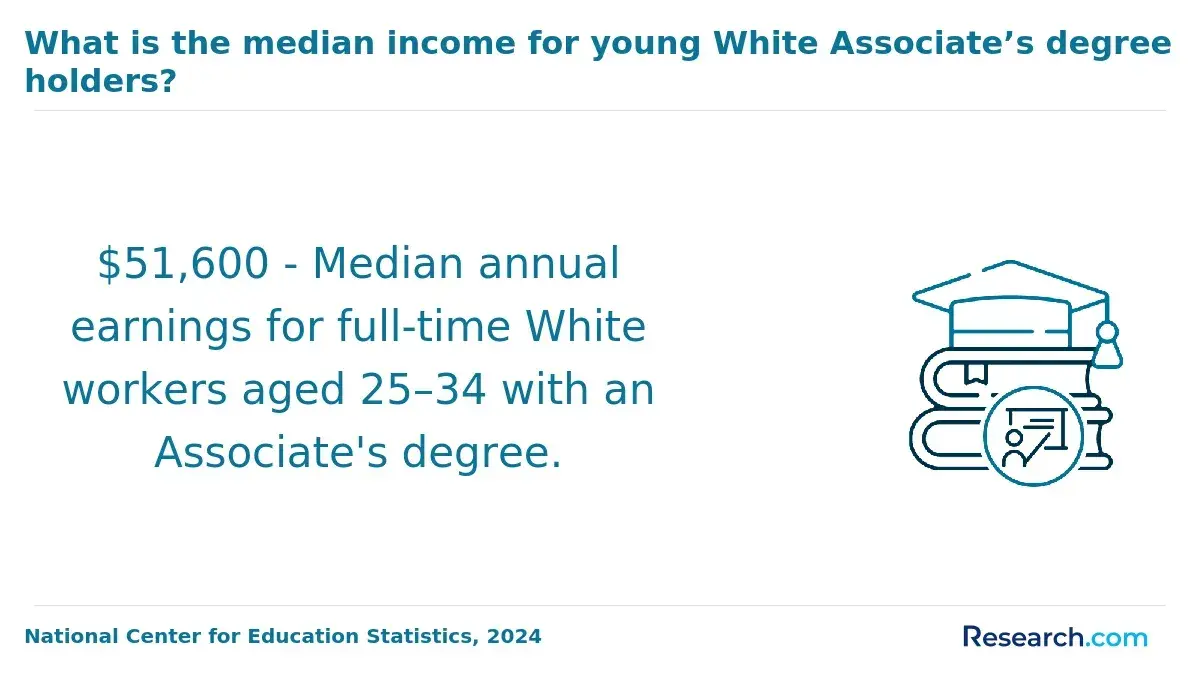
Course fit, accreditation, grades, and recency all affect the final decision. General education courses such as English, math, social science, and humanities often transfer more easily than specialized courses. Credits from regionally accredited institutions are commonly reviewed more favorably, while credits from non-accredited schools may face stricter review or rejection. Students comparing career value across majors may also review resources on the easiest college majors with high pay, but they should avoid choosing a program based on pay expectations alone.
What Types of Credits Transfer to an Online Criminal Justice Bachelor's Degree?
Online criminal justice bachelor’s programs may evaluate several types of prior learning, but each school decides what counts, how it counts, and where it fits in the degree plan. Nearly 60% of online learners utilize transfer credits, making this one of the most important factors in program accessibility and completion time.
- Community college coursework: Credits from accredited community colleges are often accepted, especially general education classes and lower-division criminal justice courses such as introduction to criminal justice, criminology, policing, courts, or corrections.
- Four-year college or university credits: Prior bachelor’s-level coursework may transfer as general education, electives, or major requirements if the course level and content match the receiving program.
- AP and IB credits: Some institutions award credit for Advanced Placement and International Baccalaureate exams when scores meet school-specific requirements. These credits often apply to general education rather than criminal justice major requirements.
- Military training: Active-duty service members and veterans may be able to submit military transcripts for evaluation. Credit is more likely when training aligns with security, leadership, investigations, public safety, or related competencies.
- Professional certifications and academy training: Some programs review law enforcement academy coursework, corrections training, emergency management credentials, or other professional education. These credits are not automatic and usually require documentation.
- Prior learning assessment: Adult-focused programs may let students demonstrate college-level learning through portfolios, exams, or competency reviews. Policies vary widely, so students should ask how these credits appear on the transcript and whether they count toward residency requirements.
A common mistake is assuming that “accepted” means “applied to the major.” A course may transfer to the university but not satisfy a criminal justice requirement. Ask for a written evaluation showing whether each credit applies to general education, the major, electives, or total credit count only.
One graduate described the process as useful but not effortless. He initially felt overwhelmed gathering transcripts from multiple institutions and was unsure which credits would transfer. After admission, an academic advisor helped him identify eligible credits, which reduced his course load. His takeaway was simple: “It wasn’t always clear what counted, but persistence and clear communication made the process manageable.”
What Are the Rules for Transferring Credits to an Online Criminal Justice Bachelor's Degree?
Transfer credit rules exist to make sure prior coursework is college-level, relevant, and comparable to the degree requirements at the receiving institution. Research shows that about 85% of community college credits submitted for transfer undergo formal evaluation to verify their relevance and quality.
Before applying, students should understand the rules below because they often determine whether a program is truly transfer-friendly.
- Accreditation requirements: Schools commonly prefer credits from accredited institutions recognized regionally or nationally. Accreditation affects whether coursework is considered academically comparable.
- Course equivalency: A course must usually match the receiving school’s content, level, and credit value. For example, an introductory corrections course may satisfy a lower-level major requirement, while a narrowly focused elective may transfer only as general elective credit.
- Minimum grade standards: Transfer credit often requires a satisfactory grade, typically a C or higher. Some programs may require higher grades for major courses or prerequisites.
- Credit limits: Schools may cap the total number of credits that can transfer. They may also limit how many lower-division credits, exam credits, or prior learning credits count toward the bachelor’s degree.
- Residency requirements: Many institutions require students to complete a minimum number of credits through the school awarding the degree. This requirement can limit how close to graduation a transfer student can be at the time of enrollment.
- Time restrictions: Some programs review older credits more carefully, especially in areas where laws, technology, data systems, or criminal justice policy have changed.
- Major-specific rules: Criminal justice programs may require students to complete certain courses at the institution, such as research methods, ethics, senior seminar, internship, or capstone.
Students comparing online accredited colleges should request a transcript evaluation before committing to enrollment. A general admissions decision is not enough; the useful document is a degree plan showing remaining requirements.
Which Colleges Are Transfer-Friendly for an Online Criminal Justice Bachelor's Degree?
Transfer-friendly colleges are not just schools that “accept transfer students.” The strongest options publish clear policies, review transcripts quickly, apply credits toward actual degree requirements, and provide advisors who understand adult and online learners. Data shows that nearly 40% of bachelor’s graduates in the U.S. have transferred credits at some stage, so strong transfer systems can make a meaningful difference.
- Public universities: State universities often have structured transfer pathways, especially with community colleges in the same state. These may include course equivalency databases, articulation agreements, and predictable general education transfer rules.
- Online-focused schools: Institutions built around distance education may offer flexible course schedules, multiple start dates, and transfer evaluations designed for students with mixed academic histories.
- Adult-friendly programs: Programs serving working adults may be more open to evaluating prior learning, military training, professional certifications, and older credits.
- Colleges with community college partnerships: Four-year institutions with formal articulation agreements can make it easier for associate degree graduates to enter with junior standing or apply a larger block of credits.
When evaluating whether a college is transfer-friendly, ask direct questions rather than relying on broad marketing language.
- How many total credits can I transfer into the bachelor’s degree?
- How many credits must I complete at your institution?
- Will my associate degree transfer as a block, course by course, or both?
- Do transferred credits apply to the criminal justice major, general education, electives, or only total credits?
- Do you evaluate military, academy, certification, or professional training?
- Can I receive a written degree audit before I enroll?
A graduate of an online criminal justice bachelor’s program said the transfer process was initially stressful because each school evaluated credits differently. The difference came from a transfer advisor who explained which courses would count and how they fit into the degree plan. Her experience highlights a key point: transparent advising can be as important as a generous credit limit.
Which Online Criminal Justice Bachelor's Degree Programs Accept the Most Transfer Credits?
The online criminal justice bachelor’s programs that accept the most transfer credits usually combine high transfer caps with flexible degree requirements. Surveys show numerous programs permit transferring over half the required credits, cutting both duration and tuition expenses.
Programs with the highest transfer acceptance often share these features:
- High maximum transfer limits: Some programs allow students to transfer a large portion of the credits required for a bachelor’s degree, though students must still meet residency, major, and upper-division requirements.
- Flexible curricula: Programs with broad elective categories and clear general education rules can often apply more credits than programs with tightly sequenced requirements.
- Competency-based models: These programs focus on demonstrated mastery rather than only traditional seat time, which may help experienced students progress through familiar material more efficiently.
- Adult learner focus: Schools designed for working adults may evaluate military training, professional certifications, academy instruction, or other documented learning in addition to college transcripts.
- Transparent credit evaluation: The best programs explain what documents are needed, how long review takes, what grade minimums apply, and how credits map to the degree.
- Broad major and elective requirements: Programs with room for electives may be able to use credits that do not match a specific criminal justice course.
| Program feature | Why it matters | Potential drawback |
| High transfer cap | Can reduce the number of remaining courses | Not all accepted credits may satisfy major requirements |
| Prior learning credit | May recognize military, academy, or professional training | Documentation and review standards can be strict |
| Flexible electives | Can absorb credits that do not match exact courses | Too many elective credits may still leave required core courses unfinished |
| Competency-based format | Can help experienced students move faster through familiar material | Requires strong self-discipline and comfort with independent pacing |
Students should not choose a program only because it advertises a high transfer limit. The better question is: “After evaluation, how many credits will reduce my remaining degree requirements?” A written degree plan is the most reliable answer.
How Do I Transfer Credits to an Online Criminal Justice Bachelor's Degree?
Transferring credits to an online criminal justice bachelor’s degree is a document-driven process. Approximately 40% of undergraduate students in the U.S. enroll in courses at multiple institutions, so colleges typically have established procedures for transcript review.
- List every institution you attended: Include community colleges, universities, dual-enrollment programs, military education sources, and any institution where you attempted college credit. Leaving out a transcript can delay admission or credit review.
- Request official transcripts: Schools generally require official transcripts sent directly from each prior institution. Unofficial transcripts may help with early advising but usually are not enough for final credit approval.
- Submit test scores or training records when applicable: If you have AP, IB, military training, academy coursework, certifications, or other prior learning documentation, ask the admissions office how to submit it for review.
- Ask for a transfer credit evaluation: The program reviews your prior courses for equivalency, level, grade, accreditation, and fit with criminal justice degree requirements.
- Review the degree audit carefully: Confirm which credits apply to general education, the major, electives, total credits, and residency requirements. Do not assume every accepted credit shortens your path to graduation.
- Appeal or provide syllabi if needed: If a course is denied or placed as an elective, you may be able to submit a syllabus, catalog description, or assignment list to support a better equivalency.
- Meet with an advisor before registering: An advisor can help you avoid retaking content, choose the right first-term courses, and plan the shortest realistic route to completion.
Keep copies of transcripts, course descriptions, syllabi, training certificates, and evaluation results. Transfer decisions are easier to resolve when you can provide detailed documentation quickly.
How Do Transfer Credits Speed Up an Online Criminal Justice Bachelor's Degree?
Transfer credits speed up an online criminal justice bachelor’s degree by reducing the number of required courses a student must still complete. Students who transfer credits typically save between six months and a full year of study time, depending on the number of credits accepted, course availability, program format, and personal schedule.
- Reduced coursework: Transfer credits may satisfy general education, elective, or introductory criminal justice requirements, allowing students to move past classes they have already completed.
- Fewer prerequisites: If prior coursework meets prerequisite requirements, students may enter upper-level classes sooner instead of spending terms on foundational courses.
- Shorter graduation timeline: Fewer remaining credits can mean fewer terms enrolled, especially in programs with multiple start dates, accelerated sessions, or year-round online scheduling.
- More focused course selection: Transfer students can often concentrate on advanced topics such as criminology, criminal law, ethics, corrections, policing, homeland security, research, or policy rather than repeating broad introductory material.
- Better schedule control: Students with fewer remaining classes may be able to balance school with work more realistically, which can improve persistence through graduation.
Transfer credit does not guarantee automatic acceleration. A student may still face course sequencing, capstone timing, internship requirements, financial aid enrollment rules, or limited course availability. Before enrolling, ask whether required upper-level criminal justice courses are offered every term or only at specific times.
Students planning beyond the bachelor’s degree may also compare graduate options such as the cheapest online master's in human resources, especially if they are considering leadership, compliance, training, or administrative roles outside traditional criminal justice pathways.
Can Transfer Credits Reduce the Cost of an Online Criminal Justice Bachelor's Degree?
Yes. Transfer credits can reduce the cost of an online criminal justice bachelor’s degree because students pay for fewer remaining credits. Data from the National Center for Education Statistics reveals that students who use transfer credits can save up to 30% on total degree expenses.
The savings can come from several areas:
- Fewer tuition charges: Many online programs charge by credit hour. If transfer credits reduce the number of credits you must complete, they can directly lower tuition.
- Lower course material costs: Fewer classes usually means fewer textbooks, digital access codes, lab fees, exam proctoring fees, or required materials.
- Shorter enrollment period: Graduating sooner may reduce semester-based technology, student service, or administrative fees.
- Reduced indirect costs: Even online students may pay for childcare, transportation for occasional requirements, lost work hours, or equipment. A shorter program can reduce these costs.
- Earlier career or promotion eligibility: Finishing sooner may help students qualify earlier for roles or advancement that require a bachelor’s degree, though employment outcomes are never guaranteed.
Students should also watch for hidden cost issues. Some schools charge transcript evaluation fees, prior learning assessment fees, graduation fees, or higher tuition for upper-division courses. Financial aid eligibility can also depend on enrollment status and whether credits count toward the degree plan.
For long-term planning, students comparing accelerated education routes may review options such as shortest master degree programs. However, bachelor’s transfer savings should be evaluated separately from graduate school plans because policies, tuition, and admissions standards differ by institution.
How Can I Maximize Transfer Credits for an Online Criminal Justice Bachelor's Degree?
To maximize transfer credits, start the evaluation process before enrolling and compare programs based on how your credits apply to the degree, not just how many credits a school says it accepts. Many students who transfer into an online criminal justice bachelor’s degree program successfully apply a significant portion of their previous credits, with recent data showing about 85% receive at least some credit recognition.
- Request evaluations from more than one school: Transfer results can vary widely. One institution may count a course as an elective, while another may apply it to a major or general education requirement.
- Choose accredited programs carefully: Accreditation can affect credit acceptance, financial aid eligibility, and how future schools or employers view the degree.
- Prioritize general education and foundational courses: English, math, social science, humanities, and introductory criminal justice courses often transfer more easily than highly specialized classes.
- Gather detailed documentation: Keep syllabi, course descriptions, catalogs, training records, certificates, and military transcripts. These can support appeals or equivalency reviews.
- Ask about block transfer: If you completed an associate degree, ask whether it transfers as a block or whether each course is evaluated separately.
- Confirm grade and age limits: Know whether the school requires a C or higher, whether old credits expire, and whether major courses have stricter standards.
- Use advisors strategically: Admissions staff can explain how to apply, but academic advisors usually provide better detail on how credits fit the degree plan.
- Get the final plan in writing: Before committing, request a degree audit showing remaining courses, total credits accepted, residency requirements, and estimated time to completion.
Avoid enrolling based only on an informal estimate. The most reliable way to protect your time and money is to compare written transfer evaluations before choosing a program.
What Graduates Say About Online Criminal Justice Bachelor's Degree Programs That Accept Transfer Credits
- : "Transferring credits to an online criminal justice bachelor's program was a game-changer for me because it allowed me to complete my degree faster without sacrificing quality. I was initially worried about the cost, but the affordable credit transfer fees made continuing my education manageable. This decision accelerated my promotion in law enforcement, proving that a flexible online program can truly make a difference in your professional life. — Paxton"
- : "Choosing to transfer into an online criminal justice bachelor's degree was a thoughtful decision after realizing my previous credits would count toward the degree. The process was clear and surprisingly budget-friendly, which eased my financial concerns. Reflecting on my journey, I appreciate how transferring credits saved me time and resources, helping me secure a role in federal investigation much sooner than expected. — Ameer"
- : "My reason for transferring to an online criminal justice bachelor's program was the need for flexibility alongside my full-time job. The institution's generous acceptance of transfer credits lowered the overall cost significantly compared to starting fresh. Professionally, having those credits applied meant I finished on time and enhanced my qualifications, giving me a competitive edge in corrections management. — Nathan"
Other Things You Should Know About Criminal Justice Degrees
Yes. Many online criminal justice bachelor’s programs accept credits earned within the last 5 to 10 years, especially for major courses. Older credits may still transfer as electives, but schools often review each course for current content and may require a syllabus or course description.
Recognized accrediting bodies for online criminal justice programs accepting transfer credits in 2027 include the Higher Learning Commission (HLC) and the Southern Association of Colleges and Schools Commission on Colleges (SACSCOC). Ensure your previous institution is accredited by one of these bodies for a smoother transfer process.
References
- Criminal Justice, B.A. Transfer Program https://www.citadel.edu/criminaljustice/degree-completion/evening-undergraduate/
- Online Criminal Justice Degree | Accredited Programs | SNHU https://www.snhu.edu/online-degrees/bachelors/bs-in-criminal-justice
- Fastest Way to Finish a Criminal Justice Degree Online https://www.collegetransitions.com/blog/fastest-way-to-finish-a-criminal-justice-degree-online/
- Find Top Online Bachelor's In Criminal Justice Programs https://www.accreditedschoolsonline.org/criminal-justice/bachelors/
- Criminal Justice (BS) https://wayne.edu/transfer/pathway/wayne-county-community-college-criminal-justice-bs
- Online BS in Criminal Justice Benefits | University of Bridgeport https://www.bridgeport.edu/news/benefits-of-earning-criminal-justice-degree-online/
- 15 Best Online Bachelor's In Criminal Justice https://www.criminaljusticedegreeschools.com/rankings/best-online-bachelors/
- BS Criminal Justice Degree Program FAQs - Anna Maria College https://online.annamaria.edu/bs-criminal-justice/frequently-asked-questions
- ECU Online: Flight Path Criminal Justice, BS - Transfer Hub https://transfer.ecu.edu/ecu-online-flight-path-criminal-justice-bs/
- Bachelor of Science in Criminal Justice Online | Criminal Justice & Security Studies Major https://gps.uml.edu/degrees/undergrad/online-bachelors-criminal-justice-degree.cfm