2027 Online Forensic Science Master's Programs at Accredited U.S. Universities

Co-Founder and Chief Data Scientist
Choosing an online forensic science master's program involves navigating complex tradeoffs between cost, accreditation, and flexibility. Prospective students often face varied admission standards and hidden fees that complicate direct comparisons. The growing preference for online learning-evidenced by a 5% enrollment increase in graduate online programs reported by the National Center for Education Statistics in 2024-reflects a broader shift toward accessible, career-compatible education.
Understanding program structures, delivery formats, and licensing recognition is crucial for decision-making that aligns with long-term workforce realities. This analysis offers a clear framework to assess accredited U. S. universities' offerings, ensuring informed choices in a competitive landscape.
Key Things to Know About Online Forensic Science Master's Programs at Accredited U.S. Universities
- Admission flexibility in online forensic science master's programs often requires prior science coursework, limiting late-career switchers but ensuring foundational competence that employers prioritize for technical roles.
- Programs balancing asynchronous delivery with mandatory synchronous labs reflect employer demand for hands-on skills, compelling students to navigate potential schedule conflicts for essential practical training.
- Rising per-credit costs-averaging a 4% annual increase per National Center for Education Statistics data-significantly affect return on investment timing, pressuring students to optimize enrollment duration and financial aid strategies.
What Is the Overall Structure and Purpose of Online Forensic Science Master's Programs at Accredited U.S. Universities?
Online forensic science master's programs offered by accredited U.S. universities exist primarily to reconcile the rigorous demands of forensic science education with the practical constraints faced by working professionals, career changers, and students unable to relocate. These programs must maintain academic and industry standards while leveraging technology to provide flexible access without diluting critical hands-on skill development. Choosing between an online or on-campus program often hinges on balancing flexibility against practical exposures, which can influence hiring outcomes and long-term career trajectories in forensic science fields.
- Program Length: Typically spanning two to three years, the structure accommodates both full-time and part-time enrollment, permitting students to integrate coursework with professional responsibilities or personal commitments.
- Credit Requirements: Students generally complete 30 to 45 graduate credits covering fundamental topics like toxicology, DNA analysis, and crime scene investigation, alongside advanced subjects such as forensic statistics and legal aspects, ensuring comprehensive mastery aligned with forensic science master's program curriculum design.
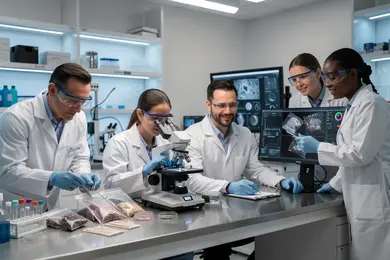
- Delivery Format: Most coursework is delivered asynchronously through recorded lectures and digital labs, supplemented by synchronous virtual sessions for mentorship, reflecting evolving pedagogical models that support self-paced learning without sacrificing interactive guidance.
- Accreditation Importance: Accreditation by recognized agencies underpins program credibility, assuring employers and licensing bodies of graduate competencies-a critical consideration given forensic science's stringent professional standards and the necessity of program legitimacy for licensure recognition.
- Distinctions from On-Campus Programs: Online programs remove geographic and scheduling barriers but often require students to coordinate local practicum experiences independently, which can impact the depth of hands-on training and networking essential to workforce integration.
For those evaluating online forensic science master's degrees, it is vital to consider not only the academic structure but also how delivery format and accreditation status intersect with career outcomes. This extends to the financial implications of tuition relative to the time commitment, practical training availability, and professional recognition, spanning diverse student profiles including first-generation graduate students unfamiliar with these dynamics. Similarly, working professionals must weigh immediate employment goals against long-term credential value, within the broader context of practical skills acquisition and evolving forensic science labor market demands.
Programs that fail to integrate these factors may inadvertently limit graduates' competitive positioning. In this vein, reviewing pathways such as DNP online programs offers parallels in balancing rigorous curriculum with career flexibility relevant to informed decision-making.
Which Accrediting Bodies Recognize Online Forensic Science Master's Programs, and Why Does Accreditation Status Matter?
Choosing an online forensic science master's program without careful attention to accreditation can lead to costly repercussions in career advancement and credential recognition. Accreditation is not merely a quality marker; its specifics influence eligibility for financial aid, credit transfer, licensing, and ultimately, employability within forensic disciplines.
Regional accreditation comes from one of six U.S. Department of Education-recognized bodies that review the overall institutional quality and academic standards. In contrast, programmatic accreditation, such as that offered by the Forensic Science Education Programs Accreditation Commission (FEPAC), evaluates whether a forensic science program meets rigorous industry-specific standards. Both accreditations serve distinct purposes, and their relevance depends on a graduate's career goals and licensing requirements.
- Credit Transfer: Degrees awarded by regionally accredited institutions facilitate smoother transfer and recognition of coursework by other universities, which is crucial for students considering further education or specialization.
- Financial Aid Eligibility: Only programs with regional accreditation generally qualify students for federal financial aid, impacting affordability and access.
- Licensing Recognition: Certain states and professional boards specifically require graduation from a programmatic-accredited forensic science program like FEPAC to be eligible for licensing or certification exams.
- Employer Acceptance: Employers often place higher trust in candidates from programs recognized by both accreditation types, particularly valuing programmatic accreditation for adherence to forensic industry standards.
- Accreditation Weight: Regional accreditation ensures broad academic standards while programmatic accreditation signals specialized rigor, requiring prospective students to assess both carefully in the context of their career pathways.
- Verification Prerequisite: Before committing, candidates should verify that the program's accreditation aligns with the licensing requirements of their target state and the expectations of prospective employers to avoid involuntary credential limitations.
What Are the Admission Requirements for Online Forensic Science Master's Programs at Accredited U.S. Universities?
Admission criteria for online forensic science master's programs at accredited U.S. universities reveal significant variation tied to institutional profile and selectivity, influencing candidate work-readiness and program fit. For example, private or highly selective universities tend to expect higher undergraduate GPAs and more rigorous prerequisite coursework, signaling intense academic environments and smaller cohort sizes that may better align with research-focused careers or competitive job markets.
Conversely, public or open-enrollment schools often offer more accessible entry points, accommodating diverse student backgrounds but potentially yielding broader outcome variability.
Key factors shaping graduate admission criteria for online forensic science master's programs in the United States include:
- Undergraduate GPA: Programs typically require a minimum GPA between 2.75 and 3.3, with selective institutions favoring 3.0 or higher. Applicants on the lower end may face challenges securing admission without compensatory strengths.
- Prerequisite Coursework: Foundational classes in biology, chemistry, and statistics are standard, although some programs allow equivalency or remedial courses to address gaps.
- Letters of Recommendation: Two or three recommendations are common, ideally from academic or professional sources familiar with the applicant's capabilities and motivation.
- Personal Statement: A focused narrative connecting career objectives with forensic science interests can distinguish competitive applicants beyond mere eligibility.
- Standardized Tests: Many programs have adopted GRE-optional or GRE-free policies, reflecting a more holistic assessment, but stronger scores may still enhance candidacy at selective schools.
- Professional Experience: Relevant forensic or scientific work can offset weaker academic records and signal practical readiness.
- Institution Type Impact: Public universities' wider access contrasts with private programs' stringent criteria, which often indicate elevated academic rigor.
- Competitive vs. Minimum Requirements: Meeting minimum thresholds rarely ensures admission; researching median admitted student profiles is critical for realistic targeting.
- Paths for Non-Traditional Applicants: Flexible prerequisite enforcement and holistic reviews enable access for career changers or those lacking traditional backgrounds.
Prospective students balancing tuition investment against outcome potential should weigh these admission nuances carefully. Those seeking programs without application fees might explore options categorized among online colleges free application. An informed approach to admission requirements directly affects long-term workforce integration and employability in forensic science careers.
What Is the Minimum GPA Requirement for Forensic Science Master's Program Admission, and How Does Selectivity Correlate With Program Reputation?
Minimum GPA requirements for admission to online forensic science master's programs are more indicative of institutional selectivity than definitive predictors of student success or career outcomes. While many accredited programs set a baseline GPA around 3.0 to 3.3, the difference between meeting this minimum and presenting a competitive profile can be substantial, influencing both the applicant's likelihood of admission and their preparatory readiness for rigorous graduate work.
Selective programs commonly expect GPAs above 3.3, correlating this with academic rigor and, in some cases, improved licensing exam pass rates and stronger professional networks. However, this correlation is not universally consistent, as graduates from more open enrollment programs may perform equally well professionally, emphasizing the importance of experiential factors and mentorship over GPA alone.
- Variable GPA Thresholds: Most schools demand a GPA in the low 3.0s, but some accept candidates with scores closer to 2.7 if accompanied by relevant experience or additional coursework, offering a flexible admissions approach for non-traditional students.
- Program Reputation and Selectivity: Higher GPA cutoffs often align with more prestigious programs, but practical outcomes like licensure passage and job placement depend heavily on the program's curriculum quality and applied learning opportunities, not GPA minimums alone.
- Holistic Application Review: Admissions committees weigh GPA alongside work experience, recommendations, and personal statements; a modest GPA can be offset by strong professional credentials or compelling motivation.
- Conditional and Pathway Programs: Candidates below standard GPA levels sometimes gain entry through conditional admission or post-baccalaureate certificates designed to demonstrate readiness before full matriculation.
- Applicant Strategy: Those near or below typical cutoffs should focus on strengthening other aspects of their profile and explore alternative credentials to enhance employability within forensic science.
One graduate recalls applying to several programs with a GPA slightly below the preferred minimum. The rolling admissions process extended over months, during which they balanced pursuing relevant certifications and updating application materials. An offer finally arrived late in the cycle, prompting a rushed decision compounded by uncertainty over whether conditional admission was the best path or if deferring to improve credentials would yield better outcomes.
This experience highlighted the practical challenges and stress that accompany GPA thresholds in admissions timing and strategic planning, reinforcing the need for flexibility and multi-faceted preparation in navigating forensic science graduate programs.
How Many Credit Hours Are Required to Complete an Online Forensic Science Master's Program, and How Does This Affect Total Cost and Time-to-Degree?
Online forensic science master's programs at accredited U.S. universities typically require between 30 and 60+ credit hours, with variation stemming from accreditation mandates, thesis or capstone components, and practical experience requirements. These degrees often demand more credits than other master's fields due to the necessity of integrating scientific principles, lab skills, legal frameworks, and investigative techniques.
Because tuition is commonly charged per credit, it is insufficient to judge cost solely by the per-credit rate. For example, a program with 30 credits at $700 per credit totals $21,000, whereas a 60-credit program at $500 per credit reaches $30,000. Without considering total credit hours, students may underestimate overall expenses.
Higher credit loads also lengthen time-to-degree, especially for part-time students managing employment and personal commitments. Additional semesters increase indirect costs such as housing and living expenses, delay workforce entry, and defer potential earnings. This elongated timeline can affect long-term career trajectory within forensic science roles.
- Credit Load: Reflects program depth and practical training, frequently exceeding typical master's credit requirements.
- Cost Impact: Total tuition results from multiplying per-credit price by credit hours, requiring evaluation beyond sticker per-credit rates.
- Time-to-Degree: Expanded credit requirements prolong enrollment, heightening opportunity and living costs.
- Decision Insight: Evaluating combined credit hours and per-credit tuition is essential for accurate financial and temporal planning aligned with career objectives.
What Specializations and Concentrations Are Available in Online Forensic Science Master's Programs at Accredited Universities?
Choosing specializations within online forensic science master's programs at accredited U.S. universities involves weighing program structure, workforce demand, and financial impact. Specializations can decisively influence employability and time-to-degree, yet not all concentration options translate equally into career value or cost efficiency.
A practitioner shifting careers might favor concentrations like digital forensics or DNA analysis, as labor data consistently ranks these among the highest-demand areas with superior salary potential. These fields require technical depth but pay dividends in competitiveness. Alternatively, generalist degrees may expedite completion but risk weaker positioning in specialized job markets.
- Specialization Structure: Programs typically offer concentrations as embedded curricular tracks, elective clusters, or add-on certificates. Embedded tracks provide focused study but often extend total credits and program duration. Elective clusters offer a balance between flexibility and scope without substantially increasing time or cost. Add-on certificates usually entail extra fees and enrollment processes, potentially lengthening completion timelines.
- Career Alignment: Common specializations include forensic toxicology, crime scene investigation, forensic chemistry, digital forensics, and DNA analysis. Data from labor market studies indicate digital forensics and DNA analysis yield higher employer demand and salary premiums, underscoring the importance of alignment with market needs.
- Cost Implications: Specialized tracks or certificates often carry higher tuition per credit or additional fees, raising the total expense. Candidates must assess whether expected salary gains justify these incremental costs.
- Faculty Expertise: The practical benefit of specialization hinges on instructors' real-world experience and professional certifications. This expertise enriches curriculum relevance and fosters meaningful industry connections valued by employers.
- Licensing and Recognition: Not all specializations have equal standing with licensure boards or employers. Verification of professional recognition is critical to avoid obstacles in career entry and advancement.
Prospective students, including those exploring online DNP programs, should systematically evaluate concentrations within the broader context of program quality, cost, and alignment with long-term career goals, particularly when comparing forensic science concentration options in U.S. accredited online master's programs.
How Do Online Forensic Science Master's Programs at U.S. Universities Compare in Format-Synchronous, Asynchronous, and Hybrid Delivery?
Choosing between asynchronous, synchronous, and hybrid delivery formats in online forensic science master's programs significantly shapes both the learning experience and financial commitment. These formats differ in how they balance flexibility, interaction, and cost, making an informed selection essential for candidates juggling work, family, or geographic constraints.
- Asynchronous: Students manage their own pace, accessing materials and assignments without scheduled sessions. This maximizes convenience for those with irregular hours or living across time zones but reduces live peer engagement and immediate instructor feedback. Tuition tends to be lower due to reduced institutional overhead.
- Synchronous: This approach requires students to attend live online classes at fixed times, facilitating real-time dialogue resembling traditional classroom dynamics. While beneficial for those who thrive on structured interaction, it limits scheduling flexibility and can create obstacles for students with complex work or family responsibilities. Higher infrastructure needs often translate into increased tuition and fees.
- Hybrid: Combining asynchronous content with scheduled online sessions and occasional on-campus labs, hybrids offer practical skill-building vital in forensic science. However, associated travel and lodging expenses elevate total costs and require careful planning to balance commitments.
Evaluating "online" forensic science options demands scrutiny beyond labeling: prospective students should clarify synchronous participation requirements, frequency of campus visits, and technology platforms. Programs relying heavily on real-time attendance can disadvantage those in differing time zones or with unpredictable work schedules. Assessing these factors against personal circumstances is critical for optimizing educational investment and professional preparation.
One graduate recalled hesitating during the rolling admissions cycle, initially favoring an asynchronous program for its promise of flexibility but delaying application submission while awaiting test score updates. Meanwhile, a synchronous program with fixed deadlines loomed as an option but conflicted with seasonal work demands. Ultimately, the applicant accepted an offer from a hybrid program whose scheduled on-campus practicum aligned with a planned vacation, illustrating how nuanced timing and format fit can influence enrollment decisions beyond tuition and reputation.
What Is the Average Cost per Credit Hour for Online Forensic Science Master's Programs, and How Does It Differ Across Institution Types?
Average cost per credit hour is a pivotal factor shaping enrollment decisions in online forensic science master's programs, reflecting critical tradeoffs between accessibility and credential value. For prospective students-especially working professionals or first-generation graduates-the often-cited per-credit tuition figure is merely an entry point. Providers' pricing models diverge not only by institution type but also through residency policies and supplemental fees, challenging straightforward cost comparisons.
- Public Universities: These offer the lowest average per-credit rates, approximately $350 to $600, for in-state students enrolled in online forensic science master's programs. Nonresident tuition can nearly double, illustrating how state funding priorities create substantial financial disparities that prospective students must anticipate.
- Private Nonprofit Schools: With flat, residency-independent rates between $700 and $1,200 per credit hour, these institutions' sticker prices appear higher but may include enhanced academic supports and industry connections, factors increasingly valued by employers.
- Private For-Profit Institutions: Tuition ranges from $800 to $1,500 per credit hour. Accelerated formats or administrative fees can increase total costs, necessitating a careful cost-benefit analysis relative to workforce outcomes and program rigor.
Data on enrollment timing shows many applicants weigh financial aid offers and program fees before finalizing commitments, underscoring that listed tuition rarely reflects net price. Variables such as proctoring fees, technology costs, and employer tuition reimbursement profoundly affect affordability. For those balancing financial constraints and career transition timelines, understanding these nuances about variations in per-credit tuition for forensic science master's degrees across accredited US universities is essential.
Per-credit rates set a baseline but must be contextualized alongside total credit load, supplementary fees, and grant eligibility discussed here. This approach ensures decisions about advanced forensic science education align realistically with long-term workforce integration challenges and return on investment expectations, similarly to considerations found in fields with defined career outcomes such as pharmacy, where understanding compensation trends is vital for informed planning-see insights on pharmacist salary.
How Do In-State and Out-of-State Tuition Policies Apply to Online Forensic Science Master's Programs, and Which Schools Offer Flat Residency-Neutral Rates?
Public universities traditionally enforced a steep tuition divide between in-state and out-of-state students for online forensic science master's programs, a structure originally justified by state taxpayer support. For a remote learner relocating or seeking career transition, this differential often imposed significant financial barriers despite the inherently location-agnostic nature of digital education. However, recognizing that forensic science careers demand workforce mobility and that online delivery spans geographical boundaries, an increasing number of public universities now adopt flat, residency-neutral per-credit rates, simplifying cost expectations and fostering equitable access.
Universities offering flat residency tuition for online forensic science master's degrees include the University of Florida, Arizona State University, and the University of North Texas. These institutions provide predictable tuition that enables prospective students-whether place-bound professionals or recent graduates weighing financial tradeoffs-to more confidently plan their educational investment without penalizing out-of-state status. This contrasts with programs still applying differential tuition, which escalate expenses for nonresident enrollees and may deter otherwise qualified candidates or force heightened budgeting scrutiny.
- Flat Residency-Neutral Tuition: Uniform pricing models at select public universities remove geographic cost disparities, aligning with the flexible, often national recruiting footprint of forensic science professions.
- Differential Tuition Persistence: Certain states' funding policies retain higher rates for out-of-state online students, imposing a practical barrier in access and affordability that disproportionately affects career changers and first-generation graduate applicants.
- Tuition Reciprocity and Regional Compacts: Programs promoting agreements like WICHE, SREB, and Midwest Student Exchange reduce tuition costs for nonresidents within designated regions, partially mitigating inter-state financial gaps.
- Verification and Updates: Because tuition policies evolve and online program marketing may lag, students should directly confirm current residency-based rates with bursars or financial aid offices before enrollment.
Those considering an online forensic science master's degree must weigh residency-based tuition differences alongside practical factors such as program accreditation, delivery format, and career outcomes. These pricing policies play a critical role in total investment and long-term debt, especially for career-changing professionals and first-generation students. For a broader understanding of flexible online offerings in related fields, including trends in public health and safety education, explore accredited online environmental health and safety programs.
What Mandatory Fees and Hidden Costs Are Added to Tuition for Online Forensic Science Master's Programs?
Choosing an online forensic science master's program often involves weighing more than just the published per-credit tuition. Hidden and mandatory fees can substantially raise the overall financial burden, sometimes by thousands of dollars over a two- to three-year timeline. This creates a significant tradeoff: programs with the lowest advertised rates may not be the most cost-effective once all indirect expenses are included, especially for students who must complete fieldwork or practicums where state mandates add further costs.
- Technology Fees: Charged per semester or per credit hour, these fees support access to digital learning platforms, libraries, and IT services, accumulating steadily throughout the program duration.
- Program Fees: Certain programs require separate fees to fund specialized forensic science resources such as proprietary databases and simulation tools that tuition does not cover.
- Student Services Fees: Typically assessed each term, these fees maintain career support, counseling, and student resource access-virtual or physical.
- Graduation Fees: A one-time charge applied at degree conferral, which some students overlook until late in the program.
- Liability Insurance and Background Checks: Essential for practicum or field placements mandated by institutional or state policies, these can add hundreds of dollars and may influence program accessibility.
- Proctoring Fees: Many online exams require third-party proctors, passing testing costs to students on a per-exam basis.
- Required Software and Textbooks: Specialized forensic software licenses and current textbooks can be expensive and are generally not included in tuition.
- Licensing Exam Preparation: For students pursuing state or professional certification, external prep courses or materials may be necessary post-graduation, adding to overall cost.
Financially, these fees can widen the gap between nominal and actual program costs-a critical consideration when forensic science salaries vary substantially based on state certification and employer expectations. Postgraduates lacking licensing or proper practicum experience may see starting salaries at the lower end of the $65,000 to $80,000 range typical for forensic analysts, according to recent labor data. Therefore, understanding the full cost structure upfront, including hidden fees tied to practicum requirements and licensing, informs a more strategic investment decision. Prospective students should actively seek insights from current enrollees and graduates to gauge total out-of-pocket expenses and avoid unforeseen debts that can undermine long-term employability and financial outcome.
What Graduates Say About Online Forensic Science Master's Programs at Accredited U.S. Universities
- Taylor: "Balancing full-time work and family made me opt for an online forensic science master's program that offered flexible pacing. I chose a curriculum with strong emphasis on practical labs and case studies, which helped me build a portfolio that stood out during internship applications. While I initially struggled with the workload, securing a remote analyst role within six months of graduation confirmed that the investment was worthwhile, even though salary growth feels limited without additional certifications."
- Cruz: "After a career change from criminal justice, I faced tight financial constraints and needed a program that wouldn't add to my debt. The affordability and part-time format convinced me to enroll in an online forensic science master's. The hands-on internship included in the program was crucial in overcoming hiring biases favoring practical experience over academic credentials alone. I'm now working in evidence processing, though I've noticed that without a state license, some advancement opportunities remain out of reach."
- Luka: "Juggling multiple projects during the COVID pandemic forced me to find a forensic science master's program that allowed asynchronous learning and emphasized skill-building relevant to real workplace demands. Choosing a program known for strong industry connections led to a valuable remote internship, which directly contributed to my hiring as a crime lab technician. However, I quickly realized that employers often prioritize certifications and hands-on experience, so I'm planning to pursue additional qualifications alongside my job to stay competitive."
Other Things You Should Know About Forensic Science Degrees
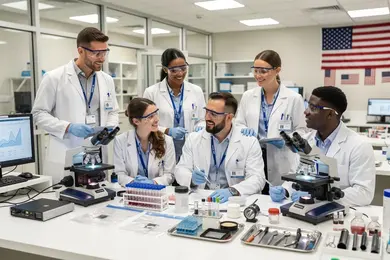
Most online forensic science master's programs require at least one short on-campus laboratory or residency experience, often tied to a seminar, capstone, or advanced instrumentation course. Some programs also expect access to a local workplace or partner lab for supervised evidence-handling practice and method validation assignments.
Cost differences among public, private nonprofit, and for-profit universities reflect wider disparities in tuition and financial aid availability, but value should be judged on outcomes rather than price alone. Public universities typically offer more affordable tuition and stronger connections to state and local forensic agencies, which can enhance job placement rates. In contrast, some for-profit programs are pricier and may lack rigorous accreditation or hands-on components, limiting real-world readiness. Prioritizing programs with transparent career services and proven graduate employment records will better ensure return on investment.
Online forensic science master's programs often include courses such as forensic biology, forensic chemistry, digital forensics, and crime scene investigation. Some programs may also offer advanced topics like forensic anthropology and toxicology, aligning their curriculum with accreditation standards and evolving industry needs.
References
- Online Master's Degrees in Forensic Psychology - No GRE Required https://www.forensicscolleges.com/blog/resources/no-gre-online-masters-in-forensic-psychology
- How Long Does It Take to Get a Master's Degree? https://www.snhu.edu/about-us/newsroom/education/how-long-does-it-take-to-get-a-masters-degree
- American Academy of Forensic Sciences Forensic Science Education Programs Accreditation Commission | Council for Higher Education Accreditation https://www.chea.org/american-academy-forensic-sciences-forensic-science-education-programs-accreditation-commission
- How Long is an Online Master's Degree Program? OnlineEducation.com https://www.onlineeducation.com/faqs/how-long-to-earn-masters-degree
- Professional services https://www.strath.ac.uk/courses/postgraduatetaught/forensicscience/
- 2025 Most Affordable Online Forensic Science Master's Degrees https://www.onlineu.com/most-affordable-colleges/forensic-science-masters-degrees
- How to Qualify for In-State College Tuition https://afsa.org/how-qualify-state-college-tuition
- University's Forensic Science Program Receives Accreditation for All Graduate Degrees https://www.forensicmag.com/597143-University-s-Forensic-Science-Program-Receives-Accreditation-for-All-Graduate-Degrees/
- Best Computer Forensics Master's Degrees https://www.computerscience.org/degrees/masters/computer-forensics/
- A Comparison of Cognitive and Social Presence in Online Graduate Courses: Asynchronous vs. Synchronous Modalities | Online Learning https://olj.onlinelearningconsortium.org/index.php/olj/article/view/3046