2027 Job Placement Rates for Forensic Science Master's Graduates: Employment Outcomes

Co-Founder and Chief Data Scientist
Securing a foothold in forensic science after completing a master's degree often hinges on variables beyond academic performance. Industry sector demand fluctuates sharply by region, and employer preference for graduates with hands-on internship experience can outweigh GPA or institutional prestige.
The National Science Foundation highlights a 12% growth in forensic science technician roles through 2030, underscoring evolving workforce needs but also intensifying competition among candidates.
For prospective and returning students, understanding how geographic location, program focus, and practical training impact job placement rates is essential for aligning educational choices with realistic employment prospects and sustainable career pathways in forensic science.
Key Things to Know About the Job Placement Rates for Forensic Science Master's Graduates
- Industry sector concentration in forensic toxicology or DNA analysis strongly influences placement speed, as high-demand specializations align with evolving law enforcement needs but may limit broader career flexibility.
- Geographic location impacts long-term career viability; urban regions with larger crime labs offer more openings yet intensify competition, requiring graduates to balance relocation costs against employer demand.
- Internship experience correlates with employer perception, as 2024 Bureau of Labor Statistics data shows funded internships significantly increase initial job placement, highlighting timing tradeoffs between immediate work and extended unpaid training.
What Are the Typical Job Placement Rates for Forensic Science Master's Graduates?
Job placement rates for forensic science master's graduates do not offer a uniform picture and require careful interpretation to reflect meaningful employment outcomes.
These rates often blur distinctions between obtaining a full-time, field-specific position, any employment post-graduation, or pursuing further education-an ambiguity that can materially affect how recent graduates and working professionals assess their next steps.
For example, a graduate swiftly landing a temporary, part-time role unrelated to forensic science contributes to a high placement statistic but may not signify readiness for a specialized forensic scientist role.
This variability underscores the importance of critically examining how programs define and time their placement metrics.
- Full-Time Field Employment: Typically the most relevant indicator, this measures graduates securing positions as crime lab analysts, forensic toxicologists, or DNA specialists. These roles often require extensive internships and competitive hiring processes, meaning placement can be slower compared to other fields.
- Any Employment: Broader employment measures include part-time work, non-scientific jobs, or temporary contracts. Programs reporting these figures may show elevated placement rates that reflect general employability rather than direct forensic science job acquisition, a critical distinction for those targeting technical or laboratory roles.
- Continued Education: Enrollment in doctoral programs or certification courses temporarily reduces immediate job placement figures. This pathway is common among graduates prioritizing research careers or specialized academic roles in forensic science rather than immediate workforce entry.
- Variable Definitions and Measurement Methods: Disparities arise from differences in survey timing, response rates, and employment definitions across programs. Those with strong internship partnerships and employer ties generally report more accurate full-time forensic placement rates, while others may conflate broader career outcomes for marketing purposes.
- Authoritative Data Sources: Data from the National Center for Education Statistics and the U.S. Bureau of Labor Statistics reveal moderate growth and nuanced hiring trends in forensic science occupations. These sources caution against relying solely on single-point program reports and highlight the need for longitudinal tracking to understand true career trajectories.
This analytical lens is essential for discerning the value of forensic science master's graduate employment rates in the United States, particularly when balancing program output against realistic labor market conditions.
Candidates should scrutinize placement data for methodological transparency and consider whether their career objectives align better with immediate employment, specialized internships, or extended academic training.
Those seeking a swift transition into forensic roles might compare outcomes alongside alternative credentials like short medical assistant programs, which reflect different timelines and employer demands.
How Does Forensic Science Master's Graduate Employment Compare to the National Average?
Forensic Science master's graduates typically see employment rates that closely mirror or slightly exceed national averages for all master's degree holders, but this parity masks important nuances that affect individual outcomes.
Navigating this field requires understanding how sector-specific demand, geographic factors, and credential focus influence job prospects, especially for those weighing specialization against broader market flexibility.
- Employment Rates: At six months post-graduation, forensic science master's graduates exhibit employment rates around 85%-90%, comparable to the national average reported by BLS data for master's degree holders. By one year, employment generally aligns with or modestly surpasses these benchmarks.
- Field Demand: Demand is concentrated in law enforcement, crime laboratories, and legal sectors, which provides stable opportunities but introduces variability due to public funding cycles and regional law enforcement capacity.
- Credential Specificity: The technical specialization of forensic science narrows employment options primarily to forensic and criminal justice settings, potentially limiting role variety and extending job searches for those without additional qualifications or practical experience such as internships.
- Regional Labor Markets: Metropolitan areas and states with established forensic infrastructures-such as high-crime urban centers or jurisdictions investing in forensic technology-offer more immediate and sustainable employment. Graduates in rural or less resourced regions may face slower entry despite comparable credentials.
- Data Definition Variances: NCES employment data includes part-time and temporary roles, potentially inflating placement figures compared to BLS statistics that focus on relevant full-time forensic positions. These definitional differences necessitate careful interpretation when comparing forensic science outcomes to broader national data sets.
Which Industries and Sectors Hire the Most Forensic Science Master's Graduates?
Employment outcomes for forensic science master's graduates reveal a workforce dispersed across multiple industries rather than dominated by a single sector. This diversity reflects the practical realities graduates face when aligning their concentrations, such as criminalistics or forensic pathology, with market demands.
For those assessing forensic science master's graduate employment sectors, the variation underscores a tradeoff between flexibility and the need for targeted expertise to secure quicker placement or higher wages.
- Government and Public Sector: The largest share of graduates finds roles in federal, state, and local agencies, including law enforcement and crime labs. These positions prioritize hands-on investigation, forensic analysis, and courtroom testimony skills, often requiring a specialization in criminalistics or forensic biology.
- Healthcare and Medical Examiner Offices: A growing segment with forensic pathology or toxicology concentrations fill vacancies in medical examiner offices and public health institutions, aligning scientific rigor from thesis-driven or clinical programs with real-world forensic applications.
- Private Consulting and Forensic Laboratories: Graduates who follow non-thesis paths with strong internship experience frequently enter private labs or consultancy firms serving legal and corporate clients. Success here depends on analytic capabilities and communication skills more than pure research credentials.
- Education and Research: Academic roles, though less common, attract graduates with intensive research backgrounds focused on advancing forensic science knowledge and pedagogy at universities or institutes.
- Technology and Cybersecurity: Forensic science master's degree holders with added IT or digital forensics training increasingly access cybersecurity firms or tech-focused investigations, especially in regional hubs where industry demand is concentrated.
Understanding the top industries hiring forensic science master's degree holders is essential for gauging realistic career trajectories and aligning program choices with local market dynamics. Geographic factors and internships significantly influence employment opportunities, emphasizing the value of strategic planning before enrollment.
For individuals balancing practical constraints, exploring options like nursing programs that don't require TEAS test indicates a broader trend toward flexible entry points in science-related graduate credentials.
What Types of Job Titles Do Forensic Science Master's Graduates Most Commonly Hold?
Graduates with a forensic science master's degree most often enter roles that distinctly reflect their career stage, highlighting the credential's varied utility.
Recent graduates typically assume positions emphasizing direct evidence handling and laboratory work, while those already in the field leverage the degree to access supervisory or specialized scientific responsibilities.
Recognizing these categories helps candidates pinpoint realistic job prospects and tailor their preparation to match sector-specific expectations.
- Forensic Science Technician: This common entry-level role involves analyzing physical evidence in government or law enforcement settings, marking the degree bearer's initial professional foothold with hands-on laboratory tasks and investigative support.
- Crime Scene Investigator: Frequently filled by early-career graduates, it demands meticulous evidence collection and procedural rigor at investigation sites, underscoring the importance of practical field training and chain-of-custody expertise.
- Forensic Toxicologist: Suited for graduates with toxicology-focused coursework or certifications, this position requires chemical analysis skills applied to poisoning, overdose, or substance identification cases within niche scientific contexts.
- Forensic Analyst / Scientist: These mid-tier roles signal an advanced application of the degree, where graduates contribute to complex case reviews, develop analytical methods, or provide expert consultation, often within government laboratories or private firms.
- Quality Assurance Manager / Forensic Lab Supervisor: Less typical for fresh graduates, these titles reflect career advancement into leadership, combining administrative oversight with technical knowledge in forensic laboratory operations.
One graduate shared that the rolling admissions process meant waiting weeks after applying, during which they debated whether to accept a lower-tier lab technician role or wait for potential entry into a master's program that better aligned with their forensic toxicology interests. The uncertainty complicated timing and required balancing immediate employment needs with strategic educational goals.
Ultimately, securing admission to a program with strong internship placements eased the transition into roles more precisely matched to specialized scientific areas, illustrating how admission timing and program fit critically affect job title outcomes after graduation.
How Soon After Graduation Do Forensic Science Master's Graduates Typically Find Employment?
Forensic Science master's graduates typically encounter a variable job placement timeline shaped by several interconnected factors, underscoring the importance of nuanced analysis rather than relying on headline placement rates.
A critical distinction lies between a time-to-offer, when a formal employment offer is accepted, and time-to-start, which can lag due to administrative onboarding or certification requirements.
Many programs count graduates who began their job search prior to graduation within their placement metrics, a practice that can make reported rates seem quicker than the experience of those launching their search post-degree.
- Measurement Window: Outcomes differ greatly depending on whether programs report placement at three, six, or twelve months after graduation; shorter windows often inflate success rates, so prospective students should seek clarity about these timeframes.
- Industry and Geography: Employment speed varies by forensic subfield-for example, digital forensics may offer faster entry compared to forensic biology-and by region, with some labor markets providing stronger demand and connections that accelerate hiring.
- Internship Experience: Graduates possessing relevant internships or practicum work generally secure jobs sooner, as demonstrated skills and professional networks carry substantial hiring weight.
- Employer Perception: Prestige or affiliations of programs can influence offer timing, but inconsistencies in how employers view credentials mean many graduates face unpredictable hiring timelines.
Understanding these nuances helps graduates set realistic expectations about how quickly employment follows completion of a forensic science master's program and highlights the value of targeted preparation and strategic job searching within this specialized labor market.
What Is the Average Salary for Forensic Science Master's Graduates in Their First Job?
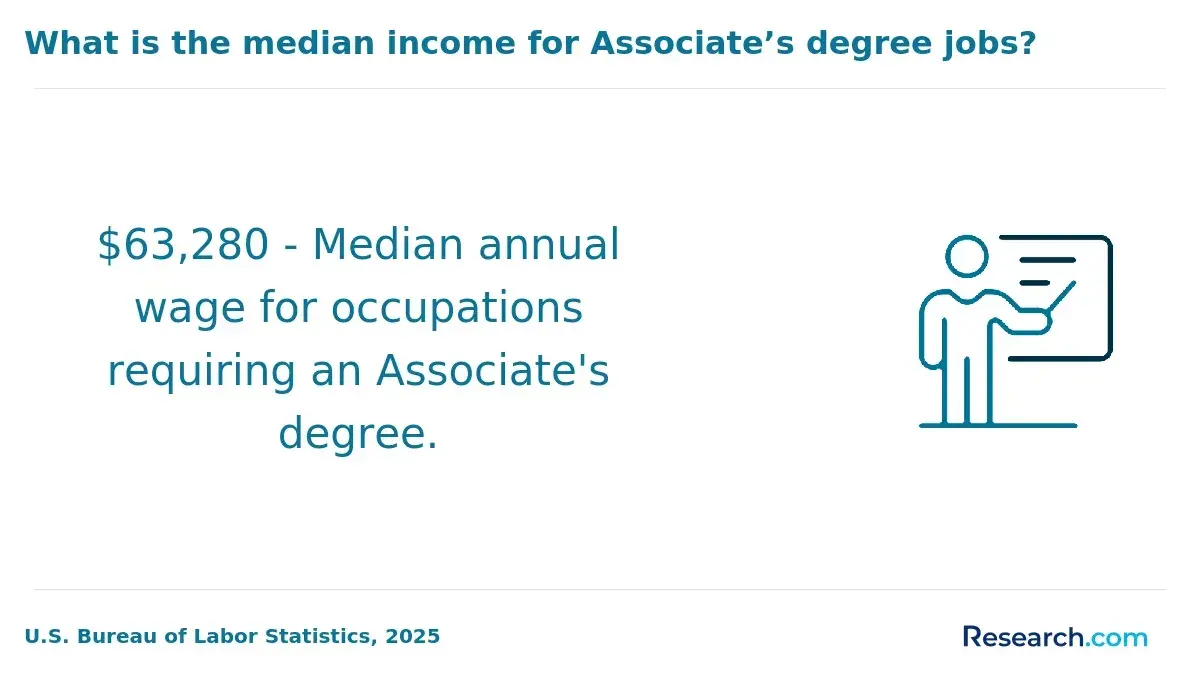
Entry-level salaries for forensic science master's graduates typically range between $50,000 and $70,000 annually, but this broad average conceals significant variability tied to employment context.
For example, a graduate hired into a government forensic lab in a midsize city might expect a more modest starting salary paired with job stability and benefits, whereas a peer employed by a private consulting firm in a major metropolitan area could command a higher initial salary but face greater job market volatility.
Understanding these tradeoffs is crucial for managing salary expectations and long-term career planning in this specialized field.
The average salary for forensic science master's graduates in the United States is shaped by several intertwined factors that influence not only pay but also job placement timing and career trajectory.
It is important to consult a variety of authoritative sources such as the BLS Occupational Employment and Wage Statistics (OEWS) program, NACE salary surveys, and forensic science professional associations rather than relying solely on median salaries reported by academic programs, which can be skewed by selective reporting.
- Industry Sector: Government and law enforcement forensic labs often offer consistent mid-range salaries with strong benefits; private sector roles, including biotech or forensic consulting, may provide higher pay but less job security.
- Geographic Region: Starting pay varies notably by region, with metropolitan areas offering premium salaries correlating with higher living costs, while rural locations may provide quicker employment at lower wages.
- Program Selectivity and Reputation: Graduates from prestigious forensic science programs sometimes earn a modest salary premium due to employer recognition and stronger networks, though this advantage is rarely decisive alone.
- Career Background: Those entering forensic science as career changers often leverage prior experience to negotiate higher starting salaries compared to recent graduates entering the field directly.
- Salary Data Sources: Median salary figures from programs can mislead if based on limited samples; cross-referencing multiple data points gives a clearer picture of realistic starting wages.
Prospective students should note that these salary dynamics resemble those found in other professional master's degrees but with forensic science's unique placement challenges and industry nuances. Decision-making about pursuing this credential benefits from comparing outcomes across sectors and regions.
Those interested in career shifts might also consider related credentials or pathways, such as the easiest RN to BSN program, which holds distinct practical implications and employability factors.
Overall, evaluating the average salary for forensic science master's graduates alongside job placement rates allows a grounded assessment suited to diverse learners navigating this field.
How Do Forensic Science Master's Program Rankings Affect Graduate Employment Outcomes?
Graduate employment outcomes from forensic science master's programs are influenced more by contextual factors than by rankings alone. While higher-ranked programs often have established reputations, these do not consistently translate into faster or better job placement.
Employers frequently prioritize tangible elements like internship experience, geographic access to forensic hubs, and program-specific concentration options over institutional prestige.
- Ranking Limitations: Rankings emphasize academic metrics and research output rather than direct employability measures, often overlooking relationships with key employers or localized industry demand.
- Location: Proximity to metropolitan forensic laboratories, law enforcement agencies, and criminal justice centers significantly shapes hiring opportunities, benefiting graduates irrespective of program rank.
- Alumni Networks: Active and connected alumni communities serve as vital sources for internship placements and job referrals, sometimes eclipsing the influence of a program's perceived status.
- Employer Partnerships: Programs with strong, cooperative ties to forensic labs and agencies provide pathways to practical experience and employment that rankings rarely capture.
- Concentration Options: Specialized tracks, such as digital forensics or toxicology, meet niche labor market needs, making graduate employability more contingent on skill alignment than overall program rank.
- Outcome Data Focus: Prospective students gain clearer insight into job prospects by examining transparent statistics on placement rates, employer affiliations, and median salaries rather than relying on rankings as proxies.
A graduate recalled navigating a rolling admissions process where their preferred forensic science master's program, despite a solid ranking, delayed offering full financial aid packages.
Facing uncertain funding and late notification, they hesitated before eventually accepting admission at a less prestigious school closer to forensic employers offering guaranteed internships.
This decision highlighted how timing and practical considerations in admissions can have as much impact on employment outcomes as program reputation itself.
What Role Does Geographic Location Play in Forensic Science Master's Graduate Job Placement?
Geographic location critically shapes forensic science master's graduate job placement rates and employment outcomes by influencing exposure to industry hubs and employer networks.
Graduates from programs near metropolitan areas aligned with forensic employer concentrations generally experience faster employment, higher starting salaries, and stronger professional integration.
In contrast, those who relocate post-graduation often face longer job searches due to weaker local connections and fewer internship pathways.
For instance, a graduate completing a degree in a major metro area with established forensic labs and law enforcement agencies may secure an internship and job offer before graduation, while an equally qualified graduate moving to a less connected region might spend months building local ties.
- Proximity: Programs near metropolitan employment hubs provide vital access to on-campus recruiting, forensic labs, law enforcement agencies, and private sector employers, directly impacting job placement speed and quality.
- Internships: Urban forensic science programs typically offer a broader spectrum of internship positions, reinforcing job readiness and strengthening employer connections that are critical in early career stages.
- Alumni Networks: Remaining near one's program benefits graduates through active alumni networks that enhance mentorship, referrals, and localized employment opportunities-a key factor in regions where forensic science graduate job placement rates by region vary widely.
- Relocation Trade-offs: Those relocating face challenges cultivating employer relationships elsewhere, often extending unemployment duration and potentially accepting lower starting salaries.
- Salary Variations: According to state-level BLS data, forensic science salary levels and job availability skew higher in metropolitan areas, reflecting both cost-of-living differences and employer clustering.
- Flexibility Recommendations: Prospective students geographically flexible should align program location with their target job market to optimize outcomes, whereas those geographically fixed ought to select programs with documented local placement success to mitigate barriers.
Notably, many employers follow recruitment cycles tightly linked to academic calendars, with forensic science master's students increasingly applying before junior year completion-data highlighted in recent enrollment trends underscore the importance of timing for securing competitive internships and employer awareness.
Understanding these geographic dynamics can guide informed decision-making for those weighing the practical implications of program choice against their career region preferences.
This is particularly significant for adult learners and working professionals considering transitioning fields or advancing within forensic science, where aligning program selection to employment hubs enhances sustainability of career returns.
For professionals interested in specialization paths intersecting with healthcare or related certifications, investigating credentials such as acute care NP certification may provide complementary workforce advantages.
How Do Internship and Practicum Experiences Influence Forensic Science Master's Employment Rates?
The demonstrable impact of internship and practicum experiences on forensic science master's employment rates hinges on how effectively these opportunities integrate classroom training with authentic workplace demands.
Programs that embed structured, supervised placements in partner laboratories or forensic service providers significantly boost graduates' readiness and attractiveness to employers.
This is particularly relevant as forensic science master's internship impact on job placement correlates closely with reduced onboarding time and increased employer confidence, which translates into quicker hires and higher starting salaries.
Unlike standalone academic coursework, internships provide essential exposure to standard forensic protocols, industry-grade equipment, and legal documentation processes that are critical in this specialized field.
For example, a graduate completing an internship in a public crime lab often gains direct experience with casework management systems, strengthening both technical skills and procedural compliance knowledge. This practical foundation is invaluable when competing for positions in competitive regions or niche forensic specializations, where employers weigh verified hands-on experience highly.
The effect of practicum experience on forensic science employment outcomes also stems from established professional networks and credible references developed during these practical assignments.
Candidates emerging from programs that prioritize either thesis or hybrid tracks with embedded internship components tend to outperform peers from purely academic tracks in employment metrics.
Evaluating prospective programs based on the quality and employer alignment of their experiential placements is therefore critical, rather than simply verifying their presence. Such due diligence ensures that the applied learning is not just a formality but a meaningful career catalyst.
- Skill Development: Immersive internships foster analytical thinking and laboratory competencies essential for forensic roles, meeting employer expectations for job-ready candidates.
- Networking Opportunities: Internships connect students to professionals, increasing chances for referrals and insight into sector hiring patterns.
- Employer Confidence: Verified practicum experience reduces perceived risk and training costs, expediting hiring decisions by forensic employers.
- Geographic and Sector Variability: Employment outcomes vary substantially by location and forensic science specialization; strategic placements in high-demand regions or niche areas yield stronger results.
Additionally, learners exploring interdisciplinary pathways might find it convenient to concurrently assess online sociology bachelor programs, which can complement forensic science studies by broadening contextual understanding of social factors influencing criminal investigations.
What Career Services and Job Placement Support Do Forensic Science Master's Programs Offer?
Forensic science master's programs with substantial career services infrastructure can materially shorten graduates' job search and expand their access to relevant employment networks. This distinction becomes especially consequential for individuals transitioning from unrelated fields or those competing in regions with constrained forensic job markets.
Without meaningful employer engagement or specialized job support, students often face longer, more uncertain paths to stable positions, underscoring the practical value of comprehensive career services beyond generic advising.
Key offerings that differentiate robust programs include:
- Dedicated Career Advising: Tailored guidance helps students pinpoint forensic roles that align with their skills and geographic preferences, crucial given the niche, credential-heavy nature of many forensic positions.
- Employer Recruiting Events: Events connecting students with forensic labs, law enforcement, and private sector firms provide direct insight into hiring pipelines and evolving technical demands.
- Alumni Mentorship Platforms: Access to alumni working in forensic science offers real-world perspectives on industry standards, career progression, and strategic networking advantages.
- Resume and Interview Coaching: Workshops emphasize articulating technical competencies and forensic methodologies, fine-tuned for the hiring preferences typical in forensic employers.
- On-Campus Recruiting Partnerships: Collaborations fostering internships and work-based learning frequently translate into expedited hiring offers post-graduation.
The caliber and depth of these services directly influence how quickly graduates move into forensic roles, a critical factor given that salary ranges and job openings vary widely by specialization and location.
Prospective students should critically evaluate disclosed career services utilization rates-such as student participation in recruiting events and successful hires stemming from program connections-to realistically assess a program's capacity to support timely, sustainable employment outcomes in forensic science.
What Graduates Say About the Job Placement Rates for Forensic Science Master's Graduates
- Taylor: "Balancing a full-time job while pursuing my forensic science master's was tough, but I chose the program's part-time option to avoid accumulating more debt. The workload was intense and juggling classes with work required strict time management. Ultimately, the internships I completed through the program were critical; even though I didn't immediately land a lab position, those experiences helped me get a foot in the door at a crime scene analysis firm where portfolio quality mattered more than licensure."
- Cruz: "Transitioning from a background in biology, I faced the challenge of starting anew in forensic science without prior lab experience. I opted for a program with strong industry connections over a cheaper alternative because the embedded internship placements were crucial for gaining hands-on skills. While salary growth initially felt limited in my entry-level role, I appreciated the flexibility of remote forensic consulting projects that the program introduced, which allowed me to build a diverse professional portfolio."
- Luka: "After graduation, I quickly realized that many forensic science jobs emphasize certifications and actual casework over academic credentials alone. Given the financial strain of continuing education, I prioritized a program offering accelerated completion to enter the workforce faster. While my position in a municipal lab isn't glamorous, the decision to focus on practical skills and networking early on meant I bypassed some traditional training hurdles and am now eyeing supervisory roles despite the competitive hiring market."
Other Things You Should Know About Forensic Science Degrees
On-campus programs generally outperform online programs in job placement, largely because of more robust internship opportunities, direct faculty industry connections, and hands-on laboratory experiences. Employers often view on-campus graduates as having stronger practical skills, which can be critical in forensic science fields requiring technical proficiency. Prospective students prioritizing swift employment should consider programs that facilitate in-person practicums or hybrid models rather than purely online options, especially for technically intensive concentrations.
Students should inquire not just about overall placement rates but seek detailed breakdowns by concentration, geographic region, and employment sector to understand where graduates find work. Asking about the percentage of graduates securing positions within six months and the role of internships or hands-on projects in job placement provides insight into program effectiveness. It's also important to request alumni employment outcomes in both government and private sectors, as these can differ markedly. Prioritizing programs transparent about these granular details will better inform realistic career expectations.
Employers tend to regard the forensic science master's degree as valuable primarily when it complements relevant specialized skills and practical experience. Holding a master's can be a differentiator for advanced analytical roles or supervisory positions, but the degree alone rarely guarantees employment without demonstrated competency in forensic techniques or strong internship experience. Applicants should strategically select programs with strong industry ties and offer experiential learning to align expectations with employer demands and avoid overestimating the credential's standalone impact.
References
- What can you do with a forensic science degree? https://www.wlv.ac.uk/news-and-events/wlv-blog/2023/april-2023/what-can-you-do-with-a-forensic-science-degree.php
- Top Career Opportunities After MSc in Forensic Science: Jobs, Roles & Scope https://aifset.com/blogs/career-opportunities-after-msc-in-forensic-science.html
- Forensic Scientist Salary: State-by-State Median Guide https://www.allcriminaljusticeschools.com/forensics/salary/
- Forensic Science https://www.alasu.edu/academics/programs-majors/programs/MS-ForensicScience.php
- Guide To Forensic Science Careers | LearnHowtoBecome.org https://www.learnhowtobecome.org/career-resource-center/forensic-science-careers/
- Careers in Forensic Science https://www.aafs.org/careers-forensic-science
- How Much Does A Forensic Scientist Make? A Salary Overview https://www.salemu.edu/blog/how-much-does-forensic-scientist-make/
- Guide to Forensic Science Internships | Higherin https://higherin.com/career-guides/science-research/forensic-science-internships