2027 Online Forensic Science Master's Curriculum Breakdown: Core Courses & Specializations

Co-Founder and Chief Data Scientist
Forensic science professionals face a complex landscape where curriculum choices directly affect employability and adaptability. Specialization pathways shape certification alignment and access to emergent roles in digital forensics or biochemistry but may also narrow career flexibility or extend time to degree completion due to sequencing requirements. Employers increasingly expect candidates to demonstrate applied skills alongside theoretical knowledge, reflecting a workforce shift toward multidisciplinary competence and rapid technological integration.
Navigating these tradeoffs requires evaluating how core courses balance foundational breadth with targeted expertise. This article critically examines how online forensic science master's programs structure curricula and specialization options to influence practical outcomes in evolving professional contexts.
Key Things to Know About Online Forensic Science Master's Curriculum
- Core courses often prioritize laboratory techniques over digital forensics, reflecting employer demand for hands-on analytical skills but limiting readiness for cybercrime roles, a key tradeoff for students targeting tech-focused careers.
- According to a 2024 NIJ report, 62% of forensic employers value specialization due to rising case complexity; specialization enhances employability but narrows job scope significantly, affecting long-term career adaptability.
- The extended duration and cost of mastering multiple specializations online can delay workforce entry; this timing factor pressures career changers to balance depth versus market timing.
What Core Courses Are Included in an Online Forensic Science Master's Program?
Core courses in online forensic science master's programs serve as a structural foundation that signals how well the curriculum aligns with the multifaceted demands of forensic careers. Beyond simply fulfilling academic requirements, these courses sequence scientific rigor alongside legal and ethical frameworks, reflecting employer expectations and the operational challenges of balancing technical analysis with courtroom readiness. Prospective students should weigh the workload and prerequisites carefully, as these core classes often demand a synthesis of chemistry, biology, law, and statistics that directly impacts specialization options and practical workforce engagement.
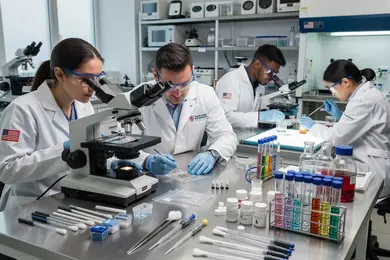
- Forensic Chemistry and Toxicology: This course anchors the program with advanced exploration of chemical and toxicological principles essential for identifying substances and interpreting evidence. It prepares students to operate instrumentation and laboratory techniques critical for workplace forensic analysis, forming the technical baseline that supports specialization in areas like drug identification or environmental forensics.
- Forensic Biology and Anthropology: Focusing on human remains and biological evidence, this coursework teaches skeletal analysis and cause-of-death determinations. Its importance lies in training students for both medical examiner collaboration and criminal investigations, a core competency where science meets practical field applications.
- Criminalistics and Crime Scene Investigation: Covering investigative procedures, evidence preservation, and documentation, this course develops the procedural rigor needed for accurate crime scene processing. It bridges the gap between lab work and field operations, emphasizing methodological integrity required by law enforcement and forensic labs.
- Forensic Law and Ethics: Given that ~65% of forensic science employers value legal and ethical expertise alongside technical skills according to the Bureau of Labor Statistics (2024), this course integrates courtroom procedures, expert witness testimony, and ethical considerations. Its inclusion ensures graduates understand legal frameworks that govern evidence admissibility and professional responsibility.
- Statistical Analysis and Quantitative Methods: This course enhances data interpretation and communication skills through biostatistics, quantitative analysis, and report writing. Its relevance grows as digital forensics and advanced crime lab technologies demand high competence in statistical validation and clear presentation of complex findings to legal and scientific audiences.
- Capstone Project or Thesis: A practical research or investigative project rounds out the core curriculum, requiring students to apply multidisciplinary knowledge to solve real-world forensic problems. For working professionals, this component is a critical bridge to demonstrating applied competency and readiness for specialized forensic roles.
The balance reflected in these core courses highlights how online forensic science master's programs manage the tradeoff between breadth and depth, which should guide choices for students focused on specific career trajectories. For those exploring such programs, understanding the curriculum's integration of scientific, legal, and managerial elements alongside workload sequencing is essential. For a detailed perspective on related professional qualifications and their financial considerations, see how much does it cost to become a medical coder.
What Specializations Are Available in Online Forensic Science Master's Programs?
Specializations in online forensic science master's programs are strategic selections that significantly affect employability, skill acquisition, and career trajectory. Choosing a concentration aligns students with specific industry demands but can also shape the intensity of practical requirements and the scope of future job roles.
- Forensic Biology emphasizes DNA analysis, serology, and genetic profiling, equipping students for roles that demand precise biological evidence interpretation. This specialization often entails rigorous lab-based practicums, which may require local access despite the online format, affecting working professionals balancing employment.
- Forensic Chemistry focuses on chemical substance identification such as drugs and explosives, training students to analyze trace evidence for crime labs or regulatory agencies. The technical depth here can narrow career paths but aligns closely with forensic toxicology and environmental investigations.
- Digital Forensics prepares students to investigate cybercrime and electronic data breaches, a field growing faster than average occupational sectors according to 2024 labor market data. It stands out for offering more flexible, virtual practicum options, making it more accessible to remote learners and those unable to attend physical labs.
- Crime Scene Investigation integrates investigative methodologies with evidence collection, demanding both practical skill and legal knowledge. This specialization typically requires partnerships with law enforcement for field experience, creating logistical challenges for students outside metropolitan areas.
- Forensic Toxicology develops expertise in detecting and interpreting toxic substances within biological samples, addressing increasing demand across healthcare and legal systems. Like forensic chemistry, it calls for specialized lab work, constraining fully remote program applicability.
Can Students Choose Electives Outside Their Specialization?
Elective selection within online forensic science master's programs is often tightly managed through institutional policies that prioritize core specialization completion. Students typically face restrictions such as limits on the number of courses permitted outside their chosen track, approval requirements from academic advisors, and prerequisite chains that funnel enrollment toward designated specializations like digital forensics or toxicology. Program structures commonly sequence core and specialized coursework to ensure technical depth, leading to limited elective seats downstream and less frequent opportunities to take cross-track electives.
According to recent data from the National Center for Education Statistics, around 62% of programs allow some elective flexibility, but credit caps and cohort scheduling often constrain how extensively students can explore areas outside their main concentration.
This restricted elective access poses practical tradeoffs for students balancing breadth and depth. Opting for electives outside a specialization can broaden interdisciplinary skills valued in multidisciplinary forensic roles-for example, integrating courses on forensic psychology or cybersecurity-potentially enhancing adaptability in evolving job markets. However, expanding beyond core competencies may dilute mastery of technical subjects critical for certain certifications or employer preferences, possibly prolonging time-to-degree due to prerequisite or scheduling delays.
Students must weigh whether the benefits of diverse skill acquisition override risks of weakened focus or program extension, especially since forensic science employers often emphasize rigorous specialization aligned with accreditation standards and industry expectations. For instance, a student pursuing crime scene investigation might hesitate to take several electives in unrelated areas, fearing it could lessen preparedness for highly regulated forensic technician roles.
One student recalled grappling with elective decisions amid rolling admissions and limited cross-specialization options. Initially uncertain about their preferred track, they delayed applying to finalize specialization choice, worried that prematurely committing could restrict future course access. After extensive consultation with advisors, the student submitted materials late in the cycle and secured a spot that aligned with core interests but allowed just one elective outside the concentration. This experience underscored how timing and program policies intersect to influence not only curricular flexibility but also admission outcomes and academic pacing in online forensic science master's pathways.
How Are Online Forensic Science Master's Courses Delivered?
Online forensic science master's programs commonly employ a mix of asynchronous and synchronous course delivery formats that directly shape student engagement and workload management. Most programs rely heavily on asynchronous elements like recorded lectures and interactive modules to provide flexible learning options for forensic science master's students balancing work and personal obligations.
Yet, synchronous sessions such as live discussions, virtual labs, and real-time faculty interactions remain integral for mastering complex competencies that demand immediate feedback and peer collaboration. Hybrid participation models offering occasional on-site labs or internships address practical skill acquisition requirements but also introduce logistical considerations for fully remote students.
These delivery structures create notable time management challenges, particularly for working professionals and career changers who must consistently allocate focused hours amid competing demands. The blend of flexible pacing and mandatory synchrony can either enhance or hinder learning continuity depending on a student's discipline and external responsibilities. According to a 2024 report by the National Center for Education Statistics, approximately 68% of graduate students in forensic-related fields enrolled in hybrid programs, underscoring widespread acknowledgement that purely asynchronous formats alone insufficiently support comprehensive skill development.
By prioritizing blended online forensic science course delivery formats, programs attempt to balance accessibility with rigorous content engagement, but tradeoffs persist between convenience and immersive learning quality. For instance, students missing synchronous labs risk gaps in applied competencies essential for employment readiness. Prospective students should critically consider how delivery methods influence not only their immediate academic progress but also practical forensic skill validation, which aligns closely with employer expectations in competitive job markets.
Those seeking flexible options may also explore resources at no application fee online colleges for cost-conscious enrollment pathways.
Which Core Classes Are Considered the Most Challenging?
Core classes in online forensic science master's programs that challenge students most often demand a blend of advanced technical expertise and analytical precision. Courses such as forensic chemistry require not only mastery of quantitative chemical instrumentation but also an ability to interpret complex lab data under timed conditions, which adds cognitive load beyond typical lecture-based study.
Similarly, subjects involving DNA analysis and molecular biology pose difficulties because they integrate theoretical genetics with intricate case-based evidence evaluation, stressing interpretive accuracy and practical application simultaneously. Additional courses in forensic statistics and digital forensics compound this challenge, as they require students to simultaneously develop statistical reasoning, software fluency, and an understanding of evidentiary standards, introducing multifaceted skill requirements that can overwhelm learners with less prior exposure to these domains.
The impact of these academic demands extends well beyond coursework, influencing student progression and readiness for specific forensic roles in the workforce. According to a 2024 survey by the National Association of Forensic Educators, 68% of online forensic science graduate students identify forensic chemistry as the most difficult course, underscoring its gatekeeping role in specialized tracks like toxicology or serology.
Struggling in these core areas can delay graduation or limit access to preferred concentrations, forcing students to weigh the tradeoffs between course load, mastery, and career trajectory carefully. For instance, a student transitioning from a non-technical background may find the steep conceptual and technical learning curve in digital forensics necessitates additional study time and support, which can pressure their ability to balance professional obligations with academic expectations.
One online student recalled the tension of navigating rolling admissions while uncertain if their foundational coursework preparation sufficed for acceptance. They hesitated to submit applications early, fearing inadequate readiness for forensic chemistry-a course consistently noted as particularly demanding. This delay created stress as spots filled, but once admitted, the student found that deliberate pacing and targeted pre-course review mitigated initial struggles. Their experience highlights the strategic decisions applicants must make, balancing timing, preparation level, and competitive program entry to optimize success in these academically rigorous forensic science programs.
Do Online Forensic Science Master's Programs Require Internships or Practicums?
Online forensic science master's programs differ significantly in their internship or practicum requirements depending on program design, accreditation criteria, and specialization focus. Approximately 68% of these programs mandate some form of experiential learning, typically requiring 150 to 300 hours of supervised work in settings like crime labs or law enforcement agencies.
Others offer internships or practicums as optional components, integrate virtual simulations, or substitute case study analyses to accommodate diverse learner needs. Such forensic science master's internship requirements function less as catalog formalities and more as critical assessments of a program's commitment to applied skill development and alignment with industry expectations.
From a practical standpoint, the presence or absence of a practicum requirement has major implications for students balancing work and study, particularly for career changers or those pursuing specialized tracks. Securing a suitable placement can pose logistical challenges and extend time-to-completion, while programs lacking mandatory internships may limit opportunities for hands-on experience and professional networking that employers often value. Data from the National Association of Forensic Science Education highlight that approximately one-third of programs waive these requirements or offer virtual alternatives, reflecting efforts to accommodate working professionals.
Prospective students should weigh the benefits of practicum experiences in online forensic science degrees against their personal constraints and career goals to optimize job readiness and academic progression. Those interested in other fields requiring hands-on education may also explore related paths such as the best online kinesiology degree, where experiential components similarly influence career outcomes.
Which Courses Are Required for Professional Certification Exams?
Master's programs in forensic science commonly design their curricula to align directly with the competencies required by certifying bodies like the American Board of Criminalistics and the International Association for Identification. Core coursework often corresponds tightly with foundational exam content areas, including forensic chemistry, biology, DNA analysis, crime scene investigation, and legal procedures.
Programs purposefully map specialized courses-such as digital forensics or toxicology-to niche certification criteria, ensuring coverage of critical technical and analytical skills demanded by these credentials. This alignment reflects adherence to professional standards and accreditation guidelines, reinforcing that course selection is a strategic factor influencing eligibility and preparedness for certification exams.
Deviating from or omitting required core or specialized courses can significantly disrupt the certification timeline, necessitating additional coursework or remedial study to meet eligibility thresholds. For instance, a student pursuing digital forensics certification who bypasses cybersecurity-focused classes may face delays in attaining certification or encounter gaps in practical knowledge, restricting immediate employability in specialized roles.
Given that a 2024 National Institute of Justice study found over three-quarters of certified forensic professionals credited their academic programs with facilitating exam success, these curricular decisions materially impact readiness and career trajectory. Prospective and working students must weigh the tradeoffs between flexible program formats and the need for comprehensive, competency-aligned coursework that satisfies both exam prerequisites and employer expectations in forensic science practice.
Do Specialization Requirements Extend Graduation Timelines?
Specialization requirements within online Forensic Science master's programs are often designed around distinct sequences that augment the core curriculum with targeted coursework in areas like forensic toxicology or digital forensics. Depending on how these are integrated-whether as additional credits, prerequisite chains, or required capstone experiences-they can either extend or maintain the expected 18 to 24-month completion timeline.
Programs that tightly couple specializations with sequential courses or limit elective flexibility tend to stretch duration because students must follow specific paths without substitution options. According to a 2024 report from the National Center for Education Statistics, graduate students pursuing STEM-related specializations, including forensic science, are 15-20% more likely to require extra semesters compared to those focusing solely on core courses.
This structural complexity translates into practical challenges such as delayed course availability and scheduling bottlenecks, especially when key specialization classes are offered infrequently or require synchronous participation. For example, a working professional specializing in digital forensics may face extended timelines if prerequisite courses fill quickly or capstone projects demand consecutive terms, forcing a semester delay.
The tradeoff between deeper expertise and timely graduation often hinges on the student's ability to strategically plan around course sequences and balance workload with other responsibilities. Employers value the nuanced skill sets specialization provides, but students must weigh whether the extended timeline fits their career entry goals and personal constraints.
How Do Forensic Science Specializations Affect Career Opportunities?
Specializations within an online forensic science master's program act as key signals to employers, indicating specific technical competencies and applied expertise relevant to niche industry demands. Hiring managers often scrutinize the coursework focus and practical projects that demonstrate mastery in areas such as digital forensics, toxicology, or forensic genetics, interpreting these as evidence of readiness for complex, focused roles.
This targeted skill set aligns candidates with role-specific hiring pipelines, enhancing market relevance particularly in competitive fields. According to the 2024 Bureau of Labor Statistics, professionals with such focused expertise have approximately a 12% higher chance of securing positions in sectors like cybersecurity and biomedical forensics, which drives the tangible benefits of specialization in forensic science specialization career pathways in the United States.
However, this specialization creates tangible tradeoffs in career flexibility and job scope. While a candidate with a digital forensics focus may qualify immediately for cybercrime investigation roles, they might be less competitive for broader forensic analyst positions requiring interdisciplinary skills. Conversely, more generalized programs open pathways to a wider range of forensic functions but may limit depth of expertise in emerging technologies. For example, a graduate focusing narrowly on forensic toxicology might find high demand within healthcare systems but face challenges transitioning into crime lab analysis roles that call for broader sampling techniques.
Prospective students must balance such tradeoffs carefully, considering their long-term career adaptability alongside immediate employability, particularly when evaluating curriculum structure and specialization options in online programs, similar to how BCBA programs emphasize targeted credentials in their field.
How Should Students Compare Online Forensic Science Master's Curriculum?
Comparing online forensic science master's curricula requires evaluating specific structural and practical tradeoffs rather than simply listing preferences. Variations in course sequencing, specialization depth, and experiential components directly impact job readiness, workload management, and alignment with certification standards. Choosing a program with clear curriculum outcomes can reduce time-to-completion and enhance employability.
- Core Course Composition and Sequence. Assess how foundational courses like crime scene investigation, forensic biology, and toxicology are distributed and sequenced. Programs with integrated sequencing may promote deeper comprehension, but rigid structures can limit flexibility for working professionals.
- Specialization Depth and Relevance. Examine the availability and depth of concentrations such as forensic psychology or digital forensics. A program that offers focused, applied coursework aligned with industry demand better prepares students for niche roles, reflecting best criteria for evaluating online forensic science graduate curriculums.
- Elective Flexibility versus Required Breadth. The balance between mandatory courses and electives affects both exposure and customization. More electives enable tailored learning but may reduce consistent core expertise valued by employers.
- Experiential Learning Integration. Consider requirements for virtual labs, internships, or capstone projects. Hands-on experiences are critical; a 2024 National Science Foundation report notes that 68% of forensic employers prioritize graduates with practical skills.
- Certification Alignment and Accreditation. Curriculum should align with recognized forensic standards, facilitating professional credentialing. Accreditation by bodies like the American Academy of Forensic Sciences signals quality and can influence employer perceptions.
- Delivery Format and Scheduling. Programs vary in pacing and cohort models, impacting feasibility for career changers or working professionals. Understanding the time commitment relative to individual responsibilities is essential for sustainable progress.
Students focused on specialization benefits and career adaptability often consult comparative sources, including best online environmental health and safety degree programs, to understand broader interdisciplinary trends impacting forensic sciences.
What Graduates Say About Online Forensic Science Master's Curriculum
- Taylor: "Completing the forensic science master's program gave me a solid foundation, but I quickly learned that employers in my area heavily weigh actual case experience and the quality of your portfolio over just having a degree. I found internships crucial for standing out, especially since many roles require practical familiarity with lab equipment and courtroom procedures beyond academic knowledge."
- Cruz: "After finishing my specialization, I appreciated the flexibility the online format offered, allowing me to balance coursework with my job. It helped me transition faster into remote contract roles that value certifications and proven skills over formal licensure, although I realized that salary growth without official credentials can be somewhat capped in traditional forensic roles."
- Luka: "Reflecting on my experience, the program prepared me technically but entering the workforce meant adapting to the competitive nature of forensic science jobs where many candidates hold licenses or longer field experience. I pivoted into a related field that values my analytical skills acquired during the master's, which was a pragmatic choice given the hiring landscape I encountered."
Other Things You Should Know About Forensic Science Degrees
The 2027 Online Forensic Science Master's curriculum balances technical and theoretical coursework by integrating lab simulations and case analysis. This approach enhances skill application while managing workload, allowing students to apply theoretical knowledge to practical scenarios in digital environments.
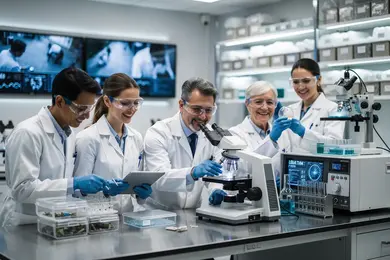
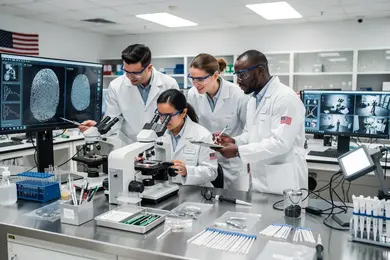
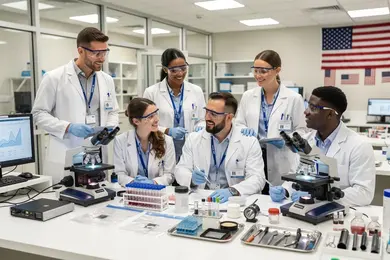
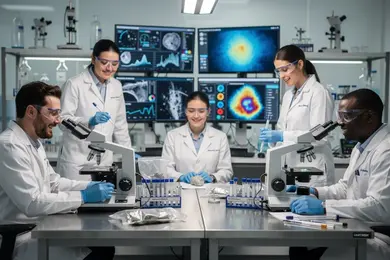
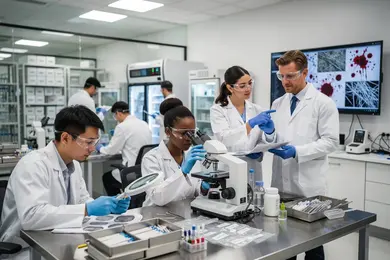
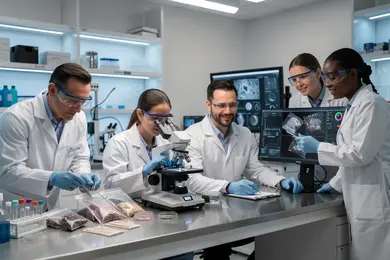
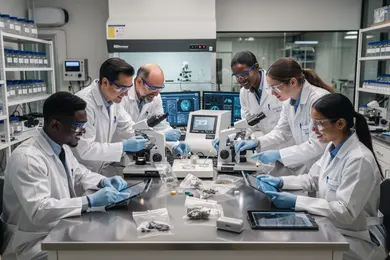
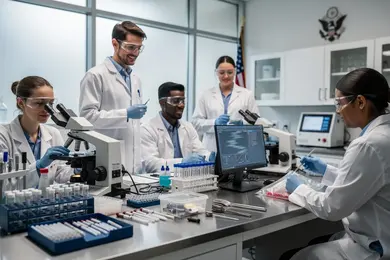
Core lab training usually covers DNA extraction and STR analysis, trace evidence microscopy, toxicology screening, and evidence handling protocols. Many programs also require a 3- to 6-credit laboratory methods course or virtual simulation module, with competency checked through graded case studies and practical exams.
Admission typically requires a bachelor's degree in a related field such as biology or chemistry, alongside a minimum GPA requirement, often around 3.0. Some programs may also require prior coursework in forensic science fundamentals or relevant lab experience for 2027 entry.
In 2027, online forensic science master's programs often offer capstone projects or thesis options that focus on real-world case studies, lab-based research, or interdisciplinary applications. Students can select projects aligned with their specialization, providing hands-on experience and enhancing professional skills.
References
- Online Graduate Certificate Programs in Forensic Science https://www.forensicscolleges.com/online/certificate-in-forensic-science
- Online Professional Master's Degree in Forensic Medicine and Toxicology | Liverpool Academy https://www.liverpoolacademyfm.com/product-page/online-professional-master-s-degree-in-forensic-medicine-and-toxicology
- Forensic Science Laboratory Internships https://www.kansas.gov/kbi/about/about_lab_internships.shtml
- Internship Opportunities - International Association for Identification https://www.theiai.org/internship_opportunities.php
- Internship Opportunities – Houston Forensic Science Center https://hfsctx.gov/internship-opportunities/
- Internships https://ncdoj.gov/crime-lab/internships/
- Professional services https://www.strath.ac.uk/courses/postgraduatetaught/forensicscience/
- Free Online Forensic Science Courses | Alison https://alison.com/tag/forensic-science
- Internships https://www.cfsre.org/education/internships