2027 Entry-Level Jobs With a Forensic Science Master's Degree

Co-Founder and Chief Data Scientist
The hiring landscape for graduates with a forensic science master's degree reflects a fragmented and highly specialized workforce. Entry-level positions frequently demand not only advanced technical skills but also experience with accredited laboratory procedures and evidence handling protocols that vary by jurisdiction.
Employers prioritize candidates who demonstrate proficiency in specific methodologies aligned with developing industry standards, particularly in digital forensics and forensic chemistry fields. Regulatory bodies increasingly require certification or documented competency for certain roles, influencing job eligibility and progression.
This article explores the practical entry-level roles available to these graduates and examines the workforce structures and professional expectations shaping their initial career steps.
Key Benefits of Entry-Level Jobs With a Forensic Science Master's Degree
- Entry-level roles often require specific technical proficiencies; a forensic science master's offers targeted skills but may limit versatility in broader criminal justice sectors, influencing adaptability in diverse job markets.
- Employers increasingly prioritize candidates with advanced degrees; a 2024 Bureau of Labor Statistics report shows 15% accelerated hiring rates for master's holders, highlighting shifting baseline qualifications but intensifying competition.
- Graduate program length and cost create delayed workforce entry; balancing opportunity costs against skill acquisition is crucial, as extended education can postpone income and practical experience accumulation.
What Entry-Level Jobs Can You Get With a Forensic Science Master's Degree?
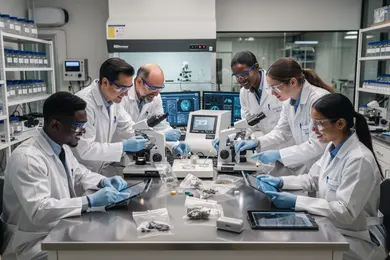
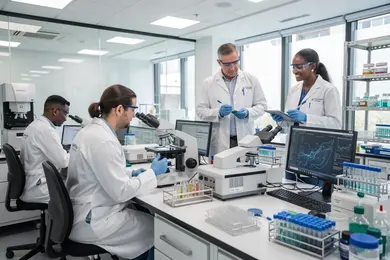
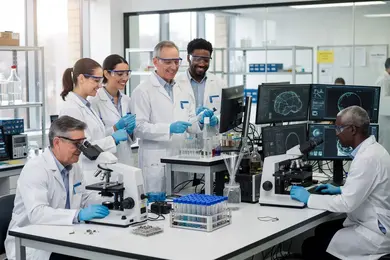
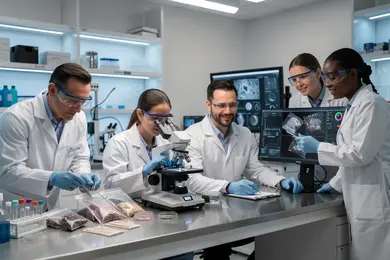
Entry-level positions for graduates with a forensic science master's degree often entail substantial responsibility and specialized tasks, reflecting the advanced training acquired through graduate education. While these roles are classified as entry-level, they rarely involve purely rudimentary duties; instead, many require analytical decision-making and technical expertise early in one's career.
The scope of these opportunities varies by employer demands, previous experience, and the forensic science master's degree job opportunities each program emphasizes, all influencing how graduates apply their knowledge in the field.
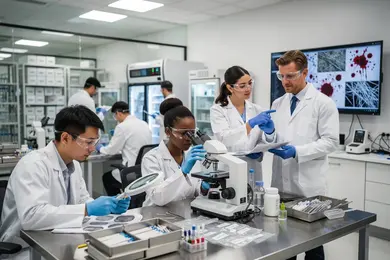
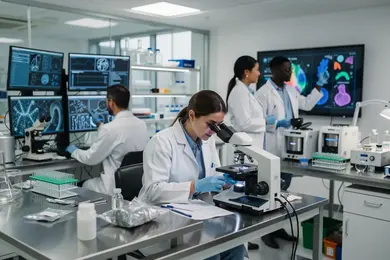
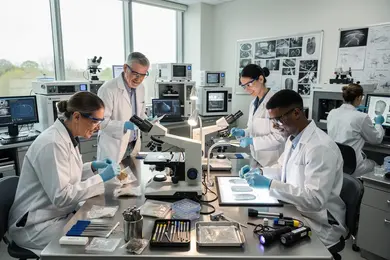
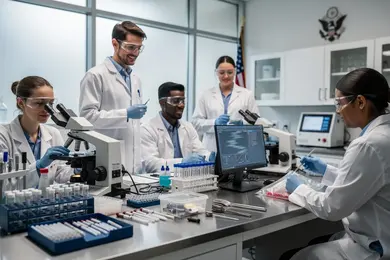
- Forensic Science Technician: This role centers on collecting, processing, and analyzing physical evidence using scientific methods. Technicians perform detailed lab work, such as biochemical assays or materials analysis, providing foundational data critical to investigative processes. According to the U.S. Bureau of Labor Statistics, steady demand for these roles underpins consistent entry-level hiring, making it a common starting point that allows professionals to build forensic expertise and eventually progress into specialized analytical positions or supervisory roles.
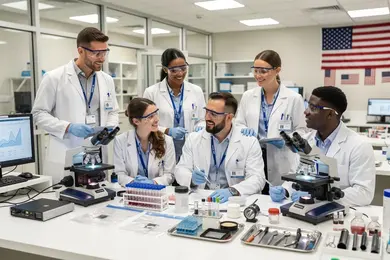
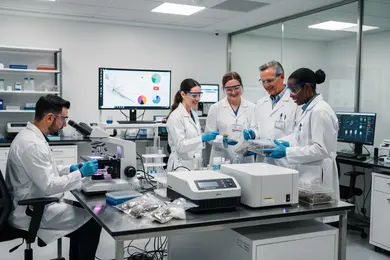
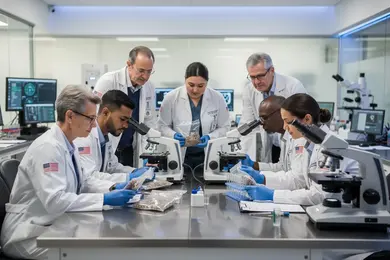
- Crime Lab Analyst: Analysts often work in dedicated units focusing on areas like DNA, toxicology, or digital forensics. This position demands not only precision in laboratory techniques but also an in-depth understanding of instrumentation and data interpretation. Entry-level crime lab analysts frequently require certifications beyond their degree, positioning these jobs as gateways to higher specialization and roles that integrate scientific findings into legal contexts more directly.
- Evidence Technician: Tasked with managing the secure receipt, cataloging, and storage of physical evidence, evidence technicians maintain the chain of custody essential to legal admissibility. While it typically offers a lower salary range than other forensic positions, this job introduces graduates to forensic operations and laboratory protocols. Many use this role as an entry point to develop professional networks and operational knowledge critical for advancing to more technical or forensic analytical roles.
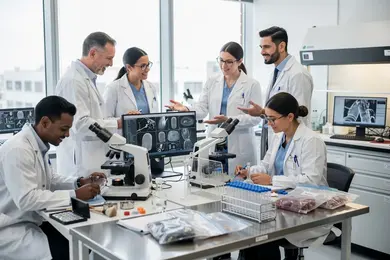
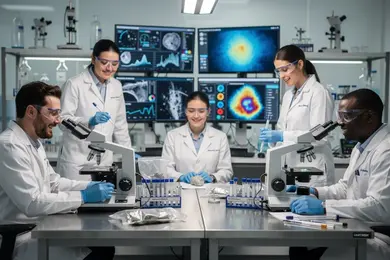
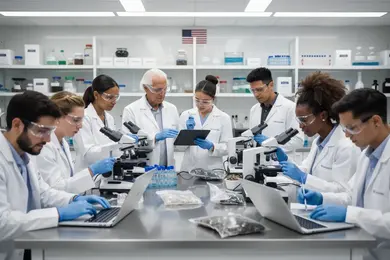
- Forensic Laboratory Assistant: Often found in larger forensic facilities, these assistants support sample preparation, equipment maintenance, and routine testing procedures. Forensic lab assistants gain hands-on experience alongside experienced analysts, which deepens practical skills and provides exposure to diverse forensic methods, serving as a stepping stone toward certified analyst positions or roles requiring specialized expertise in one forensic subfield.
Understanding how these roles connect with career progression is vital. Entry-level forensic science careers offer more than initial job placement; they establish a foundation for accumulating the experience, technical competence, and professional certifications essential for advancement.
The forensic science master's degree job opportunities thus encompass not merely employment but a structured pathway toward specialization and leadership within forensic science disciplines. Graduates should consider how employer expectations and labor market trends impact these dynamics, assessing job openings through the lens of both current responsibilities and future professional growth.
For those evaluating costs and returns on advanced education, analyzing the average cost of DNP program may provide context for related healthcare or laboratory science fields while framing investment decisions in forensic science education and employment pathways.
What Sectors Have the Strongest Demand for Graduate-Level Talent?
Employer demand for graduate-level talent in forensic science is driven by deeper structural factors than degree popularity alone. Sectors showing sustained hiring typically require specialized knowledge, rigorous analytical capabilities, leadership potential, or familiarity with regulatory frameworks-areas where graduate training adds clear value.
Understanding these forces illuminates which industries will maintain or accelerate demand for forensic science master's graduates, guiding more strategic specialization and career choices.
- Public Crime Laboratories: Representing the largest segment of forensic science employment, these labs operate at local, state, and federal levels. Their demand persists due to ongoing public safety needs and advancements in DNA, toxicology, and digital evidence technologies. While bureaucratic constraints can limit hiring frequency, the complexity of forensic work ensures steady openings, particularly for roles such as forensic analysts and crime scene investigators.
- Federal Law Enforcement Agencies: Organizations like the FBI and DEA seek forensic experts who combine scientific proficiency with investigative and intelligence functions. The specialized nature of these roles aligns with evolving threats such as cybercrime and terrorism, resulting in selective but well-compensated positions that often provide clearer promotion pathways than local jurisdictions.
- Forensic Consulting Firms in the Private Sector: Growth in this sector is fueled by legal, insurance, and corporate compliance demands for expert analysis and effective communication of scientific findings. Firms prefer candidates with interdisciplinary skills, including data interpretation, as they navigate complex regulatory and litigation environments. These roles can offer faster hiring cycles and broader career development than public agencies.
- Healthcare Fraud and Cybersecurity Investigations: Emerging niches requiring forensic science knowledge are expanding as regulatory scrutiny intensifies and digital methods proliferate. Professionals in these areas often need supplemental expertise in regulatory frameworks and digital tools to address sophisticated fraud schemes and cyber threats, marking a shift toward more interdisciplinary forensic roles.
One recent graduate recalls navigating the uncertain timing of applications when balancing multiple offers from public labs and private consultancies. The rolling admissions and varied hiring cycles meant waiting weeks for federal agency responses while private firms extended faster, albeit less certain, opportunities.
This candidate emphasized the importance of maintaining flexibility and preparedness, as strategic decisions often hinged on how quickly offers materialized rather than just the sector's long-term appeal.
Which Entry-Level Forensic Science Careers Have the Highest Starting Salaries?
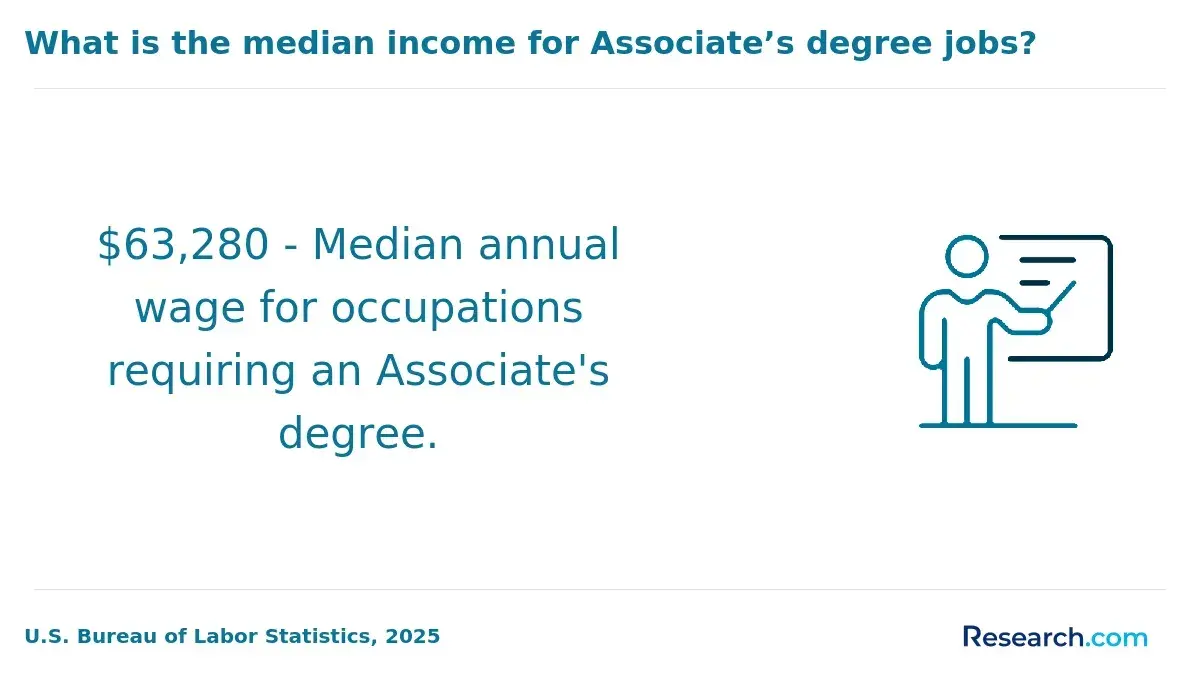
Starting salaries for entry-level forensic science careers reflect more than just educational credentials. Compensation is shaped by the specialized skills required, the intensity of market demand, the regulatory environment, and the operational impact of each role within organizations. Positions commanding higher pay often entail greater analytical complexity, technical expertise, or responsibility in fast-evolving and high-stakes areas of the forensic science field.
- Forensic Toxicologist ($60,000-$75,000): These roles typically offer the top starting salaries due to their reliance on advanced chemistry and toxicology knowledge. Forensic toxicologists often work at the intersection of medical and legal systems, analyzing biological samples for poisons and controlled substances. The technical rigor and accountability involved, combined with growing demands for sophisticated drug detection, support competitive pay and solid career advancement options.
- Forensic Digital Analyst ($60,000-$70,000): Emerging cyber threats and expanding digital evidence volumes drive demand for forensic digital analysts. Their proficiency in electronic data recovery and IT security enables employers, including government agencies and private cybersecurity firms, to justify premium starting salaries. Early-career positions reward a combination of forensic science mastery and technical IT skills, reflecting the role's critical function in cybercrime investigations and digital forensics growth trajectories.
- Forensic Biologist ($50,000-$65,000): Specializing in genetic and biological evidence, forensic biologists benefit from advances in DNA analysis technology but face steady certification and training demands. Their moderate-to-high starting salaries align with the technical precision required and the sector's emphasis on continual skill enhancement. This role forms a foundation for long-term specialization, particularly as forensic biology integrates more deeply with evolving genetic forensics methods.
- Crime Lab Technician ($45,000-$60,000): Often considered a more routine entry-level job, crime lab technician roles generally provide modest starting pay that reflects standardized testing tasks and supervised responsibilities. Compensation fluctuates with employer size and budget constraints, highlighting how organizational factors influence early-career earnings. Despite a lower initial salary ceiling, these positions offer essential operational experience within forensic laboratories.
- Evidence Technician/Forensic Assistant ($40,000-$50,000): Roles focused on evidence handling and logistical support tend to have the lowest starting salaries. They serve as entry points into the field but usually lack the technical demands seen in laboratory or digital analysis positions. Consequently, these roles may underutilize the specialized training of master's graduates, emphasizing practical exposure over immediate financial return.
Which Industries Pay the Most for Entry-Level Forensic Science Master's Graduates?
Entry-level salaries for forensic science master's graduates largely reflect the economic dynamics and structural features of the industries that hire them. Sectors with higher pay typically operate in environments demanding stringent compliance, extensive innovation, or carry significant financial stakes tied to forensic expertise.
These conditions create a premium on forensic skills that contribute directly to risk management, legal compliance, or technological advancement, driving up compensation more than individual credentials alone.
- Federal Government Agencies: Positions within federal law enforcement or regulatory bodies, including agencies like the FBI or DEA, offer some of the highest starting salaries. These roles are embedded in highly regulated frameworks where forensic analysis supports critical investigative processes, making the specialized skills of graduates indispensable for managing legal risks and national security interests.
- Private Forensic Consulting Firms: Consulting firms often pay above-average wages due to their revenue structures relying on expert testimony and specialized case work. The need to provide rapid, reliable forensic insights under legal and commercial pressures creates demand for master's level professionals capable of translating complex scientific data into actionable evidence for clients.
- Pharmaceutical and Biotechnology Companies: These sectors reward forensic science graduates for their analytical proficiency applied to quality assurance, toxicology studies, and regulatory compliance. High innovation rates and strict government oversight foster competitive pay, reflecting the value of forensic disciplines in ensuring product safety and mitigating litigation risks.
- State and Local Crime Laboratories: Although often lower paying, these roles provide foundational experience in forensic techniques with added stability and incremental growth potential. Market constraints such as budget limitations and public funding typically suppress entry pay, despite steady demand for forensic scientists in this segment.
The demand for forensic science expertise in these fields is underscored by labor market data from 2024 indicating that entry-level salaries range broadly, with federal government and private consulting roles frequently exceeding $65,000 annually. This contrasts with many local public sector positions where salaries may start closer to $50,000.
For prospective students exploring alternative routes into master's programs, especially those not meeting typical entry criteria, understanding these industry-driven pay differences helps shape realistic employment goals and long-term career plans. Additionally, exploring varied educational pathways, similar to those featured in LPN programs that don't require TEAS test, may be relevant when evaluating one's eligibility and preparation options in forensic science fields.
Which Skills Are Most Valuable in Entry-Level Positions?
Entry-level hiring within forensic science increasingly hinges on demonstrable skills rather than solely on academic credentials. Employers seek candidates who can immediately apply domain-specific technical abilities and analytical rigor to practical challenges, contributing to case resolution and operational efficiency. This shift reflects broader labor market trends emphasizing measurable impact, even for those newly entering the workforce.
- Laboratory Technical Proficiency: Mastery of lab instrumentation and procedures is non-negotiable since early-career roles demand precise handling of evidence and experimental protocols. Employers rely on accurate data generation to uphold legal standards, making technical skill a baseline expectation that directly influences reliability and case outcomes.
- Analytical Thinking and Problem Solving: Forensic professionals must interpret incomplete or ambiguous data, reconstruct events, and identify relevant patterns under time constraints. This cognitive flexibility is key to navigating complex investigations, and according to 2024 O*NET data, analytical ability ranks among the top criteria for entry-level hiring in forensic disciplines.
- Effective Communication: Ability to clearly articulate findings-both in written reports and verbal testimony-is critical since forensic conclusions must be understood by non-specialists in court or law enforcement. Candidates who can translate technical jargon into accessible language while maintaining precision often gain an edge in recruitment and collaborative environments.
- Time Management and Organization: Managing multiple cases and deadlines requires discipline and prioritization, which correlates strongly with job performance and employer trust. Early-career forensic scientists demonstrating consistent, timely case delivery frequently experience smoother progression in both responsibilities and compensation.
- Adaptability to Evolving Protocols: Forensic methodologies and legal requirements evolve alongside technological advances and regulatory changes. Candidates who quickly assimilate new standards and technologies are favored, as this agility ensures compliance and operational relevance without extensive retraining.
A recent forensic science graduate recalled navigating the rolling admissions process during a particularly competitive cycle. Initially hesitant to apply immediately, the graduate delayed submission to refine their skill portfolio, focusing on gaining additional digital forensics experience.
When an unexpected notification advanced their application timeline, this preparedness proved decisive. Their ability to showcase current technical competencies alongside disciplined project management ultimately shifted the hiring panel's perception, underscoring how skill readiness-rather than degree alone-shapes opportunities at the entry level.
Do Employers Hire Forensic Science Master's Graduates Without Professional Experience?
Many employers do hire forensic science master's graduates without prior professional experience, particularly for entry-level roles explicitly designed as talent pipelines. These positions often include forensic technician, evidence processor, or lab analyst roles that emphasize supervised, procedural tasks over independent judgment.
According to recent government workforce reports and academic employment outcome studies from 2024, such roles serve as critical stepping stones for graduates to gain practical exposure and develop essential laboratory skills. This hiring trend reflects how some organizations prioritize foundational advanced education combined with structured training environments, balancing risk while grooming candidates for more complex responsibilities.
The conditions enabling employers to consider forensic science master's graduates without experience often hinge on demonstrable competencies beyond coursework alone. Strong academic performance, completion of internships or research assistantships, and participation in capstone projects provide tangible evidence of relevant skills and commitment.
Certifications and technical proficiencies-such as familiarity with analytical instruments or data management tools-can substitute for hands-on work history in hiring decisions. Labor market analyses of employers hiring forensic science master's degree holders without experience indicate that validated skill sets and applied learning experiences significantly enhance employability, mitigating some employer concerns about limited exposure to real-world forensic workflows.
However, the willingness to hire inexperienced graduates varies markedly across industry segments. Sectors reliant on data analysis, quality assurance, or forensic technology applications are generally more receptive to candidates with academic credentials but limited direct laboratory experience. In contrast, highly regulated or client-facing forensic roles often require prior exposure to standard operating procedures and evidence handling due to the elevated risk and legal accountability involved.
Forensic science master's graduates assess these industry variations carefully and may also consider supplemental pathways, similar to accelerated BSN programs for non nurses California, to strategically build practical competencies aligned with evolving employer expectations.
Which Certifications Help Entry-Level Forensic Science Master's Graduates Get Hired?
Employers often require certifications to confirm that entry-level forensic science master's graduates possess job-ready competencies that extend beyond academic knowledge. While a master's degree signals advanced understanding of forensic principles and research methods, certifications serve as more tangible proof of applied skills tailored to industry-specific techniques and technologies.
These credentials help bridge the gap between scholarly training and the practical demands forensic employers prioritize when screening candidates for technician or analyst positions.
- American Board of Forensic Toxicology (ABFT) Certification - This certification is valued for validating expertise in toxicology analysis, a critical subfield where precise chemical testing and interpretation are required. For entry-level professionals, ABFT signals to employers an ability to handle analytical equipment and interpret laboratory results within regulatory frameworks, aligning well with government and private lab expectations documented in workforce reports.
- International Association for Identification (IAI) Certifications - IAI credentials focus on crime scene investigation and evidence collection protocols, practical skills often underemphasized in academic programs but central to many forensic roles. Holding IAI certification demonstrates familiarity with established forensic workflows and chain-of-custody standards, improving an applicant's competitiveness in roles involving field investigations or technical support.
- American Board of Criminalistics (ABC) Certification - Especially valued in DNA analysis and drug chemistry units, the ABC credential provides assurance of specialized forensic science capabilities. For labs affiliated with law enforcement agencies, this certification functions as a quality assurance marker that aligns with the higher operational standards and technical scrutiny seen in public sector forensic units.
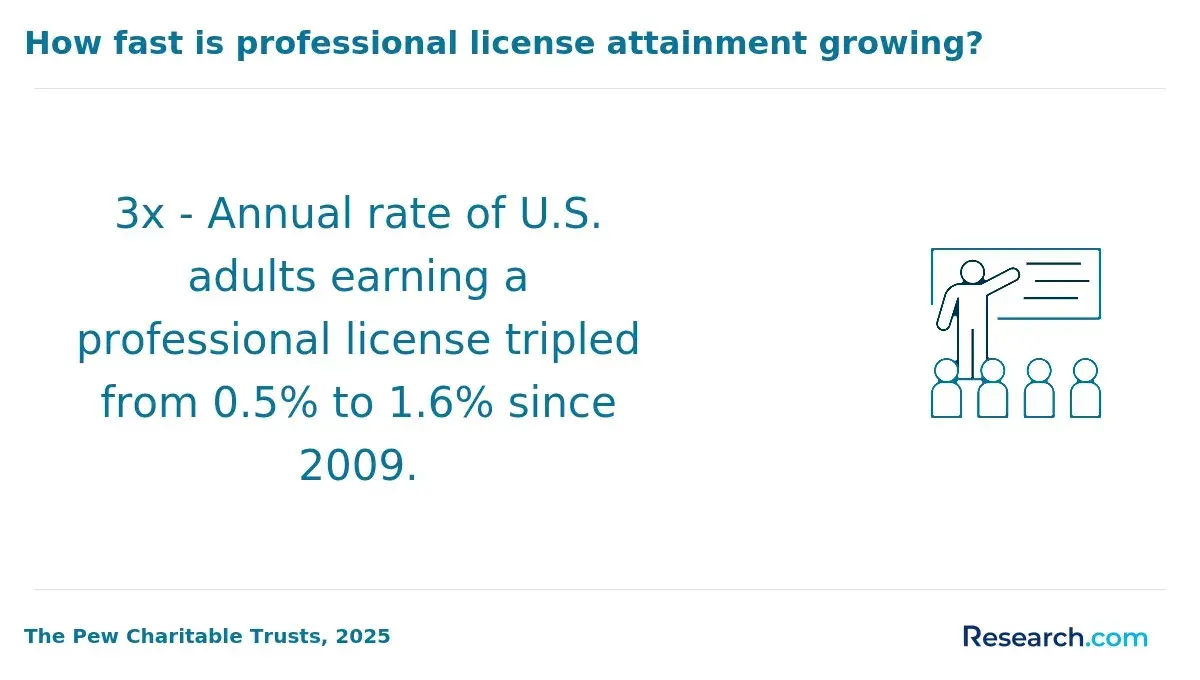
O*NET data from 2024 shows candidates combining at least one certification with their forensic science master's have about a 12% advantage in first-year job placement, highlighting how these credentials influence employer hiring decisions beyond degree credentials alone.
However, certifications vary in perceived importance depending on employer type and forensic discipline, reflecting the nuanced expectations across different forensic career pathways.
Furthermore, workforce analyses indicate that multiple certifications can also correlate with faster wage growth, suggesting ongoing credential acquisition supports career momentum after initial employment.
What Remote Jobs Can You Get With a Forensic Science Master's Degree?
Remote opportunities for forensic science master's graduates have broadened with advances in digital forensics, cloud computing, and global talent sourcing. The suitability of remote work in this field depends largely on how quantifiable, digitally mediated, and collaboration-light a role's deliverables are.
Positions demanding hands-on evidence handling or immediate law enforcement coordination remain largely on-site, while roles focused on data analysis, digital investigation, or research more readily adapt to distributed team structures and asynchronous workflows.
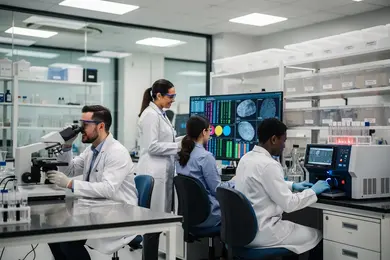
- Digital Forensic Analyst: This role involves analyzing electronic devices, recovering data, and supporting cybercrime investigations remotely using specialized software and encrypted cloud platforms. Forensic science skills in data integrity and artifact interpretation translate well into virtual environments where measurable outputs and audit trails are standard. Employers expect continuous skill updating alongside clear documentation due to the sensitive, outcome-driven nature of the work.
- Forensic Data Analyst: Remote forensic data analysts review case data, perform statistical modeling, and generate detailed reports without requiring physical site access. Their master's-level training enables rigorous analysis within cloud-based collaboration tools, emphasizing accuracy and reproducibility. Performance metrics often focus on report quality and timely deliverables rather than direct supervision.
- Research Support Specialist: This position supports case preparation or literature synthesis, leveraging expertise in scientific methodology and forensic principles. Remote work suits extended periods of focused, independent analysis, frequently coordinated via project management platforms. The ability to translate complex data into concise summaries aligns with employer demands for clear, actionable insights in virtual environments.
- Consultant or Expert Witness Assistant: Senior forensic scientists sometimes provide remote case reviews or testimony; early-career professionals may assist these functions remotely by preparing documentation and background research. This support role benefits from virtual meetings and secure data sharing, requiring strong communication skills and reliability. Employers prize discretion and precise deliverables when managing distributed forensic consulting teams.
How Competitive Is the Entry-Level Job Market for Forensic Science Master's Graduates?
The competitiveness of the entry-level job market for forensic science master's graduates depends heavily on specific industry demand, regional labor market conditions, and the degree of specialization within forensic science disciplines.
Forensic Science master's degree employment opportunities and hiring trends show that certain subfields, such as DNA analysis and digital forensics, often attract more qualified candidates relative to openings, especially in urban centers with multiple crime laboratories.
According to the U.S. Bureau of Labor Statistics, forensic science technician roles are projected to grow by 14% through 2032, but the actual number of new positions remains modest and often concentrated within government agencies. Geographic disparities further complicate access, as rural or less-populated areas tend to offer fewer entry-level roles, intensifying competition in high-demand metropolitan job markets.
Employers increasingly expect entry-level candidates to demonstrate technical proficiency beyond academic credentials, including internships, laboratory experience, certifications, and applied project work. Candidates without these practical qualifications face stiffer competition as many graduates hold master's degrees, making the degree itself insufficient to distinguish applicants effectively.
This expectation raises barriers for new graduates seeking to enter major forensic labs or federal agencies where selection standards are stringent. Practical skills and specialized training can serve as critical differentiators in a crowded applicant pool, underscoring the importance of hands-on experience and targeted professional development.
Graduates who strategically position themselves by gaining relevant experience or transitioning to subfields with talent shortages may face less competitive conditions, while others encounter bottlenecks in saturated markets.
Flexibility regarding geographic location and willingness to pursue emerging forensic roles can improve hiring prospects. Candidates might also benefit from understanding adjacent or related sectors, such as healthcare information management, where increasing demand across healthcare systems offers alternative opportunities; consulting data on healthcare information management salary can provide insight into comparable fields with distinct growth trajectories.
The entry-level job market for forensic science master's graduates in 2024 remains moderately competitive, reflecting both strong interest in the field and limited openings relative to applicant volume.
Data from the U.S. Bureau of Labor Statistics (BLS) projects a 14% growth rate in forensic science technician roles through 2032, faster than the average for all occupations. However, this growth still translates to a relatively small number of new positions annually, often concentrated in government agencies and crime laboratories.
Employers typically expect candidates to possess not only a master's degree but also practical laboratory experience, internships, or relevant certifications. Without substantial hands-on skills or specialized training (e.g., DNA analysis, digital forensics), competition intensifies, as many applicants have overlapping academic qualifications.
Typical entry-level roles include forensic technician, crime lab analyst, and evidence technician, with starting salaries generally ranging from $50,000 to $65,000 depending on location and employer type. Entry into federal agencies or high-profile forensic labs is notably more competitive and often requires additional qualifications or prior experience.
Key factors influencing competitiveness of the job market:
- Supply of graduates: Many forensic science programs have increased enrollment, producing more qualified candidates than available entry-level roles.
- Geographic constraints: Jobs are often localized, with rural or less-populated areas offering fewer opportunities.
- Budgetary limits: Public forensic labs may face hiring freezes or limited new positions due to funding constraints.
In summary, while a forensic science master's degree can open doors, graduates must actively build practical experience and consider flexible geographic options to improve employment prospects in the entry-level job market.
Which Entry-Level Roles Have the Strongest Long-Term Growth Potential?
Long-term career growth in forensic science is often shaped less by initial job titles and more by the range of skills, responsibilities, and network access that entry-level roles provide. Positions offering exposure to advanced techniques, strategic workflows, and interdisciplinary collaboration tend to build enduring professional value.
The strongest entry-level roles typically facilitate transferable skill acquisition, visibility into leadership functions, and specialization opportunities that remain relevant as labor market demands evolve.
- Forensic DNA Specialist: This role emphasizes advanced laboratory techniques and data interpretation critical for specialization in genetic forensics. It provides exposure to casework complexity and research integration, fostering a pathway toward senior scientist or managerial roles within specialized forensic units.
- Crime Lab Analyst: Offering hands-on analytical experience across multiple forensic disciplines, this position often leads to supervisory responsibilities or technical expert roles. Its multidisciplinary nature and frequent interaction with law enforcement enhance career mobility and leadership potential.
- Forensic Technician: While often considered an entry point, this role can limit growth unless combined with complementary qualifications, as it largely focuses on evidence collection and routine tasks. However, it can serve as a stepping stone if it includes cross-training in emerging forensic technologies.
- Digital Forensics Analyst: With rising cybercrime and data-intensive investigations, this position builds valuable IT, investigation, and analytical skills that translate across sectors. It supports career trajectories into cybersecurity, forensic consulting, and advanced digital investigations.
Government labor data from 2024 underscores that forensic DNA specialists and crime lab analysts generally command higher salary ceilings and clearer advancement tracks compared to more generalized technician roles.
Choosing entry-level jobs that embed you within specialized scientific teams or digital forensics can significantly increase long-term return on investment and career advancement potential. Prospective students should also balance these factors when considering conditional admissions or program prerequisites that may impact time to degree and employability outcomes.
When evaluating conditional admission offers for a forensic science master's program, students should weigh requirements like maintaining GPA thresholds or completing prerequisites against their potential impact on finances and timelines.
Institutional accreditation and support services greatly influence a student's ability to meet these conditions and succeed. Graduates commonly enter roles such as forensic technician, crime lab analyst, or evidence technician. Many studies highlight crime lab analysts and forensic DNA specialists as the highest advancing entry-level forensic science jobs with career growth opportunities, given their technical demands and clear specialization paths.
Prospective forensic science master's students should also consider cost-benefit tradeoffs since conditional admission can delay enrollment, increase expenses, and potentially slow early career momentum.
Exploring programs offering direct admission might optimize early career entry and reduce financial risks. For those balancing degrees with other challenges, exploring the best online substance abuse counseling degree options can represent a viable alternative or complement within public safety and allied health sectors.
What Graduates Say About Entry-Level Jobs With a Forensic Science Master's Degree
- Taylor: "After completing my master's in forensic science, I quickly realized that having a solid portfolio and hands-on internship experience were more critical for landing an entry-level role than just licensure. The agencies I applied to placed a strong emphasis on practical skills demonstrated during internships, often overlooking formal certifications in favor of proven lab work. This shift prompted me to focus on building a diverse set of case samples and lab reports that I could showcase during interviews."
- Cruz: "I approached my first forensic science position with a cautious but optimistic mindset. The hiring process was competitive, especially for government labs, where many candidates had years of forensic experience post-degree. To stand out, I accepted a part-time contract role focused on evidence processing, which lacked remote work options but allowed me to grow my skill set. Although salary growth is somewhat limited without advanced licensure, I'm considering certification pathways that balance experience with time commitments."
- Luka: "Entering the workforce after my forensic science master's meant being flexible, particularly about location and job type. I found opportunities in private labs that offered remote data analysis roles, which accelerated my entry compared to traditional fieldwork positions. That said, these roles often come with trade-offs in advancement opportunities unless you pursue additional credentials or switch back into public agencies. This experience helped me pivot from strictly hands-on examination to more analytical and research-based contributions within forensic teams."
Other Things You Should Know About Forensic Science Degrees
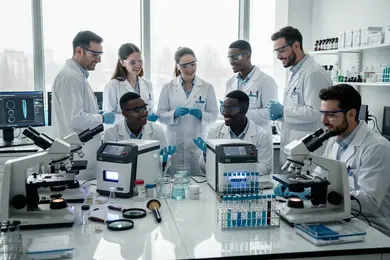
The structure of your master's program can significantly influence your readiness for entry-level roles. Programs emphasizing applied laboratory techniques and interdisciplinary training often align better with employer expectations, providing hands-on experience that entry-level positions demand.
Conversely, highly theoretical or research-heavy programs may delay practical skill development, affecting immediate job performance. Prioritizing programs with internships or partnerships offering real-case exposure can improve job placement and on-the-job adaptability.
While volume applications increase exposure, targeted networking is generally more effective in forensic science due to the field's competitive and relationship-driven nature. Employers often value referrals and demonstrated familiarity with specific forensic methodologies or technologies.
Engaging with professional organizations, attending forensic science conferences, or connecting with alumni can yield higher-quality leads and insights on employer priorities. Prioritizing quality interactions over quantity can accelerate entry into optimal positions.
In 2027, entry-level opportunities for those with a Forensic Science Master's Degree include roles such as forensic laboratory technicians, crime scene investigators, and digital forensic analysts. These positions offer a practical foundation in analyzing evidence, applying scientific methods, and utilizing specialized equipment — essential skills for advancing in the forensic field.
Early specialization in areas like DNA analysis or toxicology can deepen expertise but may limit flexibility if industry demand shifts. Conversely, developing broad competencies provides adaptability and exposure to varied forensic methods, enhancing long-term employability.
For most graduates, a balanced approach-gaining foundational expertise while exploring multiple disciplines-offers the best strategic advantage. Employers tend to value candidates who demonstrate both technical depth and a willingness to learn across subfields.
References
- Highest Paying Forensic Jobs: Salary & Career Guide https://legalframewire.com/highest-paying-forensic-jobs/
- MSc Forensic Science Jobs, Salary and Govt Roles https://www.jainuniversity.ac.in/blogs/jobs-after-msc-forensic-science
- Forensic Science Careers UK Requirements: Complete Guide to Professional Entry and Advancement https://pathologylabtraining.co.uk/biomedical-sciences/forensic-science-careers-uk-requirements
- Guide To Forensic Science Careers | LearnHowtoBecome.org https://www.learnhowtobecome.org/career-resource-center/forensic-science-careers/
- How To Become a Forensic Scientist: Requirements & Steps https://www.forensicscolleges.com/blog/htb/how-to-become-forensic-scientist
- Careers in Forensic Science https://www.aafs.org/careers-forensic-science
- Forensic Sciences Careers https://www.dea.gov/careers/forensic-sciences
- Careers in forensic science https://www.justice-ni.gov.uk/articles/careers-forensic-science