
2027 Best Online Associate Degrees in Paralegal Studies Programs

Co-Founder and Chief Data Scientist
Choosing an online associate degree in paralegal studies is usually a practical decision: you want legal training that can lead to entry-level work without committing to a four-year degree right away. The challenge is knowing which programs are credible, what they actually teach, how much they cost, and whether the credential will be respected by employers.
This guide explains what an online paralegal associate degree includes, how online programs compare with campus-based options, what admission requirements to expect, and how to evaluate cost, accreditation, internships, career paths, and long-term value. It is designed for working adults, first-time college students, career changers, and anyone considering legal support roles such as paralegal, legal assistant, litigation support assistant, or legal services coordinator.
Quick Answer: Is an online associate degree in paralegal studies worth considering?
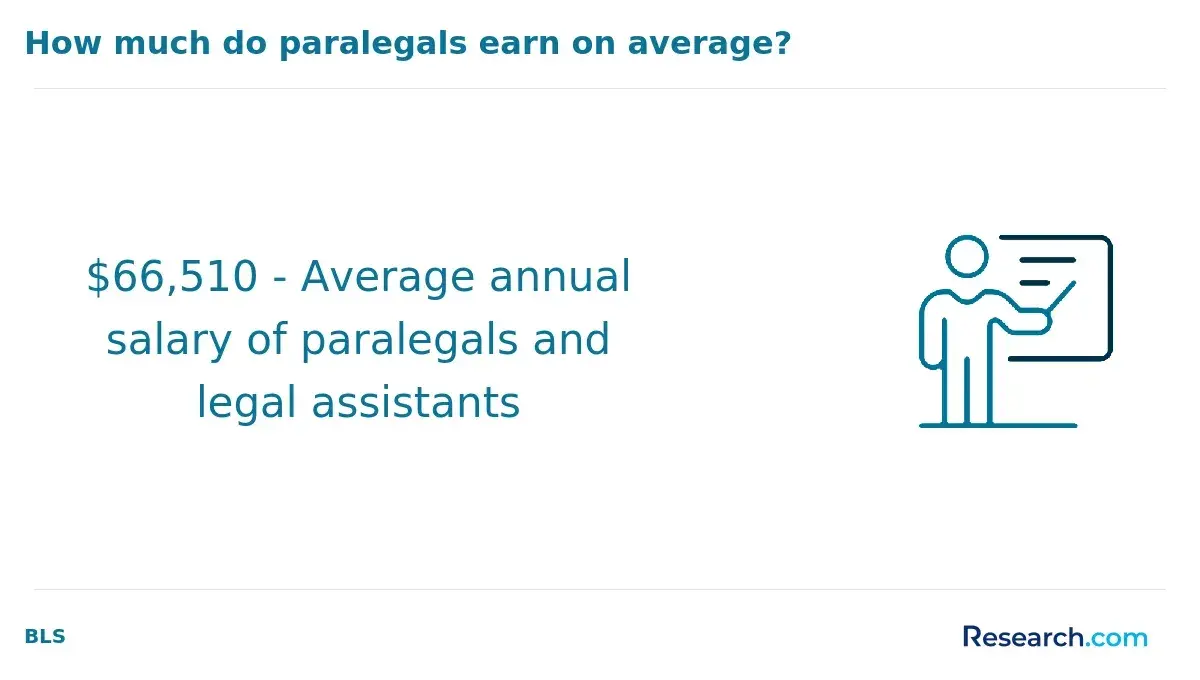
An online associate degree in paralegal studies can be a useful entry point into the legal field if the program is accredited, includes practical legal research and writing coursework, and offers support for internships or career placement. It can typically be completed in around 1.5 to two years, and professionals with an associate degree in paralegal studies earned an average median salary of $63,478. However, outcomes depend heavily on your location, experience, employer type, specialization, and whether you build strong legal technology, writing, and research skills.
What are the benefits of getting an online associate degree in paralegal studies?
- An online associate degree in paralegal studies can prepare students for legal support roles such as paralegal, legal assistant, executive assistant, legislative assistant, and legal services coordinator.
- Professionals with an associate degree in paralegal studies earned an average median salary of $63,478, although individual earnings vary by employer, region, experience, and legal specialty.
- The online format can make the degree more manageable for students who need to balance school with employment, caregiving, military service, or other obligations.
- Students can gain practical skills in legal research, legal writing, litigation support, document preparation, ethics, case management, and client communication.
- The degree can also serve as a stepping stone toward a bachelor’s degree, a paralegal certificate, or advanced legal studies later on.
What can I expect from an online associate degree in paralegal studies?
An online associate degree in paralegal studies combines general education courses with career-focused legal coursework. Most programs introduce students to the U.S. legal system, civil litigation, legal research, legal writing, professional ethics, contracts, torts, and law office procedures. Many programs also include applied projects, document drafting assignments, case simulations, legal database research, and sometimes an internship or field experience.
The online format may be asynchronous, meaning you can complete weekly assignments on your own schedule, or synchronous, meaning you attend live virtual classes at set times. Some programs are fully online, while others may require proctored exams, internship hours, campus visits, or approved local field placements.
| Program feature | What it usually means for students | Why it matters |
| Associate degree format | A career-focused two-year credential, often offered as an AA, AS, or AAS | Can prepare students for entry-level legal support roles or transfer to a bachelor’s program |
| Online coursework | Classes are delivered through a learning platform with readings, assignments, discussions, and exams | Useful for students who need flexibility, but requires discipline and time management |
| Legal research and writing | Training in finding legal sources and preparing professional legal documents | One of the most important skill areas for paralegal and legal assistant work |
| Internship or field experience | Supervised practical experience in a legal setting, if required or available | Can help students build experience, references, and job connections |
| Transfer pathway | Some credits may apply toward a bachelor’s degree | Important if you may later pursue legal studies, criminal justice, business, or pre-law education |
Where can I work with an online associate degree in paralegal studies?
Graduates may seek work in law firms, solo practices, corporate legal departments, insurance companies, government agencies, courts, nonprofit legal organizations, compliance offices, and legal services associations. Some roles are fully in person, while others may allow hybrid or remote work depending on the employer, practice area, security requirements, and the type of legal documents handled.
Small firms and solo attorneys may need paralegals who can handle a wide range of duties, including intake, scheduling, filing, drafting, research, and client communication. Larger firms and corporate departments may assign paralegals to narrower tasks such as litigation support, discovery, contract management, immigration documentation, real estate transactions, or regulatory compliance.
How much can I make with an online associate degree in paralegal studies?
Professionals with an associate degree in paralegal studies earned an average median salary of $63,478. This figure should be viewed as a broad benchmark, not a guarantee. Pay depends on your region, employer, legal specialty, experience, software skills, certification, and ability to manage complex assignments with limited supervision.
An associate degree may qualify graduates for entry-level legal assistant or paralegal roles, but some employers prefer or require a bachelor’s degree for advanced positions. Students who want stronger long-term mobility should compare associate degree programs based on transfer options, internship availability, legal technology training, and employer connections.
- Best online associate degrees in paralegal studies
- Online vs. on-campus paralegal associate programs
- Average cost of an online associate degree in paralegal studies
- Financial aid options for online paralegal students
- Admission requirements and prerequisites
- Common paralegal associate degree courses
- Specialization options in paralegal studies
- How to choose the right online paralegal associate program
- Further education after an associate degree
- Career paths for paralegal associate degree graduates
- Why accreditation matters
- Should you continue beyond an associate degree?
- Is the degree a worthwhile investment?
- Networking and mentorship for paralegal careers
- Alternative legal careers
- How employers view online paralegal degrees
- Job market for paralegal associate degree graduates
- Accelerated online paralegal associate programs
- Current trends affecting paralegal graduates
- How certifications can strengthen your resume
- Skills gained in an online paralegal associate degree
2027 List of the Best Online Associate Degrees in Paralegal Studies
The strongest online associate degrees in paralegal studies combine accredited instruction, practical legal coursework, research and writing training, legal technology exposure, and student support for internships or employment. Research.com reviewed available program information to help students compare online paralegal associate options more clearly.
How do we rank schools?
Choosing an online paralegal program can be difficult because schools vary widely in cost, credit requirements, course delivery, transfer policies, and student services. Research.com uses validated education data sources to support school comparisons and help prospective students evaluate their options with more confidence.
- Integrated Postsecondary Education Data System, or IPEDS database
- Peterson’s database, including the Distance Learning Licensed Data Set
- College Scorecard database
- National Center for Education Statistics
1. Liberty University
Liberty University offers an online associate degree in paralegal studies with 8-week courses designed for students who need a flexible schedule. The program introduces students to core legal concepts through applied assignments, case-based work, and training in legal research, document preparation, and case management.
- Program Length: 8 weeks
- Tracks/concentrations: Paralegal Studies
- Cost per credit: $390
- Required credits to graduate: 60 credits
- Accreditation: Southern Association of Colleges and Schools Commission on Colleges
2. Iowa Lakes Community College
Iowa Lakes Community College provides an online paralegal AAS program focused on preparing students for legal assistant and paralegal work. Courses such as Civil Litigation and Legal Research combine legal theory with practice-oriented assignments, including case studies and exercises tied to common legal workplace tasks.
- Program Length: 1 year
- Tracks/concentrations: Paralegal Studies
- Cost per credit: $202
- Required credits to graduate: 70 credits
- Accreditation: Higher Learning Commission
3. Clovis Community College
The online paralegal AAS program at Clovis Community College allows students to study areas such as litigation, wills, and estates while developing legal research, communication, analysis, interviewing, and document drafting skills. The program is designed to build a practical foundation for legal support roles in law firms and related legal environments.
- Program Length: 1 year
- Tracks/concentrations: Paralegal Studies
- Cost per credit: $290
- Required credits to graduate: 62 credits
- Accreditation: Accrediting Commission for Community and Junior Colleges
4. Hinds Community College
Hinds Community College offers an online Associate of Applied Science in Paralegal Technology that emphasizes legal research, drafting, writing, legal procedures, and ethics. The curriculum is built around applied skills so graduates can contribute to attorney support, case preparation, and legal office operations.
- Program Length: 2 years
- Tracks/concentrations: Paralegal Technology
- Cost per credit: $150
- Required credits to graduate: 62 credits
- Accreditation: Southern Association of Colleges and Schools Commission on Colleges
5. Hutchinson Community College
The AAS in Paralegal Studies at Hutchinson Community College is structured for students seeking practical preparation for paralegal roles in law firms, government offices, and other legal workplaces. Completion may allow students to take the National Association of Legal Assistants (NALA) exam to become a certified paralegal. Some coursework may also align with bachelor’s degree pathways for students who later decide to continue their education.
- Program Length: 2 years
- Tracks/concentrations: Paralegal Studies
- Cost per credit: $124
- Required credits to graduate: 60 credits
- Accreditation: Higher Learning Commission
6. Lake Superior College
Lake Superior College offers an online paralegal AAS program with interactive coursework and hands-on assignments. Students study legal research, document drafting, and legal system processes while building skills that can support work in law offices and related legal settings.
- Program Length: 2 years
- Tracks/concentrations: Paralegal Studies
- Cost per credit: $166
- Required credits to graduate: 60 credits
- Accreditation: Higher Learning Commission
7. Herkimer State University
Herkimer State University provides online paralegal training that combines legal theory with workplace-oriented assignments. Students study subjects such as contracts, legal ethics, online legal research, and legal document preparation for potential roles in law firms, government agencies, and legal departments.
- Program Length: 2 years
- Tracks/concentrations: Paralegal Studies
- Cost per credit: $139
- Required credits to graduate: 51 credits
- Accreditation: Middle States Commission on Higher Education
8. Rasmussen University
Rasmussen University offers an accelerated online paralegal program with coursework in legal practice areas, intellectual property, technology-related legal topics, and applied legal work. The program includes practical exercises and a simulated capstone experience intended to prepare students for paralegal responsibilities in as few as 18 months.
- Program Length: 2 years
- Tracks/concentrations: Paralegal Studies
- Cost per credit: $139
- Required credits to graduate: 51 credits
- Accreditation: Higher Learning Commission
9. Lone Star College
Lone Star College offers an online paralegal AAS program that focuses on applied legal skills. Coursework and assignments cover areas such as legal research and document drafting, helping students understand the daily work performed by paralegals and legal assistants.
- Program Length: 2 years
- Tracks/concentrations: Paralegal Studies
- Cost per credit: $109
- Required credits to graduate: 60 credits
- Accreditation: Southern Association of Colleges and Schools Commission on Colleges
10. Keiser University
Keiser University offers an online Associate of Arts in Paralegal Studies that introduces students to core legal concepts and practical paralegal duties. The program is designed to help students build the foundational skills needed for legal research, document support, and law office work.
- Program Length: 2 years
- Tracks/concentrations: Paralegal Studies
- Cost per credit: $550
- Required credits to graduate: 60 credits
- Accreditation: Southern Association of Colleges and Schools Commission on Colleges
How to use this ranking without relying on it blindly
A ranking can help you create a shortlist, but it should not be the only reason you choose a school. A low tuition rate may be less valuable if credits do not transfer, internships are difficult to arrange, or required courses are not offered often enough for you to graduate on time.
| What to compare | Why it affects your decision | Question to ask the school |
| Accreditation | Can affect financial aid, transfer credit, and employer confidence | Which institutional accreditor recognizes the college? |
| Total tuition and fees | Online students may still pay technology, textbook, exam, or graduation fees | What is the full estimated cost through graduation? |
| Internship support | Experience can matter for first legal jobs | Does the program help online students find approved local placements? |
| Course scheduling | Infrequent course availability can delay graduation | Are required paralegal courses offered every term? |
| Transferability | Important if you plan to pursue a bachelor’s degree later | Which four-year institutions accept these credits? |
| Legal technology training | Employers increasingly expect comfort with research databases, e-discovery, and case tools | Which legal software or research platforms are used in the coursework? |
Here’s what graduates have to say about their online associate degree in paralegal studies
"I was working full time and raising a family, so returning to school felt unrealistic at first. The online paralegal program gave me enough flexibility to study around my schedule. I now work as a paralegal in a busy firm, and I use the research and legal writing skills from the program almost every day." - Angelica
"I wanted to enter the legal field, but I was not ready for a four-year degree. The associate program gave me a focused path into legal support work. The classes were demanding, but my instructors were accessible online, and I was able to get a legal assistant position at a nonprofit soon after finishing." - Danny
"Cost mattered a lot to me, and the online format helped me avoid taking on more debt than I could manage. The program covered practical skills like legal research, writing, and litigation support. Even though it was online, I still connected with classmates through discussion boards and local study sessions." - Alice
Key Findings
- An online associate degree in paralegal studies can typically be completed in around 1.5 to two years.
- The median in-state public tuition for an associate paralegal degree is $4,916.
- The projected job growth potential between 2024 and 2034 for paralegals and legal assistants is zero percent.
- Professionals with an associate degree in paralegal studies earned an average median salary of $63,478.
- A paralegal student is required to participate in an internship program for a minimum of 150 hours, although specific programs may set different fieldwork expectations.
How long does it take to complete an online associate degree in paralegal studies?
Most online associate degrees in paralegal studies take around 1.5 to two years to finish, depending on credit load, transfer credits, course availability, and whether the student enrolls full time or part time. Rasmussen University states that students can complete its online paralegal associate degree in as few as 18 months. Keiser University requires students to complete 60 credit hours for the Associate of Arts degree in Paralegal Studies.
Students comparing timelines should look beyond the advertised completion speed. A fully online degree program may be convenient, but graduation can take longer if you pause enrollment, fail to meet prerequisites, cannot secure an internship placement, or take only one course at a time.
How does an online associate degree in paralegal studies compare to an on-campus program?
An online associate degree in paralegal studies is often best for students who need schedule flexibility and can learn independently. A campus program may be better for students who want in-person interaction, immediate access to campus resources, structured class meetings, and local legal networking opportunities. Students who are comparing online degrees should consider how they learn, how much structure they need, and whether the program can support internships in their area.
| Factor | Online paralegal associate degree | On-campus paralegal associate degree |
| Schedule | Often more flexible, especially with asynchronous courses | More structured class meeting times |
| Networking | Depends on virtual events, alumni networks, internships, and student engagement | May provide more face-to-face contact with peers, faculty, and local employers |
| Learning style | Works best for self-motivated students who manage deadlines well | Works well for students who prefer direct classroom interaction |
| Technology | Requires reliable internet, comfort with learning platforms, and digital communication | Still uses technology, but support may be more accessible in person |
| Internships | May require students to arrange approved local placements | May have established relationships with nearby firms and agencies |
| Best fit | Working adults, parents, remote learners, and students outside commuting range | Students who want campus resources, local networking, and in-person accountability |
What is the average cost of an online associate degree in paralegal studies?
The cost of an online paralegal associate degree depends on the institution, residency status, number of credits, course fees, textbooks, technology fees, and how long you take to graduate. Associate programs are generally shorter than bachelor’s programs, so they usually require fewer credits and can cost less overall.
The median in-state public tuition for an associate paralegal degree is $4,916, while the median out-of-state private tuition is $27,400. The cost per credit hour ranges from $135 to $390, and students should expect to pay between $8,100 and $26,000 in total tuition. Some schools charge different rates for in-state and out-of-state students, while others use a flat online tuition rate regardless of residency.
| Cost item | What to check before enrolling |
| Tuition | Confirm the per-credit rate and the number of credits required for graduation |
| Online or technology fees | Ask whether online students pay platform, proctoring, software, or distance learning fees |
| Books and legal databases | Find out whether legal research tools, e-textbooks, or database access are included |
| Residency rate | Check whether online students pay in-state, out-of-state, or flat-rate tuition |
| Internship costs | Consider transportation, background checks, professional clothing, or unpaid fieldwork time |
| Transfer credit policy | Accepted transfer credits can reduce both time and total cost |
What are the financial aid options for students enrolling in an online associate degree in paralegal studies?
Students in an online associate degree in paralegal studies may be eligible for several types of financial aid if the institution and program meet eligibility requirements. Online study can reduce costs related to housing or commuting, but students should still budget carefully for tuition, fees, books, technology, and possible internship expenses.
- Federal Grants: Federal Pell Grants are need-based awards for eligible undergraduate students. Students apply by completing the Free Application for Federal Student Aid, commonly known as the FAFSA.
- Federal Loans: Direct Subsidized Loans and Direct Unsubsidized Loans may help cover tuition and fees. Because loans must be repaid with interest, students should borrow only what they need.
- State Grants: Some states offer grant programs for students pursuing degrees in fields considered important to the state workforce. Students should check their state higher education agency for eligibility rules.
- Institutional scholarships: Some colleges offer scholarships for online learners, adult students, first-generation students, or students in public safety and legal studies programs.
- Employer assistance: Students already working in law offices, government agencies, insurance companies, or corporate departments should ask whether tuition assistance is available.
What are the prerequisites for enrolling in an online associate degree in paralegal studies?
The minimum requirement for most paralegal associate programs is a high school diploma or equivalent. Applicants commonly submit an application, official transcripts, and sometimes a personal statement or recommendation. Some schools may also require placement testing, advising, or completion of basic English and math requirements before students begin college-level coursework.
- Minimum GPA: Many programs require a high school diploma or GED. Some may set a minimum GPA, often around 2.5-3.0 on a 4.0 scale.
- Standardized Tests: Some programs may request ACT or SAT scores, especially for applicants with little or no prior college credit.
- Essay or Personal Statement: A statement is not always required, but some schools use it to evaluate writing ability, motivation, career goals, and fit for the program.
- Technology readiness: Online students should have reliable internet access, a suitable computer, and basic comfort with word processing, file uploads, video conferencing, and learning management systems.
- Background considerations: Some internship sites may have background check requirements, especially in courts, government offices, or sensitive legal settings.
What courses are typically in an online associate degree in paralegal studies?
Course titles vary by school, but most online Associate Degree in Paralegal Studies programs include both general education and legal coursework. Common subjects include introduction to law, legal research and writing, civil litigation, legal ethics, contracts, torts, law office procedures, and an internship or capstone experience.
- Legal Research and Writing: Students learn to locate, read, and apply legal sources such as statutes, cases, regulations, secondary sources, and legal encyclopedias. Many courses also introduce legal writing formats and research platforms such as Westlaw.
- Litigation: This course covers the early stages of civil lawsuits in state and federal courts, along with administrative proceedings. Assignments may address client interviews, investigations, pleadings, discovery, and pretrial preparation.
- Law, Ethics, and Society: Students study the legal system, the role of courts, professional responsibility, confidentiality, unauthorized practice of law, and the ethical boundaries of paralegal work.
- Contracts and Commercial Transactions: This course introduces the legal principles that govern agreements, business transactions, contract formation, breach, and remedies.
- Theories of Liability: Students examine civil wrongs, tort concepts, negligence, intentional torts, and related liability issues.
- Paralegal Internship: Under attorney supervision, a student may complete about 180 hours of field experience. Programs may schedule the internship during the summer or as a part-time experience during the academic year. Internship seminars can connect fieldwork with classroom learning and may expose students to tools and processes related to evidence management.
What types of specializations are available in an online associate degree in paralegal studies?
Most associate-level paralegal programs focus on broad legal support skills rather than deep specialization. Still, some programs allow students to choose electives or applied projects in a legal practice area. Specialization can also develop after graduation through work experience, continuing education, or professional certification.
- Litigation: Focuses on court procedures, pleadings, discovery, trial preparation, and case file organization.
- Corporate Law: Covers legal issues related to businesses, contracts, governance, compliance, and corporate records.
- Family Law: Introduces legal issues involving divorce, custody, support, adoption, and domestic relations.
- Criminal Law: Examines criminal procedure, criminal offenses, defense processes, and the role of legal support staff in criminal matters.
How to choose the best online associate degree in paralegal studies?
The best online paralegal associate degree is not simply the cheapest or fastest option. It is the program that fits your schedule, budget, career goals, transfer plans, and need for practical experience while meeting credible academic standards.
- Accreditation: Start by confirming institutional accreditation. Accreditation helps indicate that the college meets recognized education standards and may affect federal aid eligibility, transfer credit, and employer perception.
- Program Design: Look for a curriculum that emphasizes legal research, legal writing, ethics, civil litigation, document drafting, and law office technology. If you may pursue a bachelor’s degree later, ask whether credits transfer.
- Program Length: Many online associate degree programs take about two years. Accelerated options can shorten the timeline, but they may require heavier weekly workloads.
- School and Faculty Reputation: Review faculty backgrounds, especially whether instructors include attorneys, experienced paralegals, or legal professionals with practical knowledge of law firm, corporate, government, or nonprofit settings.
- Student Services: Online students should have access to advising, library resources, technical support, tutoring, writing help, career services, and internship guidance. Some schools also provide dedicated support channels for remote learners.
Questions to ask before you enroll
- Is the college institutionally accredited, and by which accreditor?
- Does the program qualify for federal financial aid?
- Are all required courses available online, or are there campus or live attendance requirements?
- Does the school help online students secure internships near their location?
- How often are required paralegal courses offered?
- Will credits transfer to a bachelor’s degree program?
- What legal research databases, case management tools, or document platforms will students use?
- What career services are available to online students after graduation?
What opportunities are available for further education after completing an online associate degree in paralegal studies?
After completing an online associate degree in paralegal studies, graduates may continue into a bachelor’s program in legal studies, criminal justice, business, political science, public administration, or a related field. Others may pursue a paralegal certificate, specialized legal technology training, or eventually a graduate program depending on their career goals.
Students considering graduate school should research requirements carefully because an associate degree alone is not enough for admission to most master’s programs. If you are exploring long-term academic options, reviewing easy masters degrees can help you understand how graduate programs differ in structure, workload, and professional focus.
What career paths are available for graduates of an online associate degree in paralegal studies?
Paralegals generally do not need a license to work, though some states and professional organizations offer certifications or credentials that may strengthen a resume. Some students also compare associate degree programs with the best online paralegal certificate program options when deciding how quickly they want to enter the field.
| Career path | Typical responsibilities | When it may be a good fit |
| Entry-Level Paralegal | Conduct legal research, organize case files, draft documents, assist with discovery, and support attorneys | Best for graduates who want direct legal casework and long-term legal support experience |
| Legal Assistant | Handle scheduling, correspondence, records, filings, document preparation, and attorney support | Good for students who want a blend of administrative and legal responsibilities |
| Paralegal Specialist | Focus on a practice area such as bankruptcy, immigration, healthcare, family law, or litigation | Best after gaining experience or additional training in a specific legal area |
| Legal Services Coordinator | Coordinate workflow, assign tasks, track deadlines, and help manage legal support operations | Appropriate for experienced paralegals with organization and leadership skills |
| Paralegal Educator | Train future paralegals after gaining advanced experience and additional education | Best for professionals who enjoy teaching and have substantial field knowledge |
Why is accreditation important for online paralegal programs?
Accreditation matters because it signals that a college has been reviewed by a recognized accrediting body for academic quality, institutional stability, faculty standards, and student support. For students, accreditation can affect federal aid eligibility, credit transfer, employer confidence, and admission to future degree programs.
Paralegal students should distinguish between institutional accreditation and program-specific recognition. Not every credible paralegal program has the same type of program approval, but students should at minimum verify that the institution itself is accredited. Accreditation can also make it easier to pursue additional credentials later, including an accelerated paralegal certificate if career goals change.
Should I pursue further education beyond an online associate degree in paralegal studies?
Further education can make sense if you want broader career options, stronger transfer credentials, or access to roles that prefer a bachelor’s degree. A bachelor’s program in legal studies, criminal justice, business, or public administration may help students move into compliance, policy, corporate legal operations, court administration, or management roles.
A master’s degree is usually most relevant for professionals seeking advanced legal knowledge, leadership responsibilities, policy work, or specialized legal services. If you are considering graduate-level legal education, What can you do with a MLS degree? can help you compare possible outcomes.
Is an online paralegal associate degree a worthwhile investment?
An online paralegal associate degree can be worthwhile when the program is affordable, accredited, skill-focused, and aligned with your target job market. It may be less worthwhile if the total cost is high, internship support is weak, credits do not transfer, or local employers strongly prefer bachelor’s degree holders.
To judge return on investment, compare total tuition with expected entry-level opportunities in your region, the availability of legal employers, transfer options, and the value of any certification preparation. Students comparing legal and investigative career paths may also review low cost online forensic science degree programs for broader context on related public safety and justice fields.
Who should consider this degree?
- Students who want to enter the legal field without immediately pursuing a four-year degree
- Working adults who need online flexibility
- Career changers seeking practical legal office skills
- Students who may later transfer into a bachelor’s program
- People interested in legal research, writing, documentation, and case organization
Who may want a different path?
- Students who want to become attorneys, since law school requires a different long-term educational path
- Students whose target employers require a bachelor’s degree
- People who dislike detailed reading, writing, deadlines, and document-heavy work
- Students who need a highly supervised classroom environment and may struggle with online learning
- Students who cannot complete any required internship or fieldwork component
How can professional networking and mentorship accelerate your paralegal career?
Networking can help online students offset one of the biggest limitations of distance learning: fewer casual in-person connections. Virtual mentorship, alumni groups, bar association events, legal aid volunteer opportunities, and internship supervisors can all introduce students to practice areas, job openings, and professional expectations.
Students interested in law, public safety, and justice-related careers can also compare legal support roles with the highest paying criminal justice careers. The goal is not only to find a first job, but to understand which skills and credentials support advancement.
Can paralegal studies open doors to alternative legal careers?
Yes. Paralegal studies can support careers beyond traditional law firm paralegal work. Graduates may use their training in legal research, records management, procedure, ethics, and document control in roles such as litigation support coordinator, compliance assistant, court clerk support staff, contract assistant, legal intake specialist, or legal research assistant.
Some students may also explore courtroom or public-sector roles. For example, knowledge of court procedures can be useful when researching how to become a court bailiff, although that career path may have different training, hiring, and physical requirements.
How do employers evaluate online paralegal degree credentials?
Employers usually focus less on whether the degree was online and more on whether the school is accredited, the curriculum is relevant, and the applicant can perform practical legal tasks. Hiring managers may look for strong writing samples, legal research ability, internship experience, software skills, professionalism, confidentiality, and attention to detail.
Candidates can strengthen online credentials by completing an internship, saving polished writing samples, learning legal research databases, joining professional associations, and pursuing targeted certifications. Students comparing broader legal career options can review legal studies degree jobs to see how different credentials may align with different roles.
What is the job market for graduates with an online associate degree in paralegal studies?
The job market for graduates with an online associate degree in paralegal studies includes law firms, legal services organizations, corporate legal departments, government agencies, nonprofits, courts, insurance companies, and compliance-focused workplaces. The projected job growth potential between 2024 and 2034 for paralegals and legal assistants is zero percent. Even with limited growth, students can expect around 39,300 each year in the given period.
That means replacement openings, local employer demand, and specialization may matter more than broad occupational growth. Students should research legal employers in their region and pay attention to practice areas where paralegal support is commonly needed. The interest in remote legal services also shows why digital communication, document management, and legal technology skills are increasingly relevant.
This chart from the Bureau of Labor and Statistics shows the employment of paralegals and legal assistants. The majority work in legal services, while others find opportunities in local and state government.
Accelerated Online Associate Degree Programs in Paralegal Studies
Accelerated online associate degree programs in paralegal studies are designed for students who want to finish faster than the traditional two-year timeline. Some programs condense coursework into shorter terms and may allow completion in as little as 12 to 18 months.
Benefits and trade-offs of accelerated programs
| Potential advantage | Important trade-off |
| Faster completion | Shorter terms can require more weekly reading, writing, and assignment time |
| Earlier workforce entry | Students may have less time to build relationships with faculty, classmates, or internship sites |
| Focused coursework | Programs may offer fewer elective choices or less schedule flexibility |
| Possible cost control | Savings depend on tuition structure, transfer credits, fees, and whether the student finishes on time |
Accelerated programs are best for disciplined students who can handle intensive deadlines, legal reading, and writing-heavy assignments. Students who work full time or have major caregiving responsibilities should be realistic about weekly workload before enrolling. For related options, review fast associate degree programs online.
What are the emerging trends in the paralegal field for graduates of online associate degrees?
The paralegal field continues to change as legal employers adopt more technology, expand remote services, and seek staff who can handle specialized tasks efficiently. Online associate degree graduates can improve their competitiveness by aligning their skills with these workplace expectations.
Legal technology and automation
Law firms and legal departments increasingly use digital research tools, document management systems, e-discovery platforms, case management software, and AI-supported tools. Paralegals do not need to become software engineers, but they do need to understand how to organize information, protect confidentiality, review documents accurately, and use digital tools responsibly.
Remote and hybrid legal support
Remote legal work has expanded opportunities for paralegals who can communicate clearly, manage deadlines, maintain secure files, and work independently. Online students should treat their degree program as practice for remote work by building habits around file naming, calendar management, written communication, and professional video meetings.
Specialized legal practice areas
Paralegals with knowledge of areas such as healthcare law, cybersecurity, intellectual property, immigration, family law, and compliance may have stronger opportunities depending on the local market. Students can begin with electives, internships, continuing education, and professional reading in the areas that interest them most.
Diversity, equity, and inclusion in legal workplaces
Legal employers continue to pay attention to inclusive workplace practices and client service. Paralegals who communicate respectfully, understand confidentiality, and work effectively with clients from different backgrounds can add value in law firms, nonprofits, government offices, and corporate settings.
Students who want additional program recognition or specialization may compare ABA-approved online paralegal programs as part of their long-term planning.
How can additional certifications boost your paralegal career?
Professional certifications can help graduates demonstrate commitment, knowledge, and skill beyond the degree. Certification is not always required, but it may improve credibility with employers, especially for candidates with limited work experience or those moving into a specialized legal area.
Before choosing a certification, check eligibility rules, exam requirements, renewal expectations, and whether employers in your area value the credential. Students who want a credential-focused route can explore paralegal certification online options.
Skills and Competencies Gained Through an Online Associate Degree in Paralegal Studies
An online associate degree in paralegal studies should help students build both legal knowledge and workplace-ready competencies. The most valuable programs do more than introduce legal terms; they require students to research, write, organize, analyze, and communicate like legal support professionals.
| Skill area | How students use it in legal work |
| Legal research | Finding statutes, cases, regulations, and secondary sources that help attorneys evaluate legal questions |
| Legal writing | Drafting memoranda, correspondence, pleadings, summaries, and other legal documents under attorney supervision |
| Ethics and confidentiality | Protecting client information, avoiding unauthorized practice of law, and following professional boundaries |
| Litigation support | Managing case files, discovery materials, deadlines, exhibits, and trial preparation tasks |
| Legal technology | Using digital research tools, document platforms, case management systems, and e-discovery resources |
| Communication | Interacting professionally with attorneys, clients, court staff, witnesses, and outside organizations |
| Organization and deadline management | Tracking filings, appointments, documents, and case milestones accurately |
For a broader view of academic and professional expectations, students can review paralegal education requirements.
Common mistakes to avoid when choosing an online paralegal associate degree
- Choosing only by tuition: A low-cost program may not be the best value if it lacks internship support, has weak transfer options, or charges significant fees.
- Ignoring accreditation: Always verify institutional accreditation before applying, especially if you need financial aid or plan to transfer credits.
- Assuming online means self-paced: Many online programs still have weekly deadlines, group discussions, exams, and structured course calendars.
- Overlooking internship logistics: If fieldwork is required, ask who finds the placement and whether remote students can complete it near home.
- Assuming salary outcomes are guaranteed: Salary depends on employer, region, legal specialty, experience, certification, and job performance.
- Skipping legal technology training: Employers often expect paralegals to be comfortable with digital research, document handling, and case tools.
- Not checking transfer policies: If you may pursue a bachelor’s degree later, confirm transfer agreements before enrolling.
- Relying only on rankings: Rankings are a starting point. Your best program is the one that fits your goals, budget, schedule, and local job market.
Key Insights
- An online associate degree in paralegal studies can be a practical entry point into legal support work, especially for students who need flexibility and want a shorter path than a bachelor’s degree.
- Program quality matters more than delivery format. Prioritize accreditation, legal research and writing training, internship support, legal technology exposure, and transfer options.
- Costs vary widely. The median in-state public tuition for an associate paralegal degree is $4,916, while the median out-of-state private tuition is $27,400.
- Most students can expect a timeline of around 1.5 to two years, though accelerated programs may shorten completion time for students who can handle heavier workloads.
- The projected job growth potential between 2024 and 2034 for paralegals and legal assistants is zero percent, but around 39,300 openings are expected each year in the given period.
- Employers value practical ability: strong writing, accurate research, confidentiality, organization, legal software skills, and professional communication.
- Further education, certifications, and specialization can improve long-term mobility, but students should choose those options based on career goals and employer expectations rather than assumptions.
References:
- Bureau of Labor Statistics (2025), Occupational Outlook Handbook: Paralegals and Legal Assistants, https://www.bls.gov/ooh/legal/paralegals-and-legal-assistants.htm#tab-1
- American Bar Association, Paralegals resources, https://www.americanbar.org/groups/paralegals/blog/blog_5/
- Research resource, http://dx.doi.org/10.29103/ijevs.v3i1.3550
- ResearchGate resource, https://www.researchgate.net/publication/324006055_An_Online_Engagement_Framework_for_Higher_Education
- Carter, M. (2025). Paralegal Internships: State-by-State Directory. Paralegaledu.org https://www.paralegaledu.org/paralegal-internship/
- Zippia (2025). Paralegal education requirements. https://www.zippia.com/paralegal-jobs/education/
- Bloomberg Law resource, https://news.bloomberglaw.com/business-and-practice/coronavirus-is-forcing-big-law-out-of-office-what-they-can-learn
- National Center for Education Statistics, https://nces.ed.gov/
Other Things You Should Know About Online Associate Degree in Paralegal Studies
Admission requirements for 2027 online associate degrees in paralegal studies generally include a high school diploma or GED, a minimum GPA of 2.0, and submission of transcripts. Some programs may also require a personal statement or letters of recommendation.
No, internships are not required in every program. Many 2027 online associate degrees in paralegal studies include an optional or supervised practicum instead, often worth 3 to 6 credits. Programs may require criminal background checks before field placement, especially for work in courts or law offices.


