
2027 Easiest Master’s Degrees

Co-Founder and Chief Data Scientist
Easiest Master’s Degrees Online: How to Choose a Flexible Program Without Sacrificing Value
Choosing an “easy” master’s degree is really a decision about fit, workload, flexibility, admissions risk, and career value. A program may feel easier because it uses applied projects instead of heavy theory, offers asynchronous online classes, accepts more transfer or professional experience, or lets working adults move at a manageable pace. That does not automatically make it weak. It also does not automatically make it a smart investment.
This guide is for working adults, career changers, teachers, healthcare professionals, business employees, and recent graduates who want a graduate degree but cannot afford a rigid, full-time campus schedule. You will learn what makes some master’s programs easier than others, which fields are commonly more accessible, how online programs compare with campus programs, what risks to watch for, and how to evaluate cost, accreditation, employer respect, and return on investment before enrolling.
Quick Answer: What Is the Easiest Master’s Degree to Get?
The easiest master’s degree depends on your background, strengths, and career goal. In general, applied graduate programs in business administration, organizational leadership, communication, human resources, public administration, education, library and information science, and sports management are often perceived as more manageable than research-heavy, lab-based, clinical, or highly technical programs. Online and accelerated formats can also make a degree easier to complete because they reduce scheduling friction, not necessarily because the academic standards are lower.
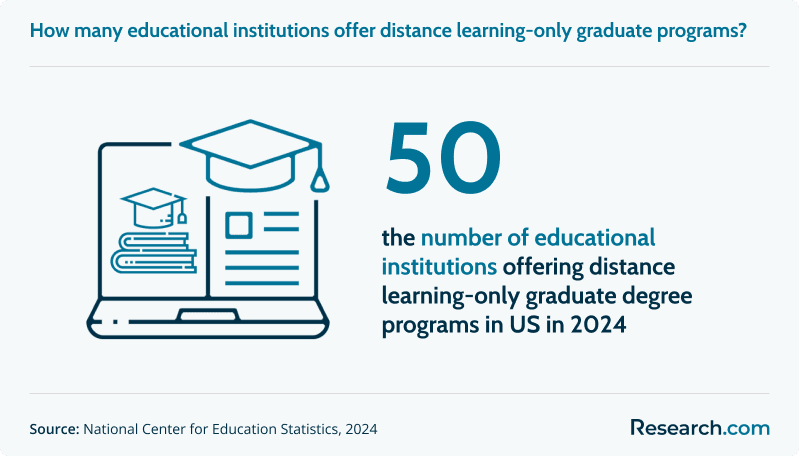
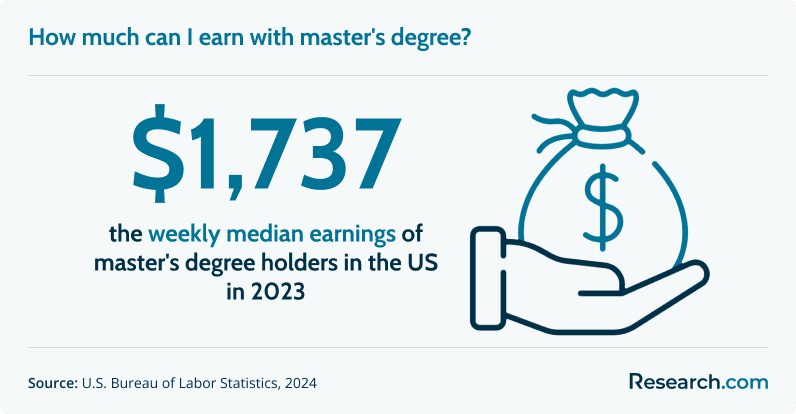
A master’s degree can still improve labor-market outcomes, but results vary by field and employer. The median weekly earnings for someone with a master's degree in the US in 2023 was $1,737, compared to $1,493 for a bachelor's degree. Among US students in 2023, affordability was the top reason for choosing online college programs (77%). The US alone has over 50 institutions specializing in distance learning for master's degrees, which gives students more flexible options but also makes careful program comparison more important.
Key things you should know about easier master’s degrees
- “Easy” usually means flexible, applied, or streamlined. It may involve asynchronous classes, shorter terms, project-based assignments, or fewer theoretical requirements.
- Lower workload is not the same as lower quality. Some programs maintain graduate-level rigor while making deadlines, pacing, and assessment formats easier for adults with jobs and families.
- Career value depends on the field. In business, HR, communication, and management, applied skills and experience may matter more than academic intensity. In counseling, nursing, education, and other regulated fields, accreditation and licensure alignment are critical.
- Affordability matters as much as difficulty. Online programs can reduce commuting costs and may offer lower tuition, but students should compare total cost, fees, financial aid, and employer reimbursement.
- The safest choice is not always the easiest one. Choose a program that matches your career goal, meets accreditation expectations, and gives you usable skills—not just the shortest path to a credential.
Accessible Online Degree Fields Often Chosen by Working Adults
The following fields are commonly selected by students looking for flexible online programs, practical coursework, and broad career relevance. These options are not “easy” for everyone; they are easier when they match your prior education, work history, and strengths.
1. Business Administration
Business administration is one of the broadest graduate and undergraduate pathways because it connects directly to management, finance, marketing, operations, accounting, and human resources. Online business programs often use case studies, team projects, and applied assignments, which can feel more practical than theory-heavy coursework. This path is especially useful for students who already work in business and want a credential that supports promotion, career switching, or entrepreneurship.
2. Psychology
Psychology programs help students understand behavior, motivation, cognition, development, research methods, and mental health concepts. The degree can support work in human resources, social services, healthcare support, case management, and nonprofit settings. It can also serve as preparation for future graduate study in psychology, counseling, or related fields. Students should remember, however, that many clinical roles require additional graduate education, supervised experience, and licensure.
3. Counseling
Counseling programs introduce students to helping skills, psychological theories, ethics, communication strategies, and mental health concerns. They can be a strong fit for people drawn to social services, student support, employee assistance, or community-based work. If your goal is to become a licensed counselor, confirm that the specific program meets your state’s educational and supervised-practice requirements before enrolling.
4. Healthcare Administration
Healthcare administration is a non-clinical path for students who want to work in healthcare leadership, operations, compliance, staffing, policy, finance, or patient services management. Online programs are often designed for professionals already working in hospitals, clinics, long-term care, insurance, or public health organizations. The coursework can feel more manageable for students with healthcare experience because assignments often connect to real workplace problems.
5. Speech Language Pathology
Speech-language pathology focuses on communication, speech, language development, anatomy, linguistics, assessment, and therapy-related concepts. It can lead toward work in schools, healthcare settings, and rehabilitation environments, but students must be careful: professional practice requirements vary, and many roles require graduate-level clinical preparation, supervised experience, and state credentialing. Before choosing an online option, verify whether it includes required clinical placements and meets licensure expectations in your state.
6. Social Work
Social work is a strong match for students interested in advocacy, community services, child and family support, behavioral health, case management, and social justice. Online social work programs may offer flexible coursework, but field education is usually a major requirement. Students should check accreditation, placement support, state licensure alignment, and whether the program prepares them for the level of practice they want.
7. Computer Science
Computer science can be highly rewarding but is not always easy. It may be more manageable for students who already have programming, math, analytics, or IT experience. Online programs typically cover software development, data structures, systems, databases, cybersecurity, or artificial intelligence topics. Career changers should look for programs with bridge courses, portfolio projects, tutoring, and clear prerequisites.
8. Nursing
Online nursing programs can help nurses advance into leadership, education, informatics, or advanced practice pathways, depending on the degree type. Some programs can be completed in as little as 18 months, but nursing is a regulated field, so flexibility should never be evaluated separately from accreditation, clinical requirements, state authorization, and licensure outcomes. Students comparing easiest MSN online program options should confirm whether the program supports their intended nursing role.
9. Special Education
Special education programs prepare educators to support students with disabilities, adapt instruction, understand individualized education plans, and collaborate with families and school teams. Online formats can be convenient for working teachers, but requirements may vary by state. If the program is tied to certification, confirm that it meets your state education agency’s rules.
10. Accounting
Accounting programs build skills in financial reporting, taxation, auditing, analytics, and compliance. The work can be structured and practical, which appeals to students who prefer clear rules and quantitative problem-solving. Students pursuing CPA-related goals should compare credit-hour requirements, state board rules, and whether the curriculum supports exam preparation.
- What makes a master’s degree easier or harder?
- Are online master’s degrees easier than campus programs?
- Can you get into an easier master’s program with a lower GPA?
- Which master’s degrees are easier based on your bachelor’s degree?
- Which online universities serve working adults?
- What financial aid options are available?
- Can an easier master’s degree still lead to career success?
- How do you evaluate ROI?
- 10 Easiest Master’s Degrees for 2027
- What are the drawbacks?
- How do faculty and teaching methods affect quality?
- Can an easier program prepare you for doctoral study?
- How do these programs support networking and practical skills?
- How is academic quality maintained?
- Do easier programs keep up with industry demands?
- Is an online degree as valuable as an on-campus degree?
- How do you choose the best easier master’s program?
- What support services should online students expect?
- Are easier master’s degrees respected?
- Why are accelerated master’s programs popular?
What Makes a Master’s Degree Easier or Harder?
A master’s degree feels easier when the program design matches your schedule, strengths, and experience. Difficulty is shaped by the subject, admissions selectivity, grading model, course format, faculty expectations, research requirements, and how much independent work is required. A program can be flexible and still rigorous; it can also be convenient but academically thin. Your job is to tell the difference before enrolling.
| Factor | What makes it feel easier | What to verify before enrolling |
| Course design | Applied projects, case studies, workplace assignments, and fewer abstract theory requirements | Whether assignments build skills employers actually value |
| Schedule | Asynchronous courses, shorter terms, evening options, and predictable weekly deadlines | Whether the pace is realistic with your work and family obligations |
| Admissions | Lower GPA thresholds, test-optional policies, or consideration of work experience | Whether access policies reflect flexibility or weak academic standards |
| Field of study | Programs aligned with your undergraduate major or work experience | Whether the degree supports your target role, licensure path, or promotion goal |
| Assessment style | Projects, discussions, presentations, and portfolios instead of high-stakes exams | Whether the assessment style prepares you for certification exams or employer screening |
In 2024, as of writing, there are 50 educational institutions in the US offering distance-learning only master's degree programs. That creates more choice for students, but it also means program quality, workload, support, and employer signaling can vary widely.
What Students Often Value in Flexible Master’s Programs
- Manageable pacing: Students with full-time jobs often prefer courses with predictable weekly expectations rather than frequent live sessions.
- Immediate workplace relevance: Programs in business, teaching, HR, communication, and healthcare administration often let students apply assignments directly to current roles.
- Instructor access: Strong online programs make faculty available through office hours, feedback, discussion boards, and advising.
- Peer connection: Even in asynchronous programs, cohort projects and online communities can help students build professional networks.
Are Online Master’s Degrees Easier Than On-Campus Programs?
Online master’s degrees are not automatically easier than on-campus degrees. They are often easier to fit into adult life because they remove commuting, fixed classroom times, and relocation barriers. Many online programs also use asynchronous lessons, modular assignments, and applied projects, which can make the experience more manageable for working adults.
The tradeoff is that online learning requires discipline. Students must manage deadlines, technology, reading, discussion posts, group projects, and exams without the structure of a physical classroom. If you need frequent in-person interaction, lab access, clinical supervision, or hands-on practice, a campus or hybrid program may be better.
| Format | Best for | Possible downside |
| Fully online asynchronous | Working adults who need maximum schedule flexibility | Requires strong self-management and comfort with independent learning |
| Online synchronous | Students who want live interaction without commuting | Class meeting times may conflict with work or family duties |
| Hybrid | Fields needing some in-person practice, labs, or networking | May require travel or scheduled campus visits |
| On-campus | Students who benefit from structure, facilities, and face-to-face support | Less flexible and often harder to combine with full-time work |
Can You Get Into an Easier Master’s Program With a Lower Undergraduate GPA?
Yes, some master’s programs admit applicants with lower undergraduate GPAs, especially when they use holistic admissions. A lower GPA does not always disqualify you if you can show relevant work experience, strong recommendations, a clear statement of purpose, certifications, or recent academic improvement. However, GPA flexibility should be evaluated carefully because it may signal either access-oriented admissions or weaker selectivity.
This matters in a smaller pipeline, where bachelor’s vs. master’s graduates show a clear scale difference—571,500 (28.9%) versus 201,000 (21.2%)—making graduate admissions more selective and signal-sensitive. Some programs lower GPA requirements to expand access, while others compensate with work experience or additional credentials.
- Policy-based GPA flexibility: Some programs publish lower GPA thresholds and intentionally consider professional experience, especially in applied fields such as business, management, and leadership.
- Holistic admissions: Other programs keep standard GPA expectations but may admit students who show readiness through work history, certifications, portfolios, or strong recommendations. This is common in MBA and IT-related options, including 1 year MBA programs.
- Rigor is not guaranteed by GPA rules: A lower admissions threshold does not prove the coursework is easy. It may simply mean the school values adult learners, career experience, or alternative evidence of readiness.
Which Master’s Degrees Are Easier Based on Your Bachelor’s Degree?
A master’s program is usually easier when it builds on what you already know. Prior coursework reduces the learning curve, and related work experience helps you understand case studies, projects, and terminology faster. The best match depends on your starting point and your career direction.
| Your background | Master’s paths that may feel more manageable | Why the fit can work |
| Business or management | MBA, management, finance, human resources, organizational leadership | You may already know core business functions and workplace terminology |
| Education | MAT, curriculum and instruction, educational leadership, special education | Coursework often connects directly to classroom practice and certification goals |
| Psychology, sociology, or social work | Counseling, social work, human services, nonprofit leadership | Prior study of human behavior can make theory and practice easier to connect |
| Healthcare or nursing | Healthcare administration, MSN, public health, informatics | Clinical or administrative experience can make policy and operations coursework clearer |
| Accounting or finance | Accounting, taxation, finance-focused MBA | Quantitative foundations reduce the difficulty of advanced financial coursework |
If you have a business background, you may want to compare schools that offer an online MBA less than $10000. Students with healthcare experience may consider one year MHA programs, the most affordable online MHA programs, or accredited online MSN programs. Accounting professionals can review cheapest masters in accounting options, while HR-focused students can explore an online masters degree in human resources.
In 2024, the US tops the list of countries with the highest online university education penetration rates at 2.3%. Many students pursue online programs because they need flexibility, affordability, or a faster route to career advancement.
Are There Online Universities Designed for Working Adults Seeking Less Demanding Master’s Degrees?
Yes. Many online universities build graduate programs around adult learners who need flexible pacing, practical assignments, clear course sequencing, and remote support. The phrase “less demanding” should be used carefully. A reputable program may reduce scheduling difficulty without reducing academic expectations. Look for accreditation, transparent tuition, clear learning outcomes, career support, and evidence that graduates can use the degree in their intended field.
How We Rank Schools
Our school review process uses Research.com’s methodology and considers affordability, flexibility, program structure, and student fit for working adults. Data sources include the IPEDS database, Peterson's database, their Distance Learning Licensed Data Set, and the College Scorecard for institutional, cost, program, and outcome information.
1. Western Governors University (WGU)
Western Governors University (WGU) uses a competency-based model that may allow students to move faster when they can demonstrate existing knowledge. This format can work well for experienced adults who are self-directed and comfortable proving mastery through assessments.
- Select Programs: Master of Business Administration (MBA); Master of Arts in Teaching (MAT); Master of Science in Human Resources Management (MSHRM)
- Estimated Tuition: $8,444 per year
- Accreditation: Northwest Commission on Colleges and Universities (NWCCU)
2. Southern New Hampshire University (SNHU)
Southern New Hampshire University (SNHU) offers many online master’s degrees with flexible scheduling and support services for students balancing school with work. Its programs cover fields such as management, communication, and information technology.
- Select Programs: Master of Science in Management (MSM); Master of Arts in Communication (MA); Master of Science in Information Technology (MSIT)
- Estimated Tuition: $290 to $409 per credit
- Accreditation: Northwest Commission on Colleges and Universities (NWCCU)
3. Capella University
Capella University offers online graduate programs built for flexibility and accelerated progress. Some programs can potentially be finished in as little as a year, depending on format, transfer credit, course load, and student pace.
- Select Programs: Master of Science in Nursing (MSN); Master of Business Administration (MBA); Master of Arts in School Counseling (MA)
- Estimated Tuition: $510 to $995 per credit
- Accreditation: Northwest Commission on Colleges and Universities (NWCCU)
4. American Public University (APU)
American Public University (APU) emphasizes affordability and applied learning in online master’s programs. Its offerings may appeal to students seeking practical graduate study in public service, security, administration, or technology-related fields.
- Select Programs: Master of Arts in Homeland Security (MA); Master of Arts in Public Administration (MPA); Master of Science in Cybersecurity (MSCS)
- Estimated Tuition: $290 per credit
- Accreditation: Northwest Commission on Colleges and Universities (NWCCU)
5. University of North Texas (UNT Online)
The University of North Texas (UNT Online) offers online graduate programs in areas such as education, business, and information science. Students comparing UNT Online should review total cost, admissions requirements, support services, and whether the program format fits their weekly schedule.
- Select Programs: Master of Education (MEd) in Educational Leadership; Master of Business Administration (MBA); Master of Science in Information Science (MSIS)
- Estimated Tuition: $9,062 to $16,622
- Accreditation: Northwest Commission on Colleges and Universities (NWCCU)
What Financial Aid Options Are Available for Easier Master’s Degrees?
Graduate school can be expensive even when the program is online, accelerated, or designed for working adults. Do not choose a program based only on monthly payment estimates or advertised tuition. Compare the full cost of attendance, fees, books, technology requirements, travel for residencies, exam fees, and any licensure-related expenses.
- Federal student loans: Graduate students may qualify for federal direct unsubsidized loans. To be considered for federal aid, complete the Free Application for Federal Student Aid (FAFSA).
- Scholarships and grants: Universities, foundations, professional associations, and field-specific organizations may offer awards for graduate students based on need, merit, identity, service, or discipline.
- Employer tuition assistance: Some employers reimburse tuition or pay directly for approved degrees. Ask whether benefits require minimum grades, continued employment, or a program related to your current role.
- State aid: Some states offer graduate-level support, especially in shortage areas such as teaching, healthcare, or public service.
- Payment plans: Institutional payment plans can reduce immediate financial pressure, but they do not lower total program cost.
Affordability is a major reason students choose online graduate education. In 2023, affordability was the top reason for choosing easier online master's degree programs in the US. Still, a lower-cost program is only a good value if it is accredited, respected in your field, and aligned with your intended outcome.
Will Easier Master’s Degrees Lead to Competitive Career Success?
An easier master’s degree can support career success when it improves your qualifications for a specific role, promotion, licensure pathway, or skill gap. It is less likely to pay off when the degree is chosen only because it is fast, inexpensive, or easy to enter. Employers usually do not ask whether a program was easy. They evaluate the school’s credibility, your work experience, your portfolio, your interview performance, and whether the credential matches the role.
Master’s degree holders maintain strong labor-market stability overall, with an unemployment rate of about 2.0%, but outcomes still differ by field, region, experience level, and employer expectations.
Where an easier master’s degree can work well
- Internal promotion: The degree may satisfy a leadership, salary-lane, or HR requirement at your current employer.
- Applied skill growth: Programs in management, HR, communication, public administration, and business can strengthen practical workplace abilities.
- Career pivot with related experience: A flexible degree can help reposition your resume when paired with projects, certifications, or relevant work history.
- Credential requirement: Some roles require a master’s degree, but not necessarily a highly selective research program.
Where program rigor matters more
In prestige-sensitive corporate hiring, doctoral preparation, technical research, clinical practice, engineering, law-related pathways, and regulated healthcare or education roles, the depth of training and institutional reputation may carry more weight. For salary-focused comparisons by discipline, review high paying master’s degrees.
How Can You Evaluate the ROI of an Easier Master’s Degree?
Return on investment is not just tuition compared with salary. A smarter ROI review asks what the degree is supposed to do for you: unlock a required credential, qualify you for promotion, help you switch fields, or build skills you can immediately apply. Research.com comparisons across public college options and graduate program data show that payoff depends heavily on field, cost, timing, employer support, and credential function.
- Define the degree’s purpose. Is it required, preferred, or optional for your target job?
- Calculate total cost. Include tuition, fees, books, technology, exam costs, travel, and reduced work hours if applicable.
- Estimate the payoff timeline. Some students benefit quickly through promotions; others wait for hiring cycles, certification, or experience requirements.
- Compare conservative scenarios. Model ROI without assuming a guaranteed raise, job offer, or employer reimbursement.
- Evaluate employer recognition. Ask whether employers in your field value the school, accreditation, curriculum, and degree title.
- Check opportunity cost. A slightly longer but stronger program may produce better long-term value than the fastest available option.
Students balancing cost and flexibility can also compare the best online degree programs for working adults.
10 Easiest Master’s Degrees for 2027
The following master’s degrees are often considered more accessible because they commonly offer online formats, applied coursework, broad admissions pathways, and career relevance for working adults. They are not effortless. The best option is the one that builds on your background and moves you toward a realistic career goal.
1. Master of Business Administration (MBA)
An MBA develops broad business knowledge in finance, marketing, accounting, operations, leadership, and strategy. It can be a practical choice for professionals seeking management roles or career mobility across industries. Students interested in a finance concentration can start by comparing affordable online MBA in finance programs.
2. Master of Science in Library and Information Science (MSLIS)
An MSLIS prepares students to manage information systems, libraries, archives, digital collections, research services, and information access. It can be a good fit for organized students who enjoy research, technology, public service, and information management.
3. Master of Arts in Teaching (MAT)
A MAT is commonly designed for current or future educators who want focused preparation in teaching practice, pedagogy, classroom management, curriculum, and certification-related requirements. It may feel more manageable for students already working in schools.
4. Master of Science in Organizational Leadership (MSOL)
An MSOL focuses on leadership, communication, team development, decision-making, ethics, and organizational change. It is often practical rather than research-heavy, making it attractive to professionals who want to move into supervisory or management roles.
5. Master of Science in Sports Management (MSSM)
A sports management degree covers the business side of athletics, including marketing, event operations, facility management, compliance, and administration. Typical coursework may appeal to students who want to connect business skills with the sports industry.
6. Master of Science in Human Resources Management (MSHRM)
An MSHRM prepares students to work with recruiting, employee relations, benefits, compensation, training, compliance, and workforce strategy. It can be a strong fit for people already working in administration, management, operations, or people-focused roles.
7. Master of Public Administration (MPA)
An MPA focuses on public service leadership, budgeting, policy analysis, program evaluation, ethics, and nonprofit or government management. Students who want mission-driven work may find the applied nature of the degree useful.
8. Master of Arts in Counseling
A counseling master’s program introduces counseling theories, assessment, ethics, helping relationships, and mental health concepts. This path requires careful planning because licensure rules vary by state and may require specific accreditation, supervised hours, and exams.
9. Master of Arts in Communication
A communication master’s degree can strengthen writing, public relations, strategic messaging, organizational communication, persuasion, and media skills. It is often flexible and widely applicable across business, nonprofit, government, and education settings.
10. Master of Science in Criminal Justice (MSCJ)
An MSCJ examines law enforcement, corrections, criminology, policy, ethics, administration, and public safety. It may be especially practical for students already working in criminal justice, security, public administration, or related fields.
What Are the Potential Drawbacks of Choosing the Easiest Master’s Degree?
The main risk is not ease itself. The risk is choosing a program that is easy for the wrong reasons: weak assessment, limited faculty engagement, poor employer recognition, inadequate licensure preparation, or a curriculum that does not build marketable skills. Comparisons across private institutions and online program designs show that streamlined programs can be valuable when they preserve academic expectations, but simplified programs may create long-term limitations.
- Weaker skill depth: A lighter curriculum may leave gaps in research, analytics, technical knowledge, or professional judgment.
- Employer skepticism: Some employers may weigh institutional reputation, accreditation, and program rigor heavily, especially in competitive fields.
- Licensure problems: In counseling, nursing, social work, education, and speech-language pathology, an online program that does not meet state requirements can delay or block your intended career path.
- Limited doctoral preparation: Programs with little research training may not prepare students well for PhD or research-intensive study.
- Poor ROI: A fast degree can still be a bad investment if it does not improve your qualifications, salary potential, or job options.
How Do Faculty Qualifications and Instructional Strategies Affect Learning Outcomes?
Faculty quality matters even more in flexible online programs because students rely on clear instruction, timely feedback, meaningful assignments, and strong course design. A well-run online master’s program should use experienced instructors, structured modules, practical projects, transparent rubrics, and regular assessment of student progress. Accelerated formats, including one year masters degree programs, can work well when expert faculty and strong instructional design keep students focused on essential outcomes.
Can an Easier Master’s Degree Prepare You for Doctoral Research?
It can, but only if the program includes meaningful research preparation. Students considering doctoral study should look for graduate-level research methods, statistics or qualitative analysis, thesis or capstone options, faculty mentorship, academic writing support, and opportunities to contribute to research projects. A streamlined program may be efficient, but it should not remove the research foundation needed for advanced academic work. The same decision logic applies to efficient undergraduate pathways such as the quickest associates degree: speed is useful only when quality and next-step preparation remain intact.
How Do Easier Master’s Programs Support Networking and Practical Skills?
Flexible master’s programs can support networking when they include cohort discussions, group projects, virtual events, alumni access, mentoring, career workshops, and employer-connected assignments. Practical skill development is strongest when students leave with work samples, presentations, portfolio projects, case analyses, or field experiences that can be discussed in interviews. Students who need an earlier or lower-cost credential may also compare an affordable online associate's degree as part of a broader education plan.
How Is Academic Quality Maintained in Easier Master’s Programs?
Academic quality depends on accreditation, curriculum review, faculty oversight, assessment standards, student support, and alignment with employer or licensure expectations. Strong programs define learning outcomes clearly, measure student performance consistently, update coursework, and use practical assignments without lowering graduate-level expectations. Similar to an accelerated bachelor degree, a faster or more flexible format should compress delivery—not remove essential learning.
Do Easier Master’s Degree Programs Remain Aligned With Industry Demands?
The best online master’s programs update curriculum as industries change. Students should look for advisory boards, employer partnerships, faculty with current professional experience, embedded tools or technologies, and assignments tied to real workplace needs. This is especially important in fast-moving fields such as analytics, cybersecurity, healthcare administration, HR technology, and digital communication. Students seeking career-focused options can also review online college pathways built around speed and employment relevance.
Is an Online Degree as Valuable as a Traditional On-Campus Degree?
An online degree can be as valuable as an on-campus degree when it comes from an accredited institution, uses a credible curriculum, provides qualified faculty, and is accepted by employers or licensing bodies in your field. In many cases, the diploma does not distinguish between online and campus study. What matters more is the school’s reputation, program accreditation, field requirements, your experience, and the skills you can demonstrate.
Online degrees may be less suitable when the field requires extensive labs, clinical placements, supervised practice, studio work, or in-person networking. Before enrolling, ask whether online students receive the same faculty access, career services, practicum support, and alumni resources as campus students.
How Do You Choose the Best Easier Master’s Degree Program?
Use “easy” as one factor, not the main decision rule. A program should be manageable enough to complete, but strong enough to matter after graduation.
- Start with your career target. Identify the job, promotion, credential, or skill set you want the degree to support.
- Check accreditation first. Verify institutional accreditation and any required programmatic accreditation for your field.
- Confirm licensure alignment. If the degree leads to counseling, nursing, teaching, social work, speech-language pathology, or another regulated role, check state requirements before applying.
- Compare total cost. Look beyond tuition and include fees, books, technology, travel, exams, and lost income.
- Review curriculum depth. Make sure the program teaches the skills, tools, theories, or methods your target employers expect.
- Evaluate workload honestly. Ask how many hours students typically spend each week and whether courses are synchronous, asynchronous, accelerated, or self-paced.
- Ask about outcomes. Request information on graduation support, career services, practicum placement, alumni roles, and employer partnerships.
- Compare multiple schools. Do not rely on one ranking, one advertisement, or one admissions counselor.
In 2024, there is an estimated number of 7.9 million people in the US that have enrolled in online universities. Many of them are taking master's degrees. The ROI, of course, can be quite significant as those with master's degrees earn $244 more than those with bachelor's degrees only. Master's degree holders earned $1,737 on average.
Common Mistakes to Avoid When Choosing an Easier Master’s Degree
- Choosing only by speed: A shorter program is not automatically better if it lacks depth, support, or recognition.
- Ignoring accreditation: This can affect credit transfer, employer acceptance, financial aid, and licensure eligibility.
- Assuming online means easy: Online programs can be demanding because they require independent time management.
- Focusing only on tuition: Fees, books, technology, residencies, and exam costs can change the real price.
- Overlooking state rules: Licensure programs may not meet requirements in every state.
- Trusting advertised outcomes: Salary and job results are never guaranteed and depend on field, location, experience, and employer demand.
- Skipping employer research: Ask people in your target role which degrees, schools, and certifications are actually respected.
What Support Resources Do Accredited Online Universities Offer?
Accredited online universities often provide services that help students stay on track in flexible graduate programs. The quality of support can vary, so ask specific questions before enrolling.
- Academic advising: Advisors help students plan courses, understand degree requirements, and avoid unnecessary delays.
- Online tutoring: Tutoring can help with writing, statistics, research, accounting, technology, or other difficult subjects.
- Career services: Resume support, interview preparation, job-search coaching, and career planning can improve the practical value of the degree.
- Peer communities: Discussion boards, student groups, and cohort models can reduce isolation and support collaboration.
- Technical support: Reliable help desks are essential when coursework depends on learning platforms, video tools, testing systems, and digital libraries.
- Library and research help: Graduate students should have access to databases, librarians, citation tools, and research guidance.
Are Easier Master’s Degree Programs as Respected as Traditional Ones?
Easier master’s programs can be respected when they are accredited, academically sound, field-relevant, and offered by institutions employers recognize. Respect is not determined by whether the program is online or flexible. It is determined by credibility, outcomes, curriculum quality, and how well graduates perform in the workplace.
In applied fields such as education, public administration, business, human resources, and communication, flexible master’s programs can be a practical route to advancement when paired with relevant experience. In highly technical, clinical, or prestige-sensitive fields, traditional programs with deeper specialization, research intensity, or in-person training may carry more weight.
Students comparing affordable online masters programs should prioritize accredited schools, transparent costs, licensure alignment, and evidence that the curriculum matches their career goals.
Why Accelerated Master’s Programs Are Growing in Popularity
Accelerated master’s programs appeal to students who want to finish faster, reduce time away from the workforce, or qualify for advancement sooner. Many are designed for working professionals, recent graduates, and career changers who need structure without a long campus commitment.
These programs are often completed in 12-18 months and may use condensed courses, year-round scheduling, or intensive modules. The benefit is speed. The challenge is workload. A shorter calendar usually means students must handle more reading, assignments, and deadlines in less time.
Students considering this route can compare accelerated school programs to understand available formats and tradeoffs. Before enrolling, confirm accreditation, credit requirements, weekly workload, faculty access, refund policies, and whether the pace is realistic with your job and personal responsibilities.
Questions to Ask Before Enrolling
- Is the institution accredited, and is programmatic accreditation required in my field?
- Does this program meet licensure or certification requirements in my state?
- How many hours per week do students typically spend on coursework?
- Are classes asynchronous, synchronous, self-paced, or cohort-based?
- What is the total cost, including fees and required materials?
- Can I use employer tuition assistance or federal financial aid?
- What career services are available to online graduate students?
- What kinds of projects, portfolios, practicums, or capstones will I complete?
- How do employers in my target field view this school and degree?
- If I later want a doctorate, will this program prepare me for research expectations?
Key Insights
- The easiest master’s degree is the one that fits your background and goal. A business professional may find an MBA manageable, while a teacher may find an MAT easier because the coursework connects to daily work.
- Flexibility is different from low rigor. Strong online programs reduce scheduling barriers while preserving meaningful graduate-level learning.
- Accreditation and licensure alignment are non-negotiable. This is especially important in nursing, counseling, social work, education, and speech-language pathology.
- ROI depends on purpose. A master’s degree pays off best when it unlocks a promotion, satisfies a credential requirement, supports a field change, or builds marketable skills.
- Do not choose by speed alone. Accelerated and easier programs can be valuable, but only when they are credible, affordable, and respected in your target labor market.
- Ask hard questions before applying. Compare workload, cost, support, outcomes, faculty quality, employer recognition, and state requirements before committing.
References:
- National Center for Education Statistics. (2024). College navigator. Retrieved May 15, 2024, from NCES.
- Statista. (2023, September 8). U.S. students' reasons for online college selection 2023. Statista.
- Statista. (2024). Online university education. Statista.
- U.S. Bureau of Labor Statistics. (2024). Education pays. BLS.
Other Things You Should Know About the Easiest Master's Degrees
In 2027, master's degrees such as Education, Organizational Leadership, and Library Science are often viewed as manageable. These programs typically feature flexible coursework and practical applications, allowing students to balance studies with personal and professional responsibilities.
In 2027, universities such as Western Governors University and Southern New Hampshire University offer accelerated master's degrees. These programs are considered easier due to flexible online formats and competency-based learning approaches, allowing students to progress at their own pace.
Many of the easiest master’s programs do not require the GRE or GMAT in 2027. When a test is required, schools often ask for a minimum GRE verbal and quantitative score or a GMAT score set by the graduate admissions office, along with a bachelor’s degree and official transcripts.


