
2027 How To Become a Pharmaceutical Sales Rep: Salary & Career Paths

Co-Founder and Chief Data Scientist
Pharmaceutical sales is a career path for people who want to work in healthcare without becoming a clinician. The role sits between science, business, and relationship-based selling: representatives explain medications or related products to healthcare professionals, answer questions, follow strict promotional rules, and manage a sales territory.
This guide is for students, career changers, and early-career sales professionals deciding whether pharmaceutical sales is a realistic and worthwhile path. You will learn what the job involves, how to qualify, how long it usually takes, what types of pharma sales roles exist, how compensation works, what challenges to expect, and how to compare this career with related healthcare and business options.
The field can be financially attractive, but it is not simply a “talk to doctors and earn commissions” job. Success depends on product knowledge, ethical judgment, territory discipline, resilience, and the ability to communicate complex medical information clearly. As of 2025, the global pharmaceutical market is projected to reach approximately $1.21 trillion, which helps explain why skilled sales professionals remain important to pharmaceutical and healthcare companies.
Quick Answer: How Do You Become a Pharmaceutical Sales Rep?
To become a pharmaceutical sales representative, most candidates earn a bachelor’s degree, build sales or healthcare experience, learn pharmaceutical regulations, and apply for entry-level sales roles with drug, biotechnology, or medical product companies. A degree in business, marketing, biology, life sciences, or a healthcare-related field is commonly useful. Certifications such as the CNPR can strengthen a resume, but employers usually care most about communication ability, sales performance, professionalism, and the capacity to learn medical product information quickly.
| Decision Point | What It Means for You |
| Typical entry requirement | A bachelor’s degree is commonly preferred, especially for competitive pharmaceutical sales roles. |
| Common timeline | About four years if you complete a bachelor’s degree before entering the field. |
| Helpful experience | Sales, customer service, healthcare support, medical office work, or clinical exposure can improve your competitiveness. |
| Compensation structure | Pay often combines base salary, commissions, bonuses, and benefits. |
| Best fit | People who enjoy relationship-building, learning medical information, traveling locally, and working toward measurable goals. |
| Potential concerns | Sales pressure, travel demands, regulatory limits, ethical scrutiny, and variable compensation. |
Key Things You Should Know About Pharmaceutical Sales Rep
- Education and entry path: A bachelor’s degree, strong sales ability, healthcare knowledge, targeted certifications, and networking can all help candidates enter pharmaceutical sales.
- Core responsibility: Pharmaceutical sales reps educate healthcare professionals about medications and related products while operating within strict marketing and compliance rules.
- Time to enter: The path commonly takes four years because many employers prefer bachelor’s-prepared candidates, although prior sales or healthcare experience may shorten the transition.
- Earning potential: In 2025, U.S. pharmaceutical sales representatives earn an average base salary of approximately $78,693, while total compensation including commissions and bonuses can reach around $162,386 annually.
- Real-world trade-offs: The career can offer strong income and advancement, but it also brings quota pressure, frequent travel, compliance demands, and ethical responsibilities.
- How to Become a Pharmaceutical Sales Rep for 2027
- What does a pharmaceutical sales rep do?
- How long does it take to become a pharmaceutical sales rep?
- What are the different types of pharmaceutical sales jobs?
- How much do pharmaceutical sales reps make?
- What is the career growth potential in pharmaceutical sales?
- What are the challenges of being a pharmaceutical sales rep?
- What are the ethical considerations in pharmaceutical sales?
- How to stand out as a top-performing pharmaceutical sales rep?
- How Can Public Health Insights Boost Pharmaceutical Sales Success?
- Should my pharmaceutical sales background drive me towards healthcare administration roles?
- Can cross-disciplinary education enhance pharmaceutical sales success?
- Why Is Business Acumen Essential for Success in Pharmaceutical Sales?
- What additional certifications or training can boost a pharmaceutical sales career?
- What Should I Expect During the Pharmaceutical Sales Interview Process?
- How can I maintain a healthy work-life balance in pharmaceutical sales?
How to Become a Pharmaceutical Sales Rep for 2027
The most reliable path into pharmaceutical sales combines formal education, practical selling experience, healthcare literacy, and a focused job-search strategy. Employers are looking for candidates who can learn product science, communicate professionally with clinicians, document activity accurately, and represent the company within legal and ethical boundaries.
- Earn a relevant degree. Many employers prefer applicants with a bachelor’s degree in business, marketing, biology, life sciences, healthcare, or a related field. If you want healthcare exposure before pursuing sales, affordable online medical assistant programs may help you understand clinical settings, patient flow, and medical terminology.
- Build sales fundamentals. Learn prospecting, objection handling, negotiation, consultative selling, presentation skills, CRM documentation, and territory planning. Retail sales, business-to-business sales, customer success, and account management can all provide useful preparation.
- Gain healthcare or customer-facing experience. Prior experience in a medical office, pharmacy environment, healthcare support role, laboratory setting, or service-based sales role can make your application more credible.
- Learn the products and the rules. Pharmaceutical representatives need enough medical understanding to discuss approved product information accurately. They also need to know what they cannot say, promise, or offer.
- Consider a targeted certification. The CNPR credential from the National Association of Pharmaceutical Sales Representatives is one option candidates use to demonstrate interest in the field. It is not a universal requirement, so compare it with employer expectations before paying for training.
- Network before you apply. Connect with current reps, recruiters, alumni, and hiring managers. Informational interviews can clarify what companies want in your region and therapeutic area.
- Apply strategically. Tailor your resume to show sales results, relationship-building, healthcare knowledge, territory discipline, and measurable outcomes.
- Complete employer training. Once hired, representatives usually complete company training on product portfolios, approved messaging, compliance rules, reporting tools, and territory expectations.
| Step | Best Evidence to Show Employers | Common Mistake to Avoid |
| Education | Relevant degree, science coursework, business coursework, or healthcare training | Assuming any degree alone will secure interviews without sales evidence |
| Sales preparation | Quota results, customer retention, awards, presentations, or revenue impact | Listing “good communication skills” without examples |
| Healthcare knowledge | Medical terminology, clinical exposure, product research, or healthcare work experience | Overstating clinical expertise you do not have |
| Networking | Referrals, informational interviews, LinkedIn engagement, recruiter conversations | Only applying through job boards and waiting |
| Interview readiness | Role-play practice, territory plan, product pitch practice, compliance awareness | Preparing like a generic sales interview instead of a regulated healthcare sales interview |
What does a pharmaceutical sales rep do?
A pharmaceutical sales representative promotes approved medications or related healthcare products to physicians, pharmacists, nurses, practice managers, and other healthcare decision-makers. The representative’s job is not to diagnose patients or make prescribing decisions. Instead, the rep provides accurate product information, explains approved uses and safety considerations, responds to questions within allowed guidelines, and helps healthcare professionals understand how a product fits into patient care.
Daily work often includes scheduling visits, meeting with healthcare offices, delivering product presentations, coordinating educational materials, tracking sales activity, monitoring competitor information, and reporting field insights to the company. Some reps cover a local territory by car; others may handle hospital systems, specialty clinics, or larger regional accounts.
The work requires a mix of scientific literacy and commercial discipline. A person who already understands clinical workflows, such as someone who has explored how to become a certified medical assistant, may find it easier to communicate with healthcare teams because they understand basic terminology and office operations.
| Responsibility | What It Looks Like in Practice |
| Product education | Explaining approved uses, benefits, limitations, safety information, and prescribing considerations. |
| Relationship management | Maintaining professional contact with physicians, pharmacists, nurses, and office staff. |
| Territory planning | Prioritizing accounts, scheduling visits, tracking opportunities, and managing follow-ups. |
| Compliance | Following drug marketing rules, company policies, documentation requirements, and transparency obligations. |
| Market feedback | Reporting provider concerns, access barriers, competitor activity, and product questions to internal teams. |
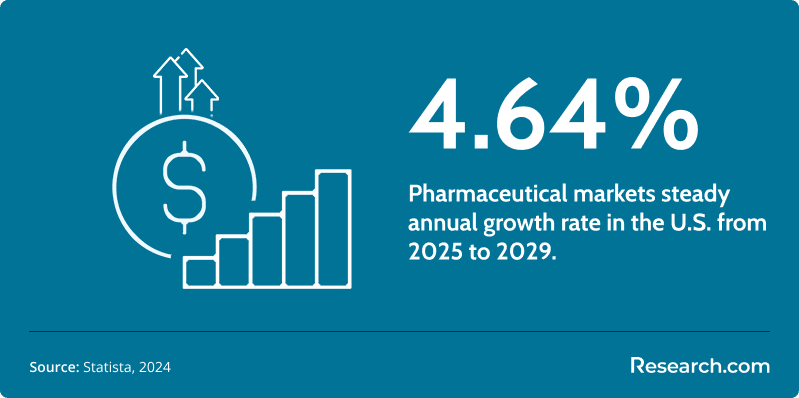
As of 2025, the global pharmaceutical market is projected to reach approximately $1.21 trillion. That scale creates ongoing need for professionals who can communicate product information responsibly in a complex healthcare marketplace.
How long does it take to become a pharmaceutical sales rep?
For many candidates, becoming a pharmaceutical sales rep takes about four years because a bachelor’s degree is commonly preferred. The timeline can be shorter for people who already have a degree or strong sales experience, and longer for candidates who need to build both education and work history before becoming competitive.
| Stage | Typical Timeframe | How to Use This Stage Well |
| College degree | 4 years | Choose coursework that strengthens business, communication, biology, marketing, statistics, or healthcare knowledge. |
| Sales or healthcare experience | 0-2 years | Build proof that you can handle customers, goals, rejection, documentation, and professional communication. |
| Certification or focused training | Varies by program | Use training to fill knowledge gaps, not as a substitute for interview preparation and networking. |
| Job search | A few months | Combine targeted applications, referrals, recruiter conversations, and mock interviews. |
| Advancement preparation | 2+ years | Track results, ask for coaching, learn account strategy, and develop leadership habits. |
If you are already working in healthcare administration or office support, strengthening leadership and operational skills may help later advancement. For example, an online medical office administration school can be useful for professionals who want a stronger understanding of healthcare operations, records, scheduling, billing workflows, and office management.
To move faster, focus on three practical actions: get measurable sales experience, learn medical terminology and drug-industry basics, and build relationships with recruiters or current representatives before applying.
What are the different types of pharmaceutical sales jobs?
Pharmaceutical sales is not one uniform job. The right role depends on the product, customer type, level of medical complexity, travel expectations, and compensation model. Entry-level candidates often begin in broader territory roles, while experienced reps may move into specialty, hospital, biotechnology, or key-account positions.
| Type of Sales Role | Main Customers | Best Fit For | Typical Challenge |
| Primary care representative | Primary care physicians and general practices | Newer reps who can manage high call volume and broad territory relationships | Standing out when providers hear from many competing representatives |
| Specialty sales representative | Specialist physicians and specialty clinics | Reps who can master complex therapeutic areas and clinical conversations | Higher knowledge expectations and more competitive access to decision-makers |
| Hospital representative | Hospitals, committees, departments, and institutional buyers | Professionals comfortable with longer sales cycles and multiple stakeholders | Navigating complex purchasing, formularies, and internal approval processes |
| Biotechnology sales representative | Specialists, academic medical centers, and advanced therapy providers | Reps who enjoy science-heavy products, including products derived from biological sources | Explaining advanced therapies while staying within approved claims |
| Medical device sales representative | Surgeons, hospitals, clinics, and procedure-based teams | Sales professionals who prefer hands-on product demonstrations and procedural settings | More intensive schedules, operating-room access requirements, and technical product demands |
Specialty and biotechnology roles can provide strong long-term opportunities because they require deeper product expertise. However, they are also harder to enter without a record of sales success, healthcare knowledge, or both.
How much do pharmaceutical sales reps make?
In 2025, pharmaceutical sales representatives in the United States earn an average base salary of approximately $78,693 annually. Total compensation, including commissions and bonuses, can reach around $162,386 annually. These figures should be treated as market estimates rather than guarantees because compensation depends on employer, product portfolio, territory, experience, quota structure, and performance.
Pharmaceutical sales pay usually includes a base salary plus variable compensation. The base salary provides income stability, while commissions and bonuses reward sales results, market share growth, target achievement, or other company-defined performance measures.
| Pay Component | What It Means | What to Ask Before Accepting an Offer |
| Base salary | Fixed annual pay regardless of monthly sales results | Is the base competitive for the territory, travel load, and product complexity? |
| Commission | Variable pay tied to sales performance or territory results | How is commission calculated, capped, paid, and adjusted? |
| Bonus | Additional incentive for hitting goals or company priorities | What percentage of reps actually earn the target bonus? |
| Benefits and expenses | Health benefits, retirement benefits, mileage, car allowance, travel reimbursement, or technology support | Which expenses are reimbursed, and what costs will you carry personally? |
| On-target earnings | Expected total pay if performance goals are met | Are quotas realistic for a new hire in this territory? |
Several factors influence earnings. Experienced reps with documented results may negotiate stronger packages. Territories with higher demand, more complex accounts, or specialized products may also pay differently. Reps who sell high-value specialty products, biologics, or devices may have different compensation structures than primary care representatives.
Healthcare knowledge can also strengthen credibility. For example, graduates of top ADN programs may bring clinical insight that helps them understand providers’ needs, although nursing education is not required for most pharmaceutical sales roles. Candidates comparing healthcare career options can also review high paying medical jobs to see how sales compensation compares with clinical and nonclinical roles.
Certain companies are known for high sales compensation packages. For instance, Karl Storz offers median on-target earnings of $320,000, RapidAI $270,000, and Abcam $240,000. These figures represent specific company compensation examples and should not be assumed for all pharmaceutical sales jobs.
What is the career growth potential in pharmaceutical sales?
Pharmaceutical sales can offer a clear advancement path for people who consistently meet goals, build strong relationships, follow compliance rules, and show leadership potential. Depending on performance and company policies, representatives can typically expect promotion to senior roles within 2 to 3 years.
| Career Stage | Typical Focus | How to Prepare |
| General Practice Representative | Building field experience, learning products, developing call discipline | Track activity, ask for coaching, and prove reliability. |
| Hospital Representative | Working with institutional accounts and more complex stakeholders | Learn account mapping, formulary processes, and hospital decision-making. |
| Key Accounts Manager | Managing high-value relationships and strategic customers | Strengthen negotiation, analytics, and executive communication skills. |
| Regional Business Manager | Leading teams, coaching reps, and managing regional performance | Demonstrate leadership before holding the title. |
| National Sales Manager | Overseeing larger sales strategies and performance systems | Develop forecasting, training, and cross-functional planning skills. |
| Business Unit Director | Managing broader commercial strategy and business outcomes | Build business acumen, market insight, and executive presence. |
Pharmaceutical sales experience can also support transitions into healthcare marketing, product management, market access, training, recruiting, consulting, operations, or healthcare administration. The transferable skills are valuable: communication, account strategy, product knowledge, territory analytics, and stakeholder management.
Some professionals broaden their qualifications through graduate study. For example, the best CEPH-accredited MPH online programs may be relevant for reps who want stronger public health knowledge or who hope to move into policy, population health, market access, or healthcare leadership roles.
Job growth projections for pharmaceutical sales representatives indicate a 4% increase from 2018 to 2028, suggesting steady demand. However, job satisfaction is not universal. Pharmaceutical sales representatives rate their career happiness 2.8 out of 5 stars, placing them in the bottom 17% of careers. This makes it important to evaluate lifestyle fit, not just compensation.
What are the challenges of being a pharmaceutical sales rep?
Pharmaceutical sales can be rewarding, but the work is demanding. Candidates should understand the pressure points before committing to the field.
| Challenge | Why It Matters | How to Manage It |
| High sales targets | Quotas can create pressure, especially when market access, provider availability, or competitor activity changes. | Use territory data, prioritize high-value accounts, and review progress weekly. |
| Travel and schedule demands | Field roles may involve long days, driving, waiting for providers, and irregular appointment windows. | Plan routes carefully and protect recovery time outside work. |
| Provider access | Many healthcare offices limit rep visits or have strict scheduling rules. | Respect office policies and offer concise, useful interactions. |
| Competition | Providers may hear similar claims from multiple companies. | Differentiate through credibility, preparation, and follow-through. |
| Compliance risk | Drug promotion is heavily regulated, and careless claims can create legal and professional consequences. | Stay within approved messaging and document activity accurately. |
| Turnover | Voluntary turnover peaked at 19% in 2001 for primary care reps but later stabilized at around 10%, aligning with other sales sectors. | Evaluate employer culture, territory quality, coaching support, and compensation realism before accepting a role. |
A stronger science background can help with product learning and provider conversations. Students who want a deeper foundation in biology can compare top biological science degree programs, especially if they are interested in specialty pharmaceuticals, biotechnology, or graduate healthcare study later.
The best candidates are realistic about the stress. They do not enter the field only for income; they also prepare for rejection, compliance requirements, travel, and constant performance measurement.
What are the ethical considerations in pharmaceutical sales?
Ethics are central to pharmaceutical sales because representatives influence conversations about medications that affect patient care. The job requires more than persuasive communication; it requires accuracy, restraint, transparency, and respect for clinical decision-making.
Provide accurate and balanced information
Reps should communicate approved product information clearly, including appropriate uses, limitations, risks, and safety considerations. Misleading claims, incomplete comparisons, or unsupported promises can damage trust and create compliance problems.
Respect the provider’s clinical judgment
The representative’s role is to inform, not pressure. Healthcare professionals make prescribing decisions based on patient needs, clinical evidence, payer access, and professional judgment.
Understand legal and regulatory risk
Compliance failures can be costly. In 2024, Teva Pharmaceuticals agreed to pay $450 million to resolve allegations related to kickbacks and price-fixing. Cases like this show why companies train representatives carefully and monitor promotional activity.
Follow rules on gifts, meals, samples, and financial relationships
Representatives must understand what their company allows and what federal, state, and institutional policies require. Even actions that seem routine can raise concerns if they appear to influence prescribing behavior improperly.
Recognize the Sunshine Act’s transparency role
The Sunshine Act requires manufacturers to report certain financial relationships with healthcare providers. This transparency is designed to make industry-provider relationships more visible and accountable.
Some professionals eventually move from sales into public health, policy, or management. If you are comparing long-term healthcare paths, reviewing the Master of Public Health degree salary outlook can help you understand how public health careers differ from sales roles in compensation, purpose, and daily work.
Ethical pharmaceutical sales protects patients, providers, companies, and the representative’s own career. A rep who cannot accept strict compliance limits should consider a different type of sales role.
How to stand out as a top-performing pharmaceutical sales rep?
Top performers usually combine disciplined execution with credibility. They do not simply visit more offices; they use better preparation, better questions, better follow-up, and better territory strategy.
- Know your product deeply. Understand approved indications, safety information, clinical positioning, access barriers, and common provider questions.
- Understand the customer’s workflow. A busy physician, pharmacist, nurse, or practice manager has limited time. Make every interaction concise and useful.
- Use data to manage your territory. Prioritize accounts based on opportunity, access, prescribing patterns, and relationship strength.
- Practice ethical persuasion. Influence through evidence, relevance, and trust, not exaggeration or pressure.
- Improve continuously. Review call outcomes, seek manager feedback, learn from high-performing peers, and refine your approach.
- Strengthen healthcare fluency. Short, focused training can help. For example, accelerated medical assistant programs may help some learners build practical familiarity with clinical environments and terminology.
| Average Rep Behavior | Top Performer Behavior |
| Delivers the same pitch to every provider | Adapts the discussion to the provider’s specialty, patient population, and stated concerns |
| Tracks activity only because management requires it | Uses CRM data to improve territory planning and follow-up |
| Focuses mainly on closing | Builds long-term credibility through accuracy and consistency |
| Waits for formal training | Studies competitors, market access issues, and therapeutic updates independently |
| Blames territory conditions | Identifies controllable actions and adjusts strategy |
Is Pharmaceutical Sales Worth It?
Pharmaceutical sales can be worth it if you want a healthcare-adjacent business career with strong earning potential, measurable goals, and advancement options. It may not be worth it if you dislike sales pressure, frequent travel, regulated communication, or compensation that depends partly on performance.
| Choose Pharmaceutical Sales If... | Consider Another Path If... |
| You enjoy persuasive, professional conversations with healthcare decision-makers. | You want direct patient care as your main daily responsibility. |
| You are motivated by goals, metrics, bonuses, and performance feedback. | You prefer predictable work with limited travel and fewer quotas. |
| You can learn medical information and explain it clearly without overstating claims. | You are uncomfortable working within strict promotional and compliance rules. |
| You want a career that can lead to account management, sales leadership, marketing, or healthcare business roles. | You want a clinical license, diagnosis authority, or hands-on treatment role. |
How Can Public Health Insights Boost Pharmaceutical Sales Success?
Public health knowledge can make a pharmaceutical sales rep more strategic. Instead of thinking only about individual product features, reps with public health awareness can better understand disease prevalence, prevention priorities, access barriers, population-level outcomes, and the pressures facing healthcare organizations.
This perspective can improve conversations with providers because it connects product information to broader healthcare needs. For example, a rep who understands epidemiology, health equity, and policy trends may be better prepared to discuss why certain patient groups face treatment gaps or why institutions prioritize specific interventions. Students who want that foundation can compare an online public health degree healthcare path with business, biology, or healthcare administration options.
Should my pharmaceutical sales background drive me towards healthcare administration roles?
A pharmaceutical sales background can support a move into healthcare administration, but it is not an automatic transition. Sales professionals often bring strengths in communication, account management, market awareness, negotiation, and strategic planning. Healthcare administration roles, however, usually require stronger knowledge of operations, budgeting, staffing, compliance, quality improvement, and organizational leadership.
If you enjoy the healthcare system more than the sales cycle, administration may be worth exploring. Before switching, compare job responsibilities, degree expectations, and compensation. Researching healthcare administration highest salary roles can help you identify which leadership paths may reward your existing experience and which may require additional education.
Can cross-disciplinary education enhance pharmaceutical sales success?
Cross-disciplinary learning can help pharmaceutical sales professionals when it builds directly useful skills: analytics, digital communication, management, psychology, finance, public health, or healthcare operations. The key is to choose education based on the role you want, not simply to collect credentials.
Some degrees outside healthcare can still develop transferable strengths. For example, a cheap online sports management bachelor's degree may build skills in team coordination, performance management, promotion, and competitive analysis. However, candidates targeting pharmaceutical sales should usually prioritize business, life sciences, healthcare, analytics, or communication coursework unless a different program clearly supports their goals.
Why Is Business Acumen Essential for Success in Pharmaceutical Sales?
Business acumen helps pharmaceutical sales reps move beyond scripted product promotion. A rep who understands market segmentation, payer pressure, account value, forecasting, resource allocation, and competitive positioning can manage a territory more effectively.
This becomes especially important in senior roles. Key account managers and sales leaders need to interpret data, make strategic decisions, coach teams, and align sales activity with company goals. Candidates who want to strengthen these skills may consider accelerated online business degree programs, particularly if they already have healthcare knowledge but need stronger formal business training.
What Graduates and Early-Career Professionals Often Say About Pharmaceutical Sales
-
: "
“Pharmaceutical sales gave me a way to use healthcare knowledge in a business environment. I like learning about new treatments and having informed conversations with providers, but the job also requires discipline because the goals are always visible.” — Iris
"
-
: "
“I wanted a role connected to medicine without going into direct patient care. The variety is what keeps me interested: provider meetings, territory planning, product learning, and problem-solving all show up in the same week.” — Saskia
"
-
: "
“The career can move quickly when you perform well. I started in an entry-level territory role and, within two years, was responsible for a larger territory with stronger commission opportunities.” — Robert
"
What additional certifications or training can boost a pharmaceutical sales career?
Additional training can help if it fills a specific gap: pharmaceutical terminology, anatomy and physiology, therapeutic area knowledge, consultative selling, CRM use, compliance, data analysis, or account strategy. Training is most valuable when it improves job performance or helps you qualify for a targeted role.
| Training Area | Why It Helps | Best For |
| CNPR or pharmaceutical sales training | Introduces drug-industry terminology, sales basics, and pharma-specific concepts | Candidates with limited pharmaceutical exposure |
| Medical terminology | Improves confidence in conversations with healthcare professionals | Career changers from non-healthcare sales |
| Therapeutic area courses | Supports specialty sales conversations in areas such as cardiology, oncology, immunology, or diabetes | Reps moving into specialized products |
| Regulatory compliance training | Reduces risk and strengthens ethical decision-making | All pharmaceutical sales professionals |
| Healthcare billing and reimbursement basics | Helps reps understand access, coding, payer issues, and administrative barriers | Reps working with practices, hospitals, or specialty products |
Understanding reimbursement can be useful because providers and patients often face coverage and administrative challenges. Reviewing medical billing and coding school cost may help candidates decide whether billing-related training is worth adding to their broader healthcare business skill set.
What Should I Expect During the Pharmaceutical Sales Interview Process?
Pharmaceutical sales interviews are often more rigorous than general entry-level interviews because employers are evaluating professionalism, coachability, sales instincts, product-learning ability, and compliance judgment. Candidates may go through recruiter screens, hiring manager interviews, panel interviews, ride-along discussions, assessments, and role-play exercises.
| Interview Component | What Employers May Evaluate | How to Prepare |
| Behavioral questions | Resilience, teamwork, goal achievement, ethics, and problem-solving | Prepare specific examples with measurable outcomes. |
| Sales role play | Questioning skills, objection handling, closing, listening, and adaptability | Practice a concise pitch and ask discovery questions before presenting. |
| Product learning exercise | Ability to understand and communicate technical information | Study sample product materials and practice explaining them clearly. |
| Territory planning discussion | Organization, prioritization, and business judgment | Create a sample plan showing account segmentation and follow-up strategy. |
| Compliance questions | Understanding of ethical boundaries and regulated communication | Emphasize accuracy, approved messaging, documentation, and patient-centered conduct. |
Some candidates also compare pharmaceutical sales with other healthcare technical careers. For example, ultrasound tech school online options may appeal to people who prefer a more clinical, imaging-focused path instead of a sales role. Comparing both paths can clarify whether you want direct patient-facing technical work or healthcare business development.
How can I maintain a healthy work-life balance in pharmaceutical sales?
Work-life balance in pharmaceutical sales depends heavily on territory size, travel requirements, manager expectations, quota pressure, and personal time management. The field can blur boundaries because reps often schedule early meetings, drive between accounts, complete documentation after visits, and respond to internal requests outside standard hours.
- Plan routes before the week begins. Group appointments geographically to reduce wasted driving time.
- Protect administrative blocks. Schedule time for CRM updates, expense reports, sample documentation, and follow-up emails.
- Set realistic daily call priorities. Focus on the accounts that matter most instead of chasing activity volume without strategy.
- Use technology carefully. CRM tools, calendar automation, and route planning can reduce friction, but only if you keep them current.
- Watch for burnout signals. Persistent exhaustion, irritability, declining performance, and loss of motivation are signs you may need to reset workload expectations.
- Evaluate employer support. Ask about territory design, travel expectations, training, management style, and quota setting before accepting an offer.
If you enjoy healthcare administration more than field sales, programs from accredited medical billing and coding schools may support a shift toward remote-friendly or office-based healthcare operations roles, depending on your goals.
Common Mistakes to Avoid When Pursuing Pharmaceutical Sales
| Mistake | Why It Hurts | Better Approach |
| Choosing a degree without considering career fit | A degree may not build the sales, science, or communication skills employers value. | Select coursework that supports business, healthcare, biology, analytics, or communication goals. |
| Assuming certification guarantees a job | Certifications can help, but hiring decisions often depend on sales ability, interview performance, and fit. | Use certification as one part of a broader strategy that includes networking and experience. |
| Ignoring compliance | Pharmaceutical sales is regulated, and careless communication can create serious risk. | Learn basic promotional rules and show ethical judgment in interviews. |
| Applying with a generic resume | Hiring managers need evidence of measurable performance and professional communication. | Quantify sales results, customer outcomes, leadership examples, and healthcare exposure. |
| Focusing only on compensation | A high on-target earnings figure may come with difficult quotas, travel, or territory challenges. | Ask how quotas are set, how many reps hit target, and what support new hires receive. |
| Underestimating the lifestyle | Travel, access barriers, and rejection can wear down candidates who expected an easy sales job. | Talk with current reps and request realistic details about a typical week. |
Questions to Ask Before Choosing This Career
- Do I enjoy selling, or am I only attracted to the income potential?
- Can I handle rejection and still maintain a professional, helpful tone?
- Am I willing to learn medical terminology, product science, and compliance rules?
- Would I prefer field travel or a more predictable office-based healthcare role?
- Do I want a sales career long term, or am I using sales as a bridge into healthcare management, marketing, or public health?
- Can I explain complex information accurately without exaggeration?
- Does the employer’s quota structure, territory, and training model seem realistic?
Key Insights
- Pharmaceutical sales is a healthcare business career, not a clinical care role. The job centers on product education, relationship management, territory strategy, and compliant communication.
- A bachelor’s degree is commonly preferred, and the typical path takes about four years. Sales results, healthcare exposure, networking, and interview preparation can make candidates more competitive.
- Compensation can be strong: in 2025, U.S. reps earn an average base salary of approximately $78,693, with total compensation reaching around $162,386 annually. Company, product type, territory, and performance can significantly affect earnings.
- Specialty, biotechnology, hospital, and medical device roles may offer more complex work and advancement potential, but they often require deeper expertise and stronger sales performance.
- The field has real drawbacks: quotas, travel, provider access limits, compliance obligations, and variable job satisfaction. Pharmaceutical sales representatives rate career happiness 2.8 out of 5 stars, placing them in the bottom 17% of careers.
- Ethics matter. Reps must provide accurate information, avoid misleading claims, respect clinical judgment, and follow transparency and marketing rules such as those connected to the Sunshine Act.
- The best next step is to compare your strengths with the job’s realities. If you like healthcare, business strategy, measurable goals, and relationship-based selling, pharmaceutical sales may be a strong fit. If you want direct patient care or predictable hours, another healthcare path may serve you better.
References:
- Curreli, S., MD PhD. How to become a pharmaceutical sales representative. Innerbody. https://www.innerbody.com/careers-in-health/pharmacy/how-to-become-a-pharmaceutical-sales-representative.html
- Home | NAPSRX - The National Association of Pharmaceutical Sales Representatives. https://www.napsronline.org/
- Healthcare Staffing Technologies. The 5 Best Pharmaceutical Sales Training Programs. https://www.medreps.com/medical-sales-careers/the-5-best-pharmaceutical-sales-training-programs/
- Kourmentza, E. Pharmaceutical Sales Representative job description. Recruiting Resources. https://resources.workable.com/pharmaceutical-sales-representative-job-description
- Syneos Health Careers. A day in the life of a pharmaceutical sales representative. https://commercialcareers.syneoshealth.com/pages/a-day-in-the-life-of-a-pharmaceutical-sales-representative
- Statista. Pharmaceuticals - Worldwide | Statista Market Forecast. https://www.statista.com/outlook/hmo/pharmaceuticals/worldwide
- Badger Maps. How to Get into Pharmaceutical Sales: The Pharma Job Playbook. https://www.badgermapping.com/blog/how-to-get-into-pharmaceutical-sales
- Hospital Careers. Top 7 Medical Sales jobs. https://hospitalcareers.com/blog/top-medical-sales-jobs
- The Social Expert. Different types of pharmaceutical sales representatives. https://thesocialexpert.com/pharmaceutical-sales-representatives
- ElevateHQ. Understanding pharma sales reps: What motivates them and how to drive sales performance. https://www.elevate.so/blog/pharmaceutical-sales-reps
- ZipRecruiter. Salary: Pharmaceutical Sales Representatives Salary. https://www.ziprecruiter.com/Salaries/Pharmaceutical-Sales-Representatives-Salary
- Glassdoor. Salary: Pharmaceutical Sales Representative Salaries. https://www.glassdoor.com/Salaries/pharmaceutical-sales-representative-salary-SRCH_KO0%2C35.htm
- Core Commissions. Complete guide to Pharmaceutical sales commissions. https://corecommissions.com/guide-pharmaceutical-sales-commission
- Rep-Lite. Exploring the earnings landscape of medical sales representatives. https://rep-lite.com/how-much-do-medical-sales-reps-make
- RepVue. The highest paying pharmaceutical and medical device companies in sales. https://www.repvue.com/blog/the-highest-paying-pharmaceutical-and-medical-devices-companies-in-sales
- Pharmajini. Medical Representative Life / Career Growth / Promotion / Future Scope. https://pharmajini.com/medical-representative-life-career-growth-promotion-future-scope
- Advance Recruitment. How to move into your first manager role in the medical sales sector. https://www.advancerecruitment.net/blog/view/179/index9/How-To-Move-Into-Your-First-Manager-Role-In-The-Medical-Sales-Sector
- Indeed Editorial Team. 5 Steps to a Career Change From Pharmaceutical Sales. https://www.indeed.com/career-advice/finding-a-job/career-change-from-pharmaceutical-sales
- Zippia. Pharmaceutical Sales Representative Trends. https://www.zippia.com/pharmaceutical-sales-representative-jobs/trends
- CareerExplorer. Are pharmaceutical sales representatives happy? https://www.careerexplorer.com/careers/pharmaceutical-sales-representative/satisfaction
- Layne, J. 20 Pros and cons of Pharmaceutical sales. https://medium.com/luxwisp/pros-and-cons-of-pharmaceutical-sales-bc78613bede1
- Performance Development Group. Maximizing Pharma Sales Rep retention: 7 Best Practices and Strategies. https://www.performdev.com/blog/maximizing-pharma-sales-rep-retention-7-best-practices-strategies
- Rep-Lite. Ethical Considerations in medical sales: Maintaining integrity in a competitive industry. https://rep-lite.com/ethical-considerations-in-medical-sales-maintaining-integrity-in-a-competitive-industry
- Orrick. The Sunshine Act: 10 Things to Know. https://www.orrick.com/en/Insights/2024/12/The-Sunshine-Act-10-Things-to-Know
- Shea, J. Key behaviors for successful Pharma Sales Teams. https://www.linkedin.com/pulse/key-behaviors-successful-pharma-sales-teams-jim-shea
- Healthcare Digital. 4 reasons why a customer-driven approach will increase pharma sales. https://healthcare-digital.com/medical-devices-and-pharma/4-reasons-why-customer-driven-approach-will-increase-pharma-sales
- Zippia. 10 Best Cities for Pharmaceutical Sales Representatives in 2025. https://www.zippia.com/pharmaceutical-sales-representative-jobs/best-cities
- Recruiter.com. The top 25 cities for medical sales Professionals. https://www.recruiter.com/recruiting/the-top-25-cities-for-medical-sales-professionals-infographic
- Expertia AI. Top networking Strategies for pharma Sales Officers to enhance career growth. https://www.expertia.ai/career-tips/top-networking-strategies-for-pharma-sales-officers-to-enhance-career-growth-30968j
- Customertimes. How AI is Improving the Work of Pharma Sales Reps. https://www.linkedin.com/pulse/how-ai-improving-work-pharma-sales-reps-customertimes-ikdke
- Pedro P. M. M. The impact of AI in biopharma R&D and sales in 2024: Advancements and trends shaping the industry. https://www.linkedin.com/pulse/impact-ai-biopharma-rd-sales-2024-advancements-trends-pedro-sfu5f
Other Things You Should Know About Pharmaceutical Sales Rep
Pharmaceutical sales reps usually complete compliance training every year, and some companies require refresher modules quarterly. Training covers FDA promotion rules, anti-kickback laws, and company policies on samples, reporting, and physician interactions. Each employer sets its own schedule, but annual recertification is common.
In 2027, aspiring pharmaceutical sales reps typically need a bachelor's degree in life sciences, business, or a related field. Some companies may prefer candidates with coursework in pharmacology or biology due to the industry’s technical nature. Additionally, strong communication skills and sales experience are valuable assets.





