2027 How to Become a Licensed Pharmacist in Iowa

Co-Founder and Chief Data Scientist
Becoming a pharmacist in Iowa requires more than earning a pharmacy degree. You must complete the right education, document internship experience, pass national and state pharmacy exams, clear background checks, and keep your license active through continuing education. For students, career changers, foreign pharmacy graduates, and pharmacists moving from another state, the hardest part is often understanding which steps apply to your situation and in what order.
This guide explains the Iowa pharmacist licensure process in practical terms. You will learn how long the path usually takes, what degree is required, how internship hours work, what exams you must pass, what fees to expect, whether online study is possible, and how Iowa pharmacists maintain or reactivate their licenses. It also covers salary, job outlook, career paths, rural practice considerations, emerging pharmacy trends, and common mistakes to avoid before investing years of time and money into pharmacy school.
Quick Answer: How do you become a licensed pharmacist in Iowa?
To become a licensed pharmacist in Iowa, you generally need to earn a Doctor of Pharmacy degree from an accredited pharmacy program, complete at least 1,500 internship hours, pass the NAPLEX and MPJE, apply through the Iowa Board of Pharmacy, complete fingerprinting and a background check, and pay the required licensing fees. Foreign pharmacy graduates must also meet educational equivalency and examination requirements before they can qualify for Iowa licensure.
Key Things You Should Know About Becoming a Licensed Pharmacist in Iowa
- You must complete at least 1,500 internship hours in approved pharmacy settings, and you should register properly with the Iowa Board of Pharmacy so those hours count toward licensure.
- Graduates of pharmacy programs outside the US need to prove educational equivalency and pass the required exams before becoming eligible for a pharmacist license in Iowa.
- Iowa pharmacists must complete 30 continuing education hours every two years, including required training related to pharmacy law and patient safety.
- License renewal is not optional. Iowa sends renewal notices 60 days before expiration, but pharmacists remain responsible for meeting renewal deadlines.
- Applicants should expect fingerprinting and criminal background checks as part of the licensing or reactivation process.
- Costs include tuition, exam fees, application fees, background check fees, renewal fees, and possible late or reactivation charges.
- What is a licensed pharmacist?
- How long does it take to become a licensed pharmacist in Iowa?
- How do I get a pharmacy degree in Iowa?
- What are the requirements to become a licensed pharmacist in Iowa?
- How much does it cost to become a licensed pharmacist in Iowa?
- Can I get my pharmacist’s license online in Iowa?
- What is the job description of a licensed pharmacist in Iowa?
- What are the continuing education requirements for pharmacists in Iowa?
- What do I do if my pharmacist’s license expires in Iowa?
- How can pharmacists in Iowa expand their role in holistic patient care?
- What degree is needed to be a pharmacist?
- What are the common challenges in obtaining a pharmacy license in Iowa?
- How can I effectively prepare for pharmacy board exams in Iowa?
- How can pharmacists in Iowa leverage professional networks and mentorship?
- Could pursuing specialized certifications advance my pharmacy career in Iowa?
- What emerging trends are shaping pharmacy practice in Iowa?
- What are the benefits and challenges of practicing pharmacy in rural Iowa?
- What are the latest regulatory updates affecting licensed pharmacists in Iowa?
- Can expanding into nutrition enhance a pharmacist’s career in Iowa?
- How much do licensed pharmacists in Iowa make?
- What is the job outlook for licensed pharmacists in Iowa?
- What is a licensed pharmacist’s career path in Iowa?
- What other careers can I consider in healthcare in Iowa?
What is a licensed pharmacist?
A licensed pharmacist in Iowa is a healthcare professional legally authorized to dispense medications, assess medication safety, counsel patients, collaborate with prescribers, manage pharmacy operations, and support preventive care. Pharmacists are responsible for much more than filling prescriptions. They help patients understand how and when to take medications, identify possible drug interactions, monitor therapy outcomes, and follow state and federal pharmacy laws.
As of 2024, Iowa has 6,472 pharmacists. Joining this profession requires a sequence of education, supervised experience, examinations, and state approval.
The basic Iowa pharmacist licensure path
| Step | What it involves | Why it matters |
| Earn the required pharmacy degree | Complete a Doctor of Pharmacy, or Pharm.D., from an accredited institution. | The Pharm.D. is the professional degree required for pharmacist licensure. |
| Complete supervised experience | Document at least 1,500 internship hours in approved pharmacy settings. | Internship hours show that you have practiced under supervision before working independently. |
| Pass licensing exams | Pass the NAPLEX and MPJE. | The exams test pharmacy practice knowledge and Iowa pharmacy law. |
| Apply to the state | Submit education records, exam results, internship documentation, background check materials, and fees. | The Iowa Board of Pharmacy uses this information to determine whether you qualify for licensure. |
| Maintain the license | Renew every two years and complete required continuing education. | Active licensure depends on ongoing compliance, not just initial approval. |
- Doctor of Pharmacy degree: The Pharm.D. is the core professional credential. Pharmacy students study pharmacology, therapeutics, patient care, medication safety, ethics, and pharmacy law.
- Practical training: Internship and experiential learning help students apply classroom knowledge in community pharmacies, hospitals, clinics, and other practice settings.
- NAPLEX: The North American Pharmacist Licensure Examination evaluates whether candidates can apply pharmacy knowledge safely in practice.
- MPJE: The Multistate Pharmacy Jurisprudence Examination focuses on pharmacy law and regulatory requirements, including Iowa-specific rules.
- Regulatory compliance: Pharmacists must continue following Iowa Board of Pharmacy rules, controlled substance laws, documentation requirements, and renewal standards after licensure.
If you are still comparing healthcare careers, start by reviewing the broader path to becoming a pharmacist through this guide to pharmacist degree programs.
The chart below lists the most common educational attainment of pharmacists in the US, as reported by Zippia in 2024.
How long does it take to become a licensed pharmacist in Iowa?
Most students should plan for about six to eight years to become a licensed pharmacist in Iowa. The exact timeline depends on whether you enter a pharmacy pathway directly after high school, complete two years of prerequisites first, already hold a bachelor’s degree, study full time, or need additional time to prepare for licensure exams.
Typical timeline to Iowa pharmacist licensure
| Stage | Typical time involved | Decision point for students |
| Prerequisite coursework | Usually at least two years | Confirm whether your target Pharm.D. program requires specific biology, chemistry, math, or general education courses. |
| Pharm.D. program | Generally four years | Choose an accredited program with strong experiential learning and licensure exam preparation. |
| Internship experience | At least 1,500 hours | Ask how much of this experience is built into the Pharm.D. curriculum and how hours are tracked. |
| Exam preparation and testing | Often several months | Plan time for NAPLEX and MPJE review, practice exams, and retesting if needed. |
| State application processing | Several weeks to a few months, depending on application completeness | Submit documentation early and respond quickly to Board requests. |
- Before pharmacy school: Many applicants complete prerequisite coursework in science and math before applying. Some students explore related early pathways, including the best online pharmacy technician associate programs, but a pharmacy technician associate program is not the same as a Pharm.D.
- During pharmacy school: The Pharm.D. curriculum generally takes four years and combines didactic coursework with practice-based training.
- Internship requirement: Iowa requires at least 1,500 internship hours. Many programs embed experiential requirements into the degree, but students should still verify how hours are reported.
- Exam window: Candidates must pass the NAPLEX and MPJE, and preparation can affect the overall timeline. Passing both within one year of the first exam is an important planning consideration.
- Application timing: Incomplete applications, missing internship records, delayed transcripts, or background check issues can slow the final licensing step.
How do I get a pharmacy degree in Iowa?
To become a pharmacist, you need a Doctor of Pharmacy degree from an accredited pharmacy program. In Iowa, the University of Iowa’s College of Pharmacy is a major in-state option and is known for a curriculum that combines scientific training, clinical preparation, research exposure, leadership development, and hands-on learning.
The path usually begins with prerequisite coursework in subjects such as biology, chemistry, and mathematics. After completing the required prerequisites, students apply to a Pharm.D. program. The University of Iowa’s Pharm.D. program emphasizes research, leadership, patient care, and a collaborative culture often described as a “Pharmily.”
What to look for in an Iowa pharmacy degree program
| Factor | Why it matters | Question to ask before applying |
| Accreditation | Licensure depends on completing a program that meets professional pharmacy education standards. | Is the Pharm.D. program accredited by the Accreditation Council for Pharmacy Education? |
| Prerequisites | Missing required courses can delay admission. | Which biology, chemistry, math, and general education courses must I complete first? |
| Experiential learning | Internship and rotation experiences prepare students for real pharmacy practice. | How does the program help students complete and document required practice hours? |
| Board exam preparation | NAPLEX and MPJE performance affects the speed of licensure. | What academic support, review resources, or advising does the program provide? |
| Career fit | Different programs may emphasize research, community practice, clinical pharmacy, leadership, or rural healthcare. | Do the rotations, faculty expertise, and student organizations match my career goals? |
Key features of the University of Iowa’s Pharm.D. pathway include:
- Research opportunities: Students may work with faculty on research projects that connect to their interests and professional goals.
- Practice innovation: The program highlights leadership in pharmacy practice transformation and research, helping students prepare for a changing profession.
- Collaborative learning: The college’s community-oriented culture supports peer learning, faculty mentorship, and professional development.
Not every student is ready to commit immediately to a Pharm.D. If you want a shorter entry point into pharmacy-related work before deciding on pharmacy school, compare online pharmacy technician programs with the longer pharmacist pathway.
What are the requirements to become a licensed pharmacist in Iowa?
Iowa pharmacist licensure requires proof that you meet education, supervised practice, exam, background check, and application standards. After you become licensed, you must also meet renewal and continuing education rules to keep practicing legally.
Iowa pharmacist requirements checklist
| Requirement | What Iowa applicants should prepare | Common mistake to avoid |
| Pharm.D. education | Official records showing completion of the required pharmacy degree. | Assuming any pharmacy-related credential qualifies you for pharmacist licensure. |
| Internship hours | Documentation of at least 1,500 approved internship hours. | Failing to register or track hours correctly with the Board. |
| NAPLEX | Passing score on the national pharmacist licensure exam. | Underestimating the clinical and medication management content. |
| MPJE | Passing score on the pharmacy law examination. | Studying only federal law and not Iowa-specific pharmacy rules. |
| Background check | Fingerprinting and criminal history review. | Waiting until the last minute to complete required background materials. |
| Application and fees | Completed Iowa licensure application and required payments. | Submitting an incomplete application and delaying approval. |
License renewal after initial approval
- Renewal cycle: Iowa pharmacists must renew their licenses every two years by submitting the required renewal application and paying the applicable fee.
- Continuing education: Pharmacists must complete at least 30 hours of continuing education every two years. At least 15 hours must be live instruction.
- Recordkeeping: Pharmacists should maintain accurate CE records and confirm that credits are reported correctly. Missing or inaccurate CE documentation can lead to penalties or problems renewing the license.
Why renewal compliance affects your career
- Legal authority to practice: An expired or noncompliant license can interrupt employment and expose the pharmacist to disciplinary action.
- Professional credibility: Current CE helps demonstrate commitment to safe medication use, updated practice standards, and patient care.
- Career mobility: Specialized CE and ongoing training can support advancement into management, clinical, or specialty roles.
The first license is earned by proving competence through education, internship, and examinations. Renewal is different: it focuses on keeping your knowledge current and your state records compliant. With experience, specialization, and strong performance, pharmacists may qualify for roles included among the top salary medical professions.
How much does it cost to become a licensed pharmacist in Iowa?
The total cost of becoming a pharmacist in Iowa depends heavily on where you study, whether you pay in-state or private tuition, your living expenses, and whether you pass licensing exams on the first attempt. Tuition is usually the largest expense, but applicants should also budget for exams, licensing, background checks, renewal, and possible transfer or reactivation costs.
Estimated cost categories for Iowa pharmacist licensure
| Cost item | Amount stated | Planning note |
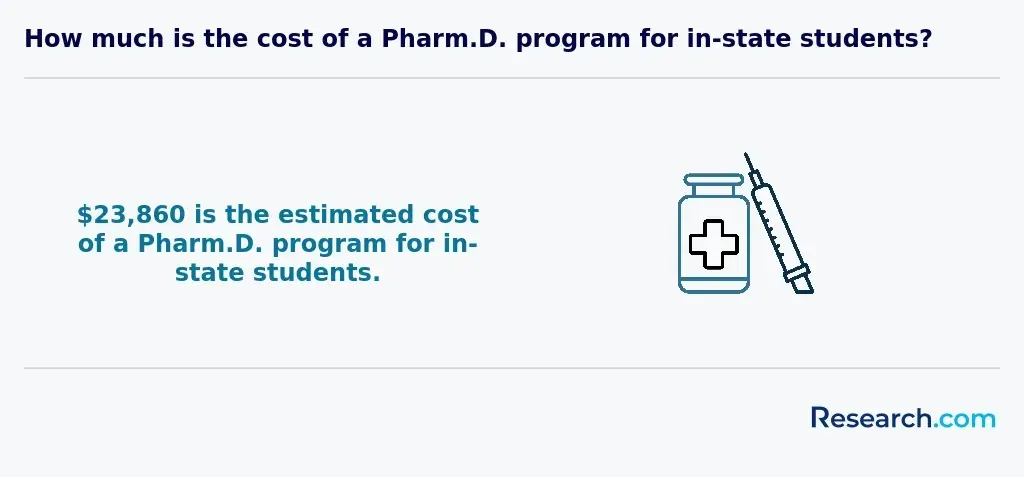
| In-state public university tuition | $30,000 to $60,000 per year | Tuition varies by institution, program structure, and residency status. |
| Private institution tuition | Can exceed $70,000 annually | Compare total program cost, not just first-year tuition. |
| NAPLEX fee | Approximately $750 | Include preparation materials in your personal budget if needed. |
| MPJE fee | Approximately $150 | Plan for Iowa pharmacy law review resources. |
| Iowa licensure application fee | $135 | Paid when applying for licensure through the Board. |
| Background check fee | $45 | Required as part of the application process. |
| License transfer process | Around $315 | Applies to pharmacists transferring a license from another state. |
| Renewal fee | About $180 every two years | Late fees can accumulate if renewal is missed. |
| Late renewal consequences | Potentially up to $630 if not addressed promptly | Avoidable with calendar reminders and early renewal. |
Students should also plan for textbooks, technology, transportation to rotations, housing, professional clothing, immunizations or health documentation, and living expenses. These costs can change the real price of pharmacy school substantially.
How to evaluate whether the cost is manageable
- Calculate total program cost: Add tuition for all years, fees, living costs, books, exam fees, and licensing expenses.
- Compare aid options: Look at scholarships, assistantships, employer support, federal aid, and repayment options before borrowing.
- Ask about rotations: Clinical rotations may require travel, temporary housing, or schedule changes that affect your budget.
- Compare ROI carefully: Pharmacy salaries can be strong, but earnings vary by employer, location, specialization, and experience.
If the time or tuition commitment of a Pharm.D. does not fit your current situation, you may want to compare shorter healthcare options such as quick medical certifications that pay well before choosing a long professional degree path.
Can I get my pharmacist’s license online in Iowa?
You cannot complete every part of Iowa pharmacist licensure entirely online because pharmacy training requires supervised, hands-on patient care and pharmacy practice experience. However, some accredited pharmacy programs may include online or hybrid coursework. The key is whether the program satisfies licensure requirements, not whether the coursework is convenient.
Online and hybrid pharmacy study: what to verify
| Factor | What to confirm | Why it matters for Iowa licensure |
| Accreditation | The program should be accredited by the Accreditation Council for Pharmacy Education. | Accreditation is essential for meeting professional education standards tied to licensure. |
| In-person requirements | Find out when labs, immersions, clinical rotations, or exams require physical attendance. | A program advertised as online may still require travel or local placements. |
| Internship hours | Confirm how the program helps students complete at least 1,500 practical internship hours. | Hands-on experience is mandatory even when coursework is online. |
| State eligibility | Ask whether graduates meet Iowa Board of Pharmacy requirements. | Not all online healthcare programs are designed for every state’s licensing rules. |
| Student support | Review advising, exam preparation, placement assistance, and technology support. | Online students need strong structure to stay on track for graduation and licensure. |
The University of Iowa offers a Pharm.D. program that combines online coursework with in-person clinical rotations. This type of hybrid structure may help students balance academic work with other responsibilities, but it still requires direct practice experience.
Students considering an online or hybrid route should be cautious about programs that sound easier than they are. A Pharm.D. is a professional healthcare degree, and licensure depends on meeting rigorous academic, clinical, and regulatory standards. Before enrolling, request written confirmation that the program’s graduates can pursue pharmacist licensure in Iowa.
What is the job description of a licensed pharmacist in Iowa?
Licensed pharmacists in Iowa are responsible for safe medication use, patient counseling, regulatory compliance, and collaboration with other healthcare professionals. Their work setting affects the daily routine: a community pharmacist may spend much of the day counseling patients and managing prescriptions, while a hospital pharmacist may review medication orders, participate in rounds, and help adjust therapy for complex patients.
Common pharmacist responsibilities in Iowa
- Dispensing medications: Pharmacists verify prescriptions, prepare or supervise medication dispensing, check for safety issues, and ensure patients receive the correct medication.
- Counseling patients: They explain dosage instructions, side effects, storage, adherence strategies, and warning signs that require medical attention.
- Consulting with clinicians: Pharmacists advise prescribers and healthcare teams on drug interactions, dosing, contraindications, and therapy alternatives.
- Managing inventory: They oversee medication supply, controlled substances, storage requirements, and documentation.
- Monitoring safety: Pharmacists review patient profiles to reduce medication errors, duplications, interactions, and adverse effects.
- Following regulations: They comply with Iowa pharmacy laws, federal requirements, recordkeeping rules, and inspection standards.
- Training staff: Pharmacists may supervise pharmacy technicians, interns, and other staff members involved in pharmacy operations.
Skills employers often value
| Skill | How pharmacists use it |
| Attention to detail | Checking dosage, patient records, allergies, interactions, and labeling accuracy. |
| Communication | Explaining medication instructions clearly to patients and coordinating with providers. |
| Clinical judgment | Identifying therapy concerns and recommending safe, evidence-based medication plans. |
| Ethics and professionalism | Protecting patient privacy, following laws, and handling controlled substances responsibly. |
| Leadership | Managing pharmacy teams, workflow, compliance, and quality improvement. |
| Technology use | Working with electronic health records, pharmacy management systems, telepharmacy tools, and digital documentation. |
The chart below lists the largest employers of licensed pharmacists, as reported by the BLS in 2024.
What are the continuing education requirements for pharmacists in Iowa?
Iowa pharmacists must complete continuing education to renew their licenses and remain current with pharmacy practice, medication safety, law, and patient care standards. Every two years, pharmacists must complete 30 hours of approved CE coursework.
Iowa pharmacist continuing education summary
| Requirement | Amount or rule stated | Practical advice |
| Total CE hours | 30 hours every two years | Do not wait until the end of the renewal cycle to start earning credits. |
| Live instruction | At least 15 hours must be live instruction | Schedule live CE early because availability may be limited close to renewal deadlines. |
| Patient safety | A minimum of two CE hours must include medication errors and patient safety | Keep certificates clearly labeled in case of audit or renewal questions. |
| Course topics | CE may include general pharmacy topics, drug therapy, ethics, patient-centered care, and related areas | Choose CE that strengthens your current practice area or supports a career move. |
| Reporting | Completed CE must be logged in the Iowa Board of Pharmacy’s online tracking system | Confirm that courses come from accredited providers and that records are accurate. |
Failure to meet CE requirements can delay renewal and may lead to penalties, including possible license suspension. Pharmacists who want to broaden their patient care perspective outside pharmacy may also compare adjacent healthcare roles, such as this guide on how to become a mental health counselor in Iowa.
The best strategy is to treat CE as part of professional practice rather than a deadline task. Select courses that improve medication safety, support your patient population, and help you adapt to new pharmacy responsibilities.
What do I do if my pharmacist’s license expires in Iowa?
If your Iowa pharmacist license expires, act quickly. Practicing with an expired license can create legal and professional problems, including fines or disciplinary action from the Iowa Board of Pharmacy. The correct process depends on how long the license has been inactive and whether you have practiced pharmacy elsewhere.
Steps to reactivate an expired Iowa pharmacist license
- Check your status: Determine when your license expired and whether you have practiced pharmacy in another state.
- Review eligibility: If you have not practiced pharmacy for more than five years, you must petition the Iowa Board of Pharmacy for reactivation.
- Prepare the application: Complete the Pharmacist License Reactivation Application with your current personal, professional, and employment information.
- Pay the fees: The reactivation fee is $630, and the criminal background check fee is $45. Both are non-refundable and non-transferable.
- Document CE compliance: Provide proof that you met continuing education requirements, especially if you practiced in states with CE mandates.
- Complete the background check: After applying, you will receive a fingerprint packet for the required criminal history check.
- Update Board records: Report changes in legal name, address, or employment within ten days so your state record remains accurate.
Timing matters. Applications submitted after November 1 may be subject to specific reactivation provisions under Iowa law. If your license has lapsed, contact the Board before practicing, keep copies of all submitted documents, and do not assume that payment alone restores your authority to work.
Common reactivation mistakes
- Continuing to work before the license is officially reactivated.
- Submitting CE certificates that are incomplete, outdated, or not from acceptable providers.
- Ignoring fingerprinting instructions or background check deadlines.
- Failing to update employment or address information with the Board.
- Waiting until a job offer requires an active license before starting the reactivation process.
How can pharmacists in Iowa expand their role in holistic patient care?
Pharmacists can contribute to holistic patient care by combining medication expertise with stronger skills in counseling, chronic disease support, behavioral health awareness, preventive care, and care coordination. This does not mean pharmacists replace other clinicians. Instead, they become more effective members of interdisciplinary teams, especially when patients need help managing multiple prescriptions, lifestyle changes, and long-term conditions.
Pharmacists interested in broader patient-centered care can pursue training in communication, motivational interviewing, medication therapy management, immunization services, chronic disease education, or behavioral health collaboration. Those comparing other patient counseling careers can also review how to become a marriage and family therapist in Iowa to understand how different healthcare professions approach family systems and emotional well-being.
What degree is needed to be a pharmacist?
The required professional degree for pharmacist licensure is the Doctor of Pharmacy, commonly called the Pharm.D. This degree prepares students in biomedical science, pharmacology, therapeutics, patient care, ethics, and pharmacy law. A pharmacy technician certificate, associate degree, or bachelor’s degree alone does not qualify someone to become a licensed pharmacist.
When comparing pharmacy programs, confirm accreditation, prerequisite requirements, experiential rotations, graduate licensure eligibility, and support for NAPLEX and MPJE preparation. For a broader explanation of the academic route, see what degree is needed to be a pharmacist.
What are the common challenges in obtaining a pharmacy license in Iowa?
The Iowa pharmacist licensing process is manageable when planned carefully, but applicants often run into avoidable problems. The biggest challenges usually involve prerequisites, cost, exam preparation, internship documentation, and state-specific paperwork.
Common challenges and better ways to handle them
| Challenge | Why it causes problems | Better approach |
| Choosing a program without checking accreditation | Licensure depends on completing the right professional education. | Verify accreditation before applying or paying a deposit. |
| Underestimating total cost | Tuition is only one part of the expense. | Budget for tuition, living costs, books, rotations, exams, application fees, and renewal. |
| Weak exam plan | NAPLEX and MPJE require focused preparation. | Create a study calendar, use practice questions, and review Iowa law carefully. |
| Poor internship tracking | Undocumented hours may not count. | Register correctly and keep personal copies of all hour records. |
| Assuming online means fully remote | Pharmacy requires supervised practical training. | Ask about in-person rotations, labs, and placement support. |
| Missing deadlines | Licensing and renewal delays can interrupt employment. | Use reminders for exams, applications, CE, renewal, and address updates. |
If these barriers make pharmacy feel less aligned with your goals, consider comparing other healthcare paths, including how to become a substance abuse counselor in Iowa.
How can I effectively prepare for pharmacy board exams in Iowa?
Pharmacy board exam preparation should begin before graduation, not after. The NAPLEX tests whether you can apply pharmacy knowledge to patient care, medication management, calculations, and safe practice. The MPJE requires a strong command of pharmacy law, including state-specific rules.
Practical board exam preparation plan
- Review exam blueprints: Understand what the NAPLEX and MPJE are designed to test before choosing study resources.
- Create a study schedule: Divide preparation into manageable blocks covering pharmacotherapy, calculations, safety, law, and weak areas.
- Use practice questions: Practice exams help identify gaps and improve pacing.
- Study Iowa law separately: Do not rely only on general federal pharmacy law review.
- Form a small study group: Peer discussion can help with difficult therapeutic topics and law interpretation.
- Protect review time during rotations: Clinical experience is valuable, but exam preparation still needs dedicated hours.
- Plan for application timing: Make sure transcripts, internship documentation, and exam eligibility steps are not delayed.
Students evaluating the long-term value of the Pharm.D. can review the benefits of finishing a pharmacy school while weighing tuition, licensure demands, and career goals.
How can pharmacists in Iowa leverage professional networks and mentorship?
Mentorship can make a major difference in pharmacy school, residency decisions, first jobs, specialty training, leadership development, and rural practice. Professional networks also help pharmacists stay aware of regulatory changes, job openings, continuing education, and emerging practice models.
- Join professional associations: State and national organizations can connect pharmacists to CE, advocacy updates, conferences, and peer communities.
- Seek mentors in your target setting: A hospital pharmacist, community pharmacy owner, clinical pharmacist, or academic pharmacist can provide different career advice.
- Use rotations strategically: Treat experiential learning as both training and networking.
- Build interdisciplinary relationships: Pharmacists increasingly work with nurses, physicians, advanced practice providers, dietitians, and behavioral health professionals.
- Ask for feedback early: Strong mentorship often starts with specific questions about skills, communication, and career direction.
If you are comparing team-based healthcare roles, learning how to become a registered nurse in Iowa can help you understand how pharmacists and nurses collaborate in patient care.
Could pursuing specialized certifications advance my pharmacy career in Iowa?
Specialized certifications can help pharmacists move toward advanced clinical, administrative, technology-focused, or leadership roles. They are not a substitute for pharmacist licensure, but they can signal deeper expertise in areas such as medication therapy management, geriatrics, oncology, informatics, ambulatory care, or other practice areas.
Before pursuing a certification, ask whether it aligns with your employer’s needs, your patient population, and your desired career path. A certification is most valuable when it supports a specific role rather than simply adding letters after your name. Pharmacists interested in the administrative and reimbursement side of healthcare may also explore medical billing and coding in Iowa as a complementary area of knowledge.
What emerging trends are shaping pharmacy practice in Iowa?
Pharmacy practice in Iowa is being influenced by broader healthcare changes, including telepharmacy, digital documentation, medication safety initiatives, team-based care, data-informed decision-making, and expanded patient counseling responsibilities. These shifts can create opportunities, but they also require pharmacists to stay current with technology, law, and employer expectations.
Trends Iowa pharmacists should watch
- Telepharmacy: Remote pharmacy services can improve access, especially in areas where in-person pharmacy coverage is limited.
- Digital patient monitoring: Pharmacists may increasingly use health data to support adherence, chronic disease management, and medication safety.
- Interprofessional care: Pharmacists are working more closely with physicians, nurses, nurse practitioners, and other providers.
- Medication safety focus: CE and practice standards continue to emphasize reducing errors and improving patient outcomes.
- Workflow technology: Automation and pharmacy management systems can change staffing patterns and daily responsibilities.
Pharmacists who want to strengthen collaboration with advanced clinical providers may benefit from understanding how to become a nurse practitioner in Iowa.
What are the benefits and challenges of practicing pharmacy in rural Iowa?
Rural pharmacy practice can be rewarding because pharmacists may become highly visible and trusted healthcare professionals in their communities. In some rural settings, the pharmacist may be one of the most accessible healthcare providers for medication questions, preventive services, and chronic disease support.
| Rural Iowa pharmacy factor | Potential benefit | Potential challenge |
| Patient relationships | Pharmacists often build long-term trust with patients and families. | Maintaining privacy and professional boundaries can require care in close-knit communities. |
| Scope of daily work | Rural pharmacists may handle a broader range of patient needs. | Limited specialist access can make coordination more difficult. |
| Community impact | Pharmacists can directly improve access to medication guidance and preventive care. | Workforce shortages or staffing constraints may increase workload. |
| Technology and resources | Telepharmacy and digital tools can support access. | Some locations may have fewer advanced resources or support services. |
| Professional network | Rural pharmacists may develop strong local healthcare partnerships. | There may be fewer nearby peers, mentors, or specialized training opportunities. |
Pharmacists interested in rural interdisciplinary care may also compare programs and pathways through the top nursing schools in Iowa to understand how other healthcare professionals train for service across the state.
What are the latest regulatory updates affecting licensed pharmacists in Iowa?
Pharmacists should regularly monitor Iowa Board of Pharmacy communications because practice rules, renewal procedures, documentation expectations, telepharmacy guidance, and electronic recordkeeping standards can change. Even when requirements seem familiar, small regulatory updates can affect daily workflow, CE planning, or license compliance.
Regulatory areas pharmacists should monitor
- License renewal procedures: Confirm deadlines, fees, CE documentation expectations, and online portal instructions before each renewal cycle.
- Telepharmacy rules: Review state guidance if you practice in or supervise remote pharmacy services.
- Controlled substance documentation: Stay alert to recordkeeping, inventory, and reporting requirements.
- Electronic records: Make sure pharmacy systems support required documentation and audit readiness.
- Interprofessional practice: Watch for updates affecting collaborative care, clinical services, and provider communication.
For a broader view of healthcare regulation in the state, compare pharmacy requirements with Iowa nursing licensure requirements.
Can expanding into nutrition enhance a pharmacist’s career in Iowa?
Nutrition knowledge can strengthen a pharmacist’s patient counseling, especially for patients managing chronic conditions, medication side effects, adherence challenges, or lifestyle-related risk factors. Pharmacists do not need to become dietitians to provide better medication counseling, but they should understand when nutrition guidance is appropriate and when to refer patients to a qualified nutrition professional.
Combining medication expertise with nutrition awareness can be especially useful in chronic disease management, preventive care, rural health, and team-based practice. Pharmacists who want a deeper nutrition-focused career path can review how to become a registered dietician in Iowa.
How much do licensed pharmacists in Iowa make?
As of 2024, pharmacists in Iowa earn an average annual income of approximately $127,780, or about $61.43 per hour. This is slightly below the national average of around $136,030 annually. Actual earnings vary by employer, setting, experience, specialization, leadership responsibility, and location.
Iowa pharmacist salary examples
| Work setting or comparison | Salary figure stated | What it suggests |
| Iowa pharmacists overall | Approximately $127,780 annually | This is the state average cited for pharmacists in Iowa. |
| Iowa hourly equivalent | About $61.43 per hour | Hourly figures can help compare full-time, part-time, or shift-based roles. |
| National average | Around $136,030 annually | Iowa pay is described as slightly below this national figure. |
| General medical and surgical hospitals | $144,270 annually | Hospital practice may offer higher average pay than some retail settings. |
| Health and personal care retailers | About $126,990 annually | Retail and community pharmacy pay varies by employer and responsibilities. |
| Outpatient care centers | As high as $164,180 | Specialized or outpatient roles may offer higher earning potential. |
Ways Iowa pharmacists may improve earning potential
- Pursue relevant specialization: Credentials in areas such as oncology, geriatrics, or other high-need specialties may support stronger job prospects.
- Build clinical depth: Experience in medication therapy management, chronic disease care, or hospital practice can support advancement.
- Develop leadership skills: Pharmacy management, operations, compliance, and team supervision can lead to higher-responsibility roles.
- Use professional networks: Networking can reveal openings, mentorship, collaborations, and specialty pathways.
- Consider location carefully: Urban, rural, hospital, clinic, and retail roles can differ in pay, workload, and advancement opportunities.
Salary outcomes are not guaranteed. Use published wage data as a benchmark, then compare specific job offers based on duties, schedule, benefits, loan repayment options, and long-term career fit.
What is the job outlook for licensed pharmacists in Iowa?
As of 2024, pharmacist employment is expected to grow by around 5% over the next decade, which mirrors national trends. This growth is projected to create approximately 18,300 new pharmacist positions nationwide, with an average of 14,200 job openings yearly, largely tied to retirements and career transitions. The national median annual salary is approximately $136,030, while Iowa salaries reflect local labor market conditions and cost of living.
Factors influencing pharmacist demand in Iowa
- Aging population: Older adults often use more prescription medications and healthcare services, which increases the need for medication expertise.
- Healthcare expansion: Hospitals, retail pharmacies, clinics, and other healthcare facilities rely on pharmacists for safe medication use and patient support.
- Evolving pharmacist roles: Pharmacists increasingly contribute to patient care, medication therapy management, health education, and collaborative practice.
- Replacement needs: Job openings may come from pharmacists retiring, changing careers, or moving into different healthcare roles.
- Technology changes: Automation and telepharmacy may shift tasks, but pharmacists remain responsible for clinical judgment, counseling, and regulatory oversight.
The outlook is best interpreted as steady rather than guaranteed. Students should evaluate local hiring conditions, residency or specialization options, preferred work settings, and willingness to work in rural or high-need areas.
What is a licensed pharmacist’s career path in Iowa?
After licensure, Iowa pharmacists can work in community pharmacies, hospitals, clinics, outpatient care centers, academia, management, government, industry, and specialized clinical roles. The best path depends on whether you prefer direct patient counseling, acute care, leadership, research, teaching, operations, or specialized medication therapy.
Common pharmacist career paths in Iowa
| Career path | Typical setting | Best fit for pharmacists who want... |
| Community pharmacist | Retail chains, independent pharmacies, grocery pharmacies, or community settings | Frequent patient interaction, medication counseling, immunization services, and accessible community care. |
| Hospital pharmacist | Hospitals and health systems | Team-based medication management, acute care, order review, and collaboration with physicians and nurses. |
| Clinical pharmacist | Clinics, specialty centers, outpatient care, or integrated care teams | Direct patient care, chronic disease management, therapy optimization, and collaborative treatment planning. |
| Pharmacy manager | Community pharmacies, hospitals, or healthcare organizations | Leadership, staffing, budgeting, compliance, workflow improvement, and operations oversight. |
| Academic pharmacist | Colleges of pharmacy and research institutions | Teaching, research, student mentorship, curriculum development, and professional scholarship. |
How to choose the right pharmacy path
- If you enjoy long-term patient relationships: Community or rural pharmacy may be a strong fit.
- If you prefer complex clinical decision-making: Hospital or clinical pharmacy may be more aligned with your interests.
- If you like leading teams: Pharmacy management can combine patient safety, business operations, and staff development.
- If you enjoy teaching and research: Academic pharmacy offers a route into education, scholarship, and mentorship.
- If you want broader options: Consider residencies, fellowships, board certifications, or specialty practice experience after graduation.
What other careers can I consider in healthcare in Iowa?
Pharmacy is a strong option for students who enjoy science, medication therapy, patient counseling, and regulated healthcare practice. However, it is not the only way to build a healthcare career in Iowa. If the length or cost of pharmacy school does not fit your goals, consider roles that involve counseling, nursing, allied health, healthcare administration, public health, or medical support.
For example, students who want a counseling-focused career can explore how to become a therapist in Iowa. Comparing multiple healthcare paths can help you choose based on education length, cost, licensing requirements, patient interaction, salary expectations, and long-term fit.
Questions to Ask Before Pursuing Pharmacist Licensure in Iowa
- Am I prepared to spend about six to eight years completing prerequisites, a Pharm.D., internship hours, exams, and state licensure steps?
- Is my target Pharm.D. program accredited and accepted for Iowa pharmacist licensure?
- How will I pay for tuition, living expenses, exams, licensing fees, and renewal costs?
- Does the program help students complete and document at least 1,500 internship hours?
- Am I comfortable preparing for both the NAPLEX and the Iowa-focused MPJE?
- Do I prefer community practice, hospital care, clinical practice, management, academia, or another pharmacy setting?
- Would rural practice, telepharmacy, specialty certification, or interdisciplinary care fit my goals?
- What is my backup plan if I decide pharmacy school is not the right path?
Common Mistakes to Avoid
- Choosing a school based only on convenience: Online or hybrid coursework can help, but accreditation and licensure eligibility are more important.
- Looking only at tuition: Total cost includes fees, books, housing, rotations, exam fees, background checks, and renewal expenses.
- Assuming all pharmacy-related jobs lead to pharmacist licensure: Pharmacy technician training can be useful, but it does not replace the Pharm.D.
- Not documenting internship hours carefully: Missing or improperly reported hours can delay licensure.
- Underpreparing for the MPJE: Iowa pharmacy law deserves dedicated study time.
- Waiting until renewal season to complete CE: Spreading CE across the two-year cycle reduces deadline pressure.
- Practicing after a license expires: Reactivation must be completed before returning to practice.
- Assuming salary averages apply to every job: Pay depends on setting, location, experience, specialization, and employer.
Here’s What Pharmacists Have to Say About Becoming a Licensed Pharmacist in Iowa
“Earning my pharmacist license in Iowa demanded persistence, but it was also one of the most meaningful professional milestones I have reached. The mix of coursework, rotations, and supervised practice helped me build confidence before entering patient care. Mentors were especially important when the process felt stressful. I now feel ready to handle the responsibility that comes with medication decisions.” — Miles
“The Iowa licensing process requires discipline, especially when balancing exams, experience hours, and state requirements. What helped me most was seeing how classroom learning connected with real pharmacy practice. The focus on ethics and patient safety made the work feel purposeful. I came out of the process more confident and more committed to improving as a pharmacist.” — Nisha
“Getting licensed in Iowa was not simple, but the support I received through internships and professional guidance made a major difference. Practice experiences showed me what pharmacists actually do each day and helped me apply what I had learned in school. Now that I am working with patients, I can see how every step of the process prepared me for the role.” — Otis
Related Articles for Nearby States
- 2027 How to Become a Licensed Pharmacist in Minnesota
- 2027 How to Become a Licensed Pharmacist in Wisconsin
- 2027 How to Become a Licensed Pharmacist in Illinois
- 2027 How to Become a Licensed Pharmacist in Nebraska
- 2027 How to Become a Licensed Pharmacist in South Dakota
- 2027 How to Become a Licensed Pharmacist in Missouri
- 2027 How to Become a Licensed Pharmacist in Kansas
- 2027 How to Become a Licensed Pharmacist in Indiana
- 2027 How to Become a Licensed Pharmacist in North Dakota
- 2027 How to Become a Licensed Pharmacist in Michigan
Key Insights
- To become a licensed pharmacist in Iowa, you generally need a Pharm.D., at least 1,500 internship hours, passing NAPLEX and MPJE scores, a completed state application, fingerprinting, and a background check.
- The full pathway commonly takes six to eight years, depending on prerequisites, program structure, exam timing, and application processing.
- Online or hybrid pharmacy coursework may be possible, but pharmacist licensure cannot be completed fully online because supervised practical experience is required.
- Costs can be substantial: in-state public university tuition ranges from $30,000 to $60,000 per year, private institution tuition can exceed $70,000 annually, and applicants must also budget for exams, licensing, background checks, and renewal.
- Iowa pharmacists must complete 30 continuing education hours every two years, including at least 15 hours of live instruction and required patient safety training.
- As of 2024, pharmacists in Iowa earn approximately $127,780 annually on average, but pay varies by work setting, specialization, experience, and employer.
- The strongest candidates plan early, verify accreditation, track internship hours carefully, prepare thoroughly for both exams, and treat license renewal as an ongoing professional responsibility.
References:
- Bureau of Labor Statistics (BLS). (2024a). 29-1051 Pharmacists. Occupational Employment and Wages, May 2023. BLS.
- Bureau of Labor Statistics (BLS). (2024b). Pharmacists. Occupational Outlook Handbook. BLS.
- Bureau of Labor Statistics (BLS). (2024c). Iowa. May 2023 State Occupational Employment and Wage Estimates. BLS.
- Casetext. (2024). Iowa Admin. Code r. 657-8.35. Casetext.
- Iowa Department of Administrative Services. (n.d.). Pharmacist. Iowa Department of Administrative Services.
- Iowa Department of Inspections, Appeals, & Licensing. (n.d.). Online Profile Portal. Pharmacy. Iowa Department of Inspections, Appeals, & Licensing.
- Iowa Department of Inspections, Appeals, & Licensing. (n.d.). Pharmacist Licensure. Iowa Department of Inspections, Appeals, & Licensing.
- Pharmacy Workforce Center. (2024). Pharmacy Demand Report (PDR). Pharmacy Workforce Center.
- University of Illinois Chicago. (n.d.). Licensing. Pharmacy Current Students. University of Illinois Chicago.
- University of Iowa (UI). (n.d.). College of Pharmacy. UI.
- Zippia. (2024). Pharmacist Demographics and Statistics in the US. Zippia.
Other Things You Should Know About Becoming a Licensed Pharmacist in Iowa
In 2027, Iowa pharmacists must complete 30 hours of continuing education every two years. The education must be from approved providers, with at least 15 hours related to drug therapy topics and 2 hours on pharmacy law.
To become a licensed pharmacist in Iowa in 2027, you must earn a Doctor of Pharmacy (Pharm.D.) degree from an ACPE-accredited pharmacy school and pass the North American Pharmacist Licensure Examination (NAPLEX). Additionally, completion of internship hours as per Iowa Board of Pharmacy requirements is mandatory.
To become a licensed pharmacist in Iowa in 2027, candidates must complete a Doctor of Pharmacy (PharmD) degree from an ACPE-accredited program, pass the NAPLEX and MPJE exams, and fulfill the required internship hours. Application to the Iowa Board of Pharmacy will then be necessary to obtain licensure. **Question** Can pharmacists prescribe in Iowa? **Answer** Yes, pharmacists in Iowa have limited prescribing authority. They can prescribe under collaborative practice agreements with physicians, allowing them to manage and modify drug therapy for specific conditions following established protocols. This can include vaccinations, travel medications, and other designated therapies. **Question** What are the educational requirements to become a licensed pharmacist in Iowa in 2027? **Answer** In 2027, aspiring pharmacists in Iowa must earn a PharmD degree from an ACPE-accredited pharmacy school. This typically follows a bachelor's degree or required prerequisite coursework. Upon graduation, they must pass licensing exams and meet any further state-specific requirements. **Question** How long does it take to become a licensed pharmacist in Iowa? **Answer** It typically takes 6-8 years to become a licensed pharmacist in Iowa. This includes completing prerequisite coursework and earning a PharmD degree, which generally takes four years, followed by passing required exams and completing required internship hours.