
2027 How to Become a Substance Abuse Counselor in Iowa

Co-Founder and Chief Data Scientist
If you want to become a substance abuse counselor in Iowa, the main decision is not simply which school to attend. You need to understand Iowa’s credentialing structure, supervised experience rules, coursework expectations, ethical responsibilities, salary outlook, and the kinds of treatment settings where counselors are hired. This guide explains the practical path from education to certification, how to compare training options, what the work is actually like, and how to build a career that can grow into supervision, program leadership, private practice, or integrated behavioral health roles.
Substance use disorders affect individuals, families, schools, workplaces, and rural and urban communities across Iowa. The field can be deeply meaningful, but it is also emotionally demanding and highly regulated. Use this guide to map your next step, avoid common credentialing mistakes, and decide whether this career fits your strengths, values, and long-term goals.
Quick answer: becoming a substance abuse counselor in Iowa
To become a substance abuse counselor in Iowa, you generally need relevant addiction counseling education, supervised experience, a background check, and certification through the Iowa Board of Certification. Iowa credentials include the Temporary Certified Alcohol and Drug Counselor, Certified Alcohol and Drug Counselor, International Alcohol and Drug Counselor, and International Advanced Alcohol and Drug Counselor. Requirements increase as you move into higher credentials, including more coursework, supervised practice, and examination expectations.
- Iowa has reported a need for an additional 340 substance abuse counselors by 2025.
- The average salary for substance abuse counselors in Iowa is approximately $55,850 per year.
- Entry-level roles may start around $35,000, while experienced counselors can earn upwards of $70,000 depending on setting, specialization, and responsibility level.
- Projected job growth for substance abuse counselors in Iowa is 31% from 2022 to 2032.
- Iowa’s cost of living index is about 86.4, compared with 100 as the national average.
- Some counseling pathways require a bachelor’s degree in a related field, while advanced roles may require graduate education and specialized credentials.
- How can you become a substance abuse counselor in Iowa?
- What education do Iowa substance abuse counselors need?
- What does a substance abuse counselor do?
- How does Iowa certification work?
- What legal and ethical rules matter in Iowa?
- How much do substance abuse counselors earn in Iowa?
- Should you add mental health counseling training?
- What is Iowa’s job market like?
- How can interdisciplinary care improve counseling?
- What career paths are available?
- How can forensic science support counseling practice?
- How can technology improve counseling outcomes?
- What continuing education is required?
- What challenges should future counselors expect?
- How can advanced education help?
- How can spiritual care support treatment?
- How can family-focused strategies help?
- How can building a practice support career growth?
- How does self-care affect long-term success?
- How can school psychology collaboration help youth and families?
How can you become a substance abuse counselor in Iowa?
The Iowa pathway depends on the credential you plan to pursue and the type of counseling work you want to do. Entry-level recovery support roles may require less formal preparation, while independent clinical roles, supervisory positions, and integrated mental health work usually require more education, stronger documentation of experience, and broader clinical training.
- Start with the right educational foundation. A high school diploma or GED is the starting point. Many candidates then complete coursework or a degree in psychology, social work, human services, counseling, or behavioral science. A bachelor’s or master’s degree can make you more competitive and may be required for higher-level roles.
- Choose the Iowa credential that matches your current stage. Iowa recognizes credentials such as the Temporary Certified Alcohol and Drug Counselor, Certified Alcohol and Drug Counselor, International Alcohol and Drug Counselor, and International Advanced Alcohol and Drug Counselor.
- Complete required addiction counseling coursework. For the CADC, candidates must complete 24 semester hours of relevant coursework and 150 hours of education in specified counseling and substance abuse areas.
- Build supervised work experience. The CADC requires 1,000 hours of supervised work experience, including at least 500 hours in core counseling functions. Other pathways may require additional or different documentation.
- Pass the required exam. Candidates should expect a certification examination process connected to Iowa’s standards and, for higher credentials, IC&RC-related expectations.
- Complete a background check. Iowa applicants must complete a criminal background check, including fingerprinting.
- Apply for jobs in suitable treatment settings. Common employers include outpatient treatment programs, residential facilities, hospitals, correctional settings, community organizations, and integrated behavioral health teams.
- Plan for continuing education from the beginning. Credential maintenance requires ongoing learning, so keep records of workshops, trainings, conferences, and approved courses.
| Step | What to do | Why it matters |
| Clarify your target role | Decide whether you want entry-level counseling support, addiction counseling certification, clinical supervision, or broader mental health practice. | Your goal determines the education, experience, and credential level you should pursue. |
| Verify Iowa requirements | Review Iowa Board of Certification requirements before enrolling in a program. | Not every course or degree automatically satisfies credentialing expectations. |
| Document supervised hours | Track duties, hours, supervisor information, and core counseling functions. | Incomplete documentation can delay certification even when the work was completed. |
| Prepare for examination | Use exam content outlines, supervision feedback, and addiction counseling coursework to study. | Passing the exam confirms readiness for professional practice standards. |
| Keep learning after certification | Complete approved continuing education and expand into areas such as trauma-informed care or co-occurring disorders. | Substance abuse counseling changes as evidence, treatment models, and client needs evolve. |
If you are comparing counseling careers beyond addiction treatment, Research.com’s guide to becoming a counseling psychologist can help you understand how this route differs from psychology-focused graduate training.
What is the minimum educational requirement to become a substance abuse counselor in Iowa?
The minimum education you need depends on the credential and employer. Some entry-level roles may be available with a high school diploma or GED plus training, but many employers prefer or require college coursework in a human services field. For stronger career mobility, many aspiring counselors complete a bachelor’s degree, and those pursuing advanced counseling, supervisory, or dual-diagnosis work often continue into a master’s program.
- A bachelor’s degree in a related field typically takes about four years to complete.
- A master’s degree often requires an additional two years of study.
- Some professionals pursue a Ph.D. in Behavioral Science for the highest level of preparation.
- Bachelor’s degree costs in Iowa generally range from $20,000 to $40,000.
- A master’s program may cost $15,000 to $30,000, depending on the institution.
- Bachelor’s degree candidates may be required to complete at least 500 hours of supervised experience.
- Master’s students may need at least 300 hours of hands-on practice.
Relevant coursework usually includes counseling theory, addiction studies, ethics, assessment, case management, multicultural counseling, crisis intervention, and treatment planning. Graduate programs may go deeper into clinical diagnosis, research, group counseling, trauma, family systems, and co-occurring disorders.
| Education option | Typical fit | Important trade-off |
| High school diploma or GED plus training | Recovery support, technician, or entry-level human services work | May limit advancement and may not satisfy higher credential requirements. |
| Associate-level coursework | Students testing the field before committing to a four-year degree | Can reduce cost, but transfer policies and credential relevance must be checked carefully. |
| Bachelor’s degree | Candidates who want stronger employability and a foundation for certification | Requires more time and tuition, but may open more treatment and case management roles. |
| Master’s degree | Professionals seeking advanced clinical, supervisory, or integrated behavioral health roles | Greater investment, but often useful for leadership, specialization, and broader counseling pathways. |
When evaluating schools, check accreditation, field placement options, addiction-specific coursework, faculty experience, and whether the program’s curriculum aligns with Iowa certification standards. The University of Iowa is one institution associated with relevant training in this field. If you are comparing counselor pathways in other states, this guide to licensed counseling preparation in Maine shows how requirements can differ by jurisdiction.
What does a substance abuse counselor do?
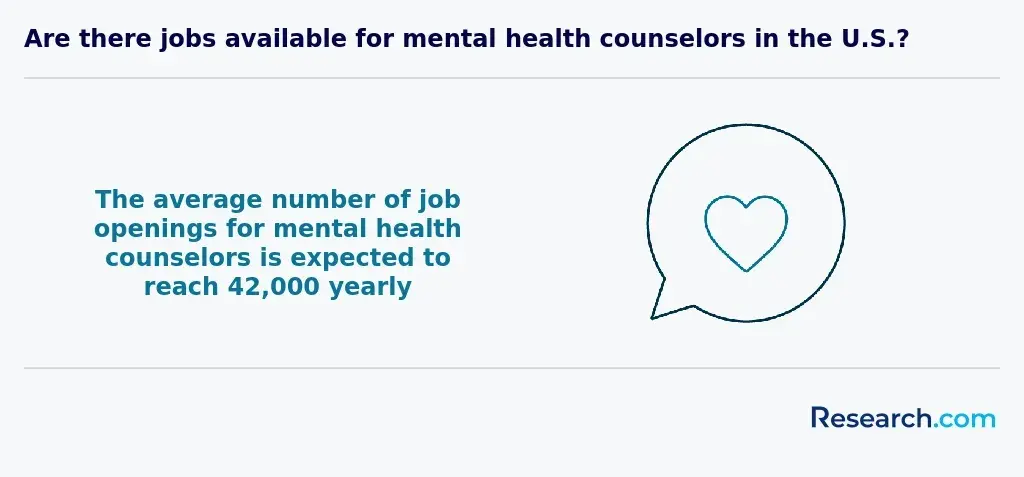
Substance abuse counselors help people who are dealing with alcohol, drug, or other substance use problems. According to the Bureau of Labor Statistics, these professionals assess client needs, create treatment plans, provide individual and group counseling, monitor progress, educate clients about substance use, and teach coping strategies that support recovery.
Daily work often includes interviewing clients, documenting sessions, coordinating care with other providers, leading group sessions, helping clients identify triggers, supporting relapse prevention, and connecting clients with housing, employment, medical, or family resources. In many Iowa communities, counselors also work with courts, schools, hospitals, correctional programs, and social service agencies.
| Responsibility | What it looks like in practice |
| Assessment | Gather information about substance use history, mental health concerns, family context, risk factors, and readiness for change. |
| Treatment planning | Create measurable goals and interventions that match the client’s needs, stage of recovery, and support system. |
| Counseling | Provide individual, group, or family-oriented sessions using evidence-informed approaches. |
| Relapse prevention | Help clients recognize triggers, develop coping skills, and build recovery supports outside treatment. |
| Care coordination | Work with medical providers, mental health clinicians, social workers, probation officers, or family members when appropriate and legally permitted. |
| Documentation | Maintain accurate, confidential records that support continuity of care and regulatory compliance. |
Core skills substance abuse counselors need
- Empathy: Clients are more likely to engage when they feel respected rather than judged.
- Clear communication: Counselors must explain treatment goals, boundaries, risks, and recovery strategies in plain language.
- Problem-solving: Recovery barriers can include transportation, housing, legal concerns, family conflict, trauma, and mental health symptoms.
- Patience: Progress is rarely linear, and setbacks are common in addiction recovery.
- Cultural competence: Effective care requires sensitivity to culture, race, ethnicity, religion, disability, gender identity, rural access issues, and socioeconomic factors.
One Iowa counselor described the work this way: “I graduated from the University of Iowa’s counseling program, and the training changed how I understood recovery. One client had lost nearly everything to addiction, and watching him rebuild his life reminded me why this work matters.”
What is the certification and licensing process for a substance abuse counselor in Iowa?
Iowa’s addiction counseling pathway is based on certification through the Iowa Board of Certification. The major credentials include Temporary Certified Alcohol and Drug Counselor, Certified Alcohol and Drug Counselor, International Alcohol and Drug Counselor, and International Advanced Alcohol and Drug Counselor. These credentials are not identical to mental health counseling licensure, so candidates should be careful not to assume that one credential authorizes every form of counseling practice.
| Credential | Best for | Key points |
| Temporary Certified Alcohol and Drug Counselor | People entering the field and gaining initial supervised experience | This is an entry-level credential with no prior educational or supervisory requirements; it is non-renewable and not recognized in other states. |
| Certified Alcohol and Drug Counselor | Candidates prepared for formal addiction counseling certification | Requires 24 semester hours of relevant coursework, 150 hours of education in specified areas, 1,000 hours of supervised work experience, and at least 500 hours in core counseling functions. |
| International Alcohol and Drug Counselor | Counselors seeking a higher credential with broader recognition | Requires a higher level of education and experience, including a minimum of 300 hours in relevant counseling domains. |
| International Advanced Alcohol and Drug Counselor | Professionals pursuing advanced addiction counseling practice | Typically aligns with more advanced preparation, greater clinical responsibility, and stronger documentation expectations. |
Every applicant should expect to complete a criminal background check with fingerprinting. Candidates also need to budget for application and examination costs, which vary by credential. The most reliable way to avoid delays is to review the Iowa Board of Certification handbook before starting coursework or supervised experience.
Common certification mistakes to avoid
- Starting a program without confirming that coursework matches Iowa certification categories.
- Counting work hours that were not properly supervised or documented.
- Assuming a temporary credential can be renewed indefinitely.
- Confusing addiction counselor certification with independent mental health licensure.
- Waiting until the end of training to ask whether a placement qualifies as supervised experience.
- Failing to keep copies of transcripts, training certificates, supervision records, and exam documentation.
If you want a broader counseling scope later, compare Iowa’s addiction counseling pathway with licensed professional counseling routes in other states, such as this overview of LPC career preparation in New Mexico.
What legal and ethical considerations must a substance abuse counselor consider in Iowa?
Substance abuse counselors handle sensitive health, family, legal, and behavioral information. In Iowa, ethical practice requires more than being supportive; counselors must understand confidentiality, mandated reporting, professional boundaries, documentation, informed consent, and the limits of their credential.
- Professional conduct: Counselors must follow the Iowa Code of Professional Conduct and practice within the scope of their education, credential, and role.
- Mandatory reporting: Iowa counselors must understand reporting obligations, including suspected child abuse or neglect.
- Confidentiality: Counselors must protect client privacy under HIPAA and Iowa Code Chapter 228, which addresses confidentiality for people receiving substance abuse treatment.
- Dual relationships: Counselors must avoid relationships or conflicts of interest that could impair judgment, exploit clients, or blur professional boundaries.
- State and federal compliance: Counselors should stay informed about Iowa regulations and federal guidance, including standards connected to the Substance Abuse and Mental Health Services Administration.
| Ethical issue | Why it matters | Better practice |
| Confidentiality | Clients may avoid treatment if they fear exposure or legal consequences. | Explain confidentiality and its limits before treatment begins. |
| Boundaries | Small communities can make overlapping relationships more likely. | Consult supervisors and document boundary decisions carefully. |
| Competence | Addiction often overlaps with trauma, depression, anxiety, housing instability, and family conflict. | Refer, consult, or collaborate when a case exceeds your training. |
| Documentation | Records affect continuity of care, compliance, and client safety. | Write timely, accurate, objective notes. |
| Informed consent | Clients need to understand treatment expectations and their rights. | Use clear language and revisit consent when care changes. |
When an ethical situation is unclear, counselors should seek supervision, use consultation, review applicable rules, and document the reasoning behind decisions. Good judgment protects both the client and the counselor.
How much can you earn as a substance abuse counselor in Iowa?
The average salary for substance abuse counselors in Iowa is approximately $55,850 per year. The national average is about $53,710 annually. Actual pay can vary by credential, experience, employer type, geographic area, shift requirements, supervisory duties, and whether the counselor also holds a mental health or social work credential.
| Salary point | Amount |
| Average salary in Iowa | $55,850 |
| National average salary | $53,710 |
| Entry-level positions | Around $35,000 |
| Experienced counselors | Upwards of $70,000 |
Salary factors that can affect your earnings
- Credential level: Higher-level credentials can support access to more complex roles.
- Education: A bachelor’s or master’s degree may improve competitiveness for leadership or integrated care positions.
- Setting: Hospitals, residential programs, outpatient clinics, correctional programs, and community agencies may pay differently.
- Location: Larger labor markets may offer more openings, while rural areas may have high need but fewer employers.
- Specialization: Training in co-occurring disorders, trauma-informed care, family systems, or supervision can improve advancement potential.
Higher-paying career directions in Iowa
- Clinical Director: Professionals who oversee treatment programs can earn upwards of $70,000.
- Program Manager: Counselors who manage substance abuse programs may earn around $65,000.
- Licensed Independent Social Worker: Professionals who combine counseling and social work responsibilities can earn approximately $60,000.
Locations with stronger salary potential
- Des Moines: Many counselors earn around $50,000 to $55,000.
- Cedar Rapids: Salaries are often in the range of $48,000 to $52,000.
- Davenport: Counselors can expect earnings between $45,000 and $50,000.
Salary should not be evaluated by pay alone. Compare benefits, supervision quality, caseload expectations, schedule, documentation burden, safety protocols, and opportunities for advancement.
Should I pursue additional mental health counseling training to complement my substance abuse counseling career in Iowa?
Additional mental health counseling training can be valuable if you want to work with clients who have co-occurring substance use and mental health concerns. Many clients do not present with addiction alone; they may also experience depression, anxiety, trauma, grief, family conflict, or serious stressors connected to housing, employment, and legal involvement.
Extra training makes the most sense if you want to work in integrated behavioral health, pursue clinical leadership, support dual-diagnosis treatment, or eventually qualify for broader counseling roles. It may not be necessary if your goal is a focused addiction counseling role under supervision. To compare a related path, review Research.com’s guide on how to become a mental health counselor in Iowa.
What is the job market like for a substance abuse counselor in Iowa?
Iowa’s job market for substance abuse counselors is favorable, with projected job growth of 31% from 2022 to 2032. Demand is connected to rising attention to addiction treatment, behavioral health access, co-occurring disorders, and community-based care. Iowa has also reported a projected need for an additional 340 professionals by 2025.
- Where demand is strongest: Des Moines, Cedar Rapids, and other urban areas tend to have more treatment facilities and larger behavioral health networks.
- Rural opportunity: Rural areas may have fewer employers but important access gaps, especially for clients who need transportation, telehealth, or integrated community support.
- Competition: The market can still be competitive, especially for better-paid roles in larger cities.
- Advantage factors: Candidates with advanced degrees, strong supervised experience, and specialized credentials may stand out.
- Cost of living: Iowa’s cost of living index of about 86.4 can make salaries stretch further than in higher-cost states.
| Job setting | Why counselors work there | What to evaluate before accepting |
| Outpatient treatment center | Regular client contact, group work, relapse prevention, and continuing care | Caseload size, supervision, documentation expectations, and crisis procedures |
| Residential program | Intensive treatment environment and team-based care | Shift schedule, safety policies, burnout risk, and clinical support |
| Hospital or integrated clinic | Coordination with medical and mental health providers | Credential requirements, interdisciplinary workflow, and scope of practice |
| Correctional or court-connected program | Work with clients affected by legal systems and mandated treatment | Client motivation, reporting rules, safety, and ethical boundaries |
| Community organization | Prevention, outreach, case management, and recovery support | Funding stability, role clarity, and opportunities for advancement |
One Iowa counselor summarized the decision this way: “I was drawn to the field because my community needed more support. The demand is real, but the setting matters. Urban roles and rural roles can feel very different, so I had to think carefully about the kind of work environment where I could be effective.”
How can interdisciplinary collaboration enhance substance abuse counseling in Iowa?
Substance abuse counseling is strongest when it is not isolated from the rest of a client’s life. Collaboration with mental health clinicians, social workers, physicians, family therapists, probation officers, school staff, and peer recovery specialists can help counselors build treatment plans that address both substance use and the conditions that keep recovery unstable.
Family dynamics are often central to recovery, especially when clients are rebuilding trust, parenting, managing conflict, or returning to a household where substance use patterns are present. Counselors who want to understand this area more deeply can review marriage and family therapy requirements in Iowa to see how family systems training can complement addiction treatment.
What career and advancement opportunities are available for a substance abuse counselor in Iowa?
A substance abuse counseling career in Iowa can begin with direct client support and grow into specialized clinical work, supervision, program management, education, consulting, or practice ownership. Advancement usually depends on education, credential level, supervised experience, leadership ability, and willingness to keep learning.
| Career stage | Common roles | How to move forward |
| Entry level | Addiction counseling assistant, recovery support worker, case manager, technician | Gain supervised experience, complete coursework, document hours, and prepare for certification. |
| Certified counselor | Substance abuse counselor, group counselor, outpatient counselor, residential counselor | Build clinical skill, add specialized training, and maintain continuing education. |
| Mid-level leadership | Clinical supervisor, program coordinator, lead counselor | Develop supervision skills, learn compliance requirements, and consider graduate education. |
| Senior leadership | Program director, facility administrator, treatment services manager | Strengthen budgeting, policy, staffing, quality assurance, and strategic planning skills. |
| Specialized or alternative path | Dual-diagnosis counselor, trauma-informed specialist, educator, trainer, researcher | Pursue advanced credentials, niche training, graduate study, or teaching opportunities. |
Some counselors expand into mental health counseling, social work, rehabilitation counseling, family therapy, or behavioral health administration. If you are comparing counselor mobility across states, this guide to licensed professional counseling careers in Washington can help illustrate how different credentialing systems work.
How can integrating forensic science insights enhance substance abuse counseling outcomes in Iowa?
Forensic science knowledge can help substance abuse counselors understand risk, evidence, behavior patterns, documentation, and justice-system contexts. This is especially relevant in treatment settings connected to courts, probation, diversion programs, impaired driving cases, or correctional facilities.
Counselors do not need to become forensic scientists to use careful, evidence-informed thinking. However, understanding how objective information is gathered and interpreted can improve assessment, safety planning, and collaboration with legal stakeholders. Professionals interested in this interdisciplinary angle can explore how to become a forensic scientist in Iowa.
How can emerging technologies and digital platforms enhance counseling outcomes in Iowa?
Technology is changing how Iowa counselors document care, communicate with clients, coordinate services, and offer remote support. Telehealth can improve access for clients in rural areas or those with transportation barriers, while secure digital records can support continuity of care across providers.
Technology should support, not replace, clinical judgment. Counselors need to protect privacy, follow telehealth rules, use secure platforms, and avoid relying on digital tools without considering client safety, access, and readiness. Data-informed approaches can also help identify patterns in attendance, relapse triggers, and treatment progress. For a related evidence-based behavioral pathway, see how to become a behavior analyst in Iowa.
What professional development and continuing education opportunities are available for substance abuse counselors in Iowa?
Substance abuse counselors in Iowa are required to complete 40 hours of continuing education every two years to maintain their credential. Continuing education is not just a renewal requirement; it helps counselors stay current with changes in treatment methods, ethics, trauma research, co-occurring disorders, telehealth, and recovery support models.
- The Iowa Board of Certification offers approved continuing education options, including workshops, webinars, and conferences.
- Local organizations such as the Iowa Substance Abuse Program may provide seminars on trauma-informed care, motivational interviewing, relapse prevention, and related topics.
- The Iowa Department of Public Health provides resources and training opportunities, including flexible online coursework.
- Professional organizations such as the Iowa Association of Addiction Professionals can help counselors network and learn from peers.
- Universities in Iowa, including the University of Iowa and Iowa State University, may offer workshops and continuing education courses for counseling professionals.
- National organizations such as the National Association for Alcoholism and Drug Abuse Counselors provide webinars, certification programs, and conference learning opportunities.
- The NAADAC Annual Conference can help counselors learn about emerging research and national practice trends.
| Continuing education topic | Why it is useful |
| Ethics and confidentiality | Supports sound decision-making and protects client rights. |
| Trauma-informed care | Helps counselors avoid retraumatization and understand trauma-related substance use. |
| Motivational interviewing | Improves engagement with clients who feel ambivalent about change. |
| Co-occurring disorders | Prepares counselors to collaborate when addiction overlaps with mental health symptoms. |
| Relapse prevention | Supports long-term recovery planning and coping skill development. |
| Telehealth and digital documentation | Improves remote care delivery while reinforcing privacy and compliance practices. |
What challenges should you consider as a substance abuse counselor in Iowa?
Substance abuse counseling is meaningful work, but it is not easy work. Before entering the field, consider the emotional, clinical, ethical, and practical challenges that come with supporting people through addiction and recovery.
- Client resistance: Some clients are mandated to treatment, unsure they want help, or afraid of stigma. Motivational interviewing and trust-building skills are essential.
- Relapse risk: The National Institute on Drug Abuse reports that 40% to 60% of people with substance use disorders experience relapse. Counselors need to treat relapse as a clinical risk to plan for, not as proof of failure.
- Emotional strain: Counselors may hear traumatic histories, witness crisis situations, or work with clients facing severe instability.
- Complex treatment planning: Clients often need more than counseling alone, including medical care, housing support, employment assistance, family services, or psychiatric evaluation.
- Stigma: Shame and fear can stop clients from asking for help, being honest, or staying engaged.
- Documentation pressure: Treatment records must be accurate, timely, confidential, and aligned with agency and regulatory requirements.
- Rural access barriers: Transportation, provider shortages, broadband limitations, and privacy concerns can affect care in smaller communities.
How to prepare for these challenges
- Seek strong supervision early in your career.
- Learn evidence-informed methods such as motivational interviewing and relapse prevention planning.
- Build referral relationships with mental health, medical, housing, and family service providers.
- Set realistic expectations about recovery timelines.
- Develop a self-care plan before burnout appears.
- Keep careful records of training, supervision, and client work.
If you want to strengthen your family-systems training while keeping costs in mind, Research.com’s overview of affordable online marriage and family therapy degree programs may help you compare options.
How can advanced education enhance your substance abuse counseling career in Iowa?
Advanced education can help substance abuse counselors move beyond core addiction counseling into supervision, integrated behavioral health, dual-diagnosis care, program leadership, research, teaching, or private practice planning. Graduate-level training can also strengthen assessment, ethics, family systems, trauma-informed care, and clinical documentation skills.
This path is most useful if you want broader responsibilities or a long-term career that includes leadership. It may be less urgent if you are still testing whether addiction counseling is the right fit. Counselors interested in family-oriented graduate training can compare options such as an online master’s in marriage and family counseling.
How can integrating spiritual care enhance counseling outcomes in Iowa?
Spiritual care can support recovery when it is client-centered, voluntary, culturally respectful, and clinically appropriate. Some clients draw strength from faith communities, spiritual practices, meaning-making, forgiveness, service, or values-based recovery goals. Others may not want spirituality included at all. The counselor’s role is to respect client preference, not impose a belief system.
When used ethically, spiritually informed care can complement conventional counseling by connecting recovery goals to identity, purpose, and social support. Counselors who want to understand this approach can review the pastoral counselor model.
How can integrating family-focused strategies enhance treatment outcomes in Iowa?
Family-focused strategies can improve treatment when family relationships affect relapse risk, motivation, accountability, parenting, housing, or emotional support. Addiction often changes communication patterns, trust, finances, boundaries, and caregiving roles. Addressing those patterns can make recovery more sustainable.
Family work should be handled carefully, especially when there is violence, coercion, trauma, or unsafe contact. Collaboration with trained family therapists can help substance abuse counselors use systemic approaches responsibly. To explore this route, see how to become a marriage and family therapist in Iowa.
How can building a thriving practice elevate your substance abuse counseling career in Iowa?
Some experienced counselors eventually want to build a private or group practice. This can provide more control over services, scheduling, specialization, and client population, but it also adds business, compliance, billing, marketing, technology, and risk-management responsibilities.
Before pursuing practice ownership, clarify whether your credential allows the services you want to provide, whether you need additional licensure or supervision, and how you will handle referrals, emergencies, documentation, insurance, and privacy. If you are still at the beginning of the profession, this guide to the fastest way to become a counselor in Iowa can help you compare starting points.
How can prioritizing self-care enhance long-term success in substance abuse counseling in Iowa?
Self-care is a professional necessity in addiction counseling. Counselors who ignore burnout, secondary trauma, compassion fatigue, or boundary erosion are more likely to experience reduced effectiveness and career dissatisfaction. Good self-care protects clients as well as counselors.
- Use supervision and consultation consistently.
- Set clear boundaries around availability and crisis response.
- Track signs of burnout, including irritability, numbness, sleep disruption, or dread before sessions.
- Take continuing education in trauma stewardship and ethical practice.
- Build peer support with professionals who understand addiction treatment.
- Maintain a realistic caseload when possible.
Professionals who work with high-risk or justice-involved populations may also benefit from understanding related psychology roles, including criminal psychology careers in Iowa.
How can collaboration with school psychologists elevate treatment strategies in Iowa?
When clients are adolescents, young adults, or parents of school-age children, collaboration with school psychologists can improve prevention and intervention. School psychologists can help identify academic stressors, behavioral warning signs, learning challenges, family transitions, bullying, absenteeism, and social-emotional needs that may influence substance use risk.
Substance abuse counselors working with youth should understand consent, confidentiality, parent involvement, school policies, and mandatory reporting rules. Collaboration can support earlier intervention and better continuity between home, school, and treatment. For more information about the school-based pathway, review Iowa school psychologist certification requirements.
What do substance abuse counselors say about their careers in Iowa?
- “Working as a substance abuse counselor in Iowa has shown me how powerful recovery can be. I have watched clients rebuild relationships, return to work, and regain confidence. The work can be hard, but the community support and collaboration with other professionals make it meaningful.” Chris
- “The need for addiction counselors in Iowa gives my work a clear purpose. Clients need a place where they can speak honestly without being reduced to their substance use history. The job is challenging, but seeing clients succeed makes the difficulty worthwhile.” Aliya
- “I entered this field because I wanted to serve my community. My training at the University of Iowa helped me develop the counseling skills I use every day. I value the collaboration among counselors here because every case teaches us something new.” Kade
Common mistakes to avoid when choosing this career path
| Mistake | Why it can hurt you | Better approach |
| Choosing a program only because it is convenient | The coursework may not match Iowa credentialing expectations. | Confirm certification alignment before enrolling. |
| Looking only at tuition | Fees, books, commuting, lost work hours, and unpaid fieldwork can change total cost. | Compare full cost, financial aid, transfer credits, and placement support. |
| Assuming all counseling credentials are interchangeable | Addiction certification, mental health licensure, social work licensure, and family therapy licensure have different scopes. | Match your credential plan to the services you want to provide. |
| Failing to document supervised experience | Missing records can delay or prevent certification. | Track hours, supervisor approvals, and core counseling duties from day one. |
| Ignoring burnout risk | Emotional strain can shorten your career if unmanaged. | Use supervision, boundaries, peer support, and realistic workload planning. |
| Relying only on rankings or reputation | A well-known school may not be the best fit for your budget, schedule, or credential path. | Evaluate accreditation, curriculum, field placement, cost, and outcomes together. |
Questions to ask before enrolling in an Iowa substance abuse counseling program
- Does the coursework align with Iowa Board of Certification requirements?
- Will the program help me find supervised fieldwork or practicum placements?
- How does the school support students who work full time?
- Are online courses accepted for the credential I want?
- What are the total costs, including fees, books, travel, and fieldwork expenses?
- Can I transfer prior credits?
- What percentage of graduates pursue certification or counseling roles?
- Does the curriculum cover ethics, confidentiality, co-occurring disorders, group counseling, and culturally responsive care?
- Will this program help me advance later into mental health counseling, social work, family therapy, or program leadership?
Key Insights
- Becoming a substance abuse counselor in Iowa requires planning around education, supervised experience, certification, background checks, and continuing education.
- The CADC pathway includes 24 semester hours of relevant coursework, 150 hours of education in specified areas, 1,000 hours of supervised work experience, and at least 500 hours in core counseling functions.
- Iowa’s average substance abuse counselor salary is approximately $55,850 per year, but pay varies by credential, setting, location, and leadership responsibilities.
- The job outlook is strong, with projected job growth of 31% from 2022 to 2032 and a reported need for an additional 340 professionals by 2025.
- Advanced training in mental health, trauma, family systems, telehealth, or co-occurring disorders can improve career mobility, but it should match your long-term goals.
- The biggest preventable mistakes are choosing an unaligned program, failing to document supervised hours, misunderstanding scope of practice, and underestimating burnout.
- This career is best for people who can combine empathy with boundaries, patience with accountability, and compassion with strong ethical judgment.
Related Articles for Nearby States
- 2027 How to Become a Substance Abuse Counselor in Minnesota
- 2027 How to Become a Substance Abuse Counselor in Wisconsin
- 2027 How to Become a Substance Abuse Counselor in Illinois
- 2027 How to Become a Substance Abuse Counselor in Nebraska
- 2027 How to Become a Substance Abuse Counselor in South Dakota
- 2027 How to Become a Substance Abuse Counselor in Missouri
- 2027 How to Become a Substance Abuse Counselor in Kansas
- 2027 How to Become a Substance Abuse Counselor in Indiana
- 2027 How to Become a Substance Abuse Counselor in North Dakota
- 2027 How to Become a Substance Abuse Counselor in Michigan
References
- NIDA. (2023, September 25). Drugs, brains, and behavior: The science of addiction — Treatment and recovery. National Institute on Drug Abuse. Retrieved November 24, 2024.
- Salary.com. (2024, November 1). Substance abuse counselor salary in Iowa (November, 2024). Salary.com. Retrieved November 23, 2024.
- U.S. BLS. (2024, August 29). Occupational outlook handbook: Substance abuse, behavioral disorder, and mental health counselors. U.S. Bureau of Labor Statistics. Retrieved November 23, 2024.
- U.S. BLS. (2024, August 29). What substance abuse, behavioral disorder, and mental health counselors do. U.S. Bureau of Labor Statistics. Retrieved November 24, 2024.
Other Things You Should Know About Becoming a Substance Abuse Counselor in Iowa
The Iowa Board of Certification, Inc. (IBC) is the main body that certifies alcohol and drug counselors in Iowa. It sets the credential standards, reviews applications, and verifies supervision, education, and exam requirements for Iowa certification.
In 2027, to become a certified substance abuse counselor in Iowa, you must pass the Alcohol and Drug Counselor (ADC) exam through the Iowa Board of Certification. This exam assesses knowledge in professional practice and ethics specific to substance abuse counseling.


