
2027 How to Become a Mental Health Counselor in Iowa

Co-Founder and Chief Data Scientist
Becoming a mental health counselor in Iowa is a regulated career path that requires graduate education, supervised clinical practice, examination, and state licensure. It is also a career tied directly to a real access problem: as of April 1, 2024, only 13.1% of Iowa’s need for mental health professionals had been met (Bureau of Health Workforce, 2024). For students, career changers, and current helping professionals, that shortage creates opportunity—but it also makes it important to choose the right degree, understand Iowa’s licensure process, and prepare for the realities of clinical work.
This guide explains how to become a mental health counselor in Iowa, what the work involves, which education and supervised experience requirements matter, where counselors are employed, and how to evaluate whether this career path fits your goals, finances, and preferred client population.
Quick Answer: How do you become a mental health counselor in Iowa?
To become a mental health counselor in Iowa, you generally need to earn a master’s degree in counseling or a closely related field, complete required supervised clinical experience, pass an accepted national counseling examination, and apply for licensure through the state board that regulates mental and behavioral health professionals. The path is not instant: students should plan for undergraduate study, graduate training, practicum or internship experience, post-degree supervised practice, and ongoing professional development after licensure.
| Requirement | What it means for Iowa candidates |
| Graduate education | Licensure requires a master’s degree in counseling or a related field. Students should verify that a program’s curriculum aligns with Iowa licensure expectations before enrolling. |
| Clinical training | Candidates complete supervised clinical hours in real practice settings, including practicum, internship, and post-degree supervised experience. |
| Examination | Iowa candidates commonly prepare for the National Counselor Examination (NCE) or the National Clinical Mental Health Counselor Examination (NCMHCE), depending on licensure requirements. |
| State application | Applicants submit education, experience, and exam documentation to the Board of Behavioral Health Professionals or the current state licensing authority. |
| Career fit | The field can be rewarding, but it requires emotional resilience, ethical judgment, cultural humility, and comfort working with clients in distress. |
Key Things You Should Know About Becoming a Mental Health Counselor in Iowa
- Between February 1 and 13, 2023, 32.3% of adults across the US reported symptoms of anxiety and/or depressive disorder. In Iowa, 29.4% of adults reported those symptoms during the same period (Kaiser Family Foundation, 2024).
- Employment for substance abuse, behavioral disorder, and mental health counselors in the US is projected to increase by 18% between 2022 and 2032 [US Bureau of Labor Statistics (BLS), 2024].
- In May 2023, substance abuse, behavioral disorder, and mental health counselors in Iowa earned a median hourly wage of $28.36 (US BLS, 2024), equal to an estimated annual wage of $54,451.2.
- A single adult in Iowa with no children can live comfortably on a gross annual income of $41,678 (Glasmeier & Massachusetts Institute of Technology, 2024).
- The licensure path requires a master’s degree in counseling or a related field, supervised clinical hours, and a passing score on the appropriate national licensure examination.
- What does a mental health counselor do in Iowa?
- What are the steps to become a mental health counselor in Iowa?
- How should Iowa students prepare for a counseling career?
- Why does practicum experience matter for Iowa counseling candidates?
- Which mental health counseling specializations are available in Iowa?
- Which resources can help aspiring counselors in Iowa?
- Is Iowa a strong state for mental health counseling careers?
- How strong is demand for mental health counselors in Iowa?
- How can advanced education support career growth for Iowa counselors?
- What are Iowa’s marriage counseling education and certification expectations?
- How can counselors add marriage counseling skills to their Iowa practice?
- How do Iowa policies affect counseling careers?
- Which specializations help counselors meet Iowa community needs?
- Why does institutional accreditation matter in Iowa counseling education?
- Which trends are changing mental health counseling in Iowa?
- Can school counseling techniques expand a counselor’s practice?
- What licensure steps are essential for Iowa counselors?
- What jobs can mental health counseling graduates pursue in Iowa?
- What legal and ethical duties apply to Iowa counselors?
- What challenges should Iowa mental health counselors expect?
- What specialized training strengthens substance abuse counseling skills in Iowa?
What does a mental health counselor do in Iowa?
Mental health counselors help clients understand emotional, behavioral, and relational problems and build practical strategies for coping, recovery, and long-term well-being. In Iowa, that work is especially important because many communities face limited access to behavioral health care, particularly outside larger metro areas. Counselors may serve individuals dealing with anxiety, depression, trauma, substance use, grief, relationship stress, life transitions, or co-occurring mental health concerns.
The need is measurable. Between February 1 and 13, 2023, 32.3% of adults in the US reported symptoms of anxiety and/or depressive disorder, while 29.4% of Iowa adults reported the same symptoms during that period (Kaiser Family Foundation, 2024). Counselors are part of the care network that helps close the gap between need and access.
Day-to-day work varies by setting. A counselor in a community mental health center may complete assessments, create treatment plans, coordinate referrals, and manage a high caseload. A counselor in private practice may focus more heavily on ongoing therapy with individuals, couples, or families. A counselor in a school, hospital, nonprofit, or integrated care clinic may work as part of a larger interdisciplinary team.
| Core responsibility | What it looks like in practice |
| Assessment | Gathering client history, identifying symptoms, understanding risk factors, and determining appropriate treatment goals. |
| Therapy | Using evidence-informed counseling techniques to help clients process challenges and develop healthier coping patterns. |
| Crisis response | Supporting clients in acute distress and connecting them to emergency, safety, or stabilization resources when needed. |
| Care coordination | Helping clients navigate community resources, medical providers, support groups, and social services. |
| Documentation | Maintaining accurate clinical records, treatment plans, progress notes, informed consent forms, and referral information. |
| Cultural responsiveness | Adapting care to the client’s background, community, identity, values, and barriers to treatment access. |
A counselor’s role is not limited to “giving advice.” Ethical counseling requires assessment, clinical judgment, active listening, treatment planning, confidentiality, documentation, and the ability to recognize when a client needs a higher level of care.
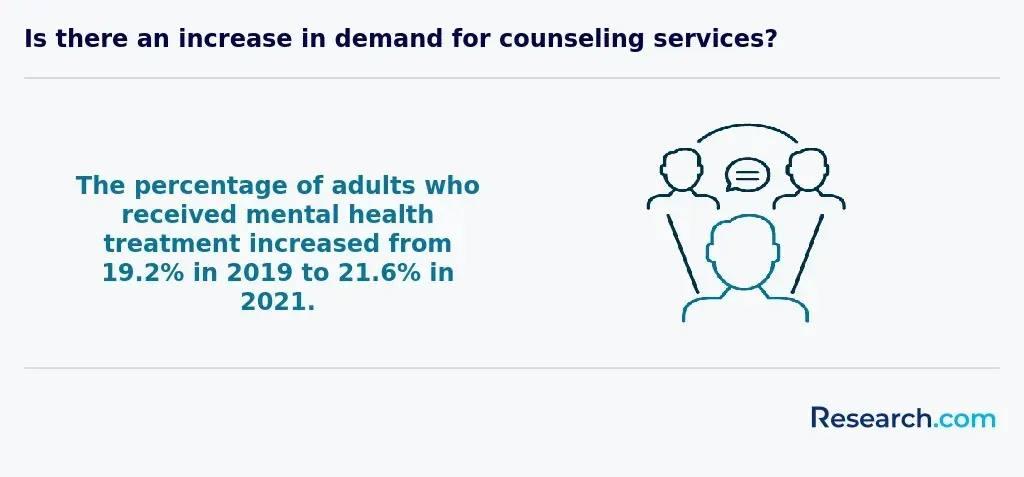
What are the steps to become a mental health counselor in Iowa?
The Iowa counseling pathway is best understood as a sequence: undergraduate preparation, graduate education, supervised experience, examination, licensure application, and continuing professional development. Each step affects the next, so students should confirm requirements early rather than waiting until graduation.
- Earn a bachelor’s degree. Most candidates begin with a four-year degree in psychology, human services, social work, sociology, education, or another behavioral science-related field. The bachelor’s degree does not usually qualify someone for independent mental health counseling practice, but it builds the academic foundation needed for graduate study.
- Choose a master’s program in counseling or a related field. Iowa licensure requires a master’s degree in counseling or a related area. When comparing programs, review coursework in counseling theories, ethics, assessment, diagnosis, group counseling, human development, multicultural counseling, and clinical skills. Students often prioritize programs aligned with the Council for Accreditation of Counseling and Related Educational Programs (CACREP) because such programs are built around recognized counseling education standards.
- Complete practicum and internship experiences. Graduate programs include supervised fieldwork where students begin working with clients under faculty and site supervision. These placements are essential for translating classroom learning into clinical skill.
- Accumulate required supervised clinical experience. Iowa candidates must complete supervised clinical practice requirements. Depending on when you began your education program, this may include 200 hours of clinical supervision and 1,000 to 3,000 hours of clinical experience.
- Pass the required examination. Candidates commonly prepare for the National Counselor Examination (NCE) or the National Clinical Mental Health Counselor Examination (NCMHCE). Before registering, verify which exam applies to your license category and application timeline.
- Apply for Iowa licensure. Submit official documentation of your degree, supervised clinical experience, examination results, and any additional materials required by the Board of Behavioral Health Professionals or the current state licensing authority.
- Maintain your license. Licensed counselors must keep up with renewal rules, continuing education, ethical standards, and any changes in state law or board requirements.
If you are comparing counseling with psychology careers, review the broader training differences in Research.com’s guide on how to be a counseling psychologist.
| Stage | Decision to make | Why it matters |
| Before graduate school | Which master’s program best aligns with Iowa licensure? | A mismatched curriculum can delay eligibility for supervised practice or licensure. |
| During graduate school | Which practicum sites fit your preferred population? | Early experience can shape your first job options and specialization. |
| After graduation | Who will provide approved supervision? | Supervision quality affects clinical development and licensure readiness. |
| Before applying | Which exam is required for your licensure path? | Studying for the wrong exam wastes time and money. |
How should Iowa students prepare for a counseling career?
Students who want to become mental health counselors in Iowa should prepare in three areas: academic readiness, clinical exposure, and professional networking. The strongest candidates do more than complete required courses; they intentionally build experience with the populations and settings where they may later work.
- Compare programs before applying. Review admission requirements, field placement support, faculty expertise, graduate outcomes, and whether the program’s curriculum supports Iowa licensure. The University of Iowa and Drake University are examples of Iowa institutions associated with counseling or psychology-related education, but students should always confirm current program offerings and licensure alignment directly with each school.
- Choose coursework that strengthens clinical judgment. Valuable areas include ethics, diagnosis, trauma, crisis intervention, multicultural counseling, group counseling, addictions, family systems, and assessment.
- Seek early helping experience. Volunteer work, peer support roles, behavioral health internships, human services employment, and crisis hotline training can help students decide whether counseling work fits their temperament.
- Join professional communities. Organizations such as the Iowa Mental Health Counselors Association (IMHCA) and the American Counseling Association (ACA) can help students learn about advocacy, continuing education, supervision, and professional identity.
- Plan your timeline realistically. Students trying to enter the field quickly should still avoid shortcuts that create licensure problems later. For comparison, Research.com explains the shortest time to become a counselor and the factors that affect completion speed.
Questions to ask before choosing a counseling master’s program
| Question | Why you should ask it |
| Does the curriculum meet Iowa licensure expectations? | Licensure eligibility matters more than a program’s marketing language. |
| How are practicum and internship placements arranged? | Strong placement support can reduce delays and improve training quality. |
| Who supervises students during clinical training? | Experienced supervision helps students build safe, ethical, and effective counseling skills. |
| Can online students complete Iowa-based fieldwork? | Online programs may still require in-person clinical placements in approved settings. |
| What are the total costs beyond tuition? | Fees, books, travel to field sites, exam costs, and supervision expenses can affect affordability. |
Why does practicum experience matter for Iowa counseling candidates?
Practicum and internship experiences are where counseling students begin learning how clinical work actually feels. Reading about counseling theory is not the same as sitting with a distressed client, conducting an intake, responding to risk concerns, or documenting treatment goals under supervision. Iowa’s pathway recognizes that skill development requires direct practice.
Iowa requires a minimum of 200 hours of clinical supervision and 1,000 to 3,000 hours of clinical experience, depending on when you started your education program. Those hours help ensure that candidates have repeated exposure to client care before practicing independently.
- Clinical skill development: Students learn how to conduct assessments, build rapport, set treatment goals, and apply counseling techniques safely.
- Professional identity: Fieldwork helps students understand whether they prefer community mental health, private practice, school-based services, hospitals, addiction treatment, or another setting.
- Local insight: Working with Iowa clients helps future counselors understand rural access barriers, referral networks, family systems, insurance limitations, and community-specific needs.
- Employment connections: Practicum and internship sites can lead to references, job interviews, and post-graduate supervised positions.
| Practicum goal | What students should look for |
| Broader client exposure | A placement serving varied ages, diagnoses, cultures, or presenting concerns. |
| Strong supervision | Regular feedback, case consultation, ethical guidance, and opportunities to observe experienced clinicians. |
| Licensure relevance | Experience that counts toward program and state requirements. |
| Career alignment | A site connected to the population or specialization the student may pursue after graduation. |
Practicum can also reveal the emotional demands of counseling. Students should use supervision to discuss countertransference, boundaries, burnout risk, crisis response, and self-care habits.
Which mental health counseling specializations are available in Iowa?
Specialization helps counselors focus their training and become more effective with specific client needs. In Iowa, counselors may build expertise in addiction, behavioral disorders, trauma, family systems, school-linked services, older adult counseling, crisis care, or integrated behavioral health. Your specialization should match both community demand and the kind of clinical work you can sustain over time.
| Specialization | Typical clients or concerns | Good fit for counselors who... |
| Substance abuse counseling | Clients affected by alcohol, drug use, relapse risk, recovery, or co-occurring disorders. | Want to work in treatment centers, community programs, rehabilitation settings, or integrated care. |
| Behavioral disorder counseling | Clients managing ADHD, conduct concerns, oppositional behavior, or emotional regulation problems. | Enjoy structured interventions, family collaboration, and work with children or adolescents. |
| Clinical mental health counseling | Individuals with anxiety, depression, trauma, grief, stress, or relationship concerns. | Prefer broad therapy practice across adult, youth, group, or community settings. |
| Marriage and family counseling | Couples and families navigating communication problems, conflict, transitions, or relational distress. | Are interested in systems-based treatment and relational dynamics. |
| School-connected mental health | Students facing emotional, social, behavioral, or developmental concerns. | Want to collaborate with educators and families while supporting early intervention. |
| Geriatric counseling | Older adults experiencing grief, isolation, health changes, caregiving stress, or life transitions. | Are drawn to aging-related mental health and family support work. |
Titles such as Licensed Mental Health Counselor (LMHC) and Licensed Clinical Mental Health Counselor (LCMHC) can vary by state and regulatory context. Iowa candidates should verify the exact license title, scope, and requirements with the state board before selecting coursework or a specialization.
If you are comparing licensure pathways across states, Research.com also provides a guide to the steps to become an LPC in Kansas.
The chart below shows behavioral health professions projected to experience shortages in the US by 2036, based on 2024 data from the Health Resources and Services Administration (HRSA).
Which resources can help aspiring counselors in Iowa?
Aspiring counselors should rely on official licensing information, professional associations, university advising, and supervised clinical mentors. Because licensing rules can change, the safest approach is to confirm requirements directly with the state licensing authority and keep copies of program syllabi, supervision records, exam results, and application materials.
- State licensing authority: Iowa’s mental and behavioral health licensure resources explain application procedures, license categories, and regulatory expectations. For a step-by-step overview, Research.com’s guide on how to become a therapist in Iowa can help candidates understand the pathway.
- Professional organizations: The Iowa Mental Health Counselors Association (IMHCA) and the American Counseling Association (ACA) offer advocacy updates, networking, professional development, and identity-building resources.
- Graduate program advisors: Advisors can help students select courses, prepare for practicum, understand program requirements, and avoid licensure delays.
- Clinical supervisors: Strong supervisors help new counselors develop ethical judgment, documentation habits, risk assessment skills, and treatment planning confidence.
- Career services offices: Colleges and universities may provide résumé support, interview coaching, job postings, and connections to fieldwork sites.
Is Iowa a strong state for mental health counseling careers?
Iowa can be a practical state for mental health counseling careers, especially for professionals who want to serve communities with documented workforce shortages. However, the decision should be based on more than demand. Candidates should weigh pay, cost of living, licensure mobility, access to supervision, preferred setting, and tolerance for rural or high-need practice environments.
| Factor | What the data or policy indicates | Decision point for candidates |
| Pay | Substance abuse, behavioral disorder, and mental health counselors in Iowa earned a median hourly wage of $28.36 in May 2023 (US BLS, 2024), equal to an estimated $54,451.2 annually. | Compare likely earnings with student debt, supervision costs, and desired practice setting. |
| Cost of living | A single adult with no children in Iowa can live comfortably with a gross annual income of $41,678 (Glasmeier & Massachusetts Institute of Technology, 2024). | The median wage may support basic living expenses for some single adults, but personal finances vary. |
| License mobility | Iowa allows eligible out-of-state licensed counselors to pursue licensure in the Hawkeye State by endorsement. | Licensed counselors moving to Iowa should compare endorsement rules before relocating. |
| Interstate practice | Iowa participates in the Interstate Counseling Compact. | This may benefit counselors who want practice flexibility across participating states. |
| Public awareness | State-supported initiatives such as Your Life Iowa reflect ongoing attention to behavioral health access and awareness. | Counselors interested in public health and community-based services may find meaningful opportunities. |
Iowa is likely a better fit for counselors who value community impact, are comfortable with varied caseloads, and want to work in areas where access to services remains a significant concern. It may be less ideal for candidates seeking only the highest-paying private-practice markets or highly specialized urban clinical settings.
How strong is demand for mental health counselors in Iowa?
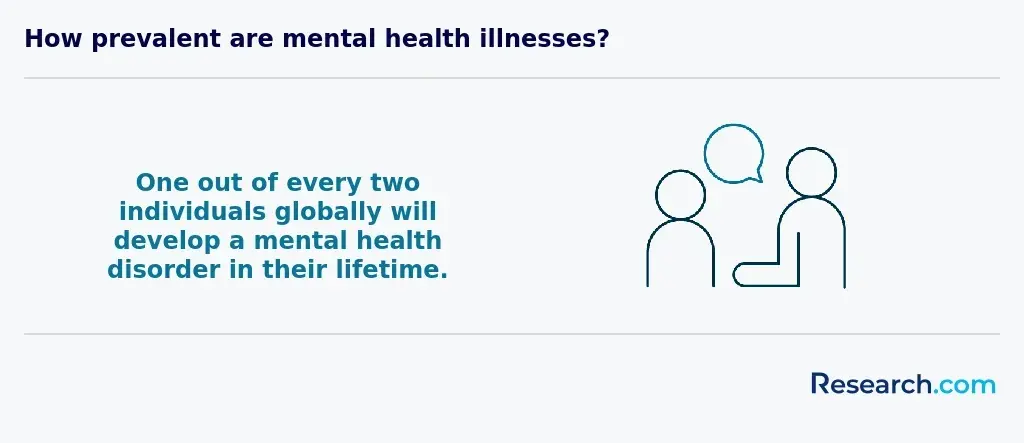
National demand is strong: employment for substance abuse, behavioral disorder, and mental health counselors is projected to grow by 18% between 2022 and 2032 (US BLS, 2024). Iowa’s need is also evident in its workforce shortage data, with only 13.1% of the need for mental health professionals met as of April 1, 2024 (Bureau of Health Workforce, 2024).
Demand does not guarantee a specific job, salary, or schedule. It does mean that qualified counselors may find opportunities across several employment settings, especially if they are willing to serve high-need populations or work in community-based care.
- Hospitals and health systems: Facilities such as the University of Iowa Hospitals and Clinics may employ counselors to support patients with behavioral health concerns.
- Community mental health centers: These agencies often serve clients with complex needs and may offer post-graduate supervised roles.
- Private practices: Counselors may provide individual, family, group, or specialized therapy services, sometimes after building experience in agency settings.
- Nonprofit organizations: Groups such as the National Alliance on Mental Illness (NAMI) Iowa may require mental health expertise for education, support, and service programs.
- Schools and youth-serving agencies: Student mental health concerns have increased the need for professionals who can support youth and families.
Candidates researching other state requirements can compare Iowa’s pathway with Research.com’s guide to North Carolina LPC qualifications.
How can advanced education support career growth for Iowa counselors?
Advanced education can help Iowa counselors move into specialized practice, supervision, leadership, teaching, program development, or niche clinical work. It can also help practicing counselors respond to clients with more complex needs, such as trauma, addiction, couples conflict, chronic illness, grief, or co-occurring disorders.
For counselors interested in relational and systems-based work, programs such as masters in marriage and family therapy online may offer training in family systems, couples therapy, relational assessment, and evidence-based interventions. Before enrolling, counselors should confirm whether a program supports their intended license, career goal, and state requirements.
What are Iowa’s marriage counseling education and certification expectations?
Marriage and family counseling in Iowa requires careful attention to graduate coursework, supervised clinical experience, and applicable licensing rules. Students interested in this direction should look for training that includes family systems theory, couples assessment, crisis intervention, ethics, multicultural counseling, and supervised work with couples or families.
Because marriage and family therapy may involve a distinct licensing route, candidates should review Research.com’s guide to marriage counselor education requirements in Iowa before assuming that a general counseling degree will meet every requirement.
How can counselors add marriage counseling skills to their Iowa practice?
Mental health counselors who want to work with couples or families need more than general therapy skills. Relational work requires the ability to assess interaction patterns, manage conflict in the room, maintain neutrality, protect confidentiality, and recognize when individual safety concerns—such as abuse, coercion, or severe instability—must change the treatment plan.
Practical ways to build competence include supervised couples work, continuing education in evidence-based marriage counseling models, consultation with experienced family therapists, and training in ethical documentation for relational cases. Counselors considering this path can review Research.com’s overview of the requirements to become a marriage counselor.
How do Iowa policies affect counseling careers?
State rules shape who can practice, what license title they may use, how supervision must be documented, when licenses must be renewed, and which continuing education requirements apply. Policy also affects access to care through funding, insurance rules, telehealth permissions, and workforce initiatives.
For counselors, this means career planning should include regulatory monitoring. A change in supervision rules, exam requirements, compact participation, or continuing education standards can affect both new applicants and licensed professionals. Students interested in adjacent education and mental health roles can compare pathways through Research.com’s guide, How long does it take to become a school psychologist in Iowa?
Which specializations help counselors meet Iowa community needs?
Iowa communities need counselors who can respond to different populations and barriers to care. Specializations in substance abuse, trauma, relationship counseling, rural mental health, youth counseling, and integrated care can help professionals serve clients more effectively.
Marriage and family therapy is one option for counselors interested in relational distress, parenting conflict, separation, blended families, grief, and communication breakdowns. Research.com explains how to become a marriage and family therapist in Iowa for readers comparing that route with mental health counseling.
Why does institutional accreditation matter in Iowa counseling education?
Accreditation helps students evaluate whether a college or program follows recognized academic and quality standards. For counseling students, the more important question is whether the specific graduate program prepares them for the license they want. Institutional accreditation, program accreditation, faculty qualifications, clinical placement quality, and licensure alignment all matter.
Students researching Iowa schools may also want to compare broader psychology and behavioral science options through Research.com’s guide to the best psychology schools in Iowa.
Which trends are changing mental health counseling in Iowa?
Mental health counseling in Iowa is being shaped by several practical trends. Telehealth has expanded access for clients who face transportation, mobility, scheduling, or rural service barriers. Integrated care models are bringing behavioral health professionals into primary care and community health settings. The Interstate Counseling Compact may create more mobility for eligible licensed counselors in participating states. At the same time, workforce shortages continue to place pressure on agencies, supervisors, and clinicians.
Technology is also changing expectations. Counselors may use secure telehealth platforms, digital intake systems, outcome measures, and electronic health records. However, technology does not replace clinical judgment, informed consent, privacy safeguards, crisis planning, or ethical documentation. Students who want the most efficient route into the field should still make sure speed does not compromise licensure readiness; Research.com outlines the quickest path to becoming a counselor in Iowa.
Can school counseling techniques expand a counselor’s practice?
Mental health counselors who work with children, adolescents, and families can benefit from understanding school counseling strategies. These may include developmental assessment, collaboration with teachers, family communication, prevention programming, referral coordination, and early intervention.
However, school counseling and mental health counseling are not always the same license or role. A counselor who wants to work inside schools should confirm credential requirements, employment expectations, and scope of practice. Research.com’s guide on how to become a school counselor in Iowa can help readers compare pathways.
What licensure steps are essential for Iowa counselors?
The most important licensure steps are completing an appropriate graduate degree, documenting supervised clinical experience, passing the required exam, submitting a complete application, and maintaining compliance after licensure. Many delays happen because candidates assume a program, supervisor, or exam will qualify without verifying the rules first.
Before committing to a program or supervisor, candidates should review current state requirements and compare them with Research.com’s guide to LPC license requirements in Iowa.
What jobs can mental health counseling graduates pursue in Iowa?
A master’s degree in clinical mental health counseling can lead to several counseling and behavioral health roles in Iowa, depending on licensure status, specialization, supervision, and employer requirements. Some positions require full independent licensure, while others may be available to graduates completing supervised experience.
| Career option | Typical work | Common settings |
| Mental health counselor | Provides therapy, assessment, treatment planning, and support for clients with emotional or psychological concerns. | Community agencies, private practices, clinics, hospitals, telehealth practices. |
| Substance abuse counselor | Supports clients in recovery, relapse prevention, treatment engagement, and co-occurring mental health care. | Rehabilitation centers, outpatient programs, nonprofits, correctional or community settings. |
| School counselor or school-based mental health professional | Helps students manage academic, emotional, social, and developmental challenges. | K-12 schools, youth agencies, school-linked behavioral health programs. |
| Geriatric counselor | Works with older adults and families on grief, isolation, life transitions, caregiving, and aging-related concerns. | Clinics, senior services, long-term care settings, private practice. |
| Employee Assistance Program counselor | Provides short-term counseling, referrals, crisis support, and workplace mental health resources. | Employers, EAP vendors, telehealth providers, organizational wellness programs. |
Graduates should evaluate first jobs carefully. A role that offers strong supervision, manageable onboarding, diverse clinical experience, and ethical support may be more valuable early in a career than a position with slightly higher pay but limited mentorship.
What legal and ethical duties apply to Iowa counselors?
Iowa mental health counselors must practice within legal and ethical rules that protect clients and define professional responsibility. Core duties include confidentiality, informed consent, competent care, accurate documentation, appropriate boundaries, and mandatory reporting when required. Counselors must also manage conflicts of interest, avoid harmful dual relationships, protect client records, and seek consultation when cases exceed their competence.
Ethics are not separate from daily practice. They affect how counselors advertise services, use telehealth, document risk, communicate with family members, coordinate care, respond to subpoenas, and handle client termination. Professionals interested in related helping careers can compare requirements through Research.com’s guide to social worker education requirements in Iowa.
What challenges should Iowa mental health counselors expect?
Mental health counseling can be meaningful work, but Iowa counselors should enter the field with realistic expectations. Workforce shortages, high-need clients, supervision demands, insurance limitations, administrative workload, and emotional strain can affect job satisfaction and long-term sustainability.
| Common challenge | Why it matters | Better strategy |
| Limited access to care | Only 13.1% of Iowa’s need for mental health professionals had been met as of April 1, 2024 (Bureau of Health Workforce, 2024), which can contribute to high caseloads and long waitlists. | Seek workplaces with realistic caseload expectations, crisis protocols, referral networks, and supervisor support. |
| Complex licensure rules | Education, supervision, and exam requirements can vary by license type and specialization. | Verify requirements with the state board before enrolling, changing programs, or accepting supervision. |
| Economic barriers for clients | In August 2024, Iowa ranked 36th out of all 50 US states in economic performance (American Legislative Exchange Council, 2024), and some clients may struggle to afford care. | Learn about sliding-scale services, public programs, community referrals, and insurance documentation requirements. |
| Burnout risk | Repeated exposure to trauma, crisis, grief, and complex needs can create emotional fatigue. | Build consultation, boundaries, manageable scheduling, peer support, and personal self-care into your career plan. |
| Cost of education | Graduate school can be expensive, and tuition is not the only cost. | Compare total program cost, transfer policies, assistantships, employer support, and affordable options such as those discussed in Research.com’s guide to affordable online coustudies. |
| Keeping skills current | Best practices, laws, telehealth standards, and treatment models continue to evolve. | Use continuing education, peer consultation, supervision, and professional associations to stay current. |
The chart below visualizes the well-being of health workers in the US in 2022, based on 2023 data from the Centers for Disease Control and Prevention.
What specialized training strengthens substance abuse counseling skills in Iowa?
Substance abuse counseling requires targeted training in addiction science, relapse prevention, motivational interviewing, co-occurring disorders, risk assessment, family impact, and recovery support. Counselors who want to work in addiction treatment should also understand how mental health symptoms, trauma, housing instability, legal involvement, and medical issues can complicate recovery.
Additional certification or coursework can expand job options in treatment centers, community health programs, correctional settings, hospitals, and integrated care clinics. Readers interested in this specialization can review Research.com’s guide on how to become a substance abuse counselor in Iowa.
Common mistakes to avoid when pursuing counseling licensure in Iowa
| Mistake | Why it can hurt your progress | What to do instead |
| Choosing a master’s program without checking licensure alignment | A degree that does not meet state expectations can delay or block licensure. | Ask the program and the Iowa licensing authority how the curriculum maps to requirements. |
| Focusing only on tuition | Books, fees, travel, supervision, exam costs, and unpaid fieldwork can change the real price. | Calculate total cost of attendance and expected income during training. |
| Assuming online programs are automatically acceptable | Online coursework may be fine, but clinical placement and state eligibility still matter. | Confirm field placement support and Iowa licensure preparation before enrolling. |
| Waiting too long to find a supervisor | Post-degree supervised hours can be delayed if approved supervision is unavailable. | Ask programs, employers, and professional associations about supervision options early. |
| Studying for the wrong exam | Exam requirements may differ by license type or board expectations. | Verify whether the NCE, NCMHCE, or another exam applies before registering. |
| Ignoring burnout prevention | High-need settings can be emotionally demanding for new clinicians. | Choose supportive workplaces and develop consultation, boundaries, and self-care routines. |
Practical checklist for becoming a mental health counselor in Iowa
- Review Iowa’s current mental and behavioral health licensure rules before applying to graduate school.
- Compare counseling master’s programs by licensure alignment, accreditation, field placement support, cost, and faculty expertise.
- Ask each program how practicum and internship placements are approved and supervised.
- Track all clinical hours, supervision hours, site information, and supervisor credentials carefully.
- Confirm which national exam is required for your intended license.
- Prepare a budget that includes tuition, fees, books, exam costs, supervision costs, transportation, and reduced work hours during field placements.
- Join professional organizations or peer networks to learn about supervision, jobs, legislative updates, and continuing education.
- Choose early work settings that provide mentorship, ethical support, and a manageable transition into clinical practice.
Counselor perspectives on working in Iowa
Practicing counselors often describe Iowa counseling work as community-centered, relationship-driven, and demanding. The most consistent themes are the importance of local trust, the need for flexible service delivery, and the value of collaboration with schools, health systems, nonprofits, and family support networks.
- Community connection matters. Counselors who build strong referral relationships can help clients access care beyond therapy sessions.
- Rural and underserved areas require flexibility. Counselors may need to coordinate transportation resources, telehealth options, crisis supports, and social services.
- The work is emotionally intense. Client progress can be deeply rewarding, but counselors need supervision, consultation, and boundaries to remain effective.
Related Articles for Nearby States
- 2027 How to Become a Mental Health Counselor in Minnesota
- 2027 How to Become a Mental Health Counselor in Wisconsin
- 2027 How to Become a Mental Health Counselor in Illinois
- 2027 How to Become a Mental Health Counselor in Nebraska
- 2027 How to Become a Mental Health Counselor in South Dakota
- 2027 How to Become a Mental Health Counselor in Missouri
- 2027 How to Become a Mental Health Counselor in Kansas
- 2027 How to Become a Mental Health Counselor in Indiana
- 2027 How to Become a Mental Health Counselor in North Dakota
- 2027 How to Become a Mental Health Counselor in Michigan
References:
- American Legislative Exchange Council. (2024). Iowa. Rich States, Poor States. https://www.richstatespoorstates.org/states/IA
- bon.texas.gov. (n.d.). Application Forms - Endorsement. https://www.bon.texas.gov/applications_endorsement.asp.html
- bouve.northeastern.edu. (2023, May 28). What do Mental Health Counselors Do? Role & Responsibilities. https://bouve.northeastern.edu/news/what-do-mental-health-counselors-do-role-responsibilities
- Bureau of Health Workforce. (2024). Health Workforce Shortage Areas. https://data.hrsa.gov/topics/health-workforce/shortage-areas
- The Chicago School. (2019, March 26). Careers You Can Pursue with a Master’s Degree in Clinical Mental Health Counseling. https://www.thechicagoschool.edu/insight/career-development/careers-with-masters-degree-clinical-mental-health-counseling
- counseling.education.wm.edu. (2023, October 24). The Different Types of Counseling Careers and Their Challenges. https://counseling.education.wm.edu/blog/opportunities-and-challenges-in-the-counseling-field
- dial.iowa.gov. (n.d.). Mental & Behavioral Health Licensure. https://dial.iowa.gov/licenses/medical/mental-health/mental-behavioral
- Glasmeier, A. K. & Massachusetts Institute of Technology. (2024). Living Wage Calculation for Iowa. https://livingwage.mit.edu/states/19
- Grey, S. (2024, February 21). How To Become A Mental Health Counselor: Salary, Education Requirements And Job Growth. Forbes. https://www.forbes.com/advisor/education/psychology-and-counseling/become-a-mental-health-counselor
- Kaiser Family Foundation. (2024). Mental Health in Iowa. https://www.kff.org/statedata/mental-health-and-substance-use-state-fact-sheets/iowa
- redlands.edu. (2019, April 10). Master of Arts in Clinical Mental Health Counseling. https://www.redlands.edu/study/schools-and-centers/school-of-education/academics/department-of-counseling-and-human-services/master-of-arts-in-clinical-mental-health-counseling
- socialworklicensemap.com. (2022, May 13). What Are the Requirements to Become a Mental Health Counselor? https://socialworklicensemap.com/social-work-resources/become-mental-health-counselor
- US Bureau of Labor Statistics. (2024, April 3). May 2023 State Occupational Employment and Wage Estimates: Iowa. Occupational Employment and Wage Statistics. https://www.bls.gov/oes/2023/may/oes_ia.htm
- US Bureau of Labor Statistics. (2024, April 17). Substance Abuse, Behavioral Disorder, and Mental Health Counselors. Occupational Outlook Handbook. https://www.bls.gov/ooh/community-and-social-service/substance-abuse-behavioral-disorder-and-mental-health-counselors.htm
Key Insights
- Becoming a mental health counselor in Iowa requires a master’s degree, supervised clinical experience, a licensure exam, and state approval—not just an interest in helping people.
- Iowa has a significant mental health workforce gap: only 13.1% of the state’s need for mental health professionals had been met as of April 1, 2024.
- The career outlook is strong nationally, with 18% projected employment growth for substance abuse, behavioral disorder, and mental health counselors between 2022 and 2032.
- Iowa’s May 2023 median hourly wage for substance abuse, behavioral disorder, and mental health counselors was $28.36, or an estimated $54,451.2 annually, which should be weighed against graduate school costs and personal financial goals.
- Program choice matters. Before enrolling, confirm that the curriculum, practicum structure, and supervised experience support Iowa licensure.
- Practicum and supervision are not formalities. They are where students develop clinical judgment, documentation habits, ethical decision-making, and readiness for independent work.
- Specializations such as substance abuse counseling, marriage and family work, school-connected services, trauma, and geriatric counseling can help Iowa counselors meet specific community needs.
- The best career path is the one that balances licensure eligibility, affordability, supervision quality, client population, long-term burnout prevention, and the kind of impact you want to make.
Other Things You Should Know about Mental Health Counseling in Iowa
In 2027, to become a licensed mental health counselor in Iowa, candidates must hold a master's degree in counseling or a related field, complete at least 3,000 hours of supervised clinical experience, and pass the National Counselor Examination (NCE) or an equivalent exam.
To apply for a mental health counselor license in Iowa in 2027, submit your application through the Iowa Board of Behavioral Science website. Ensure you provide proof of meeting educational and supervision requirements, passing the NCMHCE, and paying the application fee.
To become a mental health counselor in Iowa in 2027, you must earn a master's degree in counseling or a related field from an accredited institution. This education must include coursework in areas such as human growth and development, helping relationships, group work, and assessment techniques.


