2027 How to Become a Licensed Therapist (LPC) in Kansas City, MO: Counselor License Requirements

Co-Founder and Chief Data Scientist
Becoming a Licensed Professional Counselor (LPC) in Kansas City is not just a matter of earning a counseling degree. Missouri requires the right graduate coursework, documented practicum and internship experience, supervised post-degree clinical hours, an approved exam, background screening, and a complete application file. Missing one requirement can slow down approval or force you to correct training gaps after graduation.
This guide is designed for counseling students, recent graduates, career changers, and supervised counseling interns who want a practical roadmap to LPC licensure in Kansas City. It explains the education requirements, supervision rules, application steps, local school options, salary expectations, common employers, specialization paths, and mistakes to avoid before investing time and money in the profession.
Quick Answer: How do you become an LPC in Kansas City?
To become an LPC in Kansas City under Missouri requirements, you generally need a master’s or doctoral degree in counseling, counseling psychology, or a closely related field from a regionally accredited institution; at least 700 hours of supervised practicum and internship experience; 3,000 hours of supervised counseling experience over a minimum of two years, including 1,200 direct client-contact hours; a passing score on the National Counselor Examination (NCE) or another approved exam; official transcripts and supervision documentation; a criminal background check; fingerprints; and payment of required fees.
| Requirement | What it means for aspiring LPCs in Kansas City |
| Graduate education | Complete a master’s or doctoral degree in counseling, counseling psychology, or a closely related field from a regionally accredited institution. |
| Clinical training during school | Finish at least 700 hours of supervised practicum and internship experience tied to counseling preparation. |
| Post-degree supervised experience | Accumulate 3,000 supervised counseling hours over a minimum of two years, including 1,200 direct client-contact hours. |
| Licensing exam | Pass the National Counselor Examination (NCE) or another licensing exam accepted by Missouri. |
| Application file | Submit transcripts, exam results, supervision records, fingerprints, a criminal background check, and required fees. |
| Salary range | LPCs in Kansas City are reported to earn between $57,000 and $98,438 annually, depending on experience, setting, specialization, and employer. |
Key Things to Know Before Starting the LPC Path in Kansas City
- The most important decision is choosing a graduate program that matches Missouri’s LPC coursework and clinical training expectations. A degree alone is not enough if required counseling topics or supervised training hours are missing.
- Kansas City counseling salaries vary widely. The reported range of $57,000 to $98,438 reflects differences in experience level, clinical setting, caseload, specialty area, and whether the counselor works in an agency, hospital, school-based program, nonprofit, or private practice.
- The supervision phase is a major part of the timeline. Candidates must document 3,000 supervised hours, including 1,200 direct client-contact hours, before applying for full LPC licensure.
- Kansas City sits near the Missouri-Kansas border, so counselors who plan to serve clients in both states should confirm the rules for each state rather than assuming one license automatically covers both jurisdictions.
- What education do you need to become an LPC in Kansas City?
- How do you apply for LPC licensure in Kansas City?
- Which Kansas City schools offer LPC-aligned counseling programs?
- Where can counseling students complete practicum or internship training in Kansas City?
- How much do LPCs earn in Kansas City?
- What supervised experience is required for LPC licensure?
- Is Kansas City a strong market for LPCs?
- Can LPCs add marriage and family therapy services?
- How do LPCs maintain their license?
- How should LPCs handle insurance and billing?
- Can behavior analysis credentials help LPCs advance?
- How competitive is the Kansas City LPC job market?
- What professional associations support Kansas City counselors?
- Which employers hire LPCs in Kansas City?
- Can LPCs specialize in substance abuse counseling?
- Can an LPC associate practice independently in Kansas City?
- What degrees usually qualify for LPC preparation?
- Are accelerated LPC programs available in Kansas City?
- Are telehealth counseling roles available for LPCs?
- What do Kansas City LPCs say about their careers?
- How should you compare LPC employers?
- What are the key insights for future LPCs?
- References and sources
What are the educational requirements to become an LPC in Kansas City?
Missouri expects LPC candidates to complete graduate-level counseling education that prepares them for clinical mental health practice, ethical decision-making, assessment, diagnosis-related work, and supervised client care. The safest approach is to evaluate a program before enrolling, not after graduation.
To meet the education foundation for LPC licensure, candidates should be prepared to:
- Earn a master’s or doctoral degree in counseling, counseling psychology, or a closely related field from a regionally accredited institution.
- Complete coursework that addresses required areas such as human development, ethical practice, assessment, and counseling theory.
- Finish at least 700 hours of supervised practicum and internship experience before moving into the post-degree supervised practice stage.
| Program feature to check | Why it matters for LPC licensure | Question to ask before enrolling |
| Regional accreditation | Missouri requires a degree from a regionally accredited institution. | Is the institution regionally accredited, and where can I verify that status? |
| Counseling-focused curriculum | Licensure preparation depends on specific counseling coursework, not just a related graduate degree title. | Does the curriculum cover human development, ethics, assessment, counseling theory, and other board-expected subjects? |
| Practicum and internship structure | The program must support at least 700 hours of supervised practicum and internship experience. | How are practicum and internship placements arranged, approved, supervised, and documented? |
| Licensure advising | Students need help aligning coursework, fieldwork, and documentation with Missouri requirements. | Who reviews my plan of study for LPC eligibility before I begin clinical placement? |
| State-border considerations | Kansas City-area students may later want to work in Missouri, Kansas, or both. | Does this program advise students on Missouri and Kansas counseling licensure differences? |
How do you apply for licensure as a counselor in Kansas City?
LPC licensure in Kansas City is handled through Missouri’s counseling licensure process, overseen by the Missouri Division of Professional Registration. The application is document-heavy, so candidates should track transcripts, supervision logs, direct client-contact hours, exam results, and background screening materials throughout the process.
A practical LPC application sequence looks like this:
- Complete 3,000 hours of supervised counseling experience over a minimum of two years, making sure at least 1,200 hours involve direct client contact.
- Pass the National Counselor Examination (NCE) or another licensing exam approved for the LPC pathway.
- Prepare and submit the LPC application to the Missouri Division of Professional Registration with official transcripts, supervision verification, and exam documentation.
- Complete the required criminal background check and fingerprint submission.
- Pay the application and background-check fees required during the licensure process.
Counseling can be financially and personally rewarding, but pay varies by role and setting. If income potential is part of your decision, compare Kansas City expectations with broader counseling salary information, including Research.com’s guide to highest paid counselors.
| Licensure step | What to document | Common mistake to avoid |
| Graduate degree | Official transcripts and proof of qualifying coursework | Assuming any psychology or helping-profession degree automatically satisfies LPC requirements |
| Practicum and internship | Supervised clinical training records showing at least 700 hours | Failing to confirm whether field placement hours meet board expectations |
| Supervised post-degree work | Supervisor approvals, hour logs, and direct client-contact totals | Counting hours that were not properly supervised or documented |
| Exam | NCE or approved exam results | Waiting too long to schedule the exam and delaying the final application |
| Application submission | Completed forms, fingerprints, background check, fees, and supporting records | Submitting an incomplete file and triggering avoidable processing delays |
Which schools in Kansas City offer programs for aspiring LPCs?
Kansas City has several graduate counseling options that may help students prepare for LPC licensure, but applicants should compare each program’s accreditation, curriculum, field placement support, and state licensure alignment before enrolling. A strong program should not only teach counseling theory; it should also help students build the supervised clinical experience and documentation needed for licensure.
- University of Missouri-Kansas City (UMKC): UMKC offers a Master of Arts in Counseling Psychology with a clinical mental health counseling focus. The program is described as CACREP-accredited, which can be helpful for students who want a curriculum reviewed against national counseling education standards.
- Rockhurst University: Rockhurst offers a Master of Arts in Counseling with preparation in individual counseling, group counseling, ethics, and multicultural practice. It is also described as CACREP-accredited and may appeal to students who want preparation relevant to Missouri and nearby states.
- Avila University: Avila offers a master’s degree in Counseling designed around LPC preparation. Although it is described as not CACREP-accredited, the program includes counseling coursework and supervised clinical experiences intended to support licensure readiness.
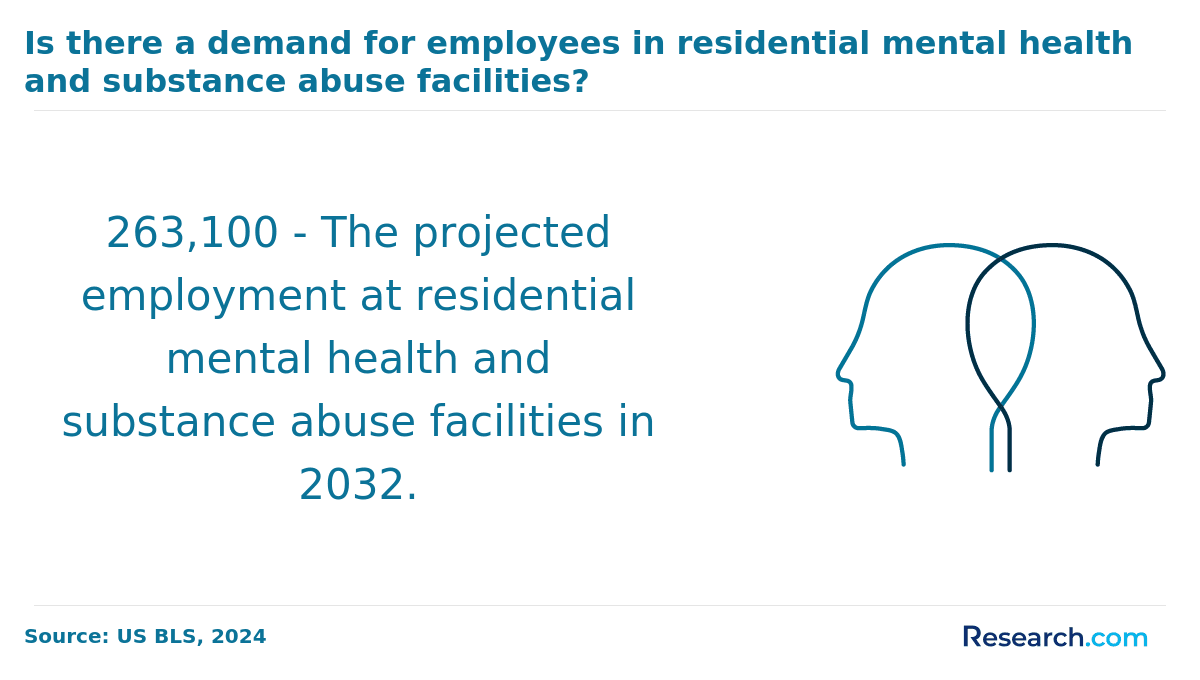
If you are comparing counseling specialties, it can also help to review the job outlook for substance abuse counselors and consider whether addiction treatment, school-based services, trauma work, family services, or general mental health counseling best matches your goals.
| School | Program noted | Accreditation or licensure-related note | Best fit for students who want... |
| University of Missouri-Kansas City (UMKC) | Master of Arts in Counseling Psychology | Clinical mental health counseling focus; described as CACREP-accredited | A university-based counseling psychology program with clinical mental health preparation |
| Rockhurst University | Master of Arts in Counseling | Described as CACREP-accredited with emphasis on counseling techniques, ethics, and multicultural competencies | A counseling program with individual, group, ethical, and multicultural training components |
| Avila University | Master’s degree in Counseling | Aligned with LPC preparation; described as not CACREP-accredited | A counseling curriculum with supervised clinical experience and licensure-oriented coursework |
Are there internship or practicum opportunities for counseling students in Kansas City?
Yes. Counseling students in Kansas City can typically complete practicum and internship training in settings such as community mental health organizations, hospitals, schools, nonprofit agencies, and child or family service providers. These experiences matter because they help students apply counseling skills under supervision before entering the post-degree licensure phase.
- Kansas City Community Mental Health Center: Interns may gain exposure to intake, therapy sessions, treatment planning, and work with clients presenting a range of behavioral health needs.
- Cross-Lines Community Outreach: Student placements may emphasize work with underserved communities, crisis support, case management, and educational programming shaped by socioeconomic and cultural factors.
- Children’s Therapeutic Services of Greater Kansas City: Internship experiences may focus on children and families, including developmental concerns, trauma-informed support, behavioral issues, and collaboration with other care providers.
| Placement setting | Experience students may build | Why it can help future LPCs |
| Community mental health center | Intake, treatment planning, counseling sessions, and documentation | Builds broad clinical exposure and familiarity with high-need populations |
| Community outreach or nonprofit agency | Crisis support, case coordination, psychoeducation, and resource referrals | Strengthens cultural responsiveness and practical client advocacy skills |
| Child and family services provider | Family counseling support, developmental assessment exposure, and multidisciplinary teamwork | Prepares students interested in youth, trauma, family systems, and behavioral concerns |
| Hospital or behavioral health program | Risk assessment exposure, stabilization support, discharge planning, and team-based care | Helps students understand complex cases and coordinated clinical service delivery |
How much do LPCs make in Kansas City?
LPCs in Kansas City are reported to earn between $57,000 and $98,438 annually. The lower end is more typical of newer clinicians or roles with less specialization, while the higher end may reflect stronger experience, advanced clinical focus, leadership responsibilities, private practice development, or employment in higher-paying healthcare settings.
Salary should be viewed as a range, not a promise. Your actual earnings will depend on licensure status, years of experience, caseload type, employer, benefits, reimbursement structure, specialization, and whether you work in agency care, hospital-based behavioral health, school-linked services, nonprofit practice, or private practice.
| Factor | How it can affect LPC pay in Kansas City |
| Experience level | Entry-level LPCs usually start closer to the lower end of the reported range, while seasoned clinicians may move upward. |
| Employer type | Hospitals, community agencies, outpatient clinics, schools, nonprofits, and private practices may compensate counselors differently. |
| Specialization | Additional focus areas such as substance abuse counseling, trauma, family therapy, or behavioral analysis may expand role options. |
| Licensure stage | Fully licensed LPCs generally have more employment flexibility than candidates still completing supervised hours. |
| Administrative burden | Private practice income may be affected by insurance credentialing, billing, documentation, and reimbursement timing. |
If you are still choosing a graduate program, compare the potential cost of education with likely career outcomes. Research.com’s guide to the best rated online masters in mental health counseling degree program can help you evaluate online options if flexibility is important.
What are the supervision requirements for LPCs in Kansas City?
Missouri requires LPC candidates to complete at least 3,000 hours of supervised clinical experience, typically over a minimum of two years, before full licensure. Of those hours, at least 1,200 must involve direct client contact. This is often the phase where candidates lose time because hours were not tracked correctly, the supervisor was not properly approved, or the work setting did not meet expectations.
Key Supervision Requirements
Supervision is not just administrative oversight. It is the structured clinical training period where candidates receive feedback, review cases, develop ethical judgment, strengthen documentation skills, and learn how to manage real client needs responsibly.
- Appropriate clinical setting: Hours should be completed in professional behavioral health environments such as hospitals, private practices, agencies, or other recognized mental health settings.
- Qualified supervision: The supervisor must hold appropriate licensure and credentials recognized by the Missouri Board of Professional Counselors.
- Ongoing clinical review: Effective supervision may include case discussion, documentation review, direct observation, ethical consultation, treatment planning feedback, and skill development.
| Supervision issue | What to confirm early | Risk if ignored |
| Supervisor eligibility | Verify that your supervisor meets Missouri’s requirements before counting hours. | You may be unable to use some or all supervised hours toward licensure. |
| Direct client-contact hours | Track the 1,200 direct client-contact hours separately from other supervised activities. | You may finish total hours but still fall short of the direct-service requirement. |
| Hour documentation | Keep organized logs and supervisor confirmations throughout the process. | Reconstructing records later can delay application approval. |
| Clinical setting | Confirm that your role and workplace align with accepted counseling experience. | Some work may not count if it does not meet supervised counseling criteria. |
Is Kansas City a good place to work as an LPC?
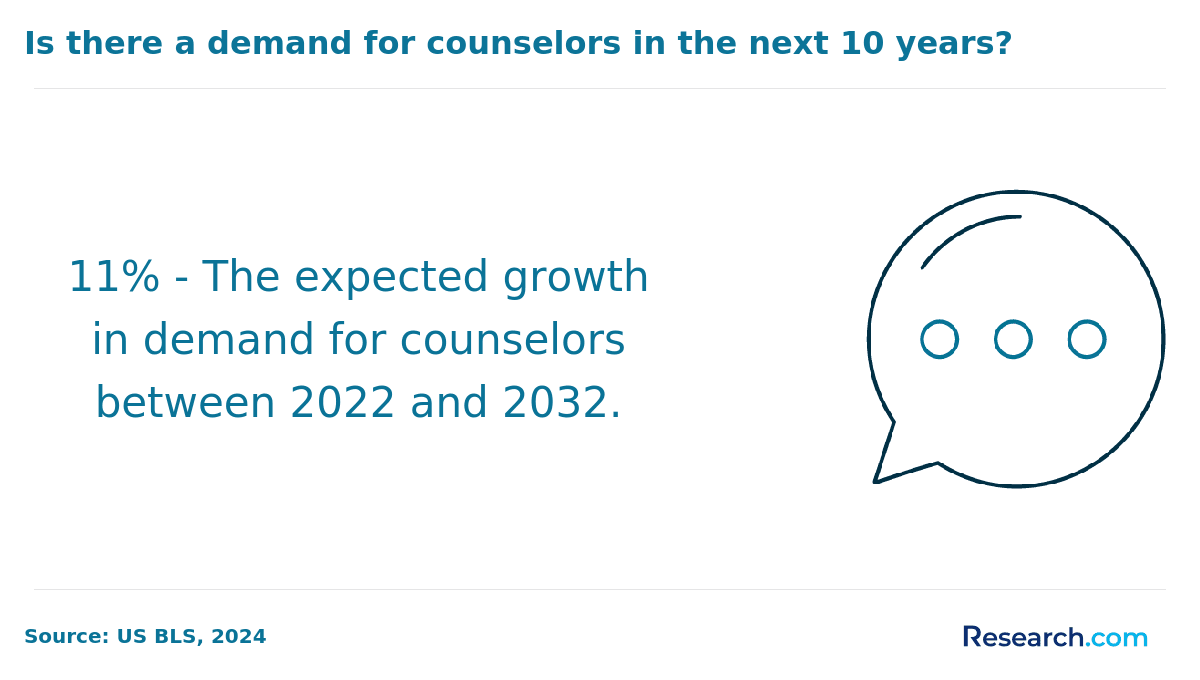
Kansas City can be a solid market for LPCs who want access to hospitals, behavioral health agencies, school-linked counseling, nonprofit services, and outpatient therapy roles. The city also presents real challenges, especially for counselors working with underserved populations or building private practices that depend on insurance reimbursement.
- Rising demand for mental health care: Greater public awareness of mental health needs continues to support demand for qualified counselors, especially in communities with limited access to care.
- Ongoing access gaps: Economic inequality can affect whether clients are able to afford services, maintain treatment, or find providers who accept their coverage.
- Insurance and reimbursement complexity: Counselors in private or group practice may need strong billing systems, documentation practices, and payer knowledge to avoid cash-flow problems.
- Supportive but competitive field: More counselors are entering the workforce, but professional networks, agencies, and community organizations can help clinicians build referrals and career momentum.
| Reason Kansas City may fit | Reason to be cautious |
| Multiple counseling settings, including healthcare, schools, nonprofits, and outpatient care | Some neighborhoods and client groups face barriers to consistent mental health access |
| Professional associations and community networks can support referrals and training | New clinicians still need supervision, documentation discipline, and licensure planning |
| Reported annual LPC salaries range from $57,000 to $98,438 | Individual earnings can vary significantly by role, employer, specialization, and payer mix |
| Opportunities exist for specialization in areas such as substance abuse, family work, and behavioral analysis | Additional training may require extra time, cost, supervision, or credential review |
Can LPCs Expand Their Practice to Include Marriage and Family Therapy in Kansas City?
Yes, LPCs may broaden their clinical skill set by adding training related to couples, families, and relational systems. This can be valuable for counselors who often see clients dealing with communication problems, parenting stress, divorce, blended-family issues, or relationship conflict. However, LPCs should not assume that general counseling licensure automatically grants every marriage and family therapy credential or title.
Before marketing marriage and family therapy services, confirm what additional education, supervision, certification, or licensure expectations apply in Missouri. For a deeper look at this path, review Research.com’s guide on how to become a marriage and family therapist in Kansas City.
What are the requirements for maintaining LPC credentials in Kansas City?
Getting licensed is not the final step. LPCs must keep their credentials active by following Missouri’s renewal rules, completing required continuing education, maintaining ethical practice standards, and staying current with clinical, legal, and documentation expectations. Continuing education commonly includes topics such as ethics, legal responsibilities, emerging treatment practices, and professional development.
License maintenance also requires practical organization. Keep proof of continuing education, renewal confirmations, supervision-related records when applicable, and practice documentation in a secure and accessible system. If you are considering a career shift into education or a second credential area, Research.com’s guide to the cheapest way to become a teacher in Kansas City may help you compare options outside counseling.
How can LPCs effectively navigate insurance and billing challenges in Kansas City?
Insurance and billing can determine whether a counseling practice is financially sustainable. LPCs who work in private practice or group practice need clear procedures for verifying benefits, documenting sessions, submitting claims, responding to denials, and tracking payments. Clinical skill is essential, but poor billing systems can still create major stress.
Useful safeguards include standardized intake paperwork, consistent progress notes, reliable scheduling and billing software, careful payer contract review, and consultation with experienced practice owners or billing professionals. Counselors who want a broader understanding of the local mental health career path can also read Research.com’s guide on how to become a mental health counselor in Kansas City.
| Billing challenge | Practical response |
| Claim denials | Use complete documentation, accurate client information, and timely claim review. |
| Delayed reimbursement | Track submitted claims and follow up regularly instead of waiting passively. |
| Client confusion about coverage | Explain fees, insurance limits, and payment expectations before treatment begins. |
| Administrative overload | Use systems or outside support so billing tasks do not crowd out clinical care. |
How can LPCs leverage behavioral analysis credentials for career advancement in Kansas City?
Behavior analysis training may help LPCs work with clients who have behavioral, developmental, or learning-related needs, especially in multidisciplinary settings. It can also strengthen assessment, intervention planning, data-informed treatment, and collaboration with families or care teams.
This path is most useful for counselors who want to expand beyond traditional talk therapy into structured behavioral intervention work. Before investing in training, compare the credential requirements, supervision expectations, and role fit. Research.com’s guide to BCBA certification requirements in Kansas City explains this pathway in more detail.
How competitive is the job market for LPCs in Kansas City?
The LPC job market in Kansas City is generally favorable for candidates who are fully licensed, clinically prepared, and open to multiple work settings. Licensure itself creates a barrier to entry, which can reduce competition compared with unlicensed counseling-adjacent roles. At the same time, desirable positions may still be competitive, especially in preferred specialties, flexible schedules, or private practice environments.
Several conditions support LPC employment in the area:
- Licensure requirements limit the pool of fully qualified applicants compared with broader helping-profession roles.
- Healthcare providers, schools, outpatient clinics, community agencies, and nonprofit organizations all need behavioral health professionals.
- New LPCs may find a more accessible employment environment than in some larger metropolitan markets, although the total number of openings may be smaller than in cities such as Chicago or Denver.
If you are still at the education-planning stage, comparing counselling courses can help you identify programs that fit your timeline, academic background, and licensure goals.
| Candidate profile | Likely market position | How to improve competitiveness |
| Graduate student | Still building clinical exposure and professional references | Choose strong practicum placements and document hours carefully. |
| Post-degree supervisee | Eligible for supervised roles but not yet fully independent | Find a qualified supervisor and pursue roles with diverse client contact. |
| New LPC | Competitive for many agency, clinic, school-linked, and outpatient roles | Highlight direct client-contact experience and specialty interests. |
| Experienced LPC | Better positioned for leadership, specialization, private practice, or higher-responsibility roles | Develop referral networks, advanced training, and strong documentation systems. |
Are there counseling associations in Kansas City?
Yes. Professional associations can help Kansas City counselors stay informed about continuing education, ethics, advocacy, licensure developments, referrals, and peer support. They are especially useful for students, supervised clinicians, and LPCs who want to build a stronger local network.
- Kansas Mental Health Counselors Association (KMHCA): KMHCA supports professional counselors across Kansas through training, policy updates, and networking. It may be especially useful for clinicians near the Missouri-Kansas border who want to understand Kansas-related counseling issues.
- Missouri Mental Health Counselors Association (MMHCA): MMHCA serves counselors practicing in Missouri, including those in the Kansas City metro area. Its advocacy, ethics, and continuing education activities can help LPCs stay connected to state-level professional expectations.
- Missouri Psychological Association (MPA): Although MPA primarily serves psychologists, counselors may benefit from interdisciplinary education, legislative updates, research discussions, and professional collaboration opportunities.
If you are still deciding which graduate degree best fits your goals, Research.com’s comparison of a masters in counseling can help you understand how degree titles and curriculum focus may differ.
Which are the most popular employers of LPCs in Kansas City?
LPCs in Kansas City may work in hospitals, outpatient clinics, behavioral health agencies, school-based programs, community organizations, and private practices. The best employer depends on your preferred client population, tolerance for administrative work, supervision needs, schedule expectations, and long-term career goals.
- University Health Behavioral Health Services: LPCs may work as mental health therapists or clinical counselors, completing assessments, treatment plans, therapy sessions, and team-based care for clients dealing with mental health conditions, substance abuse, trauma, or related needs.
- Center for Counseling and Consultation: LPCs may serve as outpatient therapists or school-based counselors, helping children, families, and individuals with emotional, behavioral, academic, and crisis-related concerns.
- Truman Medical Centers: LPCs may provide hospital-based behavioral health services in inpatient and outpatient contexts, supporting stabilization, discharge planning, counseling, and multidisciplinary care for complex cases.
| Employer type | What LPCs may do | Best fit for counselors who prefer... |
| Hospital or medical behavioral health program | Assessment, stabilization, discharge coordination, therapy, and team-based treatment | Structured environments and collaboration with psychiatrists, social workers, and medical teams |
| Outpatient counseling center | Individual therapy, group counseling, family support, crisis response, and treatment planning | Ongoing client relationships and a therapy-focused caseload |
| School-based or youth services program | Support for emotional, behavioral, academic, and family-related challenges | Work with children, adolescents, families, and educators |
| Community agency or nonprofit | Crisis support, case coordination, outreach, counseling, and resource connection | Mission-driven work with underserved or high-need populations |
| Private practice | Therapy, client intake, scheduling, billing, insurance coordination, and referral building | More autonomy, with responsibility for business and administrative systems |
How Can LPCs Expand Their Expertise to Include Substance Abuse Counseling in Kansas City?
LPCs who want to serve clients with addiction, co-occurring mental health concerns, relapse risk, family strain, or recovery-related needs may benefit from specialized substance abuse counseling training. This focus can open doors in treatment centers, outpatient programs, hospitals, community agencies, and integrated behavioral health settings.
Before pursuing this specialty, review the credential requirements, approved training options, supervision expectations, and how the role fits with your LPC scope of practice. For a focused roadmap, read Research.com’s guide on how to become a drug counselor in Kansas City.
Can an LPC Associate Practice Independently in Kansas City?
Candidates who are still completing supervised experience should be careful about the word “independent.” Until full licensure is granted, you should assume your work must follow Missouri’s supervision and practice rules. That means client services, documentation, role title, and clinical decision-making should be connected to an approved supervision arrangement.
The safest move is to confirm your status with the Missouri licensing authority and your supervisor before accepting a position, advertising services, or making practice decisions. Do not rely only on employer wording, job-board titles, or assumptions based on rules from another state.
What Degrees Qualify for an LPC Position in Kansas City?
For Missouri LPC preparation, the clearest degree paths are a master’s or doctoral degree in counseling, counseling psychology, or a closely related field from a regionally accredited institution. The degree title matters, but the coursework and supervised clinical training matter just as much.
If your degree is in a related area, review the curriculum carefully against Missouri’s requirements. Pay particular attention to counseling theory, assessment, ethics, human development, and supervised practicum or internship experience. A degree that sounds related may still require additional coursework if it does not match the board’s expectations.
Are there schools offering accelerated LPC programs in Kansas City?
Some students look for faster counseling programs, but LPC preparation should not be judged by speed alone. Even if a graduate program offers flexible scheduling or a compressed academic format, candidates still need required coursework, at least 700 practicum and internship hours, 3,000 supervised post-degree hours, and 1,200 direct client-contact hours before full licensure.
An accelerated option may make sense if it preserves licensure alignment, provides strong field placement support, and fits your learning style. It may be a poor fit if it sacrifices clinical preparation, overloads working adults, or leaves students responsible for finding supervision without enough institutional support.
Are there telehealth counseling opportunities in Kansas City?
Telehealth has become a common part of behavioral health service delivery, and Kansas City LPCs may encounter remote counseling opportunities through group practices, agencies, hospitals, and private practice models. However, telehealth does not remove licensure, documentation, privacy, emergency planning, or client-location responsibilities.
Before accepting telehealth clients, confirm where the client is located, which state rules apply, whether your license allows the service, how emergencies will be handled, and whether your documentation and technology meet professional expectations. This is especially important in the Kansas City region because clients and clinicians may live or work on different sides of the Missouri-Kansas border.
Common Mistakes to Avoid on the LPC Path in Kansas City
| Mistake | Why it causes problems | Better approach |
| Choosing a program based only on convenience or cost | A cheaper or faster program can become expensive if it does not meet licensure expectations. | Verify accreditation, coursework, practicum hours, and licensure advising before enrolling. |
| Assuming all supervised work counts | Hours may not qualify if the supervisor, setting, documentation, or activity type does not meet requirements. | Get supervisor eligibility and hour-tracking procedures confirmed early. |
| Not separating direct client-contact hours | Total supervised hours and direct-service hours are not the same requirement. | Track the 1,200 direct client-contact hours in a dedicated log. |
| Waiting to think about specialization | Specialty interests can affect practicum sites, supervision, employer fit, and later training choices. | Explore areas such as substance abuse counseling, family work, trauma, youth services, or behavior analysis during graduate training. |
| Ignoring cross-state practice issues | Kansas City-area counselors may encounter clients, jobs, or telehealth situations involving both Missouri and Kansas. | Confirm state-specific rules before practicing across state lines or marketing services broadly. |
| Relying only on salary ranges | A posted or reported salary range does not guarantee individual earnings. | Compare compensation, benefits, caseload expectations, supervision, billing duties, and advancement opportunities. |
What LPCs in Kansas City Say About Their Careers
Working as an LPC in Kansas City has given me room to grow in several directions. The counseling community here includes many practice settings, and that variety has helped me shape a career that feels both meaningful and sustainable.
— Ceres
The supervision period was one of the most important parts of my development. Having experienced clinicians review my cases and challenge my thinking helped me become more confident and more intentional with clients.
— Roscoe
Kansas City has enough counseling opportunities that I was able to look for a role that matched my interests. The combination of demand, professional support, and salary potential made the LPC path worthwhile for me.
— Ellen
Related Articles for Nearby Cities
- 2027 How to Become a Licensed Therapist (LPC) in Lincoln, NE
- 2027 How to Become a Licensed Therapist (LPC) in Omaha, NE
- 2027 How to Become a Licensed Therapist (LPC) in Wichita KS: Counselor License Requirements
- 2027 How to Become a Licensed Therapist (LPC) in Tulsa, OK
- 2027 How to Become a Licensed Therapist (LPC) in St. Louis, MO
- 2027 How to Become a Licensed Therapist (LPC) in Oklahoma City, OK: Counselor License Requirements
- 2027 How to Become a Licensed Therapist (LPC) in Memphis, TN
- 2027 How to Become a Licensed Therapist (LPC) in Madison, WI
- 2027 How to Become a Licensed Therapist (LPC) in Saint Paul, MN: Counselor License Requirements
- 2027 How to Become a Licensed Therapist (LPC) in Minneapolis, MN: Counselor License Requirements
References and sources used:
- OnlineCounselingPrograms.com. How to become a Licensed Counselor (LPC & LCPC) in Kansas. (2025, January 2). https://onlinecounselingprograms.com/become-a-counselor/counseling-licensure/how-to-become-a-counselor-in-kansas/
- KS BSRB. Frequently asked questions for LPC & LCPC. https://www.ksbsrb.ks.gov/professions/professional-counselors/faqs
- Missouri Division of Professional Registration. Committee for Professional Counselors. https://pr.mo.gov/counselors.asp
- Public Health. Kansas Counseling License | LPC, LCPC Requirements & Resources in KS. (2021, November 16). https://www.publichealthonline.org/mental-health/kansas-counseling-license/
- Remnant Counselor Collective. Kansas LPC Licensure Requirements: Complete Guide to Becoming a Licensed Professional Counselor. https://www.remnantcounselorcollective.com/resources/83156/kansas-lpc-licensure-requirements-complete-guide-to-becoming-a-licensed-professional-counselor
- Salvia, B. V. Counseling State licensure, schools & degree Programs in Kansas (KS). Counseling Schools. (2024b, November 12). https://www.counselingschools.com/licenses/kansas
- World Population Review. LPC Requirements by State 2025. https://worldpopulationreview.com/state-rankings/lpc-requirements-by-state
- Kansas Counseling Association. HOME. https://www.kscounseling.org/
- Westport Counseling. Home - Westport Counseling, Kansas City, Missouri. https://www.westportcounseling.org/
- GKCSCA. GKCSCA. https://www.gkcsca.net/
Key Insights
- Becoming an LPC in Kansas City requires careful sequencing: graduate education, at least 700 practicum and internship hours, 3,000 supervised counseling hours, 1,200 direct client-contact hours, an approved exam, and a complete Missouri application file.
- The most avoidable delays come from weak documentation, unverified supervision, missing coursework, and assuming a related degree automatically satisfies LPC requirements.
- Kansas City LPC salaries are reported between $57,000 and $98,438, but individual pay depends heavily on experience, employer type, specialization, licensure stage, and practice model.
- UMKC, Rockhurst University, and Avila University are notable Kansas City-area options for counseling graduate study, but applicants should independently verify accreditation, curriculum fit, practicum support, and licensure alignment.
- Specializations such as marriage and family therapy, substance abuse counseling, behavioral analysis, youth services, trauma work, and telehealth can broaden career options, but each may involve additional training or credential review.
- Kansas City can be a good LPC market for counselors who are organized, clinically prepared, and realistic about insurance, supervision, cross-state practice issues, and the business side of counseling.
Other Things You Should Know About Becoming an LPC in Kansas City
The Missouri Committee for Professional Counselors, under the Missouri Division of Professional Registration, issues LPC licenses for counselors in Kansas City. Applicants must meet Missouri’s education, supervision, and examination rules before the committee can approve licensure.
In 2027, aspiring LPCs in Kansas City, MO, must complete 3,000 hours of supervised clinical experience post-graduation. This includes at least 1,500 hours of direct client contact under the supervision of a licensed professional counselor over at least 24 months.