2027 Easiest Counseling Degree Programs

Co-Founder and Chief Data Scientist
Choosing a counseling degree program can be a life-changing step toward a meaningful and fulfilling career. However, for many aspiring counselors, balancing educational goals with time, financial resources, and other life commitments can be challenging. This guide to the easiest counseling degree programs is designed for individuals looking for accessible and efficient paths to enter the counseling field without sacrificing the quality of their education.
In this article, we will explore programs that offer accelerated tracks, flexible online options, and less intensive entry requirements. These options make it possible for you to gain the essential knowledge and skills needed to support others in mental health, school, and rehabilitation settings, even if you are working, parenting, or returning to school after a long break.
By understanding the easiest counseling programs available, you can make informed choices about how to pursue this rewarding career while navigating your unique personal and professional circumstances.
What are the benefits of getting a counseling degree?
- A counseling degree can lead to diverse roles, such as mental health counselor, school counselor, marriage and family therapist, substance abuse counselor, and rehabilitation counselor, opening doors in schools, clinics, hospitals, and private practice.
- The median salary for professionals with a counseling degree varies by specialization, with clinical mental health counselors earning around $49,000, school counselors averaging $60,000, and marriage and family therapists making about $52,000, with opportunities for growth and private practice income.
- Earning a counseling degree online provides flexibility for working professionals. It allows them to study at their own pace, balance work or family commitments, and often complete internships locally, making it easier to gain field experience without relocating.
What can I expect from a counseling degree?
A counseling degree offers comprehensive training in both theoretical knowledge and practical skills essential for supporting individuals through mental, emotional, and behavioral challenges.
Courses cover psychology fundamentals, counseling theories, ethics, human development, assessment, and cultural diversity. You will learn specific counseling techniques, such as cognitive-behavioral therapy (CBT), group counseling methods, and crisis intervention strategies.
A counseling degree, especially at the master’s level, is structured to meet state licensure requirements, including the coursework and supervised hours needed to pursue certification as a Licensed Professional Counselor (LPC) or other specific credentials.
Where can I work with a counseling degree?
With this degree, you will be equipped to work in various settings like schools, hospitals, mental health clinics, or private practice. You will gain skills in active listening, empathy, problem-solving, and ethical decision-making, essential for helping others improve their mental and emotional well-being.
How much can I make with a counseling degree?
As of May 2023, the median annual salary for substance abuse, behavioral disorder, and mental health counselors was $53,710. The income potential for counseling degree holders varies based on their specialization, location, and experience level. For those in private practice or with additional certifications, income may be higher.
- 2027 List of the Easiest Counseling Degree Programs Best Programs
- How long does it take to complete the easiest counseling programs? Completion Time
- How does an online counseling degree compare to an on-campus program? Online vs. On-Campus
- What is the average cost of a counseling program? Program Cost
- What are the financial aid options for students enrolling in a counseling program? Financial Aid
- What are the prerequisites for enrolling in a counseling program? Program Prerequisites
- What courses are typically in a counseling program? Program Courses
- What types of specializations are available in counseling programs? What types of specializations are available in counseling programs?
- How to choose the best counseling program? How to choose the best counseling program?
- What career paths are available for graduates of counseling programs? What career paths are available for graduates of counseling programs?
- What is the job market for graduates with counseling degree? What is the job market for graduates with counseling degree?
- What is the easiest psychology degree to get before starting a counseling program? What is the easiest psychology degree to get before starting a counseling program?
- How can an affordable counseling degree help you open a private practice? How can an affordable counseling degree help you open a private practice?
- How does an affordable online bachelor's in psychology build a strong counseling foundation? How does an affordable online bachelor's in psychology build a strong counseling foundation?
- How can a doctoral degree enhance my counseling career? How can a doctoral degree enhance my counseling career?
- Are online counseling and psychology degrees respected by employers? Are online counseling and psychology degrees respected by employers?
2027 Guide to the Easiest Counseling Degree Programs
Choosing a counseling degree is not only an academic decision. It affects your licensure path, supervised clinical training, cost, career options, and how quickly you can begin working with clients. Students often search for the “easiest” counseling programs because they want a manageable route into a helping profession, but in counseling, easy should not mean low-quality or shortcuts around clinical preparation.
This guide explains what makes a counseling program more accessible, how online and campus programs compare, what costs and prerequisites to expect, and how to choose a program that supports your career goals. It is designed for prospective counseling students, career changers, working adults, and psychology majors who want a practical path toward counseling-related roles.
Quick answer: What is the easiest counseling degree to complete?
The easiest counseling-related degree is usually a flexible online bachelor’s program in psychology, human services, or applied psychology, especially if it has generous transfer credit policies and limited in-person requirements. However, most licensed counseling careers require a master’s degree in counseling and supervised clinical experience. For licensure-focused students, the most manageable option is typically an accredited online or hybrid master’s program with clear practicum support, predictable scheduling, and a specialization that matches state requirements.
How do we rank schools?
A counseling program can be flexible and student-friendly while still being academically serious. Research.com evaluates programs with the goal of helping students compare options using transparent, data-informed criteria rather than promotional claims.
This ranking is based on a clear Research.com methodology and draws from established education data sources, including the Integrated Postsecondary Education Data System (IPEDS), Peterson's databases, the Distance Learning Licensed Data Set, and the College Scorecard from the National Center for Education Statistics. These sources help compare programs on factors such as cost, delivery format, completion requirements, and institutional quality indicators.
What “easiest counseling program” really means
In this guide, “easy” does not mean academically weak or less ethical. Counseling programs prepare students to work with people experiencing distress, trauma, addiction, family conflict, academic challenges, and mental health conditions. A credible program should still include counseling theory, ethics, assessment, multicultural practice, and supervised field experience.
A program is usually easier to manage when it offers:
- Online or hybrid coursework for students balancing work and family responsibilities
- Accelerated or part-time pacing options
- Clear practicum and internship placement support
- Transfer credit opportunities
- Transparent tuition and fee information
- Accreditation that supports licensure or future graduate study
- Advising that helps students understand state-specific counseling requirements
Top accessible counseling degree programs to compare
| Rank | School and Program | Best Fit | Key Program Details |
| 1 | Northwestern University - Master of Arts in Counseling | Students seeking an accelerated online clinical mental health counseling pathway | Program Length: 18 months; Tracks/concentrations: Child and Adolescent Specialization; Cost per Credit: $590; Required Credits to Graduate: 24 courses; Accreditation: Council for Accreditation of Counseling and Related Educational Programs (CACREP). |
| 2 | Wake Forest University - Master of Arts in Counseling | Students comparing clinical mental health and school counseling preparation | Program Length: 24 months; Tracks/concentrations: Clinical Mental Health; Cost per Credit: $1,700; Required Credits to Graduate: 60; Accreditation: Council for Accreditation of Counseling and Related Educational Programs (CACREP). |
| 3 | New York University (NYU) Steinhardt - Master of Arts in Counseling and Guidance | Students who want flexible study options and school counseling-related preparation | Program Length: 18 - 24 months; Tracks/concentrations: Counseling for Mental Health and Wellness; Cost per Credit: $2,185; Required Credits to Graduate: 60; Accreditation: Council for Accreditation of Counseling and Related Educational Programs (CACREP). |
| 4 | University of Southern California (USC) Rossier School of Education - Master of Education in School Counseling | Students preparing for counseling roles in K-12 education settings | Program Length: 20-24 months (accelerated); Tracks/concentrations: Education Counseling; Cost per Credit: $2,309; Required Credits to Graduate: 40; Accreditation: Council for Accreditation of Counseling and Related Educational Programs (CACREP). |
| 5 | Loyola University Maryland - Master of Science in Clinical Professional Counseling | Students looking for clinical counseling preparation with ethical and multicultural training | Program Length: 2 years; Tracks/concentrations: Clinical Counseling; Cost per Credit: $1041; Required Credits to Graduate: 60; Accreditation: Council for Accreditation of Counseling and Related Educational Programs (CACREP). |
How long does it take to complete the easiest counseling programs?
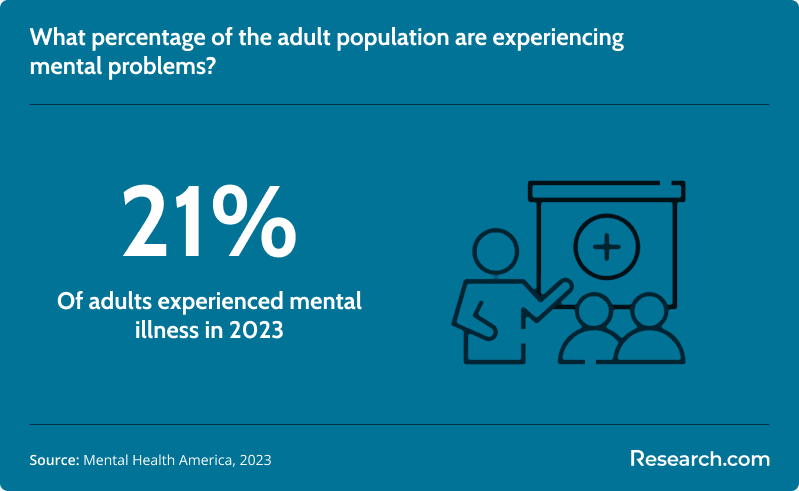
In 2023, approximately 21% of adults experienced mental illness. That demand has made counseling-related education more important, but the time commitment depends heavily on whether you want a support role, a graduate degree, or a licensed clinical career.
Here is a practical timeline for common counseling-related options:
| Program Type | Typical Timeline | When It Makes Sense |
| Bachelor’s in Counseling or Psychology | Typically 4 years full-time; some accelerated online options can reduce this to 3 years with a heavier course load | Best for students starting college or preparing for graduate counseling study |
| Online Master’s in Counseling | Often 2-3 years full-time; some accelerated programs can be completed in about 18 months | Best for students who want a licensure-oriented counseling pathway; compare options in this guide to mental health counseling master’s programs |
| Bachelor’s in Human Services with a Counseling Concentration | Usually 4 years | Best for students interested in community service, case management, or support roles before graduate school |
| Certificate Programs (Non-Licensure) | Often 6-12 months | Best for skill-building in areas such as life coaching or addiction support, but not for independent clinical licensure |
If your goal is to become a licensed counselor, verify the master’s degree, clinical hour, exam, and supervision requirements in the state where you plan to practice. Shorter certificates and bachelor’s programs may help you enter related support roles faster, but they usually do not qualify you to practice independently as a licensed counselor.
How does an online counseling degree compare to an on-campus program?
Online and on-campus counseling degrees can lead to similar academic credentials when they are properly accredited and meet state requirements. The main differences are scheduling, student support, field placement logistics, and learning style.
| Factor | Online Counseling Degree | On-Campus Counseling Degree |
| Curriculum | Often follows the same counseling theory, ethics, assessment, and practicum standards as campus programs | Typically offers the same core academic preparation with more in-person interaction |
| Flexibility | Usually better for working adults, parents, military students, or students far from campus | Better for students who prefer fixed class times and face-to-face structure |
| Faculty and peer access | Requires active communication through video meetings, learning platforms, email, and virtual groups | Provides easier access to in-person office hours, campus events, and peer study groups |
| Practicum and internship | May allow local placements, but students should confirm how much placement support the school provides | May have established relationships with nearby clinics, schools, and agencies |
| Best for | Self-directed students who can manage deadlines and technology | Students who learn best through in-person discussion and campus-based routines |
Curriculum and accreditation
Reputable online counseling programs generally cover the same core areas as campus programs. Students considering addiction-related pathways can also compare accredited online colleges for drug and alcohol counseling. Regardless of format, the key question is whether the program’s accreditation and clinical training meet the requirements in your intended state of practice.
Flexibility and convenience
Online learning can make counseling education more manageable because students may complete lectures, readings, and assignments around work or family schedules. Campus programs usually offer a more predictable weekly routine, which can be helpful for students who prefer direct classroom interaction.
Student support and resources
Strong online programs provide digital libraries, academic advising, career services, counseling software exposure, and virtual faculty access. However, online students often need to be more proactive about asking questions and forming peer connections.
Campus students may find it easier to use in-person offices, counseling labs, student groups, and informal faculty mentoring. The better choice depends on how you learn, not on format alone.
Practicum and internship requirements
Most counseling programs require supervised field training. Online students should ask whether the school finds placements, approves student-selected sites, provides site agreements, and has experience placing students in their state. This matters because clinical placement delays can extend graduation timelines.
Learning style fit
Choose online study if you are organized, comfortable with technology, and able to work independently. Choose campus study if you need frequent in-person discussion, immediate access to faculty, or a stronger campus community.
What is the average cost of a counseling program?
Counseling program costs vary by degree level, institution type, residency status, delivery format, and clinical training requirements. Tuition is only one part of the total cost. Students should also budget for fees, textbooks, technology, background checks, liability insurance, travel to field sites, exam preparation, and licensure-related expenses.
| Program Type | Public, In-State | Public, Out-of-State | Private |
| Bachelor’s Degree in Counseling or Psychology (per year) | $10,000 to $15,000 | $20,000 to $30,000 | $30,000 to $50,000 |
| Master’s in Counseling (entire program) | $15,000 and $35,000 | $25,000 and $50,000 | $30,000 and $70,000 |
| Doctoral Programs in Counseling (Ph.D. or Psy.D.) | $50,000 to $80,000 | $80,000 to $120,000 | $100,000 or more |
| Certificate Programs (Non-Licensure) | $3,000 to $10,000, |
What are the financial aid options for students enrolling in a counseling program?
Students looking for accessible counseling education should compare tuition alongside aid options. Reviewing affordable online counseling degree options can help, but affordability also depends on grants, scholarships, employer benefits, assistantships, and borrowing limits. Financial support is especially important as workforce gaps persist, including 18% of U.S. rural counties without counselors.
Federal financial aid
- Pell Grants: Need-based grants for eligible undergraduate students that do not have to be repaid.
- Federal Direct Loans: Subsidized and unsubsidized loans available to many undergraduate and graduate students, with repayment usually beginning after school-based deferment ends.
- Federal Work-Study: Part-time employment support that may help students pay educational costs, sometimes through roles connected to human services or campus support.
State financial aid
Some states provide grants, scholarships, or loan repayment options for students preparing for high-need behavioral health roles. Eligibility rules vary, so students should check state agencies and licensing boards before enrolling.
Institutional financial aid
- Scholarships and grants: Colleges may award aid based on academic performance, financial need, service background, or commitment to counseling-related fields.
- Assistantships: Graduate departments may offer teaching or research assistantships that include a stipend and/or tuition remission in exchange for assigned work.
Private scholarships
Professional associations, nonprofits, foundations, and community organizations may fund students pursuing counseling, psychology, social work, addiction services, or school counseling pathways. Review eligibility carefully because some awards are limited to specific populations, locations, or specializations.
What are the prerequisites for enrolling in a counseling program?
There is a current shortage of counselors. In 2023, more than 2 million youth experienced severe major depression. With only one behavioral health worker assigned for 350 individuals, counseling programs are attracting students who want to help address unmet mental health needs.
Admission requirements depend on the degree level, institution, and specialization. The most common prerequisites are listed below.
| Degree Level | Common Admission Requirements | Important Notes |
| Bachelor’s Degree in Counseling or Psychology | High School Diploma or GED; Minimum GPA, often around 2.5 or higher | Some schools may review essays, transcripts, or prior college credits |
| Master’s Degree in Counseling | Bachelor’s Degree; Minimum GPA, often around 2.7 or higher; GRE Scores in some programs; Prerequisite Courses in some programs | A psychology, social work, or related major can help, but some programs accept other majors if prerequisites are completed |
| Doctoral Programs in Counseling (Ph.D. or Psy.D.) | Master’s Degree; Minimum GPA, often around 3.0 or higher; GRE Scores in many programs; Research Experience for some Ph.D. programs | Applicants from online master's degree programs in counseling may qualify if the degree meets admission expectations |
Students interested in marriage and family counseling should compare licensure-focused options carefully. Research.com also covers online MFT degrees for readers considering therapy careers centered on couples and families.
What courses are typically in a counseling program?
Counseling programs combine theory, ethics, human development, practical skills, and supervised experience. Undergraduate programs usually build broad behavioral science knowledge, while graduate programs focus more directly on professional counseling practice and licensure preparation.
Core counseling courses
- Introduction to Counseling: Explains the counseling profession, major theories, helping relationships, and common practice settings.
- Human Development: Covers emotional, cognitive, social, and physical development across the lifespan.
- Theories of Counseling: Compares counseling approaches such as cognitive-behavioral, psychodynamic, humanistic, and related models.
- Counseling Techniques and Skills: Builds practical skills such as active listening, empathy, questioning, reflection, and rapport building.
- Multicultural Counseling: Examines how culture, identity, power, bias, and lived experience shape counseling relationships.
- Ethics and Professional Issues: Reviews confidentiality, boundaries, legal duties, professional conduct, and ethical decision-making.
- Assessment and Testing in Counseling: Introduces assessment tools, screening methods, interpretation, and responsible use of client information.
- Group Counseling: Teaches group development, facilitation, group dynamics, and therapeutic group processes.
Specialized courses
- Addiction Counseling: Focuses on substance use disorders, recovery planning, relapse prevention, and treatment approaches.
- Family and Couples Counseling: Studies relationship patterns, family systems, communication, and couple-focused interventions. Students interested in this specialty can review how to become a couples therapist.
- Crisis Intervention: Covers immediate response strategies for clients experiencing acute distress, safety concerns, or traumatic events.
- Trauma-Informed Care: Explains how trauma affects behavior, relationships, and treatment planning.
- School Counseling: Prepares students to support K-12 academic, social, emotional, and career development.
- Career Counseling: Teaches vocational assessment, career decision-making, job search support, and workforce transitions.
Practicum and internship
Most graduate counseling programs include supervised clinical practice. A practicum usually introduces students to counseling work under close supervision, while an internship or field experience typically involves more direct client contact and more required hours.
Capstone or thesis
Some graduate programs end with a thesis, applied project, portfolio, case analysis, or comprehensive assessment that demonstrates readiness for professional practice or further study.
What types of specializations are available in counseling programs?
Your specialization should match the clients you want to serve and the license or credential you plan to pursue. Program names can sound similar, so compare curriculum, practicum settings, and state requirements before enrolling.
| Specialization | What It Focuses On | Best Fit For |
| Mental Health Counseling | Assessment and treatment support for concerns such as anxiety, depression, trauma, and mood disorders | Students seeking clinical counseling roles in community agencies, healthcare settings, or private practice after licensure |
| School Counseling | K-12 student development, academic planning, social-emotional support, and college or career readiness | Students who want to work in schools; compare cost-conscious options such as affordable online school counseling programs |
| Marriage and Family Therapy (MFT) | Family systems, couple dynamics, conflict patterns, and relationship-focused interventions | Students who want to counsel couples, families, and relational systems |
| Addiction Counseling | Substance use assessment, recovery support, relapse prevention, and co-occurring concerns | Students interested in substance use treatment; the projected shortage for this type of counseling is 60% by 2036 |
| Career Counseling | Career planning, vocational development, job transitions, and employment readiness | Students who want to work in schools, colleges, workforce centers, or career services |
How to choose the best counseling program
The best counseling program is the one that fits your intended license, budget, schedule, learning style, and preferred client population. The nationwide shortage of school counselors makes preparation important, but students should still evaluate programs carefully rather than choosing the fastest or cheapest option by default.
1. Confirm accreditation first
Look for recognized institutional accreditation and, when relevant, programmatic accreditation such as CACREP. Accreditation can affect financial aid eligibility, credit transfer, employer perception, and licensure readiness. Students focused on cost can compare affordable CACREP-accredited online counseling programs.
2. Match the program to your specialization
A clinical mental health program, school counseling program, addiction counseling degree, and MFT program may lead to different licenses or credentials. If addiction treatment is your goal, review a dedicated substance abuse counseling degree pathway before choosing a general program.
3. Review the curriculum and field placement process
Make sure the program includes counseling theories, ethics, assessment, multicultural counseling, diagnosis-related content if required, and supervised practice. Ask whether the school helps secure internships or expects students to locate approved sites on their own.
4. Evaluate faculty access and advising
Strong counseling programs should offer faculty with relevant practice, research, supervision, or professional experience. Ask how often students meet with advisors and whether faculty understand licensure requirements in multiple states.
5. Choose the right format
Online programs may be best for students who need flexibility. Campus programs may be better for students who want in-person mentorship and structured class schedules. Hybrid programs can offer a middle ground but may require travel for residencies or skills labs.
6. Compare total cost, not just tuition
Tuition per credit does not show the full price. Include required credits, fees, books, travel, residency costs, internship-related expenses, and potential income changes if you reduce work hours.
Questions to ask before enrolling
- Does this program meet education requirements for the state where I want to become licensed?
- Is the program accredited by a recognized accreditor?
- How many practicum and internship hours are required?
- Who is responsible for finding field placements?
- Can I attend part-time or accelerate if my schedule allows?
- What is the total estimated cost from enrollment to graduation?
- Are online students eligible for the same advising, career services, and financial aid?
- What happens if I move to another state during or after the program?
What career paths are available for graduates of counseling programs?
Counseling graduates can work in schools, hospitals, community agencies, residential treatment programs, nonprofit organizations, government agencies, workforce centers, and private practice settings. The roles available depend on degree level, licensure, specialization, and state rules.
- Mental Health Counselor: Supports clients facing concerns such as anxiety, depression, trauma, stress, and life transitions. The projected demand for this type of counselor is 138,670 by 2036.
- School Counselor: Helps students with academic planning, emotional development, social challenges, bullying concerns, and college or career readiness.
- Marriage and Family Therapist (MFT): Works with couples and families to address relationship patterns, conflict, communication, and family-system concerns.
- Substance Abuse Counselor: Helps clients address addiction, recovery goals, relapse prevention, and related behavioral health needs. Students can compare online addiction counseling degree programs when exploring this path.
- Career Counselor: Assists clients with career exploration, employment decisions, job search strategies, resumes, and vocational planning.
- Rehabilitation Counselor: Supports individuals with disabilities or chronic conditions as they work toward personal, educational, or employment goals.
What is the job market for graduates with a counseling degree?
The counseling job market is supported by rising awareness of mental health needs, broader demand for behavioral health services, and persistent provider shortages. However, job access still depends on licensure, location, specialization, experience, and the type of employer.
The current mental health provider shortage has placed pressure on schools, clinics, community agencies, and healthcare systems. Policy changes and expanded insurance access have also contributed to demand for qualified providers.
Counseling graduates may pursue mental health counseling, school counseling, marriage and family therapy, substance abuse counseling, rehabilitation counseling, career counseling, and related roles. Employment settings include schools, hospitals, private practices, community organizations, and government agencies.
According to the U.S. Bureau of Labor Statistics (BLS), employment for mental health counselors is projected to grow by 19% from 2023 to 2033, which is much faster than the average for all occupations. For example, marriage and family therapists are projected to see a growth rate of 14%, and substance abuse counselors will see growth of about 23% during the same period.
What is the easiest psychology degree to get before starting a counseling program?
Students who are not ready for a counseling master’s program often begin with psychology. The most manageable psychology degrees are usually broad, applied, or online programs with flexible scheduling and fewer intensive lab or fieldwork requirements. These programs can build a foundation in human behavior without requiring the same clinical training expected at the graduate counseling level.
A Bachelor’s in Applied Psychology is often one of the more straightforward psychology options because it emphasizes practical concepts that connect to counseling, social services, human behavior, and workplace or community settings. Online versions may be especially useful for working adults and transfer students.
Students who want to compare options can review Research.com’s guide to the easiest psychology degree programs. If you are interested in a creative helping profession, you can also explore how to become an art therapist and understand art therapist salary considerations.
Is genetic counseling a valuable addition to your counseling career?
Genetic counseling is a specialized field that combines counseling skills with genetics, risk communication, and healthcare decision support. It can be a strong fit for students who enjoy science, patient education, and helping individuals or families understand hereditary health information. This is not the same as general mental health counseling, so students should review admission expectations, science prerequisites, and certification requirements carefully. Research.com’s guide to the best genetic counseling programs can help students compare this specialized route.
How can an affordable counseling degree help you open a private practice?
An affordable counseling degree can support a future private practice if it is accredited, licensure-aligned, and includes strong supervised clinical training. The school’s price alone does not determine whether you can become an independent practitioner. Licensure, clinical competence, supervision, ethical practice, and business preparation matter more.
Students planning to open a practice should choose a specialization that fits their intended services, such as clinical mental health counseling or marriage and family therapy. Those interested in family systems work can compare affordable MFT programs. After graduation, private practice typically requires completing state licensure steps, gaining supervised experience, meeting examination requirements, and following state rules for independent practice.
Lower tuition may reduce student debt, which can make it easier to invest in business basics such as liability insurance, office space, telehealth tools, billing systems, marketing, continuing education, and consultation. Still, students should not choose the cheapest program if it does not support licensure or provide adequate clinical preparation.
How does integrating behavior analysis certification impact counseling career earnings?
Behavior analysis training can broaden a counselor’s skill set, especially for professionals working with developmental, behavioral, educational, or community-based needs. Adding behavior analysis credentials may help counselors qualify for roles in schools, residential treatment programs, autism services, and behavioral health organizations, depending on state laws and employer requirements. Students comparing compensation by location can review the BCBA salary report.
Are online accredited PsyD programs a strategic advantage for advanced counseling careers?
Doctoral study may be useful for counseling professionals who want advanced clinical training, supervision roles, leadership opportunities, teaching, or specialized practice. Online and hybrid doctoral programs can improve access for working professionals, but students should verify accreditation, residency requirements, clinical training expectations, and state licensing rules. Research.com covers online accredited PsyD programs for students comparing doctoral options.
How can funding opportunities boost advanced counseling careers?
Doctoral counseling and psychology pathways can require a major financial commitment. Scholarships, grants, assistantships, employer tuition support, and other funding can reduce debt and make advanced study more realistic. Students comparing low-cost doctoral routes can review fully funded PsyD programs and related affordability options.
Is an online accelerated psychology degree the right boost for my counseling career?
An accelerated psychology degree can help students build behavioral science knowledge faster, especially if they plan to apply to a counseling master’s program later. This option is best for disciplined students who can manage compressed courses, frequent deadlines, and a heavier workload. Students who need flexibility can compare online accelerated psychology degree pathways.
Can integrating forensic psychology enhance counseling practice?
Forensic psychology can complement counseling for professionals interested in legal settings, risk assessment, family court issues, correctional environments, domestic violence cases, or behavioral evaluation. It does not replace counseling licensure, but it can add useful context for counselors who work with clients involved in legal systems. Students seeking a cost-conscious option can review an affordable online master's in forensic psychology.
What is the role of faith-based counseling in modern practice?
Faith-based counseling blends counseling principles with spiritual or religious perspectives for clients who want support aligned with their beliefs. This path can be meaningful, but students should distinguish between pastoral counseling, spiritual care, Christian counseling, and state-licensed professional counseling because requirements and scopes of practice differ.
Becoming a faith-based counselor may require a counseling degree, supervised training, and additional coursework or certification in theology, pastoral counseling, Christian counseling, or interfaith care. Students evaluating career outcomes can review how much Christian counselors make.
Faith-based counselors may work in:
- Churches or religious organizations
- Nonprofit community centers
- Private practice
- Faith-affiliated hospitals or clinics
- Educational institutions with religious affiliations
How do I become a mental health counselor?
Becoming a licensed mental health counselor usually requires completing an approved graduate counseling program, finishing supervised clinical hours, passing required examinations, and meeting state-specific licensure rules. Because requirements vary, students should begin by checking the licensing board in the state where they plan to practice. Research.com’s career guide explains the education, supervision, and exam steps to become a mental health counselor.
How can emerging digital tools optimize counseling education and practice?
Digital tools are changing how counseling students learn and how professionals serve clients. Online classrooms, telehealth platforms, virtual simulations, digital supervision tools, and remote case consultation can make training more flexible. At the same time, students must learn privacy, ethics, documentation, and technology boundaries. Related programs, such as online behavior analysis masters programs, may also prepare students for technology-supported behavioral services.
How does an affordable online bachelor's in psychology build a strong counseling foundation?
An affordable online bachelor’s in psychology can help students learn core concepts in human behavior, research, development, abnormal psychology, ethics, and social systems before applying to counseling graduate programs. It can be a smart first step if the program is accredited, accepts transfer credits, and fits your budget. Students comparing entry-level options can review affordable online bachelor's in psychology programs.
How can a doctoral degree enhance my counseling career?
A doctoral degree can support advanced roles in clinical leadership, supervision, research, teaching, policy, or specialized practice. It is not necessary for every counseling career, so students should weigh the cost, time commitment, licensing impact, and career return before enrolling. Those considering research-focused doctoral study can explore PhD psychology online APA-accredited program information.
Are online counseling and psychology degrees respected by employers?
Employers generally focus on accreditation, licensure eligibility, clinical experience, school reputation, and job readiness rather than delivery format alone. An online counseling or psychology degree is more likely to be respected when it comes from an accredited institution, includes rigorous coursework, provides appropriate field training, and aligns with professional standards. Students weighing credibility and outcomes can review whether earning an online psychology degree is worth it.
Common mistakes to avoid when choosing an easy counseling degree
| Mistake | Why It Can Hurt You | Better Approach |
| Choosing the shortest program without checking licensure rules | You may graduate quickly but still not qualify for the counseling license you want | Confirm state requirements before applying |
| Looking only at tuition per credit | A low per-credit price can still be expensive if the program requires more credits or added fees | Calculate total program cost, including fees and fieldwork expenses |
| Assuming every online program is accepted in every state | Licensure rules vary, and some programs may not meet requirements outside their home state | Ask for written confirmation about state authorization and licensure alignment |
| Ignoring practicum and internship placement support | Field placement delays can slow graduation and licensure progress | Ask how placements are approved, arranged, and supervised |
| Relying only on rankings | A highly ranked program may not fit your budget, schedule, specialization, or state requirements | Use rankings as a starting point, then compare fit and outcomes |
| Assuming salary or job outcomes are guaranteed | Earnings depend on location, license, employer, specialization, and experience | Review labor data and talk with professionals in your target setting |
Key Insights
- The easiest counseling degree is usually the one that is flexible, accredited, affordable, and aligned with your career goal—not the one with the fewest requirements.
- Most licensed counseling roles require a master’s degree, supervised clinical hours, and state licensure. Bachelor’s degrees and certificates can help with entry-level or support roles but usually do not lead to independent clinical practice.
- Online counseling programs can be credible when they are accredited and meet licensure standards, but students must confirm practicum placement support and state eligibility.
- Costs vary widely, so compare total program cost instead of tuition alone. Include fees, clinical placement expenses, residency travel, books, and licensure-related costs.
- Specialization matters. Mental health counseling, school counseling, MFT, addiction counseling, and career counseling can lead to different settings, requirements, and credentials.
- Workforce demand is strong in several counseling areas, but job outcomes are not automatic. Licensure, location, supervised experience, and specialization shape opportunities.
- Before enrolling, ask whether the program meets requirements in your state, how field placements work, what accreditation applies, and what support is available to online students.
Here’s what graduates have to say about their counseling programs
- : "My counseling program helped me change careers without putting my family responsibilities on hold. The workload required discipline, but the flexible schedule made it possible for me to keep moving forward. The experience gave me the confidence to enter work that feels meaningful. — Douglas"
- : "Studying online let me stay at home while still building practical counseling skills through supervised experiences. Faculty feedback was useful, and the program helped me understand how classroom concepts apply with real clients. — James"
- : "The program moved quickly, but it pushed me in the right ways. Working with classmates from different backgrounds helped me see mental health from broader perspectives, and I finished feeling more prepared than I expected. — Mia"
References:
- American Counseling Association (ACA). (n.d.). Counseling workforce report. Retrieved from https://www.counseling.org/resources/research-reports/counseling-workforce-report
- Council for Accreditation of Counseling and Related Educational Programs (CACREP). (n.d.). Annual reports and vital statistics reports.
- Health Resources and Services Administration (HRSA). (2023). Behavioral health workforce brief. Bureau of Health Workforce.
- Mental Health America. (2023). The state of mental health in America: 2023.
- U.S. Bureau of Labor Statistics. (2023). Substance abuse, behavioral disorder, and mental health counselors. Occupational Outlook Handbook.
- U.S. Bureau of Labor Statistics. (2023). School and career counselors and advisors. Occupational Outlook Handbook. Counseling workforce report
Other Things You Should Know About the Easiest Counseling Degree Programs
In 2027, several accredited institutions offer accelerated counseling degree programs. Schools like Capella University and Walden University provide these programs, enabling students to finish more quickly through intensive coursework and condensed semesters, typically allowing completion in less than two years.
Yes, prerequisites vary, but often include a high school diploma or equivalent, alongside basic psychology coursework. Some programs might also require a minimum GPA or relevant work experience to qualify for the 2027 intake.
The easiest counseling degrees to finish are usually associate and bachelor’s programs, because they require about 60 to 120 credits. A master’s degree is more demanding, with roughly 48 to 60 credits and supervised practicum or internship hours required for licensure.