
2027 LPC Counseling Licensure Requirements in Louisiana

Co-Founder and Chief Data Scientist
Becoming a Licensed Professional Counselor in Louisiana is a regulated path, not just a career choice. Before you can practice independently, the state expects you to complete a qualifying graduate degree, earn provisional status, work under approved supervision, pass a national counseling exam, and submit documentation to the Louisiana Licensed Professional Counselors Board of Examiners.
This guide is for students comparing counseling graduate programs, PLPCs planning their supervised hours, out-of-state counselors considering Louisiana licensure, and career changers trying to understand the full commitment. It explains the education, coursework, supervision, exam, renewal, endorsement, salary, and career-growth factors that matter before you invest time and money in this path.
Louisiana reports that approximately 25% of its population experiences mental health challenges annually, which helps explain why trained behavioral health professionals remain important across schools, clinics, hospitals, agencies, and private practices. Licensure can open doors, but it also requires careful planning because missed coursework, unapproved supervision, or incomplete documentation can delay your timeline.
Quick Answer: Louisiana LPC Requirements at a Glance
- You need a master’s or doctoral degree in counseling or a closely related field from a regionally accredited institution.
- Your graduate program must include at least 60 semester hours and cover required counseling areas such as human development, counseling techniques, assessment, ethics, and professional orientation.
- After graduation, you must become a Provisional Licensed Professional Counselor before earning the required supervised experience toward full licensure.
- Louisiana requires 3,000 hours of post-master’s supervised counseling experience, including required direct client contact and supervision hours.
- You must pass either the National Counselor Examination or the National Clinical Mental Health Counseling Examination before full LPC approval.
- What degree is required to become an LPC in Louisiana?
- What core coursework is required for LPC licensure in Louisiana?
- How many supervised counseling hours are required for LPC licensure in Louisiana?
- What exams are required for LPC licensure in Louisiana?
- How do you apply for LPC licensure in Louisiana?
- How long does it take to be a Licensed Professional Counselor in Louisiana?
- What are the continuing education and licensure renewal requirements for LPCs in Louisiana?
- What types of LPC licenses are offered in Louisiana?
- Does Louisiana have LPC reciprocity with other states?
- What is the demand for LPCs in Louisiana?
- How does LPC licensure affect career growth in Louisiana?
- What is the salary outlook for LPCs in Louisiana?
- What mistakes should Louisiana LPC applicants avoid?
What degree is required to become an LPC in Louisiana?
Louisiana requires LPC applicants to hold a graduate-level counseling degree that prepares them for professional mental health practice. The safest path is a graduate degree specifically designed for professional counseling, but some related clinical programs may qualify if they meet the state’s credit-hour and content standards.
| Degree or program type | How it fits Louisiana LPC requirements | What to verify before enrolling |
| Graduate degree in professional mental health counseling | A 60-semester-hour graduate degree focused on professional mental health counseling is the most direct academic route. | Confirm that the institution is regionally accredited and that the curriculum includes Louisiana’s required counseling content. |
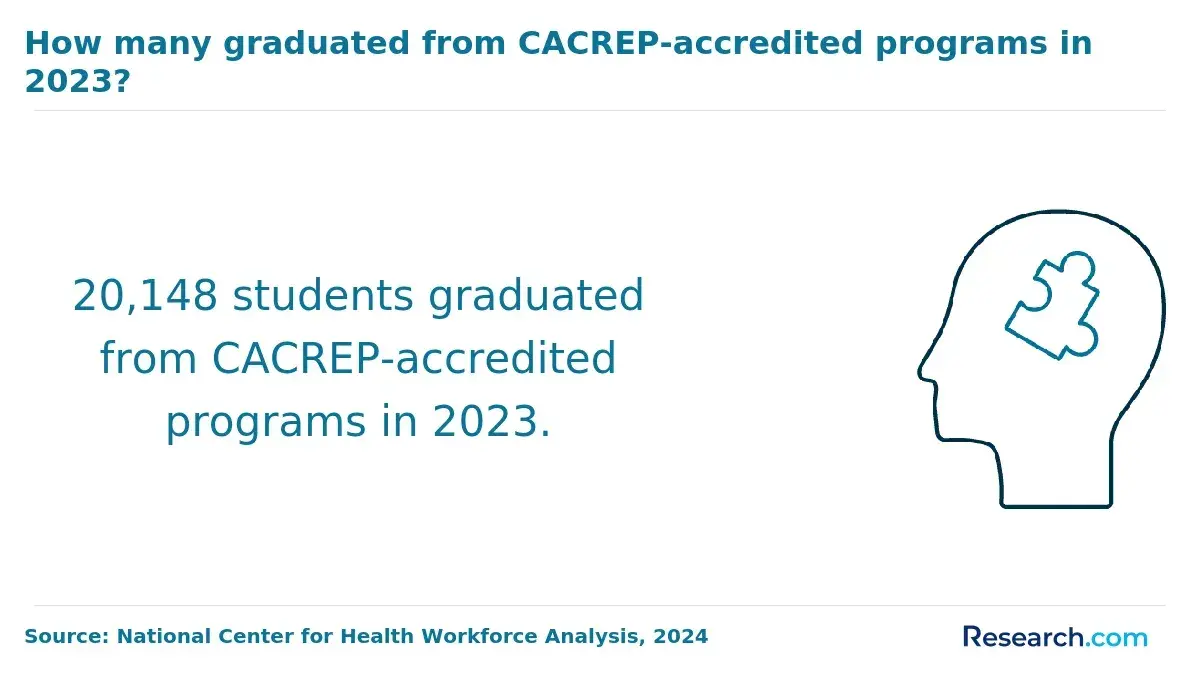
| CACREP-accredited counseling program | A program accredited by the Council for Accreditation of Counseling and Related Educational Programs reflects nationally recognized counseling training standards. | Check whether the specific track, not just the university, carries the appropriate counseling accreditation. |
| Marriage and family therapy or related clinical mental health degree | A related degree may qualify if it includes comparable counseling preparation and meets the 60-semester-hour requirement. | Ask the program and the Louisiana LPC Board whether the coursework aligns with LPC requirements before you commit. |
| Graduate degree from a regionally accredited college or university | Regional accreditation is required because Louisiana evaluates both the institution and the counseling curriculum. | Do not assume a program qualifies only because it is online, popular, or offered by a well-known school. |
The most important decision is not whether the degree title sounds close to counseling. It is whether the program meets Louisiana’s LPC education rules. Before applying, ask the school for a course-by-course licensure alignment sheet and keep copies of syllabi, catalog descriptions, and transcripts.
What core coursework is required for LPC licensure in Louisiana?
Louisiana’s coursework requirements are designed to make sure future counselors understand human behavior, clinical helping skills, assessment, ethics, research, and multicultural practice. These courses also prepare candidates for supervised work as PLPCs and for national counseling examinations.
| Required coursework area | What you should learn | Why it matters for practice |
| Human Growth and Development | Lifespan development, including physical, emotional, social, and cognitive changes. | Counselors need developmental context when working with children, adolescents, adults, older adults, and families. |
| Social and Cultural Foundations | Cultural awareness, identity, social context, and counseling across diverse populations. | Effective counseling in Louisiana requires cultural humility and the ability to adapt services to client backgrounds. |
| Counseling Theories and Techniques | Major counseling models, intervention methods, and practical helping strategies. | This is the foundation for treatment planning, client engagement, and ethical clinical decision-making. |
| Group Dynamics, Processes, and Counseling | Group leadership, group stages, facilitation skills, and group counseling methods. | Many counselors work with therapy groups, school groups, support groups, or agency-based group programs. |
| Career Development | Career counseling theories, vocational assessment, and educational or occupational planning. | Career concerns often overlap with mental health, identity, family pressure, disability, and life transitions. |
| Assessment and Testing | Use of standardized tools, diagnostic considerations, interpretation, and ethical assessment practices. | LPCs must understand how assessment informs treatment, referrals, and documentation. |
| Research and Evaluation | Research methods, program evaluation, outcome measurement, and evidence-informed practice. | Counselors need to interpret research and evaluate whether interventions are helping clients. |
| Professional Orientation to Counseling | Ethics, legal responsibilities, professional roles, scope of practice, and counselor identity. | This course helps candidates understand boundaries, documentation, confidentiality, and professional accountability. |
If you are still comparing possible counseling careers, use these course areas as a reality check. A strong counseling program should not only help you meet minimum licensing rules; it should also prepare you for the kind of clients, settings, and ethical decisions you will face after graduation.
How many supervised counseling hours are required for LPC licensure in Louisiana?
Louisiana requires 3,000 hours of supervised counseling experience after the qualifying graduate degree. These hours count only after you receive Provisional Licensed Professional Counselor status and have an approved supervision arrangement through the Louisiana LPC Board.
| Supervised experience component | Louisiana requirement | Planning advice |
| Total post-master’s supervised experience | 3,000 hours | Do not count graduate practicum or internship hours unless the Board allows them under its rules; plan as if the licensure clock starts after PLPC approval. |
| Direct client contact | At least 1,900 hours | Track face-to-face or qualifying counseling service hours carefully, including the client population and service type. |
| Face-to-face supervision | At least 100 hours | Use a Board-approved LPC Supervisor and document supervision consistently. |
| Indirect client activities | Up to 1,000 hours | These may include case notes, consultation, case management, professional development, and related clinical support work. |
| Timing | After the graduate degree and after PLPC status is approved | Starting work too early or without an approved plan can create hours that do not count. |
The supervision stage is where many applicants either move efficiently toward licensure or lose time because of preventable documentation problems. Keep a running log, reconcile your records with your supervisor regularly, and do not wait until the end of the process to discover missing signatures, unclear categories, or unapproved work settings.
Louisiana’s supervised practice period is also a professional development phase. It is the time to learn how to manage caseloads, document ethically, recognize when to refer, apply counseling theory with real clients, and develop sound clinical judgment before independent practice.
What exams are required for LPC licensure in Louisiana?
Louisiana accepts national counseling examinations to confirm that applicants have the knowledge and applied clinical judgment expected of professional counselors. Candidates should verify current Board instructions before registering so scores are sent correctly and the selected exam matches their licensure plan.
| Exam | Format described in the source material | What it measures | Best fit for |
| National Counselor Examination | A 200-question, multiple-choice examination developed by the National Board for Certified Counselors | Core counseling knowledge, including assessment, diagnosis, counseling methods, ethics, and professional practice concepts. | Applicants who want a broad knowledge-based counseling exam. |
| National Clinical Mental Health Counseling Examination | An examination built around 10 clinical simulations | Clinical reasoning, diagnosis, treatment planning, and decision-making in applied counseling situations. | Applicants who prefer a case-based exam emphasizing clinical judgment. |
Both examinations are computer-based and administered through the Center for Credentialing and Education, with candidates allotted at least three hours to complete either test. Preparation should focus on ethics, diagnosis, assessment, treatment planning, counseling theories, and test strategy.
If you are researching broader mental health roles and want to understand how counseling differs from related helping professions, this guide on how to become an online therapist without a degree can help clarify alternative pathways. For Louisiana LPC licensure, however, a qualifying graduate counseling degree remains central.
How do you apply for LPC licensure in Louisiana?
The Louisiana LPC application process is sequential. You generally cannot skip ahead to full licensure before earning the degree, securing PLPC status, completing approved supervised experience, passing the exam, and submitting the final documentation.
- Complete a qualifying graduate degree. Earn a master’s or doctoral degree in counseling or a closely related field from a regionally accredited institution. The program must include at least 60 semester hours and cover required counseling subjects such as human development, counseling theories, assessment, and ethics.
- Apply for PLPC status. Before supervised experience can count, submit the provisional application materials, transcripts, a completed application, a $100 fee, and a Declaration of Policies and Procedures.
- Work under approved supervision. As a PLPC, complete 3,000 hours of post-master’s supervised professional counseling experience, including at least 1,900 direct client contact hours and 100 supervision hours with a Board-Approved Supervisor. The supervision period must fall within the required two- to six-year window.
- Pass the required national examination. Complete either the National Counselor Examination or the National Clinical Mental Health Counseling Examination and make sure the score report reaches the Louisiana LPC Board as required.
- Submit the full LPC application. After meeting education, supervision, and examination requirements, file the full application through the Board’s online portal. Materials include supervised experience records, exam results, a background check, an updated Declaration of Practices and Procedures, and a $200 application fee.
| Application stage | Common delay | How to prevent it |
| Graduate education review | Missing or unclear course content | Save syllabi, course descriptions, transcripts, and program licensure disclosures. |
| PLPC application | Starting clinical work before provisional approval | Wait for official authorization before counting hours toward licensure. |
| Supervision | Hours logged in the wrong category or without proper approval | Review logs with your supervisor on a regular schedule. |
| Exam reporting | Scores not sent to the correct licensing body | Follow the Board’s instructions when registering and requesting score reports. |
| Final LPC application | Incomplete forms, missing background check, or unsigned documentation | Use a checklist and submit only when all records are complete. |
How long does it take to be a Licensed Professional Counselor in Louisiana?
The full Louisiana LPC path commonly takes about eight years when undergraduate study, graduate education, supervised clinical experience, exam preparation, and application review are considered together. The timeline can vary depending on whether you study full time or part time, how quickly you secure PLPC status, how many qualifying client hours your job provides, and how complete your application records are.
| Stage | Typical time frame described in the source material | What happens during this phase |
| Bachelor’s degree | Four years | Students usually build a foundation in psychology, social work, human services, or a related field before graduate counseling study. |
| Master’s degree in counseling | Two to three years | The graduate program must include at least 60 semester hours and the required counseling curriculum. |
| Post-master’s supervised experience | Two to six years | PLPCs complete 3,000 supervised hours, including the required direct client contact and supervision hours. |
| National examination | Preparation time varies | Candidates pass either the National Counselor Examination or the National Clinical Mental Health Counseling Examination. |
| Final licensure application | Processing time varies | The applicant submits transcripts, supervision records, exam results, background check materials, and Board-required forms. |
Applicants who want the fastest realistic timeline should choose a licensure-aligned graduate program, apply for PLPC status promptly after graduation, work in a setting with enough direct client contact, and maintain clean documentation from the beginning. The slowest route is often caused not by academic difficulty, but by preventable administrative gaps.
What are the continuing education and licensure renewal requirements for LPCs in Louisiana?
Louisiana LPCs must keep their license active through renewal and continuing education. Continuing education helps counselors stay current with ethical expectations, clinical practices, cultural competence, documentation standards, and changes in professional regulation.
Because renewal details can change, counselors should confirm the current continuing education hour requirements, approved subject areas, deadlines, and documentation rules directly with the Louisiana LPC Board before each renewal cycle. Keep certificates, course descriptions, provider information, and proof of completion in case the Board requests verification.
If you are still at the beginning of the licensing journey, this overview of how to become a mental health counselor in Louisiana can help you connect degree planning, licensure steps, and long-term career preparation.
What types of LPC licenses are offered in Louisiana?
Louisiana uses a staged licensing structure. Most candidates move from graduate education to provisional licensure, then to full LPC status, and later may pursue supervisory authority or teletherapy-related approval if they meet the Board’s requirements.
| Credential or designation | Who it is for | What it allows |
| Provisional Licensed Professional Counselor | Graduates who completed the required 60-credit graduate degree and need supervised experience. | Allows supervised counseling practice while the candidate works toward the 3,000 required hours. |
| Licensed Professional Counselor | Candidates who meet Louisiana’s education, supervision, examination, and application requirements. | Allows independent professional counseling practice within the scope permitted by Louisiana law and Board rules. |
| Licensed Professional Counselor – Supervisor | Experienced LPCs who complete additional requirements to supervise provisional counselors. | Allows supervision of PLPCs completing their required supervised practice. |
| Teletherapy Designation | Licensed counselors who want to provide remote counseling services in compliance with Louisiana requirements. | Allows qualifying counselors to deliver teletherapy services after completing required training and Board compliance steps. |
If you already hold a counseling graduate degree but need targeted additional study, reviewing the best online graduate counseling certificate programs may help you identify options to discuss with the Board or an academic advisor. Do not assume a certificate alone qualifies you for licensure unless the Board confirms how the coursework applies.
Does Louisiana have LPC reciprocity with other states?
Louisiana does not use a simple automatic reciprocity system for LPCs from other states. Instead, out-of-state counselors generally pursue licensure by endorsement. This means the Board evaluates whether the applicant’s current license, education, supervised experience, and examination record are substantially comparable to Louisiana’s standards.
Applicants should be prepared to submit official license verification, proof that the license is current and in good standing, and evidence of passing the National Counseling Examination or the National Clinical Mental Health Counseling Examination. Counselors who have been licensed and practicing as LPCs for at least five years in another state may be eligible for endorsement review, but those who do not meet that threshold may need to satisfy Louisiana’s standard education, supervision, and examination requirements.
The practical takeaway is simple: do not move or accept a Louisiana counseling role assuming your current license will transfer automatically. Contact the Louisiana LPC Board early, request written guidance when possible, and gather transcripts, supervision records, exam reports, disciplinary history documentation, and license verification before you apply.
What is the demand for LPCs in Louisiana?
Demand for licensed professional counselors in Louisiana is shaped by mental health access needs, school and youth counseling needs, healthcare integration, community agency services, and private practice demand. The state’s reported figure that approximately 25% of its population experiences mental health challenges annually reinforces the need for qualified behavioral health professionals.
LPCs may work in schools, hospitals, community mental health agencies, private practices, substance use programs, family service organizations, correctional or reentry programs, and multidisciplinary healthcare teams. Urban areas may offer more specialized roles, while rural communities may need counselors who can serve broader client populations.
The anticipated implementation of the Counseling Compact in 2025 may also affect mobility for qualified counselors across participating states. Applicants should still confirm current compact rules and Louisiana Board procedures because interstate practice privileges depend on specific regulatory requirements, not general assumptions.
For students who are still choosing a program and need to control education costs, this list of affordable online colleges for counseling degree can be a useful starting point. Compare affordability with licensure alignment; the lowest tuition option is not the best value if it does not meet Louisiana’s LPC requirements.
How does LPC licensure affect career growth in Louisiana?
LPC licensure is a major career milestone because it changes what employers can trust you to do, what settings may hire you, and whether you can practice independently. It does not guarantee a specific job or salary, but it generally strengthens professional credibility and expands the range of counseling roles available.
| Career benefit | Why licensure matters | Decision point for applicants |
| Broader employment options | Many agencies, clinics, hospitals, schools, and public-sector employers prefer or require licensed counselors for clinical roles. | If your goal is long-term clinical work, plan for full LPC licensure rather than stopping at a non-licensed counseling-related role. |
| Independent practice eligibility | Full licensure allows counselors to practice independently within Louisiana’s scope and Board rules. | If you want private practice, supervised provisional status is not the endpoint. |
| Supervisory opportunities | Experienced LPCs may pursue the LPC-S pathway and supervise PLPCs. | This can support career advancement, leadership, and additional professional responsibility. |
| Specialization | Licensure can support later specialization in areas such as trauma counseling, marriage and family work, school-related mental health, or substance use services. | Choose supervised placements that align with the clients and settings you eventually want to serve. |
| Professional credibility | Licensure signals that the counselor met state education, supervision, examination, ethics, and renewal standards. | Clients and employers often use licensure as a baseline trust marker. |
| Earning potential | Licensed counselors may qualify for roles that are not available to unlicensed workers. Louisiana school psychologists earn a median wage of around $60,610, showing that advanced behavioral health credentials can be associated with stronger compensation in related fields. | Review salary data by specific job title, location, employer type, and experience rather than assuming one statewide figure applies to every LPC. |
Students comparing counseling degrees often ask whether the degree title affects employability. This discussion of the difference between MA and MS in counseling can help, but Louisiana licensure alignment matters more than the letters on the diploma.
What is the salary outlook for LPCs in Louisiana?
Salary outcomes for Louisiana LPCs vary by employer, location, caseload, years of experience, specialty, and whether the counselor works in an agency, school-related setting, hospital, community program, teletherapy role, or private practice. Licensure can improve access to clinical positions, but it does not guarantee a specific income.
Urban markets and private practice models may offer different compensation structures than public agencies or rural service settings. Benefits, supervision support, billing expectations, productivity requirements, and client volume can matter as much as base pay when comparing offers.
If speed is one of your priorities, review the fastest way to become a counselor in Louisiana. The fastest responsible route is not about skipping requirements; it is about choosing the right graduate program, securing PLPC status promptly, and completing supervised hours without documentation setbacks.
Online, Campus, Full-Time, or Part-Time: Which LPC Path Makes Sense?
Louisiana does not require every aspiring LPC to follow the same study format, but the program must satisfy licensure requirements. Your decision should be based on accreditation, coursework alignment, field placement support, cost, schedule, and whether the program understands Louisiana’s rules.
| Program format | Best for | Risks to check |
| Online counseling program | Working adults, rural students, caregivers, and students who need schedule flexibility. | Verify regional accreditation, Louisiana licensure alignment, practicum or internship support, and whether any in-person residencies are required. |
| Campus counseling program | Students who want face-to-face faculty access, local clinical networks, and structured peer interaction. | Confirm the curriculum still meets the 60 semester-hour requirement and all required content areas. |
| Full-time enrollment | Students who can prioritize graduate study and want to move into supervised practice sooner. | Budget for tuition, reduced work hours, and the intensity of fieldwork requirements. |
| Part-time enrollment | Students balancing employment, family obligations, or financial constraints. | Ask how long you have to finish the degree and whether course sequencing could delay graduation. |
Common Mistakes Louisiana LPC Applicants Should Avoid
- Choosing a program before checking licensure fit. A counseling-related degree may not automatically meet Louisiana’s LPC standards. Review credit hours, accreditation, and required course areas before enrolling.
- Assuming online means easier. Online programs still require rigorous coursework, supervised field experiences, and compliance with state licensing rules.
- Counting hours before PLPC approval. Supervised experience generally must occur after the qualifying graduate degree and after provisional status is approved.
- Using an unapproved supervisor. Supervision must meet Board rules. Confirm approval before relying on those hours.
- Tracking only total hours. You must also document direct client contact, supervision, and indirect activities in the correct categories.
- Waiting too long to resolve transcript questions. If a course title is unclear, syllabi and catalog descriptions may be needed to show that it meets a required content area.
- Assuming endorsement is automatic. Out-of-state LPCs must go through Louisiana’s endorsement review rather than relying on informal reciprocity.
- Looking only at tuition. A cheaper program can cost more in the long run if it delays licensure or requires extra coursework later.
- Expecting a guaranteed salary. Licensure improves eligibility for clinical roles, but pay depends on setting, location, experience, specialization, and workload.
Questions to Ask Before Choosing a Louisiana LPC Program
- Is the institution regionally accredited?
- Does the counseling degree include at least 60 semester hours?
- Does the program map its curriculum directly to Louisiana LPC coursework requirements?
- Is the counseling program CACREP-accredited, or does it otherwise document how it meets state standards?
- Will the school provide syllabi and course descriptions if the Board requests them?
- How does the program support practicum, internship, and post-graduation licensure planning?
- Do graduates commonly pursue PLPC status in Louisiana?
- What are the total costs beyond tuition, including fees, books, residencies, travel, exam preparation, and application fees?
- Can you complete the program while working, or will fieldwork requirements affect your schedule?
- Who advises students about licensure if requirements change?
Current Trends Affecting LPCs in Louisiana
- Teletherapy remains important. Counselors interested in remote service delivery must understand Louisiana’s teletherapy designation and compliance expectations.
- Interstate mobility is evolving. The anticipated implementation of the Counseling Compact in 2025 may affect practice mobility, but counselors should confirm current rules before serving clients across state lines.
- Employers continue to value licensure-ready training. Agencies and healthcare settings often look for candidates who understand documentation, ethics, assessment, and multidisciplinary care.
- Cost and flexibility influence program choice. More students compare online, hybrid, and part-time options, but licensure alignment should remain the first filter.
- Documentation is becoming more central to practice. Counselors need strong records, not only for client care but also for supervision, billing, audits, and licensure review.
Related Articles for Nearby States
- 2027 LPC Counseling Licensure Requirements in Mississippi
- 2027 LPC Counseling Licensure Requirements in Arkansas
- 2027 LPC Counseling Licensure Requirements in Texas
- 2027 LPC Counseling Licensure Requirements in Alabama
- 2027 LPC Counseling Licensure Requirements in Tennessee
- 2027 LPC Counseling Licensure Requirements in Missouri
- 2027 LPC Counseling Licensure Requirements in Oklahoma
- 2027 LPC Counseling Licensure Requirements in Florida
- 2027 LPC Counseling Licensure Requirements in Kentucky
- 2027 LPC Counseling Licensure Requirements in Georgia
Key Insights
- Louisiana LPC licensure requires a qualifying 60-semester-hour graduate counseling degree from a regionally accredited institution.
- The safest academic route is a professional mental health counseling program that clearly maps to Louisiana’s required coursework.
- You must obtain PLPC status before supervised post-master’s hours can count toward full licensure.
- Louisiana requires 3,000 supervised hours, including at least 1,900 direct client contact hours and at least 100 face-to-face supervision hours.
- Applicants must pass either the National Counselor Examination or the National Clinical Mental Health Counseling Examination.
- Out-of-state LPCs should expect endorsement review, not automatic reciprocity.
- Licensure can expand job options, support independent practice, and create future supervision opportunities, but salary depends on role, setting, location, and experience.
- The biggest preventable delays usually come from choosing a poorly aligned program, starting hours too early, using the wrong supervisor, or failing to document requirements clearly.
References:
- LPC | LPC https://www.lpcboard.org/page/lpc
- Louisiana Counseling | Becoming a Provisional Licensed Professional Counselor https://www.lacounseling.org/lca/Becoming_an_PLPC.asp
- Louisiana Counseling License Requirements https://www.counselingdegreeguide.org/licensure/louisiana/
- Which States Offer Reciprocity For LPC Licensure For Mental Health Counselors? https://www.betterhelp.com/advice/therapist-tools/which-states-offer-reciprocity-for-lpc-licensure/
- Louisiana School Counselor Certification Reciprocity – School Counselor Certification https://www.schoolcounselorcertification.com/how-to-become-a-school-counselor/louisiana-school-counselor-certification-reciprocity/
- Licensed Professional Counselors’ Ability to Diagnose - Scope of Practice Policy https://www.ncsl.org/scope-of-practice-policy/practitioners/behavioral-health-professionals/licensed-professional-counselors-ability-to-diagnose
- La. Admin. Code tit. 46, § LX-503 - Definitions for Licensed Professional Counselors and Provisional Licensed Professional Counselors | State Regulations | US Law | LII / Legal Information Institute https://www.law.cornell.edu/regulations/louisiana/La-Admin-Code-tit-46-SS-LX-503
- Professional Counseling | College of Nursing and Health http://cnh.loyno.edu/counseling/professional-counseling
- Louisiana Counselor and Therapist Licensure Renewal Dates and CE Requirements - https://agentsofchangeprep.com/blog/louisiana-counselor-and-therapist-licensure-renewal-dates-and-ce-requirements/
- Licensed Professional Counselor (LPC) Overview | AFPCE https://careercenter.afcpe.org/career/licensed-professional-counselor-lpc-5
- Licensed professional counselor demographics and statistics in the US | Zippia https://www.zippia.com/licensed-professional-counselor-jobs/demographics/
- Additional renewal reference https://agentsofchangeprep.com/blog/louisiana-counselor-and-therapist-licensure-renewal-dates-and-ce-requirements/
- Additional LPC career reference https://careercenter.afcpe.org/career/licensed-professional-counselor-lpc-5
Other Things You Should Know About Being an LPC in Louisiana
To obtain LPC licensure in Louisiana in 2027, candidates must have a master’s or doctoral degree in counseling from a program accredited by CACREP or its equivalent. The program should include at least 60 graduate semester hours and cover specific coursework like human growth, social and cultural foundations, and career development.
In 2027, to obtain LPC licensure in Louisiana, candidates must complete at least 3,000 hours of supervised clinical experience. This includes a minimum of 1,900 hours in direct client contact and must be overseen by an approved supervisor.
The Louisiana Licensed Professional Counselors Board of Examiners issues LPC licenses and oversees discipline. Applicants submit materials to this board, and complaints, sanctions, and renewals are handled under its rules in accordance with Louisiana state law.


