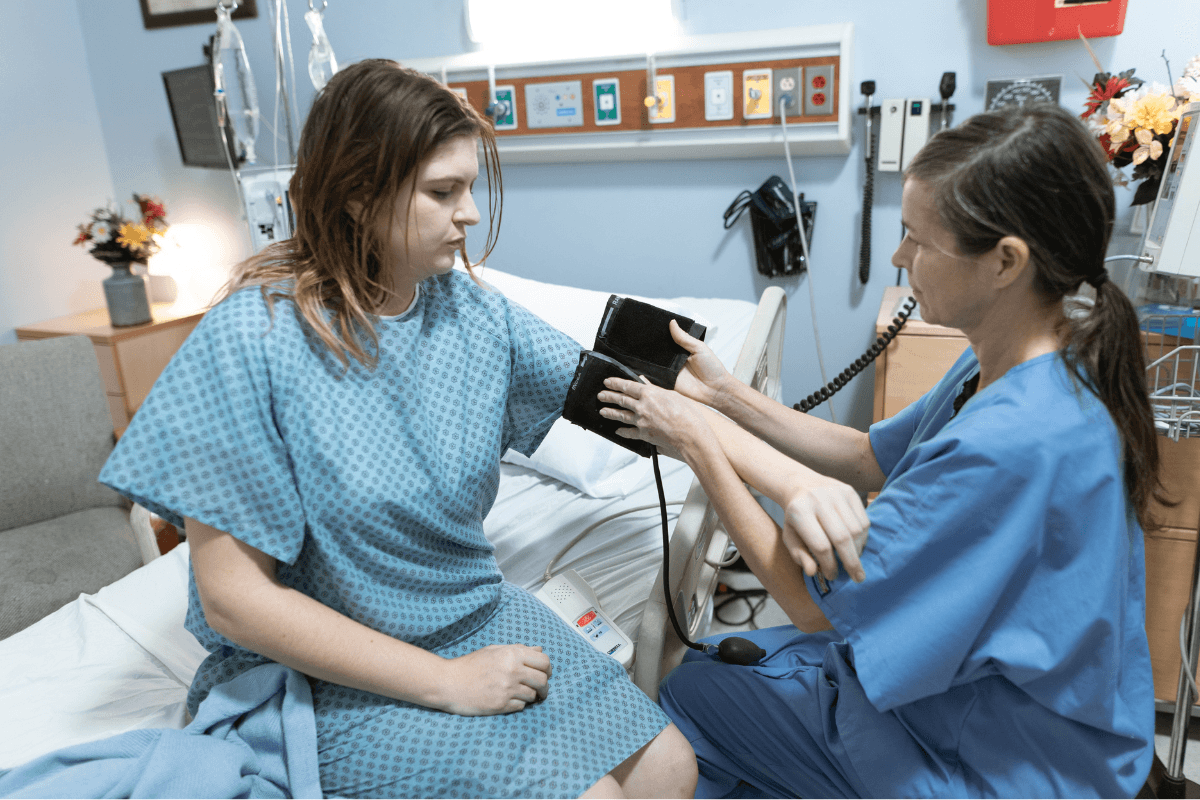
2027 Best Online Physician Assistant Master’s Programs

Co-Founder and Chief Data Scientist
Choosing an online physician assistant master’s program is a high-stakes decision because PA education is clinically intensive, accreditation-sensitive, and directly tied to licensure eligibility. Online and hybrid formats can make PA training more accessible for working adults, rural students, career changers, and practicing PAs who cannot relocate, but they are not all the same. Some programs prepare new students for PA licensure, while others are master’s completion or bridge programs intended for already-certified physician assistants.
This guide explains how online physician assistant programs work, what “online” realistically means for clinical training, how employers view these degrees, what admissions committees look for, how much programs can cost, and how to compare schools without relying only on rankings. It also helps you think through alternatives such as public health, nursing, healthcare administration, and other medical pathways. If you are still comparing graduate healthcare routes, reviewing the best master’s of public health programs can help you understand how PA training differs from broader population-health degrees.
The demand case for physician assistant education remains strong. Employment of physician assistants is projected to grow by 20% from 2024 to 2034, much faster than the average for all occupations, with around 12,000 job openings for physician assistants every year (U.S. Bureau of Labor Statistics, 2024). Even so, a PA program is expensive, selective, and time-consuming, so the best choice is not simply the most famous school. It is the accredited program that fits your licensure goals, clinical placement needs, budget, learning style, and timeline.
Online Physician Assistant Master’s Programs Table of Contents
- Can you complete a physician assistant degree entirely online?
- Do employers respect online physician assistant degrees?
- Are online PA degrees recognized internationally?
- Online vs. Traditional Master’s Degree in Physician Assistant Studies
- How much does an online Master’s Degree in Physician Assistant Studies cost?
- What are the requirements for an online Master’s Degree in Physician Assistant Studies?
- Courses to Expect in Online Physician Assistant Programs
- Things to Look for in an Online Physician Assistant Programs
- 2027 Best Online Master’s Degree in Physician Assistant Programs
- How can you strengthen your application for an online PA master’s program?
- How do I choose the best undergraduate path for a physician assistant master’s program?
- What are the advantages of online physician assistant programs for career changers?
- How can an online PA degree improve your return on investment?
- Can accelerated clinical training enhance hands-on skills for online PA studies?
- Can healthcare administration training enhance clinical leadership in online PA programs?
- How do online PA programs cultivate effective networking and mentorship?
- What are the career advancement opportunities after completing an online physician assistant program?
- How can transitioning from a medical assistant to a licensed practical nurse enhance your physician assistant career path?
- What are the most challenging aspects of online physician assistant programs and how can they be overcome?
- Can complementary coursework enhance overall competency in online PA programs?
Quick Answer: Are Online Physician Assistant Programs Worth Considering?
Online and hybrid physician assistant programs can be worth considering if they are properly accredited, include supervised clinical training, prepare graduates for licensure requirements, and fit your location and schedule. However, an entry-level PA program is rarely “100% online” in the practical sense because students must complete clinical rotations, skills training, and sometimes campus immersions. Fully online formats are more common in master’s completion programs for practicing PAs who already hold PA credentials.
The most important filter is accreditation. For entry-level PA education, students should confirm the program’s status with the Accreditation Review Commission on Education for the Physician Assistant (ARC-PA). Without the appropriate accreditation and licensure alignment, a convenient online format can become a costly mistake.
Can you get a degree completely online?
The short answer is: sometimes, but it depends on the type of PA program. Didactic coursework may be delivered online through recorded lectures, live virtual classes, case discussions, exams, and simulations. Clinical education, however, must take place in approved healthcare settings where students work with patients under supervision. Some programs also require in-person campus visits for skills checks, labs, orientation, or intensive clinical training.
Online healthcare education is now widely used, especially at the graduate level. Recent data show that around 1.9 million students who already had a bachelor’s degree were taking at least one distance education course, and 1.4 million were enrolled exclusively in distance education courses (National Center for Education Statistics, 2024). The broader shift is not limited to healthcare; 2,500 colleges across the country offer online programs.
For PA students, the online format usually means a blended model: online academic work, virtual interaction with faculty, simulation-based learning, and required in-person clinical rotations arranged through the program, the student, or both. This structure is different from many nonclinical online degrees because PA students must demonstrate hands-on competency before entering practice. Students comparing PA education with other healthcare routes may also want to explore healthcare colleges or review healthcare and science career options such as best-paying careers in biology and healthcare.
Be cautious when a program advertises itself as “fully online.” Ask whether that phrase refers only to lectures or whether it also includes clinical placement, skills labs, exams, and campus requirements. A legitimate PA education must include direct clinical training, even when most classroom instruction happens online.
Will employers take my online degree seriously?
Employers are generally more concerned with accreditation, licensure eligibility, clinical readiness, and the reputation of the program than with whether lectures were completed online or on campus. A graduate from a rigorous, accredited hybrid PA program with strong clinical training is usually in a better position than a graduate from a poorly supported program with unclear accreditation, regardless of format.
Online learning can also signal skills that employers value: self-direction, time management, digital communication, and adaptability. The World Economic Forum has identified critical thinking and analysis, active learning, resilience, and problem-solving as useful workforce skills, and online graduate education can strengthen those abilities when students are actively engaged.
That said, PA hiring is not based on the word “online” on a transcript. Hiring managers and clinical employers look for practical evidence: board eligibility, state licensure, rotation quality, references from preceptors, patient-care judgment, communication skills, and fit with the clinical team. If you are also considering adjacent graduate health degrees, compare their employer expectations carefully. For example, the value proposition of the best public health Ph.D. programs differs from PA training because public health doctoral programs are not designed to prepare graduates for the same direct clinical role.
Are online degrees recognized all over the world?
Recognition depends on the country, employer, licensing authority, and professional regulator. An online PA degree from a reputable accredited institution may be respected, but it does not automatically authorize practice everywhere. Physician assistant practice rights, titles, scope of practice, and credential recognition vary by jurisdiction.
If you plan to work outside the United States, contact the licensing or professional body in the country where you hope to practice before enrolling. Ask whether the degree format matters, whether U.S. PA credentials are accepted, what additional exams or supervised practice may be required, and whether clinical rotations must meet local standards.
Students comparing global or cross-border career options should also understand how the PA role differs from nursing and advanced practice nursing. A focused comparison of physician assistant vs nurse practitioner job opportunities can help clarify which credential is more portable or practical for your target location.
Online vs. Traditional Master’s Degree in Physician Assistant Studies
Online and campus PA programs share the same core purpose: preparing students to provide medical care under the PA model and meet professional standards for practice. The differences are mainly in delivery, scheduling, campus requirements, peer interaction, and clinical placement logistics. For students also exploring other clinical paths, PA training should be compared carefully with options such as a specialization in nursing.
Career demand is one reason many students consider PA school. With forecasts predicting a 28% rise through 2034, physician assistants are expected to have excellent career growth (U.S. Bureau of Labor Statistics, 2025). Regardless of the projection source used, the central point is the same: PA roles are expected to remain in demand, but program choice still matters because licensure, clinical preparation, and debt load can affect outcomes.
| Factor | Online or Hybrid PA Program | Campus-Based PA Program | Best Fit |
| Course delivery | Lectures, discussions, exams, and cases may be completed through online platforms. | Most academic instruction happens in classrooms, labs, and campus facilities. | Online works well for disciplined students who need location flexibility. |
| Clinical training | Still required in approved healthcare sites; may involve travel or local placement coordination. | Often coordinated through established regional clinical partners. | Campus programs may suit students who want more structured placement support. |
| Schedule | May offer more flexibility, but PA coursework is still demanding and often cohort-based. | Usually follows a fixed daily or weekly schedule. | Online can help students with family or location constraints, but not those seeking a light workload. |
| Peer interaction | Relies on virtual groups, video meetings, online forums, and periodic immersions. | Offers more frequent face-to-face collaboration. | Campus may be better for students who learn best through in-person accountability. |
| Cost structure | May reduce relocation or commuting costs, but can include travel, technology, and clinical expenses. | May require relocation, parking, campus fees, and local housing. | Compare total cost of attendance, not tuition alone. |
Schedule and Flexibility
Traditional PA programs usually operate on a set calendar with scheduled lectures, labs, exams, and rotations. This structure can be helpful because students know exactly where they need to be and when. Online or hybrid programs may offer more flexibility for didactic learning, but they are not casual, self-paced courses. Students still face strict deadlines, competency checks, clinical schedules, and program milestones.
Learning Experience
Campus programs provide immediate in-person feedback, direct skills practice, and daily interaction with faculty and classmates. Online programs try to recreate parts of that experience through video conferencing, digital case studies, virtual simulations, breakout groups, faculty office hours, and required on-site components. The quality of the online learning experience depends heavily on instructional design, faculty availability, technology support, and how well the program integrates clinical training.
Pacing and Teaching Methods
Many PA programs, whether online or campus-based, use cohort models because students must move through foundational sciences, clinical medicine, assessment, procedures, and rotations in a structured sequence. Online delivery may offer more control over when students review lectures or complete readings, but exams, group work, clinical skills assessments, and rotations are usually scheduled.
Teaching methods in online PA education often include recorded lectures, live discussions, case-based assignments, virtual anatomy tools, simulation activities, clinical reasoning exercises, and telehealth-style communication practice. Students who succeed in these settings usually create a weekly study system instead of waiting for reminders from instructors.
Is an online degree cheaper?
An online PA program can be less expensive in some categories, especially if it helps you avoid relocation, daily commuting, or campus-area housing. However, it is not safe to assume the online option is automatically cheaper. Students may still pay tuition, program fees, technology fees, books, clinical placement costs, background checks, immunization costs, certification requirements, travel for campus immersions, and travel or housing for rotations.
The best comparison is total cost of attendance. Ask each program for a complete estimate that includes tuition, fees, equipment, travel, clinical expenses, and expected living costs during full-time study.
Is an online degree as good as a regular degree?
An online or hybrid PA degree can be comparable to a campus degree when the program is accredited, clinically rigorous, transparent about outcomes, and designed specifically for PA competency development. The delivery format alone does not prove quality. What matters most is whether students receive the required medical knowledge, supervised clinical exposure, faculty feedback, and preparation for licensure.
How much does an online Master’s Degree in Physician Assistant Studies cost?
PA education is a major financial commitment. Program costs vary by institution, residency status, credit load, program length, clinical travel, and whether the student must reduce work hours while enrolled. PA school programs can be quite expensive, with an average cost ranging from $98,000 to $107,000 for a 27-month program (Medical Aid, 2026). That estimate includes tuition and fees as well as living-related expenses such as housing, books, and food.
Online programs may reduce some expenses, but they can also create costs that are easy to overlook. A student who does not relocate may save money, while another student may spend heavily on travel for required immersions or distant clinical rotations. Before deciding, build a realistic budget for the full program rather than comparing only the published tuition rate.
| Cost Category | Why It Matters | Question to Ask |
| Tuition and required fees | This is the visible cost, but not the whole cost. | Is tuition charged per credit, per term, or as a flat program rate? |
| Clinical rotation expenses | Rotations may require commuting, temporary housing, immunizations, background checks, and onboarding fees. | Does the school arrange placements, and can rotations be completed near my home? |
| Campus immersion travel | Hybrid programs may require multiple in-person sessions. | How many campus visits are required, and how long is each visit? |
| Technology and equipment | Online students need reliable hardware, software, internet, and sometimes clinical equipment. | What equipment is mandatory before the first term? |
| Lost income | PA programs are intensive, and many students cannot maintain full-time work. | How many hours per week should I expect to spend on coursework and clinical work? |
| Licensure and exam-related costs | Graduation is not the final expense if board exams, state applications, or certifications are required. | Which post-graduation costs should I plan for? |
Factors Affecting Pricing of Online Programs
- Institution and program reputation: Well-known universities or established PA programs may charge more because of brand recognition, faculty depth, clinical networks, and student support infrastructure.
- Accreditation and program quality: Accredited programs often require significant investment in faculty, assessment, clinical oversight, and compliance. Accreditation also matters for licensure and employer confidence.
- Geographic location: Even online students may be affected by a school’s location through tuition policies, residency rates, campus travel, local clinical partnerships, and cost-of-living assumptions.
- Clinical placement model: Programs that provide strong placement support may cost more, but weak placement support can shift hidden costs and administrative burden to the student.
- Program length and credit load: A longer or higher-credit program can increase tuition, fees, living costs, and time away from full-time employment.
Potential Hidden or Associated Costs in Online Programs
- Technology fees: Online learning platforms, remote testing systems, simulation tools, and technical support may carry separate charges.
- Additional course materials: Students may need textbooks, clinical references, subscriptions, lab kits, or digital resources beyond tuition.
- Clinical rotations or residencies: Travel, lodging, onboarding documents, health screenings, and site-specific requirements can add up quickly.
- Equipment and internet access: A dependable computer, high-speed internet, webcam, secure testing setup, and required software are essential for online study.
- Time away from paid work: Even flexible programs can become effectively full-time during intensive coursework or clinical rotations.
Is an online master’s degree worth it?
An online PA master’s degree is worth considering when it leads to the same professional goal as a campus program: eligibility for PA practice, strong clinical preparation, and access to the career path you want. It may be especially valuable if it lets you remain in your community, avoid relocation, or continue meeting family responsibilities while completing didactic coursework.
It may not be worth it if the program lacks the right accreditation, cannot support clinical placement in your region, has unclear outcomes, requires travel you cannot afford, or does not meet licensing expectations in the state or country where you plan to work.
What are the requirements for an online Master’s Degree in Physician Assistant Studies?
Admission to PA programs is competitive because applicants must show academic readiness, healthcare exposure, professional maturity, and the ability to handle intensive clinical training. Healthcare workforce pressures also shape interest in PA education. The United States is facing shortages in medical personnel, driven in part by an aging population and physician supply constraints. The Association of American Medical Colleges projects that demand for medical services in the U.S. will outpace physician supply, leading to an estimated shortage of up to 86,000 physicians by 2036 (Association of American Medical Colleges, 2024).
Requirements vary by school, but most applicants should prepare for a combination of degree prerequisites, science coursework, patient-care hours, references, essays, and interviews. The process can resemble other selective clinical career pathways, including the preparation involved in how to become an anesthetist nurse.
Admission Requirements
- Bachelor’s degree: Most programs expect applicants to hold a bachelor’s degree from an accredited institution. Some prefer science or health-related majors, while others accept varied academic backgrounds if prerequisites are complete.
- Prerequisite courses: Common prerequisites include anatomy, physiology, biology, chemistry, and healthcare-related coursework. Students should confirm whether courses must be completed within a certain time frame.
- Standardized tests: Some programs may request Graduate Record Examination (GRE) scores, while others have waived the GRE requirement. Always verify the current policy for each school.
- Healthcare experience: Direct patient-care exposure is often important. Experience as medical assistants, emergency medical technicians, nursing assistants, certified surgical technologists, or other healthcare workers may help applicants demonstrate readiness.
- Letters of recommendation: Strong letters usually come from clinicians, professors, supervisors, or mentors who can speak to the applicant’s judgment, reliability, communication, and academic ability.
- Personal statement: The essay should explain why the applicant wants to become a PA, what they learned from patient-care experience, and why the specific program fits their goals.
- GPA requirements: Programs may set minimum GPA standards, but competitive applicants often need stronger performance in science courses and recent prerequisite work.
- Interview readiness: Many PA programs use interviews to assess professionalism, ethical reasoning, communication, motivation, and understanding of the PA role.
General Skills Needed for PA School
Success in PA education requires more than strong grades. Students need the habits and interpersonal skills required in clinical environments. This early preparation is similar in importance to the undergraduate planning involved in how to become a dentist in the US.
- Clear communication: PAs must explain medical information, listen carefully, document accurately, and collaborate with physicians, nurses, patients, and families.
- Critical thinking: Students must connect symptoms, histories, labs, imaging, and risk factors to clinical decisions.
- Scientific foundation: Anatomy, physiology, pharmacology, pathology, and clinical medicine are central to PA training.
- Attention to detail: Small errors in medication, documentation, history taking, or physical exam findings can affect patient care.
- Adaptability: Clinical settings change quickly, and students must respond professionally to uncertainty, feedback, and pressure.
- Teamwork: PAs work within healthcare teams, so collaboration and respect for other roles are essential.
- Professional ethics: Confidentiality, patient dignity, scope of practice, and honesty are nonnegotiable.
- Time management: PA students handle heavy reading loads, exams, skills practice, assignments, and clinical responsibilities.
- Lifelong learning: Medicine changes constantly, so curiosity and continuing education are part of the profession.
What are the technological requirements of students for online learning?
- Reliable computer and internet access: Students need a dependable laptop or desktop, updated software, webcam capability, and stable high-speed internet.
- Learning Management System proficiency: Programs may use platforms such as Canvas or Blackboard for lectures, assignments, grades, and communication.
- Video conferencing tools: Live sessions, group work, office hours, and clinical discussions may use Zoom, Microsoft Teams, WebEx, or similar platforms.
- Digital reading and research access: Students should be comfortable using online libraries, PDF readers, e-books, and medical databases.
- Multimedia tools: Some assignments may require presentations, recorded demonstrations, or case-based multimedia projects.
- Virtual anatomy and simulation software: Online PA programs may use digital anatomy resources or simulated clinical cases to support skills development before in-person practice.
- Secure testing setup: Remote exams may require identity verification, browser lockdown software, webcam monitoring, and a quiet testing space.
Courses to Expect in Online Physician Assistant Programs
Course titles vary, but PA curricula usually combine foundational science, clinical medicine, patient assessment, procedures, ethics, research, and healthcare systems. The sequence is designed to move students from classroom knowledge into supervised clinical practice.
| Course Area | What Students Learn | Why It Matters in PA Practice |
| Anatomy and Physiology | Human body systems, structure, function, and relationships among organs and tissues. | Supports physical exams, diagnostic reasoning, and understanding disease processes. |
| Pharmacology | Drug classes, mechanisms, therapeutic uses, side effects, contraindications, and monitoring. | Prepares students to understand medication decisions and patient safety issues. |
| Clinical Medicine | Common diseases, pathophysiology, symptoms, diagnosis, and treatment approaches. | Builds the medical knowledge needed across primary care and specialty rotations. |
| Patient Assessment | History taking, physical examination, documentation, and differential diagnosis. | Develops the core process PAs use to evaluate patients. |
| Medical Ethics and Professional Practice | Legal duties, ethical decision-making, confidentiality, professionalism, and patient rights. | Helps students navigate real clinical dilemmas responsibly. |
| Clinical Procedures | Skills such as suturing, wound care, venipuncture, and basic procedural techniques. | Connects classroom knowledge to hands-on care. |
| Evidence-Based Medicine | Research appraisal, clinical guidelines, study quality, and application of evidence. | Strengthens decision-making and reduces reliance on outdated practice habits. |
| Healthcare Management and Administration | Healthcare systems, policy, quality improvement, financing, and care delivery models. | Prepares PAs to work effectively inside complex healthcare organizations. |
Things to Look for in Online Physician Assistant Programs
A good online PA program should be evaluated like a professional licensure pathway, not like a general online master’s degree. The program must prepare you for clinical practice, support required rotations, and provide transparent information about accreditation and outcomes.
Accreditation
Accreditation should be the first checkpoint. Institutional accreditation indicates that the college or university meets broader academic standards. Programmatic accreditation is especially important in physician assistant education because it evaluates PA-specific curriculum, faculty, clinical experience, assessment, and outcomes. For PA programs, the key accreditor to verify is ARC-PA.
Do not rely only on a school’s marketing language. Look up the program’s accreditation status directly, read any notes attached to that status, and ask how the status affects graduation, certification, and licensure eligibility.
Program Reputation and Faculty
Reputation can matter, but it should be judged through evidence rather than name recognition alone. Review faculty qualifications, clinical backgrounds, student support systems, graduate outcomes, board preparation, and feedback from current or former students. Faculty who remain active in clinical practice, research, or professional organizations can bring current examples into coursework and mentorship.
Curriculum and Course Offerings
The curriculum should cover the core medical knowledge, assessment skills, ethics, procedures, research literacy, and healthcare systems knowledge expected of PA graduates. If you have a particular interest in emergency medicine, surgery, rural health, pediatrics, geriatrics, or underserved care, ask whether the program’s rotations and electives support that path.
Clinical Rotations and Experiential Learning
Clinical placement is one of the most important differences among online PA programs. Ask whether the school secures sites, whether students must find their own preceptors, what specialties are included, how sites are approved, and what happens if a placement falls through. A flexible online format is not helpful if clinical rotations become unpredictable or unavailable.
Student Support and Resources
Online students need strong support because they may not have daily campus access. Look for academic advising, tutoring, faculty office hours, mental health resources, career services, technical support, library access, test preparation, and networking opportunities.
Cost and Financial Aid
Compare tuition, fees, living costs, travel, equipment, and clinical expenses. Ask about scholarships, grants, payment plans, loan options, and whether students can work while enrolled. Cost should be evaluated against program quality, accreditation, placement support, and realistic career goals.
Questions to Ask Before Enrolling
- Is the program accredited for the PA pathway I need?
- Does the program prepare graduates for licensure in my intended state?
- How many campus visits are required?
- Who is responsible for arranging clinical rotations?
- Can I complete rotations near where I live?
- What happens if a clinical site cancels?
- What is included in tuition, and what costs are separate?
- How accessible are faculty and advisors in the online format?
- What technology is required before classes begin?
- What support is available for board preparation and career planning?
2027 Best Online Master’s Degree in Physician Assistant Programs
The programs below illustrate several types of online and hybrid PA master’s options, including entry-level hybrid programs and master’s completion pathways for practicing PAs. Use this list as a starting point, then verify each program’s current accreditation, admissions requirements, clinical expectations, and cost directly with the school.
| Program | Format and Audience | Program Length | Required Credits | Cost per Credit | Accreditation Listed |
| Yale University Physician’s Assistant Online Master’s Program | Hybrid program for students preparing to become physician assistants. | 28 months | 72 | $1,898 | Accreditation-Provisional by ARC-PA |
| The University of Texas at Rio Grande Valley Physician Assistant Studies Bridge Program (MPAS) | Web-based bridge program for practicing physician assistants with a bachelor’s degree. | 12 months | 30 | $1,000 for Texas residents; $2,000 for non-residents | Southern Association of Colleges and Schools Commission on Colleges (SACSCOC) |
| University of Wisconsin-Madison Physician’s Assistant Program (Hybrid) | Hybrid PA program with multiple tracks. | 24 months | 90 | $1,000 for Wisconsin residents; $2,000 for non-residents | Accreditation Review Commission on Education for the Physician Assistant (ARC-PA) |
| University of North Dakota Master Physician Assistant Studies Program (Blended Learning) | Blended program with online and on-campus learning. | 24 months | 90 | $1,000 for North Dakota residents; $1,500 for non-residents | Accreditation Review Commission on Education for the Physician Assistant (ARC-PA) |
| Touro University Physician Assistant Master’s Completion Program | Online master’s completion program for practicing physician assistants with a bachelor’s degree. | 12 months | 30 | $867 | Accreditation Review Commission on Education for the Physician Assistant (ARC-PA) |
1. Yale University Physician’s Assistant Online Master’s Program
The Yale University Physician’s Assistant Online Master’s Program is a hybrid option that combines online coursework with in-person clinical rotations and three campus immersions at Yale. It awards a Master of Medical Science (MMSc) and is built for students who want Yale School of Medicine PA preparation without relocating for the entire program.
- Program length: 28 months
- Tracks/Concentrations: None mentioned.
- Cost per credit: $1,898
- Required credits to graduate: 72
- Accreditation: Accreditation-Provisional by ARC-PA
2. The University of Texas at Rio Grande Valley Physician Assistant Studies Bridge Program (MPAS)
The University of Texas at Rio Grande Valley Physician Assistant Studies Bridge Program (MPAS) is a web-based program for practicing physician assistants who already hold a bachelor’s degree and want to complete a master’s credential while remaining in their community and career. The curriculum emphasizes PA competencies such as medical knowledge, patient care, professionalism, practice-based learning and improvement, systems-based practice, and evidence-based medicine research.
- Program length: 12 months
- Tracks/concentrations: None
- Cost per credit: $1,000 for Texas residents; $2,000 for non-residents
- Required credits to graduate: 30
- Accreditation: Southern Association of Colleges and Schools Commission on Colleges (SACSCOC)
3. University of Wisconsin-Madison Physician’s Assistant Program (Hybrid)
The University of Wisconsin-Madison Physician’s Assistant Program (Hybrid) uses a flexible model that blends online and campus-based instruction. The program focuses on preparing PAs to serve diverse communities, including populations and regions affected by health disparities and shortages of primary care providers.
- Program length: 24 months
- Tracks/concentrations: Community-Based Track, Rural Track, WARM Track, TRIUMPH Track, MD/PA Track
- Cost per credit: $1,000 for Wisconsin residents; $2,000 for non-residents
- Required credits to graduate: 90
- Accreditation: Accreditation Review Commission on Education for the Physician Assistant (ARC-PA)
4. University of North Dakota Master Physician Assistant Studies Program (Blended Learning)
The University of North Dakota Master Physician Assistant Studies Program (Blended Learning) combines online learning, on-campus sessions, and clinical experiences. The program uses a problem-based learning approach and emphasizes preparation for collaborative care, especially in rural healthcare settings.
- Program length: 24 months
- Tracks/concentrations: None
- Cost per credit: $1,000 for North Dakota residents; $1,500 for non-residents
- Required credits to graduate: 90
- Accreditation: Accreditation Review Commission on Education for the Physician Assistant (ARC-PA)
5. Touro University Physician Assistant Master’s Completion Program
The Touro University Physician Assistant Master’s Completion Program is an online pathway for practicing physician assistants with a bachelor’s degree who want to complete a master’s degree in physician assistant studies. Coursework includes topics such as evidence-based medicine, research methods, health policy, leadership, and professional issues.
- Program length: 12 months
- Tracks/concentrations: None
- Cost per credit: $867
- Required credits to graduate: 30
- Accreditation: Accreditation Review Commission on Education for the Physician Assistant (ARC-PA)
How can you strengthen your application for an online PA master’s program?
A strong PA application tells a clear story: you understand the PA role, you have tested your interest through meaningful healthcare exposure, and you are academically ready for graduate-level medical training. Admissions committees want evidence, not just enthusiasm.
- Build high-quality patient-care experience: Choose roles where you interact directly with patients and can explain what you learned about communication, teamwork, and clinical responsibility.
- Protect your science GPA: If your grades in prerequisites are weak, consider retaking key courses or completing rigorous upper-level science work before applying.
- Choose recommenders strategically: Ask supervisors, clinicians, or faculty who can describe your judgment, reliability, compassion, and academic readiness with specific examples.
- Write a focused personal statement: Explain why PA practice fits your goals better than other healthcare roles, and connect your experiences to the program’s mission.
- Prepare for online learning expectations: Show that you can manage deadlines, communicate professionally in virtual settings, and handle independent study.
- Apply selectively: Target programs that match your location, prerequisite history, clinical placement needs, and career goals instead of applying randomly.
For students weighing graduate school against long-term earning potential, reviewing master degrees that pay well can provide broader context, but PA program ROI should always be judged with licensure, debt, and clinical fit in mind.
How do I choose the best undergraduate path for a physician assistant master’s program?
Your undergraduate major matters less than your prerequisites, grades, healthcare experience, and readiness for PA-level science. Still, choosing one of the good majors in college can make preparation smoother if the curriculum overlaps with PA prerequisites.
Common choices include biology, health sciences, microbiology, kinesiology, psychology, and public health. Biology and health sciences often cover laboratory science prerequisites. Kinesiology can support understanding of movement and rehabilitation. Psychology and public health can strengthen communication, behavioral health awareness, and population-health thinking.
The best undergraduate plan combines academic preparation with patient-facing experience. Students should look for volunteer work, clinical employment, shadowing, research, and service opportunities that help them understand healthcare delivery. A transcript alone rarely makes an applicant competitive; admissions committees also want to see maturity, service orientation, and realistic exposure to patient care.
What are the advantages of online physician assistant programs for career changers?
Online and hybrid PA programs can be attractive to career changers because they may reduce relocation barriers and allow applicants to complete didactic learning with more geographic flexibility. However, career changers should be honest about the intensity of PA training. Flexibility does not mean the program can be managed casually around a full-time job indefinitely.
- More location flexibility: Students may not need to move for every phase of the program, depending on campus and clinical requirements.
- Better fit for adult responsibilities: Online coursework can help students manage family obligations or local commitments during parts of the program.
- Opportunity to leverage prior experience: Career changers from education, military service, public health, emergency response, research, or healthcare administration may bring valuable communication and leadership skills.
- Structured transition into clinical work: PA programs can help students move from nonclinical or entry-level healthcare roles into advanced patient care.
- Reduced relocation costs: Avoiding a full move can improve affordability, although students must still budget for rotations and required travel.
How can an online PA degree improve your return on investment?
An online PA degree can improve return on investment when it reduces relocation costs, shortens time away from the workforce, provides strong clinical placement support, and leads to licensure-aligned outcomes. The financial value depends on the total cost of attendance, not just tuition. Students should compare debt, living costs, program length, board preparation, clinical networks, and employment support.
PA training may lead toward high paying medical jobs, but no program can guarantee a salary or job placement. ROI is strongest when the program is accredited, affordable relative to alternatives, clinically credible, and connected to the type of practice setting where you want to work.
Can accelerated clinical training enhance hands-on skills for online PA studies?
Accelerated clinical training can help aspiring PA applicants gain confidence with patient interaction, basic clinical workflow, documentation, and medical terminology before entering a rigorous PA curriculum. Shorter healthcare training options are not substitutes for PA education, but they may help students earn patient-care hours and test whether direct care is the right fit.
For example, short medical assistant programs may provide a faster way to build entry-level exposure. Applicants should still confirm whether a PA program accepts that experience as direct patient care and whether the role meets the program’s hour requirements.
Can healthcare administration training enhance clinical leadership in online PA programs?
Healthcare administration knowledge can help PA students and graduates understand staffing, workflow, quality improvement, reimbursement, compliance, and care coordination. These skills are especially useful for PAs who plan to move into practice management, clinical leadership, operations, or quality roles after gaining experience.
Students who want leadership preparation beyond clinical practice may compare PA education with an accelerated online degree for healthcare administration. The best choice depends on whether your primary goal is direct patient care, healthcare management, or a combination of both.
How do online PA programs cultivate effective networking and mentorship?
Online PA programs can support networking through faculty advising, peer cohorts, virtual case groups, alumni events, clinical preceptor relationships, professional association involvement, and specialty-focused webinars. Because students are not on campus every day, they must be intentional about building relationships.
Mentorship is especially important for students choosing specialties, preparing for rotations, applying for jobs, or considering additional credentials. Some students also explore related healthcare graduate pathways, such as accelerated PharmD programs, before deciding whether PA practice, pharmacy, nursing, or public health best fits their goals.
What are the career advancement opportunities after completing an online physician assistant program?
After completing a qualifying PA program and meeting licensure requirements, graduates can build careers in primary care, emergency medicine, surgery, orthopedics, dermatology, cardiology, psychiatry, pediatrics, women’s health, urgent care, and other settings. Advancement usually comes through experience, specialty competence, leadership, teaching, research, or additional education.
- Specialization in a medical field: PAs may move into areas such as surgery, dermatology, cardiology, or emergency medicine after developing relevant clinical experience.
- Leadership roles: Experienced PAs may become clinical supervisors, department leads, practice managers, or quality improvement contributors.
- Further education and certifications: Additional credentials, such as a Master’s in Public Health (MPH) or a Master’s in Healthcare Administration (MHA), may support roles in policy, management, or population health.
- Teaching and academia: PAs with strong clinical and instructional skills may educate future PA students in universities, training hospitals, or clinical education settings.
- Expansion into research: Some PAs participate in clinical research through academic centers, pharmaceutical companies, health systems, or specialty practices.
- Related healthcare pathways: Students still exploring entry-level healthcare options may review affordable online medical assistant programs before committing to a PA pathway.
How can transitioning from a medical assistant to a licensed practical nurse enhance your physician assistant career path?
For medical assistants who want to become PAs, an LPN pathway may provide deeper clinical exposure, more responsibility, and a broader understanding of patient care. This can strengthen an eventual PA application when the experience includes direct care, medication-related responsibilities, patient monitoring, and collaboration with healthcare teams.
An LPN background can also help students develop clinical confidence before PA school. However, it is not a required step for every applicant. Some students may be better served by gaining direct patient-care hours through medical assisting, EMT work, CNA roles, military medicine, or other accepted experiences.
If this route fits your situation, review the MA to LPN bridge program online to compare bridge options, costs, and career implications before deciding whether the extra credential supports your PA timeline.
What are the most challenging aspects of online physician assistant programs and how can they be overcome?
Online PA programs can be demanding because students must master complex medical content while staying engaged in a virtual environment and preparing for hands-on clinical work. The biggest challenges are usually not the technology itself, but time management, clinical placement logistics, isolation, and the transition from online coursework to in-person patient care.
| Common Challenge | Why It Happens | Better Strategy |
| Falling behind in coursework | Online lectures can create a false sense of flexibility. | Use a weekly calendar with fixed study blocks, exam review periods, and assignment deadlines. |
| Weak clinical placement planning | Students may assume the school will handle every site detail. | Ask early who secures rotations, how sites are approved, and what backup plans exist. |
| Limited faculty connection | Students may avoid office hours until they are struggling. | Schedule regular faculty check-ins and participate in case discussions before problems escalate. |
| Isolation from peers | Remote students may miss informal study groups and campus interactions. | Create peer study groups, attend virtual events, and use cohort discussion spaces consistently. |
| Underestimating clinical intensity | Online coursework may not feel like the pace of rotations. | Practice clinical reasoning, documentation, and patient communication before rotations begin. |
| Choosing the wrong online healthcare path | Students may compare programs without understanding licensure differences. | Review broader online medical degree programs to distinguish PA education from non-PA healthcare degrees. |
Can complementary coursework enhance overall competency in online PA programs?
Complementary coursework can be useful when it strengthens a PA student’s understanding of healthcare systems, documentation, billing, operations, leadership, or public health. It should not distract from core PA preparation, but it can make graduates more effective in complex care environments.
For instance, exposure to medical billing and coding courses online can help future clinicians understand documentation standards, reimbursement processes, and administrative pressures that affect patient care. Similarly, coursework in healthcare administration, ethics, informatics, or quality improvement can support long-term leadership goals.
Common Mistakes to Avoid When Choosing an Online PA Program
- Assuming “online” means no in-person requirements: Entry-level PA education requires clinical training, and many programs require campus immersions or skills sessions.
- Ignoring accreditation status: Accreditation should be verified directly, not inferred from a school’s reputation.
- Comparing tuition but not total cost: Travel, rotations, equipment, fees, and lost income can change the real price significantly.
- Overlooking state licensure alignment: A program may be legitimate but still require careful review for your intended practice state.
- Choosing based only on rankings: Rankings can be useful, but clinical placement support, accreditation, faculty access, and fit matter more.
- Waiting too long to plan patient-care hours: Applicants often underestimate how much time it takes to gain meaningful healthcare experience.
- Assuming all healthcare experience counts equally: Each PA program may define direct patient care differently.
- Underestimating the workload: Online PA programs can be as demanding as campus programs, especially during clinical phases.
How to Choose the Right Online Physician Assistant Program
- Confirm the program type: Determine whether it is an entry-level PA program, a bridge program, or a master’s completion program for already-practicing PAs.
- Verify accreditation: Check ARC-PA status for PA programs and institutional accreditation for the university.
- Check licensure fit: Contact the program and your intended state licensing authority to confirm the pathway supports your goals.
- Map the in-person requirements: List every required immersion, lab, exam, and rotation, including location and length.
- Ask about clinical placement support: Find out whether the school assigns sites, assists students, or expects students to locate preceptors.
- Calculate total cost: Include tuition, fees, travel, technology, housing, clinical expenses, exam costs, and income changes.
- Review student support: Look for advising, tutoring, technical help, faculty access, career services, and mental health resources.
- Compare outcomes carefully: Ask for graduation, certification, attrition, and employment-related information where available.
- Talk to current students or alumni: Ask about workload, faculty responsiveness, clinical placement, and whether the online format feels well organized.
- Choose fit over prestige alone: The best program is the one that is accredited, affordable enough, clinically strong, and realistic for your life.
Exploring the Future of Online Education in Physician Assistant Studies
Online PA education is likely to remain part of healthcare training because students increasingly need flexible access, and schools have improved virtual delivery, simulation, and remote collaboration. Still, PA training will continue to require in-person clinical education because patient care cannot be mastered through screens alone.
The strongest online and hybrid programs will be those that combine flexible didactic learning with rigorous clinical assessment, dependable placement systems, faculty mentorship, and transparent accreditation. Students should expect technology to support learning, not replace patient interaction.
Before enrolling, evaluate the program the same way you would evaluate a major professional investment: What credential will I earn? Will it qualify me for the next step? How much will it really cost? Where will I complete clinical training? What support will I receive if something goes wrong? These questions matter more than whether the lectures are online.
Key Insights
- Online PA programs are usually hybrid in practice: Classroom content may be online, but clinical rotations, skills training, and immersions often require in-person participation.
- Accreditation is the first decision filter: For PA licensure preparation, verify the program’s ARC-PA status and confirm state licensure alignment before applying.
- Demand is strong, but outcomes are not automatic: PA employment is projected to grow by 20% from 2024 to 2034, with around 12,000 job openings for physician assistants every year, but salary and hiring depend on licensure, clinical performance, location, specialty, and employer needs.
- Cost must be calculated beyond tuition: PA school programs can average $98,000 to $107,000 for a 27-month program, and online students may still pay for travel, rotations, equipment, fees, and living expenses.
- Clinical placement support can make or break the experience: Ask who arranges rotations, where they occur, and what happens if a placement falls through.
- Career changers can benefit from online flexibility: The format may reduce relocation barriers, but applicants still need strong prerequisites, patient-care experience, and realistic expectations about workload.
- Do not choose by format alone: The best online PA program is accredited, clinically rigorous, financially realistic, transparent about requirements, and aligned with your intended practice location.
References:
- AMBCI. (2025). How Much Do Medical Coder and Billers Make? https://ambci.org/medical-billing-and-coding-certification-blog/how-much-do-medical-coder-and-billers-make
- Association of American Medical Colleges. (2024). New AAMC report shows continuing projected physician shortage. https://www.aamc.org/news/press-releases/new-aamc-report-shows-continuing-projected-physician-shortage
- Clinical Skills Institute. (2025). How Much Do Medical Assistants Earn in 2025? https://www.clinicalskillsinstitute.com/post/how-much-do-medical-assistants-earn-in-2025-salary-guide-by-state
- Delta Technical College. (2025). Medical Coding Enrollment and Outcomes 2024-2025. https://www.deltatechnicalcollege.com/programs/medical-coding-training/enrollment-and-outcomes/
- Medical Aid. (2026). Physician assistant school cost in 2026: The definitive guide. https://medicalaid.org/blog/physician-assistant-school-cost-in-the-definitive-guide/
- National Center for Education Statistics. (2024). Fast Facts: Distance learning. https://nces.ed.gov/fastfacts/display.asp?id=80
- U.S. Bureau of Labor Statistics. (2025). Employment Projections 2024-2034. https://www.bls.gov/emp/
- U.S. Bureau of Labor Statistics. (2025). Medical Records Specialists. Occupational Outlook Handbook. https://www.bls.gov/ooh/healthcare/medical-records-and-health-information-technicians.htm
- U.S. Bureau of Labor Statistics. (2025). Occupational Outlook Handbook: Healthcare. https://www.bls.gov/ooh/healthcare/
- U.S. Bureau of Labor Statistics. (2025). Physician assistants: Occupational outlook handbook. https://www.bls.gov/ooh/healthcare/physician-assistants.htm
Other Things You Should Know About Online Physician Assistant Master’s Programs
In 2027, online Physician Assistant Master’s Degrees from accredited institutions maintain similar accreditation standards and curricula as their traditional counterparts. Employers widely recognize reputable programs, ensuring graduates possess comparable skills and knowledge.
When selecting an online Physician Assistant Master’s program in 2027, consider accreditation, curriculum rigor, faculty credentials, cost, clinical rotation opportunities, and support services. Comparing these factors will help ensure the program meets your career goals and educational needs.
In 2027, online Physician Assistant Master’s programs typically require clinical placements in various healthcare settings, including hospitals and clinics. These placements usually encompass around 1,000–2,000 hours, ensuring students gain practical experience necessary for certification and practice.
Most online Physician Assistant master’s programs require about 2,000 supervised clinical hours, completed through local rotations and preceptor-supervised placements. These hours are separate from didactic coursework and are required for accreditation and eligibility to sit for the Physician Assistant National Certifying Exam, or PANCE.
Online Physician Assistant Master's programs in 2027 require a stable internet connection, a computer with updated operating systems, and specific software for virtual labs and simulations. Some programs may also necessitate the use of webcams and headsets for interactive sessions and assessments.
In 2027, online Physician Assistant programs generally include courses in medical sciences, clinical medicine, pharmacology, and patient assessment. Many programs integrate virtual labs and simulations to enhance clinical skills. Check for any in-person requirements as well, such as clinical rotations.