2027 Best Accelerated Online Sonography & Ultrasound Degrees

Co-Founder and Chief Data Scientist
Choosing an accelerated online sonography or ultrasound program is not just a question of speed. You also have to confirm that the program prepares you for clinical practice, certification exams, employer expectations, and the type of imaging specialty you want to pursue. Because sonography is a hands-on allied health field, the best online options usually combine online coursework with supervised clinical training at approved healthcare sites.
This guide is for students who want a faster route into diagnostic medical sonography, working healthcare professionals considering a credential upgrade, and career changers comparing online, hybrid, associate, bachelor’s completion, and certificate pathways. You will learn how accelerated online sonography degrees work, how long they take, what they cost, which programs are included in this guide, what certifications may be needed, and how to avoid choosing a program that looks convenient but does not support your career goals.
Quick Answer: Are Accelerated Online Sonography Degrees Worth Considering?
An accelerated online sonography degree can be a practical choice if it is properly accredited, includes verified clinical training, and aligns with certification requirements. These programs can shorten the time to graduation, often taking approximately 18 to 24 months, but they are still demanding because students must master anatomy, imaging physics, patient care, scanning techniques, and clinical competencies.
| Decision Point | What to Know Before Enrolling |
| Best fit | Students who can handle an intensive schedule and complete clinical rotations at approved sites. |
| Main advantage | Faster completion with more scheduling flexibility than many traditional campus programs. |
| Main risk | Some online programs require students to help secure their own clinical placements. |
| Typical career outcome | Graduates may pursue roles such as diagnostic medical sonographer, ultrasound technologist, echocardiographer, vascular sonographer, or related imaging positions. |
| Salary benchmark | According to the U.S. Bureau of Labor Statistics, diagnostic medical sonographers earned a median salary of $84,470 as of May 2023. |
- Online and hybrid sonography programs can help students in remote or out-of-state locations access training they might not find locally.
- Graduates commonly work in hospitals, physician offices, outpatient centers, diagnostic laboratories, and specialty clinics.
- Accreditation, clinical placement support, certification eligibility, and total cost should matter more than speed alone.
What can I expect from an accelerated online sonography & ultrasound degree?
An accelerated online sonography or ultrasound degree is a compressed training pathway for students preparing to enter medical imaging. The “online” portion usually refers to didactic coursework such as anatomy, ultrasound physics, patient care, medical terminology, and pathology. The clinical portion still requires supervised hands-on practice because sonographers must learn how to position patients, operate equipment, capture diagnostic images, and communicate findings within a healthcare team.
Most credible programs use a hybrid structure: online lectures and assignments, digital simulations or virtual labs, and in-person clinical rotations at hospitals, clinics, imaging centers, or other approved facilities. Because the schedule is accelerated, students should expect a heavy weekly workload and limited room for falling behind.
A strong program should clearly explain its accreditation status, clinical hour requirements, certification exam preparation, faculty qualifications, and student support services. Accreditation is especially important because it can affect whether graduates are eligible for professional certification exams and whether employers view the credential as credible.
Where can graduates work after completing sonography training?
Sonography graduates can work in several healthcare environments, depending on their specialty, certification, and clinical experience. They may perform general diagnostic imaging, cardiac ultrasound, vascular imaging, obstetric and gynecologic ultrasound, musculoskeletal imaging, or other focused procedures.
Based on 2024 data from the U.S. Bureau of Labor Statistics, the industries with the highest employment levels for diagnostic medical sonographers were:
| Industry | Number of Diagnostic Medical Sonographers |
| General Medicine and Surgical Hospitals | 48,470 |
| Offices of Physicians | 17,330 |
| Medical and Diagnostic Laboratories | 9,570 |
| Outpatient Care Centers | 3,290 |
| Employment Services | 1,310 |
How much can sonographers earn?
Sonography can offer competitive pay compared with many entry-level allied health careers, but wages vary by region, specialty, employer, certification, and experience. BLS figures show that the mean annual wage for diagnostic medical sonographers is $89,020.
| Salary Measure | Amount |
| Top 10% | $116,300 |
| Bottom 10% | $63,680 |
| Average Hourly Wage | $40.61 |
Location can have a major impact on compensation. According to a 2024 Bureau of Labor Statistics report on annual mean wages, the top paying states for diagnostic medical sonographers were:
| State | Annual Mean Wage |
| California | $122,670 |
| Hawaii | $111,960 |
| Oregon | $104,260 |
| Massachusetts | $101,420 |
| Connecticut | $99,610 |
These figures show the earning potential of the field, but they should not be treated as guaranteed outcomes. Students should compare salary expectations with program cost, local job availability, required credentials, and the cost of living in their target region.
- 2027 accelerated online sonography and ultrasound programs in this guide
- How long accelerated online sonography programs usually take
- Online versus campus-based sonography training
- Typical cost of accelerated online sonography programs
- Financial aid options for sonography students
- Admission requirements and prerequisites
- Common sonography courses
- Sonography specialization options
- How to choose the right accelerated online program
- Work settings and career growth for sonographers
- Certification after an online sonography degree
- Career paths after sonography training
- How administrative and coding skills can support a sonography career
- Trends shaping sonography education
- How employers view accelerated online sonography degrees
- How programs respond to imaging technology changes
- How health information management can complement sonography
- Soft skills sonographers need
- Job market outlook for sonography graduates
- Advancement opportunities in sonography
- How to verify accreditation and quality standards
- Steps to become an ultrasound technician
- Key insights before choosing a program
2027 Accelerated Online Sonography & Ultrasound Programs in This Guide
How these schools were selected
Accelerated sonography programs are intensive, clinically focused, and often expensive, so comparing schools requires more than looking at program length. For this guide, the selection process considered program structure, clinical expectations, accreditation, available tracks, costs, and fit for students seeking online or hybrid learning. Data sources used in the broader Research.com process include the College Scorecard database, the IPEDS database, the National Center for Education Statistics, and Peterson’s database, including distance learning data. You can review the broader Research.com ranking methodology for more detail.
1. Midwestern Career College
Midwestern Career College offers vocational and academic training for technical and healthcare careers. Its hybrid Associate of Applied Science in Diagnostic Medical Sonography is built around classroom instruction, sonography coursework, and clinical externship experience through healthcare sites in the Chicago metro area. The program includes 380 hours of externship and courses such as abdomen/superficial structures, vascular ultrasound, and sonography review for registry.
- Program Length: Five terms/80 weeks
- Tracks/concentrations: AAS in Diagnostic Medical Sonography
- Cost per Credit: $695 per credit or $8,250 for 12+ credits
- Required Credits to Graduate: 74 credits
- Accreditation: Commission of the Council on Occupational Education (COE), recognized by the American Registry of Radiologic Technologists (ARRT)
2. State Fair Community College
State Fair Community College is a Missouri public college offering an Associate of Applied Science in Diagnostic Medical Sonography through online and Sedalia campus components. Students complete didactic coursework online during the first two semesters but must travel to the Sedalia ultrasound scanning lab two days each week during that period. The final three semesters combine online coursework for certification and career preparation with supervised clinical experiences.
- Program Length: 22 months
- Tracks/concentrations:
- AAS in Diagnostic Medical Sonography General Track
- AAS in Diagnostic Medical Sonography Cardiac Track
- Cost per Credit: $401 per credit hour for in-district students and $466 for Missouri residents
- Required Credits to Graduate: 80.5 credits
- Accreditation: Commission on Accreditation of Allied Health Education Programs (CAAHEP)
3. Oregon Institute of Technology
Oregon Institute of Technology, also known as Oregon Tech, offers an online Bachelor of Science in Diagnostic Medical Sonography completion program for registered diagnostic sonographers who are already employed. The program may award credit for prior college coursework and professional registry credentials, including OB/GYN and Abdomen American Registry for Diagnostic Medical Sonography credentials. This design can reduce the number of credits a working sonographer must complete through Oregon Tech.
- Program Length: Tailored to each student's background and prior education
- Tracks/concentrations: Bachelor of Science in Diagnostic Medical Sonography
- Cost per Credit: $322 per credit
- Required Credits to Graduate: 125 credits (80 from past sonography experience and at least 45 credits from Oregon Tech)
- Accreditation: Commission on Accreditation of Allied Health Education Programs (CAAHEP)
4. Jackson College
Jackson College is a Michigan public institution offering online associate-level sonography options in general, vascular, and cardiac sonography. The program is rigorous: students should be prepared for 50-60 hours a week for classes and 32 hours a week for clinicals. The curriculum includes 1,136 minimum supervised hours and prepares students for board examinations connected to the Registered Diagnostic Medical Sonographer and Registered Cardiac Sonographer credentials.
- Program Length: DMS students have a maximum of two years to complete all program requirements
- Tracks/concentrations:
- AAS in General Sonography
- AAS in Vascular Sonography
- AAS in Cardiac Sonography
- Cost per Credit: $185 per hour for Jackson County residents and those considered as Extended County residents, $209 for out-of-county students, $277 for out-of-state learners
- Required Credits to Graduate: 66-71 credits, depending on the specialization
- Accreditation: Commission on Accreditation of Allied Health Education Programs (CAAHEP)
5. Washburn University
Washburn University is a public university with more than 200 undergraduate, graduate, and professional programs. Its one-year Diagnostic Medical Sonography Certificate is included here because it is a fast-track option for students who meet the requirements and want focused sonography preparation. Washburn has offered an online format for this certificate since 2002 and provides three specialty options. Students begin in one sonography track and may pursue another specialty after completing the first certificate.
- Program Length: One year
- Tracks/concentrations:
- Abdominal extended and OB/GYN sonography
- Cardiac sonography
- Vascular sonography
- Cost per Credit: $456 per credit hour
- Required Credits to Graduate: 34-40 credits
- Accreditation: Commission on Accreditation of Allied Health Education Programs (CAAHEP)
Students who enjoy the technical side of imaging may also compare sonography with related technical fields. For example, some learners explore the easiest engineering degree online options if they want a broader engineering path rather than a patient-facing imaging career.
Key Findings
- Accelerated online sonography programs commonly take approximately 18 to 24 months, although certificates and degree-completion routes may differ.
- Online coursework does not remove the need for clinical training; students may need approved local sites, campus labs, or supervised placements.
- Programs reviewed for this guide can cost about $25,000 to $80,000, depending on credits, residency status, school type, program fees, and other expenses.
- ZipRecruiter 2024 data shows that some of the highest-paying sonographer roles can pay about $90,000 to $120,000 per year.
- The Bureau of Labor Statistics projects 10% employment growth for diagnostic medical sonographers from 2022 to 2032.
- Statista projects the U.S. diagnostic imaging market to increase from $11.93 billion in 2024 to $14.33 billion by 2029.
How long does it take to complete an accelerated online sonography & ultrasound degree program?
An accelerated online sonography degree typically takes 18 to 24 months to complete. These fast online degrees use condensed schedules, year-round coursework, and tightly sequenced clinical training to reduce time to completion. The pace can be difficult for students balancing full-time work, caregiving, or long commutes to clinical sites.
Completion time depends on the credential type and the student’s background. A new student pursuing an associate degree may need more time than a registered sonographer entering a bachelor’s completion program. Certificate programs can be shorter; some in-person options take as little as six or eight months, while many fast-track online certificate programs reviewed for this guide take 12 to 18 months.
Accelerated sonography pathways differ from broader fastest online degree completion programs because sonography requires intensive clinical skill verification, not just online coursework.
How does an accelerated online sonography & ultrasound degree compare to an on-campus program?
Online and campus-based sonography programs can lead to similar career goals, but the learning experience can be very different. The right choice depends on how much structure you need, whether you can travel to labs or clinical sites, and how comfortable you are arranging parts of your education remotely.
| Factor | Accelerated Online or Hybrid Program | On-Campus Program |
| Course delivery | Many lectures, assignments, and exams are completed online. | Most instruction happens in person on a fixed campus schedule. |
| Clinical training | May use local clinical placements, scheduled campus labs, virtual simulations, or a combination. | Clinical rotations may be arranged through established local partnerships. |
| Flexibility | Often better for students who need remote access or a more flexible study format. | Better for students who want face-to-face instruction and immediate lab access. |
| Student responsibility | Students may need to be proactive about clinical site approval, technology, and remote communication. | Campus services and lab resources may be easier to access in person. |
| Best for | Self-directed learners who can manage a fast pace and meet clinical requirements locally. | Students who learn best through in-person labs, faculty supervision, and campus routines. |
Advantages of accelerated online programs
- Some online certifications that pay well and accelerated undergraduate pathways may have lower tuition or fewer relocation costs than comparable campus options.
- Students with reliable internet access may be able to complete didactic coursework from home, which can help those who live far from a campus.
- Some accelerated bachelor degree programs allow students to review recorded lessons and manage coursework around employment or family responsibilities.
Potential drawbacks of online sonography programs
- Hands-on training may require travel, and not every school guarantees a clinical placement near the student’s home.
- Students may have fewer spontaneous opportunities to practice scanning in a campus lab unless the program includes required lab sessions.
- Certification exam scheduling and state-specific requirements may require more independent planning.
Online students often choose remote learning for flexibility, but flexibility does not eliminate pressure. Statista reported that 30% of U.S. online students in 2023 said their main concern was balancing education with work, family, and other responsibilities. Another 13% were most concerned about adjusting to online or remote learning, while 9% were most concerned about accessing school support and services.
The 2024 Online College Students Report from EducationDynamics also found that 88% of online students search for schools by focusing only on one, two, or three institutions. In addition, 73% of online students are enrolled in their state of residence, but 60% are willing to enroll anywhere if the program is the right fit or meets their education goals. Finally, 61% of online students prefer online learning, while 35% said they believe traditional classroom education is better.
What is the average cost of an accelerated online sonography & ultrasound degree program?
The cost of an accelerated online sonography program depends on the credential, number of credits, residency status, institutional fees, required labs, clinical expenses, exam fees, and supplies. Based on programs reviewed for this guide, fast-track online sonography degrees can cost about $25,000 to $80,000.
A 2024 Education Data Initiative report shows that average tuition for students in an online bachelor’s degree is $40,926 in-state and $59,011 out of state. For private colleges, the figure is $62,756. These averages are useful context, but sonography students must also consider clinical-related expenses that may not appear in tuition alone.
Costs students should calculate before applying
- Tuition by credit hour and total required credits
- Online technology fees, course materials, and student service fees
- Lab fees, simulation fees, and equipment requirements
- Textbooks, uniforms, immunizations, CPR training, background checks, and drug screening
- Travel to campus labs or clinical sites
- Certification exam costs
- Internet, computer hardware, and software requirements
Jackson College illustrates how residency status can affect affordability. According to the school’s tuition and fees information, residents of Jackson, Albion, Cement City, Chelsea, Homer, Jerome, Leslie, Litchfield, Manchester, and Stockbridge pay the in-district rate of $185 per credit unit. Veterans also receive this rate, and senior citizens are eligible for free tuition. Out-of-county students pay $209 per credit unit, while out-of-state and international students pay $277 per credit unit.
Some schools charge the same tuition to residents and non-residents. Oregon Institute of Technology is one example, although it also charges an additional $65 per course as an online technology fee. This is why students comparing the best college degrees should evaluate the full cost of attendance, not just the advertised per-credit tuition rate.
Statista reports that 30% of alumni of U.S. online higher education programs in 2023 said their most common advice would be to research cost and financial aid more thoroughly. Before enrolling, ask each school for a complete cost estimate in writing.
What are the financial aid options for students enrolling in an accelerated online sonography & ultrasound degree program?
Sonography students may qualify for federal aid, state aid, institutional aid, employer support, veterans benefits, and profession-specific scholarships. The strongest strategy is to combine multiple funding sources and borrow only after confirming total cost, program accreditation, and likely certification eligibility.
Scholarships and funding sources to review
- The Society of Diagnostic Medical Sonographers Foundation offers $2,500 scholarships for sonography students enrolled in a CAAHEP-accredited cardiovascular technology or diagnostic medical sonography program.
- The SDMS Foundation also offers a $2,500 Sonographer Advanced Degree Scholarship for sonographers with at least 2 years of experience who are pursuing a bachelor’s, master’s, or doctoral degree at an accredited institution.
- The Society for Vascular Ultrasound offers the Anne Jones Scholarship, which awards three $1,000 prizes and one $2,500 prize to qualified students in accredited associate or BS vascular ultrasound technology programs.
- The American Society of Echocardiography offers the $1,000 Alan D. Waggoner Student Scholarship for sonography students interested in echocardiography.
- The Royce Osborn Minority Student Scholarship awards $4,000 to five minority students pursuing entry-level education programs in sonography and certain other allied health areas.
- Students may also consider school scholarships, veterans education benefits such as the GI Bill, Pell Grants, Federal Supplemental Educational Opportunity Grants, employer tuition reimbursement, Direct Stafford Loans, and PLUS Loans.
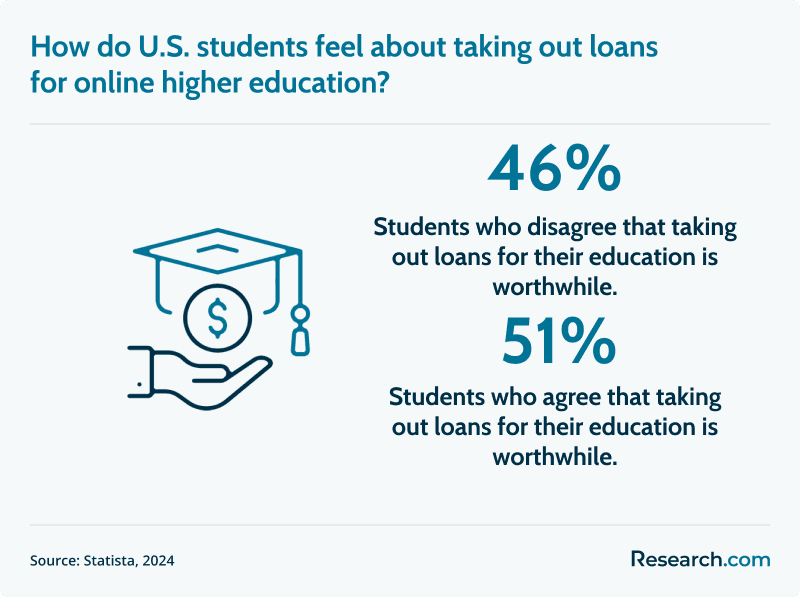
Borrowing can help students access training, but it should be approached carefully. Statista reports that American students owed an estimated $1.75 trillion in student loans as of the first quarter of 2024. The same source indicates that only 7% of U.S. students agreed that taking out loans for an online program is worthwhile.
What are the prerequisites for enrolling in an accelerated online sonography & ultrasound degree program?
Accelerated sonography programs often admit students who already have strong academic preparation or healthcare experience. Requirements vary widely, so applicants should read admission policies closely before investing time and money in prerequisites.
| Common Requirement | Why It Matters |
| Associate or bachelor’s degree | Some accelerated programs are designed for students who already completed college coursework or hold an allied health credential. |
| Prerequisite courses | Anatomy and physiology, medical terminology, math, English, and communication courses help prepare students for the technical curriculum. |
| Minimum GPA | Programs may require a 2.5 or 3.0 GPA to show readiness for compressed coursework. |
| Certification or licensure | Some programs are intended for radiologic technologists, nurses, vascular ultrasound technicians, or other licensed healthcare professionals. |
| Clinical or healthcare experience | Prior patient-care exposure can help students adapt to clinical settings and understand professional expectations. |
EducationDynamics reported in 2024 that 73% of online students considered more than one school, but 45% applied to only one school after making inquiries. That makes early screening important. Before applying, confirm whether your prerequisites will expire, whether courses must be completed with a minimum grade, and whether the program accepts transfer credits.
The National Association for College Admission Counseling published a 2023 survey on the college admission process showing that applicants experience pressure from multiple parts of the process. For accelerated healthcare programs, stress can increase when clinical documentation, immunizations, background checks, and prerequisite deadlines overlap.
What courses are typically in an accelerated online sonography & ultrasound degree program?
Accelerated sonography programs combine medical science, imaging theory, patient care, and clinical practice. Course names differ by school, but most programs cover the same core competencies.
- Human Anatomy and Physiology: Students study body systems and organ function, with emphasis on structures commonly evaluated through ultrasound.
- Medical Terminology: This course builds fluency in healthcare vocabulary, abbreviations, documentation language, and clinical communication.
- Pathophysiology: Students learn how disease processes affect body systems and how imaging supports diagnosis.
- Cross-Sectional Anatomy: This subject helps students recognize internal structures from different imaging planes and perspectives.
- Principles of Sonography: Coursework covers sound wave physics, image formation, equipment operation, instrumentation, and quality control.
- Clinical Practicum: Students complete supervised scanning practice in approved healthcare settings, even when lectures are delivered online.
- Patient Care and Ethics: This course focuses on patient communication, professional conduct, privacy, safety, and ethical responsibilities.
- Advanced Imaging Techniques: Students may study specialized modalities, emerging technologies, and more complex sonographic procedures.
What types of specializations are available in accelerated online sonography & ultrasound degree programs?
Specialization matters because certification exams, clinical placements, and job opportunities often align with a specific imaging area. Students should select a program that supports the specialty they want rather than assuming every sonography program covers every track.
| Specialization | Typical Focus |
| Abdominal Sonography | Imaging of organs such as the liver, pancreas, gallbladder, spleen, and kidneys. |
| Obstetrics and Gynecology Sonography | Imaging related to fetal development, pregnancy, and the female reproductive system. |
| Vascular Sonography | Assessment of blood vessels, circulation, blockages, aneurysms, and venous conditions. |
| Cardiovascular Sonography | Heart and vascular imaging, including echocardiography and Doppler techniques. |
| Musculoskeletal Sonography | Imaging of muscles, tendons, joints, ligaments, sports injuries, arthritis, and related conditions. |
| Neurosonology | Imaging related to the brain and nervous system, including neonatal brain imaging. |
| Pediatric Sonography | Diagnostic imaging for infants, children, and adolescents. |
| Breast Sonography | Imaging of breast tissue to identify abnormalities such as cysts, tumors, and other breast conditions. |
Before choosing a track, ask whether the program includes enough clinical cases in that specialty and whether graduates are prepared for the certification exam you plan to take.
How to choose the best accelerated online sonography & ultrasound degree program?
The best accelerated online sonography program is the one that matches your career goal, meets quality standards, supports clinical placement, and fits your budget. Tuition matters: the 2023 NACAC report found that 89% of students consider tuition cost a top factor when deciding where to apply. But in sonography, the lowest-cost option is not always the safest choice if accreditation or clinical access is weak.
Program selection checklist
- Accreditation: Look for recognized accreditation, such as CAAHEP, and confirm what that accreditation covers.
- Certification preparation: Ask which ARDMS or ARRT exams graduates are prepared to pursue.
- Clinical training: Review clinical hour requirements, site approval rules, supervision standards, and travel expectations.
- Clinical site assistance: Confirm whether the school helps secure placements or expects students to find sites independently.
- Curriculum fit: Make sure the courses support your intended specialty and future education goals, including options such as one year masters programs online if you later plan graduate study.
- Student support: Look for advising, tutoring, exam preparation, technical help, and career services.
- State requirements: Verify whether the program meets requirements in the state where you plan to work.
- Faculty experience: Review instructor credentials, clinical background, and specialty expertise.
- Technology and labs: Check whether the program uses current ultrasound equipment, virtual simulations, and accessible lab resources.
- Total cost: Compare tuition, fees, clinical expenses, travel, supplies, and exam costs.
Lab access is especially important. A 2024 Statista survey found that 71% of U.S. college students preferred lab or interactive work to be conducted in person, while 29% preferred online. That preference reflects a real issue in sonography: scanning is a physical skill that improves through supervised repetition.
What online students value most
Speed is a major reason students choose accelerated study, but choosing only the fastest or easiest route can backfire. Some students researching easy online degrees may find that sonography is not a good fit if they want a low-intensity program. The field requires technical precision, clinical judgment, patient interaction, and physical stamina.
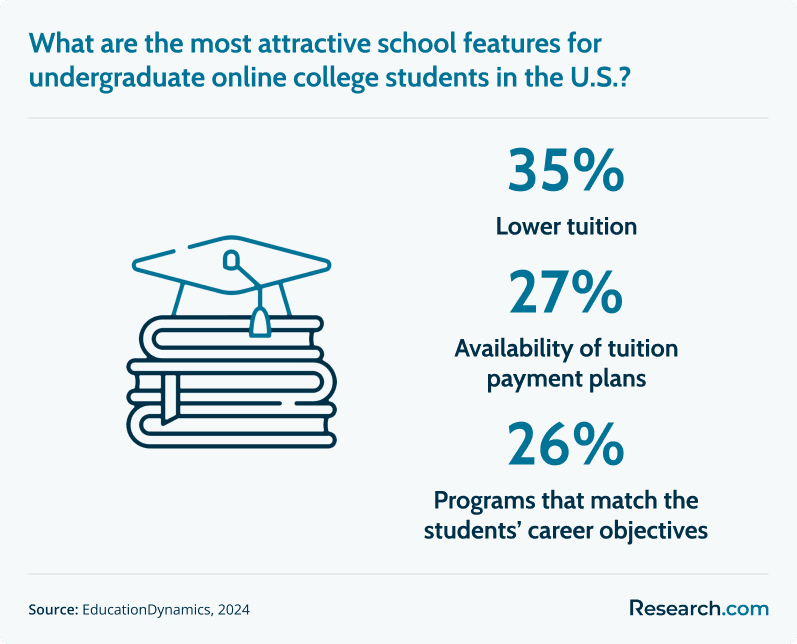
EducationDynamics reported in 2024 that the most attractive school features for U.S. online undergraduates included lower tuition (37%), a tuition payment plan (27%), programs aligned with career goals (26%), school reputation (20%), and faster completion time along with higher scholarships and grants (21%). Use those factors as a starting point, but add sonography-specific criteria such as clinical placement strength and certification outcomes.
What are the typical work environments for sonographers, and how do they impact career growth?
Sonographers work in hospitals, outpatient centers, physician offices, diagnostic imaging facilities, private practices, and specialty clinics. Each setting can shape your schedule, case exposure, advancement options, and specialty development.
| Work Setting | Career Impact |
| Hospitals | Often provide broad case variety, exposure to urgent or complex patients, and collaboration with multidisciplinary teams. |
| Outpatient centers | May offer more predictable schedules and focused imaging workflows. |
| Physician offices and private practices | Can provide closer patient relationships and smaller-team environments. |
| Specialty clinics | May support deeper expertise in areas such as obstetrics, cardiology, vascular imaging, or pediatrics. |
| Employment services | Can offer contract or temporary assignments, which may broaden experience but may provide less stability. |
Students comparing employers sometimes also consider business-side questions, such as how much do ultrasound businesses make, because the financial health and operating model of a facility can affect staffing, equipment investment, and career stability.
What certifications are necessary after completing an accelerated online sonography degree?
Many employers prefer or require professional certification after graduation. The most recognized certification organizations include the American Registry for Diagnostic Medical Sonography and the American Registry of Radiologic Technologists.
ARDMS certification generally requires candidates to pass a sonography principles exam and a specialty exam, such as abdominal or obstetric sonography. ARRT certification involves a registry exam that evaluates imaging knowledge and patient care competency. Requirements can vary by eligibility pathway, education history, and specialty.
Some states may have additional licensing or practice requirements. Before enrolling, ask the program which certifications its graduates are eligible to pursue and whether the curriculum meets requirements in your intended state of employment.
What career paths are available for graduates of accelerated online sonography & ultrasound degree programs?
Graduates may enter direct patient-care imaging roles or move into education, management, research, quality assurance, or sales after gaining experience. Common career paths include:
- Diagnostic Medical Sonographer: Uses ultrasound technology to create diagnostic images of internal body structures.
- Ultrasound Technician: Operates ultrasound equipment and captures images for physician review.
- Sonography Instructor: Teaches sonography students in college, university, or vocational settings.
- Sonography Researcher: Studies imaging techniques, clinical applications, and technology improvements.
- Sonography Consultant: Advises healthcare facilities on equipment, workflow, safety, and imaging procedures.
- Sonography Sales Representative: Works with healthcare organizations to sell ultrasound equipment or related products.
- Sonography Manager: Supervises imaging staff, schedules, quality processes, and department operations.
- Sonography Quality Assurance Specialist: Helps ensure equipment, procedures, documentation, and imaging practices meet quality standards.
Sonography salaries are often compared with radiology technology roles. Students weighing imaging careers may also review the xray tech salary to compare earnings, education, and credential requirements.
Technical skill alone is not enough. Research on soft skills necessary for health professionals highlights why communication, empathy, adaptability, and teamwork matter in clinical care. Sonographers must explain procedures, reduce patient anxiety, work efficiently with physicians, and maintain professionalism in sensitive situations.
Based on 2024 ZipRecruiter estimates, several higher-paying sonography-related roles report the following average yearly wages:
| Role | Average Yearly Wage |
| Echocardiographer | $120,455 |
| Vascular Sonographer | $116,687 |
| Chief Ultrasound Technologist | $113,659 |
| Ultrasound Applications Specialist | $108,750 |
| Registered Diagnostic Cardiac Sonographer | $90,891 |
How Can Supplementary Administrative and Coding Skills Enhance My Sonography Career?
Administrative and revenue-cycle knowledge can make sonographers more useful in clinical operations, especially in smaller practices or leadership-track roles. Understanding documentation, claims workflows, and coding communication can reduce friction between imaging teams and billing departments. Students who want this added business-side fluency may explore online billing and coding options as a supplement to clinical training.
Can Combining Online Sonography with Other Healthcare Degrees Enhance My Career?
Additional healthcare credentials can broaden a sonographer’s perspective, especially for students interested in leadership, interdisciplinary care, informatics, or advanced clinical coordination. This does not mean every sonography student should pursue another healthcare degree. It means that experienced professionals may benefit from complementary study when it supports a specific career plan. For example, learners asking Can I become a pharmacist online? are usually exploring a very different clinical pathway that requires careful review of professional and licensure requirements.
What Emerging Trends in Sonography Education Should I Consider?
Sonography education is being shaped by simulation, digital learning platforms, telehealth workflows, portable ultrasound devices, and increased expectations for specialty certification. Online programs must show how they teach hands-on competencies when students are not always on campus. Strong programs should use simulations as preparation, not as a complete replacement for supervised scanning practice.
Some students also compare sonography with other accelerated healthcare pathways, including fast track PharmD programs online. These comparisons can be useful, but the fields lead to different scopes of practice, timelines, and credentialing requirements.
How Do Employers Evaluate Accelerated Online Sonography Degrees?
Employers typically care less about whether lectures were online and more about whether the graduate can scan competently, communicate professionally, follow safety procedures, and meet credential expectations. Hiring teams may review accreditation, clinical training quality, certification status, references, specialty experience, and readiness for fast-paced patient care.
Students comparing healthcare bachelor’s options may also review pathways connected to the highest earning medical jobs with a bachelor's degree, but sonography hiring decisions are usually tied closely to clinical skill and certification eligibility.
How Do Online Sonography Programs Adapt to Rapid Technological Advancements?
Online and hybrid sonography programs adapt through updated imaging content, virtual patient scenarios, simulation tools, remote instruction, and partnerships with clinical sites that use current equipment. The strongest programs do not rely only on digital tools; they connect online learning with real patient-care experiences and timely faculty feedback.
Broader healthcare technology trends also affect adjacent fields. Students researching interdisciplinary graduate or professional options may compare medical imaging education with an online PharmD degree, but they should verify professional requirements carefully because pharmacy and sonography have different credentialing structures.
How can integrating online health information management enhance my sonography career?
Health information management can complement sonography by strengthening documentation accuracy, privacy awareness, workflow improvement, and data-informed decision-making. This can be valuable for sonographers who want to move into department management, quality assurance, informatics, or administrative leadership. One related pathway to research is online health information management programs with CAHIIM accreditation.
Essential Soft Skills for Success in Sonography
Sonographers work with patients who may be anxious, uncomfortable, pregnant, injured, or waiting for serious diagnostic information. Strong communication helps patients understand what to expect, while empathy helps build trust during procedures. Critical thinking helps sonographers adjust scanning approaches when anatomy, symptoms, or image quality create challenges.
Key soft skills include:
- Clear patient communication
- Empathy and emotional awareness
- Attention to detail
- Professional judgment
- Adaptability during difficult scans
- Teamwork with physicians, nurses, and imaging staff
- Time management in busy clinical settings
Students who want structured training in both imaging and patient care can compare programs through an online ultrasound tech school resource before narrowing their options.
What is the job market for graduates with accelerated online sonography & ultrasound degrees?
The job market for sonography graduates is supported by demand for diagnostic imaging, an aging population, advances in ultrasound technology, and the use of ultrasound across multiple specialties. The Bureau of Labor Statistics projects 10% employment growth for diagnostic medical sonographers from 2022 to 2032.
Statista projects the diagnostic imaging market to grow from $11.93 billion in 2024 to $14.33 billion by 2029. Data USA reports 14.2% growth in total degrees awarded for diagnostic medical sonography and ultrasound technician programs based on 2022 figures.
Specialization can improve competitiveness. Employers may seek sonographers trained in cardiac, vascular, pediatric, musculoskeletal, obstetric, or other specialty areas. Rural and underserved areas may also have opportunities for sonographers willing to work where imaging access is limited.
According to the Health Resources and Services Administration, demand for diagnostic medical sonographers in 2024 is 112,670, while supply is only 104,360. That gap does not guarantee employment for every graduate, but it does show why credentialed, clinically prepared sonographers remain important to the healthcare workforce.
What Are the Opportunities for Advancement in Sonography Programs Online?
Online sonography education can support advancement when it leads to recognized credentials and builds clinical competence. Graduates may begin in general sonography and later add specialties such as vascular, cardiac, pediatric, or musculoskeletal imaging. Experienced sonographers may move into lead technologist roles, department management, education, quality assurance, applications training, or research.
Students at the beginning of the pathway can compare sonography programs online to find entry-level options that match their specialty and clinical training needs.
How do I verify accreditation and quality standards in online sonography programs?
Accreditation should be verified directly, not assumed from marketing language. Look for recognized accrediting bodies such as the Commission on Accreditation of Allied Health Education Programs, then confirm whether the specific sonography program, not only the institution, holds the relevant accreditation.
Questions to ask before enrolling
- Is the sonography program accredited by CAAHEP or another recognized agency?
- Which certification exams are graduates eligible to take?
- What are the program’s graduation, placement, and certification pass outcomes?
- Who arranges clinical placements?
- How many clinical hours are required?
- Will clinical sites be available near my home?
- Are there state authorization or licensure issues for students in my state?
- What happens if I cannot secure a clinical placement?
Students can also compare quality indicators through resources on online sonography programs, but rankings should supplement—not replace—direct verification with the school and accrediting body.
What are the steps to become an ultrasound technician?
Becoming an ultrasound technician, or diagnostic medical sonographer, usually requires formal education, clinical training, and certification preparation. Students researching how to become an ultrasound technician can use the following roadmap.
- Complete high school or earn a GED: Focus on science, math, anatomy, biology, and health-related coursework when possible.
- Choose an accredited sonography program: Look for a CAAHEP-accredited ultrasound technician or diagnostic medical sonography program when available.
- Complete classroom and lab training: Study anatomy, physiology, ultrasound physics, pathology, patient care, ethics, and imaging procedures.
- Finish supervised clinical hours: Apply classroom knowledge in approved healthcare settings under qualified supervision.
- Pursue certification: ARDMS and ARRT credentials are widely recognized, and many employers prefer or require certification.
- Apply for sonography roles: Search hospitals, physician offices, diagnostic labs, outpatient centers, and specialty clinics.
- Maintain continuing education: Keep skills current as ultrasound technology, clinical protocols, and certification requirements evolve.
Common Mistakes to Avoid When Choosing an Accelerated Online Sonography Program
| Mistake | Better Approach |
| Choosing the fastest program without checking accreditation | Verify program-level accreditation and certification eligibility before applying. |
| Looking only at tuition | Calculate total cost, including labs, clinical travel, technology fees, uniforms, exams, and supplies. |
| Assuming online means fully remote | Expect in-person clinical training and possibly campus lab requirements. |
| Ignoring clinical placement policies | Ask whether the school places students or requires students to find their own sites. |
| Assuming every program supports every specialty | Match the program’s tracks, clinical cases, and faculty expertise to your certification goal. |
| Relying only on rankings | Use rankings as a starting point, then verify outcomes, accreditation, and student support directly. |
| Assuming salary outcomes are guaranteed | Compare local wages, certification expectations, employer demand, and cost of living. |
References
- Aslanian, C.B., Fischer, S. (2024). Online College Students 2024, 13th Annual Report on the Demands and Preferences of Online College Students. EducationDynamics. https://insights.educationdynamics.com/rs/183-YME-928/images/EDDY-Online-College-Students-2024.pdf
- Data USA (n.d.). Diagnostic Medical Sonography & Ultrasound Technician. https://datausa.io/profile/cip/diagnostic-medical-sonography-ultrasound-technician
- Hanson, M. (May 2024). Average Cost of Online College. Education Data Initiative. https://educationdata.org/average-cost-of-online-college
- Health Resources and Services Administration (n.d.). Workforce Projections. https://data.hrsa.gov/topics/health-workforce/workforce-projections (Data Extracted on June 20, 2024)
- Jackson College (n.d.). Tuition & Fees. https://www.jccmi.edu/financial-aid/tuition-fees
- Korhonen, V. (August 2023). Concerns about online versus on-campus learning options according to online students in the United States in 2023. Statista. https://www.statista.com/statistics/944409/concerns-about-choosing-online-education-usa
- Korhonen, V. (January 2024). U.S. students' beliefs on taking out loans for online higher education 2021-23. Statista. https://www.statista.com/statistics/1445419/us-students-beliefs-on-taking-out-loans-for-online-higher-education
- Korhonen, V. (June 2024). Value of outstanding student loans U.S. 2006-2024. Statista. https://www.statista.com/statistics/1077038/value-outstanding-student-loans-us
- National Association for College Admission Counseling (August 2023). NACAC College Admission Process Survey. https://www.nacacnet.org/wp-content/uploads/NACAC-College-Admission-Process-Research_FINAL.pdf
- Oregon Institute of Technology (n.d.). Online Costs. https://www.oit.edu/online/costs
- Stewart, C. (May 2024). Diagnostic imaging market revenue U.S. 2016-2029. Statista. https://www.statista.com/forecasts/975634/medical-imaging-market-size-us
- U.S. Bureau of Labor Statistics (April 2024). Occupational Employment and Wages, May 2023, 29-2032 Diagnostic Medical Sonographers. https://www.bls.gov/oes/CURRENT/oes292032.htm
- ZipRecruiter (June 2024). Chief Ultrasound Technologist Salary. https://www.ziprecruiter.com/Salaries/Chief-Ultrasound-Technologist-Salary
- ZipRecruiter (June 2024). Echocardiographer Salary. https://www.ziprecruiter.com/Salaries/Echocardiographer-Salary
- ZipRecruiter (June 2024). Registered Diagnostic Cardiac Sonographer Salary. https://www.ziprecruiter.com/Salaries/Registered-Diagnostic-Cardiac-Sonographer-Salary
- ZipRecruiter (June 2024). Ultrasound Applications Specialist Salary. https://www.ziprecruiter.com/Salaries/Ultrasound-Applications-Specialist-Salary
- ZipRecruiter (June 2024). Vascular Sonographer Salary. https://www.ziprecruiter.com/Salaries/Vascular-Sonographer-Salary
Key Insights
- Accelerated online sonography programs can shorten the path to the field, but they are not easy programs; clinical training, scanning practice, and certification preparation remain central.
- Program-level accreditation and clinical placement support are the two biggest quality checks before enrollment.
- Costs can vary widely, with programs reviewed for this guide ranging about $25,000 to $80,000, so students should request a full cost breakdown before applying.
- Online coursework may be flexible, but students should expect in-person clinical requirements and possibly campus lab visits.
- Specialization matters. Cardiac, vascular, OB/GYN, abdominal, pediatric, breast, and musculoskeletal tracks can lead to different certifications and job opportunities.
- Salary data is promising, but outcomes depend on location, certification, experience, specialty, and employer demand.
- The safest choice is not necessarily the fastest program; it is the program that is accredited, clinically strong, financially realistic, and aligned with the role you want after graduation.
Other Things You Should Know About Accelerated Online Sonography & Ultrasound Degrees
Yes. Most employers and licensing pathways expect certification through the American Registry for Diagnostic Medical Sonography (ARDMS), usually after completing an accredited program and required clinical training. Common exams include the Sonography Principles and Instrumentation (SPI) test plus a specialty exam such as abdomen or OB/GYN.
Yes, most accelerated online sonography degrees require clinical practicum hours, even in 2027. Students typically need to complete around 1,000 clinical hours to gain hands-on experience, complying with accreditation standards set by bodies like the Commission on Accreditation of Allied Health Education Programs (CAAHEP).