2027 Best Online Phlebotomy Technician Certificate Programs

Co-Founder and Chief Data Scientist
You know you want a stable career in healthcare, but a four-year degree feels like too much time and money. The good news is the industry has a clear need for your skills, with about 19,600 phlebotomy jobs projected to open each year. A certificate is one of the fastest and most direct on-ramps into this secure field.
That's where this guide comes in. Our career planning experts, with over 10 years of experience, have built this roadmap for you. We'll go beyond just a list to help you understand how to choose the best online phlebotomy technician programs and launch your new career with confidence.
What are the benefits of getting an online phlebotomy technician certificate?
- You get direct access to a high-demand healthcare field with about 19,600 job openings projected each year, playing a critical role in patient care.
- You can earn a competitive average salary of around $51,000 annually, providing a strong return on your educational investment.
- You have the flexibility to complete the foundational coursework online, allowing you to fit your studies around your work or family commitments.
What can I expect from an online phlebotomy technician certificate program?
Understand that when we talk about this certificate, we are really talking about a hybrid model. This is a key detail for planning your time and commitments.
The “online” part of your program covers the theoretical knowledge. You’ll study crucial subjects like anatomy, safety procedures, and medical ethics through flexible, web-based classes. This allows you to learn the foundational science on your own schedule.
However, the most critical part of your training happens in person. All legitimate online phlebotomy technician programs require you to complete a hands-on clinical externship. This is not a drawback; it's the essential, non-negotiable experience that ensures you are fully prepared and job-ready to work with patients safely and confidently.
Where can I work with an online phlebotomy technician certificate?
With a phlebotomy certificate, your skills are needed in a variety of healthcare settings, giving you options for the work environment that best suits you. The main industries that employ phlebotomists are:
- Hospitals: Make up the largest share, employing 35% of all phlebotomists in state, local, and private facilities.
- Medical and Diagnostic Laboratories: Represent 31% of phlebotomy jobs, often offering a more structured and controlled pace.
- Ambulatory Healthcare Services: Account for 17% of roles and include various mobile and community-based care providers.
- Physicians' Offices: Employ 8% of phlebotomists, typically providing a more personal, clinical setting.
- Outpatient Care Centers: Comprise 2% of jobs and focus on scheduled
How much can I make with an online phlebotomy technician certificate?
A phlebotomy technician certificate leads to a competitive salary with a clear path for financial growth as you gain experience. Based on recent data, here is the typical earning trajectory:
- Average Annual Salary: Phlebotomists earn an average of around $51,000 per year.
- Entry-Level Pay: Technicians new to the field typically start near the 25th percentile, earning about $40,000 annually.
- Experienced Pay: With a few years of experience, you can expect to earn closer to the 75th percentile, or about $57,000 per year.
- Top-Tier Pay: Senior phlebotomists in specialized or supervisory roles can earn over $76,000 annually.
- List of the Best Online Phlebotomy Technician Certificate Programs for 2027 List of Programs
- How long does it take to complete an online phlebotomy technician certificate program? Completion Time
- How does an online phlebotomy technician certificate program compare to an on-campus program? How does an online phlebotomy technician certificate program compare to an on-campus program?
- What is the average cost of an online phlebotomy technician certificate program? Program Cost
- What are the financial aid options for students enrolling in an online phlebotomy technician certificate program? Financial Aid
- What are the prerequisites for enrolling in an online phlebotomy technician certificate program? What are the prerequisites for enrolling in an online phlebotomy technician certificate program?
- What types of specializations are available in an online phlebotomy technician certificate program? What types of specializations are available in an online phlebotomy technician certificate program?
- How to Choose the Best Online Phlebotomy Technician Certificate Program How to Choose the Best Online Phlebotomy Technician Certificate Program
- What career paths are available for graduates of an online phlebotomy technician certificate program? Career Paths
- What is the job market for graduates with an online phlebotomy technician certificate program? Job Market
- Can Interdisciplinary Studies Broaden My Healthcare Career? Can Interdisciplinary Studies Broaden My Healthcare Career?
- How Can Healthcare Administration Strengthen My Phlebotomy Career? How Can Healthcare Administration Strengthen My Phlebotomy Career?
Best Online Phlebotomy Technician Certificate Programs for 2027
Choosing an online phlebotomy technician certificate program is not just about finding the lowest tuition or the shortest timeline. You need a program that prepares you for national certification, helps you complete hands-on clinical training, and gives employers confidence that you can collect blood specimens safely and accurately.
This guide is for students, career changers, and healthcare support workers who want a faster entry point into patient care. It explains how online phlebotomy programs work, what they cost, how long they take, what to verify before enrolling, and which programs offer strong combinations of flexibility, certification preparation, and clinical support.
Quick Answer: What Is the Best Online Phlebotomy Technician Certificate Program?
The best online phlebotomy technician certificate program is one that combines accredited or recognized coursework, preparation for the Certified Phlebotomy Technician exam, and a clear path to supervised hands-on clinical experience. Online programs can teach anatomy, safety procedures, infection control, medical terminology, and specimen handling, but students still need in-person practice to become employable.
For most students, the strongest choice is not simply the cheapest or fastest program. The better decision is the program that fits your schedule, includes or supports externship placement, discloses all costs, and prepares you for the certification exam required by employers in your area.
How We Rank Schools
Research.com evaluates programs with a focus on affordability, academic quality, student outcomes, accessibility, and practical career relevance. Because certificate training can be a significant financial decision, our ranking process uses established data sources, including the IPEDS database, Peterson's database, the College Scorecard database, and The National Center for Education Statistics. These sources help us review schools using consistent, verifiable information instead of promotional claims. You can read more about the evaluation process on Research.com’s methodology page.
Online Phlebotomy Technician Certificate Programs Compared
| Rank | School or Provider | Program Length | Total Tuition | Accreditation or Credentialing Information Listed | Best Fit |
| 1 | U.S. Career Institute | 3 months | $979 | Distance Education Accrediting Commission (DEAC) | Students seeking a lower-cost, self-paced option with exam-focused preparation |
| 2 | Penn Foster | 12 months | $1,099 | Distance Education Accrediting Commission (DEAC) | Students who want online lessons plus a required 40-hour externship |
| 3 | MedCerts | 12 weeks | $2,200 | National Healthcareer Association (NHA) | Learners who prefer accelerated training with digital simulations |
| 4 | Florida A&M University | 12 months | $2,295 | Southern Association of Colleges and Schools Commission on Colleges (SACSCOC) | Students who want a university-based course with a voucher and lab kit |
| 5 | Black Hills State University | 12 months | $2,295 | Higher Learning Commission (HLC) | Students looking for online training with CPR certification and clinical guidance |
| 6 | University of South Carolina - Sumter | 12 months | $2,295 | National Healthcareer Association (NHA) | Students who want externship assistance and certification exam preparation |
| 7 | Kennesaw State University | 9 weeks | $1,699 | Southern Association of Colleges and Schools Commission on Colleges (SACSCOC) | Students near campus who can attend required live skills labs |
| 8 | University of New Mexico | 12 months | $2,395 | Higher Learning Commission (HLC) | Students who want CPR certification, a lab kit, and a clinical experience option |
| 9 | Franklin University | 2-3 months | $2,200 | Higher Learning Commission (HLC) | Beginners who want fast online training with advisor and career coach support |
| 10 | Bethel College | 2-4 months | $2,000 | Higher Learning Commission (HLC) | Students who want video-based instruction and an included certification exam fee |
1. U.S. Career Institute - Online Phlebotomy Technician Certificate Program
The U.S. Career Institute program is a fully online, self-paced option built around preparation for the written part of the CPT certification exam. Students receive a practice IV arm kit, which helps them study vascular anatomy and rehearse basic blood draw concepts before completing required in-person practice.
- Program Length: 3 months
- Total Tuition: $979
- Accreditation: Distance Education Accrediting Commission (DEAC)
2. Penn Foster - Online Phlebotomy Technician Program
The Penn Foster program pairs online instruction with practical preparation through an Apprentice Doctor kit and a required 40-hour externship. Students receive support in locating an externship site, and the first CPT certification exam cost is included in the program.
- Program Length: 12 months
- Total Tuition: $1,099
- Accreditation: Distance Education Accrediting Commission (DEAC)
3. MedCerts - Phlebotomy Technician Online Certification Training
MedCerts offers a 12-week online training pathway that uses 3D animations and simulations to explain blood collection procedures, patient interaction, and safety practices. The curriculum is designed to move students quickly toward CPT national certification exam readiness.
- Program Length: 12 weeks
- Total Tuition: $2,200
- Accreditation: National Healthcareer Association (NHA)
4. Florida A&M University - Certified Phlebotomy Technician Vouchers and Lab Included
The Florida A&M University program uses online instruction, a hands-on lab kit, and certification exam preparation to help students build foundational phlebotomy knowledge. Eligible students receive a complimentary NHA exam voucher, and the program includes an optional clinical component for additional practice.
- Program Length: 12 months
- Total Tuition: $2,295
- Accreditation: Southern Association of Colleges and Schools Commission on Colleges (SACSCOC)
5. Black Hills State University - Certified Phlebotomy Technician Vouchers and Lab Included
Black Hills State University provides an online program with an at-home lab kit, CPT exam preparation, CPR certification, and support from a Clinical Experience Team. This structure may appeal to students who want online flexibility but still need guidance arranging practical training.
- Program Length: 12 months
- Total Tuition: $2,295
- Accreditation: Higher Learning Commission (HLC)
6. University of South Carolina - Sumter - Certified Phlebotomy Technician Vouchers and Lab Included
The University of South Carolina - Sumter program is an online CPT exam preparation course that includes a lab kit, an exam voucher for eligible students, and support in identifying a clinical externship opportunity.
- Program Length: 12 months
- Total Tuition: $2,295
- Accreditation: National Healthcareer Association (NHA)
7. Kennesaw State University - Phlebotomy Technician Certificate
The Kennesaw State University certificate uses a hybrid structure that combines online theory with required live skills labs. The 80-hour course is designed for students who want efficient CPT exam preparation while still completing supervised venipuncture practice on campus.
- Program Length: 9 weeks
- Total Tuition: $1,699
- Accreditation: Southern Association of Colleges and Schools Commission on Colleges (SACSCOC)
8. University of New Mexico - Certified Phlebotomy Technician Vouchers and Lab Included
The University of New Mexico offers an online phlebotomy course with a lab kit, national CPT exam preparation, CPR certification, and a clinical experience opportunity intended to strengthen job readiness.
- Program Length: 12 months
- Total Tuition: $2,395
- Accreditation: Higher Learning Commission (HLC)
9. Franklin University - Phlebotomy Tech Certificate Online
Franklin University offers a beginner-friendly online certificate that can be completed in 12 weeks. The program focuses on specimen collection skills, CPT certification exam preparation, and student support through personal success advisors and career coaches.
- Program Length: 2-3 months
- Total Tuition: $2,200
- Accreditation: Higher Learning Commission (HLC)
10. Bethel College - Online Certificate Phlebotomy Technician
Bethel College delivers an online certificate that uses expert-led video lessons and competency checks to prepare students for entry-level phlebotomy work. The curriculum includes infection control, venipuncture procedures, quality management, and the national certification exam fee as part of tuition.
- Program Length: 2-4 months
- Total Tuition: $2,000
- Accreditation: Higher Learning Commission (HLC)
How Long Does It Take to Complete an Online Phlebotomy Technician Certificate Program?
Most accredited online phlebotomy technician programs take between 4 and 12 months to complete for full-time students. Shorter programs may move quickly through online coursework, while longer programs may allow more time for scheduling clinical training, completing modules at your own pace, or preparing for certification.
Be careful with programs that promise completion in only a few weeks. A very short timeline may not leave enough room for anatomy, safety procedures, infection control, specimen handling, patient communication, and supervised clinical practice. Employers and certifying bodies often care less about speed and more about whether your training is complete and verifiable.
Who Usually Enrolls in Online Phlebotomy Programs?
Many phlebotomy students are not recent high school graduates. The field attracts adults changing careers, workers moving from retail or service jobs into healthcare, and people with prior medical experience who want a U.S.-recognized credential.
Available workforce data shows that the average age for phlebotomists is about 39, and the field is 88.8% female. That profile makes phlebotomy a common option for adults who want a practical healthcare role without committing immediately to a longer degree. Students who are more interested in broader science-based study may also compare this path with a natural sciences degree online.
Online vs. On-Campus Phlebotomy Technician Certificate Programs
The biggest advantage of an online phlebotomy program is flexibility. You can usually complete lectures, readings, quizzes, and exam preparation around work, caregiving, or other obligations. This format works well for students who are self-directed and comfortable learning theory through a digital platform.
However, phlebotomy cannot be learned entirely online. Whether you choose an online, hybrid, or campus-based program, you still need supervised in-person practice. Blood collection, patient identification, specimen labeling, infection control, and handling difficult draws require hands-on training with qualified oversight. Students who want healthcare education with online flexibility but at a more advanced level may also research online nursing education MSN programs.
| Factor | Online Program | On-Campus or Hybrid Program | Decision Tip |
| Coursework | Usually completed remotely and often self-paced | Completed in person or through a scheduled hybrid format | Choose online if you need scheduling flexibility |
| Hands-on training | Still required in person through labs or externship | Often built into campus labs or local clinical sites | Do not enroll unless the clinical requirement is clear |
| Student support | Varies widely by provider | May offer easier access to instructors and labs | Ask how quickly instructors respond and who helps with placement |
| Best for | Working adults and independent learners | Students who want structured schedules and face-to-face practice | Match the format to your learning style, not just your commute |
The Most Important Question: Who Arranges Clinical Placement?
When comparing programs, the real issue is not simply online versus campus. The more important question is whether the school helps you secure clinical training. Without supervised practice, you may finish coursework but still struggle to qualify for certification or employment.
Before enrolling, ask whether the program has established clinical partners, whether students must find their own externship site, how many hours are required, and what happens if no site is available near you. Strong clinical placement support can make the difference between a smooth transition into work and a frustrating search for required experience.
How Much Does an Online Phlebotomy Technician Certificate Program Cost?
The listed tuition is only one part of the cost. Online phlebotomy technician certificate programs in this guide range from $979 to $2,395, but your final out-of-pocket cost may be higher depending on supplies, screenings, exam fees, and clinical requirements.
When comparing programs, build a full budget that includes:
- Tuition and mandatory school fees
- Textbooks, digital materials, and required supplies
- Scrubs, shoes, or other required uniforms
- Background check, drug screening, immunization, or health clearance fees
- Certification exam fee if it is not already included
- Transportation to labs, externships, or clinical sites
How to Think About ROI
A phlebotomy certificate can be a relatively fast healthcare credential, but the return depends on your total cost, local wages, certification status, and ability to secure clinical experience. The article’s salary data notes a typical starting salary around $40,000 and an average of about $51,000, but no program can guarantee a specific wage. Location, shift type, employer, experience, and certification all affect pay.
If cost is your biggest concern, compare phlebotomy with other short healthcare pathways as well. For example, some students review affordable online medical assistant programs when deciding whether they want a narrower blood collection role or a broader front- and back-office clinical support position.
Financial Aid Options for Online Phlebotomy Technician Certificate Students
Financial aid depends heavily on the school, the program’s eligibility, and accreditation status. Students who want federal grants or loans typically begin with the FAFSA, but not every certificate program qualifies for federal aid.
If a program is not eligible for federal student aid, you may need to rely on payment plans, employer tuition assistance, institutional scholarships, workforce development funding, or private loans. Private loans can carry higher interest rates, so compare repayment terms carefully before borrowing.
Why Accreditation Matters for Funding and Employment
Accreditation helps indicate that a school or program meets recognized educational standards. It can affect financial aid eligibility, transfer options, employer confidence, and your ability to sit for certain certification exams. Before enrolling, verify accreditation directly rather than relying only on marketing language.
Ask admissions staff to explain which agency accredits the institution, whether the phlebotomy program itself is approved or recognized by a certifying organization, and whether graduates are eligible for the exam you plan to take. This step protects both your budget and your career plans.
Admission Requirements for Online Phlebotomy Technician Certificate Programs
Most online phlebotomy technician certificate programs have accessible entry requirements. You generally do not need a college degree, but you must be able to meet the academic, health, and legal requirements needed for patient-facing clinical training.
- High school diploma or GED equivalent
- Minimum age of 18 years
- Health screening and current immunizations
- Clear criminal background check before clinical placement
Important Applicant Considerations
The background check should be taken seriously. Because phlebotomists work with patients, blood specimens, and protected health information, schools and clinical sites may have strict requirements. If you have a prior conviction, ask the program and any relevant certifying body how it could affect clinical placement, certification eligibility, and hiring.
Applicants educated outside the U.S. may need a credential evaluation to show that their prior education is comparable to a U.S. high school diploma. If your long-term goal is advanced pediatric practice rather than entry-level blood collection, you may eventually explore a DNP pediatric primary care nurse practitioner program, but that pathway requires far more education and clinical preparation.
What Do You Learn in an Online Phlebotomy Technician Certificate Program?
A quality phlebotomy curriculum teaches more than how to draw blood. It prepares students to protect patients, collect accurate specimens, follow legal and ethical rules, and work smoothly with nurses, laboratory staff, physicians, and other healthcare professionals.
Common course topics include:
- Anatomy and physiology, especially the circulatory system
- Medical terminology used in labs, clinics, and hospitals
- Venipuncture and capillary collection principles
- Specimen collection, labeling, processing, and transport
- Infection control and exposure prevention
- OSHA and HIPAA-related safety and privacy practices
- Patient communication, professionalism, and ethical responsibilities
Core Competencies Employers Expect
Employers want phlebotomists who can identify patients correctly, follow the order of draw, prevent contamination, label specimens accurately, calm anxious patients, and respond appropriately when a draw is difficult. Technical skill matters, but reliability and safety are just as important.
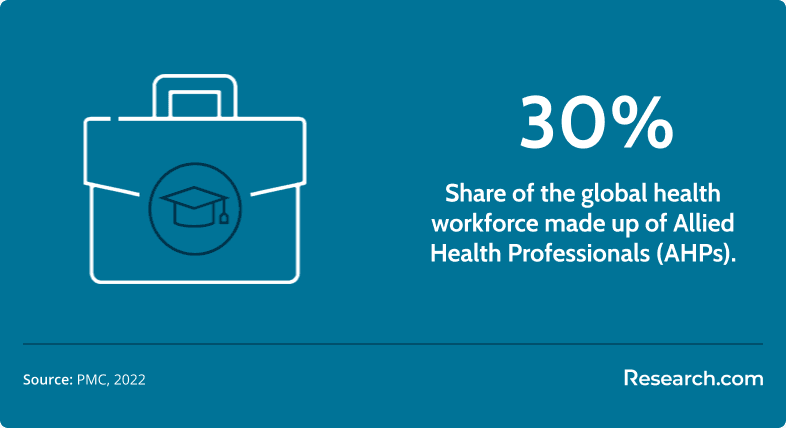
Phlebotomy also overlaps with other allied health roles, which can confuse students. For example, many people ask whether medical assistants can perform blood draws. In some settings they can, but a dedicated phlebotomy program provides more focused training in specimen collection, blood draw safety, and lab-related procedures.
Phlebotomy Specializations and Work Settings
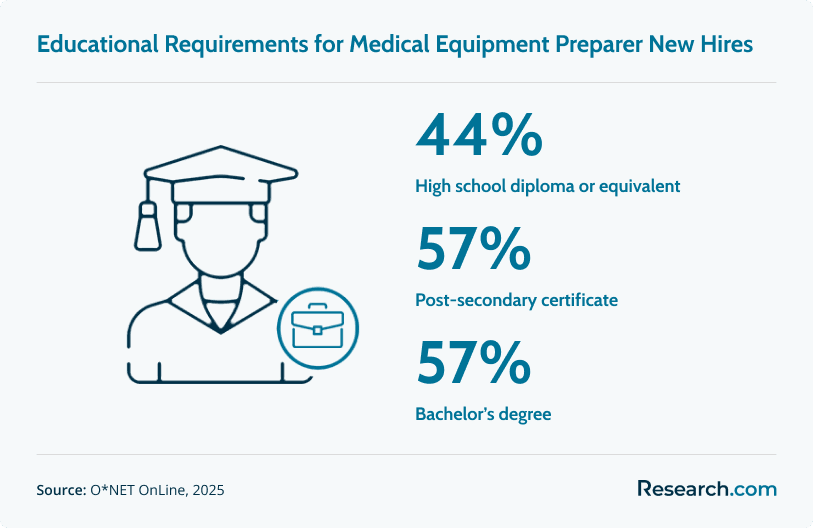
Most online phlebotomy technician certificate programs provide general entry-level training rather than formal specialization. Specialization usually develops after you start working, build confidence with different patient populations, and complete additional employer training or advanced credentials.
Common phlebotomy-focused career directions include:
- Pediatric Phlebotomy: Collecting specimens from infants, children, and adolescents
- Geriatric Phlebotomy: Working with older adults who may have fragile veins or complex health needs
- Therapeutic Phlebotomy: Drawing blood as part of treatment for certain medical conditions
- Mobile Phlebotomy: Traveling to homes, long-term care facilities, or other off-site locations
Which Industries Can Pay More?
Your first job setting can shape your earnings and career development. Hospitals employ many phlebotomists, but they are not always the highest-paying option. Outpatient care centers, which pay an average of $51,180, can be attractive for workers who want clinical work outside a traditional hospital schedule.
It also helps to understand how allied health roles differ. Students comparing job titles often ask whether medical technologists, medical assistants, and medical lab technicians are the same. They are not. Each role has different training expectations, scope of practice, and pay potential.
How to Choose the Best Online Phlebotomy Technician Certificate Program
The best online phlebotomy technician certificate program is the one that meets certification requirements, fits your schedule, provides realistic clinical support, and makes financial sense. You can also review resources from the National Phlebotomy Association when researching professional expectations and training standards.
- Verify accreditation and certification eligibility. Ask which accreditor or approving body applies and whether graduates qualify for the CPT exam or another national certification exam recognized in your area.
- Confirm clinical placement details before paying. Find out whether the school places students, provides a list of approved sites, or requires you to find your own externship.
- Compare total cost, not just tuition. Include uniforms, background checks, health screenings, exam fees, books, lab kits, and travel.
- Match the format to your life. A self-paced program can be convenient, but it requires discipline. A hybrid program may be better if you need scheduled labs and direct instructor feedback.
- Ask about student outcomes. Request certification exam pass information, externship completion expectations, job search support, and employer partnerships when available.
- Check state and employer requirements. Some employers may prefer or require specific certifications, clinical hours, or prior healthcare experience.
Questions to Ask Before Enrolling
| Question | Why It Matters |
| Does this program qualify me for the certification exam I want to take? | A certificate of completion is not the same as national certification. |
| Who is responsible for finding my clinical site? | Students can lose time if they finish online coursework but cannot secure hands-on training. |
| Are exam vouchers, lab kits, books, and screenings included? | The listed tuition may not reflect the full cost. |
| What happens if I cannot complete my externship within the program timeline? | Policies vary, and extensions may affect cost or completion. |
| Do local employers recognize this credential? | Employer expectations can differ by region and healthcare setting. |
Common Mistakes to Avoid
- Choosing the shortest program without checking whether it includes adequate clinical preparation
- Assuming online coursework alone is enough to become job-ready
- Ignoring accreditation, certification eligibility, or employer preferences
- Comparing programs by tuition only instead of total cost
- Waiting until graduation to ask about externship placement
- Assuming salary outcomes are guaranteed after completing a certificate
Career Paths After an Online Phlebotomy Technician Certificate
A phlebotomy certificate can be a practical first step into healthcare. Some graduates stay in phlebotomy and move into senior or supervisory roles, while others use the experience to pursue nursing, laboratory science, medical assisting, or other allied health careers.
Workforce experience data suggests that phlebotomy is not only an entry-level job. About a third of phlebotomists are in their early career, while over 60% are mid-career, late-career, or experienced professionals. That pattern shows that some workers build long-term careers from this role. Students comparing other short healthcare credentials may also review an online sterile processing technician certificate program.
Advancement Options
- Grow within phlebotomy: With experience, you may move into lead phlebotomist, shift supervisor, trainer, or department management roles.
- Move into broader clinical roles: Patient care experience can support future training for roles such as Registered Nurse, Physician Assistant, or Medical Laboratory Scientist.
- Add related skills: Additional training can expand what you are qualified to do in a clinical setting. For example, students often ask whether medical assistants can give injections or shots, which depends on training, employer policy, and state rules.
Credential requirements vary across allied health jobs. Before switching paths, compare the training and responsibilities for a medical assistant vs. medical lab technician so you understand which role best matches your career goals.
Job Market for Online Phlebotomy Technician Certificate Graduates
The job outlook for phlebotomists is strong. The field is projected to grow by 8% over the next decade, which is much faster than the average for all occupations. About 19,600 job openings are projected each year, creating steady demand for trained workers who can collect blood specimens safely and accurately.
Demand is supported by hospitals, outpatient care centers, diagnostic laboratories, blood donation centers, physician offices, and mobile health services. Still, getting hired usually depends on more than finishing coursework. Employers commonly look for national certification, completed clinical experience, professionalism, and comfort working directly with patients.
Certificate vs. Certification: Know the Difference
A certificate is what a school awards after you complete the program. Certification is a professional credential earned after passing an exam from a recognized certifying organization, such as the NHA or ASCP. Many employers care most about certification because it signals that your knowledge has been tested against an external standard.
Before enrolling, confirm which exam the program prepares you for, whether the exam voucher is included, and whether the certifying organization requires a certain number of venipunctures or clinical hours. Completing this final step can make your job search more competitive.
Current Trends Affecting Phlebotomy Training and Jobs
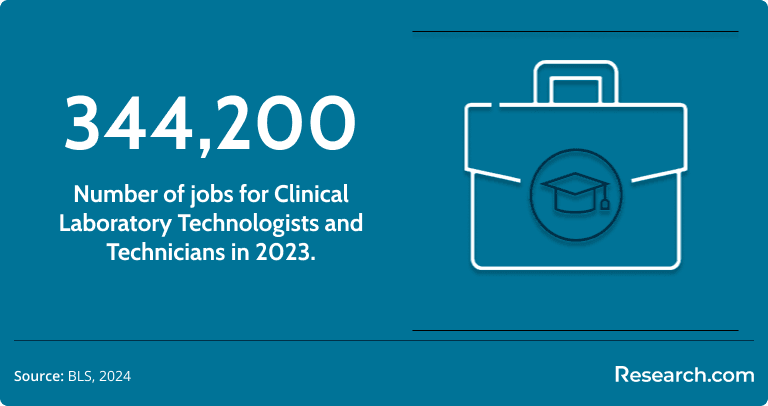
Phlebotomy remains a hands-on healthcare role, but the work is changing. Employers increasingly expect comfort with electronic health records, barcode specimen tracking, digital scheduling systems, and strict documentation workflows. Accuracy is critical because mislabeled or mishandled specimens can delay care and create patient safety risks.
Automation is also changing laboratory operations, but it does not eliminate the need for trained phlebotomists. Machines can process specimens, but a skilled worker is still needed to identify the patient, choose the correct collection method, manage patient anxiety, prevent contamination, and collect usable samples.
Another trend is the continued growth of flexible training formats. Online coursework can reduce scheduling barriers, but students should remain cautious: a convenient online program is only valuable if it leads to legitimate certification eligibility and real clinical practice.
Advanced Study Options Beyond Phlebotomy
Phlebotomy can be a starting point rather than the end of your healthcare education. After gaining patient care experience, some professionals continue into nursing, laboratory science, healthcare administration, pharmacy, nutrition, or other clinical and nonclinical fields. These paths usually require more time, more prerequisites, and a larger financial investment, so they should be chosen carefully.
Students interested in medication therapy, clinical pharmacy, and advanced healthcare science may compare long-term options such as online PharmD programs in the USA. This is a much more extensive pathway than phlebotomy, but it may fit students who want a doctoral-level healthcare profession.
Can Interdisciplinary Study Expand a Phlebotomy Career?
Interdisciplinary education can be useful if you want to move beyond specimen collection into broader patient education, wellness, public health, or integrated care roles. For example, studying nutrition can strengthen your understanding of metabolism, preventive health, and lifestyle-related conditions.
If that direction interests you, compare phlebotomy experience with programs such as the best online bachelor’s degrees in nutritional science programs. A bachelor’s degree is not required for entry-level phlebotomy, but it may support a longer-term healthcare or wellness career.
How Can Healthcare Administration Strengthen a Phlebotomy Career?
Phlebotomists who enjoy operations, scheduling, compliance, training, and team leadership may eventually move toward administrative roles. Understanding budgeting, staffing, quality improvement, patient flow, and regulatory requirements can help experienced clinical workers transition into supervisory or management positions.
A healthcare administration degree online may be useful for phlebotomists who want to move from direct specimen collection into clinic operations, laboratory coordination, or healthcare leadership. Before enrolling, compare cost, transfer credit policies, accreditation, and whether the degree aligns with the roles you want.
What Graduates Say About Online Phlebotomy Technician Certificate Programs
- Tiernan: "I did not want to spend years in school before starting a real healthcare job. The online lessons let me study around my schedule, and the certification process gave me a clear goal. Less than a year later, I was working full time in a hospital with benefits, which made the decision feel worth it."
- Orrin: "I had worked in logistics for years and needed a career change that would not disrupt my family’s finances. Studying online at night made it possible. The program was practical, and getting hired by a clinic helped me feel like I had taken a serious step toward better job security."
- Soleil: "I had healthcare experience outside the U.S., but employers wanted recent training and a recognized credential here. The phlebotomy certificate helped me reenter the lab environment. The online coursework was convenient, but the clinical experience was what gave me confidence with American workplace expectations."
Key Insights
- Online phlebotomy programs are not fully online in practice. You can study theory remotely, but supervised hands-on training is still essential for certification and employment.
- Clinical placement support should be a top priority. A low-cost program may become frustrating if you are left to find your own externship without help.
- Certificate and certification are different. Completing a school program gives you a certificate; passing a recognized exam gives you the professional certification many employers expect.
- Total cost matters more than advertised tuition. Budget for screenings, uniforms, books, lab kits, travel, and exam fees before choosing a program.
- Phlebotomy can be a fast entry point into healthcare. The field is projected to grow by 8% over the next decade, with about 19,600 openings projected each year.
- The best program depends on your situation. Choose based on certification eligibility, clinical training access, accreditation, schedule, cost, and local employer expectations.
References:
- Al-Hadithy, D. S. D., Al-Joboory, S., Al-Hadithy, A., & Al-Hadithy, H. (2022). Allied Health Professions, A Fading Lustre: A Narrative Review. Sultan Qaboos University Medical Journal, 22(3), 324–331. https://www.ncbi.nlm.nih.gov/pmc/articles/PMC9318339/
- Data USA. (n.d.). Phlebotomists. Retrieved August 6, 2025, from https://datausa.io/profile/soc/phlebotomists
- National Center for O*NET Development. (n.d.). 31-9093.00 - Phlebotomists. O*NET OnLine. Retrieved August 6, 2025, from https://www.onetonline.org/link/summary/31-9093.00
- Payscale. (n.d.). Certified Phlebotomy Technician (CPT) Salary. Retrieved August 6, 2025, from https://www.payscale.com/research/US/Certification=Certified_Phlebotomy_Technician_(CPT)/Salary
- U.S. Bureau of Labor Statistics. (2024, April 3). Occupational employment and wage statistics: 31-9097 Phlebotomists. Retrieved August 6, 2025, from https://www.bls.gov/oes/2023/may/oes319097.htm
- U.S. Bureau of Labor Statistics. (2024, April 16). Occupational outlook handbook: Clinical laboratory technologists and technicians. Retrieved August 6, 2025, from https://www.bls.gov/ooh/healthcare/clinical-laboratory-technologists-and-technicians.htm
- U.S. Bureau of Labor Statistics. (2024, April 16). Occupational outlook handbook: Phlebotomists. Retrieved August 6, 2025, from https://www.bls.gov/ooh/healthcare/phlebotomists.htm
- ZipRecruiter. (n.d.). Certified Phlebotomy Technician Salary. Retrieved August 6, 2025, from https://www.ziprecruiter.com/Salaries/Certified-Phlebotomy-Technician-Salary. Related allied health review: https://www.ncbi.nlm.nih.gov/pmc/articles/PMC9318339/
Other Things You Should Know About Online Phlebotomy Technician Certificate Programs
Yes. Many online phlebotomy certificate programs require an externship of about 40 to 100 hours in a clinic, hospital, or lab. Students usually complete online theory first, then finish supervised blood-draw practice before graduation.
Yes, scholarships are available for 2027 online phlebotomy technician certificate programs. Many institutions offer financial aid, including merit-based and need-based scholarships. Check with individual program websites for specific criteria and application deadlines, usually in early 2027.
In 2027, online phlebotomy programs often require students to complete a hands-on clinical practicum at an affiliated healthcare facility. This practical training component typically involves 40-120 hours of supervised blood collection to ensure skill proficiency and meets the standards set by certifying bodies like the National Phlebotomy Association.
In 2027, states like California, Nevada, and Louisiana require phlebotomists to obtain specific certifications beyond national credentials. California mandates state certification, while Nevada and Louisiana have unique licensing procedures. Always verify state-specific requirements as they may change, influencing career opportunities in phlebotomy.