2027 Best Online Dental Assistant Degree Programs

Co-Founder and Chief Data Scientist
Choosing an online dental assistant program is not just a question of convenience. The bigger issue is whether the program will actually qualify you for the work you want to do in your state, prepare you for clinical tasks, and make financial sense compared with faster training options. Dental assistants support dentists before, during, and after patient care by preparing treatment rooms, sterilizing instruments, taking records, assisting with procedures, and often handling scheduling or billing duties.
This guide is for students, career changers, working dental office employees, military-affiliated learners, and anyone comparing online dental assistant certificates, diplomas, associate-level options, and clinical training programs. You will learn how online programs work, how long they take, what they cost, how to evaluate accreditation and clinical requirements, what careers they can lead to, and which questions to ask before enrolling.
Quick answer: Is an online dental assistant degree worth it?
An online dental assistant program can be worth it if it is properly accredited or institutionally recognized, includes supervised hands-on training, aligns with your state’s dental assisting rules, and fits your budget. Many programs are not fully online because students usually need in-person labs, externships, or clinical experiences to practice chairside assisting, infection control, radiography, and patient-care skills.
In 2023, dental assistants in the US earned a median annual wage of $46,540, according to the US Bureau of Labor Statistics (BLS, 2024). The role is also projected to grow by 8% between 2023 and 2033, which is faster than the average for all occupations in the country. However, outcomes vary by state, employer, credential, experience, and whether the program prepares you for required exams or expanded functions.
What are the main benefits of an online dental assistant program?
- Career preparation for dental office roles: A well-designed program can prepare students for dental assisting duties and may also support related paths such as surgical assisting, medical office administration, dental laboratory work, or further education toward dentistry.
- Documented labor-market demand: Dental assistants had a 2023 median annual wage of $46,540 in the US, based on BLS data released in 2024.
- Flexible study with required hands-on practice: Online coursework can help students manage school alongside work, military service, or family obligations, while clinical requirements provide practice in real dental settings.
What can I expect from an online dental assistant degree program?
Most online dental assistant programs combine remote coursework with required in-person practice. Students typically study dental terminology, oral anatomy, infection prevention, radiography basics, chairside assisting, dental materials, patient communication, office procedures, scheduling, billing, and recordkeeping. Some programs are certificate or training programs rather than full degree programs, so it is important to review the credential name carefully before applying.
Online instruction may use recorded lectures, reading modules, quizzes, discussion boards, demonstrations, and virtual simulations. The clinical portion is usually completed through an externship, lab, or supervised placement at a dental office or approved training site. If a program claims to be completely online, ask how students meet hands-on competency expectations for sterilization, dental instruments, radiographic positioning, and patient-care procedures.
Common online dental assistant program formats
| Program type | Best for | Typical structure | Important caution |
| Certificate or diploma | Students who want a faster route into dental assisting | Focused dental assisting coursework plus clinical training | Confirm whether it prepares you for your state’s required exams or registrations. |
| Associate-level dental assisting option | Students who want broader general education and possible transfer value | Dental assisting courses, general education, labs, and externship components | Longer programs may cost more, so compare total price against your career goals. |
| Workforce or continuing education training | Career changers or employed dental office workers | Online modules, exam preparation, and possible externship support | Some non-credit programs may not qualify for the same financial aid or transfer credit as credit-bearing programs. |
Where can I work with an online dental assistant degree program?
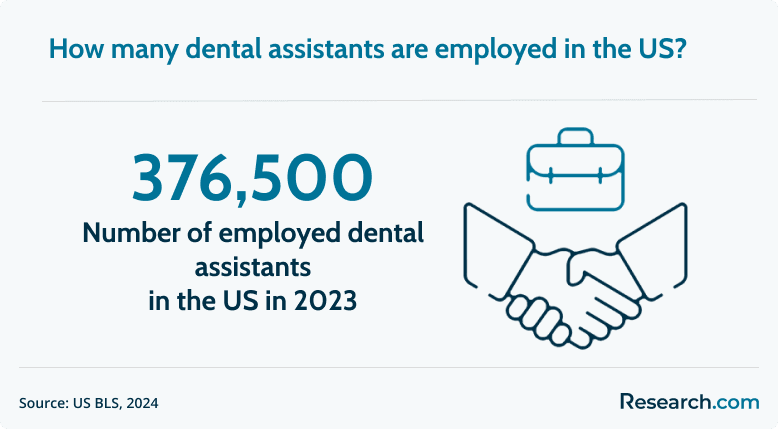
Dental assistant graduates most often work in dental offices, but opportunities can also appear in specialty practices, government settings, medical offices, and dental laboratories. In the US, 376,500 dental assistants were employed, and 90% worked in dentist offices. These roles commonly involve chairside support, patient preparation, instrument transfer, sterilization, records, X-ray support where allowed, and office coordination.
Physicians’ offices employed about 2% of dental assistants, while government agencies also employed about 2%. Government roles may be found in public health programs, community clinics, or military dental clinics. Before choosing a program, check whether its clinical training is accepted by employers in the setting where you hope to work.
How much can I make with an online dental assistant degree program?
Dental assistant earnings depend on geography, employer type, credential requirements, experience, expanded-function permissions, and whether the worker has training in radiography, infection control, specialty assisting, or administrative systems. Completing a program does not guarantee a specific salary, but it may help students qualify for roles that require formal education, certification preparation, or documented clinical practice.
Across the US, dental assistants earned a 2023 median annual wage of $46,540. This was below the 2023 median annual wage of $48,060 for all occupations in the country (US BLS, 2024). Students who want to improve earning potential should compare programs based on state alignment, clinical quality, certification preparation, employer partnerships, and support for job placement rather than tuition alone.
- Online Dental Assistant Degree Programs for 2027
- How long does an online dental assistant program take?
- Online vs. on-campus dental assistant programs
- Average cost of an online dental assistant program
- Financial aid options for online dental assistant students
- Admission requirements for online dental assistant programs
- Common online dental assistant courses
- Are online dental assistant degree programs ideal for military personnel?
- Is my online dental assistant degree program accredited?
- How is practical clinical training integrated into online dental assistant degree programs?
- Should Online Dental Assistant Programs Emphasize Post-Graduation Success Metrics?
- Dental assistant specializations available online
- How to choose the right online dental assistant program
- What student support services are available with online dental assistant programs?
- Do Employers Recognize Online Dental Assistant Degrees?
- What challenges should I anticipate with online dental assistant degree programs?
- How are emerging industry trends shaping online dental assistant programs?
- Career paths after an online dental assistant program
- Job outlook for online dental assistant graduates
- What is the return on investment for an online dental assistant degree program?
- Can I pursue advanced educational opportunities after an online dental assistant degree?
List of Online Dental Assistant Degree Programs for 2027
The programs below were selected using the Research.com research methodology. The analysis drew from recent information in the IPEDS database, Peterson's database, the College Scorecard database, and the National Center for Education Statistics. Use this list as a starting point, then verify tuition, admissions rules, clinical placement requirements, state eligibility, and exam preparation directly with each school.
1. Hudson Valley Community College (HVCC)
Hudson Valley Community College offers a 1-year online dental assisting certificate designed to help students work toward New York’s requirements for registered dental assistant (RDA) status. HVCC also provides a non-credit Alternative Dental Assisting Program (ADAP) for dental assistants who already have more than 3,500 hours of experience and CPR certification.
- Program Length: 1 year
- Cost per Credit: $211 per credit (Resident); $422 per credit (Non-resident)
- Required Credits to Graduates: 27 credits
- Accreditation: Middle States Commission on Higher Education (MSCHE)
2. Monroe Community College (MCC)
Monroe Community College provides a dental assisting program in both on-campus and online formats. The online route is limited to currently employed dental assistants who have sponsorship from a dentist. Students complete dental assisting coursework and clinical internships, and graduates are eligible to sit for the New York Professional Dental Assisting exam (NYPDA).
- Program Length: 1 year
- Cost per Credit: $210 per credit (Resident); $420 per credit (Non-resident)
- Required Credits to Graduates: 32 to 33 credits
- Accreditation: MSCHE
3. Volunteer State Community College (VSCC)
Volunteer State Community College offers online clinical dental assistant training covering the dental profession, oral health and disease, anatomy and physiology, infection control, and foundational dental assisting skills. The curriculum also addresses education and training connected to the radiology and infection control components of the Dental Assisting National Board.
- Program Length: Contact the college for information on program length.
- Cost per Credit: Starts at $237 (Resident); $778 (Non-resident)
- Required Credits to Graduates: Contact the college for information on credit requirements.
- Accreditation: Southern Association of Colleges and Schools Commission on Colleges (SACSCOC)
4. Borough of Manhattan Community College (BMCC)
Borough of Manhattan Community College offers online clinical dental assistant training that includes the dental profession, ethics for dental assistants, dental anatomy, basic dental sciences, and infection control. Graduates receive vouchers for the Anatomy, Morphology, and Physiology (AMP), Infection Control (ICE), and Radiation Health and Safety (RHS) components of the Dental Assisting National Board examinations.
- Program Length: 1 year
- Cost per Credit: $210 per credit (Resident); $320 per credit (Non-resident)
- Required Credits to Graduates: Contact the college for information on credit requirements.
- Accreditation: MSCHE
5. San Diego State University (SDSU) Global Campus
San Diego State University (SDSU) Global Campus provides online clinical dental assistant training with coursework in the dental profession, dental anatomy, oral pathology, pharmacology for dental assistants, and oral health and nutrition.
- Program Length: 1 year
- Cost per Credit: $491 per credit
- Required Credits to Graduates: Contact the university for information on credit requirements.
- Accreditation: WASC Senior College and University Commission (WSCUC)
How long does it take to complete an online dental assistant degree program?
Completion time depends on whether the program is a certificate, diploma, workforce training course, or associate-level pathway. Many short healthcare certification programs and dental assisting diploma options take 9 to 12 months, while associate degree programs commonly take about 1.5 to 2 years because they include broader general education coursework.
Online students may move faster or slower depending on enrollment status, course sequencing, externship availability, and whether the program is self-paced or cohort-based. Part-time study can extend the timeline, while accelerated formats may reduce it. Clinical requirements can also affect graduation timing because students must coordinate approved sites, schedules, health documentation, and supervision.
| Timeline factor | How it affects completion | What to ask before enrolling |
| Program credential | Certificates and diplomas are usually shorter than associate degree options. | Will I earn a certificate, diploma, associate degree, or non-credit training credential? |
| Clinical placement | Externship availability can determine when students finish practical requirements. | Does the school place students, or must I find my own dental office site? |
| Enrollment pace | Part-time study may take longer; accelerated study may require a heavier weekly workload. | How many hours per week should I expect for coursework and clinical training? |
| State requirements | Some students may need additional exams, registration steps, or certifications after graduation. | Does the program meet requirements in the state where I plan to work? |
How does an online dental assistant degree program compare to an on-campus program?
Online and campus-based dental assistant programs can lead to similar career goals, but the student experience is different. The best choice depends on your schedule, learning style, access to clinical sites, and need for face-to-face instruction.
| Comparison point | Online dental assistant program | On-campus dental assistant program |
| Flexibility | Often better for students who need to study around work, caregiving, or military schedules. | Usually follows a set class and lab schedule. |
| Instruction format | Coursework may use online lectures, modules, simulations, and digital assignments. | Students interact with instructors and classmates in person more frequently. |
| Hands-on training | Clinical work is usually arranged through local externships or approved partner sites. | Labs and clinical practice may be integrated into campus facilities or nearby placements. |
| Best fit | Self-directed students who can manage deadlines and coordinate clinical requirements. | Students who prefer structured schedules, immediate feedback, and in-person practice. |
Students considering a broader healthcare pathway may also compare dental assisting with online public health degree options, especially if they are interested in prevention, community health, or health administration rather than chairside clinical support.
What is the average cost of an online dental assistant degree program?
Online dental assistant program costs vary by school, credit status, residency, and whether the program is credit-bearing or offered through workforce education. For the 2024–2025 academic year, Hudson Valley Community College lists resident tuition at $211 per credit, Monroe Community College lists resident tuition at $210 per credit, and Volunteer State Community College lists resident tuition starting at $237 per credit.
Non-resident rates are higher in the examples above. Hudson Valley Community College lists $422 per credit for non-residents, Monroe Community College lists $420 per credit for non-residents, and Volunteer State Community College lists $778 per credit for non-residents.
Tuition is only part of the total price. Students should also budget for books, fees, uniforms, background checks, immunizations, CPR certification, clinical supplies, technology, transportation to clinical sites, and exam costs when applicable. Ask each school for a written total cost estimate before committing.
| School | Resident cost per credit | Non-resident cost per credit | Known credit requirement |
| Hudson Valley Community College | $211 per credit | $422 per credit | 27 credits |
| Monroe Community College | $210 per credit | $420 per credit | 32 to 33 credits |
| Volunteer State Community College | Starts at $237 | $778 | Contact the college for information on credit requirements. |
| Borough of Manhattan Community College | $210 per credit | $320 per credit | Contact the college for information on credit requirements. |
| San Diego State University Global Campus | $491 per credit | $491 per credit | Contact the university for information on credit requirements. |
The chart below visualizes the cost per credit for the featured online dental assistant programs using the current tuition figures available for each institution.
What are the financial aid options for students enrolling in an online dental assistant degree program?
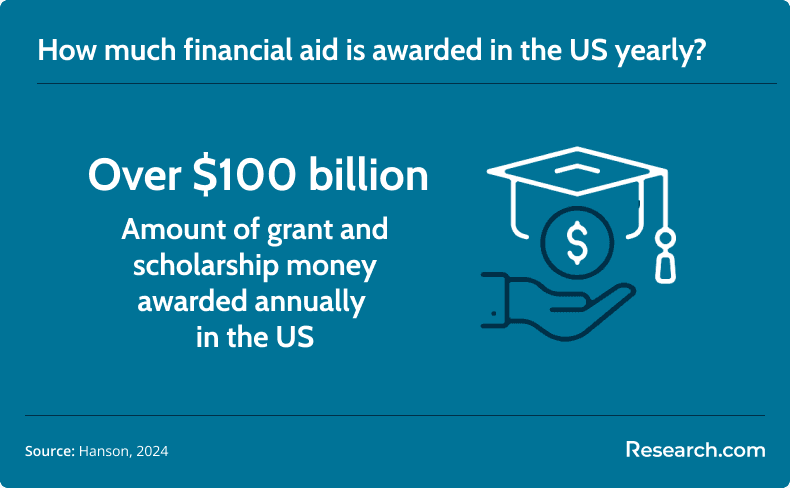
Financial aid availability depends heavily on the school, program type, credit status, enrollment status, and student eligibility. Credit-bearing programs at eligible institutions may qualify for federal aid, while some non-credit or workforce training options may have different funding rules.
- Federal aid: Eligible students may qualify for grants, scholarships, or loans through federal programs. The Federal Pell Grant is need-based and may be available to eligible full-time and part-time undergraduate students. Students seeking federal aid must complete the Free Application for Federal Student Aid (FAFSA).
- Scholarships from private and professional organizations: Healthcare and dental-related organizations may offer awards based on need, merit, career goals, or background. The Dental Assisting National Board (DANB), for example, offers the DANB/DALE Foundation Scholarship for aspiring and new dental assistants. The scholarship awards between $250 and $1,000 for eligible education, activities, and examinations.
- Employer support: Students already working in a dental office should ask whether their employer helps with tuition, exam fees, CPR certification, or continuing education.
- Military and veteran education benefits: Military-affiliated learners should confirm whether a program accepts applicable benefits and whether the credential aligns with post-service career plans.
-
: "
Before enrolling, ask the financial aid office whether the specific dental assistant program—not just the institution—is eligible for the aid you plan to use.
"
What are the requirements for enrolling in an online dental assistant degree program?
Admission requirements differ by institution, but most programs verify that students are ready for healthcare coursework and clinical participation. Requirements may also be shaped by externship sites, state rules, and employer expectations.
- High school diploma or GED: Most programs require proof of high school completion or an equivalent credential. Background in biology, chemistry, health science, or anatomy can be helpful, though requirements vary.
- Health and immunization documentation: Programs with clinical training may require vaccination records, such as Hepatitis B and tetanus, along with health screenings or other documentation needed for patient-care settings.
- CPR certification: Some schools require CPR certification before admission, before clinical placement, or before graduation because dental offices must be prepared for medical emergencies.
- Background check or drug screening: Clinical sites may require additional screening before students can work with patients.
- Technology access: Online students typically need reliable internet, a computer, and the ability to use the school’s learning platform.
What courses are typically in an online dental assistant degree program?
Coursework is designed to build both clinical and administrative competence. While course names vary, strong programs cover oral health foundations, safety, patient interaction, equipment use, and the daily workflow of a dental office.
- Dental anatomy and terminology: Students learn the parts of the mouth, teeth, gums, and supporting tissues, along with the vocabulary used in treatment plans, charting, and clinical communication.
- Radiography and imaging: This coursework introduces dental X-ray procedures, image capture, radiation safety, and regulatory expectations. State rules determine what dental assistants may do with radiographic equipment.
- Infection control and sterilization: Students study disinfection, sterilization, standard precautions, instrument processing, personal protective equipment, and procedures that protect patients and staff.
- Chairside assisting: Programs teach instrument transfer, dental materials support, moisture control, treatment room setup, and assistance during common procedures.
- Dental office administration: Students may learn scheduling, records management, billing basics, insurance processes, patient communication, and office software workflows.
Are online dental assistant degree programs ideal for military personnel?
Online dental assistant programs can be practical for service members, veterans, and military spouses who need flexible scheduling or expect relocation. The best programs for military-affiliated students clearly explain benefit eligibility, clinical placement options, transfer policies, and support for students balancing service obligations with coursework.
Military learners should confirm whether the program accepts applicable education benefits, whether clinical training can be completed near their duty station or residence, and whether the credential supports civilian employment in the state where they plan to work. Students comparing military-friendly distance education options can also review Research.com’s guide to online colleges for military students.
Is my online dental assistant degree program accredited?
Accreditation should be one of the first items you verify. Institutional accreditation indicates that a college or university meets recognized educational standards. Programmatic accreditation or approval may matter for dental assisting certification, state registration, radiography duties, or expanded functions, depending on where you plan to work.
Students should ask whether the dental assisting program is accredited by a relevant body such as the Commission on Dental Accreditation (CODA), whether the institution itself is accredited, and whether graduates are eligible for required exams in their state. Accreditation can also affect access to financial aid; students researching aid-eligible schools may find Research.com’s guide to online accredited colleges that accept financial aid useful.
How is practical clinical training integrated into online dental assistant degree programs?
Because dental assisting is hands-on, legitimate online programs usually require supervised clinical experiences. These may include local externships, campus labs, approved simulation facilities, or partnerships with dental practices. Clinical training gives students practice in patient interaction, instrument sterilization, infection control, treatment room preparation, charting, and chairside assisting.
Before enrolling, ask who is responsible for finding the clinical site, how many hours are required, what documentation is needed, and whether the placement meets state or certification expectations. Students who want additional context on school quality can compare options with Research.com’s resource on nationally accredited online colleges.
Should Online Dental Assistant Programs Emphasize Post-Graduation Success Metrics?
Yes. Graduation rates, exam pass rates, job placement support, employer partnerships, and graduate outcomes can help students judge whether a program delivers value. A low tuition price is not enough if students struggle to complete clinical requirements, sit for exams, or find entry-level employment after finishing.
Ask schools for recent outcomes related to licensure or certification exams, job placement services, externship completion, and local employer relationships. Students comparing short, career-focused education options may also want to review Research.com’s guide to fast online degrees with strong earning potential.
What types of specializations are available in online dental assistant degree programs?
Some dental assistant programs introduce specialty practice areas or allow students to focus electives, externships, or continuing education around specific patient populations and procedures. Specialization can be useful for students who want to work in orthodontics, pediatric dentistry, oral surgery, or other dental settings.
- Orthodontic assisting: Students learn how dental assistants support orthodontists with braces, aligners, impressions, adjustments, patient instructions, and appointment workflows.
- Pediatric dental assisting: This focus emphasizes communication with children, behavior guidance, age-appropriate patient care, and creating a calmer dental experience for young patients.
- Surgical dental assisting: Students prepare for support roles in procedures such as extractions, implants, and periodontal surgeries, with attention to sterile technique, surgical instruments, patient monitoring, and post-operative instructions.
Dental assistants planning a longer healthcare education pathway may also compare related undergraduate options, including Research.com’s guide to accessible bachelor’s in public health programs.
How to choose the best online dental assistant degree program?
The best online dental assistant program is the one that matches your state requirements, schedule, budget, clinical access, and career plans. Rankings and tuition rates can help, but they should not replace direct verification with the school, state dental board, and prospective employers.
- Verify accreditation and state alignment: Check institutional accreditation, ask whether the dental assisting program has relevant programmatic accreditation or approval, and confirm whether graduates meet your state’s requirements for registration, certification, radiography, or expanded functions.
- Examine clinical training carefully: A strong program should explain where clinical training occurs, who supervises it, how placements are approved, and what competencies students must demonstrate.
- Compare total cost, not just tuition: Include fees, supplies, books, transportation, background checks, immunizations, CPR certification, and exam costs.
- Ask about certification preparation: Find out whether the curriculum prepares students for Dental Assisting National Board components or state-specific exams.
- Review student support: Online students should have access to advising, technical support, tutoring, career services, and help resolving clinical placement issues.
Questions to ask before enrolling
| Question | Why it matters |
| Is this a certificate, diploma, associate degree, or non-credit training program? | The credential type can affect transfer credit, financial aid, employer recognition, and career pathways. |
| Does the program meet requirements in my state? | Dental assisting rules vary, especially for radiography, registration, and expanded duties. |
| Who arranges the clinical site? | Students may face delays if they must secure their own externship without school support. |
| What are the total program costs? | Fees and supplies can change the true price of attendance. |
| What are recent graduate outcomes? | Exam pass rates, placement services, and employer connections can indicate program effectiveness. |
What student support services are available with online dental assistant programs?
High-quality online programs support students beyond recorded lectures. Useful services include technical help, academic advising, tutoring, exam preparation, clinical placement coordination, career counseling, resume support, and connections with local dental offices. These supports matter because online learners must manage both digital coursework and in-person clinical expectations.
Students thinking beyond dental assisting can also use career advising to map future academic options. For broader degree planning, Research.com’s guide on which college majors may fit future career goals can help students compare long-term directions.
Do Employers Recognize Online Dental Assistant Degrees?
Employers generally care less about whether lectures were online and more about whether graduates can perform safely, communicate professionally, follow infection-control protocols, assist chairside, and meet state or employer credential requirements. An online program is more credible when it is connected to an accredited institution, includes supervised clinical training, and prepares students for relevant exams.
When comparing programs, ask local dental offices what credentials they prefer for entry-level hires. Students who want to evaluate lower-cost associate-level education can also review Research.com’s guide to affordable online associate degree options.
What challenges should I anticipate with online dental assistant degree programs?
Online dental assistant students need strong time management because they must complete digital coursework while preparing for hands-on training. Common challenges include finding clinical hours, traveling to externship sites, learning technical platforms, staying motivated without daily in-person classes, and understanding state-specific dental assisting rules.
Students should avoid assuming that online means easier. The clinical expectations can be demanding, and deadlines still matter. If you plan to continue into graduate-level healthcare administration or another advanced field later, it may also help to understand future academic options such as Research.com’s guide to the easiest master’s degrees to complete online.
How are emerging industry trends shaping online dental assistant programs?
Dental offices increasingly use digital workflows, patient management systems, digital imaging, electronic records, and technology-assisted communication. Online dental assistant programs are responding by adding virtual simulations, digital office training, modern imaging concepts, and updated administrative tools. Still, technology cannot replace supervised practice with instruments, patients, infection-control routines, and dental teams.
Students should look for programs that teach current dental office systems while maintaining strong fundamentals in safety, communication, and clinical support. Professionals who eventually move into leadership, research, or advanced academic routes may also compare long-term educational options such as short online doctoral program pathways.
What career paths are available for graduates of online dental assistant degree programs?
Dental assisting programs most directly prepare students for dental assistant roles, but the training may also support related administrative, laboratory, surgical support, or further education pathways. Some careers below require additional education, licensure, or training beyond a dental assistant program.
- Dental Assistant: Dental assistants help dentists deliver patient care, prepare treatment areas, sterilize instruments, manage records, assist with imaging where allowed, and support administrative workflows. They work in private practices, clinics, and specialty offices. In 2023, dental assistants in the US had a median annual wage of $46,540 (US BLS, 2024).
- Surgical Assistant: Surgical assistants in dental or oral surgery settings may help with extractions, implants, periodontal procedures, sterile setup, instrument handling, sedation support, patient monitoring, and recovery instructions. In 2023, surgical assistants across industries in the US had a median annual wage of $59,160 (US BLS, 2024).
- Dental and Ophthalmic Laboratory Technicians and Medical Appliance Technicians: These professionals create or repair dental prosthetics, appliances, crowns, dentures, retainers, orthodontic devices, or vision-related medical devices. They may use molds, digital scans, precision equipment, and specialized materials. In 2023, these professionals had a median annual wage of $44,640 (US BLS, 2024).
- Medical Secretaries and Administrative Assistants: In dental offices, these workers help coordinate appointments, patient records, insurance claims, billing, correspondence, and front-office communication. In 2023, medical secretaries and administrative assistants across industries in the US had a median annual wage of $40,640 (US BLS, 2024). Students interested in similar administrative healthcare roles can compare affordable online medical assistant programs.
- Dentists: Becoming a dentist requires far more education than a dental assistant program. Dentists diagnose and treat oral disease, perform procedures such as fillings, root canals, and extractions, and may specialize in orthodontics, periodontics, oral surgery, or other areas. Dentistry is also discussed in Research.com’s guide to high-paying degree pathways. In 2023, dentists across the US had a median annual wage of $170,910 (US BLS, 2024).
| Career | 2023 median annual wage | Additional note |
| Dental Assistant | $46,540 | Most direct career outcome for dental assistant program graduates. |
| Surgical Assistant | $59,160 | May require additional training, employer-specific preparation, or experience. |
| Dental and Ophthalmic Laboratory Technicians and Medical Appliance Technicians | $44,640 | Often emphasizes device fabrication, repair, and technical lab work. |
| Medical Secretaries and Administrative Assistants | $40,640 | Focuses on records, scheduling, billing, and patient office communication. |
| Dentists | $170,910 | Requires advanced dental education and licensure beyond dental assisting. |
The chart below compares 2023 median annual wages for dental assisting and related occupations using 2024 BLS data.
What is the job market for graduates with an online dental assistant degree?
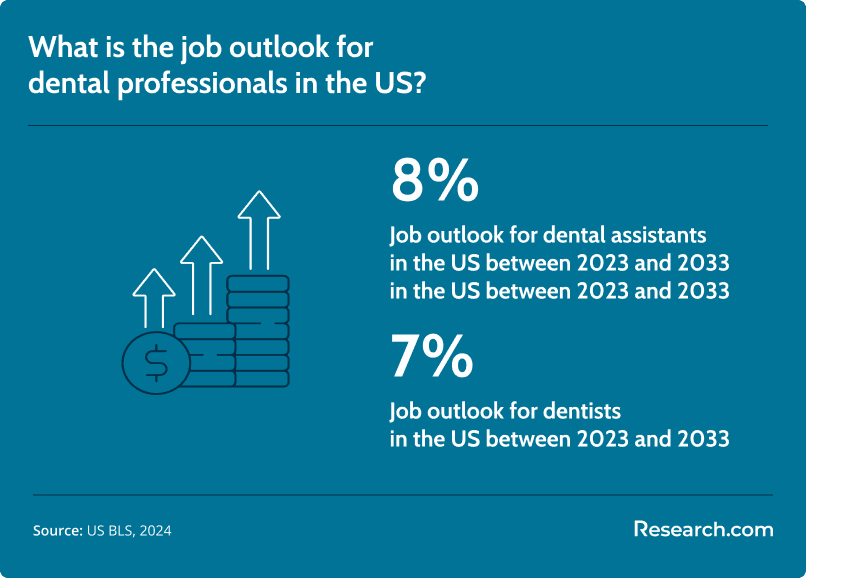
The labor market for dental assistants is favorable compared with many occupations. BLS projects dental assistant employment to grow by 8% from 2023 to 2033, faster than the average for all occupations in the US. This demand can make dental assisting a practical entry point into dental healthcare, especially for students who want a shorter training path than dental hygiene or dentistry.
Related healthcare roles show different outlooks. Medical assistants are projected to grow by 15%, much faster than average, according to BLS (2024). Students comparing clinical support careers can review Research.com’s guide on how to become a certified medical assistant.
Surgical assistants are projected to grow by 7%, while dentists are projected to grow by 5% between 2023 and 2033. By contrast, dental and ophthalmic laboratory technicians and medical appliance technicians are projected to decline by 1% during the same period (US BLS, 2024).
| Occupation | Projected employment change, 2023 to 2033 | What it suggests for students |
| Dental Assistants | 8% | Strong option for students seeking entry into dental healthcare. |
| Medical Assistants | 15% | Worth comparing if you are open to broader medical office or clinical support roles. |
| Surgical Assistants | 7% | May appeal to students interested in procedural or surgical environments. |
| Dentists | 5% | Requires extensive education beyond dental assisting. |
| Dental and Ophthalmic Laboratory Technicians and Medical Appliance Technicians | 1% decline | Students should research local demand before pursuing lab-focused roles. |
What is the return on investment for an online dental assistant degree program?
To estimate ROI, compare the full cost of the program with the time needed to finish, the wages typical for your area, job growth, certification eligibility, and the likelihood that the credential will help you qualify for local openings. A cheaper program is not automatically better if it lacks clinical placement or does not meet state expectations.
Use the 2023 median annual wage of $46,540 for dental assistants as a reference point, but remember that individual pay depends on location, employer, experience, and duties permitted by state rules. Students who later want to move into healthcare leadership or another advanced field may compare options such as a 1-year online master’s program, but a graduate degree is not required for entry-level dental assisting.
Common mistakes to avoid
- Choosing a program without checking state rules: Dental assisting requirements vary, and a program that works in one state may not satisfy another state’s requirements.
- Assuming online means no clinical training: Dental assisting requires hands-on skills, so clinical practice is usually essential.
- Looking only at tuition: Fees, supplies, immunizations, CPR certification, exams, and transportation can change the real cost.
- Ignoring accreditation and exam eligibility: Accreditation and recognized training may affect certification, employment, financial aid, and transfer options.
- Expecting a guaranteed salary: Median wage data is useful, but pay varies by employer, state, experience, and credential.
- Relying only on rankings: Program fit, clinical placement quality, support services, and state alignment matter more than a list position.
Can I pursue advanced educational opportunities after an online dental assistant degree?
Yes. Dental assisting can be a starting point for additional credentials or further study in dental hygiene, healthcare administration, public health, dental laboratory technology, or pre-dental education. The right next step depends on whether you want more clinical responsibility, leadership duties, higher earning potential, or a pathway toward dentistry.
Before pursuing additional education, ask whether your completed credits transfer, whether the next program has prerequisite science courses, and whether the career you want requires licensure. Professionals exploring advanced academic credentials can also review Research.com’s guide to affordable online doctorate programs, though doctoral study is not a typical requirement for dental assisting roles.
References:
- Hanson, M. (2024, November 03). Scholarship Statistics. Education Data Initiative. https://educationdata.org/scholarship-statistics
- US Bureau of Labor Statistics. (2024, August 29). Dental and Ophthalmic Laboratory Technicians and Medical Appliance Technicians. Occupational Outlook Handbook. https://www.bls.gov/ooh/production/dental-and-ophthalmic-laboratory-technicians-and-medical-appliance-technicians.htm
- US Bureau of Labor Statistics. (2024, August 29). Dental Assistants. Occupational Outlook Handbook. https://www.bls.gov/ooh/healthcare/dental-assistants.htm
- US Bureau of Labor Statistics. (2024, August 29). Dentists. Occupational Outlook Handbook. https://www.bls.gov/ooh/healthcare/dentists.htm
- US Bureau of Labor Statistics. (2024, April 03). May 2023 National Occupational Employment and Wage Estimates, United States. Occupational Employment and Wage Statistics. https://www.bls.gov/oes/current/oes_nat.htm
- US Bureau of Labor Statistics. (2024, August 29). Medical Assistants. Occupational Outlook Handbook. https://www.bls.gov/ooh/healthcare/medical-assistants.htm
- US Bureau of Labor Statistics. (2024, April 03). Occupational Employment and Wages, May 2023, 29-9093 Surgical Assistants. Occupational Employment and Wage Statistics. https://www.bls.gov/oes/2023/may/oes299093.htm
- US Bureau of Labor Statistics. (2024, April 03). Occupational Employment and Wages, May 2023, 43-6013 Medical Secretaries and Administrative Assistants. Occupational Employment and Wage Statistics. https://www.bls.gov/oes/2023/may/oes436013.htm
Key Insights
- An online dental assistant program is strongest when it combines flexible coursework with verified in-person clinical training.
- State requirements matter. Before enrolling, confirm whether the program supports certification, registration, radiography duties, or expanded functions where you plan to work.
- Dental assistants earned a 2023 median annual wage of $46,540, and employment is projected to grow by 8% from 2023 to 2033.
- Program cost should be evaluated as a total price, including fees, supplies, CPR certification, immunizations, transportation, and exam costs.
- Accreditation, clinical placement support, exam preparation, and graduate outcomes are more important than choosing the cheapest or fastest program.
- Dental assisting can lead directly to entry-level dental office work and may also serve as a stepping stone toward dental hygiene, healthcare administration, public health, or dentistry.
Other Things You Need to Know about Online Dental Assistant Degree Programs
Online dental assistant degree programs in 2027 typically require between 60 to 75 credit hours for completion. These programs often include courses in dental radiography, chairside assistance, and dental anatomy, preparing students for certification exams upon graduation.
When selecting an online dental assistant program in 2027, look for accreditation from the Commission on Dental Accreditation (CODA). Accreditation ensures the program meets high educational standards and prepares students for certification exams and successful employment in the dental field.
Many online dental assistant programs prepare students for the Certified Dental Assistant exam, or CDA, offered by the Dental Assisting National Board. Programs may also cover state radiography and infection-control requirements, which are often needed before graduates can work in clinical settings.