
2027 Best Online Public Health Degrees & Programs

Co-Founder and Chief Data Scientist
Choosing an online public health degree is usually a practical decision, not just an academic one. You may be comparing online and campus programs, trying to understand whether employers respect online credentials, estimating total cost, or deciding whether a bachelor’s degree is enough before moving into an MPH. Public health matters because communities need professionals who can prevent disease, improve access to care, analyze health data, communicate risks, and support health programs at the local, national, and global levels.
This guide explains how online bachelor’s programs in public health work, what they cost, which schools are commonly considered, how accreditation affects credibility, what courses and skills to expect, and how to evaluate career return on investment. It is designed for first-time college students, transfer students, working adults, and healthcare professionals comparing public health with other healthcare career degree options.
Public health is also a timely field. State and local health departments are looking to hire at least 150,000 full-time positions to maintain infrastructure and essential services (NACCHO, 2024). That does not guarantee a job for every graduate, but it does show why public health education remains relevant for students who want to work in prevention, community health, health education, policy, emergency preparedness, or healthcare systems.
Quick answer: Is an online public health degree a good option?
Yes, an accredited online public health degree can be a strong option if you need flexibility, want to avoid relocation, and are comfortable managing coursework independently. Employers generally focus more on institutional reputation, accreditation, relevant experience, internships, and job-ready skills than on whether a degree was completed online or on campus.
| Question | Direct answer |
| Can a public health degree be completed fully online? | Yes. Many colleges offer 100% online bachelor’s and graduate public health programs, although internships or field experiences may still require local placement. |
| Will employers accept an online public health degree? | Usually, yes, especially when the school is accredited and the student can show practical skills, projects, fieldwork, and relevant experience. |
| What should students check first? | Accreditation, total cost, transfer credit policy, student support, fieldwork requirements, course format, and career services. |
| Who benefits most from online study? | Working adults, caregivers, military students, transfer students, rural students, and learners who need scheduling flexibility. |
| Who may prefer campus learning? | Students who want daily in-person interaction, structured class schedules, campus labs, or local networking through a physical public health department. |
Online Public Health Degree Programs Table of Contents
- Can you earn a public health degree fully online?
- Do employers respect online public health degrees?
- Are online public health degrees accepted internationally?
- Online vs. campus public health programs
- Best Online Bachelor in Public Health Degree Programs for 2027
- Online public health degree cost
- Admissions and student requirements
- Courses in an online bachelor’s in public health
- Advantages of an online MPH
- How to choose an online public health program
- Career growth after an online public health degree
- Online public health degree ROI
- Advanced degree options beyond the bachelor’s
- Certifications that may strengthen public health careers
- How pharmacy education can support public health strategies
- Public health and pharmacy career intersections
- Moving from a bachelor’s degree to an MPH
- Global health preparation
- Health information management credentials
- Earning potential with a public health degree
- Pharmacy education and population health
Can you earn a public health degree fully online?
Yes. A bachelor’s degree in public health can be completed online through many accredited colleges and universities. Online programs commonly use learning management systems, recorded lectures, discussion boards, digital assignments, virtual group projects, and remote advising. Some programs are fully asynchronous, while others require scheduled live sessions.
The broader online education market has expanded rapidly. The eLearning market exceeded $400 billion in 2024 and is projected to grow at a CAGR of 13% between 2024 and 2030 (Research and Markets, 2024). That growth has made online degrees more available across healthcare and public health fields, including related pathways such as the best nutrition graduate programs.
Students should understand one important detail: “online” does not always mean “no in-person requirements.” A bachelor’s in public health may include a practicum, capstone, internship, community project, or service-learning experience. Many schools allow students to complete these experiences near where they live, but applicants should confirm placement rules before enrolling.
Do employers respect online public health degrees?
Most employers are increasingly comfortable with online degrees, especially when the program comes from an accredited institution. Since the pandemic, 75% of employers have been likely to hire applicants with online education. Still, employer attitudes can vary by organization, hiring manager, role, and the reputation of the school.
For public health, accreditation is one of the clearest credibility signals. Many public health schools and programs pursue Council on Education for Public Health (CEPH) accreditation, which evaluates curriculum quality and public health education standards. Students comparing a public health degree online should verify both institutional accreditation and, when relevant, programmatic accreditation.
To make an online degree more competitive, do not rely on the diploma alone. Employers want evidence that you can apply public health concepts. Highlight capstone projects, data analysis assignments, community needs assessments, internship hours, health education materials, grant-writing exposure, and experience with public health software or reporting tools. If your program is accredited, include that information on your resume or in interviews when it is relevant.
Are online public health degrees accepted internationally?
Online degrees are more widely recognized than they were before the pandemic, but international acceptance depends on the country, employer, licensing body, and institution. The rapid move to remote learning during the COVID-19 pandemic increased global exposure to online education, and online programs now serve students across borders.
The global online education market is projected to reach $605 billion by 2027, with an approximately 16.5% CAGR (Statista, 2024). Even so, students who plan to work outside the United States should check whether the degree will be recognized by the target employer, government agency, graduate school, or credential evaluation service. This is especially important for roles connected to government hiring, immigration, regulated healthcare practice, or international NGOs.
Online vs. campus public health degree programs
Online and campus public health programs may teach similar content, but the learning experience can be very different. In surveys, 77% of educators believe online learning is just as good as, if not better than, traditional learning, and almost 70% of students share that view. The better choice depends less on the format itself and more on your schedule, learning style, finances, and need for in-person support.
| Factor | Online public health degree | Campus public health degree |
| Schedule | Often better for working adults, caregivers, and students with unpredictable schedules. | Best for students who want a fixed weekly routine and face-to-face accountability. |
| Cost considerations | May reduce commuting, relocation, housing, and some campus-related expenses. | May include higher living and transportation costs, depending on location. |
| Learning style | Requires self-direction, time management, and comfort with digital tools. | Offers more immediate in-person interaction with faculty and classmates. |
| Networking | Often virtual, through online cohorts, alumni platforms, remote internships, and faculty office hours. | Often easier through campus events, student organizations, local health departments, and in-person advising. |
| Field experience | May be arranged near the student’s location, but placement support varies by school. | May benefit from established local partnerships near campus. |
- Choose online if flexibility is your top priority. Online programs are often a good fit for students who work full time, travel frequently, or cannot relocate. Students planning to major in public health online should still confirm whether courses are asynchronous or require live attendance.
- Choose campus if you need structure and in-person learning. Campus programs may be better for students who learn best through live discussion, direct faculty access, peer study groups, and in-person advising.
- Compare public health with nearby healthcare pathways. If your main interest is healthcare operations, management, or administration, review related online healthcare degrees before committing to public health.
Is an online public health degree cheaper?
An online degree can be cheaper, but it is not automatically the lowest-cost option. Students may save money on relocation, transportation, parking, and campus housing. Some schools also charge lower online tuition, while others charge the same tuition or add technology and distance-learning fees.
When comparing costs, look beyond tuition. Review per-credit tuition, required credits, fees, books, software, background checks, practicum expenses, graduation fees, and whether transfer credits can reduce the number of courses you need. Students comparing healthcare administration or operations pathways may also want to review online healthcare administration degree programs. Students interested in diagnostic or clinical support roles can compare public health with a sonography online program.
Is an online degree as strong as a traditional degree?
An online degree can be academically comparable to a campus degree when it is offered by a credible, accredited school with qualified faculty, strong student support, and meaningful applied learning. The delivery method is only one part of quality. Curriculum, assessment standards, field experience, faculty access, and career preparation matter more.
Best Online Bachelor in Public Health Degree Programs for 2027
The following programs are examples of online bachelor’s public health options that students may compare. Program details can change, so always confirm tuition, credits, accreditation, transfer policies, and practicum expectations directly with the school before applying.
| School | Program format and focus | Program Length | Tracks/concentrations | Cost per Credit | Required Credits to Graduate | Accreditation |
| University of Arizona | Fully online Bachelor of Science in Public Health with options that allow students to align coursework with global health, public health practice, or health systems interests. | Four years | Health Inspectors and Educators, Public Health Professionals | $500 to $610 | 120 | CEPH |
| Delaware State University | Online BS pathway focused on preparing students for community health, public health agencies, nonprofit work, health promotion, and prevention-related roles. | Four years | State Immunization Program Coordinator, Community Outreach and Case Manager, Family Planning Agency | $353 to $400 | 122 | Middle States Commission on Higher Education (MSCHE) |
| California Baptist University | Online BS in Public Health covering epidemiology, biostatistics, behavioral science, environmental and occupational health, and health education. | 16 months | Health Communication and Marketing Specialists, Biostatisticians | $613 | 124 | CEPH |
| Rivier University | Online BS in Public Health emphasizing public health services, environmental services, epidemiology, public policy, research, statistics, and health behavior. | Two to four years | Public Health Analysts and Advisors, Hospital Administrators, Epidemiologists | $376 | 120 | New England Commission of Higher Education (NECHE) |
| Southern New Hampshire University | Online BS in Public Health combining biological science, social science, anatomy, physiology, statistics, program planning, assessment, and evaluation. | Four years | Medical and Health Services Managers, Health Education Specialists, Community Health Workers | $320 | 120 | NECHE |
Rankings and lists can help you start your search, but they should not replace your own evaluation. Research.com also publishes broader academic and science resources, including reports such as online public health degrees and related discipline guides. Use these resources as background, then verify current program information with each school.
How much does an online public health degree program cost?
Among the programs listed above, online public health tuition commonly falls between $320 to $613 per credit (Southern New Hampshire University, n.d.; California Baptist University, n.d.). The total cost depends on the number of required credits, transfer credits accepted, residency rules, fees, books, and whether you study full time or part time.
| Cost item | Why it matters | Question to ask before enrolling |
| Tuition per credit | This is usually the largest direct cost and varies widely by school. | Is the online tuition rate fixed for all students, or does residency affect the price? |
| Required credits | A program requiring more credits may cost more even if the per-credit rate is lower. | How many credits are required after my transfer evaluation? |
| Online and technology fees | These can add to the total cost and may not be obvious in advertised tuition. | Are online course fees, software fees, or proctoring fees required? |
| Books and materials | Digital textbooks, databases, and software may be required in public health courses. | What is the estimated annual cost for course materials? |
| Fieldwork costs | Some programs require practicum, background checks, travel, or local placement expenses. | Can I complete fieldwork near my home, and are there extra costs? |
| Financial aid | Grants, scholarships, employer tuition assistance, and loans can change net cost. | Which institutional scholarships are available for online students? |
Is an online public health degree worth it?
An online public health degree may be worth it if it helps you qualify for roles that require a bachelor’s degree, supports advancement in healthcare or community health, and fits your budget. The value is strongest when the program is accredited, affordable, transfer-friendly, and connected to internships or applied projects.
Public health is one of several healthcare-related academic routes. Students focused on clinical care may compare public health with nursing online colleges or bridge pathways such as online LPN to RN programs. Students interested in public health research, environmental systems, or population-level science may also explore adjacent research fields, including resources such as the best public health programs online.
| Career | Average Annual Salary | Projected Growth Rate |
| Health Education Specialists | $60,600 | 12% |
| Community Health Workers | $46,590 | 12% |
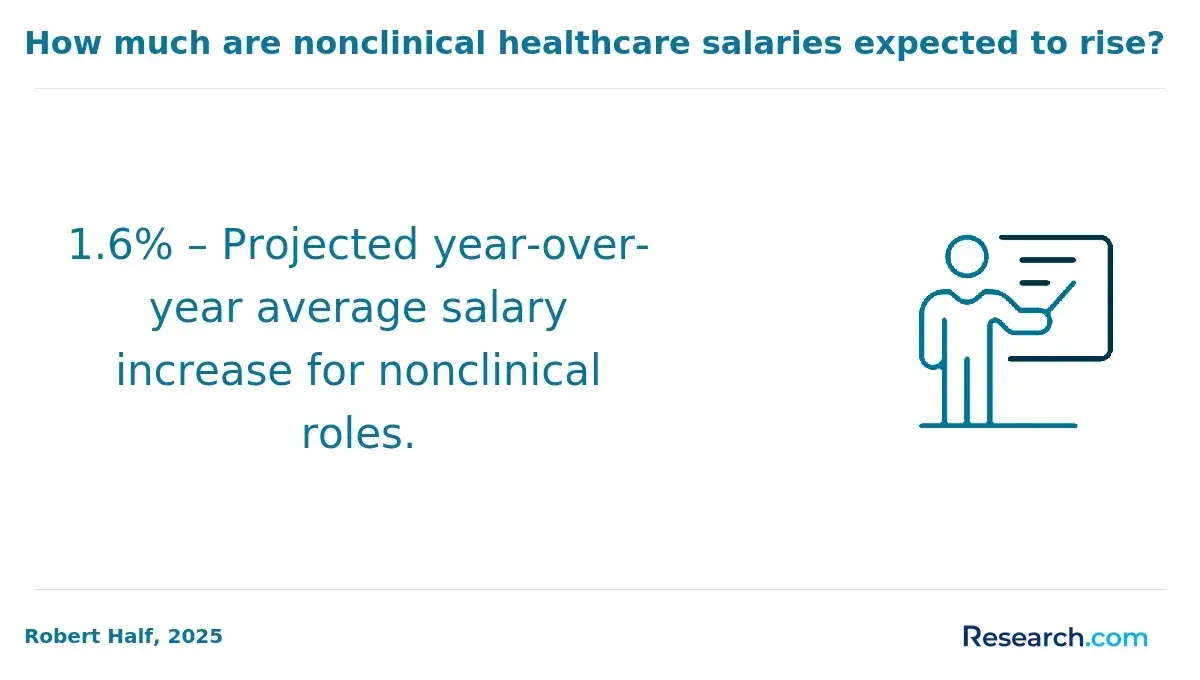
Other cited labor data reports a projected growth rate of 7% and median annual wages of $62,860 and $48,910 for Health Education Specialists and Community Health Workers, respectively (US BLS, 2024). Because salary figures vary by source, year, geography, employer, and job title, use them as planning benchmarks rather than guaranteed outcomes. Students considering advanced healthcare leadership careers can also compare public health with online PhD programs in healthcare administration.
What are the requirements for an online bachelor in public health degree program?
Admissions requirements vary by institution, but most online bachelor’s programs evaluate academic readiness, transfer history, and basic preparation in writing, math, science, and social science. Competitive applicants also show interest in community service, health systems, data, education, or advocacy.
Common admission requirements
- Official transcripts. Schools usually require transcripts from high school and any previously attended colleges. Transfer students should confirm whether credits must come from accredited institutions.
- Minimum GPA. Many programs set a minimum GPA within the range of 2.5 to 3.0, although requirements differ by school and applicant type.
- Prerequisite courses. Programs may expect prior coursework in English, Math, Biology, Chemistry, and Sociology, often with a minimum grade of C or higher.
- Application materials. Some programs request a resume, statement of objectives, recommendation letters, or answers explaining career goals and interest in public health.
Skills students should be ready to develop
| Skill | How it applies in public health |
| Analytical thinking | Used to interpret health data, identify community needs, evaluate program results, and support evidence-based decisions. |
| Communication | Needed for health education materials, grant proposals, public messaging, reports, presentations, and community outreach. |
| Interpersonal awareness | Important when working with diverse communities, listening to local concerns, and building trust with stakeholders. |
| Leadership | Useful for coordinating programs, leading outreach teams, facilitating education sessions, and supporting policy initiatives. Students pursuing advanced nursing leadership may see similar expectations in DNP programs online. |
| Problem-solving | Essential for addressing limited budgets, community resistance, incomplete data, logistical barriers, and changing health risks. |
Technology requirements for online public health students
Technology readiness matters because online students complete assignments, discussions, exams, meetings, advising, and group projects digitally. In a recent survey, 72% of students said online learning was an effective way to access educational materials, and 65% felt comfortable using digital communication.
- Reliable Internet connection. A stable connection is essential for video lectures, exams, and collaboration. A minimum Internet speed of 1.5 Mbps or higher is needed to support consistent participation.
- Desktop or laptop computer. Students typically need a computer with a current Windows or MacOS operating system. A phone alone is usually not enough for research papers, spreadsheets, presentations, and data assignments.
- Required software or applications. Programs may require learning platforms, video conferencing tools, spreadsheet software, statistical tools, secure testing systems, or digital library access.
Courses to expect in online bachelor in public health degree programs
Online public health curricula usually combine science, social science, statistics, communication, ethics, and program planning. Quality standards for online education are also a major focus for institutions: the Changing Landscape of Online Education (CHLOE) survey found that 98% of respondents said their institutions maintain rigorous quality standards for online education (Quality Matters, 2024).
| Course area | What students typically learn | Career relevance |
| Behavioral Science Theories | How people make health decisions, what influences behavior change, and how to design education strategies. | Useful for health education, outreach, prevention campaigns, and community programs. |
| Law and Ethics in Healthcare | Legal responsibilities, ethical principles, privacy concerns, healthcare regulations, and applied case studies. | Important for compliance, policy, patient rights, and ethical program design. |
| Epidemiology | Disease patterns, risk factors, outbreak investigation basics, statistical interpretation, and population-level health trends. | Relevant for disease surveillance, research support, emergency preparedness, and public health reporting. |
| Community Assessment | How to identify community needs, collect data, evaluate resources, and design targeted interventions. | Directly applicable to nonprofit work, health departments, grant-funded programs, and community outreach. |
| Global Health | Health equity, international health systems, culture, policy, and social determinants affecting populations worldwide. | Helpful for students interested in NGOs, humanitarian work, global health policy, or international development. |
What are the advantages of choosing an online MPH degree?
An online Master of Public Health can be a logical next step for students who already hold a bachelor’s degree and want stronger preparation for leadership, epidemiology, policy, research, program management, or specialized public health roles. The main advantage is flexibility: many online MPH students continue working while completing graduate coursework.
Online MPH programs may also reduce costs by limiting commuting, relocation, and housing expenses. Students looking for lower-cost graduate options can compare the cheapest 1-year MPH programs online. However, affordability should be evaluated alongside accreditation, practicum quality, faculty expertise, concentration options, and employer connections.
Another benefit is geographic access. Students in rural areas, military families, international learners, and working healthcare professionals may be able to enroll in programs they could not attend in person. Many online MPH programs use virtual classrooms, digital collaboration, remote advising, online alumni groups, and local field placements to support professional growth.
How to choose an online public health degree program
The best online public health program is not necessarily the cheapest, fastest, or highest ranked. It is the program that matches your career goal, budget, learning style, and timeline while meeting quality standards. Use the following factors to compare schools carefully.
- Accreditation. Confirm institutional accreditation first. Then check whether the public health program or school has CEPH accreditation when that matters for your goals. CEPH accreditation can be especially relevant for students planning graduate study or public health employment.
- Financial aid access. Accredited online programs may qualify for federal aid. Complete the Free Application for Federal Student Aid (FAFSA) to determine potential eligibility for grants, loans, and other aid.
- Student support. Compare tutoring, advising, career coaching, library access, internship support, alumni networking, and technical help. Some institutions also provide technology assistance; 13% of students reported help purchasing hardware or software, and 10% reported borrowing hotspots to support online learning requirements (Statista, 2024).
- Transfer policy. Ask how many credits you can transfer, whether old credits expire, and whether prior learning, military training, or professional certificates can count.
- Field placement process. Find out whether the school helps secure internships or expects students to locate their own sites.
- Course delivery. Determine whether classes are asynchronous, synchronous, accelerated, self-paced, or cohort-based.
| Common mistake | Better approach |
| Choosing a school based only on low tuition. | Compare total cost after fees, transfer credits, aid, and time to graduation. |
| Assuming every online program is accredited in the same way. | Verify institutional accreditation and, when relevant, CEPH accreditation. |
| Ignoring practicum requirements. | Ask whether fieldwork can be completed locally and who is responsible for placement. |
| Relying only on rankings. | Use rankings as a starting point, then review outcomes, curriculum, support, and fit. |
| Assuming salary outcomes are guaranteed. | Review salary data by role, region, employer, experience level, and graduate degree requirements. |
What career growth opportunities are available with an online public health degree?
An online bachelor’s in public health can prepare graduates for entry-level or early-career roles in government agencies, nonprofit organizations, healthcare systems, community programs, health education, worksite wellness, policy support, research assistance, and population health initiatives. Career growth usually depends on experience, specialization, certifications, graduate education, and demonstrated project outcomes.
| Career direction | Possible work setting | How to strengthen your profile |
| Health education and promotion | Community organizations, schools, clinics, health departments, nonprofits. | Build skills in communication, curriculum design, outreach, evaluation, and culturally responsive education. |
| Community health work | Local agencies, hospitals, outreach programs, advocacy organizations. | Gain field experience, language skills, community engagement experience, and knowledge of local resources. |
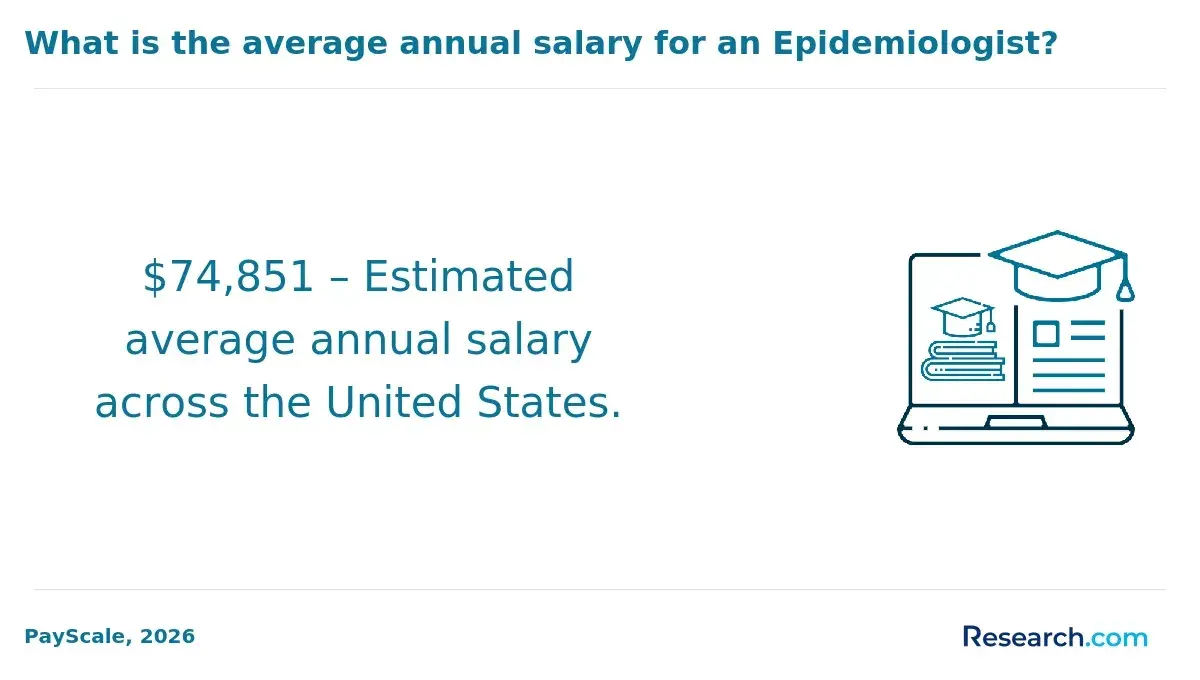
| Epidemiology support | Health departments, research centers, universities, hospitals. | Take statistics seriously, learn data tools, and consider graduate study in epidemiology or an MPH. |
| Environmental health | Public agencies, inspection units, environmental organizations, emergency preparedness offices. | Study environmental risk, policy, occupational health, climate-related health impacts, and inspection processes. |
| Healthcare administration and population health | Hospitals, insurers, accountable care organizations, quality improvement teams. | Develop skills in program evaluation, healthcare data, management, and policy analysis. |
Students should also understand credential progression. A bachelor’s degree can open doors, but some public health leadership, research, epidemiology, and policy positions prefer or require graduate education. Students comparing online institutions can start by reviewing accredited online colleges.
What is the return on investment of an online public health degree?
ROI depends on how much you pay, how long it takes to graduate, whether you borrow, what job you obtain, and whether the degree helps you advance. A lower-cost online program with generous transfer credit may provide stronger ROI than a higher-cost program if both lead to similar career opportunities.
Before enrolling, estimate your net cost, not just sticker price. Include tuition, fees, books, technology, fieldwork, loan interest, and lost work time if you reduce employment. Then compare that cost with realistic salaries for the jobs you are targeting. Students focused heavily on affordability can review the cheapest online public health degree options available.
Which advanced degree option can further diversify your public health expertise?
An advanced degree can help public health graduates specialize. An MPH is the most common next step for broad public health practice, but some students may prefer a research-heavy, science-focused, or management-oriented graduate route. A master of health science degree may be a better fit for students who want focused training in research methods, data analytics, evidence-based practice, or technical health science applications.
Can additional certifications boost your public health career prospects?
Certifications can help when they align with your target role. Public health students often consider credentials connected to health education, data, epidemiology, project management, healthcare quality, informatics, or compliance. The value of a certification depends on employer recognition, relevance, cost, and whether it builds a skill your degree did not fully cover.
For example, knowledge of medical billing and coding can be useful for public health professionals who work with healthcare administration, reimbursement data, compliance, or claims-based population health analysis. Students comparing credential costs can review medical coding classes cost before investing.
How can complementary education in pharmacy enhance public health strategies?
Pharmacy and public health overlap in medication safety, vaccination programs, chronic disease prevention, opioid response, antimicrobial stewardship, and patient education. A public health professional with pharmacy knowledge may be better prepared to understand medication access, adherence barriers, treatment protocols, and community-based prevention strategies.
Students considering a pharmacy-related expansion should compare prerequisites, licensure implications, cost, and whether the credential matches their career target. Programs associated with an online pharmacy school California may be relevant for students exploring advanced pharmacy education, but public health students should confirm whether the program is designed for their professional background.
How can integrating pharmacy studies enhance public health outcomes?
Public health and pharmacy training can work together when the goal is to improve population-level medication use and preventive care. Professionals who understand both fields may contribute to immunization planning, medication safety campaigns, overdose prevention, patient education, and policy discussions about access to essential medications.
A pathway such as a 3 year online PharmD may be appropriate for students seeking a pharmacy practice credential, but it is not a simple substitute for a public health degree. It should be considered only after reviewing admissions requirements, licensure rules, clinical training expectations, and career goals.
How can you transition from a bachelor’s to an MPH to advance your public health career?
A bachelor’s degree in public health provides a foundation in population health, health behavior, epidemiology, policy, and community assessment. An MPH builds on that foundation with more advanced training in areas such as biostatistics, epidemiology, health policy, environmental health, global health, and program evaluation.
The transition is often straightforward because many MPH programs accept applicants from varied undergraduate majors. Some students enter immediately after graduation, while others first gain experience in community health, healthcare, nonprofit work, research assistance, or government programs. Work experience can help you choose a concentration more strategically.
Before applying, clarify your goal. If you want to lead health programs, choose a program with management and evaluation training. If you want outbreak response or surveillance work, prioritize epidemiology and biostatistics. If you want policy work, compare courses in advocacy, economics, law, and systems analysis. Students still exploring the graduate route can review what is an MPH degree and how it connects to public health careers.
How can an online public health degree prepare you for global health challenges?
Global health problems do not stay within national borders. Pandemics, climate change, migration, health inequities, food insecurity, and environmental risks all require professionals who can interpret data, communicate across cultures, and design interventions for diverse communities.
- Global health perspective. Students learn how international health systems, policy, economics, culture, and inequality shape outcomes across populations.
- Disease surveillance and epidemiology. Coursework can introduce students to outbreak tracking, risk measurement, data interpretation, and response planning.
- Cultural competency. Public health programs emphasize respectful communication and intervention design for communities with different histories, languages, beliefs, and health priorities.
- Policy and advocacy. Students study how health policies are developed, funded, implemented, and evaluated.
- Environmental health and climate change. Programs may address pollution, natural disasters, occupational risk, water quality, climate-related illness, and community resilience.
Can health information management credentials strengthen your public health career?
Health information management can complement public health by strengthening skills in data governance, digital records, privacy, reporting, quality improvement, and healthcare analytics. This can be useful for students who want to work in population health data, hospital quality departments, public health reporting, health systems operations, or informatics-adjacent roles.
Students interested in this direction should look for credentials that are recognized by employers and aligned with their target role. One starting point is to compare health information management CAHIIM accredited programs.
What is the earning potential of an online public health degree?
Earning potential varies widely by job title, region, employer, experience, degree level, and specialization. A bachelor’s degree may support entry-level work in community health, health education, program coordination, research support, or healthcare population health teams. Higher-paying or more specialized roles may require an MPH, analytics experience, management experience, or additional credentials.
Do not evaluate public health salary in isolation. Compare it with your interests, tolerance for graduate school, desired work environment, and long-term advancement path. Students comparing health-related bachelor’s programs by compensation can review the highest paying bachelor degrees in healthcare for broader salary context.
How can integrating pharmacy education reinforce public health strategies?
Pharmacy education can support public health when the focus is medication access, preventive care, immunization, patient safety, chronic disease management, and community-based treatment education. This interdisciplinary preparation may be useful for professionals who want to work at the intersection of population health and medication-related care.
Advanced pharmacy pathways, including an online doctorate in pharmacy program, require careful review because pharmacy education may involve clinical, licensure, and experiential requirements beyond typical public health coursework.
Practical steps before applying to an online public health program
- Define your career target. Decide whether you are aiming for health education, community health, epidemiology support, policy, environmental health, healthcare administration, or graduate study.
- Check accreditation. Verify institutional accreditation and determine whether CEPH accreditation matters for your goals.
- Request a transfer evaluation. If you have prior credits, ask each school for a written estimate of accepted credits before comparing cost.
- Calculate total cost. Include tuition, fees, books, technology, fieldwork costs, and potential loan interest.
- Ask about fieldwork. Confirm whether internships or practicums are required and whether they can be completed near you.
- Review support services. Look for advising, tutoring, library access, career services, technical support, and internship assistance.
- Compare course format. Make sure the schedule fits your work and family responsibilities.
- Plan for experience. Volunteer, intern, or work in community health, healthcare, nonprofit services, research, or local government while studying.
Work on the frontline by completing an online public health degree
An online public health degree can prepare students to contribute to prevention, outreach, health communication, program planning, data-informed decision-making, and community health improvement. Graduates may work in nonprofits, community groups, higher education, government agencies, private industry, healthcare organizations, and global health settings.
For students who want advanced leadership, research, or policy roles, a bachelor’s degree may be the first step rather than the final credential. A master’s degree or a doctor of public health online program can help experienced professionals move into higher-level roles. The best path depends on your career goals, finances, schedule, and preferred type of public health work.
Key Insights
- Accreditation is the first filter. An online public health degree is most credible when the institution is accredited and, when relevant, the program or school has CEPH accreditation.
- Online study works best for self-directed students. Flexibility is valuable, but online learners need time management, reliable technology, and comfort communicating digitally.
- Total cost matters more than tuition alone. Compare per-credit tuition, required credits, transfer acceptance, fees, books, technology costs, and fieldwork expenses.
- Career value depends on applied experience. Internships, capstones, community projects, data assignments, and outreach experience can make an online degree more competitive.
- A bachelor’s degree can lead to entry-level public health roles, but graduate study may be needed for advancement. MPH, DrPH, health science, informatics, or pharmacy-related education may fit different career goals.
- Salary figures are planning tools, not guarantees. Public health earnings depend on role, location, employer, experience, specialization, and degree level.
- Do not choose based on rankings alone. The right program should match your career goal, budget, accreditation needs, support expectations, and field placement requirements.
References:
- AuntMinnie. (2025). ASRT: Radiography programs enrollment decreased in 2025. https://www.auntminnie.com/practice-management/news/15774682/asrt-asrt-radiography-programs-enrollment-decreased-in-2025
- College Factual. (2025). 2025 Best Gerontology Schools. https://www.collegefactual.com/majors/multi-interdisciplinary-studies/gerontology/rankings/top-ranked/
- HRSA. (2025). State of the Primary Care Workforce, 2025. https://bhw.hrsa.gov/sites/default/files/bureau-health-workforce/data-research/State-of-the-Primary-Care-Workforce-2025.pdf
- National Association of County and City Health Officials. (2024). 2024 Profile of Local Health Departments. https://www.naccho.org/resources/lhd-directory
- PayScale. (2026). Epidemiologist Salary in 2026. https://www.payscale.com/research/US/Job=Epidemiologist/Salary
- Quality Matters. (2024). CHLOE 8: The changing landscape of online education: A 2024 survey of US higher education leaders. https://www.qualitymatters.org/qa-resources/resource-center/articles-reports/CHLOE-8-report
- Research and Markets. (2024, January). E-learning market size, share & trends analysis report. https://www.researchandmarkets.com/report/e-learning-market-size-share-and-5573427
- Robert Half. (2025). 2026 Nonclinical Healthcare Salary Trends. https://www.roberthalf.com/us/en/insights/research/nonclinical-healthcare-salary-trends
- Statista. (2024). Online Education - Worldwide. https://www.statista.com/outlook/ecom/online-education/worldwide
- Statista. (2024). Share of higher education students in the U.S. who received technical assistance for online learning in 2024. https://www.statista.com/statistics/1360155/technical-support-online-higher-ed-us/
- U.S. Bureau of Labor Statistics. (2024, April 16). Occupational Outlook Handbook: Community and Social Service. https://www.bls.gov/ooh/community-and-social-service/health-education-specialists.htm
- U.S. Bureau of Labor Statistics. (2025). Employment Projections 2024-2034. https://www.bls.gov/emp/
- U.S. Bureau of Labor Statistics. (2025). Occupations with the Most Job Growth. https://www.bls.gov/emp/tables/occupations-most-job-growth.htm
Other Things You Should Know About Online Public Health Degrees & Programs
To identify reputable online public health degree programs in 2027, look for those accredited by recognized agencies like the CEPH. Accreditation ensures the program meets quality standards. Also, check graduation rates, faculty credentials, and student reviews for further assurance of the program's credibility.
The cost of an online public health degree varies but generally ranges from $320 to $613 per credit. Online programs can be more affordable than traditional ones, as they eliminate commuting and housing expenses. Students should also explore financial aid options such as loans, scholarships, and grants to help offset costs.
Students need a reliable internet connection, a modern computer or laptop, and compatible software or applications specified by their program. Ensuring access to these technological tools is essential for participating in online courses and completing assignments effectively.
Graduates can pursue various roles, including health education specialists, community health workers, public health analysts, epidemiologists, and more. These positions offer promising job growth and competitive salaries, with opportunities to make a significant impact on community health and well-being.
Online programs offer greater flexibility and can be more affordable, but they require self-discipline and effective time management. Traditional programs provide real-time interaction and in-person support, which can be beneficial for some students. Both formats offer comprehensive education, and the choice depends on individual preferences and circumstances.
Yes. Many accredited online public health programs include an in-person practicum, internship, or field placement, often tied to a set number of supervised hours. Schools usually arrange placements near the student’s home, and some programs require background checks or immunization records before placement begins.


