2027 What Can You Do With an MPH Degree

Co-Founder and Chief Data Scientist
An MPH degree is a practical graduate credential for people who want to improve health at the population level rather than treat one patient at a time. It can prepare you to work on disease prevention, health policy, epidemiology, environmental health, community programs, healthcare leadership, and data-informed public health decisions.
This guide is for prospective graduate students, healthcare workers considering advancement, career changers, and public health majors deciding whether a master’s degree is worth the cost. You will learn what an MPH is, how much it can cost, what jobs it may lead to, how it compares with related health degrees, and what to check before choosing a program.
The timing matters. Healthcare remains one of the largest employment sectors, with close to two million new healthcare job openings projected annually from 2024 to 3034, according to BLS reports. For students comparing graduate options, public health can be one of the best degrees to pursue if their goal is to work on community health problems, policy, prevention, research, or healthcare systems.
MPH Degree Table of Contents
- What is an MPH Degree
- Cost of an MPH Degree
- MPH Degree Jobs
- Types of MPH Degrees
- MPH Degree Specializations
- MPH Degree Requirements
- What to Look For in an MPH Degree Program
- MPH Degree vs. Other Health Degrees
- Is an MPH degree the right path for you?
- Exploring Career Growth and Networking Opportunities
- Could an Allied Health Credential Complement Your MPH Degree?
- Are Affordable, Accredited Online MPH Programs a Smart Investment?
- Can Additional Healthcare Certifications Accelerate Your Public Health Career?
- Can a PharmD Credential Enhance Your MPH Qualification?
- Can Hands-On Clinical Training Complement an MPH for Better Patient Outcomes?
- Can Digital Health Innovations Improve Public Health Outcomes?
- Will Future Healthcare Trends Increase Demand for Interdisciplinary Health Credentials?
- Can a Solid Foundation in Biology Enhance Public Health Impact?
Quick Answer: Is an MPH Degree Worth It?
An MPH degree can be worth it if you want to work in population health, epidemiology, health education, policy, environmental health, program management, or healthcare leadership. It is less suitable if your main goal is direct clinical practice, because an MPH by itself does not train you to become a physician, nurse practitioner, dentist, pharmacist, or other licensed clinician.
The degree is strongest when it matches a clear career target. For example, epidemiology, biostatistics, and health policy tracks can support data and policy roles, while community health and health education tracks can prepare students for outreach, prevention, and program implementation. Before enrolling, compare accreditation, practicum quality, total cost, online flexibility, career services, and whether the curriculum aligns with the jobs you actually want.
What is an MPH degree?
A Master of Public Health, or MPH, is a graduate degree focused on protecting and improving health across communities and populations. Instead of centering only on individual diagnosis and treatment, public health examines patterns of disease, social conditions, health behaviors, policies, environmental risks, and systems that affect large groups of people.
As one of the advanced level of degrees, the MPH is typically designed for students who already hold a bachelor’s degree or an equivalent undergraduate credential. Students may come from public health, biology, nursing, psychology, sociology, statistics, political science, business, or other backgrounds.
Most MPH programs build core competence in five broad areas: epidemiology, biostatistics, environmental health, social and behavioral sciences, and health policy or management. A typical curriculum may include courses such as:
- Principles of Epidemiology
- Environmental Health
- Biostatistics
- Social and Behavioral Sciences
- Public Health Policy and Management
The best MPH programs also include applied learning through practicums, internships, fieldwork, research projects, or capstone experiences. These experiences matter because public health employers often look for evidence that graduates can turn classroom knowledge into usable programs, reports, interventions, or policy recommendations.
Cost of an MPH Degree
The price of an MPH varies widely by institution, residency status, delivery format, credit load, and program length. Students comparing MPH and other online healthcare degrees should look beyond tuition alone. Fees, books, travel, technology costs, health insurance, living expenses, practicum-related transportation, and lost wages can significantly affect the real cost of attendance.
How much does it cost to get an MPH degree?
For a two-year master’s degree in public health at an in-state university, tuition and fees may range from $16,000-$33,000. Out-of-state students may pay considerably more, with tuition and fees reaching $25,000-$60,000 (Cost Helper Education, n.d.).
In-state students typically pay 46-51% less than out-of-state students for the same program. Online MPH programs can provide a more flexible option, but costs still vary. Online programs may cost between $800 and $2,200 per credit. Because MPH programs may require 42-80 credits, online tuition can start at about $33,600 (EducationData.org, 2024).
| Cost factor | Why it matters | Questions to ask before enrolling |
| Residency status | In-state and out-of-state tuition can differ sharply. | Can online students qualify for in-state or reduced tuition? |
| Credit requirement | A lower per-credit price may still be expensive if the program requires many credits. | How many total credits are required to graduate? |
| Practicum expenses | Field placements may require commuting, unpaid hours, background checks, or immunization records. | Does the school help students find local placements? |
| Fees | Technology, student services, graduation, and course fees can add up. | What is the full estimated cost of attendance, not just tuition? |
| Time away from work | Full-time study can reduce income, while part-time study extends the timeline. | Can the program be completed while working? |
Is an MPH degree worth the cost?
An MPH is most likely to be worth the investment when it helps you qualify for roles that require or prefer graduate-level public health training. It can also be valuable for clinicians, analysts, nonprofit workers, government employees, and healthcare managers who want to move into prevention, policy, population health, or leadership roles.
The degree may be a weaker investment if you choose a program without accreditation, borrow heavily without a target career path, or assume that the credential alone guarantees a high salary. ROI depends on your specialization, prior work experience, geographic market, employer type, and how well you use internships, networking, and applied projects to build job-ready experience.
MPH Degree Jobs
Public health careers span government agencies, hospitals, universities, nonprofits, community organizations, research institutions, consulting firms, health systems, and international organizations. The work can involve surveillance, prevention, education, policy analysis, program evaluation, emergency preparedness, health communication, or healthcare operations.
Are public health professionals in high demand?
The healthcare sector has a strong employment outlook, with projected growth of 28% across all jobs from 2024 to 2034 (U.S. Bureau of Labor Statistics, 2025).
Several public health-related occupations are also projected to grow. BLS reports show registered nurse employment expected to rise by 6% between 2024 and 2034 and community health worker employment expected to grow by 12%. Epidemiologists and medical and health services managers have stronger projections, with employment projected to grow 26% and 28%, respectively, during the same decade.
What jobs can you get with an MPH degree?
Students often ask what they can do with a public health master’s degree or what can you do with a masters in medical science. Public health is broad: the CDC identifies over 170 job categories in the field (n.d.). The right role depends on whether you prefer research, data, community engagement, clinical systems, policy, administration, or environmental health.
| Role | What the job usually involves | Best fit for students interested in |
| Health Director | Leads health departments or health-focused organizations, supervises staff, sets priorities, and ensures compliance with regulations. | Leadership, budgeting, policy, and systems management |
| Public Health Sanitarian | Inspects facilities and public spaces, evaluates environmental samples, documents risks, and recommends corrective actions. | Environmental health, regulation, inspections, and safety |
| Public Health Nurse | Delivers prevention, education, outreach, and health services to communities and vulnerable populations. Some nurses later compare the best online nurse practitioner program options for advanced clinical practice. | Community care, prevention, nursing, and health equity |
| Public Health Technician | Supports data collection, lab testing, sample handling, outbreak response, and administrative work for public health programs. | Entry-level public health operations and field support |
| Epidemiologist | Studies disease patterns, investigates outbreaks, analyzes data, prepares reports, and communicates findings to decision-makers. | Research, statistics, surveillance, and infectious disease |
| Public Health Educator | Creates health education programs, trains community workers, develops materials, and helps communities access health information. | Teaching, outreach, behavior change, and community programs |
| Doctor | Diagnoses and treats patients, reviews test results, develops care plans, and may use public health training to shape prevention or policy work. | Clinical medicine plus population-level impact |
| Dentist | Provides oral healthcare, diagnoses dental conditions, interprets X-rays, and treats diseases of the teeth and gums. Dental offices may employ graduates of an online dental assistant program. | Oral health, clinical care, and community prevention |
| Nutritionist | Assesses nutrition needs, designs meal plans, monitors progress, and educates individuals or communities about healthy eating. | Food systems, prevention, wellness, and chronic disease |
| Scientist | Conducts research in areas such as disease prevention, medicine, nutrition, environmental exposure, or population health. | Laboratory, academic, or applied research |
| Pharmacist | Dispenses medication, advises patients, supports immunization, and monitors medication use. Some pharmacy workers begin with an online pharmacy tech school pathway before pursuing additional credentials. | Medication safety, population health, and clinical systems |
What salary can you earn with an MPH degree?
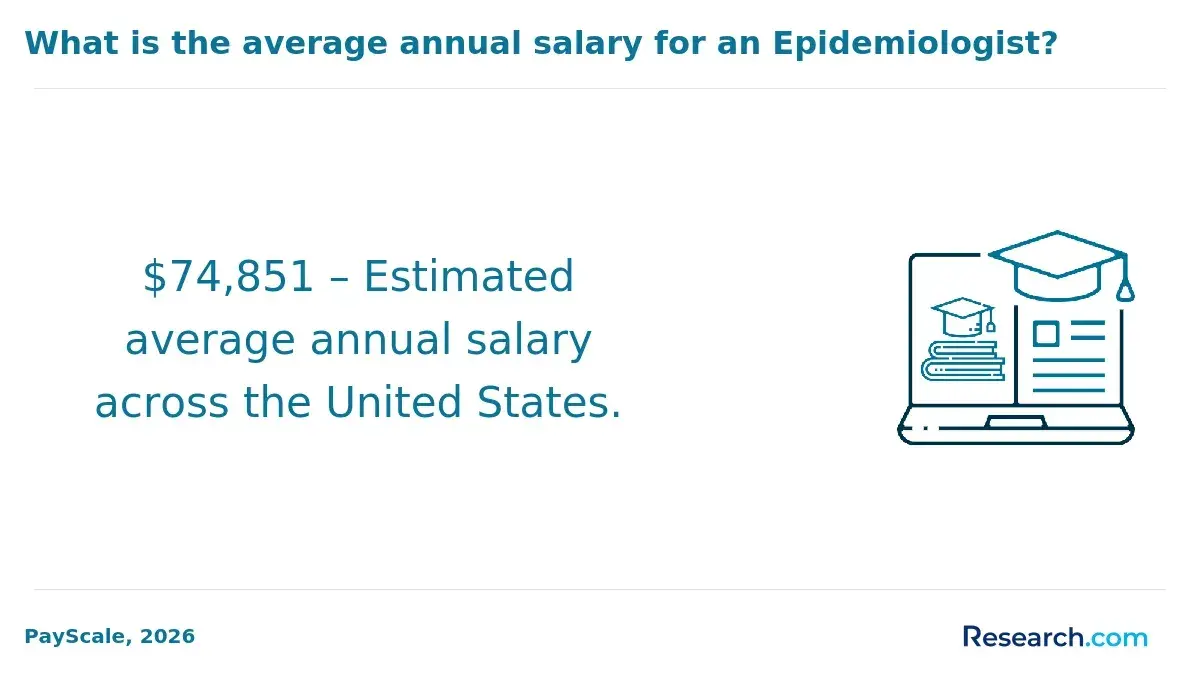
MPH graduates earn an average of $70,000 in base salary per year, according to Payscale (2025). However, that figure should be treated as a broad benchmark, not a guaranteed outcome. Public health salaries vary by occupation, employer, location, seniority, licensure, and technical specialization.
Community health workers and educators are closer to the lower end of the range, with an average annual salary of $53,420. That is above the national average for all occupations, which is $52,550, according to BLS reports. Registered nurses and epidemiologists are closer to the overall MPH average, earning $86,070 per year and $81,390 per year, respectively. Medical and health services managers are higher on the pay scale, with an average salary of $110,680 a year (U.S. Bureau of Labor Statistics, 2024).
Types of MPH Degrees
Students often use “MPH” as a general term, but graduate public health and healthcare degrees are not interchangeable. The best choice depends on whether you want applied public health practice, research training, healthcare administration, or a dual clinical-public health pathway.
BLS data indicates that approximately 45% of public health workers now hold a master’s degree or higher (2025). That does not mean every public health job requires a graduate degree, but it does show why a master’s credential can help candidates compete for advanced roles.
| Degree | Typical completion time | Main focus | Best for |
| Master of Public Health (MPH) | One to two years | Applied public health practice, prevention, policy, community health, and population health programs | Students who want practical roles in public health agencies, nonprofits, health systems, or policy settings |
| Medical Doctor with an MPH (MD/MPH) | Four to five years | Clinical medicine combined with population health, prevention, and public health leadership | Aspiring physicians who want to integrate patient care with public health strategy |
| Master of Science in Public Health (MSPH) | Two years | Research methods, quantitative and qualitative analysis, and preparation for doctoral study or research roles | Students drawn to research, academia, epidemiology, or health data analysis |
| Master of Healthcare Administration (MHA) | Two years | Healthcare operations, leadership, finance, strategy, law, and organizational management | Students who want to manage healthcare organizations rather than design public health interventions |
Master of Public Health (MPH)
Time to complete: One to two years
The MPH is the standard applied graduate degree for students who want to work in public health practice. Many programs begin with core courses across major public health disciplines, then allow students to choose a concentration that supports a specific career direction.
Common MPH concentration areas include:
- Biostatistics
- Epidemiology
- Nutrition
- Environmental Health
- Public Health Policy and Writing
Many MPH programs take two years, though some schools offer accelerated one-year formats. The first part of the degree usually covers foundational public health knowledge, including research, grant writing, health assessment, and policy. Later coursework often includes concentration electives, a practicum or internship, and a capstone or independent project.
Medical Doctor with an MPH (MD/MPH)
An MPH curriculum usually does not provide clinical training. Students who want to practice medicine and also work on community health, prevention, policy, or population-level research may consider a four- to five-year MD/MPH program. These programs are often small and may accept only 5-10 students a year.
The MD/MPH path is demanding because students complete two rigorous degrees at once. It may be appropriate for future physicians who want to work in public health leadership, academic medicine, global health, health policy, or population-based clinical research.
Entry-level jobs: Public Health Nurse, Doctor, Nutritionist
Master of Science in Public Health (MSPH)
Time to complete: Two years
The MSPH is more research-oriented than the MPH. It is often a better match for students who enjoy study design, data collection, statistical analysis, academic research, and preparation for doctoral-level public health study.
Like an MPH, the MSPH covers major public health concepts and may include specialized study. The difference is emphasis: MSPH coursework tends to go deeper into quantitative and qualitative research methods, data interpretation, and the application of evidence to population health questions.
Entry-level jobs: Health Educator, Researcher, Scientist
Master of Healthcare Administration (MHA)
Time to complete: Two years
An MHA is built for students who want to lead healthcare organizations, departments, programs, or service lines. It is not primarily a public health research or prevention degree, although MHA graduates may work in organizations that affect public health outcomes.
MHA coursework commonly covers strategic planning, staffing, health law, finance, quality improvement, and healthcare technology. It is a strong option for students who prefer operations, management, and organizational leadership over epidemiology or community intervention design.
Entry-level jobs: Health Services Administrator, Occupational Health and Safety Manager, Risk Management Specialist
MPH Degree Specializations
Choosing a specialization is one of the most important MPH decisions because it shapes your coursework, practicum options, portfolio, and early job search. A general MPH can be useful, but a focused concentration often makes it easier to explain your value to employers.
| Specialization | What you study | Career direction it supports |
| Epidemiology | Disease patterns, outbreak investigation, surveillance, risk factors, and prevention strategies | Epidemiologist, surveillance analyst, infectious disease specialist |
| Biostatistics | Statistical methods, data modeling, study design, and interpretation of health data | Biostatistician, data analyst, research associate |
| Environmental Health | Pollution, toxic exposure, workplace hazards, environmental policy, and community risk | Environmental health specialist, sanitarian, occupational health analyst |
| Global Health | Cross-border health issues, international health systems, disease prevention, and global policy | Global health program coordinator, international NGO roles, policy analyst |
| Health Policy and Management | Healthcare financing, public health systems, policy analysis, organizational leadership, and program management | Policy analyst, program manager, health services administrator |
| Social and Behavioral Sciences | Behavior change, culture, community engagement, health communication, and social drivers of health | Health educator, community health program manager, prevention specialist |
| Maternal and Child Health | Health issues affecting mothers, infants, children, and families, including programs and policy | Maternal and child health coordinator, family health program specialist |
| Infectious Disease Control | Surveillance, outbreak response, epidemiological methods, and risk communication | Outbreak investigator, infection prevention specialist, public health analyst |
MPH Degree Requirements
Admissions requirements vary by school, but MPH applicants are commonly evaluated on academic preparation, professional experience, career goals, recommendations, and readiness for graduate-level work. With 43,598 public health degrees awarded in 2025, applicants should assume that strong programs may be selective and that a focused application matters.
A bachelor’s degree in public health can provide helpful preparation, but it is not always required. Students from biology, nursing, social science, statistics, business, political science, or other fields can also be competitive if they can show a clear connection to public health.
Admission requirements
| Requirement | What programs may expect | How to strengthen your application |
| Bachelor’s degree | An undergraduate degree from an accredited college or university, often with a GPA of at least 3.0 | Explain how your coursework, projects, or work experience prepared you for public health study |
| Work experience | Many programs require or prefer one to three years of relevant professional experience | Use internships, volunteer roles, healthcare work, research, or community service to show commitment |
| Test scores | Some schools consider GRE scores, with a combined score of 300 viewed as competitive by some programs | Check whether the GRE is required, optional, waived, or not accepted |
| Dual-degree testing | MD/MPH applicants may need the MCAT; an MCAT score of 511.3 or higher reflects the average performance of successful applicants (Association of American Medical Colleges, 2024) | Review both the medical school and public health school requirements early |
| Personal statement | A written explanation of your background, goals, and reason for pursuing public health | Connect your goals to specific public health problems, populations, or methods |
| Letters of recommendation | Letters from professors, employers, supervisors, or professionals who can speak to your readiness | Choose recommenders who can provide specific examples of your analytical, leadership, or service skills |
Students who are still completing undergraduate study may reduce future debt by comparing cost-conscious options such as the most affordable online bachelor’s degree. A public health major can be useful, but it should be chosen because it fits your interests and goals, not because it is automatically required for an MPH.
Skill requirements
The Council on Linkages Between Academia and Public Health Practice identifies the Core Competencies for Public Health Professionals, which are connected to the CDC’s 10 Essential Public Health Services. These competencies help define what public health workers should be able to do in practice, research, education, and leadership roles.
- Data analytics and assessment: Public health professionals need to collect, interpret, and communicate data so organizations can identify trends, risks, disparities, and program outcomes.
- Policy development and program planning: Many roles require translating community needs into policies, interventions, budgets, timelines, and measurable goals.
- Communication: Public health work depends on clear communication with communities, clinicians, policymakers, agencies, funders, and the public, especially during emergencies or controversial health issues.
- Health equity: Public health professionals must understand how bias, racism, discrimination, income, geography, disability, language, and access affect health outcomes. Vela et al., in “Eliminating Explicit and Implicit Biases in Health Care: Evidence and Research Needs,” published in the Annual Review of Public Health, emphasize that “Racism, sex and gender discrimination, and other forms of discrimination must be rooted out, as they prevent marginalized trainees and faculty from thriving, create stereotype threat for the marginalized, and confirm bias for the nonmarginalized.[…]Bioethical principles of fairness, distributive justice, and reciprocity should be core for public health officials and health care providers” (2022, 495).
- Community partnership: Public health programs often succeed or fail based on trust. Professionals must know how to work with community organizations, businesses, schools, local agencies, and residents. Recent data indicates that approximately 80% of local health departments now actively engage in cross-sector partnerships to improve community health outcomes.
- Public health sciences: MPH graduates should be able to apply epidemiology, prevention science, behavioral science, environmental health, and research evidence to real-world health problems.
- Management and finance: Program budgets, staffing, grants, reporting, and resource allocation are central to many public health roles. Students interested in administration may also compare what they can do with a degree in healthcare management.
- Leadership and systems thinking: Public health problems are rarely isolated. Professionals need to understand how healthcare systems, policies, funding, communities, data, and social conditions interact.
What to Look for in an MPH Program
The right MPH program is not simply the one with the lowest tuition or the most recognizable name. You should evaluate whether the program is accredited, affordable, flexible, career-aligned, and strong in the specialization you want.
Accreditation status
In the United States, public health programs are accredited by the Council on Education for Public Health (CEPH). CEPH is an independent organization recognized by the U.S. Department of Education that sets standards for public health education. As of this writing, CEPH has accredited 248 schools and programs.
Accreditation matters because employers, doctoral programs, and certifying bodies may prefer or require graduates from accredited public health programs. Before applying, verify the school directly through the CEPH list of accredited institutions and programs.
Flexible degree options
Some students need a traditional full-time campus program. Others need an online, hybrid, evening, part-time, or accelerated option. If your goals cross fields, dual degrees may be worth comparing, including:
- Juris Doctor with a Master’s in Public Health (JD/MPH)
- Master’s in Public Health with a Master’s in Business Administration (MPH/MBA)
- Doctor of Pharmacy with a Master’s in Public Health (PharmD/MPH)
A dual degree can be powerful, but it also increases time, cost, and academic pressure. Choose one only if both credentials are clearly relevant to your career plan.
Financial aid options
Financial aid for MPH students may include scholarships, grants, loans, assistantships, fellowships, employer tuition support, military benefits, or work-study. Ask each school for the full cost of attendance and not just the tuition page. Also check whether aid is available to part-time and online students, because policies differ.
| Program feature | Why it matters | Red flag |
| CEPH accreditation | Signals that the public health curriculum meets recognized standards | The school is vague about accreditation or only mentions institutional accreditation |
| Practicum support | Hands-on experience can be essential for employment | Students must find placements with little advising support |
| Specialization depth | Concentrations should include relevant courses, faculty, and applied projects | The specialization is only a few loosely related electives |
| Career services | Resume help, employer connections, alumni networks, and job boards can improve outcomes | No public health-specific advising or employer relationships |
| Total cost transparency | Clear pricing helps students avoid overborrowing | The school highlights tuition but hides fees and other required expenses |
MPH Degree vs. Other Health Degrees
An MPH, MHA, and MSPH can all lead to health-related careers, but they prepare students for different types of work. Choosing the wrong one can leave you with a degree that does not match your preferred job market.
| Degree | Primary purpose | Choose it if you want to... | Consider another option if... |
| MPH | Prepare for applied public health practice, prevention, policy, community programs, or population health | Design interventions, analyze community health problems, lead prevention programs, or work in health policy | You mainly want hospital operations leadership or laboratory research |
| MHA | Prepare for healthcare administration, operations, finance, and organizational leadership | Manage clinics, departments, facilities, staff, budgets, or health system operations | You want outbreak investigation, epidemiology, or community health education |
| MSPH | Prepare for research-heavy public health roles and possible doctoral study | Work with study design, advanced data analysis, research methods, or academic pathways | You prefer applied program management over research |
An MPH focuses on public health action: disease prevention, health promotion, community interventions, environmental risks, and policy. MPH graduates may become epidemiologists, health educators, program managers, policy analysts, or public health practitioners.
An MHA is more business- and operations-focused. It suits students who want to lead healthcare organizations, manage teams, improve workflows, and oversee budgets. Students looking for a faster administrative route may compare 1 year MHA programs online.
An MSPH is more research-focused. It is often a stronger choice for students who want academic research, advanced epidemiology, data analysis, or a future doctorate in public health.
Is an MPH degree the right path for you?
An MPH can be a strong fit, but it is not the best graduate degree for every healthcare-minded student. Use the following decision points before committing your time and money.
Choose an MPH if you want population-level impact
An MPH fits students who care about prevention, health equity, data, policy, community programs, and systems change. If you want to improve vaccination outreach, reduce chronic disease risk, evaluate public health programs, respond to outbreaks, or shape health policy, this degree can make sense.
Consider a clinical degree if you want direct patient care
If your primary goal is diagnosing, prescribing, treating, or providing advanced clinical care, an MPH alone is not enough. You may need nursing, medicine, dentistry, pharmacy, physician assistant training, or another licensed pathway.
Think carefully about research versus practice
Students who enjoy fieldwork, community engagement, education, and program implementation may prefer an applied MPH track. Students who prefer study design, data modeling, literature review, and academic research may find the MSPH or a research-focused MPH concentration more appropriate.
Ask whether public health fits your long-term interests
If you are still asking is public health a good major, step back and compare the field with nursing, healthcare administration, biology, social work, public policy, and data science. Public health blends health science with social systems, policy, equity, communication, and evidence-based decision-making.
Plan around work, family, and fieldwork
MPH programs can be intensive, especially when coursework overlaps with practicum requirements. Working professionals should ask whether classes are asynchronous, whether internships can be completed locally, and whether part-time enrollment affects financial aid or graduation timelines.
Evaluate ROI honestly
An average salary of $70,000 per year can make an MPH attractive, but salary outcomes are not automatic. A student entering with healthcare experience, strong data skills, and a targeted concentration may have different opportunities than a career changer with limited experience. Compare total debt to realistic salaries in your target role and location.
Exploring Career Growth and Networking Opportunities
Career outcomes often depend on what you do during the program, not only the courses you complete. A strong MPH program should help you build experience, relationships, and proof of skill before graduation.
Internships and practicum experiences
Practicums let students apply classroom knowledge in public health departments, hospitals, nonprofits, research centers, global health organizations, or community agencies. Prioritize programs that help students secure placements aligned with their specialization rather than leaving them to navigate the process alone.
Alumni networks and professional associations
Alumni can provide mentorship, job leads, informational interviews, and insight into employer expectations. Professional associations such as the American Public Health Association can also help students understand current issues, attend events, explore job boards, and build a professional identity in the field.
Employment support and job placement services
Useful career services go beyond generic resume templates. Look for public health-specific advising, interview preparation, employer panels, practicum-to-job pathways, and networking events. Students who need a more accessible admissions route may compare the easiest MPH programs to get into, but admissions flexibility should still be balanced with accreditation and quality.
Common Mistakes to Avoid When Choosing an MPH Program
- Choosing without checking CEPH accreditation: Institutional accreditation alone is not the same as public health program accreditation.
- Comparing only tuition: Fees, practicum travel, books, technology costs, and time away from work can change the real price.
- Ignoring specialization fit: A general MPH may not provide enough depth for data-heavy, policy-heavy, or environmental health roles.
- Assuming online always means flexible: Some online programs still require live sessions, campus visits, or scheduled fieldwork hours.
- Overlooking practicum support: Applied experience can be one of the most valuable parts of the degree, especially for career changers.
- Expecting salary guarantees: Published averages are useful benchmarks, but individual outcomes depend on role, location, employer, experience, and skills.
- Relying only on rankings: Rankings can help you discover schools, but accreditation, cost, curriculum, faculty, and career support matter more for decision-making.
Make a Positive Impact on Your Community With an MPH Degree
Public health professionals became more visible during the COVID-19 pandemic, but their work extends far beyond emergency response. They help communities prevent disease, interpret health data, improve access to services, evaluate programs, reduce disparities, and prepare for future health threats.
An MPH degree program can help you build the technical, analytical, policy, and leadership skills needed for that work. The degree is most valuable when you choose an accredited program, select a specialization tied to your goals, gain applied experience, and control costs carefully.
Could an Allied Health Credential Complement Your MPH Degree?
An allied health credential can strengthen an MPH plan when it gives you practical insight into patient care, diagnostics, or healthcare delivery. For example, students exploring community screening, imaging access, occupational health, or clinical operations may benefit from understanding how technical roles function inside healthcare teams. Programs such as online associate radiology tech programs may be relevant for students who want a more hands-on view of clinical workflows before or alongside public health work.
Are Affordable, Accredited Online MPH Programs a Smart Investment?
Affordable online MPH programs can be a smart investment if they are accredited, transparent about costs, and strong in applied learning. Low tuition is not enough. Students should also review practicum placement support, faculty expertise, career services, graduation requirements, and whether online students receive the same academic resources as campus students. Cost-conscious applicants can begin by comparing cheapest MPH programs, then narrowing the list to accredited programs that match their career goals.
Can Additional Healthcare Certifications Accelerate Your Public Health Career?
Targeted certifications can complement an MPH when they build skills employers use immediately. For public health roles involving billing data, claims analysis, operations, program reimbursement, or healthcare administration, training in coding can improve understanding of how health information is documented and used. Students interested in that route may compare online medical coding classes as a supplement rather than a replacement for graduate public health training.
Can a PharmD Credential Enhance Your MPH Qualification?
A PharmD paired with an MPH can be useful for professionals interested in medication safety, immunization programs, pharmacy policy, population health, health systems leadership, or outcomes research. This combination is not necessary for most MPH students, but it can make sense for those who want a pharmacy-centered clinical foundation with public health strategy. Students considering this path can review PharmD degree online options and compare them with dual PharmD/MPH pathways.
Can Hands-On Clinical Training Complement an MPH for Better Patient Outcomes?
Clinical training can help MPH students understand how public health policies and programs affect patients at the point of care. This is especially useful for students entering public health from a nonclinical background. Short, practical pathways such as medical assistant training accelerated may provide exposure to patient interaction, documentation, workflow, and care coordination, although they do not replace an MPH or a licensed clinical degree.
Can Digital Health Innovations Improve Public Health Outcomes?
Digital health tools, telehealth systems, and analytics platforms are changing how public health teams monitor disease, communicate with communities, manage resources, and evaluate interventions. MPH students who build comfort with data systems, health informatics, privacy considerations, and digital communication may be better prepared for modern public health roles. Students exploring broader online health education pathways can review healthcare degree courses online to understand how digital learning and health technology intersect.
Will Future Healthcare Trends Increase Demand for Interdisciplinary Health Credentials?
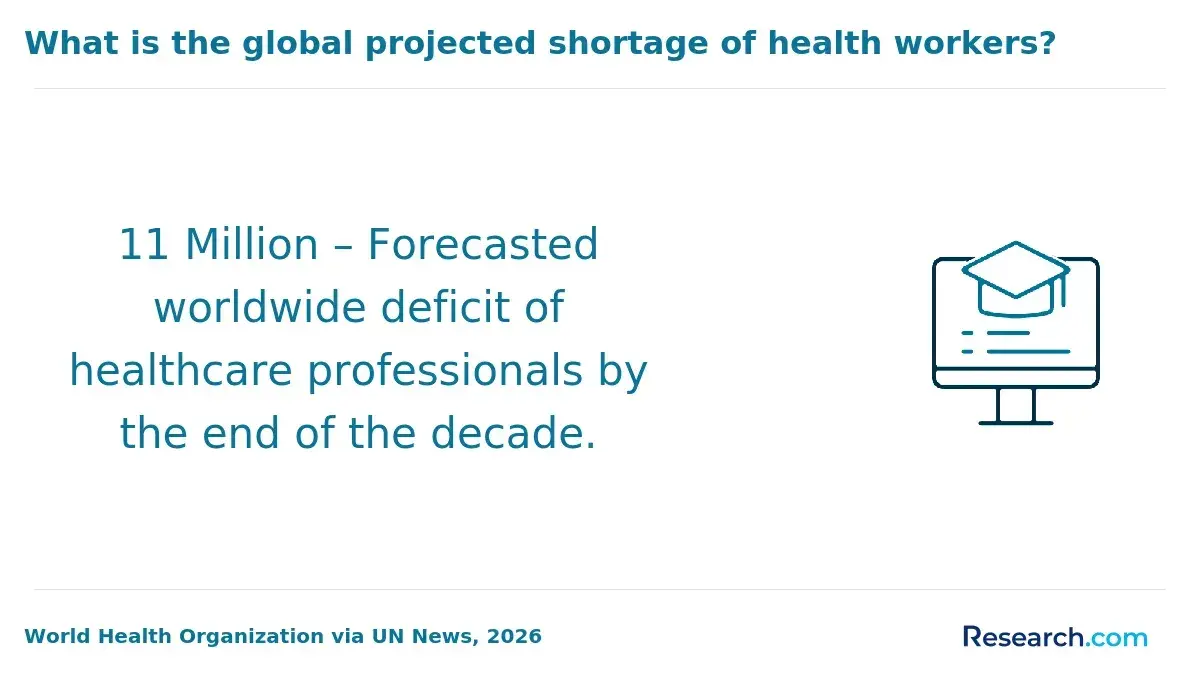
Healthcare employers increasingly value professionals who can work across clinical care, data, operations, policy, and community health. Public health challenges rarely sit inside one discipline. Funding pressure, workforce shortages, technology adoption, chronic disease prevention, and emergency preparedness all require collaboration. For some students, combining an MPH with another credential can strengthen career flexibility. For example, pharmacy-focused students may compare the best online doctor of pharmacy degree programs when considering how clinical medication expertise could pair with public health leadership.
Can a Solid Foundation in Biology Enhance Public Health Impact?
Biology can strengthen public health preparation by helping students understand pathogens, human physiology, environmental exposure, genetics, nutrition, and disease mechanisms. This foundation can be especially useful for epidemiology, infectious disease, environmental health, occupational health, and research-oriented MPH pathways. Students who need undergraduate science preparation may consider an affordable online biology bachelor's degree before moving into graduate public health work.
Key Insights
- An MPH is a population health degree, not a clinical license: It prepares students to work on prevention, policy, epidemiology, community health, environmental health, and health systems, but it does not authorize direct clinical practice by itself.
- Career fit should drive your program choice: Epidemiology, biostatistics, health policy, environmental health, and community health tracks lead to different skill sets and job markets.
- Demand is strong, but outcomes vary: Healthcare employment is projected to grow, and several public health-related roles have positive outlooks, but salary depends on experience, role, location, employer, and specialization.
- Cost control matters: MPH tuition can range widely, and students should compare total cost of attendance, not just the advertised per-credit rate.
- CEPH accreditation is a major quality checkpoint: Accreditation can affect employer recognition, certification pathways, transferability, and the long-term value of the credential.
- Applied experience is essential: Practicums, internships, capstones, research projects, and employer connections can be just as important as coursework for landing a public health role.
- An MPH is most valuable with a clear plan: The strongest applicants and graduates can explain the public health problem they want to solve, the population they want to serve, and the technical skills they bring to the work.
References:
- Association of American Medical Colleges. (2024). 2024 MCAT total and section score means. https://www.aamc.org/media/78061/download?attachment
- EducationData.org. (2024). Online college tuition. https://educationdata.org/online-college-tuition
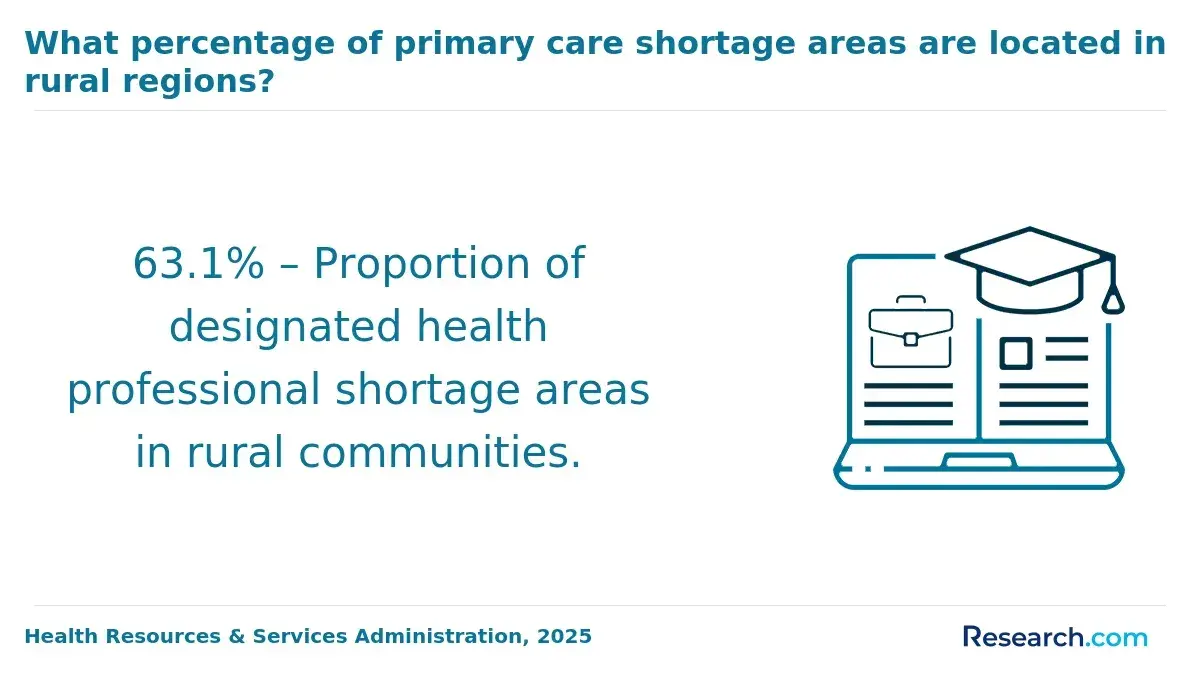
- HRSA. (2025). State of the Primary Care Workforce, 2025. https://bhw.hrsa.gov/sites/default/files/bureau-health-workforce/data-research/State-of-the-Primary-Care-Workforce-2025.pdf
- National Center for Education Statistics. (2025). Postsecondary awards conferred by program area. https://nces.ed.gov/programs/digest/d23/tables/dt23_324.20.asp
- PayScale. (2026). Epidemiologist Salary in 2026. https://www.payscale.com/research/US/Job=Epidemiologist/Salary
- Payscale. (2025). Master of Public Health (MPH) Degree. https://www.payscale.com/research/US/Degree=Master_of_Public_Health_(MPH)/Salary
- UN News. (2026). Global health systems 'at risk' as funding cuts bite, warns WHO. https://news.un.org/en/story/2026/02/1166869
- U.S. Bureau of Labor Statistics. (2025). Educational attainment for workers in selected public health occupations. https://www.bls.gov/emp/tables/educational-attainment.htm
- U.S. Bureau of Labor Statistics. (2025). Employment Projections 2024-2034. https://www.bls.gov/emp/
- U.S. Bureau of Labor Statistics. (2025). Occupational Outlook Handbook: Healthcare. https://www.bls.gov/ooh/healthcare/
Other Things You Need to Know About MPH Degrees
To enroll in an MPH program in 2027, applicants need a bachelor's degree with a minimum GPA, typically 3.0. Some programs may require GRE scores, relevant work experience, or prerequisite coursework in subjects like biology or statistics. Check specific program requirements for details.
Common admission requirements for an MPH program include a bachelor’s degree from an accredited institution, a minimum GPA (typically around 3.0), standardized test scores (GRE or MCAT for dual degrees), a personal statement, letters of recommendation, and relevant work experience in public health or a related field.
An MPH degree typically takes one to two years to complete, depending on the program and whether it is pursued full-time or part-time. Accelerated programs may be completed in one year, while part-time or dual degree programs may take longer.
In 2027, new certifications like the Digital Public Health Innovator credential have emerged, reflecting the evolving landscape. These certifications often require an MPH and focus on integrating technology and health strategies, ensuring professionals are equipped for modern public health challenges.
An MPH program should hold accreditation from the Council on Education for Public Health, or CEPH. CEPH accreditation is the main quality standard for U.S. public health degrees and is often required for federal jobs, graduate transfers, and some employer tuition-reimbursement or hiring policies.
In 2027, those with an MPH degree can explore roles such as public health analyst, epidemiologist, health educator, or policy advisor. Growing focus areas include global health, health informatics, and pandemic preparedness, offering varied opportunities in government agencies, NGOs, and private sectors.