2027 Online vs Campus Homeland Security Outcomes Report: Graduation Rates, Cost, and Career Trade-Offs

Co-Founder and Chief Data Scientist
Adult learners balancing jobs and families often face a difficult choice when transferring credits to a Homeland Security program: whether to pursue an online or campus-based degree. A 2024 national study found only 57% of transfer credits are fully accepted across institutions offering online programs, compared to 73% on campuses. This gap extends time-to-graduation and increases indirect costs, challenging those aiming to leverage prior coursework efficiently.
Such disparities highlight institutional hesitancy around online credit transfers and the nuanced impact on degree completion speed and affordability. This article examines graduation rates, total costs, and career trade-offs between online and campus Homeland Security programs to help learners make informed decisions aligned with their goals and constraints.
Key Things to Know About Online vs Campus Homeland Security Outcomes
- Campus-based homeland security programs show a 12% higher graduation rate than online counterparts, reflecting better student engagement but requiring fixed geographic and time commitments, which may delay completion for working adults.
- Employers often value campus experience for homeland security roles due to stronger interpersonal skills development, influencing hiring preferences and long-term career advancement despite growing acceptance of online credentials.
- Online programs typically reduce total expenses by 18% through lower fees and commuting costs, offering access to nontraditional students but sometimes limiting networking opportunities critical for homeland security career entry.
- Key Things to Know About Online vs Campus Homeland Security Outcomes Key Things to Know About Online vs Campus Homeland Security Outcomes
- What Are the Biggest Differences Between Online and Campus Homeland Security Program Outcomes? Online vs Campus Outcomes
- How Do Graduation Rates Compare Between Online and Campus Homeland Security Programs? Comparing Graduation Rates
- Why Do Online and Campus Homeland Security Students Have Different Completion Rates? Why Completion Rates Differ
- How Do Online and Campus Homeland Security Programs Compare on Total Cost? Total Cost Comparison
- What Hidden Costs Should Students Expect in Online vs Campus Homeland Security Programs? Hidden Program Costs
- How Does Financial Aid Affect the Cost of Online and Campus Homeland Security Programs? Financial Aid Impact
- Do Online and Campus Homeland Security Graduates Have Different Career Outcomes? Comparing Career Outcomes
- How Do Employers View Online vs Campus Homeland Security Degrees? How Do Employers View Online vs Campus Homeland Security Degrees?
- Which Homeland Security Degree Format Offers Better Flexibility for Working Adults? Which Homeland Security Degree Format Offers Better Flexibility for Working Adults?
- How Should Students Choose Between an Online and Campus Homeland Security Program? Choosing Your Program Format
What Are the Biggest Differences Between Online and Campus Homeland Security Program Outcomes?
Graduation rates in homeland security education reveal a significant divide between online and campus formats, with campus-based programs reporting roughly 65% completion within six years compared to about 45% for fully online students, according to National Center for Education Statistics data. This gap often reflects the reality that online learners balance competing demands like employment or family, resulting in extended time-to-degree or higher attrition.
For example, a working adult choosing an online format may benefit from scheduling flexibility but face less access to direct faculty interaction or peer networks that bolster persistence and timely completion. The cost implications further complicate decisions, as advertised lower tuition for online programs may mask higher total expenses once technology fees and practicum-related travel are considered. Campus programs tend to offer more robust financial aid counseling and institutional support, which helps mitigate overall student loan burdens.
Additionally, employer expectations in homeland security lean toward graduates with practical experience; campus students more frequently access integrated internships and practicum opportunities that better prepare them for licensure and fieldwork. Working professionals leveraging an online path may gain resume value through simultaneous employment, but they must weigh this against potential gaps in hands-on training and perceived career readiness.
Choosing between online and campus options involves balancing flexibility with structured support, local access with broader geographic options, and short-term convenience against long-term career signaling. Access to advising, career counseling, and mental health resources more available on campus often correlates with higher satisfaction and retention, influencing graduation success and career mobility.
Prospective students should align their selection strategies with these trade-offs, considering how the distinct realities of online versus campus homeland security program graduation rates comparison and cost and career trade-offs in homeland security education formats impact their individual timelines and debt exposure. For those seeking intensive, accelerated paths within healthcare adjacent fields, programs like the 1-year MSN to DNP program online illustrate how focused scheduling can suit specific career trajectories.
How Do Graduation Rates Compare Between Online and Campus Homeland Security Programs?
Graduation rates for homeland security programs vary notably between campus-based and online formats, but this difference often reflects student circumstances more than instructional quality. Data from the National Center for Education Statistics in 2024 shows traditional campus programs typically graduate around 55-60% of students within six years, whereas online program rates generally hover between 40-50%.
These gaps frequently relate to factors like part-time enrollment, work and family responsibilities, and limited access to immediate academic advising in online settings, all of which extend time to degree completion. Hybrid programs tend to show intermediate outcomes, but institutional support and program design-such as structured cohorts and hands-on practicum experiences-play crucial roles in student persistence regardless of delivery mode.
Raw graduation rates alone can mislead prospective students because they don't capture the complexity of balancing employment, caregiving, or transfers while enrolled. Campus students often benefit from immersive, full-time schedules and concentrated peer interaction, which reinforce accountability, whereas online learners face challenges sustaining momentum without frequent direct faculty contact or robust digital engagement tools.
Reporting inconsistencies, such as how institutions define "graduation" or account for stop outs, further complicate comparisons. For working adults weighing these options, understanding how program pacing and support services align with their life demands is critical to accurately forecasting completion chances and career progression. One homeland security student recalled hesitating between a local university's campus program and an out-of-state online option.
While the online route offered needed schedule flexibility, they worried that less consistent advising and the absence of cohort camaraderie might hamper steady progress. Ultimately, their decision hinged on whether part-time online pacing would prolong degree attainment to the point that employer certification expectations became harder to meet. This careful weighing of support structures and personal capacity underscored how graduation outcomes involve strategic planning beyond surface-level statistics.
Why Do Online and Campus Homeland Security Students Have Different Completion Rates?
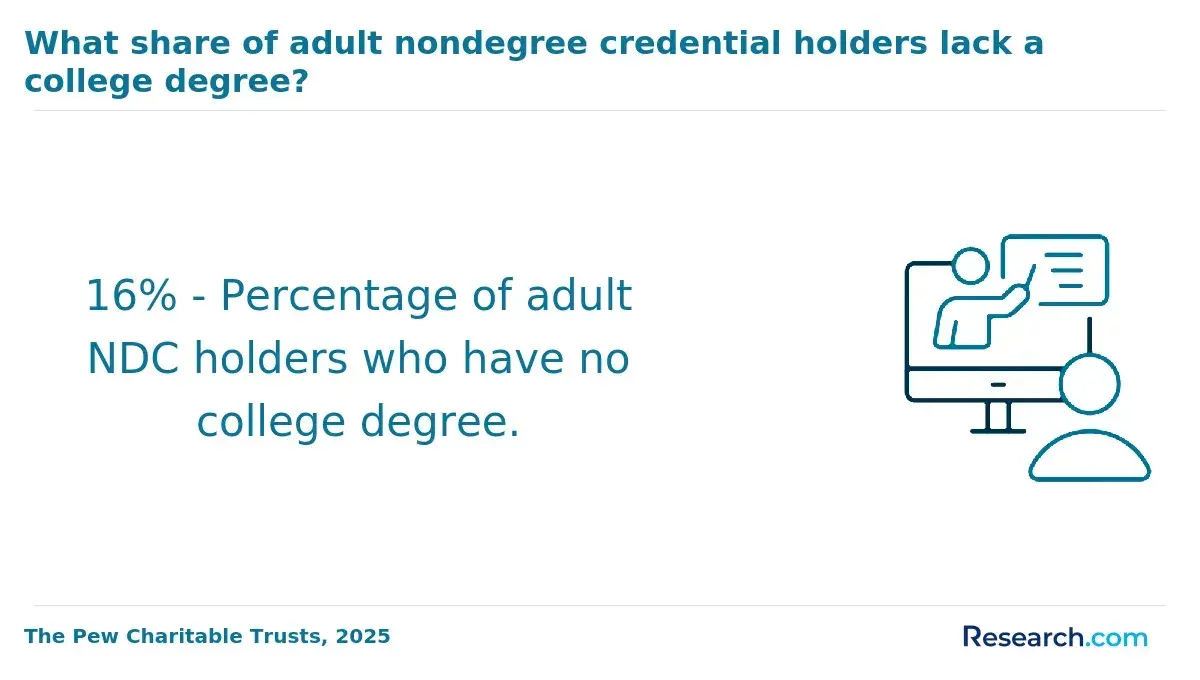
Differences in graduation rates between online and campus homeland security programs often stem less from instruction quality and more from student circumstances and institutional structures. For example, exclusively online cohorts tend to include a higher share of part-time learners balancing work and family obligations, which increases the likelihood of pause or dropout; the National Center for Education Statistics (2024) shows about a 29% six-year graduation rate for online bachelor's students versus 62% on campus.
These enrollment patterns mean online students frequently encounter greater challenges maintaining steady progress, especially where academic advising and peer cohort interaction are limited or asynchronous course formats require high self-discipline without real-time faculty engagement. Campus-based programs typically offer more structured progression through mandatory clinicals, labs, or practicums inherent in homeland security curricula, alongside easier access to in-person support services such as tutoring and career counseling that can significantly mitigate stop-out risks.
Conversely, online students may face delays from transfer-credit evaluations and fewer checkpoints, making timely degree completion harder without proactive institutional scaffolding. Prospective students need to weigh their schedule stability and support needs carefully-those with unpredictable work hours or limited access to advising might find the more rigid campus model, despite cost and attendance demands, provides a clearer pathway to graduation and employer-ready credentials.
How Do Online and Campus Homeland Security Programs Compare on Total Cost?
Cost comparisons between online and campus Homeland Security programs reveal complex trade-offs beyond advertised tuition. While online programs often list annual tuition between $8,000 and $15,000, campus programs may range higher, from $10,000 to $20,000 annually, according to National Center for Education Statistics 2024 data. However, campus students typically face additional expenses such as housing, commuting, and campus fees that can add $8,000 to $12,000 per year, impacting overall affordability and potentially increasing debt or extending time to degree completion.
Conversely, online learners incur technology fees and may have fewer incidental costs, yet may pay more for digital resources or require a heavier course load to graduate on time due to fewer in-person support services. Financial aid patterns also differ between formats and can shape cost outcomes. Many working students in online homeland security education tuition and fees analysis rely on employer tuition assistance to offset expenses, leveraging flexible scheduling to remain employed while studying.
Campus students may access broader scholarship offerings but also face rigid residency requirements and limited work-study options, which can delay degree progress or increase debt reliance. For learners evaluating their best path, understanding these nuances and reviewing comprehensive cost factors-including fees, travel, and aid eligibility-grounds decision-making in practical realities rather than surface tuition comparisons.
This approach aligns with established data and can guide students toward choices that accommodate both career timelines and financial planning with clarity. Those interested in related fields may also assess RN-to-BSN online programs for comparative affordability insights.
What Hidden Costs Should Students Expect in Online vs Campus Homeland Security Programs?
Deciding between online and campus formats for homeland security programs requires careful examination of hidden expenses that extend well beyond published tuition. Online students often face mandatory technology fees ranging from $150 to $300 per semester, which cover access to learning platforms and proctoring services and are sometimes bundled differently on campus. Meanwhile, campus enrollees grapple with substantial off-campus housing costs averaging $8,000 annually, alongside commuting and parking charges that can total hundreds monthly.
These financial pressures, combined with fieldwork demands requiring travel in both formats, force students to weigh not only sticker prices but also ancillary costs that impact overall affordability and scheduling flexibility. Additional indirect costs like lost income due to rigid class schedules on campus or time spent resolving technical issues during online synchronous sessions further complicate cost-benefit analysis.
Residency requirements and childcare needs compound these challenges, potentially increasing out-of-pocket spending and influencing program completion timelines. Financial aid disparities also factor in; campus students often have greater access to grants and scholarships, while online learners may rely more heavily on loans, contributing to higher average debt burdens. This complex cost landscape inevitably shapes students' practical decisions and employment readiness, as unexpected fees and time constraints affect both budget management and career progression planning.
A graduate who initially favored an online homeland security track recalled hesitating when confronted with extra proctoring fees and required software purchases not included in the advertised cost. They found that less visible expenses, such as periodic travel to remote practicum sites and technology troubleshooting time during work hours, eroded the perceived convenience and affordability advantage online study promised.
Comparing these factors with campus-based living expenses and the need for reliable childcare led to a cautious, more nuanced evaluation of which format aligned better with their financial capacity and work commitments, underscoring the importance of reviewing all indirect costs before enrollment.
How Does Financial Aid Affect the Cost of Online and Campus Homeland Security Programs?
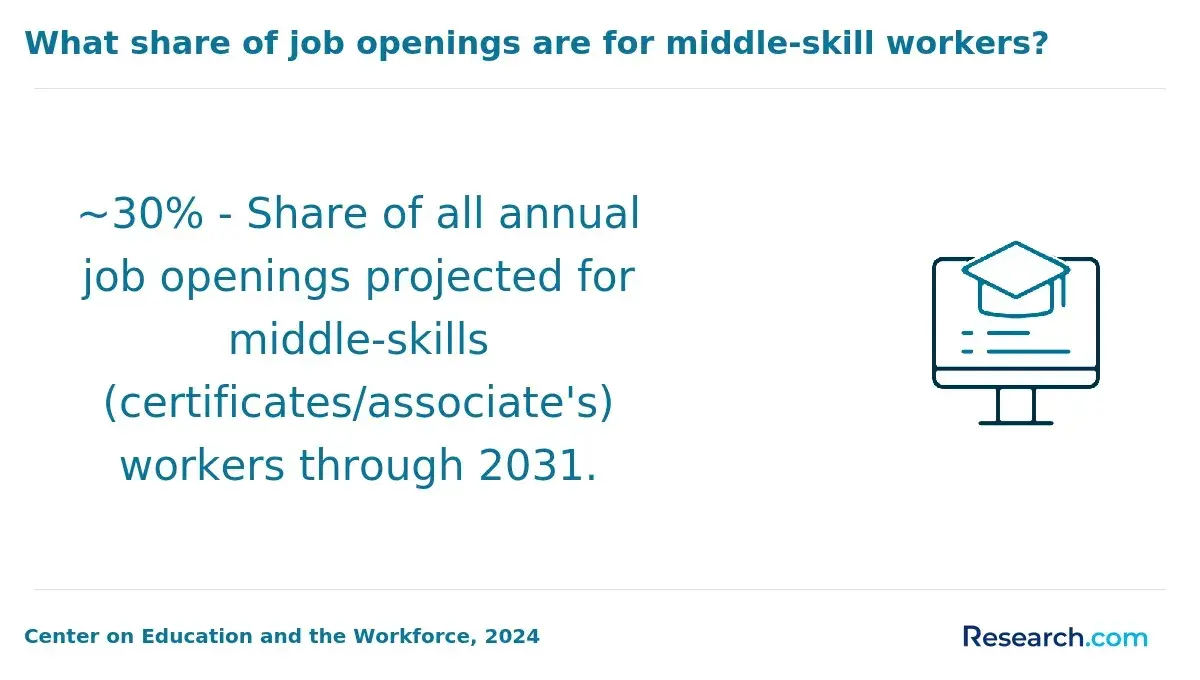
Financial aid plays a pivotal role in shaping the cost dynamics between online and campus homeland security programs, but students must scrutinize aid packages beyond face tuition numbers. Campus learners often benefit from institutional scholarships, state grants, and assistantships contingent on full-time, in-person enrollment that can substantially reduce net expenses.
In contrast, online students frequently encounter limited access to these campus-specific funding sources, leading to a heavier reliance on federal Pell Grants and loans, particularly given the prevalence of part-time study among remote learners. For example, a student balancing work and family may rely on employer tuition reimbursement and federal aid when pursuing an online program, yet still face added technology fees that campus students avoid, making total cost comparisons less straightforward.
For those evaluating campus homeland security program affordability with financial aid, it is critical to weigh aid availability against additional living costs such as housing and commuting, which can significantly inflate net expenses despite richer institutional support. Assistantships and work-study opportunities provide both financial and experiential value but remain scarce for online learners, possibly extending program pacing and cumulative borrowing.
Meanwhile, military members and veterans accessing GI Bill benefits find relative parity across delivery modes, moderating cost differentials. Prospective students should consider these layered financial trade-offs alongside educational and career goals, as net price influences debt burden and timing to degree completion. Practical planning involves assessing enrollment intensity, residency restrictions, and ancillary fees, ensuring that choices around online versus campus options do not hinge solely on advertised tuition but on a holistic appraisal of financial aid impact.
Those interested in specialized educational paths might also explore related fields for flexible options; for example, a master's degree in healthcare management illustrates how program format can affect financial aid accessibility and scheduling. Integrating real-world affordability with program outcomes positions students to effectively balance net cost against career imperatives and workforce demands.
Do Online and Campus Homeland Security Graduates Have Different Career Outcomes?
Career outcomes for homeland security graduates often hinge less on whether their degree was earned online or on campus and more on the quality of experiential learning and institutional standing. Graduates from campus programs generally have greater access to internships, hands-on training, and professional networks that are crucial for roles requiring certifications and practical readiness, elements that online students may find challenging to replicate.
For instance, a graduate aiming to join a federal agency or secure FBI-affiliated training is more likely to benefit from campus connections that offer direct agency exposure and mentorship, which can influence hiring decisions beyond formal credentials. Employer trust varies notably depending on the reputation and accreditation of the issuing school, with a preference for regionally accredited institutions regardless of delivery format.
However, networking opportunities through alumni groups and career services tend to be more robust for campus attendees, facilitating smoother advancement into leadership paths. Conversely, online programs provide flexibility that supports working professionals maintaining employment while studying, though this often comes at the cost of immediate access to local industry contacts and can limit early-career mobility in regions where geographic connections are valued.
Data from recent National Center for Education Statistics outcomes reports show employment rates after graduation hover near 78% for campus-based students and 74% for online counterparts, underscoring marginal differences but meaningful trade-offs in preparatory experiences. Prospective students must weigh the convenience and cost factors of online study against the potential hurdles in securing internships, certifications, and professional relationships integral to homeland security roles that frequently depend on demonstrated practical competence and well-established career pathways.
How Do Employers View Online vs Campus Homeland Security Degrees?
Employer evaluation of online versus campus Homeland Security degrees centers primarily on institutional accreditation and tangible evidence of skill mastery rather than delivery format alone. According to the National Association of Colleges and Employers, over 60% of employers trust degrees from regionally accredited programs for entry-level roles, but they remain attentive to how well programs demonstrate hands-on training such as internships or simulation exercises.
A hiring manager in emergency management may hesitate to fully endorse an online graduate if the credential does not clearly indicate equivalent experiential components or if transcript descriptions fail to clarify curriculum parity with on-campus programs. Practical readiness is especially critical in Homeland Security fields, where employers often seek candidates with demonstrable applied skills and direct exposure to real-world scenarios.
While familiarity with online education has grown post-pandemic, some recruiters continue to view campus degrees as providing stronger access to networking and immersive training environments, which can accelerate early career advancement. The reputation and selectivity of the institution also weigh heavily for higher-level positions, where specialized certifications and proven experience begin to overshadow degree format, subtly influencing long-term mobility within the security workforce.
This nuanced employer perspective means prospective students should prioritize program accreditation, clarity in credential documentation, and availability of experiential learning opportunities rather than assuming online or campus delivery guarantees equivalent outcomes. Understanding these factors helps align educational investment and scheduling flexibility with realistic hiring expectations, ultimately influencing career trajectory in Homeland Security roles across public and private sectors.
Which Homeland Security Degree Format Offers Better Flexibility for Working Adults?
Online and campus homeland security programs deliver distinct flexibility profiles with implications for working adults balancing schedules and responsibilities. Online formats often grant asynchronous coursework that accommodates shift workers or caregivers by eliminating fixed class times and daily commutes, which aligns with NCES data showing a 58% preference for online learning due to scheduling flexibility.
In contrast, campus-based programs enforce synchronous attendance and cohort sequencing that can restrict calendar control but provide direct access to hands-on labs and faculty-assets valued by some employers evaluating practical training rigor. Hybrid or evening campus offerings partially bridge these gaps but vary widely in availability and may still demand regular on-site presence, posing a challenge for students managing multiple roles.
For adult learners comparing campus vs online homeland security programs, these scheduling dynamics directly affect persistence, graduation timing, and total educational costs. Online students benefit from more generous stop-out and transfer policies, often enabling part-time pacing through unpredictable life events without financial penalties. However, practicum requirements common in homeland security degrees can limit purely remote options, forcing some in-person commitments that diminish overall online flexibility.
Employers may interpret campus attendance as evidence of discipline and immersive experience, potentially influencing career trajectories in government or security sectors. Working adults should weigh how format-specific demands impact their ability to maintain employment continuity and balance caregiving, especially given that practical constraints often dictate program feasibility more than nominal flexibility claims.
Those seeking to optimize flexibility without sacrificing foundational skills might explore BSN-to-MSN online programs as a comparative model for navigating scheduling, cost, and degree pacing trade-offs. Recognizing these nuances is crucial when deciding between online homeland security degree flexibility for working adults and hybrid or campus pathways, ultimately ensuring alignment with individual labor market goals and personal commitments.
How Should Students Choose Between an Online and Campus Homeland Security Program?
Graduation rates signal a program's structural strengths and student support systems, which critically shape outcomes for homeland security learners balancing diverse demands. Campus programs report median graduation rates around 60-65%, reflecting structured environments that often include direct access to faculty mentorship, practical labs, and on-site internships-elements pivotal for careers requiring security clearances.
Conversely, many online options average lower completion rates near 40-50%, a gap partly explained by higher self-motivation requirements and fewer embedded experiential opportunities. For a working professional with caregiving duties, the scheduling flexibility of online learning can outweigh these challenges, yet they must consider potential effects on persistence, sequencing, and career mobility when navigating this choice.
Cost considerations extend beyond tuition alone. While online programs frequently reduce expenses related to commuting, housing, and campus fees, sometimes technology or premium access fees elevate tuition rates close to on-campus counterparts. Employer hiring preferences also often favor degrees from regionally accredited residential programs, especially for homeland security roles that emphasize field experience and clearance eligibility.
Students should weigh these factors through their own career lens, as the total cost of attendance and level of networking and experiential support directly influence opportunity costs and long-term employability. Those comparing programs should also explore pathways like easy MPH online programs models to understand how flexible offerings may vary in their practical readiness.
Choosing between online and campus homeland security programs requires balancing graduation success likelihood, total financial investment, and career preparation needs aligned with one's personal and professional context. Work and caregiving commitments, employer expectations, accreditation, transfer credit acceptance, and access to pragmatic experiences all represent consequential trade-offs.
Students focused on frontline roles or security clearances may prioritize the tangible mentorship and structured progression found primarily in campus formats, while others may accept some risks in persistence and career access for the scheduling flexibility and broader geographic reach of online learning. Recognizing these nuanced operational realities ensures a decision that best matches individual goals rather than relying on generic format assumptions.
References
- Types of Homeland Security Degrees | Compare Schools https://www.criminaljusticeprograms.com/specialty/homeland-security-degrees/
- Making College Affordable by Improving Aid Policy https://issues.org/long-2/
- Top Online Master’s Degree Programs in Homeland Security for 2025 https://www.onlinemastersdegrees.org/best-programs/homeland-security/
- What Can You Do With a Homeland Security Studies Degree? https://sopa.tulane.edu/blog/what-can-you-do-homeland-security-studies-degree
- Differences Between a Criminal Justice and Homeland Security Degree https://www.nec.edu/news/criminal-justice-vs-homeland-security-degree
- How Employers View Online Degrees: Interviews with Nine Hiring Executives https://www.onlineeducation.com/features/how-employers-view-online-degrees
- Homeland Security Degree Online | Find Top Programs & Information https://www.firescience.org/homeland-security-degree-programs-online/
- Bachelor of Science inEmergency Management and Homeland Security Online or On Campus https://www.albany.edu/cehc/programs/bs-emergency-management-homeland-security
- Search icon https://waldorf.edu/degree-programs/bachelors/ba-homeland-security/
- Online Bachelor's Degree: Homeland Security https://www.umgc.edu/online-degrees/bachelors/homeland-security
Other Things You Should Know About Homeland Security
Yes, campus programs often provide more hands-on training, including simulations and group exercises, which are integral to homeland security skill development. Online programs may lack these immersive opportunities, potentially requiring students to seek external practical experiences to match campus-trained peers. For careers demanding operational readiness, on-campus study better ensures exposure to real-world scenarios, while online learners must proactively supplement with internships or fieldwork.
Online students frequently juggle coursework alongside full-time jobs or family obligations, which can lead to irregular study patterns and higher dropout risk. Campus programs, though more rigid in scheduling, create structured environments that encourage consistency and peer accountability, supporting persistence. Students who struggle with self-motivation may find campus formats more conducive to timely completion, whereas online learners must develop strong time-management skills to avoid extended program durations.
Campus students typically benefit from direct interaction with faculty and peers, fostering mentorship and professional networking that often translate into job leads or insider knowledge on sector trends. Online students may miss out on spontaneous, face-to-face connections, making it harder to build relationships that matter in homeland security fields where trust and personal rapport influence hiring. Prioritizing programs with active online communities or local alumni groups can partially mitigate this but rarely replicates the depth of on-campus networking.
Cost savings from online programs can be significant but should be weighed against how well employers in homeland security respect the diploma's format, especially in competitive or government roles. In many cases, campus degrees still hold stronger prestige and perceived rigor, which can affect eligibility for certain positions or promotions. For those aiming at top-tier government or federal agencies, investing in campus education may yield better long-term career value despite higher upfront costs; for others balancing finances and employment, online options offer pragmatic accessibility.