2027 Homeland Security Degree Completion Time Report: How Long Students Actually Take to Graduate

Co-Founder and Chief Data Scientist
Completion times for homeland security degrees often vary due to complex real-world factors beyond program length requirements. Many students juggle employment, family duties, and transfer credits, which can extend their academic timelines. Recent data from the National Center for Education Statistics shows working adult students typically take 25% longer to graduate in security-related fields compared to full-time entrants.
These dynamics reflect the intricacies of balancing career demands and coursework in homeland security disciplines. This article analyzes actual duration patterns and key influences on graduation progress, helping stakeholders set realistic expectations grounded in practical academic and workforce realities within homeland security education.
Key Things to Know About Homeland Security Degree Completion Time
- Most students take longer than the advertised program length. Only about 45% of first-time, full-time bachelor's students graduate within four years, while roughly 64% finish within six years, making the actual completion time longer for many learners.
- The average college graduate is often older than expected. The median age of bachelor's degree recipients is around 23 years, while master's degree recipients are typically in their early 30s, reflecting the growing number of adult and returning students.
- Completing a degree can significantly increase lifetime earnings. Workers with a bachelor's degree earn roughly 65% more per week than those with only a high school diploma, and graduate degree holders typically earn even higher median wages over their careers.
- What Is the Average Graduation Time for Homeland Security Students? Average Graduation Timeline
- What Factors Have the Biggest Impact on Graduation Speed? Graduation Timeline Factors
- How Does Full-Time Versus Part-Time Enrollment Affect Graduation Timelines? Full-Time vs. Part-Time Timeline
- Do Online Homeland Security Students Graduate Faster Than Campus-Based Students? Online vs. On-Campus Timeline
- How Many Months or Years Can Transfer Credits Save? Transfer Credits
- Do Accelerated Homeland Security Programs Significantly Reduce Completion Time? Accelerated Program Timeline
- Which Homeland Security Program Requirements Most Often Extend Graduation Timelines? Factors Extending Timeline
- Does Taking Longer to Graduate Increase the Cost of a Homeland Security Degree? Impact on Program Cost
- Does Graduating Faster Improve Career Prospects? Impact on Career Prospects
- Which Scheduling Mistakes Commonly Delay Graduation? Mistakes to Avoid
What Is the Average Graduation Time for Homeland Security Students?
The typical timeline to complete a homeland security degree often follows traditional degree benchmarks but varies widely due to enrollment status and program formats. Most full-time bachelor's candidates finish within four to five years, aligning with broader national averages for criminal justice and public safety fields, though part-time students frequently extend this to six years or more to accommodate work and life responsibilities. Master's programs generally require two to three years of full-time study, but part-time and online options can stretch timelines to four or five years. This variability reflects enrollment patterns and flexible delivery models designed to serve working adults and non-traditional students navigating complex schedules and competing priorities, illustrating the typical homeland security degree completion timeline's dependence on individual circumstances.
Graduation time disparities arise from several interconnected factors, including credit transfer policies, program design, and experiential requirements. Students with prior coursework in related fields like emergency management can accelerate their path, while those without such backgrounds may face additional prerequisites lengthening their studies. Internship or capstone components-common in homeland security curricula to address emerging threats and applied skills-add time but are critical for workforce readiness. Online and hybrid formats contribute to extended durations for some, as pacing flexibility allows for delayed completion. Federal data highlight how these influences interact, with many students prioritizing manageable course loads and employer encouragement for credential advancement shaping progression rates.
The implications of varied graduation timelines affect planning beyond academics, influencing financial commitments and workforce entry timing. Extended completion periods may increase educational costs and delay eligibility for certain roles or promotions, underscoring the importance of strategic scheduling and institutional support, such as advising and cohort models, to balance academic progress with career demands. Prospective students should integrate these considerations-alongside personal, professional, and educational contexts-into realistic degree planning to avoid unanticipated delays and optimize post-graduation outcomes. For related insights into program affordability and study flexibility, consider reviewing resources on the most affordable online FNP programs.
What Factors Have the Biggest Impact on Graduation Speed?
Graduation speed for homeland security degrees is shaped by an interplay of academic planning, enrollment status, and real-world constraints rather than any single factor. Students' decisions about course load and program format combine with institutional policies and personal obligations to either accelerate or delay completion. Gaining insight into these influences enables more realistic expectations and better-informed choices about balancing academic progress with life responsibilities.
- Enrollment Status and Course Load: Whether a student enrolls full-time or part-time has a profound impact on graduation timelines. Full-time students benefit from concentrated course loads and structured progression, often completing degrees within four to five years, whereas part-time students, commonly working adults, may extend their studies by two or more years due to reduced semester credits and competing commitments. Data from the Department of Homeland Security's Science and Technology Directorate indicates nearly 45% of homeland security students work full-time, underscoring how enrollment status strongly influences completion speed.
- Transfer Credits and Institutional Articulation Policies: Transfer students can shorten time to degree if their prior coursework is accepted. However, variance in credit recognition across institutions and programs often complicates this process, requiring repetitive courses or remedial work to meet homeland security-specific requirements. This misalignment between previous credits and program demands can create bottlenecks, especially when credit policies lack transparency or flexibility.
- Program Delivery Format and Structure: Accelerated or online programs tailored for working professionals typically offer flexible scheduling, rolling admissions, or year-round sessions that facilitate faster completion. Conversely, traditional semester-based programs with strict prerequisite chains and limited course offerings may slow progress, particularly if students cannot enroll in required courses promptly. The impact of program delivery is critical, as the design influences how well students can manage study alongside external obligations, affecting overall graduation speed.
- Work and Life Obligations: Balancing employment, family, and other responsibilities frequently forces students to prioritize part-time study, directly extending time to degree. This factor interacts closely with enrollment decisions and program format; those juggling full-time work often rely on flexible scheduling but accept slower academic progress. Such trade-offs are common in homeland security education due to the field's demographic composition and workforce demands.
- Academic Preparedness and Support Services: Students entering with strong foundational skills and access to tutoring, advising, and career counseling navigate program requirements more efficiently, reducing delays from remedial coursework or repeated classes. Conversely, insufficient preparation or lack of institutional support can elongate graduation timelines, particularly where core homeland security concepts demand cumulative knowledge across multiple disciplines.
For those considering specialized pathways, institutions offering degree delivery models with integrated acceleration options-akin to those explored in the HIM degree field-may provide frameworks that homeland security programs can emulate to help students graduate sooner in response to workforce needs.
How Does Full-Time Versus Part-Time Enrollment Affect Graduation Timelines?
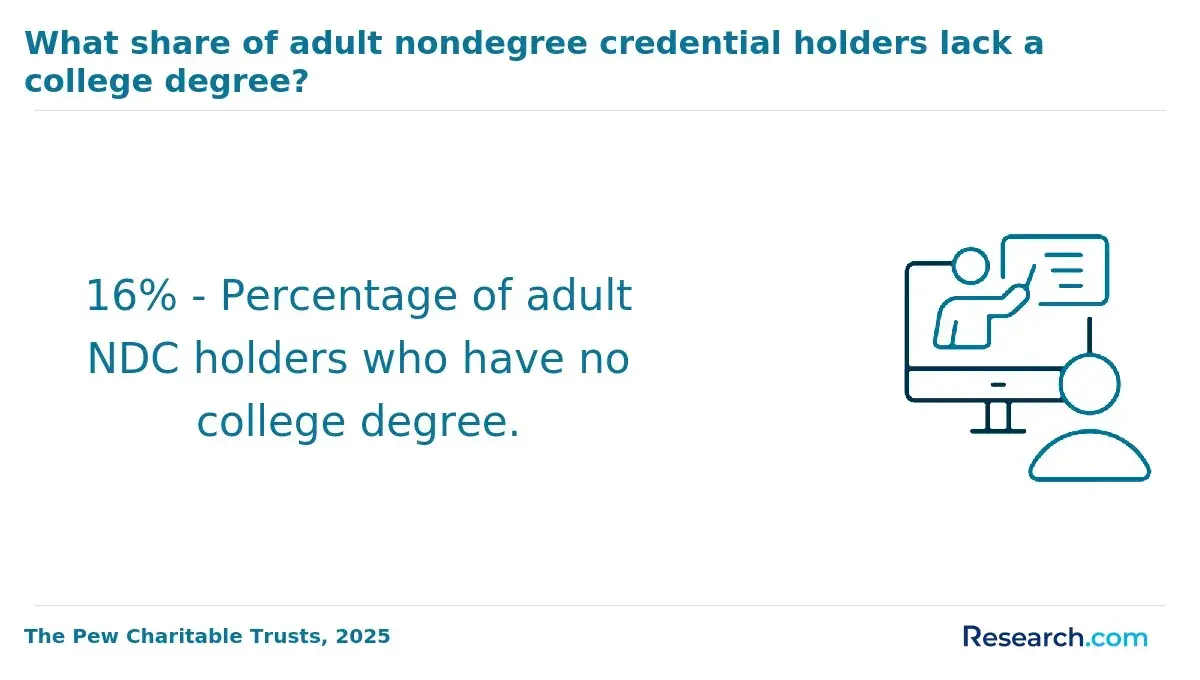
Enrollment status significantly impacts the duration required to complete a Homeland Security degree, with full-time students typically graduating in about half the time of their part-time counterparts. According to 2024 data from the National Center for Education Statistics, full-time learners-defined as those taking 12 or more credit hours per semester-often finish bachelor's programs within four years, while part-time students may extend completion over six to eight years. This divergence reflects more than just course load; it underscores how pace and institutional rhythm influence academic progress in fields where timely credentialing aligns with employer demands.
Course sequencing, program delivery methods, and external life responsibilities interact closely with enrollment status to shape degree timelines. Full-time enrollment offers a consistent academic load that fits the structured progression of most homeland security curricula, facilitating steady accumulation of credits and uninterrupted skill development. Conversely, part-time learners frequently balance work, family, or military duties, which can necessitate reduced course loads, intermittent breaks, or reliance on less frequent course offerings such as evening or online classes. These factors often slow cumulative credit acquisition and complicate course availability, contributing to longer graduation horizons despite the flexibility part-time study provides.
Deciding between full-time and part-time enrollment also carries implications beyond immediate academic pacing, influencing financial strategies, academic workload intensity, and the timing of workforce entry. Full-time students encounter greater semester-to-semester academic demands but generally benefit from earlier degree completion, allowing faster transition into professional roles with corresponding income and advancement potential. Part-time students may gain valuable practical experience alongside their studies, yet the extended timeline may delay credential recognition and affect eligibility for certain homeland security roles that require recent or continuous academic engagement. Recognizing these operational trade-offs is essential for prospective students calibrating their educational commitments against career and personal circumstances.
Do Online Homeland Security Students Graduate Faster Than Campus-Based Students?
It's commonly observed that students pursuing homeland security degrees online tend to complete their programs more quickly than those attending on-campus, though this is not a universal outcome. According to a 2024 report from the National Center for Education Statistics, online learners in homeland security and related public safety fields average about 3.2 years to graduate, while campus-based students take roughly 4.1 years. However, speed of completion varies significantly due to differences in program structure, institutional policies, and individual student circumstances rather than the learning modality alone.
Key factors shaping graduation timelines include the flexibility to enroll continuously and progress at a self-directed pace, which is more common in online programs. These formats often allow asynchronous coursework and multiple start dates throughout the year, accommodating working adults managing competing priorities. Conversely, on-campus programs might offer accelerated courses or intensive summer sessions but usually operate within fixed semester schedules, potentially prolonging degree completion for students with outside obligations. Additionally, variables such as part-time versus full-time enrollment, internship or practicum requirements, and transfer credit evaluations introduce complexity to graduation speed in both modalities.
The choice between online and campus-based study impacts more than just calendar time; it influences how students manage discipline, deadlines, and engagement. Online learners must exhibit strong time management and self-motivation to avoid extended enrollment periods, while campus students may benefit from structured environments yet face constraints imposed by rigid class times. These dynamics affect not only academic completion but also timing of workforce entry and career momentum within homeland security fields.
A recent graduate recalled the challenge of navigating rolling admissions for an online homeland security program. Initially hesitant to apply without complete prior credits, they delayed submission, worried about acceptance timelines. Once admitted, the flexibility to start mid-year helped them accelerate studies despite part-time employment. This experience highlighted the tradeoff between earlier application uncertainty and the advantage of adaptable scheduling, a factor many prospective students weigh when choosing their path.
How Many Months or Years Can Transfer Credits Save?
Transfer credits can reduce the total time required to complete a homeland security degree by several months to over a year, depending primarily on the volume and relevance of accepted credits. According to the National Center for Education Statistics, students entering with around 30 transferable credits typically shorten their degree completion time by approximately 40%, equivalent to saving one academic year. However, the actual duration saved varies significantly due to how closely prior coursework aligns with the degree's core requirements, particularly since courses in criminal justice or emergency management often transfer more readily than those from unrelated fields. This variability in transfer credit impact on homeland security degree completion time highlights that the timeline acceleration is not uniform across students but contingent on educational background and credit applicability.
Several institutional and programmatic factors influence the effective months saved with transfer credits in homeland security programs. Accreditation compatibility between the sending and receiving institutions affects credit acceptance substantially, as do course equivalency evaluations that determine if transferred credits fulfill foundational or elective requirements. Many schools impose caps on maximum transferable credits-commonly around 60% of the total degree-to ensure residency and curriculum integrity, limiting the extent of time reduction achievable. Additionally, program-specific residency mandates and sequential course structures can extend time to completion if transferred credits don't satisfy prerequisite pathways, underscoring how institutional policies and the degree's curricular design shape the practical benefits of credit transfer.
Beyond shortening degree duration, transfer credits also affect academic pacing, financial considerations, and eligibility for certain aid programs, which are often contingent on enrollment status and credit load. Students should carefully weigh these factors during academic planning, as aggressive credit transfer can sometimes reduce scholarship opportunities or require adjustments in course sequencing to meet graduation requirements effectively. While some transfer students optimize timelines through strategic credit evaluation, others may encounter tradeoffs that impact their educational and career progression.
For those exploring related educational pathways, programs like the best online registered dietitian programs demonstrate similar complexities in balancing credit transfer and degree completion timing across fields with professional emphasis.
Do Accelerated Homeland Security Programs Significantly Reduce Completion Time?
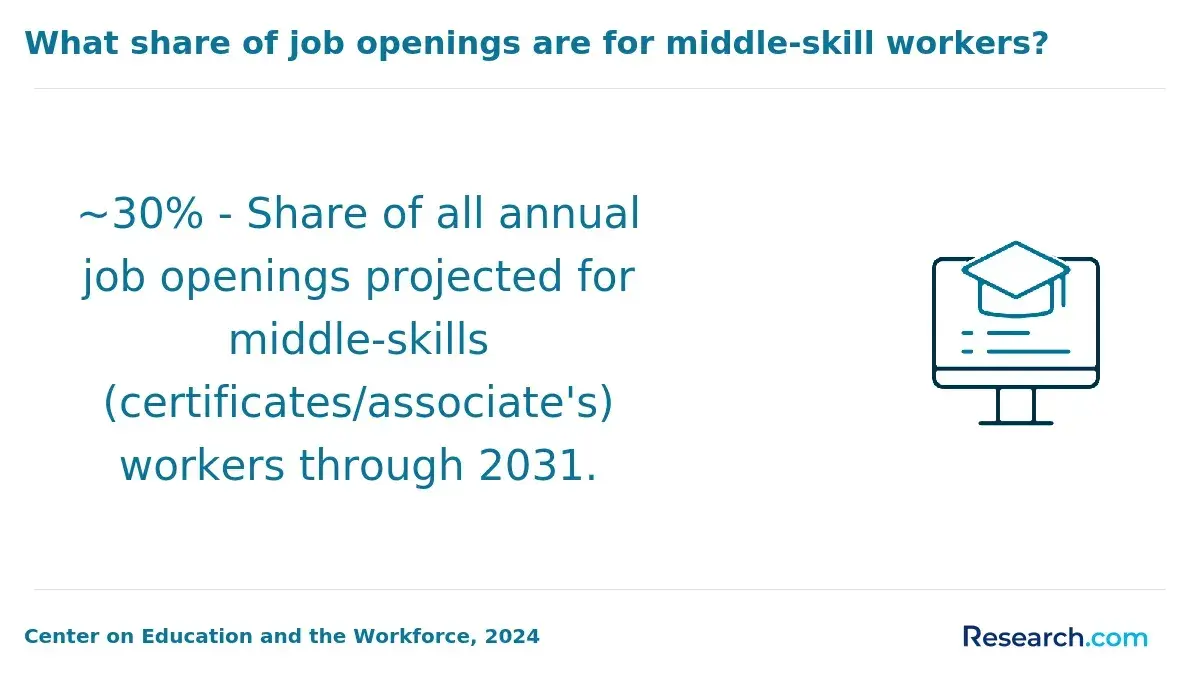
Accelerated homeland security master's programs aim to condense the traditional two-year graduate timeline into approximately one to one-and-a-half years by increasing course load intensity and adjusting scheduling. These programs typically compress curriculum delivery, expecting students to manage heavier credit loads each term and reduce breaks between semesters. While the design targets faster degree attainment, the actual acceleration depends on how institutions structure course sequences and whether core program components like internships or capstone projects maintain similar time demands as standard programs.
The extent of genuine time savings hinges on factors such as credit density per semester, prerequisite requirements, and pacing flexibility. If accelerated programs simply redistribute the same credit requirements into shorter periods without trimming experiential elements or allowing for credit transfers, the pace can become highly demanding, sometimes leading to delays from burnout or course failures. Moreover, programs that preserve internship or research obligations without adaptation offer limited reduction in total completion time. Therefore, true acceleration emerges only when curriculum design balances intense scheduling with efficient progression paths that minimize bottlenecks and avoid rigid term structures.
This compression often brings trade-offs including increased academic pressure and reduced opportunity for in-depth specialization or elective exploration. Students juggling employment or family commitments may find the accelerated workload challenging, impacting retention and mastery of material. While faster credentialing can appeal to certain working adults or career changers, the narrower windows for networking and skill-building might affect long-term career readiness compared to more traditional pacing.
One graduate recalled navigating a rolling admissions process with uncertainty about program start dates and course availability, which complicated efforts to accelerate completion. Initially hesitant to commit without knowing how many credits might transfer, they faced pressure to apply early to secure a spot but delayed for several weeks awaiting official responses. This tension between urgency and incomplete information ultimately slowed their start, illustrating how logistical and strategic factors outside coursework can influence actual timeframes in accelerated homeland security programs.
Which Homeland Security Program Requirements Most Often Extend Graduation Timelines?
Extended graduation timelines in homeland security programs stem less from overall credit totals and more from embedded curriculum elements designed to enhance professional readiness. These mandatory components, while indicative of program rigor and alignment with employer expectations, often impose pacing constraints due to their structural and scheduling complexities. Recognizing how these elements interact with academic sequencing and student workload can clarify why completion times often exceed initial projections.
- Experiential Capstone Projects and Internships: These requirements demand sustained engagement beyond traditional coursework, typically spanning a full semester or longer. They provide critical hands-on experience but introduce scheduling rigidity, especially since placements depend on external agencies and often cannot be condensed or substituted, thus elongating the degree timeline for many students.
- Multidisciplinary Course Requirements: Homeland security curricula frequently mandate courses across criminal justice, emergency management, cyber security, and intelligence analysis. This interdisciplinary breadth requires students to complete diverse credits that may not align well with traditional degree pathways or transfer policies, leading to additional semesters, especially for part-time or transfer students balancing other commitments.
- Technical Skills and Certification Demands: Programs often incorporate preparation for certifications in areas like cyber defense or computer forensics as part of degree plans. Achieving proficiency in these specialized skills entails dedicated study time outside standard coursework, delaying progression as students juggle exam preparation with academic and professional responsibilities. Recent labor market data indicates that around 42% of homeland security graduates in cyber-related roles pursue supplemental certifications post-graduation, suggesting these components increasingly influence time-to-completion.
- Limited Course Offering Cadence: Key prerequisite or core courses may only be available once annually or during restricted terms. This bottleneck restricts student flexibility, forcing extended waits to enroll and delaying sequential courses critical for program advancement-an issue exacerbated for students managing full-time work or other obligations.
Does Taking Longer to Graduate Increase the Cost of a Homeland Security Degree?
Taking longer to graduate from a homeland security degree program typically increases total tuition and associated expenses. Many institutions charge tuition per semester or per credit hour, so additional semesters add direct costs beyond the standard program length. Extended enrollment can also affect eligibility for financial aid or scholarships that have time limits, resulting in higher out-of-pocket expenses. Furthermore, ongoing fees for technology, administrative services, and campus resources accumulate during extended attendance. These factors contribute to the additional expenses from delayed Homeland Security graduation, pushing total costs upward even when tuition rates remain steady.
However, longer completion times do not always correlate with proportionally higher costs, depending on the program's pricing policies and enrollment choices. Flat-rate tuition models or part-time enrollment pricing can allow students to manage costs more predictably, especially if they spread coursework strategically. Employer tuition assistance or military education benefits may offset incremental expenses if extended timelines align with professional obligations. Academic pacing that balances course loads without redundant credits prevents unnecessary spending, as does leveraging transfer credits where allowed. Understanding these cost dynamics alongside workforce demands and expected salary ranges enhances planners' ability to evaluate degree value while minimizing financial strain. For those exploring accelerated or flexible pathways, resources on MSN direct entry programs online illustrate how program structure variability influences completion timelines and costs.
Does Graduating Faster Improve Career Prospects?
Graduating faster from a Homeland Security degree program can offer the advantage of earlier entry into the workforce, potentially allowing candidates to begin their careers sooner. This timing might improve initial job search positioning, especially in competitive or time-sensitive labor markets. However, employers rarely assess candidates solely based on the speed of graduation. Instead, they weigh a range of factors beyond mere completion time, emphasizing relevant skills, certifications, and practical experience when evaluating applicants.
The career benefits of early Homeland Security graduation depend heavily on whether accelerated completion is paired with strong internship experience, a well-developed professional portfolio, and mastery of critical skill sets. Networking opportunities and alignment with industry demands also play significant roles in hiring competitiveness. Without these components, graduating faster may have little influence on long-term career trajectories, as employers prioritize comprehensive preparation over rapid degree completion.
Students must consider the trade-offs between accelerated graduation and the depth of experiential learning. While faster graduation can reduce educational costs and shorten time spent in school, it may limit chances for internships, extended projects, or building professional connections crucial to sustained employability. Balancing graduation speed with quality preparation enhances career readiness in the Homeland Security field, underscoring why many prospective students examine the impact of faster homeland security degree completion on careers before deciding their academic path. For those interested in broader program outcomes linked to practical placement rates, exploring resources such as top psychiatric mental health nurse practitioner programs online can offer useful comparative insights.
Which Scheduling Mistakes Commonly Delay Graduation?
Graduation delays in homeland security programs often stem less from academic difficulty and more from avoidable enrollment and scheduling mistakes. These issues affect students across all degree levels and delivery formats, undermining consistent academic progress. Recognizing common planning errors helps students and advisors align course loads with institutional structures and credit requirements to avoid extending time-to-degree.
- Underestimating Credit Load Capacity: Many adult learners enroll part-time without a clear plan to increase course load strategically, prolonging their timeline well beyond the typical two to three years. The National Center for Education Statistics (2024) reports that 45% of part-time students take more than twice the standard completion time, revealing how inconsistent enrollment slows progression.
- Poor Prerequisite Sequencing: Registering for advanced courses before finishing foundational classes creates bottlenecks, forcing repeated semesters or additional terms to catch up. This misstep often arises from unclear advising or confusion over curriculum sequencing rules.
- Transfer Credit Misalignment: Transfer students frequently experience delays due to non-equivalent or poorly articulated credits, which require retaking courses or extra semesters to fulfill program requirements. Early academic advising focused on credit articulation can mitigate these setbacks.
- Failure to Schedule Seasonal or Limited-Offer Courses: Missing semester-only or limited-availability core homeland security courses postpones progression by entire terms, especially when these classes are prerequisites for subsequent coursework.
- Inconsistent Enrollment Patterns: Frequent fluctuations in course load or gaps between terms disrupt the momentum necessary to meet structured progression benchmarks, compounding delays in earning the degree.
Other Things You Should Know About Homeland Security
Employers in homeland security fields often value relevant experience alongside formal education, which means students who take longer to graduate may not significantly harm their employment prospects if they build practical skills concurrently. However, extended completion times without corresponding work experience can raise concerns about a candidate's motivation or ability to handle workload pressures. For students balancing work and school, prioritizing timely completion (typically within four to five years for bachelor's degrees) while gaining hands-on experience is the most strategic approach to meet employer expectations effectively.
Broad homeland security degree programs often offer greater scheduling flexibility and may allow faster progression through general elective credits, but they can dilute focus and potentially extend time spent identifying a clear career path. Specialized tracks or concentrations tend to require more specific, sequential courses that can lengthen completion time but better prepare students for niche roles. Prospective students should prioritize specialization if they aim for targeted positions, accepting potential longer timelines, while those seeking rapid graduation with versatile skills might lean toward broader programs.
The 2026 report indicates that intense capstone projects or internships can extend graduation timelines by up to six months. While gaining practical experience, students may dedicate additional time to complete these components successfully, potentially delaying overall degree completion.
While transferring credits can save time, the priority should be on seamless program progression that aligns with career goals rather than simply accumulating transferred credits. Many transferred courses may not satisfy specific homeland security requirements, causing unforeseen extensions in graduation timelines. Students should rigorously evaluate the transfer credit policies and how those credits apply to core homeland security competencies rather than prioritizing volume, as carefully chosen programs with clear articulation agreements often reduce both time and complexity more reliably.