2027 Best Online Bachelor's in Digital Photography for Transfer Students

Co-Founder and Chief Data Scientist
Choosing an online bachelor's in digital photography as a transfer student is really a question of time, credit value, portfolio fit, and career return. The latest BLS wage data places photographers at a $42,520 median annual wage, which means program cost and specialization matter. This guide is for students bringing prior college credits, associate degrees, military credit, or professional experience into a bachelor's pathway. You'll learn how to compare accreditation, transfer policies, online formats, costs, curriculum, and career outcomes so you can choose a program with fewer surprises.
Key Things You Should Know
- The strongest online bachelor's options for transfer students usually accept substantial prior credit toward a 120-credit degree, but the most valuable programs also review portfolio work, studio courses, and general education credits carefully.
- College Board's 2024-25 national tuition benchmarks show public four-year in-state tuition and fees averaging $11,610, while private nonprofit four-year tuition and fees average $43,350, so transfer credits can materially reduce total cost.
- BLS 2024 data reports a $42,520 median annual wage for photographers and projects 4% employment growth for photographers from 2024 to 2034, making specialization, business skills, and digital workflow training important for ROI.
What makes the best online bachelor's in digital photography for transfer students?
The best online bachelor's in digital photography for transfer students is not simply the cheapest or fastest program. It is the program that accepts the most applicable prior credit, builds a strong portfolio, teaches current imaging technology, and supports realistic career goals in photography, digital media, visual communication, or creative entrepreneurship.
For transfer students, "best" usually means a strong fit across several practical factors. Use the following criteria to separate a credible program from one that only looks convenient on the surface:
- Transfer efficiency: The school should clearly explain how many credits can transfer, which photography or studio courses count toward the major, and whether an associate degree satisfies lower-division requirements.
- Portfolio-centered curriculum: A good program should help students produce a professional body of work for commercial, editorial, fine art, product, portrait, event, or digital content markets.
- Modern digital workflow: Coursework should include digital capture, lighting, color correction, file management, editing software, image ethics, metadata, and output for web, print, and social platforms.
- Business and client-readiness: Because many photographers freelance or operate small businesses, useful programs teach contracts, pricing, copyright basics, marketing, client communication, and project management.
- Accreditation and student support: The institution should be accredited by a recognized accreditor and offer online advising, transfer evaluation help, library access, career services, and technical support.
Students who want a broader design career may find that an online graphic design bachelor degree is a better fit than a photography-focused degree. Photography is ideal when the core goal is image-making and visual storytelling; graphic design is better when the goal is brand systems, typography, layout, and user-facing visual communication.
A digital photography bachelor's is usually worth considering if you want structured critique, credentialed instruction, a polished portfolio, and time to build a professional network. It may be less necessary if you already have a strong client base, need only one technical skill, or would be better served by a short certificate in lighting, editing software, or business operations.
How do online and campus-based digital photography bachelor's programs compare?
Online and campus-based photography degrees can cover similar academic ground, but they differ in how students access studios, equipment, critique, and peer collaboration. The right choice depends on whether you need flexibility, hands-on facilities, local networking, or a structured studio environment.
The comparison below shows the main trade-offs transfer students should consider before choosing a delivery format. It is especially useful if you are balancing work, family responsibilities, or a partially completed associate degree.
| Program factor | Online bachelor's in digital photography | Campus-based bachelor's in digital photography |
| Schedule flexibility | Often better for working adults because lectures, critiques, and assignments may be asynchronous or low-residency. | Better for students who can attend fixed studio, lab, and critique times. |
| Studio and equipment access | Students may need their own camera, computer, software, lighting kit, or access to local studio resources. | Students may have easier access to lighting studios, darkrooms, printers, scanners, and equipment checkout. |
| Critique experience | Usually conducted through learning platforms, recorded submissions, discussion boards, and video meetings. | Often occurs in person with immediate peer and instructor feedback. |
| Transfer-student fit | Strong option for students with completed general education credits who need upper-division coursework online. | Strong option for students who want a more immersive arts-campus experience. |
| Career networking | Can be strong if the program offers virtual portfolio reviews, internship support, alumni access, and industry guests. | Can be strong through local galleries, studios, campus exhibitions, and regional employers. |
Online programs make the most sense when flexibility is essential and you can reliably produce assignments with your own gear or local resources. Campus programs make more sense when you need specialized facilities, prefer face-to-face critique, or want a residential arts community.
One common mistake is assuming online photography is "less hands-on." In reality, online students still shoot, edit, submit, revise, and present work; the main difference is that the learning environment shifts from campus studios to self-managed shooting spaces and digital critique platforms.
What accreditation should online digital photography degrees have for credibility and quality?
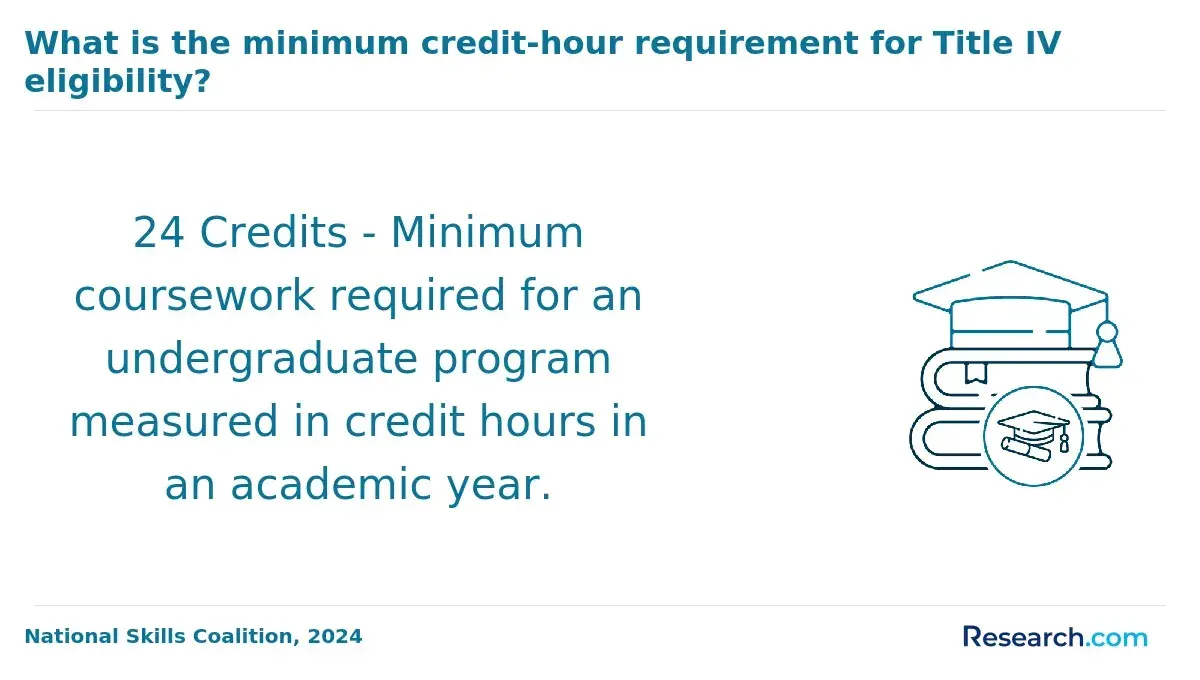
Accreditation is one of the first checks transfer students should make because it affects credit transfer, federal financial aid eligibility, graduate school options, and employer confidence. For an online bachelor's in digital photography, the most important baseline is institutional accreditation from an agency recognized by the U.S. Department of Education or the Council for Higher Education Accreditation.
Programmatic accreditation is less common in photography than in fields such as nursing, engineering, or teacher education, but some art and design programs may be reviewed by specialized arts accreditors. Specialized accreditation can signal additional quality review, but it is not always required for employment in photography.
Before applying, students should verify accreditation through official school pages and federal or accreditor databases. A credible program should be transparent about the institution's accreditor, degree level, state authorization for online learning, and whether online students have the same academic standing as campus students.
Accreditation matters differently depending on your goal. If you plan to pursue graduate study, teach, use federal aid, transfer again, or work for organizations that require a bachelor's degree, institutional accreditation is especially important. If your goal is freelance photography, accreditation still matters, but clients may care more about your portfolio, reliability, niche, and business professionalism.
Watch for red flags such as vague accreditation language, pressure-heavy admissions calls, unusually large transfer-credit promises without transcript review, or a school that cannot explain whether your credits will apply to the major. These are signs to slow down and request written confirmation before enrolling.
How do transfer policies work for prior credits in digital photography programs?
Transfer policies determine how much time and money you can save. Most bachelor's degrees require about 120 credits, but the number of credits that actually apply depends on the school's general education requirements, major requirements, grade minimums, residency rules, and portfolio review process.
Photography transfer evaluation can be more complex than general education transfer because studio and technical courses may need to match the new program's learning outcomes. Schools may accept English composition easily but require review of a lighting, digital imaging, or visual arts course before applying it to the major.
Transfer students should follow a structured process before committing to a program. These steps help reduce the risk of losing credits after enrollment:
- Request an unofficial transfer evaluation before applying if the school offers one, and ask whether it separates general education, electives, and major credits.
- Submit transcripts from every college attended, including community colleges, prior four-year institutions, military education records, and any dual-enrollment coursework.
- Prepare syllabi, course descriptions, sample assignments, or portfolio work for prior photography, studio art, design, or media production classes.
- Ask about maximum transfer credits, minimum grade requirements, age limits on technical courses, and how many credits must be completed at the new institution.
- Get the final degree plan in writing so you can see remaining courses, estimated completion time, and whether summer or accelerated terms are available.
Associate degree holders should ask whether the school has an articulation agreement with their community college. An articulation agreement can make transfer more predictable, but it does not always guarantee that every photography course will count toward upper-division major requirements.
Credit for prior learning may also be available for military training, professional certifications, portfolio-based assessment, or industry experience. However, students should treat these credits as a possibility rather than a certainty because each institution decides how experiential learning fits into its degree requirements.
What courses and concentrations are typical in an online digital photography curriculum?
An online bachelor's in digital photography typically combines technical image-making, visual theory, critique, digital editing, portfolio development, and professional practice. The strongest programs move beyond camera operation and teach students how to plan, produce, edit, present, and market visual work for specific audiences.
The table below summarizes common curriculum areas and why they matter for transfer students comparing degree plans. If you already completed lower-division photography courses, this can help you see which upper-division requirements may still remain.
| Curriculum area | Common course examples | Why it matters |
| Digital capture and lighting | Digital photography, studio lighting, location lighting, color management | Builds the technical foundation for consistent, professional-quality images. |
| Post-production | Photo editing, retouching, compositing, digital asset management | Prepares students for modern workflows where editing and file delivery are central to client work. |
| Visual communication | Composition, visual culture, history of photography, image analysis | Helps students make intentional creative choices rather than relying only on technical skill. |
| Professional practice | Portfolio development, business of photography, copyright, marketing | Supports freelance, studio, agency, and entrepreneurial career paths. |
| Capstone or thesis | Senior portfolio, exhibition, professional presentation, final project | Gives students a finished body of work for employers, clients, or graduate applications. |
Common concentrations include commercial photography, portrait and event photography, editorial and documentary photography, fine art photography, digital media, visual storytelling, and photojournalism. Some schools also blend photography with video, social media content production, web publishing, or brand communication.
AI is becoming more relevant to photography through editing automation, image tagging, generative image tools, content authentication, and workflow optimization. Students who want to move deeper into computational media or imaging technology may want to compare photography programs with best online AI degree programs, especially if their long-term goal involves creative technology rather than traditional photography practice.
The best curriculum for you depends on your intended market. Commercial and product photographers need lighting, retouching, and client workflow. Documentary and editorial photographers need storytelling, ethics, and publishing knowledge. Fine art photographers need critique, exhibition preparation, and a strong conceptual practice.
What admission requirements do online digital photography bachelor's programs usually have?
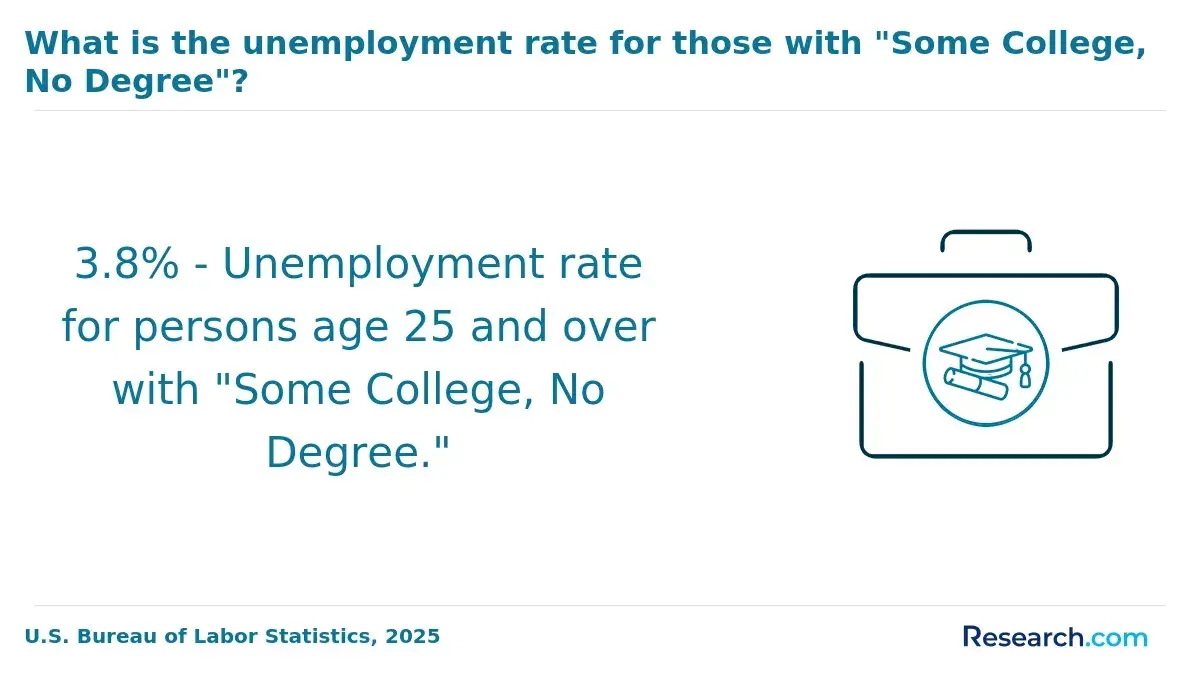
Admission requirements vary by institution, but online bachelor's programs for transfer students usually focus on college transcripts, completed credits, GPA, and evidence that the student can succeed in an upper-division creative program. Portfolio requirements are common in art-focused degrees but not universal.
Most programs ask for several standard materials. Transfer applicants should gather these early because transcript delays and portfolio preparation can slow down admission decisions:
- Official transcripts from all colleges previously attended, even if credits were not completed or the student does not expect them to transfer.
- A minimum college GPA, often with separate expectations for major-related courses or recent academic performance.
- A portfolio of original photographic or visual work, especially for BFA-style or studio-intensive programs.
- A personal statement explaining creative goals, transfer background, and interest in the program.
- Proof of high school completion or GED if required by the institution, particularly for students with fewer college credits.
- Technology readiness, including access to a suitable camera, computer, software, internet connection, and file storage.
Some online programs are designed for degree-completion students and may require a minimum number of transferable credits before admission to the major. Others admit students with fewer credits but may take longer to complete because general education and foundational courses remain.
Portfolio review is not only an admissions hurdle. It can also help faculty place students appropriately, identify strengths, and decide whether prior studio courses match program outcomes. A transfer student with strong work but uneven transcripts may still be competitive at schools that use holistic review.
A common mistake is applying before confirming whether the program starts in multiple terms or only once per year. Creative programs with sequential studio courses may have limited entry points, so timing can affect graduation plans even when admission seems straightforward.
How long do online digital photography degrees take, and what do they cost?
Completion time depends mainly on how many credits transfer and whether the student enrolls full time, part time, or in accelerated terms. A student entering with an approved associate degree may finish in about two years of full-time study, while students with fewer transferable credits may need three to four years.
Cost varies widely by institution, residency status, tuition model, technology fees, software subscriptions, and equipment needs. College Board's 2024-25 pricing benchmarks provide a useful national reference point for comparing four-year tuition and fees, even though online programs may charge different rates.
- Public four-year in-state tuition and fees benchmark: $11,610 per academic year
- Public four-year out-of-state tuition and fees benchmark: $30,780 per academic year
- Private nonprofit four-year tuition and fees benchmark: $43,350 per academic year
For online photography students, total cost is not limited to tuition. You may also need to budget for a camera body, lenses, lighting equipment, calibrated monitor, external drives, cloud storage, editing software, printing, portfolio hosting, and occasional travel for residencies or exhibitions if the program requires them.
Transfer credits can produce the biggest savings when they apply directly to degree requirements rather than only as electives. For example, 60 accepted credits toward a 120-credit degree may cut the remaining academic load roughly in half, but the savings are smaller if many credits do not meet major or general education requirements.
Students should also compare financial aid, employer tuition assistance, military education benefits, scholarships, and payment plans. Federal aid eligibility generally requires enrollment at an eligible accredited institution, so accreditation and program status should be verified before relying on loans or grants.
The trade-off between affordable and accelerated programs is important. Accelerated courses can shorten the calendar, but they may be demanding for photography students because shooting, editing, critique, and revision take time. A slower part-time plan may be more realistic for students balancing client work, employment, or caregiving.
What careers can graduates of online digital photography programs pursue?
Graduates of online digital photography programs can pursue creative, commercial, editorial, media, and communications roles. The degree itself is not a license, and photography careers often depend heavily on portfolio quality, niche expertise, client relationships, and business discipline.
The table below outlines common career paths and the kind of work each path typically involves. Use it to connect your program concentration and portfolio projects to the market you want to enter.
| Career path | Typical responsibilities | Portfolio emphasis |
| Commercial photographer | Creates images for products, advertising, catalogs, brands, and campaigns. | Lighting control, consistency, client briefs, product or lifestyle imagery. |
| Portrait or event photographer | Photographs individuals, families, weddings, corporate events, and community occasions. | People skills, posing, editing speed, client galleries, low-light work. |
| Editorial or documentary photographer | Produces images for stories, publications, nonprofits, and documentary projects. | Narrative sequencing, ethics, captions, environmental portraits, visual reporting. |
| Digital content creator | Creates photo and video assets for websites, social media, campaigns, and brands. | Cross-platform visual style, short-form media, brand consistency, audience awareness. |
| Photo editor or imaging specialist | Selects, edits, retouches, organizes, and prepares images for publication or delivery. | Editing judgment, retouching, color correction, metadata, workflow management. |
| Fine art photographer | Develops conceptual bodies of work for exhibitions, grants, residencies, or sales. | Artist statements, project coherence, exhibition-ready presentation, critique depth. |
Some photography graduates also move into adjacent fields such as graphic design, marketing, art direction, video production, museum work, visual research, social media management, or creative entrepreneurship. Students interested in narrative-heavy creative careers may also consider whether an online MFA creative writing better matches goals such as nonfiction storytelling, publishing, or interdisciplinary arts practice.
To improve employability, students should build career evidence while still enrolled. Strong options include internships, freelance projects, campus publications, community partnerships, stock or editorial assignments, gallery submissions, and a professional website with clear contact information.
Students should not assume the bachelor's degree alone will secure photography work. Employers and clients usually want to see proof: a focused portfolio, reliable workflow, communication skills, and the ability to deliver images that solve a specific visual problem.
What is the salary outlook and job demand for digital photography professionals?
Salary and demand in digital photography vary widely by niche, location, employment type, experience, and business model. BLS 2024 data is a useful national benchmark, but it should not be treated as a prediction for any individual graduate, especially because many photographers are self-employed or combine multiple income streams.
The table below summarizes selected U.S. occupational data relevant to photography and closely related visual media roles. It helps show why some graduates use photography as a core skill while also building design, editing, video, or art-direction capabilities.
| Occupation | Median annual wage, 2024 | Employment outlook context |
| Photographers | $42,520 | BLS projects 4% employment growth from 2024 to 2034, about as fast as average. |
| Graphic designers | $61,300 | Design skills can complement photography for brand, advertising, and digital content roles. |
| Film and video editors and camera operators | $70,980 | Video and motion-content skills may expand opportunities beyond still photography. |
| Art directors | $111,040 | Senior roles typically require substantial experience, leadership ability, and a strong creative portfolio. |
These figures show that a photography degree can be more valuable when paired with marketable adjacent skills. A student who can shoot, edit, manage visual assets, understand branding, and communicate with clients may have more options than a student who only learns camera technique.
Current trends affecting the field include AI-assisted editing, generative image tools, demand for fast digital content, authenticity concerns, and increased competition from smartphone imagery. Rather than replacing professional skill entirely, these trends raise the bar for photographers to offer concept development, lighting expertise, ethical judgment, consistent output, and a recognizable visual style.
Students should evaluate ROI by comparing total out-of-pocket cost with realistic entry points. Freelance income can fluctuate, while staff roles may require broader media skills. A lower-cost accredited program with strong transfer acceptance and a focused portfolio plan may offer better value than a more expensive program with weak career alignment.
How can students evaluate and choose a reputable online digital photography program?
Choosing a reputable online digital photography program requires more than reading rankings. Transfer students should confirm accreditation, compare credit evaluations, review portfolio outcomes, and understand the full cost before committing.
Use the following steps as a practical decision checklist. They are designed to help you compare programs in a way that protects your time, money, and prior academic work:
- Verify institutional accreditation and confirm that the online degree appears on official school materials exactly as advertised.
- Request a preliminary transfer-credit review and ask which credits apply to general education, electives, and the photography major.
- Review student portfolios, capstone projects, exhibitions, or graduate work to see whether the program's style and standards match your goals.
- Ask whether online students receive career services, internship help, critique access, library resources, software support, and technical assistance.
- Compare total cost, not just tuition, including fees, equipment, software, printing, travel, and portfolio hosting.
- Ask how courses are delivered, how critiques work, whether synchronous attendance is required, and how quickly instructors provide feedback.
- Confirm whether the curriculum includes business, copyright, client workflow, and portfolio development, not just image capture and editing.
- Speak with an admissions advisor and, if possible, a faculty member or current student before making a deposit.
Students with military credit, prior technical training, or career-changing goals should pay close attention to transfer policy transparency. If you are comparing creative programs with technology-focused pathways, resources such as an online cybersecurity bachelor degree for veterans can also show how veteran support, credit for prior learning, and online student services differ across fields.
Common red flags include unclear tuition, no published transfer policy, no visible faculty credentials, limited student work samples, no explanation of equipment expectations, and promises that sound too certain. Reputable schools can explain what they offer, what they do not offer, and what outcomes depend on the student's portfolio and effort.
The best final choice is usually the program that gives you the clearest path from prior credits to a finished degree, a stronger portfolio, and a realistic career plan. If two programs look similar, choose the one that provides the more detailed transfer evaluation and stronger evidence of student work.
Other Things You Should Know About Digital Photography
Usually, yes, but requirements vary. Many programs require a digital camera with manual controls, and some specify lens, lighting, computer, or software standards. Ask for the official equipment list before enrolling so you can budget accurately.
In 2027, transfer students pursuing an online bachelor's in digital photography benefit from credit transfer policies, allowing them to complete their degree faster. These programs often offer flexible schedules and diverse course options, enabling students to tailor their learning to specific career goals in digital photography.
It can be, but freelancing requires more than creative ability. Students should look for programs that teach contracts, pricing, client communication, marketing, taxes, copyright basics, and portfolio presentation.
Yes, but transfer credits rarely replace the capstone itself. Most online bachelor’s programs require a final capstone of 3 to 6 credit hours completed at the degree-granting school, often in the last term, to demonstrate technical, creative, and professional competence.
References
- Digital Photography Program https://coned.georgebrown.ca/courses-and-programs/digital-photography-program
- Accredited Online Photography Degree Programs https://www.accreditedonlinecolleges.org/photography/
- How to Choose the Right Photography Program https://nossi.edu/how-to-choose-the-right-photography-program/
- Online High School Course | Digital Photography https://www.excelhighschool.com/online-course/digital-photography/
- Best Online Photography Degrees https://www.onlineu.com/degrees/photography
- The Importance of Understanding Transfer Credit Policies https://www.sophia.org/blog/higher-education/understanding-transfer-credit-policies/
- Photography Jobs Outlook 2026: Is Studying Photography Still a Good Career Investment? https://www.baph.co.uk/blog/photography-jobs-outlook-2026--is-studying-photography-still-a-good-career-investment-
- Top 10 Career Options After a Photography Course | SSVAP Pne https://www.ssvap.edu.in/blog/top-10-career-options-after-completing-a-photography-course
- Should you Study Photography at College or are There Better Options Now? https://digital-photography-school.com/should-you-study-photography-at-college-or-are-there-better-options-now/
- Computer graphic arts - digital photography https://www.starkstate.edu/academics/explore-all-programs/digital-photography-major/