2027 Online Digital Photography Degrees That Prepare Students for High-Demand Visual Content Careers

Co-Founder and Chief Data Scientist
Choosing an online digital photography degree means weighing creative training, software skills, portfolio quality, cost, and career payoff. The decision matters because U.S. photographers had a May 2024 median wage of $42,520, according to the Bureau of Labor Statistics, while related visual content roles can pay more when candidates add design, video, marketing, or AI-assisted production skills.
This guide is for prospective students comparing online programs, career changers, and working creatives. It explains accreditation, admissions, cost, timelines, career paths, and red flags so you can choose a program that fits your goals.
Key Things You Should Know
- An online digital photography degree is strongest when it combines image capture, lighting, editing, visual storytelling, portfolio development, business practices, and current tools such as Lightroom, Photoshop, Capture One, video workflows, and ethical AI-assisted production.
- Cost varies widely by school type, but College Board's 2024-25 pricing data shows published tuition and fees averaging $11,610 for in-state public four-year colleges, $30,780 for out-of-state public four-year colleges, and $43,350 for private nonprofit four-year colleges before aid.
- The BLS projects photographer employment to grow 4% from 2024 to 2034, so graduates should prepare for a competitive market by building a specialized portfolio in areas such as commercial photography, ecommerce, editorial content, social media production, real estate, events, or multimedia branding.
What is an online digital photography degree and how does it prepare visual content professionals?
An online digital photography degree is an academic program that teaches students how to create, edit, manage, critique, and publish photographic work using digital tools. Programs may be offered as associate, bachelor's, or graduate degrees, and many combine studio practice with courses in visual communication, art history, digital imaging, business, and portfolio production.
The degree prepares visual content professionals by moving beyond "how to use a camera." Students learn how images function in advertising, journalism, ecommerce, entertainment, education, social media, and brand communication. A strong program should help students build a body of work that shows technical control, creative direction, client awareness, and the ability to deliver finished assets on deadline.
Online study works best for students who are self-directed and willing to practice regularly outside class. Photography is a hands-on discipline, so online programs usually require students to complete shoots, upload edited work, participate in critiques, and revise projects based on instructor feedback. The campus is virtual, but the learning still depends on producing real images.
The degree is usually a good fit for students who want a structured path into commercial or creative visual work. It may be less efficient for someone who only wants to learn basic camera settings, start a small side business quickly, or specialize in a narrow software tool. In those cases, a certificate, workshop series, apprenticeship, or targeted business course may be more practical.
Students should also understand the difference between a photography degree and a general media degree. Photography programs emphasize still-image production, lighting, composition, editing, and visual storytelling. Broader digital media programs may include animation, video, UX, social platforms, and interactive content. The better choice depends on whether the student wants to be known primarily as a photographer or as a multi-format content creator.
How do online digital photography programs compare to campus-based options for flexibility and outcomes?
Online and campus-based photography programs can lead to similar learning outcomes when the online program includes frequent critiques, instructor feedback, portfolio reviews, and access to professional-grade editing tools. The biggest difference is not whether the degree is "real," but how the student gets access to equipment, studio environments, peer collaboration, and networking.
The table below summarizes the main trade-offs. Use it to decide whether flexibility, studio access, cost control, or in-person community matters most for your situation.
| Factor | Online digital photography degree | Campus-based photography degree | Best fit |
| Schedule flexibility | Often asynchronous or low-residency, with project deadlines and online critiques | Usually fixed class times, studio sessions, and campus critique schedules | Online is better for working adults, parents, military-connected students, and career changers |
| Studio and equipment access | Students may need their own camera, lighting, storage, software, and workspace | Students may access studios, lighting labs, printers, scanners, and equipment checkout | Campus is better for students who need shared facilities or cannot invest in gear immediately |
| Feedback and critique | Delivered through uploaded portfolios, recorded comments, discussion boards, and live video sessions | Delivered in person, often with immediate peer and instructor discussion | Either format works if critique is frequent, specific, and tied to revision |
| Networking | Depends on virtual events, alumni access, internships, local shoots, and social portfolio platforms | Often easier through campus exhibitions, local arts communities, and faculty introductions | Campus may help students who need local creative networks; online can work for students already near active markets |
| Career outcomes | Driven by portfolio quality, specialization, internships, client work, and business skills | Driven by the same factors, with added value if campus resources improve production quality | The better outcome usually comes from the program with stronger portfolio review and career support |
Online learning can also be a practical option for students who need structured support while balancing service obligations, family responsibilities, or relocation. For example, students comparing military-friendly online formats may find useful parallels in resources about cybersecurity programs online for veterans, especially when evaluating transfer credit, advising, and benefits support.
A common mistake is assuming online programs are easier. In photography, online students often need more discipline because they must arrange locations, models, lighting, backup storage, and practice time independently. Before enrolling, ask how critiques work, how often faculty review images, what gear is required, whether students receive portfolio coaching, and whether the school helps with internships or exhibitions.
Which accredited schools offer online digital photography degrees and how is accreditation verified?
Accredited online digital photography degrees are offered by a limited number of U.S. institutions, and availability can change by term, state authorization, and degree level. Students should verify both institutional accreditation and the exact online program before applying, because "photography," "digital photography," "visual arts," and "digital media" can refer to different curricula.
The examples below show the types of accredited institutions students commonly compare. This is not a ranking; it is a starting point for verification and fit.
| School | Online photography-related option | Institutional accreditation to verify | What to check before applying |
| Arizona State University | Online art or digital photography-related bachelor's pathway, depending on catalog availability | Higher Learning Commission | Confirm the exact degree title, portfolio expectations, studio requirements, and whether the concentration is fully online |
| Academy of Art University | Online photography degrees at multiple levels, subject to current catalog offerings | WASC Senior College and University Commission | Review total cost, equipment needs, portfolio sequence, and career services outcomes |
| Savannah College of Art and Design | Online or virtual photography-related degree options through SCAD's digital learning formats, subject to current catalog offerings | Southern Association of Colleges and Schools Commission on Colleges | Confirm online availability, critique format, exhibition opportunities, and technology requirements |
| Rocky Mountain College of Art + Design | Online photography or art-and-design pathways, depending on current offerings | Higher Learning Commission | Ask about studio expectations, software access, internship support, and transfer credit evaluation |
| Sessions College | Online associate-level photography or digital media-related programs, subject to catalog availability | Distance Education Accrediting Commission | Confirm whether the credential is a degree, certificate, or professional program and how credits transfer |
Students comparing affordability and degree options can also review programs focused on bachelors in photography online to see how tuition, format, and curriculum differences affect the total decision.
Accreditation should be verified directly, not assumed from advertising language. Institutional accreditation is especially important for federal financial aid eligibility, transfer credit, graduate school consideration, and employer confidence.
- Search the school in the U.S. Department of Education's Database of Accredited Postsecondary Institutions and Programs.
- Confirm that the accrediting agency listed is recognized and that the institution's status is current.
- Check the school's official catalog for the exact degree title, delivery mode, credit requirements, and program learning outcomes.
- Ask admissions whether your state is approved for online enrollment under state authorization rules.
- If you may pursue graduate study later, ask whether credits and the degree are commonly accepted by regionally or nationally accredited institutions.
A red flag is a school that emphasizes speed, glamour, or job placement but does not clearly disclose accreditation, total cost, faculty qualifications, required equipment, or portfolio outcomes. Another warning sign is a "degree" that is actually a noncredit certificate or private training program with limited transfer value.
What courses and technical skills are typically taught in online digital photography curricula?
Online digital photography curricula usually combine art, technology, communication, and business. The strongest programs help students master the full workflow: planning a shoot, controlling light, capturing high-quality files, editing ethically, organizing assets, presenting work, and delivering images for print, web, ecommerce, and social platforms.
The table below shows common course areas and why they matter for career preparation. Exact course names vary by school, but these categories should appear in some form in a well-rounded program.
| Course area | What students learn | Why it matters for visual content careers |
| Digital camera systems | Exposure, lenses, sensors, file formats, color settings, and capture workflows | Builds technical consistency across product, portrait, event, editorial, and location work |
| Lighting | Natural light, studio strobes, continuous lighting, modifiers, and location lighting | Separates beginner work from professional-looking imagery |
| Digital imaging and retouching | RAW processing, color correction, compositing, skin retouching, masking, and output settings | Supports commercial, ecommerce, portrait, and brand content deliverables |
| Composition and visual storytelling | Framing, sequencing, narrative structure, visual hierarchy, and audience interpretation | Helps graduates create images that communicate, not just images that look technically clean |
| History and criticism | Photographic movements, ethics, representation, visual culture, and critique methods | Develops visual judgment and the ability to explain creative choices |
| Business of photography | Contracts, pricing, licensing, client communication, invoices, releases, and marketing | Prepares students for freelance, studio, agency, and small-business realities |
| Portfolio and capstone | Curated projects, artist statements, professional presentation, and revision cycles | Creates the evidence employers and clients review first |
Technical skills should be evaluated as career tools, not just course requirements. A student targeting ecommerce photography, for example, needs different depth in product lighting and batch workflows than a student aiming for documentary or fine-art practice.
- Image capture: manual exposure, lens selection, white balance, tethering, studio setup, and file quality control.
- Post-production: Lightroom, Photoshop, Capture One or similar tools, nondestructive editing, retouching, metadata, and export settings.
- Content production: shot lists, mood boards, brand guidelines, visual consistency, short-form video basics, and social platform formatting.
- Professional workflow: backup systems, client proofs, contracts, licensing language, model releases, print preparation, and delivery standards.
- Emerging technology: AI-assisted selection, masking, noise reduction, generative fill awareness, authenticity concerns, and disclosure practices.
AI is changing visual content work by speeding up editing, asset organization, captioning, background cleanup, and ideation. Students who want deeper technical context can explore how an applied artificial intelligence bachelor connects to creative industries, but photography students should focus on using AI ethically and transparently rather than treating it as a replacement for visual judgment.
What admission requirements and application materials do online digital photography programs expect?
Admission requirements vary by degree level and selectivity. Many associate and bachelor's programs are accessible to first-time college students, while competitive art schools may request portfolios, artist statements, or prior coursework. Graduate programs usually expect a stronger portfolio and clearer creative direction.
Applicants should prepare materials early because photography programs may require both academic documents and creative evidence. The list below covers common requirements and how each is used in admission review.
- High school diploma, GED, or prior college transcript: used to confirm academic eligibility and evaluate transfer credit.
- Online application and fee: required by most institutions, though fee waivers may be available.
- Portfolio: may include finished photographs, project series, or broader visual work that shows composition, lighting, editing, and creative potential.
- Personal statement: explains goals, influences, career interests, and why the program fits the applicant's direction.
- Letters of recommendation: sometimes requested for selective bachelor's or graduate programs, especially from teachers, mentors, or creative supervisors.
- Resume or creative experience summary: useful for adult learners, freelancers, veterans, and applicants with client or media experience.
- English proficiency documentation: required for some applicants whose prior education was not completed in English.
Students applying to online programs should also ask about technology expectations before committing. Requirements may include a DSLR or mirrorless camera, lenses, tripod, storage drives, color-calibrated monitor, Adobe Creative Cloud or equivalent software, and internet bandwidth for uploading large image files.
The most common admissions mistake is submitting a portfolio that tries to show everything. A stronger portfolio is usually cohesive, intentional, and edited carefully. If the program allows 10 to 20 images, choose work that shows range without including weak images just to fill space.
Transfer students should request a preliminary credit evaluation before enrolling. Studio, art history, general education, and digital media credits may transfer differently depending on course level, accreditation, grade earned, and whether the prior work matches the new program's outcomes.
How long do online digital photography degrees take and what do they cost to complete?
Program length depends on degree level, transfer credits, enrollment pace, and whether courses are offered every term. Full-time students can often finish an associate degree in about two years and a bachelor's degree in about four years, while part-time students may take longer. Graduate degrees in photography or visual arts commonly take two to three years, depending on format and thesis requirements.
Cost should be evaluated as total cost of completion, not just tuition per credit. College Board's 2024-25 data shows that published tuition and fees differ sharply by institution type, which means students should compare net price after aid rather than assuming the lowest sticker price is the best value.
- Public two-year in-district average published tuition and fees: $4,050 for 2024-25.
- Public four-year in-state average published tuition and fees: $11,610 for 2024-25.
- Public four-year out-of-state average published tuition and fees: $30,780 for 2024-25.
- Private nonprofit four-year average published tuition and fees: $43,350 for 2024-25.
The table below outlines typical timeline and cost considerations by degree level. Use it to estimate the scale of the investment before requesting school-specific financial aid packages.
| Credential | Typical completion time | Best for | Cost factors to compare |
| Certificate or nondegree training | A few months to one year | Students who need targeted skills in editing, lighting, or business without a full degree | Noncredit status, transfer limitations, included software, equipment access, and instructor feedback |
| Associate degree | About two years full time | Students seeking an affordable foundation or transfer pathway into a bachelor's program | Community college tuition, transfer agreements, general education requirements, and portfolio courses |
| Bachelor's degree | About four years full time, less with transfer credit | Students pursuing broad creative, commercial, or media careers where a degree and portfolio may help | Per-credit tuition, transfer credit, institutional aid, equipment, software, and required capstone work |
| Master's degree or MFA | About two to three years | Students pursuing advanced practice, teaching, criticism, fine art, or leadership in visual fields | Residency requirements, thesis expenses, graduate assistantships, exhibition costs, and faculty mentorship |
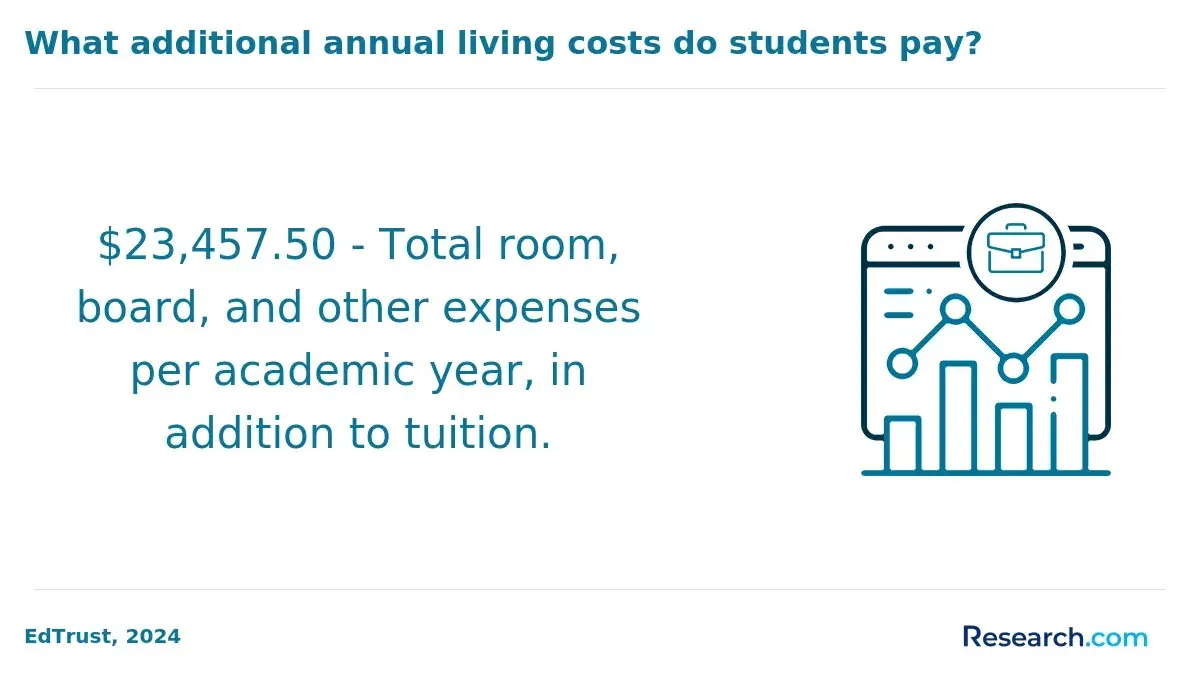
Beyond tuition, photography students should budget for equipment and production expenses. These can include a camera body, lenses, memory cards, hard drives, cloud backup, lighting, reflectors, printing, portfolio hosting, travel to shoots, props, insurance, and software subscriptions.
To reduce cost, students can start with a transfer-friendly associate degree, choose a school with strong aid, buy used or refurbished equipment from reputable sellers, use student software discounts, rent specialized lenses only when needed, and avoid upgrading gear before the curriculum requires it. The goal is to spend where it improves learning and portfolio quality, not where it simply adds prestige.
What careers can graduates pursue with an online digital photography degree in visual content fields?
Graduates can pursue photography-centered roles as well as broader visual content positions. The degree alone does not determine the job title; employers and clients usually evaluate portfolio quality, specialization, reliability, editing skill, communication, and the ability to deliver usable assets.
The table below connects common career paths with responsibilities and portfolio evidence. It can help students choose electives, internships, and capstone projects that support a specific direction.
| Career path | Typical responsibilities | Portfolio evidence that helps |
| Commercial photographer | Create images for brands, advertising, catalogs, campaigns, and promotional materials | Product, lifestyle, portrait, and brand-consistent image series with polished lighting and retouching |
| Portrait or event photographer | Photograph individuals, families, weddings, corporate events, school events, or community occasions | Client-ready galleries, consistent skin tones, low-light samples, posing, and delivery workflow examples |
| Ecommerce or product photographer | Produce clean product images, detail shots, and visual assets for online retail platforms | White-background images, styled product sets, batch consistency, color accuracy, and retouching samples |
| Photo editor or digital imaging specialist | Select, retouch, color-correct, organize, and prepare images for publication or campaigns | Before-and-after edits, color correction samples, metadata workflows, and consistent visual standards |
| Social media content creator | Plan and produce still images, short-form video, platform-ready graphics, and campaign visuals | Multi-image campaigns, reels or short clips, brand storytelling, analytics-aware content, and caption strategy |
| Real estate or architectural photographer | Photograph interiors, exteriors, properties, rentals, and commercial spaces | Interior lighting control, perspective correction, twilight images, floor-plan-adjacent visuals, and fast turnaround samples |
| Editorial or documentary photographer | Create visual stories for publications, nonprofits, communities, or long-form projects | Sequenced narratives, captions, ethical representation, location work, and project statements |
| Visual content coordinator | Manage image libraries, coordinate shoots, support marketing teams, and maintain brand assets | Organized campaigns, asset management examples, production calendars, and cross-platform deliverables |
Students should choose a specialization before graduation because general portfolios are harder to sell. A portfolio that says "I can photograph anything" often communicates less value than a focused body of work that solves a buyer's specific problem, such as consistent product imagery for a small ecommerce brand or polished headshots for professional services firms.
Entry-level pathways may include studio assistant, production assistant, photo retoucher, ecommerce imaging assistant, social media assistant, or second shooter. Advancement can lead to lead photographer, art director, creative producer, studio manager, photo editor, brand content manager, or independent business owner.
This degree may not be the right investment if a student expects a traditional job ladder with predictable raises. Photography careers often involve freelance work, regional market differences, seasonal demand, and income variability. Students who prefer stable employment may want to pair photography with marketing, design, communications, education, or media production skills.
What are typical salary ranges and earning potential for digital photography and visual content roles?
Salary potential in photography and visual content depends heavily on specialization, location, portfolio strength, business model, and whether the worker is employed or self-employed. The BLS reported a May 2024 median annual wage of $42,520 for photographers, which is useful as a baseline but does not capture every freelance, commercial, or hybrid content role.
The table below uses BLS May 2024 wage data for related U.S. occupations where available. These figures should be interpreted as occupational benchmarks, not promises for degree graduates.
| Occupation | May 2024 median annual wage | How it relates to digital photography graduates |
| Photographers | $42,520 | Closest benchmark for still-image roles across portrait, commercial, news, event, and freelance work |
| Graphic designers | $61,300 | Relevant for graduates who add layout, branding, typography, and campaign design skills |
| Film and video editors and camera operators | $67,910 | Relevant for graduates who expand into multimedia production, video capture, editing, and branded content |
| Art directors | $112,260 | Relevant as a longer-term advancement path for experienced creatives who direct campaigns, teams, and visual strategy |
The main takeaway is that photography-specific roles may start modestly, while hybrid visual roles can offer stronger earning potential when candidates combine photography with design, video, marketing, production management, or creative direction. However, higher-paying roles usually require experience, a strong portfolio, client management ability, and sometimes broader creative leadership skills.
Freelance earnings are harder to compare because revenue is not the same as income. A photographer may charge clients for sessions, licensing, prints, or campaigns, but must also pay for equipment, insurance, taxes, editing time, marketing, software, travel, studio rental, and slow periods. Students considering self-employment should learn pricing, contracts, licensing, and basic bookkeeping before relying on freelance income.
To evaluate return on investment, compare estimated total program cost with realistic entry-level roles in your region. If your goal is a local portrait business, a lower-cost program plus strong business training may be wiser than an expensive art school. If your goal is national commercial work or advanced creative direction, a program with stronger faculty mentorship, industry critique, and alumni networks may justify a higher cost.
What is the job outlook for digital photographers and visual content creators across U.S. industries?
The job outlook for digital photographers is steady but competitive. The BLS projects employment for photographers to grow 4% from 2024 to 2034, with about 13,700 openings each year on average. For students, this means opportunities exist, but many openings will be shaped by replacement needs, freelance turnover, regional demand, and the ability to offer more than basic image capture.
Demand is strongest where organizations need frequent visual content: ecommerce, real estate, healthcare marketing, hospitality, higher education, nonprofit communication, media production, sports, events, corporate branding, and social platforms. Employers increasingly want creators who can produce consistent image sets, edit efficiently, understand brand voice, and adapt assets for multiple channels.
Several trends should influence program choice and career preparation. AI-assisted editing is reducing time spent on repetitive production tasks, but it also raises questions about authenticity, copyright, bias, and disclosure. Short-form video has pushed many photographers to learn motion basics. Ecommerce and social commerce continue to reward fast, consistent visual production. At the same time, smartphone cameras and low-cost editing tools have increased competition at the entry level.
Students can respond to these trends by building a portfolio around a marketable niche rather than relying on general creative ability. A strong niche might be product photography for handmade brands, healthcare headshots, architectural interiors, nonprofit storytelling, food and restaurant content, or brand campaigns for local businesses.
Before enrolling, ask schools how they keep the curriculum current. Strong answers include regular software updates, faculty with current industry practice, portfolio reviews with working professionals, business and licensing instruction, internship support, and assignments that reflect real client deliverables.
Are certifications, portfolios, or professional memberships recommended after earning a digital photography degree?
Certifications, portfolios, and professional memberships can be useful after earning a digital photography degree, but they serve different purposes. The portfolio is usually the most important career asset; certifications can validate software or specialized skills; memberships can provide networking, education, competitions, and professional credibility.
Students should prioritize credentials that match their career goals. The list below explains which post-degree options may be worth considering and when they make sense.
- Portfolio website: essential for most photographers and visual content creators because clients and employers need to see finished work, project range, contact information, and professional presentation.
- Adobe or software certifications: useful for candidates pursuing retouching, digital imaging, marketing production, or in-house creative roles where workflow efficiency matters.
- Professional Photographers of America resources or certifications: useful for portrait, wedding, studio, and small-business photographers who want business education and professional community.
- American Society of Media Photographers membership: useful for commercial, editorial, and licensing-focused photographers who need contract, copyright, and advocacy resources.
- National Press Photographers Association membership: useful for students pursuing photojournalism, documentary, or visual reporting work.
- Graduate study: useful for students pursuing college teaching, fine-art practice, advanced critique, curatorial work, or a deeper studio research practice.
Students considering graduate-level creative study can compare online MFA programs to understand how advanced studio practice, thesis work, and faculty mentorship differ from undergraduate photography training.
The biggest mistake after graduation is treating the degree as the final credential. Visual content careers reward visible proof of current skill, so graduates should keep updating their portfolios, publishing new projects, seeking critique, and documenting client or campaign results when possible.
A practical next step is to build a 90-day career plan. Choose one niche, complete two portfolio projects in that niche, update your website, contact five potential clients or employers, request one professional critique, and track which images generate the strongest response. This turns the degree into evidence of readiness rather than a line on a resume.
Other Things You Should Know About Digital Photography
Some courses may allow smartphone work for composition, storytelling, or social content assignments, but degree programs usually require a camera that supports manual exposure, interchangeable lenses, and RAW files. Ask the program where smartphone work is acceptable and where it is not.
Copyright knowledge is very important, especially for freelancers and commercial photographers. Students should learn image ownership, licensing, model releases, client usage rights, and how to avoid using third-party content without permission.
Most online digital photography degrees require Adobe Lightroom and Adobe Photoshop, plus file-management software for organizing RAW images and exports. Many programs also teach color calibration tools and digital asset workflows. Students should confirm whether the course list includes software licenses or requires a subscription before enrollment.
References
- Online Photography Degree | Associate Degree (AOS) https://www.sessions.edu/online-degrees/digital-photography/
- Digital Photography https://www.learndirect.com/course/digital-photography
- Photography and Video Degree | Bachelor's in Fine Art https://www.maryville.edu/bachelors-degrees/photography-and-video/
- Best Online Photography Degrees https://www.onlineu.com/degrees/photography
- How an Online Photography Course Works https://www.nyip.edu/photo-articles/photography-tutorials/how-an-online-photography-course-works
- Top 5 reasons to study a photography degree online https://www.falmouth.ac.uk/news/top-5-reasons-study-photography-degree-online
- Photography Industry Statistics 2026 | 30+ Verified Stats https://gitnux.org/photography-industry-statistics/
- What's the Outlook for Photographer Jobs? | All Art Schools https://www.allartschools.com/photography/outlook-photography-jobs/
- What Can You Do With A Photography Degree? - What Career Live https://www.whatcareerlive.co.uk/what-can-you-do-with-a-photography-degree/
- What Can You Do With a Photography Degree? https://pnca.willamette.edu/academics/bfa/photography/career-options