
2027 How to Become an Art Teacher in Iowa: Requirements & Certification

Co-Founder and Chief Data Scientist
If you want to teach visual art in an Iowa public school, the main decision is not whether you need a teaching license—you do. The harder part is understanding which degree, preparation program, testing steps, student teaching experience, and renewal requirements apply before you can lead a K-12 art classroom.
This guide explains how to become an art teacher in Iowa, from choosing an art education program to applying for licensure through the Iowa Board of Educational Examiners. It also covers salary expectations, job outlook, classroom readiness, professional development, private school options, and practical ways to strengthen your portfolio and teaching experience.
Quick answer: How do you become an art teacher in Iowa?
To become an art teacher in Iowa, you generally need to earn a bachelor’s degree in Art Education or a closely related field, complete a state-approved teacher preparation program with student teaching, meet Iowa’s assessment and background check requirements, and apply for a teaching license through the Iowa Board of Educational Examiners. Public school teachers must also complete continuing education to keep their licenses active.
What to know before choosing this path
- Iowa art teachers need both studio art and teaching preparation. A strong artist portfolio helps, but public schools also expect candidates to understand child development, lesson planning, assessment, classroom management, and Iowa’s Fine Arts Standards.
- Salary varies by district, grade level, and experience. Iowa K-12 teachers earn an average annual salary of about $56,400, while secondary school teachers make approximately $60,820. The average salary for art teachers in Iowa is often cited at approximately $54,000 per year, though actual offers can differ by location and contract structure.
- The broader teacher job outlook is steady. The job outlook for K-12 teaching roles shows growth at around 6.2% over the next decade, while art teacher employment is commonly described as positive, with projected growth of about 5% over the next decade.
- Location matters. Rural districts may offer stronger hiring opportunities in some areas, while urban districts such as Des Moines may offer different salary scales, larger art departments, and more specialized positions.
- Iowa’s cost of living can affect the value of your salary. With a cost of living index of around 86, teachers may find that housing, transportation, and everyday expenses are more manageable than in many higher-cost states.
- How can you become an art teacher in Iowa?
- What education do Iowa art teachers need?
- How does Iowa art teacher certification and licensing work?
- How important is student teaching and classroom experience?
- What art standards and curriculum expectations apply in Iowa?
- What should you expect from the Iowa art teacher job market and salary range?
- What continuing education and professional development options are available?
- Which classroom management and teaching methods work well for art teachers?
- What are the first steps toward any Iowa teaching career?
- How can Iowa art teachers advance or specialize?
- How can art teachers consider private school opportunities?
- What support systems help new Iowa art teachers succeed?
- How can new art teachers move from training to classroom confidence?
- How can Iowa art teachers find funding for stronger art programs?
How can you become an art teacher in Iowa?
The path to becoming an art teacher in Iowa is structured because public school teachers must meet state licensure requirements. The best candidates prepare in two directions at the same time: they build artistic skill and learn how to teach students safely, effectively, and inclusively.
| Step | What you need to do | Why it matters |
| Choose the right degree | Earn a bachelor’s degree in Art Education or a closely related field from an accredited institution. | Iowa public schools require licensed teachers, and approved programs are designed around state expectations. |
| Complete teacher preparation | Enroll in a state-approved teacher preparation program that includes pedagogy, art methods, fieldwork, and student teaching. | This turns art knowledge into classroom-ready teaching skill. |
| Meet assessment requirements | Complete the required state competency assessments, including art-related content testing when applicable. | Testing verifies that candidates understand both subject matter and teaching practice. |
| Apply for licensure | Submit your application materials to the Iowa Board of Educational Examiners. | A teaching license is required for most public school art teaching positions. |
| Prepare for hiring | Build a teaching resume, lesson samples, and an art portfolio that show both creative range and instructional ability. | Schools need evidence that you can manage a classroom, teach standards, and support student growth. |
Several Iowa institutions offer routes into art education, including the University of Iowa, the University of Northern Iowa, and Clarke University. When comparing programs, look beyond the school name. Ask whether the program is state-approved, how early field experiences begin, how student teaching placements are arranged, and whether graduates receive support with licensure and job placement.
Aspiring teachers should also begin networking before graduation. Local art organizations, school-based art shows, community programs, and teacher job fairs can help candidates learn where positions are opening. If you are still comparing youth-focused careers, reviewing careers in childhood development can help you decide whether classroom teaching is the right fit or whether another child-centered role better matches your goals.
What education do Iowa art teachers need?
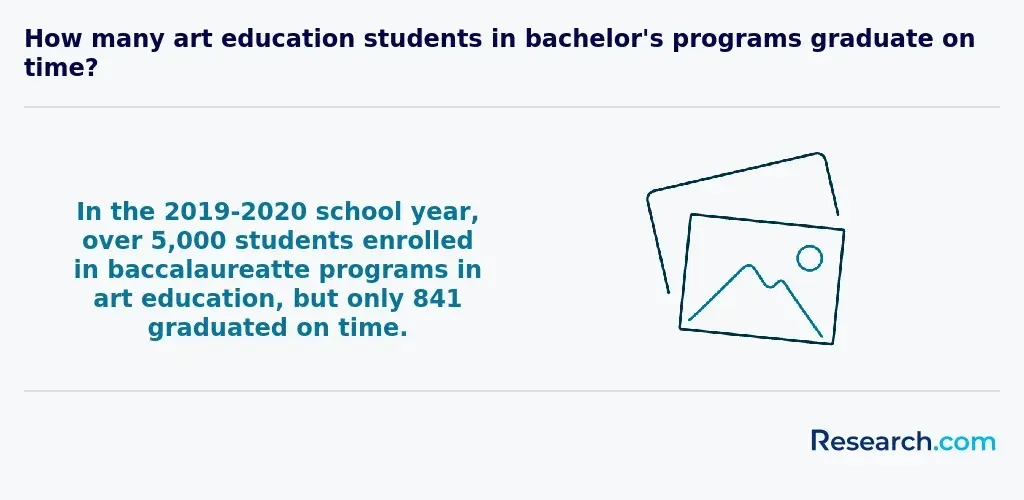
Iowa art teachers usually begin with a bachelor’s degree that combines studio art, art history or visual culture, teaching methods, and professional education. A degree in Art Education is the most direct option because it is typically built to satisfy K-12 teaching requirements.
- Earn a bachelor’s degree. Most candidates pursue Art Education or a closely aligned program that includes both art content and teacher preparation. The goal is to graduate as both a developing artist and a beginning educator.
- Complete the required education coursework. Candidates commonly complete a minimum of 48 semester hours in professional education, along with art content courses. These courses may include educational psychology, classroom management, methods of teaching art, assessment, and curriculum design.
- Finish a state-approved teacher preparation program. Approved programs include supervised clinical experiences and student teaching in a K-12 setting. This is where candidates practice lesson delivery, classroom routines, student assessment, and standards-based instruction.
- Confirm accreditation and state approval. Accreditation matters because an attractive art program is not always the same as a licensure-ready teacher preparation program. Before enrolling, ask the college whether the program leads to Iowa teacher licensure.
- Show subject-matter competence. Iowa candidates must demonstrate that they understand art content and teaching practice. This may involve coursework, assessments, portfolio evidence, and supervised teaching evaluations.
- Compare degree formats carefully. Prospective educators can explore the broader landscape of types of teaching degrees to understand how art education differs from elementary education, secondary education, special education, and graduate-level teaching pathways.
| Education option | Best for | Key caution |
| Bachelor’s in Art Education | Students who want the most direct route to K-12 art teaching licensure. | Confirm that the program is approved for Iowa licensure, not just an art major with education electives. |
| Art degree plus teacher preparation | Students who already have a strong studio art background and need teaching credentials. | Additional coursework may be required before licensure. |
| Graduate study in art or education | Licensed teachers who want deeper expertise, leadership options, or advanced teaching roles. | A graduate degree alone does not replace required licensure steps for public school teaching. |
| Administrative or higher education pathway | Experienced educators who want leadership, curriculum, or postsecondary roles later. | Programs such as an online doctorate in higher education leadership are usually for later-stage advancement, not initial K-12 licensure. |
Iowa schools and colleges referenced in art education pathways include the University of Iowa, St. Ambrose University, and Grand View University. Before choosing among them, request a program checklist showing required art courses, education courses, field placements, testing expectations, and licensure steps.
How does Iowa art teacher certification and licensing work?
Iowa public school art teachers must obtain a teaching license through the Iowa Board of Educational Examiners. The process begins with completing an approved educator preparation route and ends with a licensure application, background review, and ongoing renewal requirements.
| Licensure requirement | What Iowa candidates should expect | Decision tip |
| Approved education program | Candidates typically need a bachelor’s degree in art education or a related field and must complete an approved teacher preparation program. | Ask your college advisor whether your program is approved for Iowa licensure before you enroll. |
| Art and pedagogy coursework | Programs include coursework in art, instructional methods, and student teaching. Some programs require a minimum of 24 semester hours in art-related courses. | Keep copies of transcripts and program completion forms because they are often needed during licensure review. |
| Testing | Candidates may need to pass the Praxis Art: Content Knowledge exam or another required assessment relevant to art education. | Plan testing early enough that scores arrive before application deadlines or hiring windows. |
| Application | Candidates submit licensure materials to the Iowa Board of Educational Examiners, including education records, test results when required, and a fee currently around $85. | Incomplete applications can delay approval, so verify every document before submission. |
| Background check | Fingerprinting and a criminal history check through the Iowa Department of Public Safety are required and typically cost around $50. | Start this step early because processing time can affect when you become eligible to teach. |
| Renewal | After initial licensure, teachers must complete continuing education requirements, including a minimum of 100 professional development hours every five years. | Track professional development hours as you earn them instead of waiting until renewal season. |
Additional endorsements can strengthen a candidate’s flexibility. For example, endorsements in areas such as special education or ESL may require more coursework and testing but can make a teacher more useful to districts with varied staffing needs.
Licensure rules can change, so candidates should verify requirements directly with the Iowa Board of Educational Examiners before applying. In 2023, K-12 teachers in general earned around $57,160 to $60,820 per year on average. This is slightly higher than the average annual salary of all occupations at $56,400. See the chart below for a breakdown.
How important is student teaching and classroom experience?
Student teaching is one of the most important parts of becoming an art teacher in Iowa because art classrooms are active, materials-based, and often very different from lecture-centered classrooms. Candidates must learn how to manage supplies, teach safe studio habits, differentiate projects, and guide students with different skill levels.
Teacher preparation programs typically include supervised student teaching in a K-12 setting. Some programs describe the capstone placement as around 14 weeks, while certification-related guidance commonly references a minimum of 12 weeks of student teaching in an accredited program.
Where aspiring art teachers can gain experience
- Student teaching placements: Work under a licensed mentor teacher while planning lessons, teaching units, assessing student work, and managing classroom routines.
- School art clubs and extracurriculars: Support murals, exhibitions, portfolio nights, or student competitions to learn how arts programming works beyond daily class periods.
- Community arts programs: Volunteer or assist with youth workshops at local art centers, museums, libraries, or summer programs.
- Professional learning events: Attend workshops and seminars to observe experienced educators and learn practical methods for standards-based art teaching.
- Graduate or studio-focused training: Teachers who want deeper art practice may consider options such as budget online MFA degrees, especially if they plan to teach advanced courses or build specialized studio expertise.
How to make student teaching count
- Ask your mentor teacher for specific feedback on pacing, transitions, demonstrations, and student engagement.
- Observe multiple grade levels if possible, because elementary art, middle school art, and high school studio courses require different management strategies.
- Save sample lesson plans, assessment rubrics, student reflection prompts, and photographs of classroom displays when allowed by school policy.
- Practice adapting a project for students with different abilities, language backgrounds, or access needs.
- Build rapport with students before expecting them to take creative risks.
What art standards and curriculum expectations apply in Iowa?
Iowa’s Fine Arts Standards are designed around artistic processes, not only finished products. Art instruction should help students create, perform or present, respond, and connect through the arts. The framework is informed by the National Core Arts Standards and encourages students to build artistic literacy across grade levels.
For art teachers, this means lesson planning should include more than a project prompt and a final grade. Strong lessons ask students to investigate ideas, use materials intentionally, reflect on decisions, respond to artists and peers, and connect artmaking to identity, culture, community, or other subject areas.
| Curriculum area | What it means in an art classroom | Example teaching focus |
| Creating | Students generate, develop, revise, and complete artistic work. | Sketchbook planning, experimentation with media, revision based on critique. |
| Presenting | Students select, prepare, and share artwork with an audience. | Class exhibitions, artist statements, digital portfolios. |
| Responding | Students interpret, evaluate, and discuss artworks. | Critique routines, visual analysis, comparison of styles and techniques. |
| Connecting | Students relate art to personal experience, culture, history, and other disciplines. | Community-based projects, cross-curricular units, identity-focused work. |
Iowa art curriculum preparation may require students to complete at least 33 semester hours in art education courses, including studio disciplines such as ceramics, graphic design, and painting. Professional education coursework, methods of teaching art, and student teaching are also central to meeting art education curriculum expectations.
For initial licensure, candidates may complete a full-semester, all-day student teaching experience, often within a 60-mile radius of Iowa City depending on the institution. Because placement policies vary by program, students should ask early how placements are assigned and whether transportation, scheduling, or relocation could affect completion.
What should you expect from the Iowa art teacher job market and salary range?
The Iowa job market for art teachers is generally tied to district budgets, retirements, enrollment patterns, and whether schools offer full-time or shared art positions. Larger districts may have multiple art teachers and more specialized electives, while smaller districts may ask one teacher to serve several grade levels or buildings.
According to salary figures cited for Iowa teachers, the average salary for an art teacher in Iowa is approximately $55,000 per year. Art teachers in larger cities such as Des Moines or Cedar Rapids may earn upwards of $60,000, while salaries in smaller towns may be closer to $50,000. Earlier salary references also place the average salary for art teachers in Iowa at approximately $54,000 per year.
| Factor | How it can affect an Iowa art teacher’s job offer |
| District location | Urban, suburban, and rural districts may differ in salary schedules, staffing needs, and available art facilities. |
| Experience level | Teachers with more classroom experience or advanced credentials may qualify for higher steps on district salary schedules. |
| Grade level | Elementary, middle school, and secondary art roles can differ in planning load, class size, schedule structure, and specialization. |
| Benefits | Health insurance, retirement plans, paid time off, and professional development support can substantially affect total compensation. |
| Additional endorsements | Teachers with credentials in high-need areas may have more hiring flexibility, depending on district needs. |
When evaluating offers, do not focus only on base salary. Review the salary schedule, insurance costs, retirement contributions, planning time, supply budget, travel expectations between buildings, class load, and whether the district funds professional development or art materials.
The projected job growth for K-12 teachers, in general, ranges from 6.2% to 6.6% for the forecast period of 2022 to 2032. See the chart below for details.
What continuing education and professional development options are available?
Professional development is not optional for Iowa teachers who need to maintain licensure, but it should also be viewed as a career tool. Art education changes as schools adopt new technology, update standards, expand inclusive practices, and rethink how students demonstrate creativity.
- Art Educators of Iowa: Organizations such as the Art Educators of Iowa support visual arts educators through networking, professional learning, and advocacy.
- Iowa Arts Council opportunities: Statewide events, including the Iowa Fine Arts Education Summit held every other year, give K-12 fine arts teachers a place to discuss standards, teaching practices, and statewide priorities.
- University-based relicensure courses: Institutions such as the University of Iowa may offer professional development or continuing education options that can support relicensure.
- National Art Education Association resources: The National Art Education Association offers online professional learning, webinars, and workshops that teachers can access remotely.
- Local education agencies: Regional workshops can provide hands-on training in instructional strategies, assessment, classroom technology, and inclusive art practices.
- Graduate study and endorsements: Teachers who want to deepen their practice may pursue graduate coursework, studio training, or additional endorsements. Educators considering adjacent academic fields can also review library science degree requirements to compare school-based career paths beyond the art room.
Professional development is most useful when it connects directly to classroom problems. For example, a teacher who struggles with cleanup routines may benefit more from a practical studio management workshop than a broad theory session. A teacher introducing digital media may need training in copyright, accessibility, software workflows, and assessment rubrics.

Which classroom management and teaching methods work well for art teachers?
Art classroom management is different from managing a traditional classroom because students move, share tools, handle materials, and work at different speeds. Effective art teachers create routines that protect creativity without allowing the room to become chaotic.
| Challenge | Effective strategy | Why it works |
| Students rush through projects | Use checkpoints, process grades, reflection questions, and revision days. | Students learn that artmaking involves planning, experimentation, and improvement. |
| Materials create distractions | Teach explicit procedures for setup, tool use, cleanup, storage, and safety. | Clear routines reduce wasted time and prevent avoidable accidents. |
| Skill levels vary widely | Differentiate projects with choice of medium, complexity, or theme. | Students can meet the same learning goal through different creative pathways. |
| Some students fear making mistakes | Model revision, use sketchbooks, and normalize experimentation. | A growth mindset helps students take creative risks. |
| Behavior disrupts studio work | Use consistent expectations, positive reinforcement, and calm redirection. | Students need predictable boundaries in a high-energy classroom. |
Strong art instruction blends demonstration, guided practice, discussion, critique, and independent work time. Visual learners may need teacher modeling and examples, while kinesthetic learners often understand best through hands-on experimentation. Students who need additional support may benefit from modified tools, visual directions, peer collaboration, or smaller project steps.
Assessment should also match the goals of art education. Instead of grading only the final product, teachers can evaluate planning, craftsmanship, risk-taking, reflection, participation, and connection to standards. This gives students more ways to show growth.
What are the first steps toward any Iowa teaching career?
If you are still deciding whether to teach art specifically or pursue another K-12 subject, start with the general Iowa teacher pathway. Understanding baseline requirements for teacher preparation, licensure, background checks, and renewal can help you compare art education with elementary, secondary, special education, or private school teaching. A broader guide on how to become a teacher in Iowa can help you map the overall process before narrowing your focus to art.
How can Iowa art teachers advance or specialize?
Art teaching can become a long-term career with several growth paths. Advancement may mean earning more responsibility in a school district, developing a specialized art curriculum, mentoring new teachers, or moving into leadership roles.
- Specialized art instruction: Teachers may focus on digital media, ceramics, painting, graphic design, photography, art history, or interdisciplinary arts.
- Department and curriculum leadership: Experienced teachers may become art department chairs, curriculum coordinators, mentor teachers, or district arts leaders.
- Additional credentials: A K-12 Art Endorsement, master’s degree, or additional endorsement can expand teaching options and may influence salary placement depending on district policy.
- Policy and standards work: Art teachers can contribute to district committees, curriculum reviews, local school boards, or state-level conversations about arts education.
- Related student-support careers: Educators who enjoy working with children but want a different setting may compare school careers with healthcare or family-support roles; for example, reviewing child life specialist salary information can provide a broader career comparison.
Teachers who want advancement should document their impact. Keep examples of student exhibitions, curriculum units, community partnerships, grant-funded projects, assessment tools, and professional development. These materials can support applications for leadership roles or specialized teaching positions.
How can art teachers consider private school opportunities?
Private schools can offer a different teaching environment from public schools. Curriculum may be more flexible, class sizes may vary, and hiring expectations can differ by institution. Some private schools prefer or require state licensure, while others may evaluate candidates based on art expertise, teaching experience, portfolio strength, and school mission fit.
Before applying, ask each private school about credential expectations, salary structure, benefits, religious or philosophical requirements, class load, supply budgets, and curriculum autonomy. Candidates who want a detailed overview can review the guide on how to become a private school teacher in Iowa.
What support systems help new Iowa art teachers succeed?
New art teachers need more than a license. They need practical support with classroom routines, curriculum sequencing, material ordering, student behavior, exhibition planning, and standards alignment.
- Iowa Art Education Association: New teachers can use professional networks for workshops, lesson ideas, peer support, and connections with experienced art educators.
- Mentorship in local districts: Many new teachers benefit from being paired with experienced educators who can help with classroom management, grading, parent communication, and curriculum pacing.
- Iowa Department of Education resources: State standards and curriculum guidance help teachers align lessons with Iowa expectations.
- Online lesson platforms: Resources such as Teachers Pay Teachers and Artsonia can provide project ideas, but teachers should adapt materials to Iowa standards and their students’ needs.
- University workshops: Institutions such as the University of Iowa and Iowa State University may offer continuing education or workshops for practicing educators.
- Peer communities: Social media groups and educator forums can be useful for quick advice, though teachers should verify shared materials for quality, copyright compliance, and accessibility.
- Grant and funding support: The Iowa Arts Council and community arts partners may help teachers locate funding for materials, visiting artists, exhibitions, or special projects.
New teachers should avoid trying to build every lesson from scratch during their first year. A better approach is to develop a manageable core curriculum, refine classroom routines, and gradually add new media, community projects, or exhibitions as confidence grows.
How can new art teachers move from training to classroom confidence?
The first full-time teaching role often feels very different from student teaching. New art educators must manage grades, parent communication, supply budgets, safety procedures, classroom culture, and schoolwide expectations while still designing meaningful creative work for students.
A successful transition usually starts with structure. New teachers should create clear routines for entering the room, gathering supplies, using tools, asking for help, cleaning workspaces, storing projects, and reflecting on finished work. These routines protect instructional time and make creative work less stressful.
Mentorship can also shorten the learning curve. District mentors, experienced art teachers, and organizations such as the Iowa Arts Education Association or Art Educators of Iowa can help early-career teachers interpret Iowa’s Fine Arts Standards, build realistic pacing guides, and solve problems that do not always appear in textbooks.
Teachers working with younger students may also benefit from understanding elementary pedagogy more broadly. Reviewing guidance on how to become an elementary school teacher in Iowa can help art teachers strengthen their approach to developmental stages, classroom routines, and cross-curricular learning.
How can Iowa art teachers find funding for stronger art programs?
Art programs often need consumable materials, technology, display equipment, storage, visiting artists, field trips, and community partnerships. Teachers who learn how to pursue funding can offer richer learning experiences without relying only on standard classroom budgets.
- Start with district processes. Ask how supply budgets are allocated, when purchase requests are due, and whether unused funds roll over.
- Connect projects to student outcomes. Funding proposals are stronger when they explain how materials support standards, engagement, skill development, and community connection.
- Build local partnerships. Community art centers, museums, businesses, colleges, and cultural organizations may support exhibitions, guest artists, donations, or shared programming.
- Track impact. Keep photos, student reflections, attendance counts, and examples of completed work when permitted by school policy. Evidence helps when requesting future funding.
- Plan sustainable projects. Prioritize reusable tools and scalable projects so funding produces long-term value rather than a one-time activity.
What do graduates say about teaching art in Iowa?
- Teaching art in Iowa has given me the chance to watch students discover their own creative voices. Community support and access to arts resources have made the work meaningful. Elliot
- I value the collaboration among Iowa educators. Sharing lesson ideas, materials, and classroom strategies has helped me become a stronger art teacher. Michelle
- The professional development opportunities have helped me keep improving, and smaller classes can make it easier to give students individualized feedback. Eugene
Common mistakes to avoid when becoming an art teacher in Iowa
| Mistake | Why it causes problems | Better approach |
| Choosing a program without confirming licensure approval | An art degree may not automatically qualify you for Iowa public school teaching. | Ask whether the program is state-approved for Iowa teacher licensure. |
| Focusing only on tuition | Fees, materials, transportation to placements, testing, and background checks also affect cost. | Calculate total program expenses before enrolling. |
| Waiting too long to prepare for testing | Late scores can delay licensure or job applications. | Build assessment deadlines into your final-year plan. |
| Treating student teaching as a formality | Student teaching is often the strongest evidence of classroom readiness. | Use it to build lesson samples, mentor feedback, and practical management skills. |
| Building only an artist portfolio | Schools also need proof that you can teach, assess, and manage a classroom. | Create a teaching portfolio with lesson plans, rubrics, student work examples when allowed, and reflection. |
| Assuming salary figures are guaranteed | Pay depends on district salary schedules, experience, benefits, and contract terms. | Review the full compensation package before accepting an offer. |
Questions to ask before enrolling in an Iowa art education program
- Is the program approved for Iowa teacher licensure?
- How many field experiences will I complete before student teaching?
- How are student teaching placements assigned?
- What exams or assessments will I need to pass?
- Does the program prepare students for K-12 art teaching or only certain grade levels?
- What support is available for portfolio development and job applications?
- How does the program teach Iowa’s Fine Arts Standards?
- What are the total costs, including materials, fees, testing, background checks, and travel?
- Can transfer credits apply to the degree or teacher preparation requirements?
- What percentage of graduates find teaching roles after completion?
References
- artedia.org (n.d.). Art educators of Iowa. artedia.org
- catalog.registrar.uiowa.edu (n.d.). Art Education, BA. catalog.registrar.uiowa.edu
- chas.uni.edu (n.d.). Art education. chas.uni.edu
- clarke.edu (09 Nov 2016). Art education. clarke.edu
- education.uiowa.edu (n.d.). Art education. education.uiowa.edu
- educate.iowa.gov (17 Jul 2023). Implementation of the Iowa Fine Arts Standards. educate.iowa.gov
- grandview.edu (n.d.). Art education major. grandview.edu
- iowacityschools.org (n.d.). Art educator. iowacityschools.org
- sau.edu (19 Aug 2024). BA in Art Teacher Education (K-12). sau.edu
- visualartsiowacore.weebly.com (n.d.). Artistic literacy. visualartsiowacore.weebly.com
Related Articles for Nearby States
- 2027 How to Become an Art Teacher in Minnesota: Requirements & Certification
- 2027 How to Become an Art Teacher in Wisconsin: Requirements & Certification
- 2027 How to Become an Art Teacher in Illinois: Requirements & Certification
- 2027 How to Become an Art Teacher in Nebraska: Requirements & Certification
- 2027 How to Become an Art Teacher in South Dakota: Requirements & Certification
- 2027 How to Become an Art Teacher in Missouri: Requirements & Certification
- 2027 How to Become an Art Teacher in Kansas: Requirements & Certification
- 2027 How to Become an Art Teacher in Indiana: Requirements & Certification
- 2027 How to Become an Art Teacher in North Dakota: Requirements & Certification
- 2027 How to Become an Art Teacher in Michigan: Requirements & Certification
Key Insights
- Becoming an Iowa art teacher requires more than artistic talent. Public school candidates need a licensure-ready education program, student teaching, assessment completion when required, a background check, and approval from the Iowa Board of Educational Examiners.
- The most direct route is usually a bachelor’s degree in Art Education from an accredited, state-approved program. Before enrolling, confirm that the degree leads to Iowa teacher licensure.
- Student teaching is a career-shaping requirement, not just a graduation task. Use it to build classroom routines, collect mentor feedback, refine lesson plans, and develop a teaching portfolio.
- Iowa’s Fine Arts Standards emphasize artistic process, reflection, response, and connection. Strong art teachers assess both creative growth and finished work.
- Salary depends heavily on district, experience, benefits, and contract terms. Review total compensation, not just the posted annual salary.
- Professional development supports both license renewal and better teaching. Prioritize training that solves real classroom problems, such as studio management, inclusive instruction, digital media, or standards-based assessment.
- New teachers should avoid choosing a program based only on convenience or tuition. Accreditation, state approval, student teaching quality, testing support, and job placement help are just as important.
Other Things You Should Know About Becoming an Art Teacher in Iowa
In 2027, out-of-state educators must apply for a Reciprocal License from the Iowa Board of Educational Examiners. This requires submission of official transcripts, proof of teaching experience, and a valid teaching license from another state. Additional assessments or coursework may be required based on individual evaluations.
Aspiring art teachers in Iowa in 2027 must complete at least 12 weeks of student teaching in an accredited school, focusing on art education. This experience is crucial for hands-on classroom management and curriculum implementation, as mandated by the Iowa Board of Educational Examiners.
Iowa public schools require an art teaching endorsement on an Iowa educator license, issued through the Iowa Department of Education. Candidates complete an approved teacher preparation program, pass required licensure assessments, and meet content-area coursework and student teaching standards before endorsement is added.


