2027 How to Become a Child Life Specialist – Salary & Requirements

Co-Founder and Chief Data Scientist
Becoming a child life specialist means choosing a healthcare career focused on the emotional, developmental, and family needs of children facing illness, injury, hospitalization, disability, or medical procedures. It is not the same as nursing, counseling, social work, or teaching, although it overlaps with all of them. Child life specialists use child development knowledge, therapeutic play, preparation, education, advocacy, and family support to make medical experiences less frightening and more understandable for young patients.
This guide explains what child life specialists do, how Certified Child Life Specialist (CCLS) certification works, what education and clinical training are typically expected, where graduates can work, what salaries may look like, and how technology, higher education, specialization, leadership, and burnout prevention affect long-term career planning. It is designed for students comparing healthcare and child development careers, working professionals considering a transition, and current child life professionals thinking about advancement.
Quick answer: Is becoming a child life specialist a good career path?
Child life specialist careers can be a strong fit for people who want to work with children in medical settings without becoming nurses or physicians. The role is best suited to people who can communicate calmly under pressure, explain medical experiences in developmentally appropriate language, collaborate with healthcare teams, and support families during stressful or traumatic situations. Most employers prefer or require the Certified Child Life Specialist credential, and CCLS professionals can expect average earnings around $60,000 per year, with higher compensation possible as experience, specialization, leadership responsibilities, and work setting change.
What should you know before pursuing child life specialist jobs?
- Child life specialists can work in hospitals, pediatric clinics, outpatient surgery centers, hospice settings, camps for children with chronic illnesses, family support organizations, research, education, consulting, and private practice.
- Online degree options may reduce relocation, commuting, housing, and some out-of-state attendance costs, but students should still confirm whether coursework meets Association of Child Life Professionals expectations.
- A CCLS credential is commonly expected for hospital-based roles. With certification, child life specialists can expect average pay of around $60,000 annually, although salaries vary by employer, region, department, experience, and responsibilities.
- What is a child life specialist?
- What does a child life specialist do each day?
- What skills do child life specialists need?
- What specializations are available in child life practice?
- What education, training, and certification are expected?
- What careers can child life specialist degree holders pursue?
- How do you become a Certified Child Life Specialist?
- How is technology changing child life specialist careers?
- How much do child life specialists earn?
- What legal and ethical issues affect child life practice?
- How do child life specialists support children with chronic illnesses?
- How can interdisciplinary education improve child life work?
- How can research improve child life interventions?
- Why do mentorship and networking matter?
- Can educational roles expand a child life specialist career?
- What advancement paths are available?
- How does graduate education affect career growth?
- What education options can support advancement?
- How can child life specialists reduce burnout risk?
- How can leadership training help child life specialists?
- What are the challenges and rewards of this career?
What Graduates Say About Child Life Specialist Careers
“Working as a child life specialist lets me support children and families during some of the hardest moments they will face. I use creativity, empathy, and play-based support to help young patients manage procedures, hospital stays, and fear. No two days look exactly the same, and that variety keeps the work meaningful.” — Sofia
“This career brought together my interests in child development, psychology, and healthcare. I value being able to advocate for children, translate medical experiences into language they can understand, and collaborate with nurses, physicians, and other professionals to support the whole family.” — Martin
“After completing my child life degree, I accepted a role at a children’s hospital in Arizona. The internship experience and mentorship I received helped me step into the responsibilities of the job. The most rewarding part is seeing how resilient children can be and knowing that my work helps them feel safer.” — Kathryn
What is a child life specialist?
A child life specialist is a healthcare professional trained to help children and families cope with medical stress. These specialists work with infants, children, adolescents, and families in hospitals and other healthcare environments. Their work focuses on emotional support, developmentally appropriate education, preparation for procedures, therapeutic play, family communication, grief and bereavement support, and advocacy within the care team.
The Certified Child Life Specialist credential, often written as CCLS, is the professional certification associated with the field. To become certified, candidates must meet education and clinical requirements and pass the Child Life Professional Certification Examination. Certification matters because many pediatric healthcare employers use it as a hiring requirement or strong preference.
| Child life specialist focus | What it means in practice |
| Developmental support | Helping children understand illness, hospitalization, and procedures in ways appropriate to their age and maturity. |
| Emotional coping | Reducing fear, distress, pain-related anxiety, separation stress, and loss of control during medical care. |
| Therapeutic play | Using play, art, games, storytelling, and creative expression to help children process experiences. |
| Family-centered care | Supporting parents, siblings, and caregivers while advocating for the child’s psychosocial needs. |
| Team collaboration | Working with physicians, nurses, social workers, therapists, educators, and other healthcare professionals. |
What does a child life specialist do each day?
The daily schedule of a child life specialist depends on the department, patient population, staffing model, and healthcare setting. In a hospital, the day may include preparing children for procedures, visiting patient rooms, running playroom activities, supporting families during stressful conversations, documenting care, and consulting with medical teams.
Common responsibilities
- Prepare children for medical procedures: Explain tests, treatments, surgeries, needles, imaging, or other procedures using language and tools that match the child’s developmental level.
- Reduce fear and distress: Use coping plans, distraction, guided imagery, breathing techniques, medical play, and emotional support before, during, and after procedures.
- Advocate for pediatric patients: Help the care team understand the emotional, social, developmental, and family needs of each child.
- Create a less intimidating environment: Maintain play spaces, offer toys and activities, and help make hospital routines feel more predictable and child-friendly.
- Use play and creative expression: Support children through play, art, storytelling, role-play, and other tools that allow them to express feelings and maintain a sense of normalcy.
- Support parents and siblings: Help families understand diagnoses, procedures, and care routines while addressing fear, confusion, grief, trauma, or stress.
- Communicate with the healthcare team: Document interventions, participate in rounds or care meetings, and educate staff on child development and coping needs.
- Handle program or administrative tasks: Depending on the size of the child life department, specialists may coordinate volunteers, manage supplies, track services, or help design patient support programs.
Communication is central to the role. Some professionals strengthen that skill set through graduate study, including options such as affordable online communication master’s programs, especially if they plan to move into education, leadership, program development, or family advocacy roles.
Research cited in the original article notes that children who receive age-appropriate preparation for procedures may experience significant reductions in pain and distress, with reported reductions of up to 59% less. That finding reflects why procedure preparation is one of the most visible parts of child life work.
What skills do child life specialists need?
Child life work requires more than enjoying time with children. Specialists must understand child development, communicate clearly in stressful medical situations, work respectfully with families from different backgrounds, and remain steady when children are frightened, angry, withdrawn, or in pain.
| Skill area | Why it matters | Examples in child life practice |
| Child development | Children understand illness differently depending on age, cognitive development, language ability, and past experiences. | Explaining surgery differently to a toddler, a school-aged child, and a teenager. |
| Medical familiarity | Specialists must understand common pediatric diagnoses, treatments, equipment, and procedures well enough to prepare children accurately. | Using a doll or model to demonstrate an IV, MRI, dressing change, or anesthesia mask. |
| Communication | The role requires translating complex information for children, parents, siblings, and medical staff. | Explaining what will happen during a procedure without using frightening or misleading language. |
| Empathy and emotional presence | Families may be scared, overwhelmed, grieving, or exhausted. | Listening without judgment and helping families identify immediate coping needs. |
| Patience and resilience | Progress may be slow, and crises can interrupt planned work. | Adapting when a child refuses to talk, a procedure changes, or a family receives difficult news. |
| Flexibility and creativity | No single intervention works for every child. | Using games, art, technology, humor, sensory tools, or quiet conversation depending on the child. |
| Teamwork | Child life specialists work within interdisciplinary healthcare systems. | Coordinating with nurses, physicians, social workers, school services, chaplains, and therapists. |
| Cultural competence | Families may have different beliefs about illness, communication, privacy, pain, death, and decision-making. | Adapting support to respect language, culture, religion, family structure, and lived experience. |
Professionals who want to deepen their understanding of trauma, safety, family systems, or vulnerable populations may explore adjacent fields. For example, the most affordable online criminal justice degree programs may be relevant for people interested in child advocacy, abuse prevention, victim services, or systems that affect children and families, although criminal justice training is not a substitute for CCLS preparation.
What specializations are available in child life practice?
Many child life specialists begin as generalists and later build expertise in a specific hospital department, patient group, or intervention method. Specialization can improve confidence, deepen clinical knowledge, and support advancement into coordinator, educator, consultant, or leadership roles.
Common department-based specializations
- Cardiology: Supporting children and families managing heart conditions, procedures, and long-term cardiac care.
- Emergency department: Providing crisis support for children experiencing sudden illness, injury, trauma, or urgent procedures.
- Hematology: Helping children with blood disorders cope with tests, treatment routines, and repeated care episodes.
- Intensive care unit: Supporting critically ill children and families in high-acuity environments.
- Neonatal intensive care unit: Working with medically fragile newborns and helping parents bond, understand care, and navigate stress.
- Oncology: Supporting children and families through cancer diagnosis, treatment, hospitalization, side effects, and uncertainty.
- Orthopedics: Helping children with musculoskeletal conditions, injuries, surgeries, or mobility changes.
- Outpatient surgery: Preparing children and families for surgical experiences and recovery routines.
- Pediatric endocrinology: Supporting children with endocrine conditions and ongoing treatment needs.
- Pediatric gastroenterology: Working with children who have digestive system conditions and related procedures.
- Pediatric nephrology: Helping children and families cope with kidney-related conditions and treatment.
- Pediatric neurology: Supporting children with neurological conditions, testing, hospitalization, and family adjustment.
- Pediatric pulmonology: Working with children who have breathing and respiratory conditions.
- Pediatric rheumatology: Supporting children with rheumatic diseases and chronic pain or mobility concerns.
Age-focused specializations
- Infant and toddler support: Helping very young children manage separation, unfamiliar environments, sensory stress, and medical routines.
- School-aged child life practice: Addressing fears about procedures, peer relationships, schooling, body changes, and treatment disruptions.
- Adolescent child life practice: Supporting teenagers around privacy, independence, identity, body image, decision-making, and returning to social life.
- Neonatal child life practice: Providing developmental support and family-centered interventions in the NICU.
The original article notes that CCLS interventions may also support cost savings in healthcare. One radiation oncology program reported annual savings exceeding $775,000 when children participated in play-based procedural preparation with a CCLS, and an MRI program reported annual net savings of more than $117,870 after using a mock scanner preparation intervention.
What education, training, and certification are expected?
Requirements can vary by employer, location, department, and job level, but most child life specialist roles are built around a bachelor’s degree, approved child life coursework, supervised clinical experience, and CCLS certification or eligibility. Students should confirm current requirements directly with the Association of Child Life Professionals before enrolling in coursework or applying for internships.
| Requirement area | Typical expectation | What to verify before choosing a program |
| Degree | Bachelor’s degree in any field of study. | Whether the program includes child development, family systems, research, and healthcare-related preparation. |
| Child life coursework | Completion of approved child life coursework through a university program or separately. | Whether courses align with ACLP expectations for certification eligibility. |
| Clinical experience | Completion of a clinical internship under qualified supervision. | How competitive placements are, where students complete hours, and whether the school helps with internship preparation. |
| Certification | CCLS credential is required or preferred for most positions. | Whether graduates are prepared to sit for the Child Life Professional Certification Examination. |
| Specialized preparation | Training may include expressive therapies, family dynamics, therapeutic recreation, cultural diversity, or department-specific topics. | Whether elective or graduate coursework matches your intended practice setting. |
| Employer preferences | Some employers prefer a master’s degree, department experience, or eligibility for the CCLS exam within a defined hiring timeline. | Whether local hospitals list certification as required, preferred, or required after hire. |
The Association of Child Life Professionals sets the professional education requirements used for child life certification. Because requirements can change, students should treat ACLP guidance as the primary source.
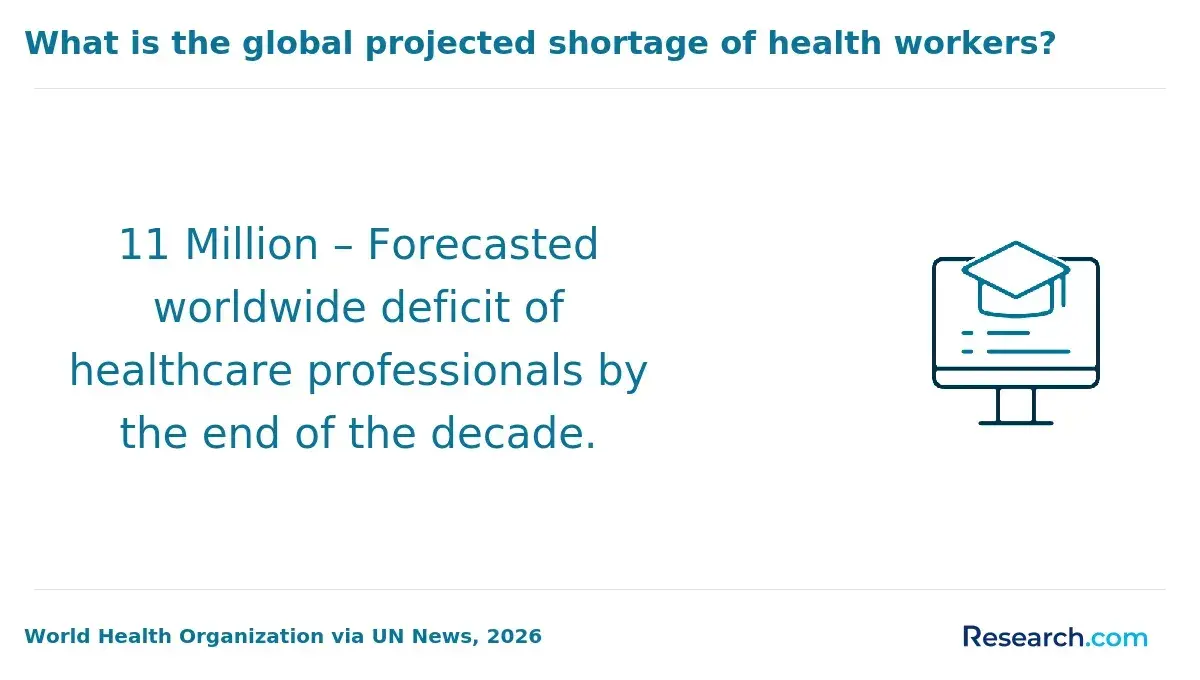
The broader healthcare workforce context also matters. The original article notes a projected U.S. healthcare shortage through 2030 of 337,970 registered nurses and 99,070 licensed practical nurses. Physician gaps are also projected in primary care with 68,020, cardiology with 7,880, OB-GYN with 6,610, anesthesiology with 6,300, and nephrology with 4,360. While child life specialists are not substitutes for nurses or physicians, staffing pressure across healthcare can increase attention on interdisciplinary support roles that improve patient and family experiences.
What careers can child life specialist degree holders pursue?
A child life background can lead to direct pediatric healthcare work as well as related roles in education, child development, advocacy, public health, research, counseling-adjacent settings, and program development. The best path depends on certification status, clinical experience, graduate education, licensure requirements, and the type of population you want to serve.
| Career option | Best fit for | Important note |
| Hospital child life specialist | Professionals who want direct pediatric patient and family support in medical settings. | CCLS certification is commonly required or strongly preferred. |
| Child life assistant or child activity coordinator | Entry-level candidates building experience before certification or graduate study. | May involve playroom activities, patient engagement, and support under supervision. |
| Child development specialist | People interested in early intervention, childcare, developmental support, or education settings. | Graduate study, such as affordable online master’s programs in special education, may support certain education-focused roles. |
| Non-hospital child life roles | Professionals interested in hospice, camps for children with chronic illnesses, Ronald McDonald Houses, or community organizations. | Clinical expectations may differ from hospital-based jobs. |
| Therapeutic play specialist | Professionals who want to use play-based methods to support emotional coping. | Scope of practice depends on employer, training, and state rules. |
| Public health educator | People who want to develop and deliver health education for children and families. | May require public health, education, or community program experience. |
| Educational consultant | Professionals who want to design child-centered health education resources or training materials. | Strong writing, curriculum, and communication skills are useful. |
| Research assistant | Graduates interested in pediatric care, child development, healthcare interventions, or child life outcomes. | Research methods and data skills can help. |
| Clinical or therapeutic counseling roles | People interested in mental health or school-based support. | These paths generally require additional education and licensure; options may include affordable online school counseling programs. |
| Social work-related paths | Professionals who want to combine healthcare family support with social services. | Social work roles usually have separate degree and licensure requirements. Related trauma-focused study may include affordable online master’s programs in forensic psychology, especially for those interested in trauma and abuse-related contexts. |
This list is not exhaustive. Job titles, responsibilities, and requirements vary widely across healthcare systems, nonprofits, schools, research centers, and private organizations.
How do you become a Certified Child Life Specialist?
The CCLS pathway is the main professional route for people who want hospital-based or formal child life specialist roles. Requirements may vary slightly by program or institution, but the basic sequence generally includes education, approved coursework, internship experience, certification eligibility review, examination, and ongoing credential maintenance.
- Earn a bachelor’s degree: A bachelor’s degree plus approved child life coursework is the foundation for eligibility.
- Complete required child life coursework: Confirm that coursework aligns with ACLP expectations before enrolling.
- Prepare for clinical experience: Build experience with children and families through volunteering, practicum work, healthcare exposure, camps, education settings, or similar experiences.
- Complete a supervised clinical internship: Internship experience under a certified CCLS is a major step toward certification.
- Apply for eligibility assessment: ACLP reviews academic and clinical qualifications for exam eligibility.
- Pass the certification exam: Candidates become certified after passing the Child Life Certification Exam.
- Maintain certification: Certification maintenance includes annual fees and professional development during the first four years.
- Recertify in year five: Professionals recertify by earning points or retaking the exam.
Some child life professionals later pursue advanced healthcare or leadership education. For example, professionals comparing clinical advancement options may review affordable online MSN programs, although nursing education leads to a different licensed clinical pathway and should not be confused with child life certification.
How is technology changing child life specialist careers?
Technology is not replacing the relational, hands-on, child-centered nature of child life work. However, it is changing how specialists prepare children, provide remote support, personalize interventions, and collaborate across care teams.
- Artificial intelligence: AI may support basic information delivery, resource organization, or chatbot-style guidance, but complex emotional support still requires trained human judgment.
- Virtual reality and augmented reality: Immersive tools can help children rehearse procedures, practice coping strategies, or better understand medical experiences.
- Telehealth and video conferencing: Remote support can help families in rural areas, outpatient settings, or situations where in-person contact is limited.
- Wearable technology: Biofeedback and other devices may help teams observe stress or pain indicators and adjust coping support.
- User-friendly platforms: Easier digital tools can help specialists integrate videos, preparation materials, games, distraction activities, and family education resources.
- Technology collaboration: Child life teams may increasingly work with informatics, psychology, education, and clinical teams to choose tools responsibly.
Because technology affects behavior, coping, attention, and family communication, professionals may also benefit from psychology coursework. Students exploring that direction can compare affordable online psychology degree programs.
How much do child life specialists earn?
Child life specialist salaries vary by region, certification, employer type, department, experience level, shift requirements, and leadership responsibilities. Salary figures should be treated as estimates rather than guarantees.
| Role or category | Reported annual salary information | Notes |
| Certified Child Life Specialist | $49,000 - $68,736 annually; $21.81 - $23.67 hourly | Certification may improve competitiveness for many roles. |
| General Child Life Specialist | $59,768 annually | Average figure from the original article. |
| Child Life Specialist at specific organizations, such as CHILDREN'S HEALTH | $60,309 annually | Employer-specific pay can differ from national averages. |
| Clinical Child Life Specialist | $53,433 - $67,000 annually; average: $59,768 | Clinical department and acuity level may affect compensation. |
| Child and Youth Therapists/Counselors | $61,034 - $76,532 annually; average: $68,271 | Counseling or therapy roles may require separate graduate education and licensure. |
| Healthcare Social Workers | $64,190 - $77,684 annually; average: $71,275 | Social work careers require different credentials and often licensure. |
| Educators or consultants | Salary varies by role and responsibilities. | Pay depends on institution, contract type, experience, and scope of work. |
| Private practice | Salary varies by location, experience, and services provided. | Income may depend on referrals, service model, payer mix, and business structure. |
According to the BLS information cited in the original article, job growth for the community and social service occupational group is expected at 10% for 2024-2034. Child life specialists are a distinct profession, so students should not assume that broad occupational group projections apply equally to every child life job market.
What are the legal and ethical issues in child life practice?
Child life specialists work with vulnerable children and families, so ethical practice is not optional. Professionals must protect privacy, respect family values, maintain appropriate boundaries, communicate honestly, and stay within their scope of practice. They also need to follow employer policies, state and federal requirements, documentation rules, and interdisciplinary care standards.
- Confidentiality: Patient and family information must be handled according to healthcare privacy rules and organizational policy.
- Informed participation: Children should receive truthful, developmentally appropriate explanations whenever possible, while parents and guardians remain central to consent processes.
- Professional boundaries: Specialists must build trust without becoming personally or emotionally overinvolved in ways that harm care.
- Scope of practice: Child life specialists provide psychosocial and developmental support, not medical diagnosis, nursing care, psychotherapy, or legal advice unless separately trained and credentialed.
- Equity and cultural respect: Support should be adapted to language, culture, family structure, disability, religion, and individual preferences.
- Interdisciplinary accountability: Ethical concerns should be communicated through appropriate care team channels.
Students who want a broader understanding of mental health and developmental careers may also review related information on child psychology careers.
How do child life specialists support children with chronic illnesses?
Children with chronic illnesses often face repeated appointments, recurring procedures, medication routines, hospital admissions, school disruption, social isolation, pain, uncertainty, and family stress. Child life specialists help children regain a sense of control, understand what is happening, and develop coping strategies that can be used across many stages of care.
1. Ongoing emotional support
Common challenge: Children may feel anxious, angry, discouraged, frightened, or isolated when treatment continues over months or years.
How child life specialists respond:
- Use play, art, conversation, or journaling to help children express emotions safely.
- Encourage communication among the child, family, and medical team so concerns do not remain hidden.
- Provide developmentally appropriate explanations of diagnoses, procedures, and treatment routines.
2. Practical coping strategies
Common challenge: Chronic illness can make children feel that their body, routine, and choices are controlled by medical demands.
How child life specialists respond:
- Teach breathing, guided imagery, comfort positioning, distraction, and relaxation strategies.
- Use medical play so children can handle equipment, ask questions, and rehearse procedures in a non-threatening way.
- Recognize treatment milestones to build confidence and resilience.
3. Normalcy through play and routine
Common challenge: Frequent treatment can interrupt school, friendships, hobbies, family routines, and ordinary childhood experiences.
How child life specialists respond:
- Create opportunities for age-appropriate play and social interaction in healthcare settings.
- Build therapeutic play into daily routines so children can process experiences while still being children.
- Support group activities, virtual playrooms, hospital school services, and cognitive or social engagement when appropriate.
4. Family and sibling support
Common challenge: Parents, caregivers, and siblings may experience fear, guilt, confusion, logistical stress, or emotional fatigue.
How child life specialists respond:
- Offer parents guidance on how to talk with children about illness and treatment.
- Help siblings understand what is happening and express their own emotions.
- Support family-centered care by helping caregivers participate in routines and decision discussions when appropriate.
How can leadership training help child life specialists?
Leadership training can help experienced child life specialists move beyond direct service into program coordination, staff development, budgeting, quality improvement, policy work, and department management. Useful leadership skills include strategic planning, conflict resolution, staff supervision, interdisciplinary communication, grant or program proposal writing, and data-informed decision-making.
For professionals considering senior administrative or academic leadership, advanced study such as online PhD programs in organizational leadership may provide a broader foundation in systems change, organizational behavior, and evidence-based leadership.
How can interdisciplinary education improve child life work?
Child life practice benefits from knowledge outside the core field. Courses in research methods, data analysis, health communication, special education, psychology, information management, public health, and family studies can help specialists design better programs and measure whether interventions are working.
For example, professionals interested in resource development, evidence retrieval, patient education materials, and research support may consider affordable online MLIS programs. This type of education does not replace clinical child life preparation, but it may complement roles focused on evidence-based practice, training, and information access.
How can research improve child life interventions?
Research helps child life specialists move from “this seems helpful” to “this approach has evidence behind it.” Stronger research can clarify which interventions reduce distress, improve cooperation, support families, lower avoidable sedation needs, increase satisfaction, or improve care efficiency. Specialists can contribute by collecting outcome data, participating in quality improvement projects, collaborating with universities, and applying findings to daily practice.
Professionals who want to combine healthcare practice with scholarship, teaching, or program evaluation may explore doctoral study options such as online PhD programs in higher education, especially if they plan to work in academic preparation, research leadership, or professional training.
Why do mentorship and networking matter in child life careers?
Mentorship is especially important because child life internship placement, certification preparation, department specialization, and advancement can be competitive. A mentor can help students choose appropriate experiences, review application materials, prepare for interviews, interpret ethical dilemmas, and understand workplace expectations.
Networking also keeps professionals connected to emerging practices, open positions, continuing education, conference opportunities, research collaborations, and leadership pathways. Child life specialists seeking to combine clinical expertise with educational or organizational leadership may also review affordable online doctoral programs in educational leadership.
Can educational roles expand a child life specialist career?
Yes. Experienced child life specialists may move into teaching, training, curriculum design, clinical education, staff development, family education, university instruction, or internship supervision. These roles can be a good fit for professionals who enjoy mentoring future specialists, translating clinical knowledge into learning materials, and improving how healthcare teams understand children’s developmental needs.
Professionals who want formal preparation for classroom or instructional roles may compare options such as an accelerated online alternative teaching certification. Teaching credentials are not usually required for child life clinical practice, but they may support transitions into education-focused positions.
What advancement paths are available for child life specialists?
Career growth in child life may involve deeper specialization, leadership, education, research, consulting, or movement into related helping professions. Advancement is usually strongest when professionals combine certification, documented clinical experience, continuing education, mentorship, and a clear area of expertise.
| Advancement path | Possible roles | Who it may fit |
| Department leadership | Child Life Program Coordinator; Director of Child Life Services | Specialists interested in supervision, budgeting, strategic planning, staffing, and program design. |
| Therapeutic specialization | Expressive Therapist; Trauma-Informed Care Specialist | Professionals who want advanced intervention skills in art, music, drama, trauma support, or resilience-building. |
| Academic and research work | University Educator; Research Specialist | Professionals who enjoy teaching, mentoring, publishing, evaluating interventions, and shaping future practice. |
| Community and consulting roles | Community Outreach Specialist; Child Life Consultant | Specialists who want to build programs in schools, nonprofits, camps, hospice, or healthcare systems. |
How does graduate education affect career growth?
A bachelor’s degree is the minimum academic foundation for the field, but graduate education can support specialization, leadership, teaching, research, and competitiveness for advanced roles. A master’s degree may be especially useful for professionals who want to work with complex developmental needs, train future child life specialists, lead departments, or develop evidence-based programs.
For example, an online master’s in early childhood education may help child life professionals deepen their expertise in child development, learning, family engagement, advocacy, and developmental support. Graduate study can also expand professional networks through faculty, peers, internships, research projects, and healthcare or education partnerships.
Higher education should be chosen strategically. A graduate degree can be valuable, but it should align with your intended role, fit your budget, and complement CCLS requirements rather than distract from them.
What education options can support advancement?
Advanced education can help child life specialists pursue leadership, program design, teaching, research, early childhood development, special education, or family support roles. For professionals focused on child development and education, options such as a low-cost online master’s degree in early childhood education may be worth comparing.
Questions to ask before choosing a degree program
- Does the program help meet ACLP-related coursework expectations, or is it designed for a different career path?
- Will the degree support CCLS eligibility, leadership advancement, teaching, research, or a related licensed profession?
- Are internship, practicum, or field placement opportunities available in pediatric or child development settings?
- How much will the program cost after scholarships, employer tuition assistance, and transfer credits?
- Can working professionals complete the program part time or online without sacrificing required clinical preparation?
- Do graduates move into roles similar to the one you want?
Online vs. campus programs: Which makes sense?
| Program format | Best for | Trade-offs to consider |
| Online program | Working adults, students far from campus, and learners seeking flexibility. | Students must confirm clinical experience, internship preparation, and coursework alignment with certification expectations. |
| Campus program | Students who want in-person faculty access, local hospital connections, and structured peer interaction. | May require relocation, commuting, higher living costs, or less schedule flexibility. |
| Hybrid program | Students who want online coursework with some in-person learning or field-based requirements. | Travel requirements, campus intensives, and placement logistics should be reviewed carefully. |
Common mistakes to avoid when preparing for a child life career
- Choosing a degree without checking certification alignment: A child development, psychology, education, or healthcare degree may be useful, but students still need to verify CCLS-related coursework requirements.
- Assuming any experience with children is enough: Competitive applicants often need relevant healthcare, hospital, therapeutic play, camp, volunteer, or family support experience.
- Waiting too long to learn about internships: Clinical internships can be competitive and may require preparation well before graduation.
- Focusing only on tuition: Students should also compare fees, travel, unpaid internship costs, textbooks, technology, housing, lost work time, and certification costs.
- Confusing child life with counseling or nursing: These fields overlap in setting or population, but they have different scopes, training requirements, and licenses.
- Assuming salary outcomes are guaranteed: Pay depends on region, employer, department, experience, certification, and role level.
- Ignoring emotional sustainability: Students should think honestly about grief exposure, trauma, family distress, and burnout prevention before entering the field.
How can child life specialists reduce burnout risk?
Child life specialists often support children and families during fear, pain, loss, trauma, uncertainty, and grief. The emotional weight of the work can be significant, especially in high-acuity departments. Burnout prevention should be treated as a professional responsibility, not a personal weakness.
- Set clear boundaries: Maintain compassion while protecting personal time, emotional energy, and role limits.
- Use reflective practice: Journaling, supervision, or structured reflection can help professionals process difficult cases.
- Participate in debriefing: Peer and team debriefs after traumatic events can reduce isolation and support learning.
- Build a support network: Mentors, colleagues, supervisors, and professional associations can provide perspective and practical advice.
- Use evidence-based stress strategies: Mindfulness, breathing exercises, physical activity, adequate sleep, and balanced nutrition can support resilience.
- Keep learning: Continuing education can renew professional purpose and open new roles. Some professionals considering education leadership may review online EdD programs that accept transfer credits.
What are the challenges and rewards of being a child life specialist?
Child life work can be deeply meaningful, but it is not easy. The career requires emotional strength, flexibility, teamwork, and a realistic understanding of pediatric healthcare.
| Challenges | Rewards |
| Frequent exposure to serious illness, pain, trauma, grief, and family distress. | Helping children feel safer, more prepared, and more in control during medical care. |
| High-pressure settings where plans change quickly and emotional needs are urgent. | Using creativity, play, education, and advocacy in a healthcare role. |
| Managing the needs of children, parents, siblings, and medical teams at the same time. | Collaborating with interdisciplinary teams that value whole-child and family-centered care. |
| Competitive internship and certification pathways. | Building a specialized career that combines child development, healthcare, psychology, and education. |
| Risk of compassion fatigue or burnout without strong boundaries and support. | Seeing children gain confidence, cooperate with care, express emotions, and build coping skills. |
Child life specialists interested in education may later pursue teaching, training, or academic roles. For those comparing possible instructional pathways, resources on the easiest teaching degree programs may provide additional context, although teaching credentials serve a different professional purpose than CCLS certification.
Key Insights
- Child life specialists help children and families cope with medical experiences through preparation, therapeutic play, emotional support, education, and advocacy.
- The CCLS credential is central to the profession and is commonly required or preferred for hospital-based child life roles.
- A bachelor’s degree, approved child life coursework, supervised internship experience, exam eligibility, and certification maintenance are key steps in the pathway.
- Salary estimates in the original article place child life specialist earnings around the $59,768 average range, with CCLS figures listed at $49,000 - $68,736 annually.
- Specialization in areas such as oncology, NICU, emergency care, surgery, cardiology, or adolescent support can strengthen expertise and advancement potential.
- Technology, including telehealth, VR, AR, AI-supported tools, and wearables, may expand how specialists prepare and support children, but it does not replace human-centered care.
- Graduate education can support leadership, teaching, research, and program development, but students should choose degrees based on certification alignment, career goals, cost, and clinical requirements.
- The career is highly rewarding for people who want meaningful pediatric healthcare work, but it also requires emotional resilience, strong boundaries, and intentional burnout prevention.
References:
- UN News. (2026). Global health systems 'at risk' as funding cuts bite, warns WHO. https://news.un.org/en/story/2026/02/1166869
- U.S. Bureau of Labor Statistics. (2025). Employment Projections 2024-2034. https://www.bls.gov/emp/
- U.S. Bureau of Labor Statistics. (2025). *Community and Social Service Occupations*. Occupational Outlook Handbook. https://www.bls.gov/ooh/community-and-social-service/home.htm
- U.S. Bureau of Labor Statistics. (2025). Occupational Outlook Handbook: Healthcare. https://www.bls.gov/ooh/healthcare/
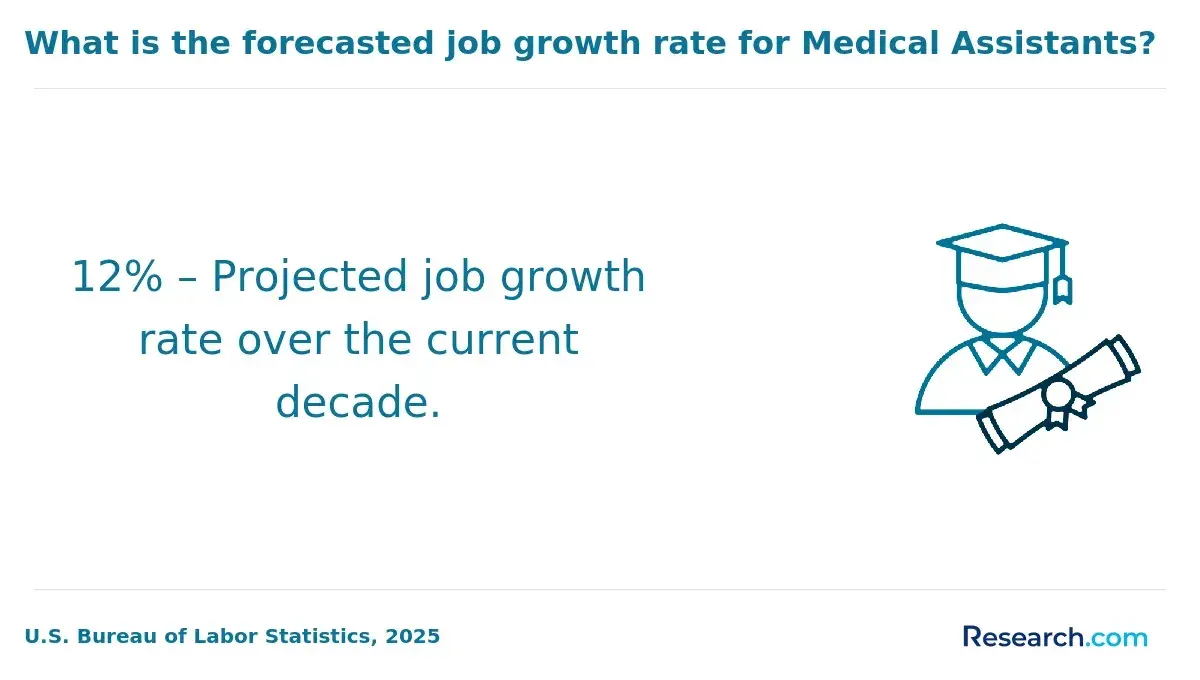
- U.S. Bureau of Labor Statistics. (2025). Medical Assistants. https://www.bls.gov/ooh/healthcare/medical-assistants.htm
Other Things You Should Know About Child Life Specialist Careers
Candidates must complete a 600-hour child life internship or practicum before taking the Child Life Professional Certification Exam. The internship must be supervised and meet Association of Child Life Professionals standards. Without this clinical experience, applicants are not eligible for certification.
To become a child life specialist in 2027, you typically need a bachelor's degree in child life, child development, or a related field. Certification through the Association of Child Life Professionals (ACLP) is also required, which involves completing a clinical internship and passing the Child Life Professional Certification Examination.
The Association of Child Life Professionals (ACLP) certifies child life specialists in 2027. To obtain certification, candidates must meet educational and clinical experience criteria and pass the Child Life Professional Certification Exam administered by the ACLP.