2027 Medical Billing & Coding Job Market Report: Open Roles, Salary Bands, and Hiring Momentum

Co-Founder and Chief Data Scientist
The medical billing & coding job market reflects more than just open roles or salary figures; it reveals ongoing shifts driven by regulatory updates and technological integration within healthcare systems. Increasing adoption of automated coding software and changes in reimbursement policies shape employer demands and required competencies. Salary bands and hiring momentum function as signals of how organizations prioritize investment in specialized skills versus automation. Geographic clustering of opportunities further points to uneven workforce distribution, complicating recruitment strategies.
Notably, the average age of entrants into the field suggests evolving educational accessibility and a gradual professional renewal, highlighting nuanced workforce replenishment dynamics. This report examines these factors to contextualize hiring patterns and compensation trends across medical billing & coding disciplines.
Key Things to Know About Medical Billing & Coding Job Market
- Despite steady open roles driven by healthcare digitization, many positions favor candidates with coding certifications and practical experience, meaning entry-level applicants face a tradeoff between faster job entry and competitive credentialing.
- Salary bands in medical billing & coding show modest growth, signaling employers' preference for cost-effective hires while emphasizing efficiency, which pressures workers toward continuous upskilling to maintain value.
- Hiring momentum in 2024 slows in certain regions due to automation integration, increasing the importance of timing and geographic flexibility for job seekers navigating limited local opportunities and related training investment decisions.
- Key Things to Know About Medical Billing & Coding Job Market Key Things to Know About Medical Billing & Coding Job Market
- How Strong Is Demand for Medical Billing & Coding Graduates in Today's Job Market? Demand for Graduates
- Which Medical Billing & Coding Careers Have the Most Open Job Opportunities? In-Demand Careers
- What Salary Bands Are Employers Offering Across Medical Billing & Coding Careers? Offered Salary Bands
- Which Industries Are Hiring the Most Medical Billing & Coding Graduates? Top-Hiring Industries
- How Does Hiring Demand Vary by State, Region, and City? Hiring Demand by Location
- What Skills Are Employers Prioritizing in Medical Billing & Coding Job Postings? In-Demand Skills
- Which Certifications Increase Employability and Salary Potential? High-Value Certifications
- How Do Remote and Hybrid Opportunities Affect the Medical Billing & Coding Job Market? How Do Remote and Hybrid Opportunities Affect the Medical Billing & Coding Job Market?
- Which Medical Billing & Coding Careers Show the Strongest Long-Term Hiring Momentum? Strongest Careers
- How Can Students Use Job Market Data to Make Better Career Decisions? How Can Students Use Job Market Data to Make Better Career Decisions?
How Strong Is Demand for Medical Billing & Coding Graduates in Today's Job Market?
The demand for medical billing & coding graduates in the US job market shows steady but selective growth according to recent labor statistics. The U.S. Bureau of Labor Statistics (2024) projects employment for medical records and health information technicians to increase modestly above average, driven largely by healthcare's shift toward comprehensive digital record-keeping. However, competition remains a factor, as highlighted by the early 2024 LinkedIn Workforce Report, which underscores employer preferences for candidates with validated certifications and practical experience, including internships or onsite training. While openings exist consistently, new graduates often encounter a probationary phase requiring adaptation to evolving compliance requirements and EHR systems.
Several key factors are shaping demand beyond simple job vacancy counts. Technological advancement in electronic health records and the growing complexity of reimbursement processes necessitate proficiency in both coding and data management skills, narrowing the candidate pool. Yet, regional dynamics impact hiring markedly; urban centers with expansive hospital networks see stronger recruitment drives, whereas rural areas often offer fewer roles but cleaner competition. Automation and regulatory adjustments also influence employer staffing strategies, with a rising emphasis on technical versatility alongside foundational medical billing & coding expertise.
Long-term employment prospects hinge on aligning educational pathways with these evolving industry demands. While entry-level salaries start modestly, skill consolidation-especially in analytics and compliance-can expand opportunities over time. Prospective students should approach medical billing & coding programs understanding that sustainable employability requires not only credential acquisition but also continual upskilling adapted to shifting economic and technological trends. Evaluating options critically ensures more informed decisions, whether considering supplementary certifications or exploring a range of healthcare-related training, such as online nursing programs that offer complementary career flexibility.
Which Medical Billing & Coding Careers Have the Most Open Job Opportunities?
Job opportunities within the medical billing and coding field are shaped by a confluence of healthcare industry expansion, ongoing skills shortages, and shifting employer requirements driven by technological integration and regulatory complexity. Open roles tend to cluster around positions that blend coding accuracy with familiarity in electronic health records (EHR) and insurance claim processing, reflecting how employers prioritize both technical and administrative competencies. The distribution of these opportunities also mirrors growth patterns in outpatient services, inpatient hospital care, and specialty medical practices where accurate billing is essential for revenue cycle management. This environment is creating robust demand across various tiers of the workforce, from entry-level clerks to advanced certified coders who manage complex claims adjudication.
- Certified Professional Coders (CPC): CPCs remain in high demand due to their recognized expertise in outpatient coding standards, which are crucial for physician practices and ambulatory surgery centers that dominate today's healthcare delivery landscape. Employers prize CPC certification as it signals a deep understanding of CPT, ICD-10, and HCPCS coding necessary for precise documentation and reimbursement, which is increasingly scrutinized under evolving payer policies.
- Certified Coding Specialists (CCS): The CCS credential targets inpatient hospital coding specialists who navigate intricate clinical documentation and diagnosis-related group (DRG) systems. Rising admissions and the complexity of inpatient care, especially in specialty fields like cardiology and orthopedics, drive demand for CCS professionals with advanced coding proficiency to ensure compliance and optimize reimbursement.
- Billing Coordinators with EHR Expertise: Hybrid roles combining billing coordination and EHR system navigation command attention from healthcare employers seeking to reduce claim denials and streamline revenue cycles. Mastery of multiple EHR platforms alongside knowledge of billing workflows represents a practical skill set that aligns with reported labor market needs for efficiency and accuracy in claims adjudication.
- Medical Billing Assistants and Coding Clerks: These entry-level roles sustain hiring growth in small to medium-sized practices facing routine staff turnover and increased administrative volume. While these positions emphasize foundational coding and billing tasks, employers frequently look for quick learners who can support evolving software tools and vendor systems.
- Outpatient Coding Specialists: The expansion of outpatient care centers, urgent care clinics, and ambulatory surgical facilities correlates with a surge in demand for coders specializing in outpatient procedures. This sector's rapid growth reflects shifting care delivery models that emphasize cost-effective and accessible treatment settings, heightening the need for accurate coding aligned with payer rules.
- Revenue Cycle Analysts: Beyond traditional coding roles, positions that analyze billing patterns, compliance risks, and reimbursement metrics have grown as healthcare organizations focus on financial optimization. Professionals combining analytical capabilities with medical coding knowledge help organizations identify inefficiencies and adapt to regulatory changes impacting collections.
Data from the U.S. Bureau of Labor Statistics indicates an 8% growth projection for medical records and health information technicians over the coming decade, underscoring expanding healthcare service demands tied directly to the roles discussed. Understanding these labor market dynamics can guide prospective students and job seekers in aligning their skill development with employer expectations that reflect both current high-growth areas and future opportunities.
For those considering education pathways, exploring 1 year degree programs can offer accelerated entry into the workforce, especially for foundational roles where turnover sustains continuous demand.
What Salary Bands Are Employers Offering Across Medical Billing & Coding Careers?
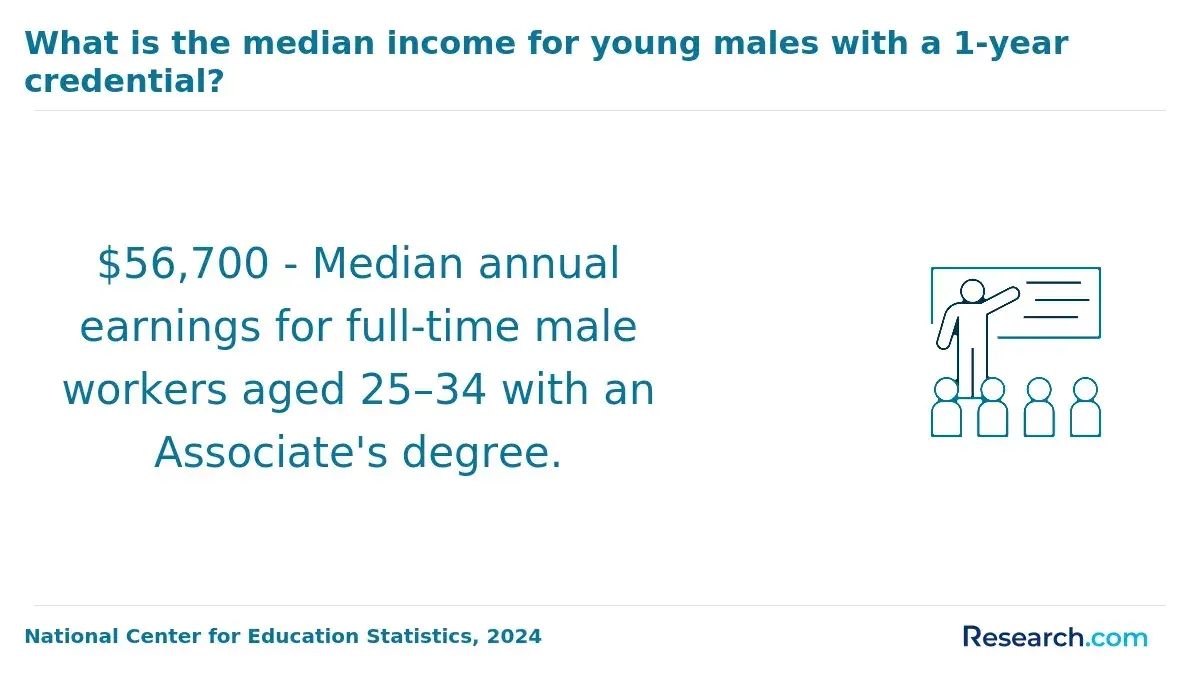
Compensation in medical billing & coding careers notably aligns with experience levels, reflecting the evolving demands and skill expectations within the field. Entry-level roles typically offer salaries ranging from $35,000 to $45,000 annually, as reported by 2024 labor market data including the U.S. Bureau of Labor Statistics and LinkedIn Salary Insights. Professionals with two to five years of experience who hold certifications such as Certified Professional Coder or Certified Coding Specialist tend to earn between $45,000 and $60,000, with employers valuing both accuracy and independent case management. Senior roles, encompassing responsibilities like auditing and supervisory oversight, can command salaries from $60,000 to $75,000 or higher, especially in larger or specialized healthcare organizations, reflecting not only advanced regulatory knowledge but also leadership and dispute-resolution expertise.
These salary bands are shaped by several core factors: the increasing complexity and specialization required at higher levels, persistent demand for coders who demonstrate compliance rigor, and the geographic disparities that favor metropolitan areas with more extensive healthcare infrastructure. Additionally, facility size and the nature of payer systems influence pay scales, with larger institutions often providing premium compensation to attract candidates capable of handling volume and specialized audits. Scarcity of professionals who combine certification with real-world experience further elevates wages in mid to senior tiers, while regional cost-of-living differences compel candidates to weigh compensation against local economic conditions and career sustainability.
Reflecting on the admissions process, a recent graduate recalls navigating rolling enrollment periods with uncertainty, feeling hesitant about committing before fully understanding how quickly spots could fill. Though initially delaying application to compare program features, this individual experienced last-minute urgency as deadlines neared, prompting a swift decision to secure placement. This strategic timing, combined with balancing immediate affordability concerns and the desire to enter the workforce promptly, underscored how admissions timing can impact both educational access and eventual job market positioning within the medical billing & coding field.
Which Industries Are Hiring the Most Medical Billing & Coding Graduates?
Demand for medical billing & coding graduates remains concentrated in sectors experiencing significant digital integration, workforce growth, or persistent skill shortages. This pattern reflects broader shifts in healthcare delivery, administrative complexity, and compliance requirements, rather than isolated hiring spikes. Industries expanding telehealth, managing high patient volumes, or adapting to evolving reimbursement models heavily rely on coding accuracy and billing proficiency, driving their recruitment of trained specialists. Understanding these dynamics helps explain where graduates encounter the most substantial opportunities and the competencies employers prioritize within each context.
- Hospitals and Health Systems: These organizations lead in hiring due to their vast, multifaceted patient services and complex billing processes. Accurate coding here is crucial for managing diverse insurance claims and optimizing revenue cycles amid regulatory scrutiny and volume pressures. Employers seek graduates proficient in handling high coding complexity, compliance standards, and electronic health record (EHR) systems integration.
- Outpatient Care Centers: Facilities like diagnostic labs and ambulatory surgery centers demand precision from billing & coding specialists because of intricate procedures and rapid patient turnover. The shift towards outpatient treatment amplifies the need for coders skilled in procedure-specific coding, timely claim submission, and adaptation to changing outpatient reimbursement protocols.
- Physician Offices: Large group practices rely on billing and coding accuracy to maximize reimbursements in a competitive landscape shaped by payer negotiations and value-based care models. These settings emphasize coder familiarity with specialty-specific coding nuances and the ability to reconcile documentation discrepancies efficiently.
- Home Healthcare Services: Growth in home-based care and remote patient management drives demand for coding professionals adept at interpreting evolving telehealth regulations and documenting non-traditional service settings. The industry values flexibility in coding virtual visits and managing patchwork insurance policies oriented towards in-home care.
- Insurance Companies: Payers increasingly employ medical billing & coding graduates to audit claims, ensure coding compliance, and detect fraud or errors. This demands coders with deep knowledge of coding guidelines and sharp analytical skills to evaluate billing integrity and control costs effectively.
According to the U.S. Bureau of Labor Statistics in 2024, hospitals and outpatient care centers account for over 60% of medical billing & coding job openings, underscoring where market demand concentrates. Graduates entering these fields should develop expertise in healthcare technology platforms, regulatory knowledge, and adaptability to diverse care environments to meet employer expectations and sustain employability amid ongoing industry change.
How Does Hiring Demand Vary by State, Region, and City?
Hiring demand for medical billing & coding graduates is markedly uneven across states and larger regions, heavily influenced by the concentration of healthcare infrastructure and local economic conditions. States like California, Texas, and Florida show stronger demand driven by dense hospital networks, outpatient facilities, and specialist centers requiring advanced reimbursement expertise. According to recent data from sources such as the U.S. Bureau of Labor Statistics and regional workforce analytics, regions like the Northeast and Pacific West stand out for their robust employment ecosystems, often bolstered by integrated healthcare systems and academic medical institutions. These areas typically sustain higher volumes of job openings, reflecting a diverse and mature healthcare economy. By contrast, rural or economically constrained regions present lower demand, challenging new graduates unless they consider remote roles or relocation to capitalize on more vibrant markets. Such geographic disparities underscore that local employer density and economic vitality fundamentally influence hiring dynamics for medical billing & coding professionals.
At the city level, metropolitan areas including New York City, Los Angeles, and Chicago not only offer more job openings but tend to pay higher salaries, shaped by their roles as healthcare and administrative hubs with extensive talent pipelines. These urban centers benefit from concentrated healthcare clusters, technology adoption, and competitive employer landscapes, though elevated living costs often temper net income advantages. Mid-sized cities such as Raleigh-Durham or Denver frequently balance reasonable cost of living with growing healthcare sectors, emerging as attractive alternatives for early-career professionals. Infrastructure and regional workforce development programs also affect localized demand by enabling more seamless onboarding and credentialing compliance.
For job seekers navigating this terrain, understanding how these metropolitan labor market characteristics create localized demand patterns is key to aligning career goals with practical employment opportunities. Prospective students or professionals evaluating education options may find it relevant to consider how pathways like the shortest online PMHNP certificate programs reflect evolving employer expectations in credentialing and skill versatility.
What Skills Are Employers Prioritizing in Medical Billing & Coding Job Postings?
Employer demand for skills in medical billing & coding has shifted significantly due to advances in healthcare technology, automation, and the increasing complexity of reimbursement systems. The roles now require more than just coding accuracy; there is a clear emphasis on integrated expertise that supports claims processing, compliance, and communication within a rapidly evolving regulatory environment. This dynamic landscape encourages a hybrid skill set emphasizing both technical proficiency and adaptive problem-solving.
- Mastery of Coding Standards: Proficiency in ICD-10-CM, CPT, and HCPCS codes remains fundamental, as precise coding is directly linked to claim approval rates and organizational revenue cycles. Employers prioritize this skill because evolving coding guidelines affect reimbursement accuracy and audit readiness, making it non-negotiable for reducing costly errors.
- Experience with Billing Software and EHR Systems: Familiarity with platforms like Epic, Cerner, or Medisoft is increasingly vital as healthcare providers digitize records and automate claims workflows. This skill reflects the industry's shift toward interoperability and data integration, improving operational efficiency and employability by demonstrating readiness for modern administrative environments.
- Insurance Policy and Payer Knowledge: Understanding Medicare, Medicaid, and private payer requirements has grown essential to minimize denials and expedite reimbursement. Proficiency here signals that a candidate can navigate complex, often changing payer rules, aligning with broader payer-driven healthcare reforms and reducing administrative bottlenecks.
- Communication and Coordination Abilities: Strong written and verbal communication skills are sought after to facilitate effective interactions with healthcare providers, insurance entities, and patients. This emphasis shows that medical billing & coding roles now extend into collaborative problem-solving and patient-centered service, adding value beyond routine data entry.
- Attention to Detail and Organizational Skills: Given the volume and sensitivity of medical records, precise documentation and the ability to manage multiple workflows reduce compliance risks and claim rejections. Employers see these skills as integral to maintaining data integrity and ensuring smooth audit processes in a heavily regulated field.
- Knowledge of Healthcare Privacy Laws: Understanding of HIPAA and related data protection requirements has climbed in importance due to rising regulatory scrutiny and cybersecurity threats. Candidates adept in compliance contribute to safeguarding patient information and mitigating institutional liability.
- Basic Analytical Capabilities: Some employers now expect familiarity with billing trend analysis to support internal audits and efficiency improvements. This reflects a growing intersection between coding roles and business intelligence functions, enhancing strategic decision-making potential within billing departments.
Which Certifications Increase Employability and Salary Potential?
Certifications in the medical billing & coding field function as vital indicators of specialized competencies, technical skill, and a candidate's readiness to navigate complex healthcare documentation systems. These credentials often complement formal education by validating practical knowledge employers prioritize, thereby enhancing competitiveness in a crowded job market. Beyond mere credentials, certifications communicate an alignment with evolving coding standards, regulatory compliance, and accuracy demands faced by healthcare providers.
- Certified Professional Coder (CPC): This credential is widely recognized for affirming proficiency in outpatient coding and billing practices, signaling to employers a high level of accuracy and familiarity with CPT coding standards. The CPC typically translates into higher salary brackets, with labor data showing a 10-15% wage premium over uncertified peers, reflecting industry demand for coders who minimize claim denials and accelerate reimbursement cycles.
- Certified Coding Specialist (CCS): Focused on hospital-based inpatient and outpatient coding, the CCS certification demonstrates mastery of complex medical records and ICD-10-CM coding intricacies. Hospitals and larger health systems value this credential for supporting quality reporting and compliance, often linking CCS holders to advanced roles and salaries about 12% above the median for non-certified coders.
- Certified Professional Biller (CPB): Emphasizing the billing side of revenue cycle management, CPB credentials address a critical skills gap in smaller practices and billing agencies where dual coding and billing knowledge drives operational efficiency. Dual certification in coding and billing correlates with an average 8% salary uplift, reflecting employers' preference for multi-skilled professionals who reduce errors and shorten accounts receivable cycles.
- Specialized Compliance and Technology Certifications: As healthcare billing systems incorporate more advanced software and regulatory scrutiny, certifications that validate expertise with HIPAA compliance, ICD-10-CM updates, and HCPCS coding offer added value. These credentials enhance candidates' adaptability in fast-changing environments and can influence hiring decisions in organizations prioritizing regulatory risk mitigation.
One medical billing & coding graduate recalled juggling multiple certification exam schedules amid application deadlines, facing uncertainty about timing and cost. Navigating the rolling admissions process, they hesitated to commit before understanding how each credential impacted their acceptance chances and potential job offers. After strategic planning, prioritizing the CPC due to its market recognition, and then pursuing CPB to broaden opportunities, the graduate later observed this combination facilitated interviews and led to faster job placements than peers who delayed certification decisions. Their experience highlights the practical challenge of balancing credential investment with application timing in a competitive field.
How Do Remote and Hybrid Opportunities Affect the Medical Billing & Coding Job Market?
Remote and hybrid work models have notably altered hiring patterns within medical billing and coding careers, expanding opportunities beyond traditional geographic constraints. According to recent workforce analytics, a growing share of employers now prioritize flexible arrangements to tap into a wider talent pool, which aligns with the expanding remote medical billing and coding job opportunities observed across multiple healthcare systems. This shift is prompting recruiters to value not only certification credentials such as CPC or CCS but also digital proficiency and independent work capabilities. In 2024 labor market studies indicate that more than 40% of medical billing and coding roles incorporate hybrid or fully remote options, reflecting changing employer strategies to balance productivity with workforce accessibility.
These models also reshape labor market dynamics by reducing regional salary disparities and intensifying competition for skilled workers who can manage telehealth billing complexities and electronic health records efficiently. Hybrid roles, which blend onsite collaboration with remote productivity, often command a premium due to their dual demands on communication and compliance expertise. Employers increasingly expect candidates to exhibit strong digital literacy and self-management, underscoring the importance of ongoing upskilling in these areas. Geographic mobility constraints lessen as remote options broaden access for candidates in less urban settings, which in turn affects long-term job market structure. Understanding evolving compensation trends, as detailed in health information management salary reports, helps candidates navigate these shifts with greater insight into the practical tradeoffs within this sector's hiring landscape shaped by hybrid work models impact on medical billing and coding careers.
Which Medical Billing & Coding Careers Show the Strongest Long-Term Hiring Momentum?
Long-term hiring momentum in medical billing and coding careers is shaped by structural shifts within healthcare industries rather than transient labor market changes. This momentum reflects ongoing economic and technological trends, including evolving regulations, rising data complexity, and increased reliance on digital health records. Consequently, only roles that adapt to compliance demands and technological integration demonstrate sustained workforce demand. Understanding these forces is crucial for evaluating which medical billing and coding careers offer real long-term employment stability and growth.
- Certified Professional Coders (CPCs): CPCs maintain strong hiring momentum due to the necessity for accuracy in coding medical procedures for reimbursement, regulatory compliance, and legal audit readiness. As healthcare regulations continuously expand in scope and complexity, CPCs with updated credentials remain indispensable to healthcare providers and third-party payers navigating evolving codes, including ICD-10-CM and CPT.
- Specialized Coders in Oncology and Cardiology: These roles are propelled by the procedural complexity and high financial stakes inherent in specialty care. Increased precision in coding drives revenue integrity and care quality in these fields, which face ongoing clinical and technological advancements that reinforce demand for coders versed in specialty-specific terminologies.
- Compliance and Audit Specialists: Professionals who focus on auditing claim accuracy and payer compliance are in growing demand as healthcare organizations seek to control fraud, minimize denials, and align with payer-specific requirements. The drive for cost containment and regulatory scrutiny ensures enduring opportunities in this niche.
- Data Analysts Integrating Coding and Health Information: These roles combine coding expertise with data analytics to improve revenue cycle management and healthcare quality metrics. Increasing investment in health informatics and value-based care models sustains demand for analytical skills that correlate coded data with operational outcomes.
According to the U.S. Bureau of Labor Statistics (2024), job openings for medical records and health information specialists, including medical coders, are projected to grow 9% from 2022 to 2032-faster than the average for all occupations-reflecting sustained demand across healthcare delivery systems. The long-term hiring outlook for medical billing and coding professionals favors those who combine coding proficiency with deep knowledge of electronic health record (EHR) systems, payer requirements, and multi-domain expertise. Candidates who remain current with certifications and adaptive to technological tools demonstrate the strongest prospects.
While entry-level coding opportunities remain plentiful, salary progression and job security increasingly hinge on mastering complex codes and integrating multi-disciplinary skills. For individuals exploring healthcare fields, balancing specialized coding credentials with adaptable technological competencies aligns workforce preparedness with sector evolution. Prospective students evaluating educational pathways might also consider complementary healthcare training options, such as accelerated nursing programs, to diversify skills and employment avenues within the broader clinical ecosystem.
How Can Students Use Job Market Data to Make Better Career Decisions?
Students aiming for a career in medical billing & coding can leverage up-to-date job market data from labor reports, hiring platforms, and salary databases to evaluate real-world employer demand, compensation levels, and sector growth trajectories. For example, analyzing hiring momentum across healthcare settings reveals that outpatient clinics may currently offer more opportunities than hospital-based roles, guiding students towards relevant specialization paths. Salary bands segmented by experience and certification further clarify the financial value of different credentials, allowing candidates to weigh training investments against probable earnings. These data points illuminate the labor market's complexity beyond headline figures, highlighting geographic variations and niche employer requirements that are critical for targeted job searches and credential alignment.
Interpreting this data requires balancing short-term hiring trends against long-term career stability and flexibility across regions and facility types. Overreliance on transient spikes may lead to credential choices that do not sustain employability, especially in oversaturated or declining subfields. Students need to critically assess how their personal interests and skillsets fit within high-demand specialties, considering labor market signals alongside broader workforce shifts. Combining data-driven insights with individual ambitions helps avoid common pitfalls such as overinvesting in narrowly focused programs or overlooking versatile credentials valued by a broad range of employers.
References
- The Rising Demand for Medical Billing and Coding Professionals - Northeast Technical Institute https://ntinow.edu/the-rising-demand-for-medical-billing-and-coding-professionals/
- Jobs | Healthcare Careers https://jobs.aapc.com/jobs/
- 10 Medical Billing and Coding Certifications to Consider https://medwave.io/2024/09/10-medical-billing-and-coding-certifications-to-consider/
- MGMA Stat | Remote and hybrid work are here to stay, but does healthcare have room to grow? https://www.mgma.com/mgma-stat/remote-and-hybrid-work-are-here-to-stay
- Earning Potential for Medical Coding and Billing Professionals - USCI https://www.uscareerinstitute.edu/blog/earning-potential-for-medical-coding-and-billing
- Medical Billing and Coding Careers | DeVry University https://www.devry.edu/blog/medical-billing-and-coding-careers.html
- Is Medical Billing and Coding in Demand? | American National University https://an.edu/is-medical-billing-and-coding-in-demand/
- Medical Coding Career Growth and Job Opportunity - AAPC https://www.aapc.com/resources/career-in-medical-coding
- Medical Billing and Coding Career Guide (2022) | UMA https://www.ultimatemedical.edu/blog/how-to-start-career-in-medical-billing-and-coding/
- The Medical Coding and Billing Job Market | CareerStep https://www.careerstep.com/certify/health-data/medical-coding-billing/job-market-data/
Other Things You Should Know About Medical Billing & Coding
While shorter certificate programs may speed entry into the medical billing & coding field, they often lack the depth of practical experience employers seek. Candidates with longer, more comprehensive training that integrates real-world coding simulations or internships tend to have an advantage in passing employer screening and managing complex cases on day one. Prioritizing programs that emphasize applied skills over expedited completion can significantly improve early career stability and long-term upward mobility.
Taking entry-level roles provides immediate income and valuable workplace exposure but often involves repetitive, lower-complexity tasks that may slow skills development. Conversely, waiting for mid-tier or specialist coding positions might yield better salaries but requires patience and sometimes additional certifications or targeted experience. Job seekers should weigh short-term financial needs against longer-term career goals and consider if bridging roles with incremental skill gains are feasible and sustainable.
Salary differences often reflect organizational size, patient volume, specialty focus, and geographical cost of living rather than just coder competency. A mid-level coder at a large hospital system may earn more than a similar coder at a smaller clinic due to volume-related workload and billing complexity. Applicants should therefore assess offers within the context of expected job demands, work-life balance, and benefits rather than viewing salary bands as rigid indicators of role quality or career progression.
Specializing in complex areas like oncology or cardiology coding can increase job security and salary potential but may reduce flexibility if market demand shifts or certifications change. Generalist coders enjoy broader opportunities but might face slower wage growth. For most early-career professionals, building strong foundational skills first and then gradually specializing based on market signals and personal interest offers the most adaptable pathway to sustained employment and advancement.