2027 Medical Billing & Coding Degree Popularity by Gender, Region, and Degree Level

Co-Founder and Chief Data Scientist
A student comparing medical billing & coding programs in 2024 may notice striking enrollment differences by gender and region, complicating decisions about where to study. For instance, data from the National Center for Education Statistics reveal that approximately 85% of recent entrants in this field are women, a concentration that shapes classroom dynamics and networking opportunities. Meanwhile, some states report surging enrollments aligned with local healthcare demand, while others see stagnation or declines. Such patterns suggest that program popularity is not just about educational quality but also regional labor markets, cultural factors, and degree-level accessibility, factors critical to assessing long-term career viability.
This article examines medical billing & coding degree popularity by gender, region, and degree level to provide clearer guidance on program selection and workforce alignment.
Key Things to Know About Medical Billing & Coding Degree Popularity by Gender, Region, and Degree Level
- Men represent under 10% of medical billing & coding enrollees, reflecting a gendered labor market perception that may limit workforce diversity and perpetuate stereotypical role assignments in healthcare administration.
- Regional enrollment skews heavily toward the Midwest and South, likely due to local healthcare industry concentrations, suggesting that geographic access and employer demand significantly shape educational choices and workforce supply.
- Associate degrees dominate enrollment over bachelor's, highlighting a cost and time tradeoff; this influences career entry speed but may restrict access to roles requiring higher credentials or advancement opportunities.
- Key Things to Know About Medical Billing & Coding Degree Popularity by Gender, Region, and Degree Level Key Things to Know About Medical Billing & Coding Degree Popularity by Gender, Region, and Degree Level
- How Does Job Market Demand Influence Medical Billing & Coding Degree Popularity? Market Demand and Degree Popularity
- How Does Online Medical Billing & Coding Degree Enrollment Compare to Traditional Campus Programs? Online vs. Campus Enrollment
- What Degree Level Is Most Common Among Medical Billing & Coding Students? Most Common Degree Levels
- How Do Enrollment Trends Differ Between Associate, Bachelor's, Master's, and Doctoral Medical Billing & Coding Degrees? Enrollment Trends by Degree Level
- How Popular Is the Medical Billing & Coding Degree Compared to Other College Majors? Degree Popularity vs. Other Majors
- Why Is the Medical Billing & Coding Degree More Popular in Certain States and Regions? Regional Popularity Drivers
- What Demographic Groups Are Driving Growth in Medical Billing & Coding Degree Programs? Growth by Demographic Groups
- What Is the Future Outlook for Medical Billing & Coding Degree Enrollment by Gender, Region, and Degree Level? What Is the Future Outlook for Medical Billing & Coding Degree Enrollment by Gender, Region, and Degree Level?
- How Have Medical Billing & Coding Degree Enrollment Trends Changed Over the Past Decade? How Have Medical Billing & Coding Degree Enrollment Trends Changed Over the Past Decade?
- Where Is the Medical Billing & Coding Degree Most Popular Across the United States? Geographic Popularity Analysis
How Does Job Market Demand Influence Medical Billing & Coding Degree Popularity?
Employer demand in healthcare and insurance sectors significantly shapes enrollment in medical billing and coding degree programs, though this influence varies by region and degree level. For example, states like California and Texas with expanding healthcare infrastructure tend to attract more students to these programs due to strong local job openings and higher regional wages. However, the rising preference among many employers for certification and hands-on experience means that some candidates, especially those balancing work and education, may opt for shorter certificate programs rather than committing to full degree pathways. This tradeoff affects degree-level popularity and challenges a straightforward correlation between labor market demand and degree enrollment growth.
Gender dynamics within the field also reflect nuanced labor market signals, with varying participation rates influenced by broader occupational trends and regional labor conditions. Women often dominate enrollment in medical billing and coding programs, paralleling healthcare sector demographics, yet shifts in employer expectations for technical skills and electronic health record proficiency may prompt increasing male participation over time. In some regions, disparities in access to accredited programs and economic conditions moderate how local labor demand translates into educational participation. Prospective students considering long-term career viability would benefit from examining these workforce nuances alongside market growth forecasts to ensure their educational choices align with evolving employer hiring preferences and the practical realities of regional demand. For individuals interested in related healthcare pathways, exploring options such as RN to BSN programs might offer complementary or alternative routes informed by these same market forces.
How Does Online Medical Billing & Coding Degree Enrollment Compare to Traditional Campus Programs?
Enrollment patterns for medical billing & coding degrees clearly indicate that online programs attract distinct demographics and regions compared to traditional campus offerings, altering the landscape of participation and access. Data from the National Center for Education Statistics in 2024 highlights that 62% of students favor online or hybrid formats, a trend influenced heavily by geographic and lifestyle factors. Rural and underserved areas show notable increases in online enrollment due to limited local schooling options, while older learners-often balancing work and family-tend to prefer flexible online schedules over fixed campus hours. Conversely, campus programs retain appeal for those seeking direct peer engagement and more tactile learning experiences, particularly in associate vs. bachelor degree tracks where hands-on training remains important.
One recent graduate recalled navigating this choice in a small Midwest town with no nearby medical billing & coding campus programs. Initially skeptical of online education's validity, especially regarding practical learning, the student ultimately embraced an online associate degree for its scheduling flexibility around a part-time job. Concerns about fewer opportunities for direct collaboration eased as virtual internships and community forums supplemented peer interaction. This blend of convenience and commitment reflected a broader shift among working adults in similar regions, demonstrating how modality decisions hinge on personal circumstance more than program prestige alone.
What Degree Level Is Most Common Among Medical Billing & Coding Students?
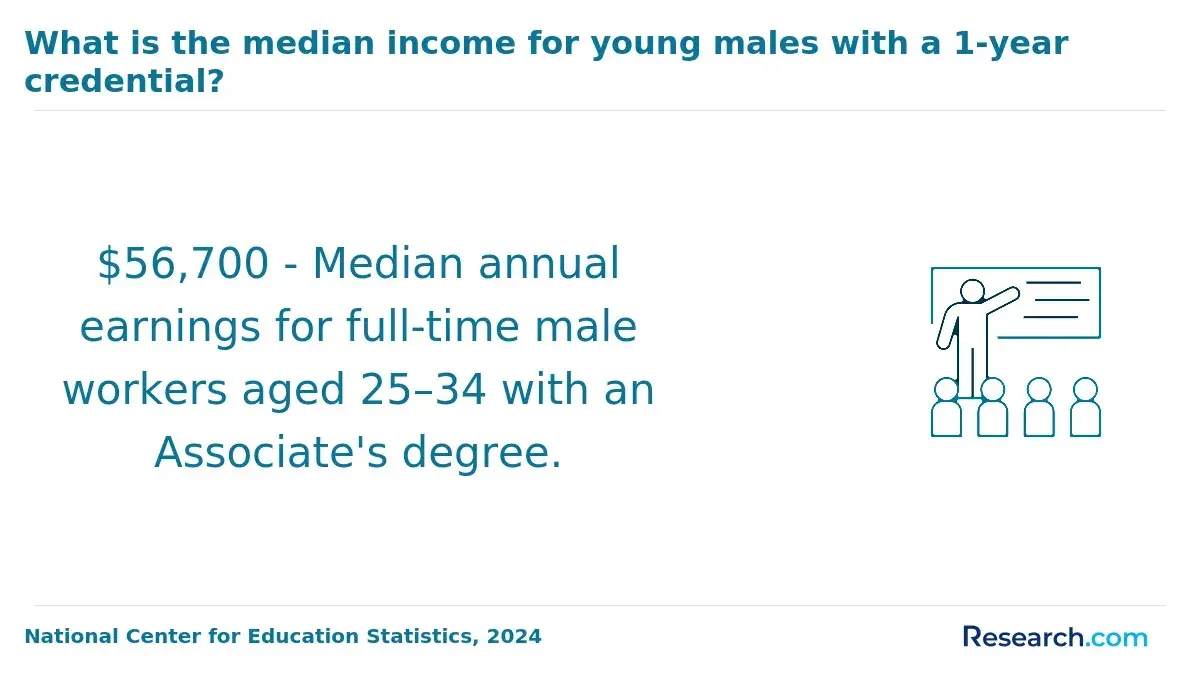
Associate degrees dominate medical billing & coding education primarily because they align closely with employer expectations for entry-level roles and offer a quicker, more affordable path into the workforce. Data from authoritative sources like the National Center for Education Statistics highlights that roughly 60-70% of students pursue associate-level credentials, reflecting the sector's emphasis on practical skills and readily verifiable competencies. Many employers prioritize this credential due to its balance between foundational healthcare knowledge and efficient preparation, which suits the operational demands of billing and coding jobs without the extended timelines or costs associated with bachelor's or graduate education.
Bachelor's degrees, although less common with enrollments generally under 20%, attract students targeting supervisory or administrative positions that require broader healthcare management understanding. The tradeoff involves longer program durations and higher expenses, which may not translate into substantially better immediate job placement compared to associate degrees in this field. Meanwhile, graduate programs remain highly niche, representing a small fraction of completions as they often serve professionals transitioning toward adjacent areas such as health informatics or education, rather than deepening expertise solely in billing and coding.
This distribution implies that prospective or current medical billing & coding students should weigh their immediate employment goals against the time and financial investment of higher credentials. The predominance of associate degrees reflects a labor market that values concrete certifications and skills over advanced academic qualifications for most billing and coding roles. For those aiming beyond operational work, bachelor's programs provide broader career options, but graduate degrees generally signal a pivot to related disciplines rather than direct career advancement within medical billing & coding itself.
How Do Enrollment Trends Differ Between Associate, Bachelor's, Master's, and Doctoral Medical Billing & Coding Degrees?
Enrollment in medical billing & coding degree programs reveals strategic choices aligned with workforce entry points and career trajectories. Over 70% of new students opt for associate degrees due to their alignment with immediate job requirements and shorter completion periods, a practical pathway for those seeking quick access to employment. Conversely, bachelor's degree enrollment, which has grown by approximately 12% since 2020, reflects a segment pursuing supervisory or healthcare administration roles, signaling rising demand for more advanced credentialing in this competitive sector.
Master's and doctoral enrollments remain limited, less than 3% of total figures, concentrated among professionals targeting niche domains such as healthcare informatics, policy, or leadership. These levels are often pursued by a smaller subset of students due to program scarcity and the specialized focus required. Regional disparities further shape enrollment, with urban centers offering greater access to bachelor's and graduate programs while rural areas primarily support associate degrees, demonstrating clear geographic influences on degree-level popularity for medical billing & coding programs. Additionally, gender representation shifts slightly with higher male participation at advanced degree levels.
These enrollment patterns impact decisions in educational planning and long-term career development, especially as students weigh the tradeoff between rapid workforce entry and advanced specialization. For those assessing pathways beyond foundational credentials, options like the master of healthcare administration offer relevant interdisciplinary development that aligns with evolving industry needs and leadership roles.
How Popular Is the Medical Billing & Coding Degree Compared to Other College Majors?
The relatively low enrollment in medical billing & coding degrees compared to other health professions signals more than just niche appeal; it reflects practical tradeoffs students face when balancing specialized skills against broader occupational flexibility. Data from the National Center for Education Statistics in 2024 show fewer than 25,000 completions nationwide, a stark contrast to the large volume of graduates in nursing and general health sciences. This limited scale often means fewer program offerings, smaller peer networks, and constrained specialization options, which can affect both educational experience and employer perceptions. While steady enrollment growth corresponds with expanding healthcare administrative roles, it remains modest compared to STEM and business majors where diverse career pathways attract wider interest.
The concentration of associate degrees, accounting for about 70% of completions, underscores a preference for quicker entry into the workforce, primarily through community colleges. Bachelor's and graduate completions lag behind, indicating that many students prioritize practical certification pathways over extended academic investment. Gender demographics also reveal a strong female majority, aligning with broader healthcare support fields but potentially influencing program marketing and workplace dynamics. These enrollment patterns highlight important considerations for those weighing medical billing & coding against related degrees that may offer greater versatility or regional employment demand.
One graduate recalled initially questioning the limited class sizes and fewer fellow students in medical billing & coding compared to her friends pursuing nursing or health sciences. Academic advisors noted the program's reliability but also emphasized its specialized focus, cautioning that while job opportunities exist, the field doesn't offer as wide a range of roles or advancement routes as more popular majors. This reality prompted her to closely examine local labor markets and personal goals before committing fully, reflecting a thoughtful response to the degree's relative popularity and practical implications.
Why Is the Medical Billing & Coding Degree More Popular in Certain States and Regions?
Variation in medical billing and coding degree demand by state reflects a nuanced interaction between local healthcare industry concentration and workforce policies rather than simple enrollment figures. States like California and Texas, with large healthcare sectors and extensive hospital networks, naturally generate higher demand for trained professionals, influencing educational institutions to expand offerings and students to prioritize these regions for both study and employment. Conversely, areas with fewer healthcare facilities or less robust workforce development funding may see constrained growth in both programs and job placements, directly affecting student decisions and perceptions of degree value based on regional employability and networking potential.
Regional factors influencing medical billing and coding popularity also include demographic trends and access to educational infrastructure, which shape the practical appeal of programs. For example, the Southeast's aging population drives higher demand for skilled medical billers, encouraging community colleges and vocational schools to develop accessible, affordable certificate and associate degree options with online learning components. This flexibility attracts diverse populations, notably women seeking stable careers with remote work opportunities, impacting enrollment patterns and state-level workforce composition. Such differences in regional program availability and demographic fit can affect how well students connect with local employers and the competitiveness of their credentials beyond their immediate market.
Students comparing their experiences or evaluating where to pursue certification must weigh these dynamics alongside program outcomes and labor market conditions. Recognizing that broader healthcare demand shapes degree popularity helps identify which locations offer more sustainable career paths or professional growth. Additionally, exploring related pathways like the easiest RN to BSN program online can provide alternative routes in healthcare, influenced by similar regional employment and education factors, offering valuable context for informed decision-making in healthcare training selections.
What Demographic Groups Are Driving Growth in Medical Billing & Coding Degree Programs?
Enrollment patterns in medical billing & coding degree programs increasingly reflect the sector's response to workforce demands and evolving educational formats. The predominance of women-accounting for over 80% of enrollees according to the 2024 National Center for Education Statistics data-aligns with longstanding trends in healthcare administration that favor flexible work arrangements and roles traditionally held by females. Meanwhile, a significant portion of students are adults aged 25 to 44 returning to education, demonstrating how online and hybrid program structures accommodate learners balancing career transitions or family responsibilities, a dynamic that shapes both curriculum delivery and peer engagement within programs.
Geographic enrollment concentrations shed light on regional healthcare labor market pressures, with states like Florida, Texas, and California exhibiting surging demand driven by substantial healthcare populations and regulatory complexity. This regional growth often influences program design to address localized billing protocols and compliance standards, which can benefit students seeking employment within those areas but may limit portability of skills elsewhere. While rural participation grows through online access, urban centers maintain the bulk of enrollment, reinforcing disparities in resource availability and networking opportunities for students based on location.
Diversity trends reveal gradual, uneven increases in Hispanic and Black student participation fueled by targeted initiatives, yet these gains remain modest relative to overall enrollment patterns. Approximately 37% of enrollees are first-generation college students, underscoring the degree's role as an accessible credential for workforce entry. However, the expansion driven by these demographic shifts also presents challenges in maintaining program rigor and relevance amid varying student needs and employer expectations. Prospective students and stakeholders must weigh these factors when assessing the practical value and long-term career implications of medical billing & coding education pathways.
What Is the Future Outlook for Medical Billing & Coding Degree Enrollment by Gender, Region, and Degree Level?
Enrollment in Medical Billing & Coding degree programs is poised to reflect shifting demographic and regional workforce demands, with female students comprising roughly 75% of enrollees according to National Center for Education Statistics projections. While women continue to dominate, increased male participation is emerging notably in areas experiencing healthcare infrastructure growth, partly due to targeted diversity initiatives and evolving perceptions about administrative healthcare roles. Institutions must balance these gender dynamics when tailoring recruitment and program delivery to ensure equitable access and meet the nuanced needs of a diversifying student population.
Regional enrollment expansion is concentrated in the South and West, where demographic growth and healthcare sector investments accelerate demand for skilled billing and coding professionals. The U.S. Bureau of Labor Statistics Occupational Outlook Report indicates these regions will see higher-than-average job growth, encouraging more programs to offer flexible online and hybrid formats that accommodate adult learners beyond urban centers. This shift toward accessible program modalities will shape both the geographic distribution of students and the scale of program offerings, challenging institutions to maintain quality while expanding reach.
Associate degree programs remain the primary entry point for most students, aligning closely with employer expectations for foundational technical skills and faster workforce integration. However, incremental growth in bachelor's degrees reflects an industry movement toward advanced competencies in data analytics and compliance, which enhance employability in specialized roles but require longer educational commitments. Prospective students and workforce planners must weigh these tradeoffs-immediate entry versus advanced qualification-to align education pathways with realistic career trajectories and labor market requirements in an increasingly regulated and technology-driven healthcare environment.
How Have Medical Billing & Coding Degree Enrollment Trends Changed Over the Past Decade?
Enrollment trends for medical billing & coding degree programs over the past decade reveal significant shifts shaped by workforce demands and educational delivery changes. Notably, the rise in online program enrollment-nearly 40% growth from 2014 to 2024-has expanded access beyond traditional campus settings, particularly benefiting working adults and non-traditional students. This shift aligns with regional patterns where states like California, Texas, and Florida, investing heavily in online education infrastructure, see pronounced enrollment increases. These trends reflect more than convenience; they respond to deeper healthcare industry needs, including electronic health records adoption and evolving coding standards.
The gender composition within medical billing & coding degree enrollment has gradually diversified, despite longstanding female predominance at over 85%. Increased male participation corresponds with broader initiatives to attract diverse candidates to healthcare administrative roles, affecting peer dynamics and potentially employer recruitment strategies. Degree level trends also matter: while associate degrees dominate, slow but steady growth in bachelor's completions indicates a competitive workforce valuing higher academic attainment. However, prospective students should weigh these shifts carefully against future automation risks and the rising expectation for advanced certifications and technical fluency in health information technology.
For those analyzing medical billing & coding degree enrollment trends in the United States, understanding these nuanced developments helps clarify the balance between educational investment and market relevance. As student demand adapts to workforce and policy changes influencing billing and coding standards, program availability and perceived degree utility fluctuate accordingly. Those comparing pathways might also consider related fields with overlapping skills, such as the growing interest in exercise science online degree options, reflecting broader allied health occupational trends.
Where Is the Medical Billing & Coding Degree Most Popular Across the United States?
The popularity of medical billing & coding degrees in the United States clusters primarily in states with robust healthcare sectors and accessible educational infrastructures, rather than being evenly distributed nationwide. This regional concentration reflects the practical realities of employer demand and the availability of accredited programs, which tend to be more abundant in metropolitan areas with higher population densities. For prospective students, this means that enrolling in regions such as California, Texas, or Florida may offer enhanced networking opportunities and greater post-graduation employment prospects due to the density of healthcare employers and institutions offering specialized certifications.
Geographic disparities in medical billing & coding degree popularity also underscore demographic and workforce trends; states with aging populations or growing healthcare systems show increased enrollments tied to service demand. Conversely, rural areas may lag in enrollment despite emerging telehealth opportunities, pointing to a gap between traditional program availability and evolving job models. Understanding these regional dynamics is crucial for students and professionals evaluating educational pathways or workforce movement. For those seeking flexible access to training, exploring accredited online health information management degree CAHIIM programs can offset some geographic limitations and align with the evolving landscape of medical billing & coding degree popularity by region in the United States.
References
- Is Medical Billing and Coding in Demand? | University of Bridgeport https://www.bridgeport.edu/news/medical-billing-and-coding-demand/
- How has Medical Billing and Coding Changed Over the Years? - NEMB https://www.nembgroup.com/how-has-medical-billing-and-coding-changed-over-the-years/
- Earning Potential for Medical Coding and Billing Professionals - USCI https://www.uscareerinstitute.edu/blog/earning-potential-for-medical-coding-and-billing
- Medical Coding Career Growth and Job Opportunity - AAPC https://www.aapc.com/resources/career-in-medical-coding
- Is Medical Billing and Coding in Demand? https://www.ultimatemedical.edu/blog/medical-billers-and-coders/
- HIM vs. Medical Billing and Coding: Comparing Career Paths https://www.herzing.edu/difference/him-vs-billing-coding
- Trends Impacting the Medical Billing and Coding Field https://www.pennfoster.edu/blog/trends-impacting-the-medical-billing-and-coding-field
- Is Medical Billing and Coding in Demand? | American National University https://an.edu/is-medical-billing-and-coding-in-demand/
- Associate Degree vs. Certification: Which Path is Best for a Medical Coding Career in 2025? — Advanced Coding Services https://www.advancedcodingservices.com/resources-and-knowledge/associate-degree-vs-certification-which-path-is-best-for-a-medical-coding-career-in-2025
- How to Compare Online Medical Billing and Coding Programs https://westernschoolpitt.com/how-to-compare-online-medical-billing-and-coding-programs-without-overpaying/
Other Things You Should Know About Medical Billing & Coding
Gender imbalances often reflect industry hiring patterns and regional cultural norms rather than the academic quality of particular programs. Female students dominate most medical billing & coding enrollments, which can mean stronger peer networks and mentoring opportunities in programs with higher female representation. Male students might prioritize programs offering targeted support or career services to address potential workplace bias. Evaluating program inclusivity and alumni success by gender helps ensure access to relevant professional preparation and support beyond just enrollment figures.
Choosing a program popular in your region can enhance local employer recognition, internships, and job placement opportunities linked to regional healthcare systems. However, high regional popularity might also mean more competition, requiring stronger performance or additional certifications to stand out. For aspiring professionals aiming to work remotely or relocate, it is crucial to assess the transferability of skills and regional accreditation standards rather than relying solely on local program popularity.
Associate degrees dominate in enrollments due to faster completion and immediate job readiness, but bachelor's degrees can open pathways to supervisory roles and higher pay in larger healthcare organizations. Choosing between degree levels should depend on career goals-if immediate employment with minimal educational time is the priority, associate degrees are practical. Those targeting advancement or specialization ought to evaluate bachelor's programs that integrate management and informatics, understanding that longer programs also mean delayed income and potential tuition costs.
Larger programs offer broader diversity in gender and regional backgrounds, potentially enriching peer learning and professional networking across varied healthcare contexts. However, they may also mean less individualized instruction or career counseling. Smaller programs might provide tailored support and quicker faculty interaction but can lack the breadth of perspectives that reflect the multifaceted medical billing & coding field. Prospective students should balance their need for community and mentorship against the benefits of exposure to diverse viewpoints when selecting a program.