
2026 Medical Billing & Coding Degree Outlook Through 2030: Enrollment, Salary, and Hiring Projections

Co-Founder and Chief Data Scientist
Deciding whether to pursue or continue a medical billing & coding degree involves more than observing national job growth forecasts, which project an 11% increase in demand through 2030. Enrollment at accredited programs rose by 8% in 2024, indicating growing interest but also signaling increasing graduate competition.
However, regional disparities in employer demand and technological shifts toward automation complicate the outlook. Some areas experience high hiring needs, while others face market saturation or evolving credential standards. This article examines medical billing & coding enrollment patterns, salary trends, hiring projections, industry demand, geographic opportunity, and workforce changes through 2030 to guide informed education and career decisions.
Key Things to Know About the Medical Billing & Coding Degree Outlook Through 2030
- Rising enrollment in medical billing & coding programs reflects increased interest, yet the growth outpaces job openings, signaling a future graduate surplus and intensified competition for entry-level roles.
- Employers increasingly demand specialized certifications beyond basic credentials, indicating a shift toward niche skill sets that influence hiring decisions and professional advancement.
- Automation adoption delays some hiring but also creates demand for coding specialists adept at managing AI-generated data, affecting when and where graduates should seek employment.
- Key Things to Know About the Medical Billing & Coding Degree Outlook Through 2030 Key Things to Know About the Medical Billing & Coding Degree Outlook Through 2030
- How is Medical Billing & Coding Degree Enrollment Expected to Change Through 2030? Enrollment Trends Through 2030
- How Many Medical Billing & Coding Graduates Will Enter the Workforce by 2030? Graduate Workforce Entry Projections
- What Are the Hiring Projections for Medical Billing & Coding Graduates Through 2030? Hiring Projections Through 2030
- Which Medical Billing & Coding Careers Will Experience the Most Job Growth? Fastest-Growing Career Paths
- What Is the Salary Outlook for Medical Billing & Coding Graduates Through 2030? Salary Outlook Through 2030
- Which Industries Will Hire the Most Medical Billing & Coding Graduates by 2030? Top Hiring Industries
- Where Will Demand for Medical Billing & Coding Graduates Be Strongest? Strongest Geographic Demand
- Which Medical Billing & Coding Specializations Will Be Most in Demand by 2030? Which Medical Billing & Coding Specializations Will Be Most in Demand by 2030?
- How Will AI and Technology Affect Medical Billing & Coding Careers Through 2030? How Will AI and Technology Affect Medical Billing & Coding Careers Through 2030?
- Is a Medical Billing & Coding Degree Worth Pursuing Based on 2030 Projections? Degree Value Through 2030
How is Medical Billing & Coding Degree Enrollment Expected to Change Through 2030?
Projected growth of medical billing and coding program enrollment nationwide will be shaped by complex interactions between labor market demand and the evolving nature of healthcare technology. As electronic health record (EHR) systems become more sophisticated, employers are increasingly seeking graduates with formal credentials capable of managing intricate coding tasks while ensuring regulatory compliance.
This combination pressures programs to expand capacity and offer flexible delivery methods to meet the needs of a diverse student population without risking oversaturation that could depress graduate employability in certain regions. For example, a well-established metropolitan area may see increased competition among graduates, whereas rural settings might experience shortages that justify tailored recruitment and program specialization.
Medical billing and coding degree enrollment trends in the United States through 2030 also reflect demographic shifts favoring non-traditional learners, including adult career changers and part-time students who prioritize online or hybrid formats. This accessibility broadens the candidate pool but may dilute institutional resources or slow cohort progression if programs lack adequate support services.
Furthermore, fluctuating community college funding and alternative credential pathways present uncertainties that institutions and stakeholders must negotiate carefully. To better understand the balance of opportunity and risk, prospective students should consider both local workforce demands and the availability of specialized tracks. Insightful perspectives on related health program affordability and access can be found by reviewing data on DNP FNP programs, which illustrate comparable trends in healthcare education sectors.
How Many Medical Billing & Coding Graduates Will Enter the Workforce by 2030?
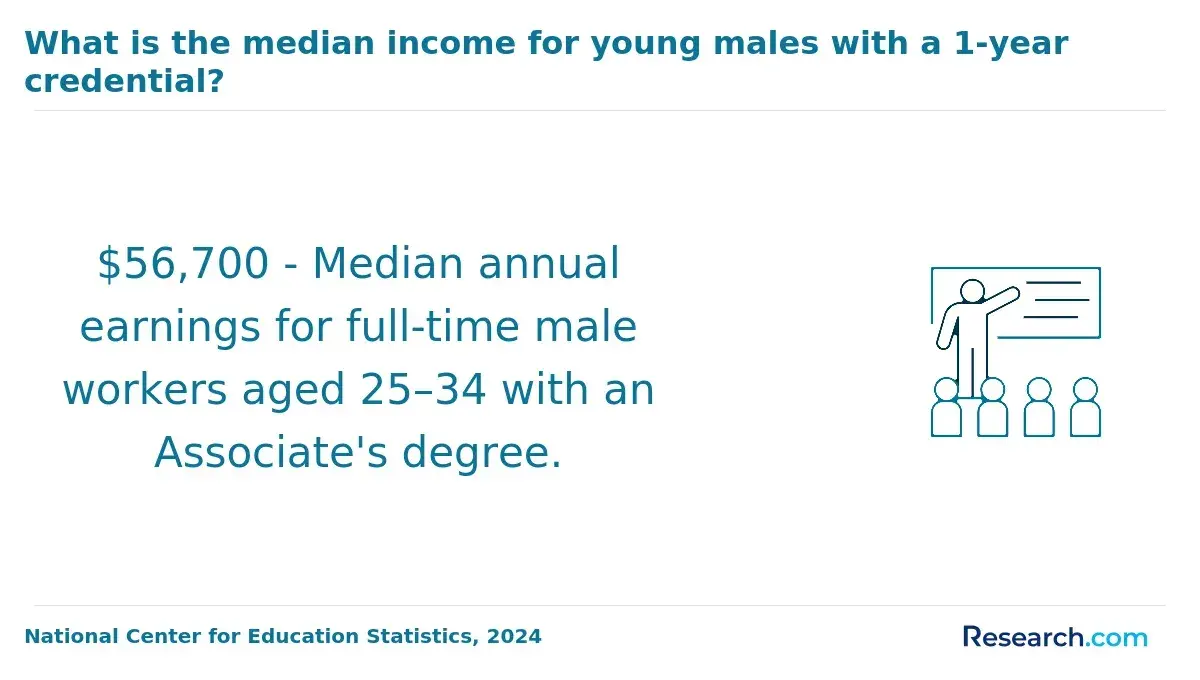
The number of medical billing & coding graduates expected to enter the workforce by 2030 depends heavily on more than enrollment figures alone. While recent trends show steady growth in program completions-ranging between 12,000 and 14,000 annually according to 2024 data from the National Center for Education Statistics-actual workforce absorption is tempered by several factors.
These include graduates who pursue advanced education, shift to adjacent healthcare administrative roles, or delay employment, which means not all program completers directly impact entry-level job markets. In practice, candidates with supplementary skills like coding certifications or health IT expertise often gain a competitive edge, as employers increasingly prioritize digital fluency alongside formal credentials.
Projected growth in employment for roles encompassing medical billing & coding is roughly 9% through 2030, surpassing average job market expansion yet indicating moderate demand relative to graduate supply. This divergence suggests that while the pipeline of credentialed professionals remains steady, hiring outcomes will reflect nuanced employer preferences, geographic labor market variations, and the increasing complexity of reimbursement processes that reward practical experience and specialized knowledge.
For prospective students and workforce planners, understanding these tradeoffs informs strategic decisions on program selection, skill development, and realistic employment expectations amid evolving healthcare data management needs. One recent graduate illustrates this dynamic well: finishing their certificate program in 2024, they encountered a crowded applicant pool but found hiring managers favoring candidates with hands-on internship experience or additional coding certifications.
Despite strong academic records, they opted to delay full-time industry entry to pursue targeted training in electronic health records software, a calculated move prompted by awareness that sheer graduate volume was intensifying competition. Their story underscores how individual career trajectories in this field hinge on balancing formal education with adaptive skill-building tailored to shifting workforce demands through 2030.
What Are the Hiring Projections for Medical Billing & Coding Graduates Through 2030?
Employer demand for medical billing & coding graduates through 2030 is moderate but unevenly distributed across regions and healthcare settings. While the U.S. Bureau of Labor Statistics projects about 9% growth in employment for medical records and health information technicians-a group that includes billing and coding professionals-this statistic masks important variations. Larger hospitals increasingly turn to automated coding technologies, reducing the need for manual coders, whereas smaller healthcare providers and outpatient clinics tend to sustain steady hiring needs.
For example, a graduate in a rural or suburban area might face different opportunities than one in a metropolitan region with integrated health systems emphasizing AI-driven solutions. Nationally, industry research estimates roughly 7,000 annual job openings combining new roles and replacements, signaling consistent but limited entry-level availability relative to broader healthcare occupations.
However, this growth does not guarantee easy access to positions, as employers often require advanced familiarity with coding standards, medical terminology, and electronic health records, alongside adaptability to evolving automation tools. Prospective students should weigh these skill demands against local labor market specifics and longer-term trends in healthcare administration to assess career sustainability realistically, recognizing that continual upskilling is necessary to maintain employability in this shifting landscape.
Which Medical Billing & Coding Careers Will Experience the Most Job Growth?
Job growth projections for medical billing and coding careers through 2030 highlight strong demand primarily in specialized and hybrid roles rather than uniformly across the field. Positions requiring expertise in electronic health records (EHR) management and advanced diagnostic coding-such as those familiar with ICD-11 and CPT updates-will see a higher volume of openings due to increased complexity in healthcare documentation and reimbursement practices.
However, while some niches forecast rapid percentage growth, overall job volume remains concentrated in broader coding and billing roles integrated with claims analysis and payer negotiation skills. For students evaluating enrollment options, pursuing certifications that blend coding proficiency with analytical billing capabilities may offer more stable employability than entry-level coder roles vulnerable to automation.
The dynamics of medical billing and coding job growth also reflect wider industry shifts, including ongoing digitization, cost containment strategies, and telehealth expansion. Outsourced service providers continue to fuel remote work opportunities, although regional demand varies significantly with local healthcare infrastructure.
A realistic tradeoff involves balancing specialized certification investments against the variability in replacement demand, as automation reshapes entry-level positions and upskills needed among seasoned professionals. Prospective students should consider how a medical billing and coding degree aligns with evolving employer expectations and might explore supplementary credentials, similar to those found in PhD nursing programs online, for deeper specialization in health information technology and compliance.
What Is the Salary Outlook for Medical Billing & Coding Graduates Through 2030?
Salary projections for medical billing & coding graduates depend heavily on multiple intersecting factors beyond headline wage growth, including inflation, labor market shifts, evolving credential requirements, and the automation of healthcare administrative tasks. While median wages remain modest, interpreting salary trends purely through nominal increases risks overstating actual purchasing power and career progress.
Job placement likelihood and specialization also play critical roles in shaping compensation, reflecting a labor market where specialized credentials can yield noticeably higher returns. The following points highlight key influences on earnings potential through 2030.
- Regional Salary Variations: Metropolitan areas typically offer higher pay than rural regions due to cost of living differences and concentration of larger health systems. Professionals working in urban centers can expect better baseline wages but also face more competitive job markets.
- Certification Impact: Earning industry-recognized credentials such as Certified Professional Coder (CPC) or Certified Coding Specialist (CCS) is increasingly essential for differentiating candidates and commanding wage premiums, especially in hospitals and specialized coding roles.
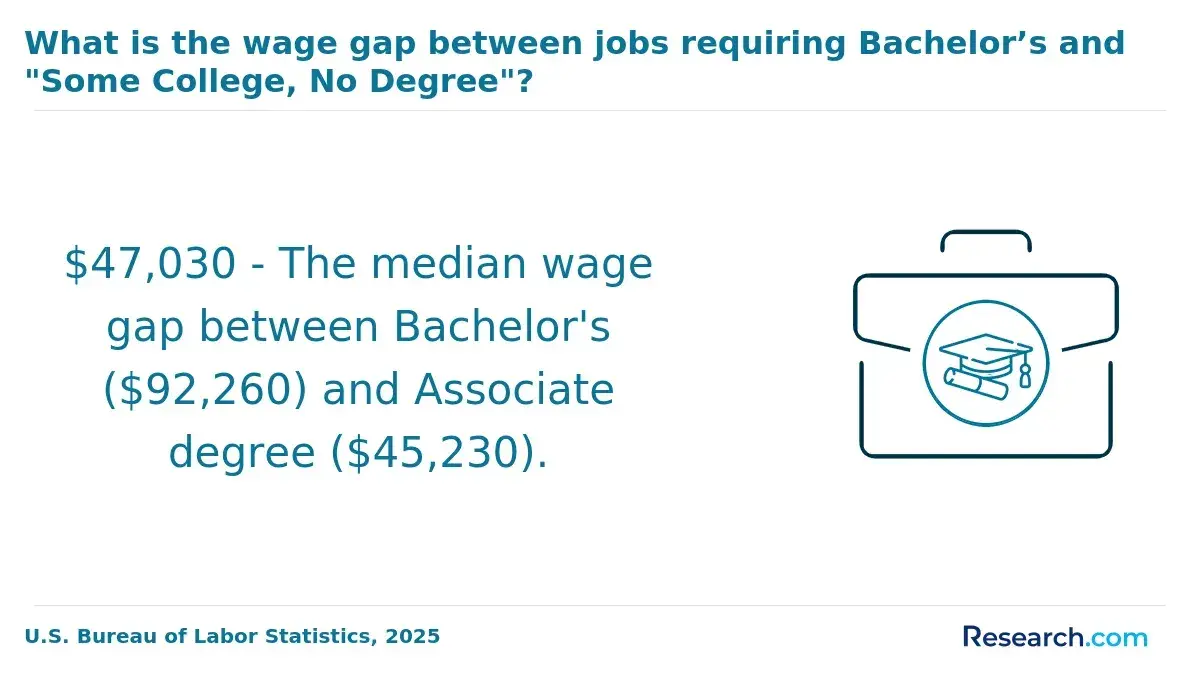
- Experience and Specialization: While starting salaries hover near $47,000 according to 2024 Bureau of Labor Statistics data, mid-career professionals with experience and niche skills-such as oncology or cardiology coding-often see incomes rise into the $55,000-$65,000 range.
- Automation and EHR Adoption: Growing reliance on electronic health records and partial task automation alters job roles, emphasizing technical proficiency and adaptability. This may temper wage growth but does not eliminate demand for skilled coders.
- Healthcare Industry Growth: Employment expansion in healthcare administration supports steady demand for billing & coding functions, but wage inflation tends to align with broader administrative roles rather than clinical healthcare occupations.
- Employer Type Influence: Salaries differ between inpatient hospital settings, outpatient clinics, insurance companies, and third-party billing firms. Larger institutions often provide higher wages but may impose stricter credentialing and experience expectations.
- Labor Market Saturation: Increasing program enrollment could create more entry-level competition, potentially suppressing starting wages or requiring supplementary training to maintain employability and upward mobility.
One recent graduate recalled approaching initial job offers with caution. Despite completing the credential program on schedule, the first offers presented starting salaries near the national median, which felt tight against living costs in a mid-sized city. After negotiating for a modest increase and emphasizing internship experience, the graduate accepted a position with a clear pathway for skill development and future pay reviews. This experience underlines the importance of pragmatic salary expectations and strategic negotiation within the current medical billing & coding labor market.
Which Industries Will Hire the Most Medical Billing & Coding Graduates by 2030?
Projected hiring trends for medical billing and coding graduates through 2030 reflect shifts in healthcare delivery, regulatory demands, and technology adoption rather than just overall employment growth. Replacement hiring from retirements and regulatory compliance will sustain demand even in slower-growth sectors.
Graduates should anticipate that increasing automation and artificial intelligence tools will change workflow, heightening emphasis on coding accuracy and adaptability. Aligning skills with evolving software platforms and gaining administrative competencies will enhance employability, especially in diverse care settings.
Considering the medical billing and coding industry demand in the US by 2030, the top hiring sectors are identified below.
- Hospitals: Hospitals remain the largest employers due to their broad range of complex services and persistent patient volume growth. Entry-level roles typically involve claim processing and record management, while advancement can include compliance auditing and revenue cycle management. Familiarity with inpatient coding standards and health information technologies strengthens candidate appeal.
- Outpatient Care Centers: With a shift toward cost-effective care, urgent care and specialty clinics are expanding rapidly. These settings require coders skilled in handling varied electronic health records and diverse billing protocols. Adaptability and quick integration into dynamic coding systems are key for entry-level and advancing positions.
- Physician Offices: Primary care and specialty practices continue to generate steady job openings, often demanding in-house coders to optimize claims and collections. Administrative skills paired with coding proficiency improve prospects, particularly where workflow integration and patient interaction are involved.
- Third-Party Billing Firms: Outsourcing trends support growth in medical billing firms focused on volume-driven coding and regulatory adherence. This sector values candidates with strong compliance knowledge and the ability to work remotely or across multiple healthcare clients.
- Insurance Companies: Payers employ coders for claims review and fraud detection, emphasizing regulatory expertise and detailed medical knowledge. These roles often require deeper understanding of billing policies and authorization procedures.
- Government Agencies: Federal and state entities hire for healthcare program administration and compliance oversight. Graduates with familiarity in regulatory frameworks and public health coding standards may find steady opportunities in these smaller but stable sectors.
- Technology-Driven Roles: Although still emerging, jobs involving AI-assisted coding and data analytics in healthcare settings will grow. Candidates who proactively develop technical skills and keep pace with software innovations may access higher-quality roles with greater career longevity.
Prospective students and degree holders evaluating Medical Billing & Coding enrollment or considering an online bachelor's degree in biology as a complementary pathway should weigh workforce demand nuances and technology shifts affecting job quality and access. Planning for continuous skills upgrading remains critical in this changing landscape.
Where Will Demand for Medical Billing & Coding Graduates Be Strongest?
Demand for medical billing & coding graduates will remain highly localized through 2030, driven by concentrated healthcare infrastructure and demographic shifts rather than broad national growth. States like California, Texas, Florida, and New York illustrate this dynamic, where dense populations and aging residents generate substantial volumes of billing activity tied to hospitals, outpatient centers, and physician practices. However, these high-demand regions often come with heightened applicant competition and elevated living costs.
While traditional healthcare providers remain the primary employers, expanding sectors such as telemedicine platforms and third-party billing firms introduce nuanced changes that shape workforce specialization and credential expectations. Employers increasingly prioritize certifications aligned with evolving standards like ICD-11 and seek candidates proficient in healthcare IT systems, particularly electronic health records.
Graduates positioned in or near urban centers typically access richer job markets but must weigh this against competition intensity and higher credential requirements, contrasting with more limited yet less saturated opportunities in rural areas where remote work options are gradually emerging. Pragmatically, relying on national averages to gauge long-term career prospects in medical billing & coding can obscure regional disparities in employer demand and workforce supply balance. For instance, extensive job postings in populous states reflect high turnover and system complexity, not guaranteed immediate placement.
Recognizing how local healthcare policies, employer density, and public investment influence job quality and salary potential is essential for realistic career planning. Data from the U.S. Bureau of Labor Statistics and labor market analysis by Lightcast in 2024 confirm that these layered factors will dictate which geographic areas offer sustainable, well-compensated roles versus those where credential inflation and market saturation impose limits despite nominal demand.
Which Medical Billing & Coding Specializations Will Be Most in Demand by 2030?
Employment in medical billing & coding will increasingly hinge on specialized skill sets aligned with evolving healthcare delivery models and regulatory demands. Growth areas reflect shifts toward outpatient services, telehealth, and value-based reimbursement, requiring candidates to balance technical proficiency with adaptability to payer-specific guidelines.
For students weighing specialization options, understanding how these niches differ in long-term demand and skill overlap is critical. For example, a graduate choosing between outpatient coding and telehealth billing must consider both current job market penetration and future flexibility as telemedicine policies continue to evolve. The U.S. Bureau of Labor Statistics and Lightcast data project varying growth rates, emphasizing the value of credentials paired with software and data literacy.
Priority specializations through 2030 include:
- Outpatient Coding: Driven by increases in ambulatory care and urgent care visits, this area demands mastery of CPT and HCPCS codes, along with payer-specific nuances. Coders skilled here support high-volume, procedure-heavy workflows common in outpatient settings, where reimbursement accuracy greatly impacts facility revenues.
- Telehealth Billing: Fueled by sustained virtual care adoption post-pandemic, proficiency with CMS telemedicine billing rules and private insurer protocols is essential. Specialists in this area navigate complex, frequently updated regulations and emerging technology platforms, creating barriers to entry that favor continual education.
- Value-Based Care Coding: As payment shifts emphasize quality and outcomes, familiarity with hierarchical condition categories (HCC) and risk adjustment models is critical. This specialization involves integrating clinical documentation quality with coding practices to optimize reimbursement and compliance.
- EHR Integration Expertise: Increasing employer demand exists for coders proficient in electronic health records and automated billing tools. Candidates comfortable with digital clinical documentation systems improve workflow efficiency and reduce claim denials.
- Regulatory Compliance Specialists: Growing complexity in healthcare regulations elevates demand for coders skilled in interpreting evolving billing laws across Medicare and Medicaid programs, ensuring organizations avoid costly audits and penalties.
How Will AI and Technology Affect Medical Billing & Coding Careers Through 2030?
Automation and artificial intelligence are poised more to augment than fully replace medical billing & coding roles through 2030, reshaping core responsibilities rather than eliminating them. Routine coding tasks, especially repetitive and manual data entry functions, are increasingly handled by AI-powered tools, reducing the demand for entry-level positions focused solely on these activities. However, professionals who develop skills in interpreting AI outputs, managing complex compliance audits, and optimizing electronic health record (EHR) workflows will command greater value.
Without adaptation, workers risk stagnation as employers prioritize candidates with technical fluency in AI-enabled coding software and data analytics to improve accuracy and operational efficiency. The impact of AI automation on medical billing and coding jobs in the US signals a shift toward roles requiring analytical judgment, domain expertise, and collaborative problem-solving with technology teams.
Emerging responsibilities include clinical documentation improvement and healthcare data management, where human oversight ensures ethical coding and protects sensitive patient data-skills not easily replicated by machines. Educational programs that balance foundational coding knowledge with applied training in natural language processing (NLP) tools, cybersecurity, and cloud-based billing platforms better prepare students for evolving employer expectations. Prospective students should evaluate curricula carefully for such integration.
Deciding on the right educational pathway involves considering practical credentials and program outcomes that align with these trends. Individuals evaluating medical billing & coding degrees should prioritize programs offering hands-on experience with contemporary AI coding tools and electronic records, as these competencies increasingly drive hiring decisions.
Those interested in intersecting healthcare and technology also might explore related fields or degrees, such as direct-entry MSN programs for non-nursing majors, which can expand career options beyond billing and coding alone. Overall, navigating the future landscape requires a strategic commitment to evolving technical skills and awareness of sector-specific hiring projections.
Is a Medical Billing & Coding Degree Worth Pursuing Based on 2030 Projections?
Employment projections for medical billing & coding graduates suggest steady growth through 2030, but outcomes vary widely based on geographic location, credential level, and evolving employer expectations. With an 11% job growth rate reported by the U.S. Bureau of Labor Statistics for health information technicians broadly, the field remains relevant amid an aging population and expanding healthcare services. However, increasing program availability has intensified competition among graduates, and many employers now prefer candidates who combine billing and coding expertise with broader health information management skills.
Median salaries typically range from $45,000 to $55,000 annually, reflecting modest returns relative to other allied health professions requiring similar or longer training. Prospective students must weigh tuition costs, time to completion, and likely regional demand before pursuing this credential, especially since automation is expected to reduce traditional coding workloads. For example, a recent graduate in a saturated urban market may face limited entry-level openings without supplemental certification or cross-training, whereas rural or underserved regions might offer more stable hiring conditions.
Those seeking flexible or advanced pathways should consider parallel or additional credentials aligned with health information management trends to improve long-term prospects. Awareness of these nuanced job outlook factors and future salary and hiring projections for medical billing & coding graduates is essential for informed decision-making. Educational investments that integrate evolving workforce demands outperform those that do not, underscoring the importance of strategic program selection.
For individuals exploring allied health options, programs such as a master's in forensic psychology online may illustrate alternative trajectories combining healthcare and data analytics skills applicable to future health workforce needs.
References
- Solving the 2026 Medical Coding Staffing Crisis: How Outsourcing Keeps Revenue Flowing - Coding Billing Solutions https://codingbillingsolutions.com/blogs/solving-the-2026-medical-coding-staffing-crisis-how-outsourcing-keeps-revenue-flowing/
- AI in Medical Coding Careers | Future of Healthcare Jobs in 2025 https://www.cigmamedicalcoding.com/blogs/ai-in-medical-coding-careers-opportunities-challenges-future-growth
- Career Outlook: Medical Coding and Billing - USCI https://www.uscareerinstitute.edu/blog/career-outlook-medical-coding-and-billing
- Medical Coding Career Growth and Job Opportunity - AAPC https://www.aapc.com/resources/career-in-medical-coding
- Medical Billing & Coding Salary in 2025 | Job Outlook & Pay Guide https://calregional.com/blog/what-is-the-salary-for-medical-billing-and-coding-in-2025/
- Demand for Medical Billers and Coders - MedicalBillingandCoding.org https://www.medicalbillingandcoding.org/qnas/the-coder-is-in-demand-medical-billers-coders/
- Medical Coding Market Growth, Drivers, and Opportunities https://www.marketsandmarkets.com/Market-Reports/medical-coding-market-43977976.html
- Is Medical Billing and Coding in Demand? | American National University https://an.edu/is-medical-billing-and-coding-in-demand/
- How AI Transforming Medical Billing and Coding https://carecloud.com/continuum/ai-in-medical-billing-and-coding/
Other Things You Should Know About Medical Billing & Coding
Accreditation significantly influences employer trust in your training and directly impacts your employability. Employers often prefer candidates from programs recognized by reputable bodies, as they signal adherence to industry standards and up-to-date curriculum. Prioritizing accredited programs can reduce barriers to certification exams and enhance resumes, ultimately making it easier to secure interviews and higher starting salaries.
Shorter certificate programs can offer faster entry into the workforce but may lack comprehensive coverage of industry nuances and evolving compliance requirements. Longer associate degrees or diplomas typically provide more in-depth coding scenarios, reimbursement models, and practical experience, which can lead to better preparedness and adaptability. For students targeting advanced roles or upward mobility, investing time in more rigorous programs can be more advantageous despite delayed workforce entry.
Salary and job availability for medical billing & coding professionals vary widely by region, influenced by local healthcare infrastructure, population density, and insurer networks. Urban areas with larger hospital systems often offer more positions and higher wages but also feature greater competition. Conversely, rural markets may have fewer openings but less competition and opportunities for multi-role responsibilities, which can broaden skills. Candidates should weigh geographic flexibility against potential earning differences and job security.
Yes, adding recognized certifications such as Certified Professional Coder (CPC) or Certified Coding Specialist (CCS) often enhances job prospects and salary potential by demonstrating specialized expertise beyond basic degree credentials. Employers frequently expect certified candidates to require less training and produce fewer errors, which improves workflow and compliance. Prioritizing certification preparation within or immediately after degree programs is a practical strategy to strengthen your labor market competitiveness.


