2026 Medical Billing & Coding Degree Enrollment Trends by Age Group: Traditional Students vs Adult Learners

Co-Founder and Chief Data Scientist
The pronounced demand for certified medical billing & coding professionals has intensified scrutiny of enrollment dynamics across age groups. With the Bureau of Labor Statistics projecting a 9% employment growth in medical records and health information technicians by 2032, program participation shows distinct age-related patterns shaped by industry licensing standards and employer credential preferences.
Traditional students often encounter clinical practicum requirements aligned with full-time academic schedules, while adult learners navigate employment transitions that influence part-time or online program enrollment. This divergence suggests evolving workforce assimilation strategies, highlighting that the age distribution in medical billing & coding programs signals shifting educational accessibility and reflects differential responses to employer-driven credential inflation and technical skill acquisition.
Key Things to Know About Medical Billing & Coding Degree Enrollment Trends by Age Group
- Enrollment skews younger, with 62% of students under 30 in 2024; this reflects workforce entry timing but may limit exposure to adult learners' practical healthcare experience, affecting program relevance for diverse candidates.
- Employers increasingly prefer candidates balancing coding proficiency with healthcare familiarity-an advantage for nontraditional students but a challenge for younger enrollees lacking clinical context, influencing hiring outcomes.
- Adult learners face longer program completion times due to part-time study and cost constraints; this tradeoff impacts timely certification and potential earnings progression within a fast-evolving medical billing environment.
- Key Things to Know About Medical Billing & Coding Degree Enrollment Trends by Age Group Key Things to Know About Medical Billing & Coding Degree Enrollment Trends by Age Group
- Which Age Groups Represent the Largest Share of Medical Billing & Coding Students? Students by Age Group
- Why Do Traditional Students Choose Medical Billing & Coding Degree Programs? Traditional Students
- Why Do Adult Learners Return to School for a Medical Billing & Coding Degree? Adult Learners
- How Do Academic Goals Vary Between Younger and Older Medical Billing & Coding Students? Academic Goals by Age Group
- How Do Financial Concerns Differ Between Traditional Students and Adult Learners? Financial Concerns by Age Group
- What Challenges Do Adult Learners and Traditional Students Face While Earning a Medical Billing & Coding Degree? Student Challenges by Age Group
- How Does Age Affect Medical Billing & Coding Degree Student Retention? Age and Student Retention
- Which Medical Billing & Coding Specializations Are Most Popular Among Adult Learners? Top Specializations for Adult Learners
- How Does Age Affect Job Opportunities for Medical Billing & Coding Graduates? Impact of Age in Job Opportunities
- What Do Current Medical Billing & Coding Enrollment Trends Reveal About Future Demand? Future Demand
Which Age Groups Represent the Largest Share of Medical Billing & Coding Students?
Medical billing & coding programs attract learners across various life stages, yet enrollment tends to cluster within certain age groups shaped by differences in career timing, financial readiness, and educational pathways. The age distribution is less about academic preference and more a reflection of workforce entry patterns and evolving higher education accessibility. These enrollment trends underscore how practical factors like job market demands and learner priorities influence who chooses medical billing & coding at distinct points in their lives.
- Ages 25 and older: This segment now represents the largest share of medical billing & coding enrollment, driven chiefly by adult learners pursuing career changes or upskilling. Many balance education with work and family, favoring flexible program formats and certifications that offer quicker entry into healthcare administration roles. Adult learners' growing presence aligns with broader workforce trends emphasizing practical credentials over lengthy degrees, reflecting a pragmatic commitment to immediate employability.
- Ages 18-24: Traditional students in this range continue to be a significant but smaller portion of enrollment. They often enroll soon after high school, particularly in community colleges or vocational programs that compete with four-year college options. While motivated by clear pathways to healthcare careers, their choices are influenced by competing academic and social experiences, which can limit their relative share in medical billing & coding programs.
- Ages under 18: Enrollment here is minimal due to the credential's typical post-secondary focus and the maturity required for certification-oriented coursework. Early exposure often comes through dual enrollment or vocational readiness programs but rarely translates to substantive enrollment in full medical billing & coding pathways.
Enrollment patterns reflect how financial considerations, workforce reentry timing, and program delivery models affect participation. Adult learners often gravitate toward medical billing & coding's accessible certification pathways because of steady industry demand and relatively low barriers, distinguishing this field from other healthcare credentials that require longer commitments. These patterns also mirror national education data showing a rise in nontraditional students pursuing short-term, career-oriented qualifications.
This enrollment demographic shift highlights the importance of flexible learning options and employer preferences for experienced, certified candidates rather than relying solely on traditional college trajectories. Those considering medical billing & coding should weigh how age-related life factors and labor market realities might influence not only program fit but also job prospects following certification. For some, combining credentials with complementary healthcare education-such as exploring an online PharmD-may present more sustainable long-term career pathways.
Why Do Traditional Students Choose Medical Billing & Coding Degree Programs?
Traditional students often choose Medical Billing & Coding degree programs driven by a combination of practical and academic considerations. Many view these programs as a direct path to stable employment, valuing the credential's signaling effect in a healthcare sector that continues to expand. Early career exploration plays a key role, as students seek manageable program lengths that align with their desire for timely entry into the workforce. These motivations intersect with a growing interest in healthcare and technology fields, which enhances the appeal of Medical Billing & Coding among those weighing options grounded in both personal and market-driven outcomes.
Institutional pathways further shape enrollment decisions, with guidance counselors and recruitment efforts at secondary and postsecondary levels often directing students toward Medical Billing & Coding programs due to their perceived job market resilience. Exposure to healthcare-related subjects in high school or early college coursework can significantly influence these choices, embedding a practical understanding of the field's relevance. According to the National Center for Education Statistics (2024), approximately 42% of entrants to health information management programs cite job security as a primary motivator, underscoring the impact of employment expectations on enrollment. This dynamic is reflected in how traditional-age students balance academic interests with early workforce integration, a calculus that informs their educational trajectory and specialization decisions, sometimes steering them toward focused credentials or interim roles while maintaining longer-term career flexibility.
Why Do Adult Learners Return to School for a Medical Billing & Coding Degree?
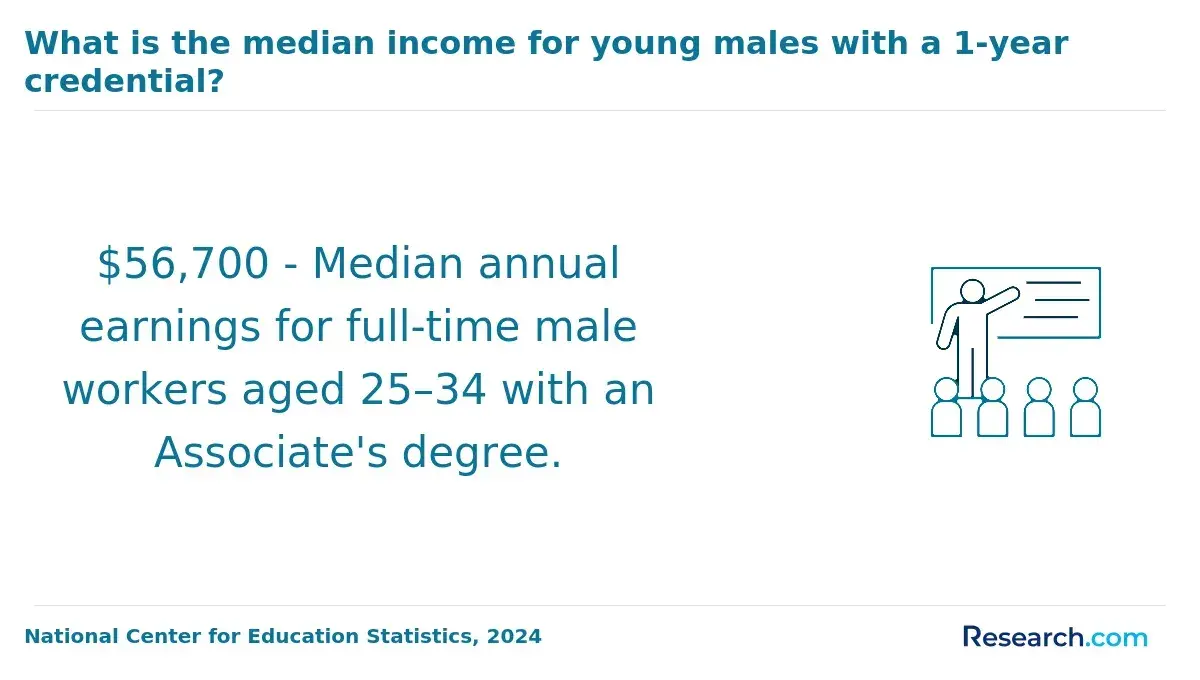
Adult learners pursuing a Medical Billing & Coding degree often do so driven by distinct labor market dynamics, primarily the need to pivot into more stable or better-paying healthcare administration roles. Unlike younger students entering education directly from high school, these individuals typically seek rapid credentialing to enhance job security or bridge career gaps amid economic uncertainties. A 2024 report from the U.S. Bureau of Labor Statistics and the National Center for Education Statistics highlights that around 62% of healthcare certificate enrollees aged 25 and older prioritize improving employment prospects and income potential, underscoring the degree's appeal as a practical tool for occupational mobility rather than purely academic advancement. These learners are also mindful that wage growth in medical billing & coding tends to be gradual, which encourages them to combine certification with existing work experience or additional skills to optimize their career trajectories.
Other critical factors shaping adult enrollment include employer-sponsored tuition assistance programs and the proliferation of flexible, online delivery models that accommodate complex life schedules. The health sector's rapid adoption of electronic health records and evolving regulatory requirements necessitates up-to-date credentials, making ongoing education a workforce imperative rather than a discretionary choice. This demand for current technical expertise and credential inflation compels many adults to return to school to maintain relevance and meet explicit hiring criteria, particularly in settings with competitive applicant pools. In addition, online formats reduce geographic and time barriers, facilitating access for adults managing work and family responsibilities alongside their studies.
The influx of adult learners has also influenced how medical billing & coding programs are designed and delivered, accelerating the expansion of asynchronous courses and career-focused curricula. Their participation diversifies classroom demographics and shifts peer learning dynamics, often bringing practical workplace insights that enrich discussions and foster collaborative problem-solving. This trend aligns with broader patterns in workforce reskilling, where education serves as a continuous adaptation mechanism in response to shifting labor market demands, rather than a finite early-career step.
How Do Academic Goals Vary Between Younger and Older Medical Billing & Coding Students?
Younger medical billing & coding students frequently enter programs with an emphasis on foundational knowledge and credential completion aimed at launching their initial healthcare careers. Their academic goals often revolve around rapidly acquiring associate degrees or certificates that facilitate entry-level employment in settings like hospitals, insurance firms, or outpatient facilities. This cohort tends to engage in full-time, campus-based courses to accelerate learning and explore various professional pathways before solidifying a specific career direction. According to the National Center for Education Statistics (NCES, 2024), students aged 18 to 24 prioritize clear milestones such as passing certification exams like the Certified Coding Associate to validate their readiness for workforce entry.
In contrast, adult learners in their mid-20s and beyond approach medical billing & coding education with a focus on tailored skills that address immediate workplace needs or support mid-career transitions. Many juggle employment and family responsibilities, prompting a preference for part-time, online, or hybrid formats that permit flexible pacing. Their academic priorities lean toward specialized certifications and continuing education that promise measurable returns, such as promotions or salary increases, reflecting calculated investments tied to evolving labor market demands. The American Health Information Management Association (AHIMA, 2024) highlights that older students frequently seek credentials beyond entry level, which align with both their accumulated experience and longer-term professional development strategies.
One adult learner shared how uncertainty about class schedules and application deadlines created stress during her decision to enroll. She hesitated initially because the rolling admissions process meant she could either start quickly or face months of waiting, which complicated balancing her current job and family needs. Ultimately, she chose a program offering flexible enrollment dates, appreciating the ability to adjust her start time based on work demands. This adaptability was crucial since she needed to complete certification expediently while managing practical time constraints, illustrating how adult students often weigh timing and format flexibility more heavily than younger peers do.
How Do Financial Concerns Differ Between Traditional Students and Adult Learners?
Traditional students enrolled in medical billing & coding programs, typically aged 18 to 24, often depend on family support, student loans, or federal financial aid to cover tuition and living expenses. This reliance shapes their financial concerns around managing upfront tuition costs while balancing future debt obligations, as many weigh the impact of borrowing against potential credentialing timelines. According to a 2024 National Center for Education Statistics report, about 70% of traditional-age students depend on some form of aid, underscoring the widespread financial dependency that influences enrollment intensity and program pacing. For these students, managing tuition alongside limited personal income is a central challenge within the broader cost comparison of medical billing & coding degrees for younger and adult students.
Adult learners, in contrast, encounter a more complex financial landscape that involves juggling current household expenses, child care, and employment commitments. Many finance their education through personal savings or employer tuition assistance while facing significant opportunity costs such as lost wages due to reduced work hours or unpaid leave. A 2024 Lumina Foundation report found that 45% of adult learners identify balancing educational expenses with family obligations as a primary financial challenge, reflecting a tighter margin for risk and a greater emphasis on pacing studies sustainably. This cohort's financial decision-making factors in not only direct costs but also the economic tradeoffs of returning to school later in life, which shapes distinct enrollment patterns compared to younger peers.
These financial distinctions influence how students select medical billing & coding programs, including choices between full-time versus part-time enrollment and on-campus versus online formats. Adults often prioritize flexible schedules and clear employment outcomes that justify the cost and time investment, aligning with workforce demands and lifecycle financial planning. Indeed, certifications in medical billing & coding are projected by the U.S. Department of Labor to offer steady job growth with salary gains that can offset educational expenses within two years, underscoring the importance of return on investment for adult learners. For those evaluating different educational paths, programs such as an accelerated nutrition degree online offer examples of how pacing and format can impact financial feasibility and career timelines in allied health sectors.
What Challenges Do Adult Learners and Traditional Students Face While Earning a Medical Billing & Coding Degree?
Traditional students pursuing a medical billing & coding degree often grapple with the transition from a highly structured high school environment to the greater autonomy and academic demands of college-level study. This group typically faces challenges around developing consistent time management skills and adapting to independent learning formats while lacking prior exposure to healthcare-specific terminology and technology. Many also confront fluctuating academic preparedness, which affects how efficiently they can engage with complex program content. Financial pressure can contribute to these hurdles as well, with nearly half carrying some amount of student debt according to a 2024 report by the National Center for Education Statistics, which may influence retention and completion rates.
Adult learners encounter a fundamentally different set of challenges shaped by their simultaneous roles outside the classroom. Balancing full-time employment, caregiving responsibilities, and coursework creates significant time constraints that many traditional scheduling models do not accommodate. A 2024 Lumina Foundation study found that over 60% of adults in this cohort identified inflexible course options as a central barrier to progression. Additionally, re-entering an academic environment after time away can reveal gaps in technological fluency and foundational knowledge, slowing mastery of essential digital coding systems and healthcare software increasingly required by employers.
These divergent pressures necessitate tailored institutional responses to support degree attainment effectively. Programs that incorporate flexible learning formats such as evening, weekend, or online courses, alongside specialized advising and career guidance, better serve adult learners juggling external obligations. Conversely, younger students may benefit more from targeted academic coaching and peer networking to build foundational skills and sustain motivation. Understanding these nuanced differences is critical for educators and policymakers aiming to optimize educational pathways that reflect the distinct lifecycle constraints and workforce integration challenges characteristic of each group.
How Does Age Affect Medical Billing & Coding Degree Student Retention?
Younger students pursuing medical billing & coding degrees often face retention challenges linked to their academic and social transition into higher education. They may enroll with exploratory goals rather than clear career intentions, which can weaken sustained engagement when initial expectations clash with program rigor. Early difficulties in adapting to college-level study habits and balancing emerging responsibilities contribute to higher dropout risks. Data from the National Student Clearinghouse in 2024 indicates retention rates around 58% for traditional-aged learners in health-focused certificate programs, reflecting these hurdles.
Conversely, adult learners in medical billing & coding programs typically exhibit stronger persistence driven by defined professional objectives, yet their retention is moderated by external pressures such as work commitments and family care. These students often seek flexible, asynchronous, or hybrid course structures that reduce scheduling conflicts and improve continuity. Even with a roughly 70% retention rate reported by recent studies, time management remains a critical factor influencing completion. Institutions recognizing these lifecycle variations can better tailor support services to bridge gaps in readiness and accessibility for different age cohorts.
One graduate recalled navigating the rolling admissions schedule with some hesitation after initially delaying application due to uncertainty about balancing studies and a part-time job. They eventually chose a program that allowed enrollment mid-term and appreciated the ability to start when personal circumstances permitted. "It wasn't about rushing in right away," they reflected, "but about finding the right moment and format that matched my work hours." This approach reduced early overwhelm and reinforced their commitment to completing the credential despite outside demands.
Which Medical Billing & Coding Specializations Are Most Popular Among Adult Learners?
Adult learners pursuing medical billing & coding degrees tend to focus on specializations that offer clear pathways to career mobility, salary advancement, and practical skill enhancement aligned with current healthcare demands. Their choice often reflects a strategic balance between leveraging existing industry experience and targeting roles with proven job market resilience. Unlike traditional students, adult learners prioritize programs that support workforce transitions or upskilling within stable healthcare sectors, enabling faster return on investment and minimizing educational downtime.
- Hospital inpatient coding: This specialization attracts adult learners because it involves working with Diagnosis-Related Groups (DRGs), which requires familiarity with complex clinical documentation. Its direct impact on hospital reimbursement and compliance makes it highly valued and often leads to higher wages and career advancement opportunities.
- Specialty coding (cardiology, oncology, orthopedics): Adult students with prior healthcare experience or those pivoting into specialized clinical areas choose these fields due to their higher barrier to entry and certification requirements, which translate into greater job security and pay scales.
- Compliance and auditing roles: These positions integrate medical coding expertise with knowledge of healthcare regulations and insurance protocols, appealing to learners aiming to expand beyond coding into advisory or oversight functions within healthcare revenue cycles.
- Outpatient coding specialization: Focused on ambulatory care and outpatient services, this path suits those targeting steadily growing outpatient facilities, benefiting from consistent demand without the intensity of inpatient hospital workflows.
Data from a 2024 workforce report indicates that approximately 61% of adult learners in medical billing & coding certificate programs choose at least one specialized coding track, a significant contrast to the 38% uptake among traditional students. This underscores adult learners' preference for targeted skill sets aligned with employer expectations and sustainable employment opportunities. These popular medical billing and coding career paths for adult students reflect a pragmatic approach to education that balances upskilling with real-world labor market demands.
Deciding on a specialization often hinges on prior experience, intended career shift, and compensation potential. For those contemplating alternative healthcare roles, understanding whether is it hard to become a pharmacist or exploring adjacent professions can also inform how medical billing & coding specializations complement broader healthcare workforce transitions.
How Does Age Affect Job Opportunities for Medical Billing & Coding Graduates?
Graduates entering the medical billing & coding field at a younger age typically encounter a labor market focused on entry-level hiring, where internship opportunities and structured training programs facilitate smoother transitions into full-time roles. Employers often perceive traditional students, generally aged 18 to 24, as longer-term investments, making them more likely to secure internships and early professional positions that accelerate skill acquisition. Recent data from the U.S. Bureau of Labor Statistics in 2024 shows graduates under 30 have a 15% higher chance of obtaining entry-level jobs within six months, reflecting this early-career advantage. These job prospects for adult medical billing & coding graduates highlight the segmented workforce dynamics that reward initial adaptability and technical certifications.
In contrast, older graduates frequently navigate a distinct path shaped by transferable skills, prior healthcare or administrative experience, and specific career transition objectives. While adult learners may face subtle employer biases regarding adaptability to fast-evolving health IT systems, many demonstrate enhanced job stability and motivation, improving outcomes for mid-level placements. Employers increasingly value demonstrated coding accuracy and familiarity with electronic health record software, which can mitigate age-related concerns and facilitate advancement. Students weighing career opportunities by age in medical billing & coding should consider how continuing education impacts long-term prospects; exploring best easiest counseling degree programs also illustrates how tailored credentials support diverse learner profiles across industries.
What Do Current Medical Billing & Coding Enrollment Trends Reveal About Future Demand?
Rising and shifting enrollment patterns in fast online medical billing and coding certification programs highlight evolving perceptions of career viability and education flexibility. An increasing share of adult learners now dominate these programs, prioritizing online or hybrid formats that accommodate work and family obligations while targeting up-to-date certifications relevant to healthcare employers. Traditional college-age students, though smaller in number, still enroll driven by the prospect of faster entry into healthcare administration roles. These enrollment shifts reflect a nuanced reevaluation of program attributes, with practicality and streamlined certification pathways gaining precedence over purely academic credentials.
These enrollment dynamics correspond closely with broader labor market signals, including a projected 9% employment growth for health information technicians through 2032, as reported by the U.S. Bureau of Labor Statistics. Employers increasingly demand professionals who can adapt to ongoing technological changes and regulatory complexity, fueling interest in specialized credentials and continuing education. Consequently, program expansion is likely to focus on modular curricula that align with real-time industry needs and support ongoing workforce development, indicating durable demand and evolving specialization within medical billing & coding education going forward.
References:
- 3 New Trends in Medical Billing And Coding https://blackstone.edu/3-trends-in-medical-billing-and-coding/
- What is Medical Billing and Coding? - AAPC https://www.aapc.com/resources/medical-billing-and-coding-training
- Medical Coding Market Size, Growth, & Share Report 2024-2032 https://www.snsinsider.com/reports/medical-coding-market-2491
- Top Medical Billing and Coding Programs to Kickstart Your Career in Healthcare | eLearningConnex https://www.elearningconnex.com/lms_blog/top-medical-billing-and-coding-programs-to-kickstart-your-career-in-healthcare/
- Career Outlook: Medical Coding and Billing - USCI https://www.uscareerinstitute.edu/blog/career-outlook-medical-coding-and-billing
- ICD-10 Delay - Its Impact on Students | OSI https://www.outsourcestrategies.com/blog/icd10delay-impacton-students/
- Medical Coding Market Size, Share and Forecast, 2026-2033 https://www.coherentmarketinsights.com/market-insight/medical-coding-market-5106
- Returning to School - MedicalBillingandCoding.org https://www.medicalbillingandcoding.org/resources/returning-to-school/
- How Higher Education Institutions Can Address the Needs of Adult Learners https://www.higheredtoday.org/2022/04/18/how-higher-education-institutions-can-address-the-needs-of-adult-learners/
- Meeting the Needs of Adult Students | Insight Into Academia https://insightintoacademia.com/meeting-the-needs-of-adult-students/
Other Things You Should Know About Medical Billing & Coding
In 2026, program pacing significantly affects traditional students and adult learners in medical billing & coding degrees. Traditional students often prefer structured schedules, which align with their recent high school experience. Conversely, adult learners, balancing work and family, favor flexible pacing to accommodate existing commitments, reflecting a broader trend towards adaptable learning environments.
Adult learners often favor programs that facilitate stackable credentials allowing gradual skill accumulation alongside current employment, which can mitigate financial risk. In contrast, traditional students might prioritize programs with direct pathways to certification and entry-level jobs, accepting less modular flexibility for quicker completion. Choosing stackable credentials may delay full credentialing but provide greater career mobility and resilience for adults, whereas younger students aiming for immediate workforce entry should focus on streamlined, comprehensive certifications that meet employer expectations at graduation.
Employers often view adult learners as having stronger soft skills such as time management and workplace communication, but may harbor concerns about familiarity with the latest technology or clinical trends, depending on the recency of education. Traditional students are presumed more up-to-date with current coding software and healthcare regulations but might lack practical workplace experience. For adult learners, supplementing education with hands-on internships or simulation labs is advisable to bridge perception gaps, while traditional students should seek real-world exposure to avoid being perceived as purely theoretical graduates.
While online programs offer adult learners the essential flexibility to accommodate work and family, they may exhibit lower completion rates due to competing responsibilities and reduced social support. Traditional students often gain engagement and retention benefits from in-person settings that facilitate immediate access to instructors and peers. Adult learners should weigh their self-discipline and support systems when choosing online formats, ensuring programs have robust advising and interaction, whereas traditional students might benefit more from immersive classroom environments that enhance collaboration and motivation.