2027 Best Accredited Online Software Engineering Degree Programs: Compare Tuition, Admissions, and Career Outcomes

Co-Founder and Chief Data Scientist
Choosing an online software engineering degree is a cost, time, and career decision-not just a school search. The U.S. Bureau of Labor Statistics projects employment for software developers to grow 17% through 2033, much faster than average, making program quality and job readiness especially important.
This guide is for first-time students, transfer students, and working adults comparing accredited online options. You'll learn how tuition, accreditation, admissions, learning format, support services, and career outcomes affect long-term value.
Key Things You Should Know
- The strongest online software engineering programs combine institutional accreditation, preferably ABET accreditation for the specific computing or engineering program, transparent tuition, strong project-based coursework, and career support.
- Cost varies widely: College Board's 2024 pricing data lists average published tuition and fees at $11,610 for in-state public four-year institutions and $43,350 for private nonprofit four-year institutions, before aid.
- The main career target is software development; BLS data lists the median annual pay for software developers at $133,080, but outcomes depend on skills, portfolio quality, internships, location, and prior experience.
Which Accredited Online Software Engineering Degree Programs Offer the Best Overall Value?
The best overall value is not always the lowest tuition. For an online software engineering degree, value usually means a credible credential, manageable total cost, a curriculum that builds job-ready coding and design skills, and enough flexibility to finish without pausing your career.
Software engineering is the discipline of designing, building, testing, maintaining, and improving software systems. Unlike a general computer science degree, which may emphasize theory, algorithms, and computing foundations, a software engineering degree usually gives more attention to requirements analysis, software architecture, quality assurance, team development, security, and lifecycle management.
The table below compares common types of accredited online programs and why each may be a strong fit for different students. Tuition figures are best used as planning ranges because schools may update rates, add fees, or price courses differently for residents, nonresidents, military students, and transfer students.
| Program example | Credential type | Accreditation profile | Best fit | Value consideration |
| Arizona State University Online | BS in Software Engineering | Institutionally accredited; program has ABET accreditation | Students who want a nationally recognized public university and an engineering-oriented software curriculum | Strong academic brand and ABET status may justify higher cost for students seeking engineering credibility |
| Penn State World Campus | BS in Software Engineering | Institutionally accredited; program has ABET accreditation | Students who want a selective public research university system and a structured software engineering major | Good fit for students prioritizing reputation, advising, and structured progression |
| Western Governors University | BS in Software Engineering | Institutionally accredited | Working adults who already have coding exposure and want competency-based pacing | Per-term tuition can be cost-effective for students who complete courses quickly |
| Southern New Hampshire University | BS in Computer Science with software engineering-focused coursework | Institutionally accredited | Students who want broad admissions access and a flexible software-focused computing path | May be practical for career changers, but students should confirm whether the credential title matches employer expectations |
| University of Maryland Global Campus | Software development or related computing bachelor's pathway | Institutionally accredited | Military-affiliated students, transfer students, and adults needing asynchronous coursework | Strong transfer and adult-learner structure can reduce time to completion |
For most students, the strongest combination of affordability, flexibility, and career alignment comes from a regionally accredited public university or a competency-based nonprofit institution, provided the curriculum includes substantial programming, software design, databases, testing, cloud or systems work, and a capstone project. Students seeking the most engineering-specific credential should give extra weight to ABET-accredited software engineering programs.
A common mistake is choosing only by brand name or only by tuition. A more reliable approach is to compare net price after aid, transfer credit acceptance, expected time to graduation, ABET status when relevant, required projects, internship support, and whether the course schedule fits your life.
What Accreditation Should Students Look for in an Online Software Engineering Degree Program?
Accreditation is the first filter students should apply. In the U.S., institutional accreditation confirms that a college or university meets broad academic and administrative standards. It also affects access to federal financial aid, credit transfer, graduate school eligibility, and employer recognition.
For software engineering, there are two accreditation levels to understand. Institutional accreditation applies to the school. Programmatic accreditation applies to a specific degree program, and ABET is the most recognized programmatic accreditor for engineering, computing, and technology programs.
Use this checklist before applying, especially if a program advertises itself as "online," "accelerated," or "career-focused." These steps help you avoid enrolling in a program that sounds legitimate but may not support your goals.
- Confirm the school appears in the U.S. Department of Education's Database of Accredited Postsecondary Institutions and Programs.
- Check whether the specific software engineering or computing program has ABET accreditation if engineering recognition is important to your goals.
- Ask whether the online version and campus version lead to the same degree title and transcript language.
- Verify that credits can transfer to graduate programs or other universities if you may continue your education later.
- Review employer requirements in your target field, especially for defense, aerospace, embedded systems, and regulated industries.
ABET accreditation is not mandatory for every software development job. Many employers care more about skills, projects, internships, and technical interviews. However, ABET can matter more for students who want an engineering-labeled degree, plan to work in safety-critical systems, or want the strongest academic signal possible.
Red flags include vague accreditation claims, pressure to enroll immediately, unclear degree titles, missing faculty information, limited curriculum detail, and schools that cannot explain whether online students receive the same credential as campus students.
How Do Tuition Costs Compare Across Accredited Online Software Engineering Degree Programs?
Tuition comparison should start with total program cost, not just per-credit price. Online students may also pay technology fees, proctoring fees, textbooks or digital materials, cloud computing subscriptions, graduation fees, and residency or capstone travel costs if required.
College Board's 2024 Trends in College Pricing data lists average published tuition and fees at $11,610 for in-state public four-year institutions, $30,780 for out-of-state public four-year institutions, and $43,350 for private nonprofit four-year institutions. That does not mean your online degree will cost exactly those amounts, but it shows why residency status, transfer credits, and institutional aid can dramatically change the final bill.
The table below shows how common pricing models affect affordability. Use it to identify which model fits your pace, transfer background, and ability to study year-round.
| Pricing model | How it works | Who benefits most | Cost risk to watch |
| Per-credit tuition | Students pay for each credit attempted | Part-time students and those who need predictable course-by-course billing | Repeating or withdrawing from courses can increase total cost |
| Flat-rate term tuition | Students pay one amount for a term and complete as many eligible courses as allowed | Self-directed students who can move quickly through familiar material | Slow progress reduces the value of the flat-rate model |
| Resident and nonresident public tuition | Public universities may charge different rates based on residency | Students who qualify for in-state or online-specific rates | Out-of-state rates may erase the affordability advantage |
| Private nonprofit tuition with aid | Published tuition may be high, but institutional grants can reduce net price | Students with strong aid eligibility or employer tuition benefits | Sticker price can mislead if aid is not renewable |
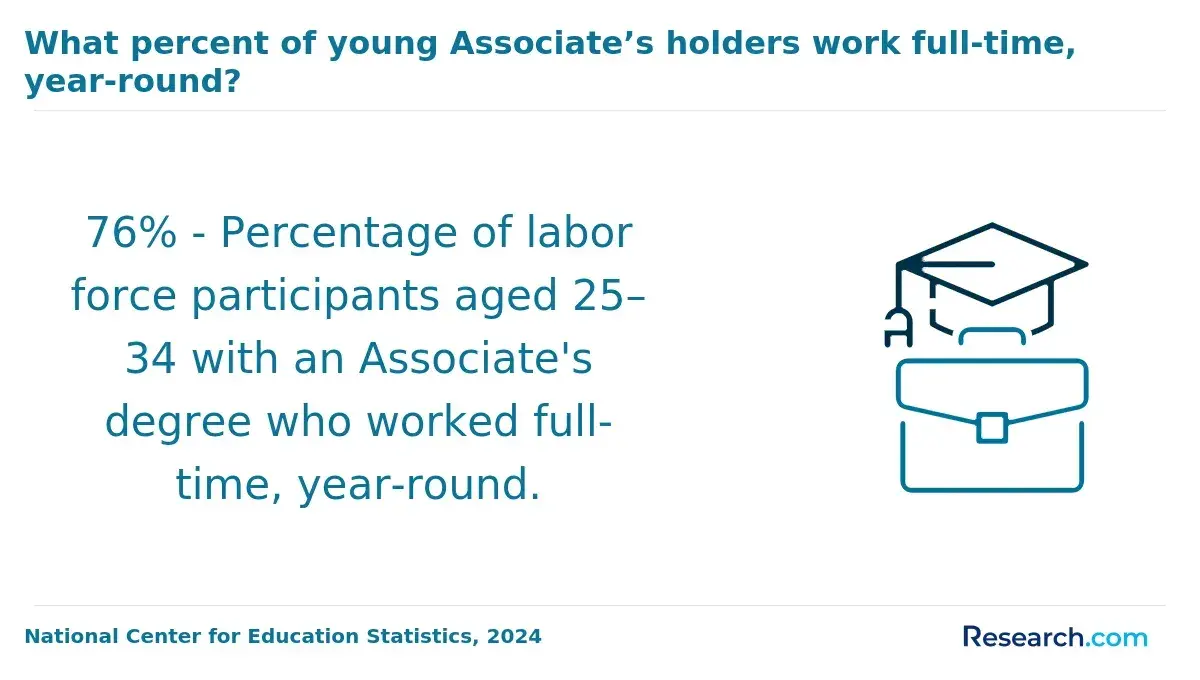
Students who are not ready for a bachelor's program may compare shorter, lower-cost pathways first, including 2 year online degrees that pay well. This can make sense if you need a faster workforce entry point, but a bachelor's degree is still more common for software engineering roles that require deeper design, architecture, or systems training.
To compare costs accurately, request a degree plan that includes accepted transfer credits, remaining credits, tuition by term, fees, estimated materials, and expected graduation date. The cheapest per-credit program is not the best deal if it accepts fewer transfer credits or requires more semesters to complete.
How Competitive Is Admission to Accredited Online Software Engineering Degree Programs?
Admissions competitiveness varies widely. Some online software engineering programs use traditional first-year or transfer admissions, while others are designed for broad access and adult learners. Selectivity can signal academic rigor, but it should not be confused with career value by itself.
Most bachelor's programs require a high school diploma or equivalent, transcripts, and proof of college readiness. More selective programs may expect prior math preparation, stronger grades, or completed prerequisites. Transfer-friendly programs may admit students with prior credits and then place them into the appropriate math, programming, and general education sequence.
The table below summarizes common admissions profiles. It helps you identify whether a program is likely to fit your academic background before you spend time and money applying.
| Admissions profile | Typical requirements | Best for | Potential drawback |
| Traditional public university admission | High school or transfer GPA review, transcripts, math readiness, and general university requirements | Students with solid academic preparation who want a structured degree path | May require more prerequisites before upper-division software engineering courses |
| Transfer-focused admission | Prior college credits, minimum GPA, completed general education or lower-division courses | Community college students and adults returning to finish a degree | Transfer limits can affect time to completion |
| Open or broad-access admission | Diploma or equivalent, transcripts, and placement or readiness review | Career changers and students with uneven academic histories | Students may need stronger self-discipline and support planning |
| Competency-based admission | Readiness review, prior learning, work experience, or placement recommendations | Working adults with existing technical knowledge | Less structured pacing may not fit students who need frequent deadlines |
If your grades or math background are not strong enough for direct entry, starting with community college can be a practical route. An accelerated associate degree may help some students complete general education or introductory technical credits faster, but you should confirm transferability before enrolling.
The biggest admissions mistake is assuming an easier application means a weaker program. Another mistake is enrolling before confirming prerequisites. Software engineering curricula often build from algebra, discrete math, programming fundamentals, data structures, databases, and software design, so missing early requirements can delay graduation.
Which Learning Formats Offer the Greatest Flexibility in Online Software Engineering Degree Programs?
Online software engineering programs can be fully asynchronous, synchronous, hybrid, cohort-based, self-paced, or competency-based. The best format depends on your work schedule, learning style, need for instructor interaction, and ability to manage complex coding projects independently.
Flexibility matters because software engineering courses often require sustained project work. A student who can watch lectures anytime may still struggle if group projects, exams, labs, or capstone meetings happen at fixed times.
The table below compares common online learning formats and the trade-offs students should consider before applying.
| Format | How it usually works | Greatest advantage | Best fit |
| Asynchronous online | Students complete weekly work without required live class meetings | Maximum schedule flexibility | Working adults, parents, military students, and students in different time zones |
| Synchronous online | Students attend live virtual classes at scheduled times | More real-time interaction and accountability | Students who learn better through discussion and direct instructor access |
| Hybrid online | Most work is online, but some campus meetings, labs, or residencies may be required | Combines online convenience with in-person collaboration | Students who live near campus or want occasional face-to-face support |
| Competency-based | Students progress by demonstrating mastery rather than following a fixed weekly schedule | Potentially faster completion for experienced learners | Students with prior programming, IT, or professional experience |
| Cohort-based | Students move through courses with the same peer group | Stronger community and predictable sequencing | Students who want structure and networking |
Before choosing a format, ask whether exams are proctored, whether team projects require live meetings, whether courses are available every term, and whether upper-level software engineering classes have limited seats. A program that looks flexible in marketing materials may be less flexible once you reach advanced courses.
Students who need maximum independence should look for asynchronous or competency-based formats. Students who are new to programming may be better served by structured weekly courses with regular instructor feedback, even if that format is less flexible.
What Student Support Services Improve Success in Online Software Engineering Degree Programs?
Strong support services can make the difference between enrolling and graduating. Software engineering coursework becomes difficult quickly, especially when students reach data structures, systems design, software testing, secure coding, and team-based capstones.
Online students should look beyond general advising and ask about technical, academic, and career-specific support. The most useful services are those that help students solve real problems before they become reasons to stop out.
When comparing programs, prioritize support services that directly affect persistence and employability. These are especially important for students studying part time or returning to school after several years away.
- Dedicated academic advising that maps prerequisites, transfer credits, and graduation timelines before enrollment.
- Programming tutoring or lab support for languages used in required courses, not just general writing or math help.
- Career coaching that includes resume reviews, technical interview preparation, GitHub or portfolio feedback, and internship guidance.
- Faculty access through office hours, discussion boards, code review, or project feedback.
- Online library, cloud lab, software license, and virtual machine access that supports advanced technical assignments.
- Disability accommodations, mental health resources, and student success coaching available to fully online learners.
A practical way to test support quality is to contact advising before applying. Ask how quickly online students receive help in upper-level technical courses, whether tutoring is available during evenings or weekends, and whether career services have experience with software engineering roles.
A common red flag is a program that offers generic career services but cannot explain how students prepare for coding assessments, software project interviews, internships, or collaborative development environments.
Which Financial Aid Options Are Available for Accredited Online Software Engineering Degree Students?
Accredited online students are often eligible for the same major categories of financial aid as campus students, provided the school participates in federal aid programs and the student meets eligibility requirements. Aid can change the value equation dramatically, so students should compare net price rather than published tuition.
The maximum Federal Pell Grant for the 2024-25 award year is $7,395. For eligible students, that grant can reduce borrowing, but it may not cover the full cost of a software engineering program, especially when tuition, fees, equipment, and living expenses are included.
Use the following aid categories as a comparison framework when reviewing financial aid offers. Each option can affect total cost differently, and some are renewable only if you maintain academic progress.
- Federal grants, including Pell Grants, which do not usually need to be repaid if eligibility rules are met.
- Federal student loans, which can help cover costs but should be evaluated against expected monthly repayment after graduation.
- Institutional scholarships based on need, merit, transfer status, military affiliation, or academic program.
- Employer tuition assistance or reimbursement, which can be valuable for working adults in IT, business, or technical support roles.
- State grants or workforce programs, which may apply if the school and student meet residency or program rules.
- Military and veteran education benefits, which may significantly reduce out-of-pocket cost for eligible students.
When comparing offers, focus on grants and scholarships first, then loans. Also ask whether aid applies to summer terms, whether scholarships renew automatically, and whether dropping below full-time status affects eligibility.
The mistake to avoid is accepting the first aid package without comparing total debt at graduation. A higher-tuition school can be cheaper after grants, while a lower-tuition school can become expensive if it accepts fewer transfer credits or requires additional terms.
Which Career Outcomes Are Associated With Accredited Online Software Engineering Degree Programs?
Accredited online software engineering degrees commonly prepare students for software developer, application developer, backend developer, frontend developer, full-stack developer, quality assurance analyst, DevOps associate, systems analyst, and software test engineer roles. Career outcomes depend heavily on portfolio quality, internships, technical interview performance, location, and prior experience.
The BLS reports a median annual wage of $133,080 for software developers in May 2024. This figure should be treated as labor-market context, not a promise; entry-level compensation can be lower, and pay varies by region, industry, technical stack, and experience.
Employers usually look for proof that a graduate can build reliable software, work with others, and learn new tools. A strong online program should help students develop both technical depth and evidence of applied work.
| Career path | Common responsibilities | Relevant program experiences | What improves competitiveness |
| Software developer | Designs, builds, tests, and maintains applications or systems | Programming, data structures, software design, databases, capstone projects | Portfolio projects, internships, Git-based collaboration, technical interview practice |
| Quality assurance analyst or tester | Tests software, documents defects, and improves reliability | Software testing, requirements analysis, automation, secure coding | Experience with test frameworks, bug tracking, and continuous integration tools |
| Backend developer | Builds server-side logic, APIs, databases, and application infrastructure | Databases, distributed systems, cloud concepts, security | API projects, database design examples, cloud deployment experience |
| Frontend developer | Builds user-facing web or mobile interfaces | Web development, human-computer interaction, software design | Usable portfolio sites, accessibility awareness, JavaScript framework experience |
| DevOps or release engineering associate | Supports deployment, automation, monitoring, and development workflows | Systems, scripting, cloud labs, software configuration management | CI/CD projects, Linux skills, cloud fundamentals, automation scripts |
Students who enjoy the analytical side of computing but want a broader quantitative path may also compare online math degree programs, especially if they are interested in data science, algorithms, modeling, or graduate study. To improve career outcomes, choose a program that requires substantial projects, not only exams. Graduating with a clean portfolio, documented code, team project experience, and internship or applied capstone work can matter as much as the degree title in early software hiring.
How Do Online and Campus-Based Software Engineering Degree Programs Compare?
Online and campus-based software engineering programs can lead to similar academic outcomes when the institution, faculty standards, curriculum, and degree requirements are comparable. The main differences usually involve scheduling, peer interaction, access to campus labs, networking, and how students build accountability.
Online programs are often best for working adults, caregivers, military students, and transfer students who cannot relocate or attend daytime classes. Campus programs may be better for students who want in-person labs, residential life, frequent faculty contact, research groups, or local internship pipelines.
The table below compares practical differences that affect learning experience and return on investment.
| Factor | Online software engineering degree | Campus-based software engineering degree | Decision point |
| Schedule | Often asynchronous or evening-friendly | Usually follows fixed class meeting times | Online is stronger for students balancing work or family |
| Networking | Requires intentional use of virtual events, group projects, and career services | More organic through clubs, labs, and campus events | Campus may help traditional students build relationships faster |
| Hands-on work | Uses cloud labs, virtual machines, repositories, and remote collaboration tools | May include physical labs, maker spaces, and in-person project teams | Both can work if projects are substantial and well supported |
| Cost | May reduce relocation, commuting, and housing costs | May include more campus fees and living expenses | Compare total cost, not tuition alone |
| Accountability | Requires self-management and proactive communication | Provides more built-in structure and face-to-face reminders | Choose based on your study habits, not only convenience |
Some students begin in software engineering and later move toward product management, technology leadership, or entrepreneurship. For those long-term goals, technical experience can pair well with business training such as accelerated MBA programs, but that step usually makes more sense after gaining professional experience.
The key question is not whether online or campus learning is universally better. The better choice is the one you can complete successfully while building credible software projects, receiving feedback, and accessing career opportunities.
How Should Students Choose the Best Accredited Online Software Engineering Degree Program?
The best accredited online software engineering degree program is the one that fits your career target, budget, schedule, academic preparation, and learning style. A program with strong rankings may still be a poor fit if it costs too much, transfers too few credits, or uses a format that does not match how you learn.
Use a structured selection process rather than relying on a single ranking or advertisement. The steps below help you compare programs on the factors that most affect completion and return on investment.
- Define your target role, such as software developer, backend developer, QA analyst, or DevOps associate, and confirm the curriculum supports that path.
- Verify institutional accreditation and check ABET status if you want an engineering-specific software credential.
- Request a transfer evaluation before enrolling, including how many credits apply directly to the major and general education requirements.
- Calculate total cost through graduation, including tuition, fees, materials, repeated courses, and the number of terms you realistically need.
- Compare course format, required live sessions, proctored exams, group project expectations, and whether upper-level courses are offered often enough.
- Review career support, internship access, portfolio requirements, technical interview preparation, and graduate outcome information when available.
- Ask admissions counselors direct questions about capstone projects, faculty feedback, tutoring, software tools, and how online students interact with peers.
Students should also think ahead. If your long-term goal is technical management, research leadership, or executive-level organizational work, a bachelor's degree may be only one step in a longer plan. Later options could include graduate computing programs, business degrees, or a PhD in organizational leadership, depending on whether you want to lead engineering teams, organizations, or research-driven initiatives.
Choose a lower-cost program when it is accredited, accepts your credits, offers the courses you need, and provides enough support to finish. Consider paying more when the program has ABET accreditation, stronger project infrastructure, better career services, or a reputation that matters in your target industry. Avoid any program that cannot clearly explain accreditation, total cost, degree requirements, or student outcomes.
Other Things You Should Know About Software Engineering
In 2027, online software engineering students can access various financial aid options, including federal student loans, grants, and scholarships. Many accredited programs also offer specific aid packages or partnerships with organizations to support students financially, so it’s advisable to check with the individual institutions.
Most students need a reliable laptop or desktop with enough memory and processing power to run development tools, browsers, virtual machines, and collaboration software. Always check the program's technology requirements before buying equipment.
Credits from accredited institutions can often be transferred to online software engineering programs, subject to the approval of admissions offices. Typically, schools require official transcripts and assess relevancy. It's essential to check specific program policies and possible credit limits when considering transfers in 2027.
Commonly useful languages include Python, Java, JavaScript, C#, C++, and SQL. The specific language matters less than learning software design, debugging, testing, data structures, and how to build maintainable projects.
References
- Software Engineering Internship - Progress Careers https://www.progress.com/company/careers/internship
- Top 10 Online IT Undergrad Degrees - GradLime https://gradlime.com/online-it-degrees/
- Best Online Software Engineering Degrees https://www.computerscience.org/degrees/bachelors/online/software-engineering/
- Developer Education Statistics 2026: Degree vs Bootcamp https://rockstardeveloperuniversity.com/developer-education-statistics/
- Software Engineer Program | JPMorgan Chase & Co. https://www.jpmorganchase.com/careers/explore-opportunities/programs/software-engineer-summer
- Student Programs & Early Careers https://www.siemens.com/en-us/company/siemens-software-student-talent-programs/
- Software Engineering Bachelor – Earn a degree while working https://claas2saas.com/blog/earn-a-degree-while-working/
- Software Engineer Jobs: Roles, Salary, Skills https://amquesteducation.com/blog/software-engineer-jobs/
- Real-World Work Experience | Virtual Internships https://www.virtualinternships.com/
- Early Careers Programs & Applications https://wise.jobs/wisestart-programs