
2027 Best LVN Programs in Texas – Accredited Online LPN Programs

Co-Founder and Chief Data Scientist
If you are comparing online LVN programs in Texas, the real question is not whether you can study nursing from home. It is whether a program will qualify you for Texas licensure, fit around your life, provide realistic clinical access, prepare you for the NCLEX-PN, and justify the cost. That matters because Texas is expected to need more licensed vocational nurses than the workforce can supply: demand is projected to exceed supply by 2025, and the shortfall could approach 13,000 LVNs by 2032.
This guide explains how online and hybrid LVN programs in Texas actually work, what students should expect from labs and clinical rotations, how much programs may cost, which schools offer flexible options, and how to evaluate whether a program is a smart choice. It is written for future nursing students who want a faster entry into patient care but also need flexibility because of work, family responsibilities, location, or budget.
Quick answer: Should you consider an online LVN program in Texas?
Yes, an online LVN program in Texas can be worth considering if it is approved by the Texas Board of Nursing and includes the required in-person skills labs and supervised clinical rotations. Most Texas LVN programs cannot be fully online because vocational nursing requires hands-on patient care training. In practice, the strongest flexible option is usually a hybrid LVN program: nursing theory is completed online, while labs, check-offs, simulations, and clinical experiences happen in person at approved sites.
Top reasons Texas students choose online or hybrid LVN programs
- Access to stable healthcare settings: Texas LVNs may work in nursing and residential care facilities, hospitals, home healthcare, clinics, schools, and other patient care environments.
- Practical earning potential: The average entry-level salary for LVNs in Texas is around $55,500, which is higher than the national average cited in the original data.
- More geographic flexibility: Hybrid formats can make vocational nursing education more reachable for students who live outside major metro areas or cannot commute to campus every day.
What can I expect from an online LVN degree?
An online LVN degree or certificate in Texas is usually a hybrid vocational nursing program rather than a fully remote program. Students often complete lectures, assignments, quizzes, discussions, case studies, and some simulations through an online learning platform. However, they must also attend in-person labs and clinical rotations because core nursing skills cannot be learned only through videos or readings.
Expect training in medication administration, infection control, patient assessment, wound care, documentation, communication, and safe bedside care. The classroom portion usually covers nursing fundamentals, pharmacology, medical-surgical nursing, maternal-child nursing, mental health concepts, anatomy-related content, and professional responsibilities. The clinical portion places students in healthcare settings where they provide care under supervision and begin applying nursing judgment with real patients.
| Program component | What it usually looks like in a Texas online LVN program | Question to ask the school |
| Online coursework | Theory lessons, assignments, exams, case studies, and selected simulations are delivered through a digital platform. | Are online classes live, asynchronous, or a combination? |
| Skills labs | Students report to campus or an approved lab site to practice required nursing procedures before clinical care. | How many lab days are required, and where are they held? |
| Clinical rotations | Students complete supervised patient care experiences at healthcare facilities arranged or approved by the program. | Can I complete clinicals near where I live? |
| NCLEX-PN preparation | Many programs use practice exams, review modules, faculty coaching, and NCLEX-style questions throughout the curriculum. | What is the most recent NCLEX-PN pass rate? |
| Licensure guidance | Programs may help graduates understand Texas Board of Nursing application requirements and exam steps. | Who helps students confirm licensure eligibility before graduation? |
Where can I work with an online LVN degree in Texas?
Graduates of approved LVN programs can pursue licensure and work in several healthcare environments. In Texas, more than 26% of LVNs work in nursing homes or extended care facilities. These employers often depend on LVNs to administer medications, observe changes in resident condition, assist with care plans, document care, and communicate with RNs, physicians, and families.
LVNs also work in home health agencies and inpatient hospital settings. Fewer than 10% of Texas LVNs are employed in private physician or dentist offices, public or community health organizations, schools and colleges, military settings, rural health clinics, and other specialized workplaces. When choosing a program, think beyond the credential itself. Your preferred work setting should influence the clinical experience, schedule, and career support you look for.
How much can I make with an online LVN degree in Texas?
LVN pay in Texas varies by employer, region, shift, experience level, and specialty. The salary data used for this guide reports median LVN pay in Texas at nearly $63,900 per year, compared with a national average of approximately $54,000. City-level estimates also differ: Austin is listed at around $68,900 annually, Fort Worth at over $65,100 annually, and Dallas, Plano, and Houston in the $64,000 range.
Experience can raise earning potential. LVNs with one year or less of experience may earn up to $61,000 annually, while LVNs with five to 10 years of experience are reported to average between $66,500 and $70,900 per year. Another salary estimate in this guide places the average LVN salary in Texas at approximately $48,000 to $53,000 per year, with hourly wages from $22 to $27. Because salary tools use different sources and methods, compare several labor market resources and current local job postings before estimating return on investment.
- 2027 best online LVN programs in Texas
- How long online LVN programs take in Texas
- Online LVN vs. campus LVN programs in Texas
- Average online LVN program costs in Texas
- Financial aid options for Texas LVN students
- Prerequisites for Texas online LVN programs
- Common LVN courses in Texas programs
- Specialized training options for LVN students
- How to choose a Texas online LVN program
- How LVNs transition to RN licensure in Texas
- Advanced nursing degree options for Texas LVNs
- Career services and job placement support
- Accreditation and approval standards
- Challenges of online LVN study
- Career paths after an online LVN program
- Texas LVN licensure and continuing education
- LVN vs. LPN programs in Texas
- Moving from LVN to nurse practitioner
- Texas job market for LVN graduates
- Clinical skills taught in LVN programs
- Technology requirements for online LVN students
- How to succeed in an online LVN program
- NCLEX-PN preparation and licensure support
- Using LVN training as a foundation for advanced nursing
- Using LVN training for administration or coding pathways
- Key factors for LVN career advancement in Texas
2027 Best Online LVN Programs in Texas
How do we rank schools?
Research.com evaluates education options to help students compare programs using clearer, decision-focused information. Our school research uses established sources such as the IPEDS database, Peterson’s database, College Scorecard database, and the National Center for Education Statistics. For LVN programs, rankings and school data should never replace state verification. Before applying, confirm the program’s current Texas Board of Nursing approval status directly with official sources.
| School | Delivery format | Program length | Credits | Important item to confirm |
| North Central Texas College | Online hybrid | 12 months | 42 credit hours | Campus attendance and clinical scheduling |
| Texas State Technical College | Online hybrid certificate | 16 months | 50 credits | Mandatory Information Session and campus availability |
| Blinn College | Blended online | 12 months | 39 credits | Full-time workload of approximately 40 hours per week |
| Baptist Health System School of Health Professions | Blended | 12 months | 43 credits | Required San Antonio campus attendance |
| Alvin Community College | Online hybrid CNA-LVN bridge | 12 months | 44 | CNA and Medication Aide Certification eligibility |
1. North Central Texas College
North Central Texas College (NCTC) offers an online hybrid LVN pathway associated with the Gainesville campus and Spring semester admission. The program includes 10 credits of clinical work and a capstone project. Students use the Leo & Mabel Scott Health Science Center on the Gainesville campus for simulation-based learning that helps them practice clinical reasoning before direct patient care. NCTC also offers campus-based LVN options in Bowie, Corinth, Gainesville, and Graham.
- Program Length: 12 months
- Tracks/concentrations: N/A
- Cost per Semester Hour: $105 (in-district students), $125 (Branch Campus), $195 (in-state students), and $300 (out-of-state students)
- Required Credits to Complete: 42 credit hours
- Accreditation: SACSCOC, approved by the Texas Board of Nursing
2. Texas State Technical College
Texas State Technical College (TSTC) provides a hybrid Vocational Nursing certificate through its Breckenridge, Harlingen, and Sweetwater campuses. Candidates must complete prerequisite requirements and attend a Mandatory Information Session. The curriculum combines interactive online instruction, simulation labs, virtual clinical activities, classroom sessions, and in-person clinical rotations in healthcare facilities.
- Program Length: 16 months
- Tracks/concentrations: N/A
- Cost: $13,500 (estimated cost for the entire program)
- Required Credits to Complete: 50 credits
- Accreditation: SACSCOC, approved by the Texas Board of Nursing
3. Blinn College
Blinn College offers a blended vocational nursing certificate that places theory coursework online while requiring in-person labs and clinical experiences at the Brenham campus under faculty supervision. Students should expect an intensive full-time schedule of approximately 40 hours per week across online theory, campus lab work, and clinical requirements. The blended online program begins only in the Fall semester.
- Program Length: 12 months
- Tracks/concentrations: N/A
- Cost per Credit: $140 (in-district residents), $199 per (in-state residents), $355 (out-of-state or foreign students)
- Required Credits to Complete: 39 credits
- Accreditation: SACSCOC, approved by the Texas Board of Nursing
4. Baptist Health System School of Health Professions
The Baptist Health System School of Health Professions offers a blended Vocational Nursing program with synchronous virtual classes and in-person learning. Students should plan to attend the San Antonio campus around three times per week for lectures and approximately once or twice per week for clinical experiences. Applicants must have an overall TEAS score of 58.7% (Proficient).
- Program Length: 12 months
- Tracks/concentrations: N/A
- Cost: $18,850 (for the entire program including books and other fees)
- Required Credits to Complete: 43 credits
- Accreditation: Accrediting Bureau of Health Education Schools (ABHES), approved by the Texas Board of Nursing
5. Alvin Community College
Alvin Community College (ACC) offers an online hybrid CNA-LVN bridge for Texas-certified nursing assistants who also hold current Medication Aide Certification (CMA). The program is competitive. Applicants need at least six months of full-time CNA experience in a long-term care facility, must attend a virtual applicant meeting, and must complete the Health Education Systems, Inc. Admission Assessment (HESI-A2). ACC also has a traditional LVN option and an LVN-ADN transition pathway, which is separate from online LPN-to-BSN programs.
- Program Length: 12 months
- Tracks/concentrations: N/A
- Cost: $2,453 (in-district students), $2,692 (out-of-district students), and $6,829 (out-of-state students)
- Required Credits to Complete: 44
- Accreditation: SACSCOC, approved by the Texas Board of Nursing
What graduates say about online LVN study in Texas
-
: "
“The flexible format let me keep working and caring for my child while I trained for nursing. Online lectures helped me organize my week, and clinical rotations gave me the hands-on experience I needed.” Kylie
"
-
: "
“Online study forced me to become more disciplined. I could plan my study time, use digital resources when I needed them, and stay involved through interactive course activities.” Michael
"
-
: "
“I was able to begin nursing school without leaving my small Texas community. The flexibility helped me manage family and farm responsibilities, while the faculty supported me through challenging clinical expectations.” Eric
"
Key Findings
- Texas online LVN programs are typically hybrid because nursing students must complete labs, skill check-offs, and supervised clinical rotations in person.
- Program length commonly falls between nine and 18 months, with many options structured around a 12-month timeline.
- Resident costs for online LVN programs in Texas range from $7,000 to $33,800, while nonresident costs range from $11,600 to $40,000.
- More than 26% of Texas LVNs work in nursing homes or extended care facilities, while others work in home health, hospitals, clinics, schools, and specialized settings.
- The salary data cited in this guide reports median LVN pay in Texas at nearly $63,900 annually, though other estimates place average earnings at approximately $48,000 to $53,000 per year.
- The Texas Department of State Health Services projects a shortage of approximately 12,572 LVN FTEs by 2032.
How long does it take to complete an online LVN degree in Texas?
Most online LVN programs in Texas take nine to 18 months, according to Texas Center for Nursing Workforce Studies data. In 2025, 81.6% of vocational nursing programs were 12 months long, 13.2% lasted more than 12 months, and 5.2% were shorter than 12 months. Hybrid programs usually take about as long as campus programs because in-person clinical hours and lab competencies still must be completed.
Students should also account for NCLEX-PN preparation and the Texas licensure process. Research cited in the source material suggests many successful first-time NCLEX takers spend at least one month preparing. Waiting more than three months after graduation can make it harder to retain tested knowledge and skills. Once all required documents are submitted, the usual waiting period for licensure application approval is 15 business days. From initial enrollment through licensure, many students should plan for one to two years.
| Stage | Typical timeline | Possible delays |
| Finish LVN coursework and clinicals | Nine to 18 months | Course failures, missed clinical time, limited lab availability |
| Study for the NCLEX-PN | At least one month is commonly recommended | Poor study structure or a long delay after graduation |
| Submit Texas licensure application | Usual waiting time is 15 business days after complete submission | Missing paperwork, background check concerns, unpaid fees |
| Full pathway | Usually one to two years | Part-time study, exam retakes, administrative processing issues |
How does an online LVN in Texas compare to an on-campus program?
The main difference is how instruction is delivered. Online or hybrid LVN programs usually move nursing theory online, while campus programs provide more classroom instruction in person. Both formats still need to meet Texas Board of Nursing expectations, include clinical practice, and prepare graduates for the NCLEX-PN.
A hybrid program may be a better match if you need more control over study time or live far from campus. A campus program may be better if you want more face-to-face interaction, built-in structure, or easier access to labs and instructors. Neither path is automatically easier. Online LVN students must be highly organized because they are balancing remote coursework with required in-person attendance.
| Factor | Online or hybrid LVN program | Campus-based LVN program |
| Course format | Many theory courses are online; labs and clinicals are scheduled in person. | Most classes, labs, and clinical activities are completed in person. |
| Flexibility | Often more workable for employed students or caregivers. | Usually more predictable but less flexible. |
| Clinical training | Still completed in person at approved sites. | Also completed in person at approved sites. |
| Best fit | Students who can manage deadlines and study independently. | Students who prefer regular face-to-face learning and structure. |
| Main concern | Students may underestimate required travel, lab time, and clinical scheduling. | Students may struggle to fit fixed campus hours around work or family duties. |
What is the average cost of an online LVN program in Texas?
Online LVN program costs in Texas differ by school, residency status, required fees, supplies, housing, transportation, books, testing, and health clearance requirements. The researched cost range is $7,000 to $33,800 for residents and $11,600 to $40,000 for nonresidents. Local community colleges in Texas are reported to have average tuition approximately 19.24% lower than the national average, but tuition alone does not show what you will actually spend.
For example, Alvin Community College lists LVN costs from around $2,300 for Texas residents to nearly $7,000 for out-of-state learners. Blinn College estimates a COA from $16,552 to $23,568 for in-district students, depending partly on housing and meal plans. Before enrolling, ask for a full cost sheet and compare the total cost of attendance, not just tuition.
| Cost category | Why it affects affordability | Question to ask |
| Tuition | Published tuition is often the largest visible expense, but it may not include all required charges. | Is tuition billed by credit, semester, or full program? |
| Fees | Lab, technology, exam, clinical, graduation, and program fees can materially increase the price. | Which fees are required for every student? |
| Books and supplies | Textbooks, digital resources, uniforms, shoes, and nursing equipment may be separate costs. | Are supplies included in the posted program estimate? |
| Health and clearance requirements | Clinical participation may require immunizations, CPR, drug testing, physical exams, and background checks. | What must I pay before clinical placement begins? |
| Transportation | Hybrid students still travel for labs, simulations, exams, or clinical sites. | How far could I be assigned for clinical rotations? |
| Reduced work hours | Accelerated LVN programs may make full-time employment difficult. | How many hours per week do successful students usually work? |
What are the financial aid options for students enrolling in an online LVN degree program in Texas?
Students in eligible LVN programs may be able to use federal aid, state aid, institutional scholarships, private loans, grants, and nursing-specific funding sources. Eligibility depends on the school, program approval, enrollment status, program length, citizenship or residency rules, financial need, and satisfactory academic progress. Before choosing a school, confirm that the program participates in the financial aid source you plan to use.
- Nursing Student Loan (NSL). This option offers long-term, low-interest loans for full-time, disadvantaged students enrolled in nursing education.
- Nurse Corps Scholarship Program. This program may pay tuition, fees, and other education-related costs for nursing students who agree to work at eligible facilities after graduation.
- Scholarships for Disadvantaged Students (SDS). This program provides grants to schools so they can award scholarships to disadvantaged students in health professions programs.
- Texas Grant. The Texas Grant provides financial aid with each award capped at $5,643 per semester and no more than the semester maximum amount. Eligible students may receive up to three awards in an academic year, for a maximum of $16,929 for the 2025 award year.
- Texas Educational Opportunity Grant. TEOG is designed to broaden access to postsecondary education, including nursing-related pathways, for students from different backgrounds.
To lower your net cost, file the FAFSA early, request a full program expense estimate, compare in-district and out-of-district tuition, and ask whether clinical travel will create extra costs.

What are the prerequisites for enrolling in an online LVN program in Texas?
Each school sets its own admission rules, but most Texas LVN programs want to see that applicants are academically prepared, able to meet clinical safety requirements, and likely to qualify for licensure after graduation.
- Age. Applicants generally must be at least 18 years old.
- Education. A high school diploma or GED certificate is usually required.
- Identification. Programs may request a valid Texas driver’s license or state ID.
- TEAS score. Many nursing programs use the Test of Essential Academic Skills (TEAS) as part of admissions.
- GPA. Some schools require a minimum overall or prerequisite GPA.
- Application materials. Students may need to submit a program application, essay, personal statement, or supplemental documents.
- Information session or interview. Some schools require an advising session, applicant meeting, or interview.
- Physical and emotional readiness. Students must be able to provide safe care in demanding clinical environments.
- Clinical clearances. Immunizations, drug screening, background checks, health exams, and CPR may be required before clinical placement.
What courses are typically in an online LVN degree program in Texas?
Course titles differ by school, but Texas LVN programs cover similar core content because graduates must be ready for entry-level practice and the NCLEX-PN.
- Nursing Fundamentals. Students study basic care, communication, ethics, legal responsibilities, infection control, vital signs, charting, patient safety, and medication-related principles.
- Medical-Surgical Nursing. This content focuses on common adult health conditions, nursing interventions, medication concepts, pain management, wound care, and care across body systems.
- Maternal-Child Nursing. Students learn about prenatal care, postpartum care, newborn assessment, women’s health, pediatric conditions, and family-centered care.
- Mental Health Nursing. This area introduces behavioral health conditions, therapeutic communication, crisis response, de-escalation, and safe support for patients with mental health needs.
- Clinical Practice. Students complete supervised rotations and apply classroom knowledge in real healthcare settings.
- Additional coursework. Some programs include nutrition, pharmacology, gerontology, community health, leadership, or professional development.
What types of specializations are available in online LVN degree programs in Texas?
Most LVN programs do not offer formal concentrations the way RN, BSN, or graduate nursing programs may offer the best specialty career choices for nurses. Still, clinical rotations, electives, or supplemental training can expose students to different patient populations and care environments.
- Geriatrics. Students may learn about aging, dementia care, chronic conditions, mobility support, pain management, and end-of-life care.
- Pediatrics. Training may include child development, pediatric illness, immunizations, family education, and care for infants, children, and adolescents. This is separate from becoming a certified child life specialist.
- Mental health. This area may cover common mental health conditions, therapeutic communication, medication support, crisis intervention, and de-escalation.
- Critical Care. Some programs introduce monitoring, respiratory support, emergency procedures, and basic hemodynamic concepts.
- Home Health Care. Students may practice patient assessment, wound care, medication support, patient teaching, and safe care in home settings.
How do you choose the best online LVN program in Texas?
The best online LVN program in Texas is not automatically the cheapest, fastest, or most convenient. It is the approved program you can realistically complete while gaining enough clinical experience, academic support, and NCLEX-PN preparation to move into licensure. If a school advertises “online” learning but requires labs or clinicals far from your home, the format may not be practical.
- Texas Board of Nursing approval. Verify approval first. Without it, your eligibility for Texas LVN licensure may be at risk.
- Total program cost. Compare tuition, fees, supplies, books, uniforms, immunizations, background checks, testing, travel, and possible lost income.
- Clinical placement access. Ask where clinicals occur, how assignments are made, and whether sites are available near your location.
- Faculty and staff support. Look for accessible nursing faculty, clinical coordinators, advisors, and licensure support staff.
- Student services. Tutoring, technical help, advising, library access, and career counseling can be especially important in accelerated programs.
- Location requirements. Hybrid does not mean travel-free. Confirm campus attendance, lab days, and clinical travel expectations.
- NCLEX-PN performance. Ask about recent pass rates and exam support. The Texas LVN pass rate was 89.2%, above the national average of 84.7%.
| Mistake to avoid | Why it creates risk | Better decision |
| Choosing by price before checking approval | An unapproved program may not lead to licensure eligibility. | Confirm Texas Board of Nursing approval before comparing tuition. |
| Assuming online means no in-person requirements | Labs, simulations, skill check-offs, and clinicals usually require travel. | Request written details on lab and clinical schedules. |
| Ignoring NCLEX-PN outcomes | Poor exam preparation can delay licensure and employment. | Ask for recent NCLEX-PN pass rates and remediation policies. |
| Comparing only tuition | Fees, supplies, testing, and transportation can change the real cost. | Use total cost of attendance for comparisons. |
| Underestimating workload | Accelerated nursing programs can be difficult to combine with full-time work. | Ask advisors and current students about weekly time expectations. |
Students researching practical nursing options outside Texas may also compare the best online LPN programs. Texas students, however, should prioritize Texas Board of Nursing approval and Texas licensure rules over national convenience.
How does an LVN transition to be an RN in Texas?
LVNs who want a broader scope of practice, more career mobility, and access to RN-level roles often pursue an LVN-to-RN bridge program. These programs build on vocational nursing experience while adding advanced assessment, expanded nursing theory, leadership, and RN-level clinical practice.
Many full-time LVN-to-RN bridge programs take 12-18 months. Some offer part-time, hybrid, or flexible options designed for working LVNs. Graduates must prepare for the NCLEX-RN, which is required for RN licensure in Texas.
Typical admission requirements include an active LVN license, a minimum amount of clinical experience, and prerequisite coursework such as anatomy, microbiology, or pharmacology. Students also complete RN-level clinical rotations in areas such as medical-surgical nursing, pediatrics, and critical care.
If RN licensure is your long-term goal, read a full roadmap on how to become a registered nurse in Texas. It can help you compare licensure steps, exam requirements, and career planning beyond LVN practice.
Moving from LVN to RN can create access to specialty nursing, intensive care, leadership, and future graduate study. For many LVNs, it is the most direct route to expanded responsibility.
What opportunities are available for LVNs to pursue advanced nursing degrees in Texas?
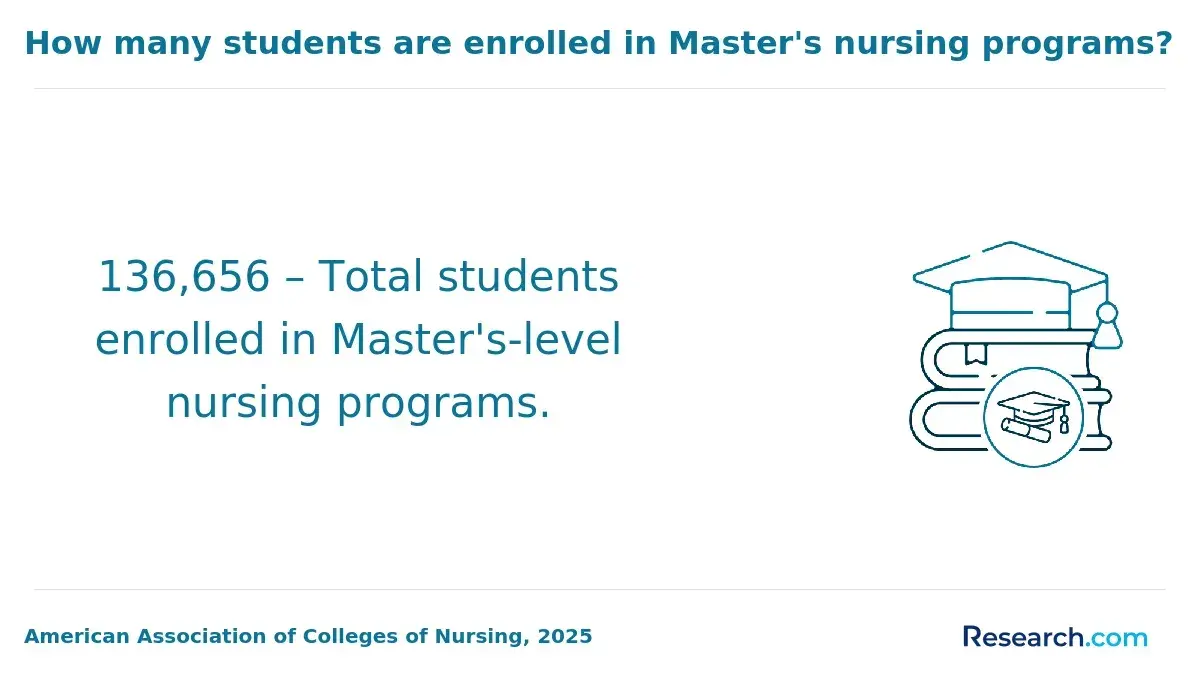
Texas LVNs can use vocational nursing as a foundation for additional nursing education. Common next steps include LVN-to-RN bridge programs, ADN programs, BSN pathways, and eventually MSN programs. Students aiming for advanced practice may later review the best nurse practitioner programs in Texas, but NP preparation usually requires RN licensure and additional education first.
Advanced nursing degrees may lead to greater responsibility, specialty practice, leadership roles, or provider-level duties, depending on the credential. Some healthcare employers may offer tuition reimbursement or loan forgiveness, but these benefits differ by organization and should be verified before you count on them.
What career support and job placement services do online LVN programs offer in Texas?
Career services can help graduates move from school into the workforce more efficiently. Online and hybrid LVN programs may provide resume feedback, interview preparation, job search workshops, employer introductions, clinical-site networking, and one-on-one career advising. Some schools also host healthcare hiring events or connect students with long-term care facilities, hospitals, clinics, and home health agencies.
If you are comparing healthcare roles and want a shorter or less intensive clinical route, you may also want to review the best medical assistant programs in Texas.
What accreditation standards verify the quality of online LVN programs in Texas?
For Texas LVN students, the most important quality check is Texas Board of Nursing approval. Approval indicates that the program is expected to meet state standards for curriculum, faculty, clinical education, and graduate eligibility for licensure. Institutional accreditation also matters because it can affect financial aid, transfer options, and general academic credibility.
Do not rely only on school marketing language. Verify approval and accreditation through official sources. If you plan to continue into advanced nursing later, remember that graduate programs, including options such as the cheapest online FNP programs, may have separate accreditation expectations and admission rules.
What challenges might you encounter in an online LVN program in Texas?
Online LVN study can be flexible, but it is still demanding. Students must manage digital coursework, exams, lab practice, clinical rotations, documentation, and personal responsibilities at the same time. Time management is often the biggest adjustment because vocational nursing programs move quickly.
Technology can also be a barrier. Students may need to use a learning management system, join live video sessions, complete virtual simulations, upload assignments, and troubleshoot internet or software problems. Clinical coordination can also be challenging if approved sites are far from home or have limited availability. As with other regulated healthcare pathways, such as learning how to become a nutritionist in Texas, students should confirm requirements before committing to a program.
What career paths are available for graduates of online LVN degree programs in Texas?
After completing an approved online LVN program and earning licensure, Texas graduates can work in multiple care settings. More than 24% of Texas LVNs are employed in geriatrics, where they support older adults and long-term health needs. Other common areas include home health, general practice, pediatrics, and medical/surgical settings. LVNs may also work in rehabilitation, emergency care support, intensive or critical care support roles, and other healthcare environments.
Most Texas LVNs serve as staff nurses or general duty nurses, accounting for 64.6% of the workforce. Other paths include office nurse, school nurse, supervisor, assistant, or specialized LVN roles. If you are wondering whether nursing is a good career, LVN training can be a practical entry point, but long-term advancement often depends on experience, bridge education, certifications, and whether you pursue RN licensure.
| Career direction | Common setting | Best fit for students who want |
| Geriatric care | Nursing homes, assisted living facilities, extended care | Ongoing relationships with older adults and long-term care teams |
| Home health | Patients’ homes | One-on-one care and a mobile workday |
| Clinic or office nursing | Physician offices, outpatient centers | Ambulatory care and often more predictable scheduling |
| School nursing support | Schools and colleges | Student health, education, and community-focused care |
| Bridge to RN | Colleges, hospitals, hybrid programs | A wider scope of practice, advancement, and future specialization |
What are the state licensure and continuing education requirements for LVNs in Texas?
To become licensed in Texas, LVN graduates must pass the NCLEX-PN and complete the Texas licensure process, including a background check. Continuing education is also required to maintain an active license and help nurses keep current with safe practice expectations.
Because requirements can change, students and licensed nurses should check official Texas Board of Nursing instructions. Research.com’s guide to Texas nursing license requirements explains the broader state licensure process for nurses.
How do online LVN programs differ from LPN programs in Texas?
Texas uses the title Licensed Vocational Nurse, or LVN. Many other states use Licensed Practical Nurse, or LPN, for a similar practical nursing role. The terms are often compared, but licensure is controlled by each state. Texas students should focus on Texas Board of Nursing-approved LVN programs rather than assuming any online LPN program will meet Texas requirements.
A program marketed as an LPN program may be designed for another state’s rules. Before enrolling, verify curriculum requirements, clinical placement expectations, exam eligibility, and board approval. For more context, review how to become a certified LPN in Texas.
Could transitioning to a nurse practitioner role boost your career?
Becoming a nurse practitioner can expand clinical authority, but LVNs do not move directly into NP practice. The usual route is LVN to RN, then BSN or another qualifying pathway, followed by graduate nursing education and advanced practice requirements.
Future nurse practitioners study advanced pathophysiology, pharmacology, assessment, diagnosis, and patient management. If NP practice is your long-term goal, start with an LVN program that builds strong fundamentals and supports later bridge options. For a detailed path, see how to become a nurse practitioner in Texas.
What is the job market for graduates with an online LVN degree in Texas?
Texas is projected to need more LVNs than the workforce will supply. According to the Texas Department of State Health Services, by 2032, the supply of LVN FTEs is expected to grow by nearly 14% to 79,179. Demand is projected to rise by more than 45% to almost 92,000, creating a shortage of around 12,600 LVN FTEs.
The projection shows the market moving from surplus to deficit by 2025, with the shortfall expected to more than double by 2032. This points to strong need, but it does not guarantee a job in a specific city, specialty, employer type, or shift. Clinical performance, licensure timing, local hiring patterns, and willingness to work in high-need settings all influence employment outcomes.
What are the clinical skills you will develop in an online LVN program?
Clinical skill development is the center of every LVN program, including hybrid options. Online lessons introduce concepts, but labs and clinical rotations are where students demonstrate safe care under supervision.
- Basic patient care: Students practice assisting with bathing, feeding, mobility, comfort, and routine care while monitoring vital signs such as blood pressure, temperature, and pulse.
- Wound care and dressing changes: Training includes infection control, wound cleansing, dressing application, and observation for signs of complications.
- Medication administration: Students learn safe administration of oral, intravenous (IV), and intramuscular (IM) medications, dosage calculation, and basic pharmacology principles.
- Infection control: Students develop habits around hand hygiene, personal protective equipment (PPE), equipment cleaning, and reducing transmission risks.
- Patient assessment: LVN students learn to observe physical and mental status, identify changes, and report concerns to the healthcare team.
- Clinical documentation: Students practice accurate charting of care, treatments, observations, and patient progress within legal and ethical expectations.
- Emergency response: Programs may train students to assist in urgent situations, respond to falls, support CPR procedures, and act within the LVN scope of practice.
What technological tools are required for online LVN programs in Texas?
Hybrid LVN students need dependable technology because online coursework may include live lectures, recorded lessons, assignments, exams, simulations, and faculty communication. Even students looking at the easiest LPN programs should expect basic technical standards.
- Computer or laptop: Students should use a device with a current operating system that can support Zoom, Microsoft Office, course platforms, and testing tools.
- Reliable internet: Broadband access helps students stream lectures, participate in discussions, submit assignments, and complete online exams.
- Webcam and microphone: These are commonly required for virtual meetings, remote assessments, and simulation activities.
- Nursing software or apps: Some programs use digital tools for simulation, medication references, virtual patient cases, or skills review.
- Learning management system access: Platforms such as Canvas or Blackboard may store lectures, assignments, grades, calendars, and instructor messages.
- Productivity tools: Note-taking, document editing, and calendar apps can help students manage weekly deadlines.
- Mobile study resources: Optional apps for terminology, anatomy, pharmacology, or NCLEX-PN review can support study between classes.
What strategies can enhance your success in an online LVN program in Texas?
Successful online LVN students treat the program like a demanding job. Build a weekly schedule that includes lectures, reading, assignments, lab practice, clinical shifts, commute time, sleep, and NCLEX-PN review. Do not save studying for exam week. Nursing knowledge builds quickly, and falling behind is difficult to reverse.
- Set a consistent study schedule and protect it from avoidable conflicts.
- Use digital calendars and reminders for assignments, exams, clinical paperwork, and skills check-offs.
- Practice hands-on skills early instead of waiting until competency testing.
- Contact instructors quickly when concepts are unclear.
- Use peer study groups for discussion and practice, not answer-sharing.
- Work NCLEX-PN-style questions throughout the program to build clinical reasoning.
- Track weak topics, especially pharmacology, safety, infection control, prioritization, and delegation within scope.
Students who eventually want advanced practice may later compare programs such as the cheapest online acute care nurse practitioner programs, but the immediate goal is to master LVN-level care and pass the NCLEX-PN.
How do online LVN programs support NCLEX-PN exam preparation and licensure success?
Strong LVN programs build NCLEX-PN preparation into the curriculum rather than saving it for the final weeks. Support may include practice questions, computerized testing, predictor exams, simulation scenarios, case studies, review sessions, and individualized advising.
Ask whether regular course exams use NCLEX-style questions, whether remediation is required after low scores, and how faculty guide students during the final term. For a broader licensing roadmap, review how to become a licensed vocational nurse in Texas.
Can online LVN programs pave the way for advanced nursing roles?
Yes. An approved LVN program can be the first step toward higher nursing roles, but it is not the final step. LVNs who want to become RNs, BSN-prepared nurses, MSN-prepared nurses, nurse practitioners, or nurse midwives must complete additional education and licensure requirements. The value of LVN training is that it gives students early patient care experience, clinical discipline, and exposure to real healthcare systems.
If advanced specialty practice interests you, plan ahead. For example, students considering midwifery should review nurse midwife education requirements in Texas to understand the longer academic and licensure pathway.
Can online LVN programs support transitions into healthcare administration and coding roles?
LVN education is designed for clinical practice, but it can also build transferable healthcare skills. Students learn documentation, patient privacy, health records, care coordination, communication, and team-based workflow. These skills may help later in healthcare administration, care coordination, insurance-related roles, or coding-adjacent work.
However, medical billing and coding generally require separate training in coding systems, reimbursement, and compliance. If your goal is a non-bedside healthcare career, read how to become a medical biller and coder in Texas before assuming an LVN credential is sufficient.
Key Considerations for LVN Career Advancement in Texas
LVN training can lead to direct patient care employment, but advancement usually requires planning. Consider these common paths as you build experience.
- Transitioning to Registered Nurse (RN): Many LVNs pursue RN bridge programs after gaining clinical experience. Some students compare online RN programs for non-nurses, but LVNs should look for options that recognize prior nursing training and meet Texas licensure expectations.
- Specialization and Certifications: Additional preparation in wound care, geriatrics, pediatrics, or related areas may strengthen your qualifications for focused roles.
- Continuing Education: Ongoing learning in IV therapy, pharmacology, documentation, technology, and advanced care practices helps keep skills current.
- Leadership Roles: With experience and additional preparation, some LVNs move into charge nurse, unit support, or supervisory roles, depending on employer policy and scope of practice rules.
How long does it take to be a LVN in Texas?
Becoming a Licensed Vocational Nurse in Texas usually takes about 12 to 18 months from the beginning of training through licensure, depending on the program schedule, NCLEX-PN timing, and application processing.
- Complete a State-Approved LVN Program: Texas LVN programs are offered through community colleges, vocational schools, and technical institutions. Full-time options often take around 12 months, while part-time formats may take longer.
- Pass the NCLEX-PN Exam: Graduates must pass the National Council Licensure Examination for Practical Nurses to become eligible for LVN licensure.
- Apply for Licensure: After passing the exam, candidates complete the required Texas Board of Nursing licensure steps.
Most students should plan for about 12 to 18 months, with additional time possible for part-time enrollment, exam retakes, or application delays.
What is a LVN salary in Texas?
One salary estimate in this guide places the average Licensed Vocational Nurse salary in Texas at approximately $48,000 to $53,000 per year, with hourly wages generally ranging from $22 to $27. Another cited salary source reports higher median LVN pay of nearly $63,900 annually. Treat these figures as reference points, not guaranteed earnings.
- Experience: Entry-level LVNs may start lower, while experienced LVNs may qualify for higher wages.
- Location: Pay can differ between large metro areas such as Houston, Dallas, or Austin and rural regions.
- Employer type: Hospitals, long-term care facilities, clinics, home healthcare agencies, and specialty facilities may pay differently.
- Shift differentials: Nights, weekends, and holidays may include additional pay.
- Certifications and specialization: Extra training may improve competitiveness for certain positions.
Can LVN inject Botox in Texas?
In Texas, LVNs are not permitted to administer Botox injections. Texas law and Texas Board of Nursing guidance limit injectable cosmetic procedures to licensed healthcare providers with the required authority, training, and supervision.
Botox injections are typically performed by:
- Physicians: Licensed MDs and DOs may administer Botox.
- Registered Nurses (RNs): RNs may administer Botox with appropriate training and physician supervision.
- Advanced Practice Registered Nurses (APRNs): Properly qualified nurse practitioners may also perform Botox injections.
LVNs may assist with preparation or patient support when allowed by the setting and scope rules, but they cannot perform the injection. LVNs interested in aesthetic nursing generally need to advance to RN or APRN credentials and complete appropriate training.
Related Articles for Nearby States
- 2027 Best LPN Programs in Oklahoma – Accredited Online LPN Programs
- 2027 Best LPN Programs in Arkansas – Accredited Online LPN Programs
- 2027 Best LPN Programs in New Mexico – Accredited Online LPN Programs
- 2027 Best LPN Programs in Kansas – Accredited Online LPN Programs
- 2027 Best LPN Programs in Missouri – Accredited Online LPN Programs
- 2027 Best LPN Programs in Colorado – Accredited Online LPN Programs
- 2027 Best LPN Programs in Mississippi – Accredited Online LPN Programs
- 2027 Best LPN Programs in Tennessee – Accredited Online LPN Programs
- 2027 Best LPN Programs in Arizona – Accredited Online LPN Programs
- 2027 Best LPN Programs in Alabama – Accredited Online LPN Programs
Key Insights
- Online LVN programs in Texas are usually hybrid, not fully online. You should expect online theory plus required in-person labs, clinical rotations, and skills evaluations.
- Texas Board of Nursing approval is the first thing to verify. Without it, cost, speed, and convenience do not matter because licensure eligibility may be affected.
- Most LVN programs take nine to 18 months, with 12 months common, but NCLEX-PN preparation and licensure processing add time after graduation.
- Program cost varies widely. Compare full cost of attendance, including fees, supplies, testing, health clearances, clinical travel, and reduced work hours.
- Texas is projected to face a major LVN shortage by 2032, but hiring still depends on licensure, location, experience, employer needs, and clinical performance.
- An LVN credential can be a fast entry point into nursing, especially for students who want to start working sooner, but RN bridge programs are often the next step for broader scope and advancement.
- The best online LVN program is the one you can complete successfully: approved, affordable, clinically accessible, supportive, and strong in NCLEX-PN preparation.
References:
- American Nurses Association. (2025). Nursing Practice Standards (LVN/LPN Roles Covered). https://www.nursingworld.org
- Bureau of Labor Statistics. (2025). Licensed Practical and Licensed Vocational Nurses: Occupational Outlook Handbook. https://www.bls.gov/ooh/healthcare/licensed‑practical‑and‑licensed‑vocational‑nurses.htm
- CareerOneStop. (2026). Licensed Practical and Licensed Vocational Nurses: Occupational Profile. https://www.careeronestop.org/toolkit/careers/occupations/occupation‑profile.aspx?keyword=Licensed+Practical+and+Licensed+Vocational+Nurses
- ExploreHealthcareers.org. (2026). Licensed Practical/Vocational Nurse Career Overview. https://explorehealthcareers.org/careers/nursing/licensed‑practical‑vocational‑nurse
- National Council of State Boards of Nursing. (2025). State Board License Lookup: Texas. https://www.ncsbn.org/contact‑nursing‑regulatory‑boards
- O*NET OnLine. (2026). Licensed Practical and Licensed Vocational Nurses (29‑2061.00) Job Summary. https://www.onetonline.org/link/summary/29‑2061.00
- National Association for Practical Nurse Education and Service. (2025). NAPNES LVN/LPN Resources. https://www.napnes.org
- Texas Center for Nursing Workforce Studies. (2025). Vocational Nursing Education Program Report. https://www.dshs.texas.gov/texas-center-nursing-workforce-studies/nursing-education-reports
- Texas Education Agency. (2025). Career & Technical Education: Health Science. https://tea.texas.gov/academics/career‑and‑technical‑education
Other Things You Should Know About Online LVN Programs in Texas
Financial aid for online LVN programs in Texas may include federal grants like Pell Grants, state scholarships, and loans. Many schools also offer institutional aid. To apply, students should complete the FAFSA and consult with the financial aid office of their chosen program.
Texas LVN programs usually require proof of MMR, varicella, hepatitis B, Tdap, and annual flu vaccination before clinical placement. Many programs also require a tuberculosis test or chest X-ray within 12 months, plus documentation of a recent physical exam and CPR certification.
Online LVN programs in Texas include clinical components mandated by the Texas Board of Nursing. Students must complete hands-on clinical training at approved healthcare facilities, covering essential skills and patient care, to qualify for licensure. These components ensure practical experience alongside theoretical learning.


