
2027 Is Library Science a Hard Major? What Students Should Know

Co-Founder and Chief Data Scientist
Choosing library science means choosing a major that is less about “loving books” and more about managing information, technology, research systems, and user needs. Students who expect light reading and simple organization can be surprised by the amount of analysis, writing, metadata work, database searching, and applied problem-solving the field requires.
The major is usually considered moderately difficult rather than one of the hardest college pathways. Still, it can feel demanding for students who are not comfortable with research methods, digital tools, classification systems, or long-term projects. According to recent data, the number of accredited library science programs in the U.S. has grown by over 15% in the past decade, reflecting increasing interest and evolving academic standards in the field.
This guide explains how hard library science is compared with other majors, what makes the coursework challenging, who tends to do well, how online and accelerated formats affect difficulty, and what students should know about admissions, work-life balance, jobs, and salary outcomes.
Key Benefits of Library Science as a Major
- Library science programs foster essential research, organization, and digital literacy skills, benefiting career changers seeking practical expertise for new professional paths.
- Flexible course formats support full-time workers returning to school, enabling balanced progress despite demanding schedules.
- Traditional undergraduates gain confidence managing complex information systems, with 78% reporting enhanced problem-solving abilities after graduation.
Where Does Library Science Rank Among the Hardest College Majors?
Library science generally falls in the middle range of college-major difficulty. According to a 2024 report by Big Economics, it ranks 53rd out of 110 majors, with a difficulty score of 50.5%. That placement suggests a moderate level of academic challenge: harder than many students expect, but typically less intensive than fields built around advanced lab work, clinical training, or high-level quantitative problem-solving.
Compared with engineering, computer science, chemistry, physics, or nursing, library science usually has fewer high-stakes exams, labs, and clinical-hour requirements. Its difficulty comes from different sources: sustained reading, research design, information organization, cataloging logic, database searching, digital systems, user services, and professional writing.
Students who are strong readers, careful researchers, and organized planners often find the workload manageable. Students who struggle with abstract classification systems, long papers, independent research, or unfamiliar technology may find the major more challenging than its reputation suggests.
The major is best understood as comparable in difficulty to many education, social science, and applied humanities programs. It is not usually “easy,” but it is also not designed to weed out large numbers of students through extreme technical or clinical barriers. Consistent effort matters more than raw test-taking ability.
What Factors Make Library Science a Hard Major?
Library science becomes difficult when students underestimate how broad the field is. A strong program may require students to connect research theory, information behavior, technology, ethics, collection development, digital access, and real-world service decisions. The challenge is less about memorizing facts and more about applying information principles accurately in different settings.
Several factors commonly increase the difficulty:
- Academic standards and GPA expectations: Maintaining a minimum GPA of 3.0 is common in accredited programs. Students who fall below that threshold may face probation or dismissal, so steady performance across multiple courses matters.
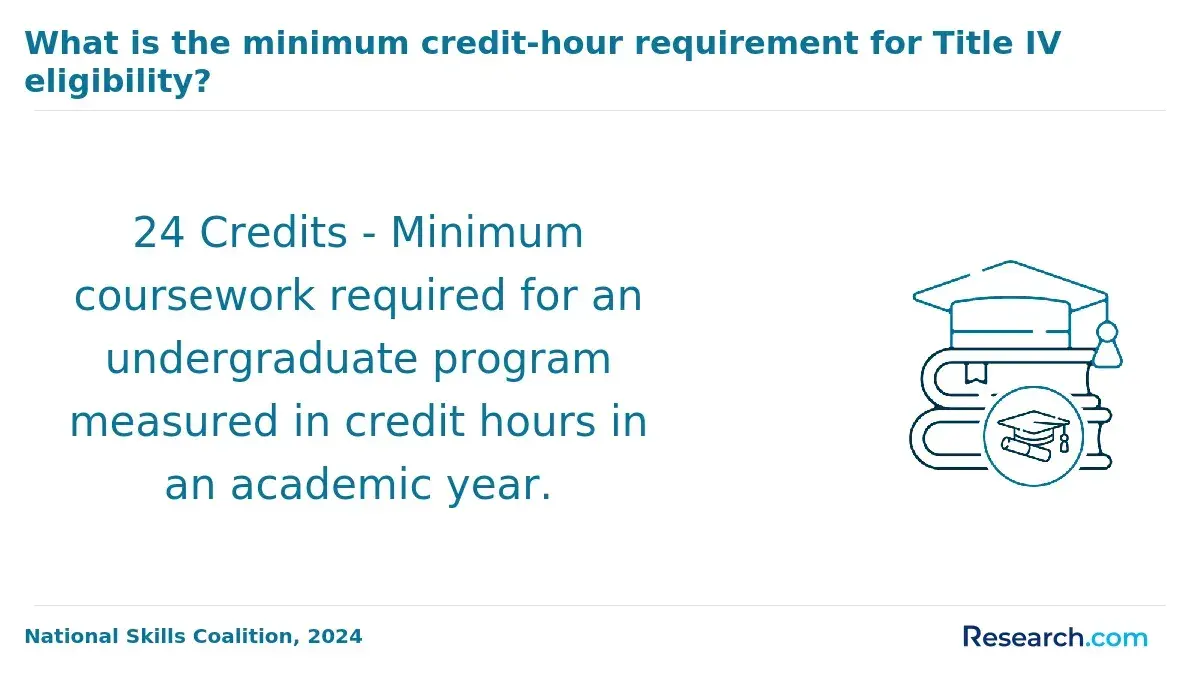
- Course load and credit requirements: Students typically complete 36-43 credits across areas such as research methods, data management, digital technologies, information organization, and user services. Many programs limit the semester workload to about nine credit hours because the reading, writing, and project expectations can be intensive.
- Technical and analytical work: Library science now includes database searching, metadata, digital resource management, information retrieval, data organization, and technology-supported services. Students do not usually need to become software engineers, but they do need enough technical confidence to evaluate and use information systems effectively.
- Research and writing demands: Advanced courses often require literature reviews, policy analysis, research proposals, needs assessments, or evidence-based service plans. Students who are not used to graduate-level writing may need extra time to adjust.
- Applied and field-specific requirements: Some specializations, especially school librarianship, may involve clinical experiences, student teaching, and an approved ePortfolio. These requirements can add scheduling pressure and require students to document their competencies carefully.
- Precision and consistency: Cataloging, metadata, archives, records management, and digital collections work reward accuracy. Small errors in naming, classification, permissions, or access rules can create larger problems for users and organizations.
Students who want a shorter undergraduate path before later study sometimes compare options such as the fastest bachelor's degree online. That can help with timing, but students should still choose a path that builds writing, research, technology, and information-literacy skills before entering more advanced library science coursework.
Who Is a Good Fit for a Library Science Major?
A good library science student is not simply someone who enjoys reading. The best fit is someone who likes helping people find, evaluate, preserve, and use information. The major rewards patience, intellectual curiosity, service orientation, accuracy, and comfort with both people and systems.
- Organized thinkers: Students who naturally sort information, track details, manage files, and build repeatable systems often do well. These habits support cataloging, collection work, archives, research support, and project management.
- Strong communicators: Library science professionals explain complex information in clear language. Good writing and speaking skills help students succeed in coursework, reference work, instruction, outreach, and team projects.
- Detail-oriented students: Accuracy matters in metadata, citations, database searching, policy interpretation, and records work. Students who check their work carefully have an advantage.
- Curious learners: The field changes as information technology, digital access, copyright practices, and user expectations change. Students who enjoy learning new tools and methods are better prepared for long-term careers.
- Service-minded problem solvers: Many library science roles involve helping patrons, students, faculty, employees, or researchers. Empathy and patience are practical career skills, not just personal traits.
- Students with related academic backgrounds: Experience in English, computer information systems, instructional technology, history, education, communications, public administration, or archiving can connect well with the major.
Students comparing early college pathways may look into what is the easiest associates degree to get, but library science requires more than choosing an easy starting point. The strongest candidates build transferable skills: research, writing, technology use, public service, and careful organization.
How Can You Make a Library Science Major Easier?
Library science becomes more manageable when students treat it as a project-based, research-heavy field. Waiting until deadlines are close is one of the fastest ways to make the major feel harder than it needs to be.
- Build a weekly reading system: Keep course readings, notes, citations, and assignment prompts in one organized place. Summarize readings as you go instead of trying to reconstruct them before papers are due.
- Start research assignments early: Many projects require source searching, evaluation, citation management, and revision. Give yourself time to refine a topic and ask for feedback before the final draft.
- Learn citation and database tools before you need them: Citation managers, library databases, controlled vocabularies, and search operators can save hours once you understand them.
- Strengthen technology skills gradually: Do not wait for an advanced digital libraries or data management course to learn basic file organization, spreadsheets, database searching, and digital preservation concepts.
- Use faculty office hours strategically: Bring specific questions about assignments, research direction, career interests, or specialization choices. Short conversations can prevent major revisions later.
- Work with classmates: Study groups can help clarify cataloging rules, research methods, and technology tasks. Peer discussion is especially useful when assignments involve judgment rather than a single correct answer.
- Protect time for practicum or fieldwork: If your program includes onsite experience, plan around commuting, documentation, and schedule changes. Field requirements often take more time than the credit count suggests.
One recent graduate described the hardest part as juggling simultaneous research projects, dense readings, and citation management. At first, she felt overwhelmed by the volume of course materials. A small study group helped her stay accountable, and regular office-hour conversations gave her targeted guidance that textbooks could not provide.
Her main lesson was practical: the workload did not disappear, but it became easier once she stopped treating assignments as isolated tasks and started managing them as a connected academic system.
Are Admissions to Library Science Programs Competitive?
Admissions to library science programs in the United States are usually moderately competitive rather than highly selective. Acceptance rates often range from 60% to nearly 80%, reflecting a balance between applicant demand and program capacity. That does not mean applicants can be careless. Programs still expect evidence that students can handle graduate-level reading, writing, research, and professional preparation.
Most programs require a bachelor's degree and a minimum undergraduate GPA, often around 3.0 for many ALA-accredited programs. Applicants below that level may still be considered if they provide strong supporting materials, such as GRE scores, relevant professional experience, or a compelling academic explanation.
Common application materials include letters of recommendation, a statement of intent, and sometimes a resume. The statement matters because library science programs often want to see a clear connection between the applicant's background, goals, and understanding of the profession. A vague statement about liking books is weaker than one that explains interests in information access, archives, school librarianship, digital collections, community services, or research support.
A professional who majored in library science described the admissions process as straightforward but still selective. His strongest materials were a focused personal statement and recommendations that connected his work habits to the field. His advice was to show both preparation and purpose: meet the baseline requirements, but also explain why the program fits your career goals.
Is an Online Library Science Major Harder Than an On-Campus Program?
An online library science program is not automatically harder than an on-campus program. The academic expectations are usually similar when programs follow comparable standards, but the format changes how students experience the workload. Online study gives more flexibility, while campus study provides more built-in structure.
- Academic standards: Accredited online and on-campus programs generally require similar coursework, learning outcomes, research expectations, and professional preparation.
- Schedule control: Online programs may use asynchronous or synchronous classes, which can help working adults and students with family obligations. The trade-off is that students must create their own routine.
- Interaction: Online students communicate through discussion boards, video meetings, email, and learning platforms. On-campus students may find it easier to build quick relationships through in-person classes and informal conversations.
- Access to resources: Campus students may have easier access to physical libraries, faculty events, and peer networks. Online students should check how advising, technical help, career services, and practicum support are delivered.
- Self-discipline: Online courses can feel harder for students who need external structure. Missing one week of readings or discussion posts can quickly create a backlog.
Students considering an online path should look closely at course pacing, required live sessions, technology expectations, fieldwork placement support, and faculty availability. Those comparing graduate options may also want to evaluate a master of library science online by cost, accreditation, schedule format, and career alignment rather than convenience alone.
Format fit matters at every level of education. For example, students researching the fastest way to get an associates degree should apply the same logic: a faster or more flexible program is only helpful if the structure matches how they learn and manage deadlines.
Are Accelerated Library Science Programs Harder Than Traditional Formats?
Accelerated library science programs are usually harder in weekly workload, even when the academic standards are the same as traditional formats. The difficulty comes from compressed time. Students may cover the same concepts, readings, projects, and discussions in a much shorter period, leaving less room to recover from delays or confusion.
- Course pacing: Accelerated programs may condense core material into as few as seven to eight weeks, compared with traditional 14-to-16-week courses. That can double the speed at which students encounter new material.
- Weekly workload: Traditional formats spread reading, writing, and projects across a longer calendar. Accelerated formats require faster turnaround and more disciplined weekly planning.
- Depth of learning: Students who need time to reflect, revise, and connect concepts may find accelerated courses stressful. Students who are self-directed and experienced with online or intensive coursework may adapt more easily.
- Work and family conflicts: A compressed course can be difficult for students with unpredictable jobs, caregiving responsibilities, or practicum requirements.
- Deadline pressure: Missing a week in an accelerated course can mean missing a large portion of the term. Students need reliable calendars, early drafting habits, and quick communication with instructors.
Traditional formats are often better for students who want steadier pacing, more reflection time, or a gradual transition into graduate-level work. Accelerated formats may fit students who have strong time-management skills, fewer competing obligations, and a clear reason to finish faster.
Cost can also influence format choice. Students reviewing least expensive online college pathways should compare not only tuition but also pacing, support services, practicum logistics, and the realistic number of hours they can study each week.
Can You Manage a Part-Time Job While Majoring in Library Science?
Many library science students can manage a part-time job, especially if their program offers online, evening, or flexible scheduling. The key is choosing a realistic course load and understanding that the workload can increase sharply during major papers, group projects, technology assignments, or fieldwork.
Graduate programs typically require 36 to 43 credit hours and demand significant out-of-class time, often three hours per credit hour. That means even a modest course load can create a substantial weekly commitment once readings, research, discussion posts, writing, and project work are included.
A part-time job is most manageable when the work schedule is predictable or flexible. Jobs with changing shifts, mandatory overtime, or limited control over hours can create problems during practicum periods or intensive courses. Students should be especially cautious about pairing accelerated courses with heavy work commitments.
To balance work and school, students should consider taking fewer credits during demanding terms, choosing employers who can accommodate academic deadlines, and using academic support early. Writing centers, faculty advising, library research help, and technology support can reduce the time lost to confusion or avoidable mistakes.
The best approach is not to ask whether working is possible in general. It is to calculate your actual weekly hours for employment, commuting, caregiving, class meetings, readings, assignments, and recovery time. If the schedule only works on paper when nothing goes wrong, it is probably too tight.
What Jobs Do Library Science Majors Get, and Are They as Hard as the Degree Itself?
Library science graduates work in libraries, archives, schools, universities, government agencies, nonprofits, corporations, and digital information environments. Some jobs feel similar to the degree because they require research, technology, user support, and careful organization. Others are less academically intense but involve more public service, compliance, management, or technical specialization.
- Librarian: Librarians manage collections, help users find and evaluate information, support research, teach information literacy, and develop programs or services. The job can be demanding because user needs, technology, budgets, and community expectations continue to change.
- Archivist: Archivists preserve, arrange, describe, and provide access to historical documents, institutional records, and digital materials. The role requires patience, accuracy, preservation knowledge, and strong judgment about long-term access.
- Database Administrator: Database administrators design, maintain, secure, and troubleshoot databases in settings such as healthcare, government, and business. This path is more technical and may require additional training beyond traditional library science coursework.
- Records Manager: Records managers organize institutional records, support retention schedules, and help organizations meet legal, regulatory, and operational requirements. The role may be less academically theoretical but requires strong compliance and systems thinking.
- Digital Collections Specialist: Digital collections specialists manage digitized and born-digital materials, metadata, access platforms, and preservation workflows. This job reflects the growing overlap between library science, technology, and digital stewardship.
According to Syracuse University's iSchool, 81% of their 2024 library science graduates secured employment before graduation, with 96% employed soon after, demonstrating strong career readiness. Those outcomes are encouraging, but individual results still depend on specialization, location, experience, networking, and the types of roles a graduate pursues.
The job may not be “harder” than the degree in the same way. Coursework is structured around deadlines and evaluation, while professional work adds patrons, stakeholders, budgets, technology changes, and institutional priorities. Related certificate courses that pay well can also complement library science roles by adding targeted skills in areas such as data, technology, management, or specialized information services.
Do Library Science Graduates Earn Higher Salaries Because the Major Is Harder?
Library science graduates do not automatically earn higher salaries because the major is difficult. Pay is shaped more by role, employer type, location, experience, funding, technology responsibilities, and labor-market demand than by the academic challenge of the degree.
The median annual wage for library science professionals was $64,320 in 2024, which is moderate compared to tech fields that often start above $88,000. The field can provide stable and meaningful work, but students should be realistic about compensation, especially in public-service settings where budgets may be limited.
Salary differences within the field can be significant. Academic librarians in universities average around $73,000, while public librarians earn closer to $65,000. Geographic differences also matter; metropolitan areas like Kansas City in Missouri offer mean salaries near $61,960, whereas rural regions range from about $46,690 to $51,020.
Higher earnings are more likely when graduates move into management, specialized technology roles, data-heavy positions, archives leadership, systems work, or high-demand institutional settings. Experience and advancement can improve pay, though overall job growth in the field is slow, at about 2% through 2034.
The practical takeaway is simple: do not choose library science because you assume a harder major leads to higher pay. Choose it if the work fits your interests and strengths, then use specialization, internships, technology skills, and professional networking to improve your career options.
What Graduates Say About Library Science as Their Major
- : "Majoring in library science was definitely challenging, especially balancing the extensive research methods and cataloging systems. However, the hands-on experience equipped me for a rewarding career in digital archiving, which made the investment worthwhile despite the average cost of attendance being a bit steep. I'm grateful for the solid foundation it gave me. — Pierce"
- : "The journey through library science was thoughtfully demanding but not overwhelming. It offered a unique perspective on information organization that has greatly impacted my work in community outreach programs. Considering that tuition and fees can add up, I found the personal and professional growth well justified. — Adrianna"
- : "From a professional standpoint, library science requires dedication to mastering both traditional and modern information management techniques. The major's cost was moderate compared to other fields, and it has opened doors to stable employment as a knowledge management specialist, making every dollar spent a smart investment. — Cherry"
Other Things You Should Know About Library Science Degrees
In 2027, core courses for a Library Science major typically include library management, cataloging and classification, information retrieval, and digital libraries. Students may also be required to complete a practicum to gain practical experience in a library setting.
In 2027, Library Science graduates can pursue careers as librarians, archivists, information managers, or digital asset specialists. They may find roles in public libraries, academic institutions, private companies, or non-profits, with opportunities in both traditional and digital information management fields.
References
- Understanding the Master of Library Science (MLS) Degree https://www.librariancertification.com/understanding-the-master-of-library-science-mls-degree/
- Becoming a Librarian, Step 1: The MLIS - Books We Read https://sites.rutgers.edu/books-we-read/mlis/
- Struggling to Juggle: Part-time Temporary Work in Libraries https://www.inthelibrarywiththeleadpipe.org/2011/struggling-to-juggle-part-time-temporary-work-in-libraries/
- Further Questions: What about part-time work for MLS degree holders? https://hiringlibrarians.com/2015/07/31/further-questions-what-about-part-time-work-for-mls-degree-holders/
- 5 Key Courses In A Master’s In Library Science Program - GradSchoolHub.com https://www.gradschoolhub.com/lists/5-key-courses-masters-library-science-program/
- What Can You Do With a Library Science Degree? https://librarysciencedegreesonline.org/what-can-you-do-with-a-library-science-degree/
- Library Science Degrees | Best MLIS Programs, Updated for 2025 https://www.librarysciencedegrees.org/


