2027 What Can You Do with a Forensic Psychology Master's Degree? Careers, Salaries & Growth

Co-Founder and Chief Data Scientist
A forensic psychology master’s degree sits at the intersection of psychology, law, public safety, corrections, and victim services. The key decision for prospective students is not simply whether the subject is interesting, but whether the degree matches the job they want, the credentials required in their state, and the cost they can reasonably manage.
The career picture is promising but uneven. According to the U. S. Bureau of Labor Statistics, employment of psychologists, including forensic specialists, is projected to grow 6% from 2022 to 2032, faster than the average for all occupations. At the same time, only 57% of master's-level graduates find roles directly related to forensic psychology within the first two years. That gap matters: some graduates move directly into forensic casework, corrections, advocacy, research, or legal support, while others need additional supervised experience, certification, licensure, or doctoral study to reach clinical or expert-witness roles.
This guide explains what to expect from a forensic psychology master’s program, including admissions requirements, GPA standards, cost, financing options, program length, career paths, salary ranges, hiring industries, certifications, job outlook, and skills gained. It is designed for students comparing programs, career changers entering psychology or criminal justice, and working professionals deciding whether the degree is worth the investment.
Key Things to Know About What You Can Do with a Forensic Psychology Master's Degree
- Admission typically requires a bachelor's in psychology or related fields, with programs combining coursework, research, and practicums over 1.5 to 2 years, available online or on-campus for flexibility.
- Graduates enter roles like forensic psychologists, consultants, or law enforcement advisors, with median salaries around $70,000, varying by region, experience, and employer type.
- Employment growth for forensic psychology-related jobs is projected at 8% over the next decade, favoring candidates with advanced degrees and certifications in forensic assessment or criminal profiling.
What Are the Admission Requirements for a Forensic Psychology Master's Program?
Admission requirements for a forensic psychology master’s program usually test three things: whether you have the academic foundation for graduate psychology coursework, whether your goals fit the program, and whether you can handle research, writing, ethics, and applied work in legal or correctional settings.
Requirements vary by school, but most programs ask for a combination of undergraduate transcripts, recommendations, a statement of purpose, and evidence of readiness for graduate-level study.
- Bachelor's Degree: Applicants usually need a bachelor’s degree from an accredited institution. Psychology, criminal justice, sociology, criminology, social work, and related majors are common preparation. Some schools expect a minimum GPA of 3.0, while more competitive programs may look for stronger academic records.
- Prerequisite Coursework: Programs may require or strongly prefer prior courses in statistics, research methods, abnormal psychology, developmental psychology, or general psychology. If you lack these courses, you may need to complete them before enrollment or during the first part of the program.
- Standardized Tests: Many programs request GRE scores, but an increasing number have made them optional or waived them, especially following the COVID-19 pandemic. Always confirm the current policy for each school, because test-optional does not always mean test-blind.
- Work or Volunteer Experience: Experience in psychology, criminal justice, social services, crisis response, victim advocacy, corrections, or research can strengthen an application. It is not always mandatory, but it can help you show that your interest in forensic psychology is informed by real exposure to the field.
- Letters of Recommendation: Strong letters usually come from professors, supervisors, research mentors, or professionals who can speak to your writing, judgment, maturity, ethics, and ability to work with sensitive information.
- Statement of Purpose: This essay should explain why forensic psychology, why this program, and what career direction you are considering. Avoid vague statements about being fascinated by crime; focus on preparation, fit, and realistic goals.
- Writing Sample or Interview: Some programs request a writing sample or conduct an interview to evaluate communication skills, research readiness, and professional judgment.
- International Applicants: International students often must demonstrate English proficiency through TOEFL or IELTS scores and may need transcript evaluations depending on the institution.
| Application Component | What Admissions Committees Look For | How to Strengthen It |
| Transcript | Evidence of academic readiness, especially in psychology, statistics, and research | Explain grade trends, complete prerequisites, and highlight strong upper-division coursework |
| Statement of purpose | Clear goals and fit with the program’s curriculum, faculty, and field placements | Connect your goals to specific courses, training opportunities, or career outcomes |
| Recommendations | Judgment, reliability, writing ability, and readiness for graduate study | Choose recommenders who know your work well and can provide detailed examples |
| Experience | Practical exposure to psychology, law, corrections, advocacy, or research | Include internships, volunteer work, case management, crisis work, or research support |
The U.S. Bureau of Labor Statistics projects an 8% growth in employment for psychologists, including forensic psychology roles, from 2021 to 2031, highlighting robust demand and salary growth potential. Applicants comparing undergraduate preparation options can also review the best majors for long-term career planning to see how psychology, criminal justice, and related fields align with future opportunities.
What Is the Minimum GPA Requirement for a Forensic Psychology Master's Program?
The typical minimum GPA requirement for forensic psychology master’s programs usually ranges between 2.75 and 3.0 on a 4.0 scale. A stated minimum, however, is not the same as a competitive GPA. Selective programs may admit many students above the minimum, especially when seats, practicum placements, or faculty supervision are limited.
Applicants should read GPA requirements carefully. Some schools consider cumulative GPA, while others place more weight on the last 60 credits, major GPA, or grades in psychology and statistics courses.
- Typical GPA Range: Most forensic psychology graduate programs require applicants to have a minimum GPA between 2.75 and 3.0, but requirements vary by institution and specialization.
- Program Selectivity: Public universities, private schools, online programs, and specialized forensic tracks may use different GPA thresholds. Highly specialized or prestigious programs often expect stronger academic records.
- Holistic Admissions: Many programs evaluate GPA alongside professional experience, recommendation letters, personal statements, writing samples, interviews, and research preparation.
- Lower GPA Applications: Candidates below the stated or preferred GPA may still have options if they show strong recent coursework, relevant work experience, strong test scores where accepted, or completion of prerequisite classes with high grades.
- Academic Fit: A strong GPA in psychology, research methods, statistics, or criminal justice coursework may matter more than unrelated electives, especially for programs with research or assessment requirements.
According to the U.S. Bureau of Labor Statistics, employment in psychology, including forensic psychology, is expected to grow 8% from 2021 to 2031, underscoring the importance of a strong application. Students still building their undergraduate foundation may find it useful to compare flexible online bachelor’s degree options before applying to graduate school.
What if your GPA is below the minimum?
If your GPA is below a program’s requirement, contact admissions before applying. Some schools allow conditional admission, prerequisite completion, nondegree graduate coursework, or additional materials that demonstrate readiness. A concise addendum can also help if it explains a clear reason for weaker grades and shows evidence of academic improvement.
How Much Does a Forensic Psychology Master's Degree Cost and How Can You Finance It?
The cost of a forensic psychology master’s degree depends on the school type, residency status, delivery format, credit requirements, fees, and whether you study full time or part time. Public universities generally offer lower tuition rates, around $15,000 to $25,000 total, while private institutions often exceed $40,000. Online programs may reduce commuting or relocation costs, but they can still include technology fees, residency requirements, internship expenses, and proctoring costs.
To judge affordability, look beyond tuition. Add books, fees, background checks, travel to practicum sites, lost income, licensure-related expenses, and interest on loans. A lower tuition program may not be cheaper if it delays your completion or lacks placement support.
| Cost Factor | What to Check | Why It Matters |
| Tuition and fees | Total program cost, not just cost per credit | Credit requirements and mandatory fees can change the real price |
| Program format | Online, hybrid, in-person, full-time, or part-time structure | Format affects commuting, work hours, housing, and scheduling flexibility |
| Practicum or internship | Placement requirements, travel, supervision, and background checks | Applied training can add time and out-of-pocket costs |
| Funding availability | Assistantships, scholarships, fellowships, employer support, and loans | Funding can reduce debt and improve return on investment |
- Scholarships and Fellowships: These are usually competitive and may be based on merit, financial need, research interests, diversity initiatives, or service commitments. Apply early because deadlines often come before admission decisions are finalized.
- Graduate Assistantships: Teaching, research, or administrative assistantships can reduce tuition or provide stipends. They may be more common in campus-based programs than in fully online formats.
- Federal Loans: Federal graduate loans are widely used, but borrowing should be based on total repayment cost, not just semester-by-semester need.
- Employer Tuition Reimbursement: Working professionals in corrections, law enforcement, behavioral health, education, or social services may qualify for employer support. Confirm grade requirements, repayment obligations, and whether the degree must relate directly to your current job.
- In-State Public Options: Choosing an in-state public university can significantly reduce tuition, especially if the program has strong local field-placement connections.
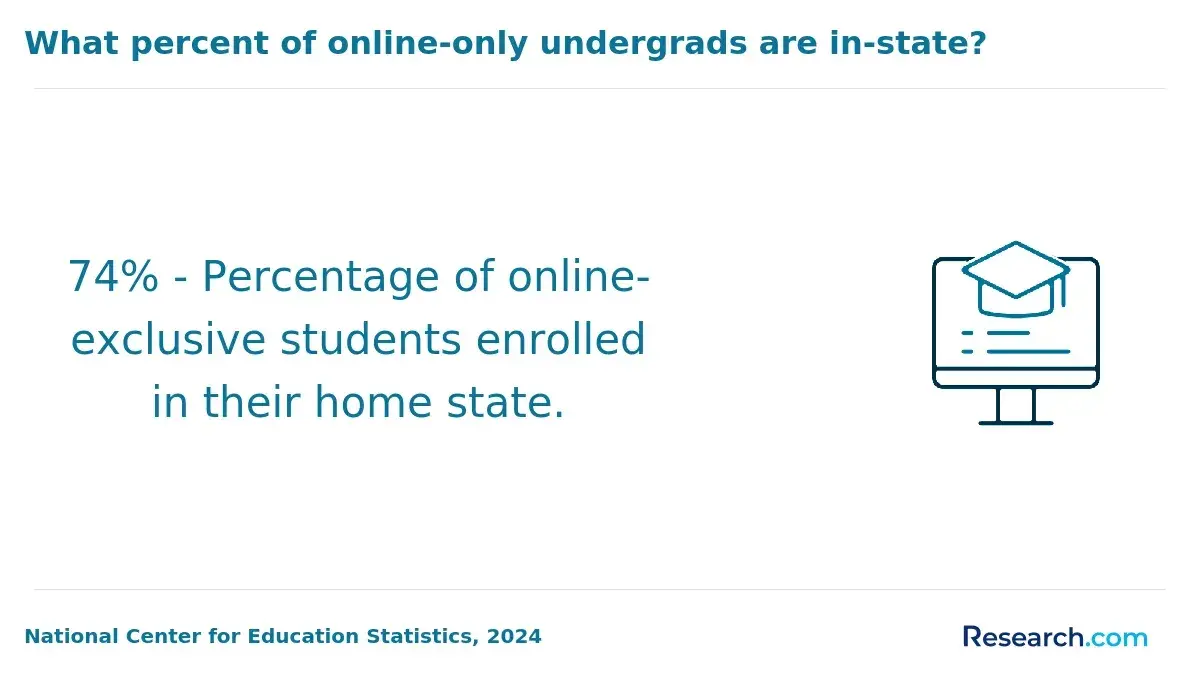
- Online Program Aid: Some online programs use holistic admissions with roughly 30% acceptance rates, rewarding qualified applicants with financial aid.
A practical financing plan should compare total program cost with realistic career outcomes in your target role. If your goal requires a doctoral degree or licensure beyond the master’s, include those additional costs in your long-term plan. The degree may be worthwhile, but it should be evaluated as part of a credential pathway, not as a standalone promise of a specific salary.
One graduate described the financial side as manageable only after applying for multiple scholarships, budgeting for living expenses, and seeking assistantships early. Part-time work and employer tuition reimbursement helped reduce borrowing, but the student emphasized that planning had to start before the first tuition bill arrived.
How Long Does It Take to Earn a Forensic Psychology Master's Degree?
Most full-time students complete a forensic psychology master’s degree within 1.5 to 2 years. Part-time and online learners often take between 3 and 4 years, depending on course load, practicum requirements, transfer credits, and whether the program includes a thesis or capstone.
Timeline matters because it affects tuition planning, loan borrowing, work schedules, and when you can qualify for new roles. Faster is not always better. Programs with meaningful field experience may take longer but can provide stronger preparation for applied careers.
- Full-Time Enrollment: Full-time students commonly finish in 1.5 to 2 years. This route is best for students who can handle a heavy academic workload and may be able to reduce work hours.
- Part-Time Enrollment: Part-time students typically extend completion to between 3 and 4 years. This can work well for working professionals, but it may increase the time before career advancement.
- Online Programs: Online formats may offer flexibility, but students still need to meet deadlines, complete applied projects, and sometimes arrange local field placements.
- Accelerated Options: Some institutions provide accelerated tracks that take roughly 12 to 18 months. These programs can be efficient but may leave little room for work, family obligations, or extra internships.
- Combined Bachelor's/Master's Pathways: Integrated pathways can allow students to earn both degrees in about 5 years total, reducing time compared with completing the degrees separately.
- Transfer Credits: Approved graduate transfer credits can shorten the timeline, but schools usually limit how many credits may transfer and how recent they must be.
- Thesis vs. Non-Thesis Track: A thesis can add time because of proposal approval, research, analysis, and writing. A non-thesis track may focus on coursework, practicum, comprehensive exams, or a capstone project.
- Internship or Practicum Requirements: Field placements may extend the timeline if sites are limited, background checks take time, or required hours must be completed during specific terms.
| Enrollment Path | Typical Completion Time | Best Fit |
| Full-time | 1.5 to 2 years | Students who can prioritize graduate study and complete intensive coursework |
| Part-time or online | Between 3 and 4 years | Working adults and students balancing family, employment, or military obligations |
| Accelerated | Roughly 12 to 18 months | Students with strong preparation and the ability to manage a compressed schedule |
| Combined bachelor's/master's | About 5 years total | Undergraduates who know early that they want graduate training in the field |
Students comparing time-to-degree with earning potential may also want to review college majors with strong pay potential as part of broader education and career planning.
What Career Paths Are Available with a Forensic Psychology Master's Degree?
A forensic psychology master’s degree can lead to roles in criminal justice, mental health support, victim services, corrections, research, legal consulting support, and public agencies. However, students should understand a key limitation: some positions using the title “psychologist,” especially clinical and independent practice roles, may require doctoral education, supervised hours, state licensure, or additional credentials.
At the master’s level, many graduates work in applied, administrative, assessment-support, advocacy, research, or case-management roles rather than fully independent clinical forensic psychologist positions.
- Correctional and Rehabilitation Roles: Graduates may work as correctional counselors, treatment specialists, reentry coordinators, or case managers supporting rehabilitation, risk reduction, and behavioral programming.
- Victim Advocacy and Social Services: Roles in nonprofits and public agencies may involve crisis response, trauma-informed support, forensic interviewing assistance, and coordination with courts or law enforcement.
- Law Enforcement and Public Safety Support: Graduates may assist with behavioral analysis, threat assessment support, investigative research, interview preparation, or community safety programs. Some roles require prior law enforcement experience.
- Court and Legal System Support: Positions may involve case coordination, competency-related documentation support, jury consulting assistance, mitigation research, or work with attorneys and expert witnesses.
- Government and Public Agencies: Agencies such as the FBI, Department of Justice, and state criminal justice offices may hire graduates for behavioral research, program evaluation, risk assessment support, or public safety initiatives.
- Private Sector Applications: Corporate compliance, security, employee screening, workplace violence prevention, and insurance-related investigations may use forensic psychology knowledge in risk evaluation and behavioral analysis.
- Research and Academia: Master’s graduates may work as research assistants, project coordinators, adjunct instructors, or program evaluators. Tenure-track academic roles usually require doctoral degrees.
- Further Study: Some students use the master’s as preparation for a PhD, PsyD, law degree, counseling licensure pathway, or specialized forensic assessment training.
| Career Direction | Common Work Settings | Credential Considerations |
| Corrections and rehabilitation | Prisons, probation offices, reentry programs, treatment centers | May value certifications, supervised experience, and criminal justice knowledge |
| Victim services | Nonprofits, advocacy centers, government agencies | Trauma-informed training and crisis intervention experience can be important |
| Legal support | Courts, law firms, consulting firms | Independent expert testimony may require advanced credentials or licensure |
| Research and policy | Universities, think tanks, public agencies | Strong methods, statistics, and writing skills are essential |
One graduate said the degree made a transition into law enforcement consulting smoother because it provided a shared language for discussing psychological principles, criminal behavior, and case complexity with detectives. The same graduate noted that the work can be emotionally demanding, especially when cases involve violence, trauma, or vulnerable populations.
What Is the Average Salary for Forensic Psychology Master's Degree Holders?
Salaries for forensic psychology master’s degree holders vary widely because graduates enter different job families: corrections, social services, behavioral health, research, legal consulting support, government, and private-sector risk roles. Pay depends on job title, employer, location, experience, licensure, and whether the role involves clinical responsibility, supervision, or consulting.
Professionals with a master’s degree typically earn more than those with only a bachelor’s degree in psychology or criminal justice, but a master’s does not guarantee access to every forensic psychology role. Some higher-paying clinical or expert roles may require additional licensure or doctoral education.
- Entry-Level Salaries: Graduates entering the forensic psychology field can expect annual earnings between $50,000 and $65,000. Common roles may include forensic case managers, research assistants, victim services staff, or correctional program support positions.
- Mid-Career Earnings: With five to ten years of experience, salaries typically increase to between $70,000 and $90,000. Mid-career professionals may supervise staff, manage programs, specialize in assessment support, or move into higher-responsibility agency roles.
- Senior-Level Income: Professionals with over a decade of experience frequently earn from $95,000 up to $120,000 or more, especially in metropolitan regions or high-demand areas such as federal law enforcement and private consultation.
- Employer Differences: Public sector jobs may offer stronger benefits, retirement plans, and job stability, while private consulting, law firms, and corporate risk roles may offer higher upside or performance-based compensation.
- Geographic Variation: Earnings are generally higher in urban areas with elevated living costs like New York, California, and Washington D.C.
- Total Compensation: Benefits, health insurance, retirement contributions, bonuses, and sometimes profit-sharing can meaningfully affect the value of an offer.
| Career Stage | Typical Annual Earnings | Common Factors That Raise Pay |
| Entry-level | Between $50,000 and $65,000 | Relevant internships, research skills, agency experience, and strong writing ability |
| Mid-career | Between $70,000 and $90,000 | Supervisory duties, specialization, certifications, and program management experience |
| Senior-level | From $95,000 up to $120,000 or more | Advanced credentials, consulting experience, high-demand locations, and leadership roles |
When comparing programs, ask where graduates actually work, not just what salaries are possible in the field. A program with strong practicum partnerships, alumni networks, and career placement support may provide better career value than a more expensive program with limited applied training.
Breakdown of All 4-Year Online Title IV Institutions

What Professional Certifications Complement a Forensic Psychology Master's Degree?
Certifications can strengthen a forensic psychology career, but they are not interchangeable with licensure. Some credentials are designed for doctoral-level psychologists, while others are accessible to master’s-level professionals working in addiction, trauma, correctional treatment, victim services, or forensic mental health support. Before pursuing any credential, verify eligibility, scope of practice, state requirements, and employer recognition.
- Certified Forensic Psychologist (CFP): Awarded by the American Board of Forensic Psychology (ABFP), this credential requires a doctoral degree, supervised forensic experience, and successful completion of oral and written exams. The certification is renewed every five years through continuing education. Master’s students should view this as a long-term credential if they plan to continue into doctoral-level forensic psychology.
- Certified Criminal Justice Addiction Professional (CCJP): Offered by the National Association of Alcoholism and Drug Abuse Counselors (NAADAC), this certification is relevant for professionals working with substance use, criminal justice populations, correctional rehabilitation, or court-involved clients. Eligibility includes a relevant degree, supervised experience, and passing an exam. It requires renewal every two years via ongoing education.
- Board Certified Expert in Traumatic Stress (BCETS): Provided by the American Academy of Experts in Traumatic Stress, this credential focuses on professionals who support trauma survivors. Candidates must demonstrate relevant education and work experience, pass a written exam, and renew every two years through professional development activities. It can be useful for victim advocacy, crisis response, and law enforcement support settings.
| Certification | Best Fit | Important Limitation |
| Certified Forensic Psychologist (CFP) | Doctoral-level forensic psychology practice | Requires a doctoral degree, so it is generally not a post-master’s credential |
| Certified Criminal Justice Addiction Professional (CCJP) | Substance use and criminal justice settings | Requires supervised experience and ongoing renewal |
| Board Certified Expert in Traumatic Stress (BCETS) | Trauma, victim services, crisis work, and related support roles | Employer recognition can vary by setting |
The right certification depends on your intended role. A student aiming for correctional treatment may prioritize addiction or case-management credentials, while a student pursuing victim services may focus on trauma-related training. Those planning to become licensed psychologists should map master’s coursework, supervised experience, and doctoral prerequisites early.
Students interested in complementary clinical training may also compare accredited online options such as a master’s in marriage and family therapy online, especially if their goals involve counseling, family systems, trauma, or court-involved clients. Always confirm whether a program meets the licensure or certification requirements for the state and role you want.
What Are the Top Industries Hiring Forensic Psychology Master's Degree Graduates?
Forensic psychology master’s graduates are hired across industries that need behavioral insight, assessment support, trauma-informed services, risk evaluation, research, and communication between mental health and legal systems. The strongest fit depends on whether you want direct service, research, investigations, policy, or consulting work.
- Criminal Justice System: This remains the largest employer, including federal, state, and local law enforcement, courts, probation, parole, and correctional institutions. Common roles include forensic evaluators, victim advocates, correctional counselors, case managers, and program specialists.
- Healthcare and Mental Health Services: Hospitals, psychiatric facilities, crisis centers, and rehabilitation programs may hire graduates for assessment support, behavioral health coordination, trauma-informed services, and work with court-involved individuals.
- Government and Public Agencies: State and federal agencies may need professionals for behavioral research, public safety programs, policy evaluation, rehabilitation initiatives, and services for vulnerable populations.
- Private Sector and Corporate Services: Corporate security, compliance, insurance fraud analysis, workplace violence prevention, and civil litigation consultation can use skills in interviewing, documentation, behavioral risk, and investigative support.
- Academic and Research Institutions: Universities, research centers, and policy organizations may employ graduates to support studies on criminal behavior, rehabilitation, risk assessment, trauma, or justice-system outcomes.
- Technology and Cybersecurity: Driven by digital forensics and cybersecurity threats, this emerging area may use forensic psychology knowledge to understand user behavior, online offending, manipulation, fraud, and threat patterns.
| Industry | Typical Roles | How to Become More Competitive |
| Criminal justice | Correctional counselor, victim advocate, court services staff, program specialist | Complete internships with courts, corrections, probation, or law enforcement agencies |
| Healthcare and mental health | Clinical assessor support, case coordinator, crisis services staff | Build skills in trauma, crisis intervention, ethics, documentation, and assessment |
| Private sector | Risk analyst, litigation support, corporate security support | Develop interviewing, report writing, compliance, and data analysis skills |
| Research and academia | Research assistant, project coordinator, instructor support | Take statistics, methods, program evaluation, and research design seriously |
| Technology and cybersecurity | Behavioral risk support, cyberpsychology-related research, digital investigation support | Add coursework or training in cybercrime, digital behavior, and analytics |
Students should use electives, internships, and capstone projects to target the industry they want. A generic forensic psychology degree is less powerful than a clear profile: for example, corrections plus addiction training, victim services plus trauma training, or legal support plus research and assessment skills.
What Are the Highest-Paying Jobs for Forensic Psychology Master's Degree Holders?
The highest-paying roles for forensic psychology master’s graduates are usually those that combine forensic knowledge with advanced responsibility, specialized credentials, government service, consulting, or leadership. Some of the best-paid jobs may require additional licensure, doctoral education, law enforcement experience, or years of specialized practice.
- Forensic Psychologist: Typically requiring a master’s degree accompanied by licensure or a doctoral degree, these professionals evaluate offenders, provide expert testimony in legal settings, and contribute to judicial processes. Median annual incomes often surpass $90,000, especially within government agencies, courts, and private consulting firms. Expertise in clinical assessment and legal frameworks is critical.
- Criminal Profiler: Usually employed by federal entities such as the FBI, criminal profilers study crime scenes and behaviors to aid investigations. While some roles prefer doctoral credentials, experienced master’s graduates with specialized training can qualify. Salary ranges generally fall between $70,000 and $100,000, influenced by experience and agency.
- Correctional Treatment Specialist: Working within correctional systems or rehabilitation facilities, these specialists design and oversee inmate treatment plans. Salaries typically range from $50,000 to $75,000, with potential growth through additional certifications and supervisory responsibilities.
- Consultant for Legal Providers: Forensic psychology graduates may serve as expert consultants to law firms or insurance companies, providing psychological insights into legal cases. Compensation varies widely but can exceed six figures with experience, particularly in large metropolitan legal markets.
- Academic Researcher or Instructor: Universities and research centers employ master’s degree holders for teaching and research roles, although top salaries often require a doctorate. Those with extra certifications in forensic science or psychology can earn between $60,000 and $85,000.
| High-Paying Path | Pay Range or Benchmark | What Usually Improves Earning Potential |
| Forensic psychologist | Median annual incomes often surpass $90,000 | Licensure, doctoral training, assessment expertise, and court experience |
| Criminal profiler | Between $70,000 and $100,000 | Agency experience, investigative skills, specialized behavioral training |
| Correctional treatment specialist | From $50,000 to $75,000 | Certifications, supervisory duties, and correctional program expertise |
| Legal consultant | Can exceed six figures with experience | Strong reputation, niche expertise, metropolitan legal markets |
| Academic researcher or instructor | Between $60,000 and $85,000 | Research output, teaching experience, and additional credentials |
Professional licensing such as becoming a Licensed Psychologist or Certified Forensic Mental Health Evaluator can significantly boost earning potential. Geography also matters: urban and high-crime areas tend to offer higher pay, while government roles may provide more stability and benefits that supplement base compensation.
What Is the Job Outlook and Employment Growth for Forensic Psychology Professionals?
The job outlook for forensic psychology professionals is steady rather than explosive. The U.S. Bureau of Labor Statistics projects employment for psychologists, including forensic psychologists, to grow about 6% from 2022 to 2032. This indicates a stable field, but job access depends heavily on credentials, location, specialization, and whether the position requires licensure or doctoral-level training.
- Steady Employment Growth: The 6% from 2022 to 2032 projection points to continued demand for psychologists broadly, including roles connected to forensic settings.
- Criminal Justice Demand: Courts, correctional systems, probation programs, and law enforcement agencies continue to need professionals who understand behavior, mental health, trauma, risk, and rehabilitation.
- Mental Health Awareness: Greater attention to mental health in the justice system supports demand for assessment, treatment coordination, diversion programs, and expert support.
- Policy and Rehabilitation Trends: Policy shifts toward rehabilitation rather than incarceration can create opportunities in treatment planning, reentry, substance use services, and program evaluation.
- Demographic Influences: An aging population creates a demand for elder justice services, including work related to abuse, capacity, fraud vulnerability, and victim support.
- Limited Automation Risk: Automation and globalization have limited direct impact because forensic psychology work relies on human judgment, ethical reasoning, interviewing, cultural context, and legal interpretation.
- Competition for Specialized Roles: Jobs with the title forensic psychologist, expert witness, or evaluator can be competitive and may require credentials beyond the master’s degree.
Students who want stronger employment options should build a focused profile before graduating. Useful steps include completing relevant internships, developing report-writing skills, taking assessment and ethics coursework seriously, networking with local agencies, and understanding credential requirements in the state where they plan to work.
Those interested in digital behavior, cybercrime, or technology-related public safety work might also consider a cyber security bachelor degree online as a complementary pathway.
What Skills and Competencies Does a Forensic Psychology Master's Program Develop?
A forensic psychology master’s program develops the ability to apply psychological science in legal, correctional, investigative, clinical-support, and policy contexts. The strongest programs teach students not only theories of criminal behavior but also ethical decision-making, research literacy, assessment awareness, and clear communication with non-psychologists.
- Research and Statistics: Students learn to interpret studies, evaluate evidence, use statistical methods, and understand the limits of psychological claims in legal contexts.
- Assessment Literacy: Coursework may introduce psychometric assessments, risk evaluation concepts, diagnostic frameworks, and report interpretation. Independent administration may depend on training, supervision, and licensure rules.
- Legal and Ethical Reasoning: Students study confidentiality, informed consent, mandated reporting, dual relationships, bias, expert testimony, and the ethical complexities of working in adversarial legal systems.
- Critical Evaluation: Programs train students to analyze legal documents, psychological reports, case files, witness statements, and research findings with care.
- Communication Skills: Graduates must write clear reports, summarize complex behavior, communicate with attorneys and law enforcement, and adapt language for courts, agencies, clients, and supervisors.
- Interviewing and Observation: Students may develop skills in structured interviewing, behavioral observation, trauma-informed communication, and case documentation.
- Cultural Competence: Forensic work often involves vulnerable populations, unequal access to resources, trauma histories, and cultural differences that affect assessment and communication.
- Leadership and Collaboration: Graduates often work on interdisciplinary teams with attorneys, officers, clinicians, social workers, judges, and agency administrators.
- Experiential Learning: Internships, simulations, case analyses, mock testimony, practicum experiences, and collaborative projects help connect theory to practice.
- Transferable Skills: The degree can build competencies useful in clinical support, criminal justice programs, organizational risk management, research, advocacy, and policy work.
| Skill Area | Why It Matters in Forensic Settings |
| Ethical judgment | Forensic work involves high-stakes decisions, legal consequences, and vulnerable populations |
| Report writing | Clear documentation can affect courts, treatment plans, investigations, and agency decisions |
| Research literacy | Professionals must distinguish evidence-based conclusions from unsupported claims |
| Communication | Graduates often translate psychological concepts for legal, correctional, and public audiences |
| Critical thinking | Case facts may be incomplete, conflicting, emotionally charged, or legally sensitive |
Employers consistently value candidates who can think critically, communicate clearly, act ethically, and work well across disciplines. Technical knowledge matters, but professional judgment often determines whether a graduate is trusted with sensitive forensic work.
What Graduates Say About Their Forensic Psychology Master's Degree
- Stefan: "Applying to an online forensic psychology master’s program felt overwhelming at first, but reviewing official academic catalogs helped me understand prerequisites, course sequencing, and degree requirements. I also learned to check accreditation carefully before committing, because program credibility and credit transferability mattered for my long-term goals."
- Alexis: "Choosing an online forensic psychology master’s program required more research than I expected. The most useful information came from accredited schools that clearly listed curriculum requirements, admissions standards, and graduation expectations. Federal education resources also helped me understand what questions to ask before enrolling."
- Elijah: "Balancing work and graduate study was challenging, but the flexibility of an online forensic psychology master’s program made it possible. I relied on official catalogs and accreditation information to confirm that the curriculum matched my goals. The degree gave me a stronger foundation for applied work and helped me connect academic theory with real-world forensic issues."
Other Things You Should Know About Forensic Psychology Degrees
To become a licensed forensic psychologist in 2027, you need a master's degree in forensic psychology, complete supervised clinical hours, and pass the Examination for Professional Practice in Psychology (EPPP). Additionally, state-specific requirements may apply, so check with local licensing boards.
By 2026, having a Forensic Psychology master's degree can significantly enhance earning potential. Professionals with this qualification can access roles in courts, corrections, and law enforcement, earning between $59,000 and $110,000 annually. Specialized skills in criminal profiling and expert testimony can lead to higher earnings and promotions.
State psychology boards oversee licensure for forensic psychologists, not a single national board. Most states require an APA- or regionally accredited doctorate, supervised postdoctoral hours, and the EPPP exam. Forensic practice in court settings may also require state-specific jurisprudence or ethics requirements.
References
- Forensic Psychology Career Path: Essential Requirements From Licensed Professionals - Online Psychology Programs https://onlinepsychologyprograms.org/career-paths/forensic-psychology/
- Application Requirements https://calbaptist.edu/academics/programs/master-of-arts-forensic-psychology/application-requirements
- Forensic Psychology Graduate Programs | The Chicago School https://www.thechicagoschool.edu/programs/psychology/forensic-psychology/
- Forensic Psychology https://www.amh.edu.pl/postgraduate-studies/forensic-psychology/
- Forensic Psychology Master's Program (Degree Guide) https://www.allcriminaljusticeschools.com/forensic-psychology/forensic-psychology-master-degree/
- Top Careers in Forensic Psychology: Jobs and Pathways https://www.mobap.edu/news/top-careers-in-forensic-psychology/
- What Do Forensic Psychologists Do? — Faulkner University https://www.faulkner.edu/news/online/what-does-a-forensic-psychologist-do-exploring-jobs-in-the-field/
- How Long Does it Take to Become a Forensic Psychologist? https://www.onlineeducation.com/psychology/faqs/how-long-to-become-forensic-psychologist
- What Can You Do With a Forensic Psychology Master's Degree - Oreate AI Blog https://www.oreateai.com/blog/what-can-you-do-with-a-forensic-psychology-masters-degree/ffbdcc11cf3aa7bd36336d4afe35871c
- Master's In Forensic Psychology: Courses And Requirements https://www.psychology.org/degrees/forensic-psychology/masters/