2027 Forensic Psychology Degree Master's Programs You Can Get Into Right Now (Eligibility-Based Matches)

Co-Founder and Chief Data Scientist
Choosing a forensic psychology master’s program is not only a question of interest; it is a question of eligibility. Many applicants come from criminal justice, social work, legal studies, counseling, public safety, or unrelated bachelor’s programs and need to know which schools will realistically review their application now—not after years of extra coursework or field experience.
Online and flexible forensic psychology master’s programs can make that transition more practical, especially for working adults who cannot relocate or attend full time. The field also continues to draw attention because the U. S. Bureau of Labor Statistics projects a 14% growth in psychology-related roles within legal settings over the next decade. Still, admissions rules vary widely by GPA, prerequisites, GRE or GMAT policy, recommendation requirements, experience expectations, and funding availability.
This guide explains how to evaluate forensic psychology master’s programs by admission fit. You will learn how GPA cutoffs work, which programs may consider applicants without direct forensic experience, what to expect from test-optional admissions, how to plan deadlines, and how to compare online, part-time, and financially realistic options.
Key Benefits of Eligibility-Based Forensic Psychology Degree Master's Programs
- Eligibility-based programs offer flexible scheduling options, allowing working professionals to balance employment and study without compromising career commitments.
- Accelerated pathways enable students to develop specialized forensic psychology skills faster, often completing degrees within 18 to 24 months.
- Many programs provide access to global professional networks, enhancing cross-cultural competence and opening international career opportunities.
What Is the Minimum GPA Requirement for Forensic Psychology Master's Programs?
Most forensic psychology master’s programs use GPA as an initial screening factor, but the stated minimum is not always the same as the GPA that makes an applicant competitive. A 3.0 minimum is common, especially at more selective programs, while some regional or access-focused programs may consider applicants with lower GPAs when the rest of the application is strong.
The safest approach is to separate programs into three categories: schools where you clearly meet the GPA standard, schools where you meet the minimum but may need a stronger supporting application, and schools where you must ask about conditional admission or exceptions before applying.
- Common minimums: Highly ranked forensic psychology master’s programs generally require a minimum GPA of 3.0, often with limited flexibility. Mid-tier or regional programs may consider lower GPAs but usually expect strong recommendations, relevant coursework, or professional experience.
- Minimum GPA vs. competitive GPA: A hard minimum, such as 3.0, means you are eligible to apply. It does not mean admission is likely. Competitive averages often hover around 3.3+, so applicants near the minimum should strengthen every other part of the application.
- Holistic review: Some programs evaluate applicants beyond GPA by reviewing work history, personal statements, writing samples, prerequisite grades, and letters of recommendation. This can help applicants with a 2.75 GPA or below if they can show readiness for graduate-level study.
- Conditional admission: A regional university might accept an applicant with a 2.75 GPA if the student completes foundational coursework, earns strong early grades, or submits persuasive supplemental materials. Top-tier schools may still enforce at least a 3.0 GPA without exception.
- Changing standards: According to a recent Council of Graduate Schools report, approximately 45% of graduate programs are lowering rigid GPA requirements to encourage broader diversity in their applicant pools.
If your GPA is below the published minimum, do not assume the program is impossible—but do not rely on hope. Contact admissions directly, ask whether conditional admission is available, and request clarification on whether the GPA cutoff is firm. If your GPA meets the minimum but is not especially strong, emphasize upper-division psychology or research coursework, professional maturity, and a focused statement of purpose.
Applicants who are also comparing shorter or faster education routes can review fastest degree to get options, but forensic psychology master’s programs should still be evaluated carefully for admission fit, accreditation, and career relevance.
Which Forensic Psychology Master's Programs Accept Students Without Direct Field Experience?
Many forensic psychology master’s programs accept applicants who do not have direct forensic psychology experience. This is especially important for recent graduates and career changers from law, public safety, social services, education, criminal justice, or general psychology backgrounds.
Programs that admit students without direct field experience usually look for evidence of readiness in other ways. That may include relevant undergraduate coursework, strong writing, professional judgment, volunteer work, research exposure, or a clear explanation of why forensic psychology is the right next step.
- Bridge or foundational courses: Some programs offer introductory or prerequisite courses for students who are new to forensic psychology. These courses help students build a base in psychology, law, research methods, and behavioral science before taking advanced classes.
- Provisional or conditional admission: Certain schools admit students based on academic potential rather than direct field experience. These students may need to complete preparatory courses or maintain a required GPA during the first term.
- Flexible review policies: Admissions committees may waive direct forensic experience when applicants show strong academic performance, transferable skills, professional maturity, or a persuasive statement of purpose.
- Related experience: Work or study in criminal justice, psychology, social work, counseling, corrections, victim advocacy, legal services, or human services may be relevant even if the applicant has never held a forensic psychology role.
- Program examples: Schools like John Jay College's MA in Forensic Psychology openly state that direct forensic experience is not mandatory, while others such as the University of Denver highlight support mechanisms for students from non-traditional backgrounds.
Applicants without direct experience should avoid apologizing for their background. Instead, explain how their experience translates to forensic psychology. A legal analyst might emphasize case analysis and evidence review. A social worker might highlight crisis response and client assessment. A law enforcement professional might discuss ethical decision-making and familiarity with legal systems.
According to a 2023 survey by the American Psychology-Law Society, over 40% of forensic psychology graduate programs reported increased enrollment from candidates without direct forensic experience, indicating a trend toward inclusivity.
Cost matters as much as admission access. Students comparing online options should verify whether a school participates in federal aid programs and may find it useful to review lists of online colleges that accept financial aid when building an affordable graduate plan.
Are There Forensic Psychology Master's Programs That Do Not Require the GRE or GMAT?
Yes. Many forensic psychology master’s programs no longer require the GRE or GMAT, and some have adopted test-optional or conditional waiver policies. However, applicants should confirm the current policy for each admissions cycle because standardized test requirements can change.
The main question is not simply whether a test is required. Applicants should ask whether submitting scores could help, whether a waiver depends on GPA or experience, and whether the policy applies to all applicants or only specific categories.
- Full waivers: Some programs have eliminated standardized testing entirely. Universities such as the University of New Haven and Capella University no longer ask for GRE or GMAT scores, which can reduce cost and preparation time for applicants.
- Optional test submission: Some schools allow students to decide whether scores strengthen their file. For example, the University of Denver lets candidates decide if GRE scores will strengthen their application, but submission is not mandatory.
- Conditional waivers: Other programs waive testing only when applicants meet specific criteria, such as a minimum GPA commonly set at 3.0 or relevant professional history. Schools like John Jay College of Criminal Justice apply this flexible standard, valuing academic and work accomplishments as alternatives.
- Temporary suspensions: Several universities suspended GRE/GMAT requirements during peak pandemic periods but may reinstate them. Applicants should verify the policy on the official admissions page and, when in doubt, email the department.
If a program is test optional, submit scores only when they improve your application. Strong scores may help offset a lower GPA or limited psychology coursework. Weak or average scores are less useful when the rest of the application already demonstrates readiness.
How Many Letters of Recommendation Do Forensic Psychology Master's Programs Typically Require?
Forensic psychology master’s programs typically require two to three letters of recommendation. These letters help admissions committees judge qualities that transcripts cannot fully show, including analytical ability, ethical judgment, professionalism, writing strength, and readiness for graduate-level work.
The best recommendation strategy is to choose writers who can provide specific evidence, not simply people with impressive titles. A detailed letter from a professor or supervisor who knows your work is usually stronger than a vague endorsement from someone senior.
- Number of letters: Most programs request two to three letters. Check each program’s instructions because some require at least one academic reference, while others accept professional references for applicants who have been out of school for several years.
- Academic recommenders: Professors can comment on research ability, writing, class participation, critical thinking, and performance in psychology, criminal justice, statistics, or research methods courses.
- Professional recommenders: Supervisors can describe reliability, judgment, communication, ethics, client-facing experience, and your ability to handle sensitive information or high-pressure environments.
- What strong letters include: The most helpful letters contain examples: a research project, a difficult case discussion, a leadership role, a writing assignment, or a professional situation that shows maturity and judgment.
- Timing: Ask recommenders at least four weeks before the deadline. Provide your resume, unofficial transcript, statement of purpose draft, program list, deadlines, and submission instructions.
- Submission rules: Some programs use online portals, Interfolio, or specialized systems. Follow formatting and deadline instructions exactly because late or missing letters can make an application incomplete.
Applicants should evaluate recommendation requirements alongside GPA standards, prerequisite rules, and test policies. Those still completing undergraduate requirements may also compare options such as an accelerated bachelor's degree when planning the fastest realistic path to graduate eligibility.
What Are the Typical Application Deadlines for Forensic Psychology Master's Programs?
Application deadlines for forensic psychology master’s programs vary by school, start term, and admissions model. For fall enrollment, deadlines generally span from November through February, with some schools opening applications as early as August. Rolling admissions programs may continue accepting applications until seats are filled.
Applicants should treat the posted deadline as the final date, not the target date. Transcripts, recommendation letters, test scores if required, writing samples, and financial aid materials can take longer than expected.
- Early decision deadlines: These may offer earlier review but can require a commitment to attend. They are best for applicants who are certain a program is their first choice.
- Priority deadlines: Priority deadlines often matter for scholarships, assistantships, and earlier admissions review. Missing this date may reduce funding opportunities even if regular admission remains open.
- Regular deadlines: These are the standard application deadlines for a cohort. Applicants should still submit before the final week to avoid technical or document delays.
- Rolling admissions: Rolling programs review applications as they arrive until the class is full. Applying early can improve the chance of admission because seats may become limited later in the cycle.
- Document deadlines: Transcript, recommendation, and supplemental material deadlines may differ from the main application date. Confirm whether all materials must be received or merely submitted by the deadline.
Create a tracker with each program’s deadline type, application due date, transcript requirements, recommendation due dates, financial aid forms, and expected notification timeline. A simple calendar can prevent the most common admissions mistake: submitting the application but leaving supporting materials incomplete.
Which Forensic Psychology Master's Programs Offer Part-Time or Online Enrollment Options?
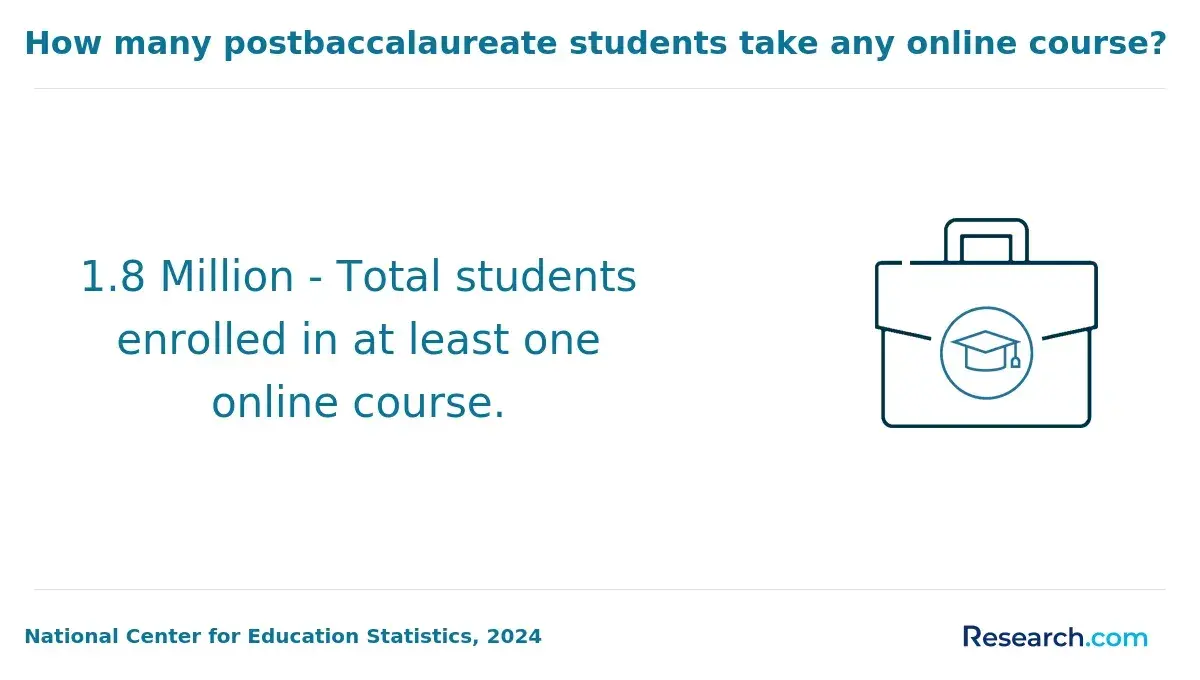
Many forensic psychology master’s programs now offer flexible enrollment formats, including fully online, hybrid, evening, weekend, and part-time options. These formats are especially useful for working professionals, caregivers, military-affiliated students, and applicants who cannot relocate.
Format should be evaluated carefully. An online or part-time program may be more convenient, but applicants still need to confirm accreditation, curriculum quality, faculty access, practicum expectations, and whether the degree supports their intended career path.
- Fully online programs: These offer the most geographic flexibility and may reduce commuting or relocation costs. Southern New Hampshire University delivers a fully online degree with equivalent accreditation to its campus-based program.
- Hybrid programs: Hybrid programs combine online coursework with in-person components. John Jay College provides a hybrid master's with evening and online components, which may appeal to students who want flexibility without losing campus access.
- Part-time options: Part-time enrollment can make graduate study manageable for working adults, but it extends the time to completion. Students should ask whether courses are offered frequently enough to maintain steady progress.
- Residency or practicum requirements: Some online or hybrid programs require short campus visits, field placements, or supervised experiences. Fully online coursework does not always mean the entire degree can be completed without local or in-person obligations.
- Accreditation and recognition: Accredited online and part-time degrees are generally designed to carry the same institutional recognition as campus programs. Students should still verify whether the program meets employer expectations or licensing-related educational requirements in their state or target field.
- Networking and field access: Campus-based programs may offer stronger in-person networking, research involvement, and local justice-system connections. Online students should ask how the program supports internships, faculty mentoring, and alumni connections.
The best format depends on your constraints and goals. If you need maximum flexibility, a fully online program may be the right fit. If you want local professional contacts, research access, or stronger faculty interaction, a hybrid or campus-based program may offer advantages worth the added time or cost.
What Prerequisite Courses Are Required for Admission Into Forensic Psychology Master's Programs?
Forensic psychology master’s programs often expect applicants to have a foundation in psychology, research, and statistics. Exact prerequisites vary, so applicants should review each program’s admissions page before assuming they are eligible.
Prerequisites matter because they signal whether you can handle graduate coursework in assessment, psychopathology, research design, ethics, and law-related psychological practice. Career changers may still be admissible, but they may need to complete missing courses before or during the program.
- Hard prerequisites: Foundational courses such as introductory psychology, research methods, and statistics are typically required before enrollment. Programs may deny admission or delay progression if these are missing.
- Soft prerequisites: Some programs allow students to complete certain requirements during the first semester. These may include abnormal psychology or additional statistics, but applicants must confirm this flexibility directly with the school.
- Core psychology background: Coursework in developmental, cognitive, and social psychology can help prepare students for advanced forensic psychology study, even when not listed as strict prerequisites.
- Research preparation: Because many programs include research methods, data interpretation, or a thesis option, prior exposure to statistics and empirical writing can strengthen an application.
- Remediation options: Accredited community college courses, reputable MOOCs, and certificate programs can help applicants address prerequisite gaps. Online and self-paced options may be useful for working professionals.
- Waivers: Some programs may accept prior professional experience or equivalent coursework instead of a formal prerequisite. Always ask the graduate advisor before spending time and money on extra courses.
Before applying, create a prerequisite audit. List each program, required courses, whether you have completed them, where they appear on your transcript, and whether the school allows in-progress or conditional completion. This makes it easier to identify programs you can enter immediately and programs that require preparation first.
What Financial Aid, Scholarships, or Assistantships Are Available for Forensic Psychology Master's Students?
Forensic psychology master’s students may qualify for several types of funding, but aid availability varies widely by school, enrollment status, and program format. Applicants should compare net cost after aid, not just tuition, because scholarships, assistantships, fees, travel, and lost work hours can change the true cost of attendance.
Nearly 60% of forensic psychology graduate students receive some form of financial assistance, which makes early funding research essential. Some awards are considered automatically with admission, while others require separate applications and earlier deadlines.
- Institutional scholarships: Universities may offer merit-based scholarships to incoming forensic psychology master’s students. Awards may depend on undergraduate GPA, test scores if submitted, or the strength of the overall application.
- Departmental fellowships: Academic departments may provide fellowships for students with strong academic records or research potential. These can include tuition support or stipends, but they are often competitive and may have early deadlines.
- Teaching assistantships (TAs): TAs support faculty with course-related duties in exchange for financial support. These positions often favor students with strong academic backgrounds, communication skills, and relevant subject knowledge.
- Research assistantships (RAs): RAs work on faculty-led research projects, often tied to grants. These roles can provide funding and valuable research experience, especially for students considering doctoral study or research-heavy careers.
- External awards: Organizations such as the American Psychology-Law Society (AP-LS), the Society for Police and Criminal Psychology, and the American Psychological Association offer targeted scholarships and grants. Their deadlines may not match university admissions timelines.
When comparing offers, ask whether funding is renewable, whether it requires full-time enrollment, whether online students are eligible, and whether assistantships are available to master’s students or reserved mostly for doctoral students. Also confirm whether aid applies to tuition only or can help with fees and living expenses.
Applicants comparing related human services fields may also review options such as a masters in social work to understand how admissions flexibility, licensure goals, and graduate funding differ across disciplines.
How Do I Write a Strong Statement of Purpose for Forensic Psychology Master's Programs?
A strong statement of purpose explains why forensic psychology is the right graduate path for you, why you are ready for it, and why the specific program fits your goals. It should not read like a personal autobiography or a generic essay about wanting to help people. Admissions committees are looking for focus, maturity, writing ability, and evidence that you understand the field.
The best statements connect your background to a clear academic or professional direction. Forensic psychology sits at the intersection of psychology and legal systems, so your essay should show that you understand both the appeal and the responsibilities of working in this area.
- Start with a clear motivation: Open with a specific reason for pursuing forensic psychology. Avoid dramatic crime-focused clichés or vague claims about fascination with human behavior.
- Define your focus: Identify the topics, populations, or professional settings that interest you. Examples may include legal decision-making, correctional settings, victim services, assessment, policy, or research.
- Show preparation: Use concrete examples from coursework, work experience, research, internships, volunteering, or professional responsibilities that demonstrate readiness for graduate study.
- Explain program fit: Name specific faculty members, courses, labs, field opportunities, or curriculum features that align with your goals. Generic praise makes the essay weaker.
- Address gaps strategically: If you have a lower GPA, limited psychology coursework, or no direct forensic experience, briefly explain what has changed and point to evidence that you can succeed now.
- Revise carefully: Remove vague language, passive phrasing, and unsupported claims. Seek feedback from mentors, professors, supervisors, or writing centers, and expect at least three drafts.
A useful structure is simple: motivation, preparation, goals, program fit, and closing commitment. Keep the essay focused on graduate readiness rather than personal storytelling alone.
Applicants comparing graduate programs in other fields can also review resources such as data science degrees to see how program access, affordability, and career alignment are evaluated across disciplines.
What Are the Career Outcomes for Graduates of Forensic Psychology Master's Programs?
Career outcomes for forensic psychology master’s graduates depend on the program’s curriculum, field experience, location, student background, and whether the graduate plans to pursue doctoral study, applied roles, research, or legal-system work. A master’s degree can support careers in related settings, but the title “forensic psychologist” may require additional education, supervised experience, or licensure depending on the role and jurisdiction.
Students should evaluate career outcomes before enrolling, not after graduation. Look for programs that publish transparent data and can explain where graduates actually work.
- Trusted data sources: First-destination surveys, LinkedIn alumni filters, and graduate school outcome reports can help identify common job titles and sectors. Use more than one source because each has limitations.
- Data transparency: Outcome reports are more useful when they include collection methods, sample sizes, response rates, and the time frame after graduation.
- Key indicators: Useful metrics include the percentage of graduates employed within six months, median entry-level salaries, common roles such as forensic psychologist or research analyst, and distribution across legal, healthcare, government, nonprofit, or academic settings.
- Program design: Thesis-based programs may be stronger for students considering doctoral study or research roles. Coursework-based programs may appeal to students seeking applied knowledge for current or related professional roles.
- Geographic variation: Job availability, pay, credential expectations, and field placement access can vary by region. A program with strong local justice-system connections may be more valuable if you plan to work nearby.
- Alumni conversations: Contacting graduates through LinkedIn can reveal practical information that brochures often omit, such as internship access, faculty responsiveness, workload, and how employers viewed the degree.
Before enrolling, ask each program for recent outcome data, examples of employer partners, internship or practicum support, and whether graduates commonly pursue doctoral programs. If a school cannot clearly explain graduate outcomes, treat that as a reason to investigate further.
How Can You Use Eligibility-Based Matching Tools to Find the Right Forensic Psychology Master's Program?
Eligibility-based matching tools help applicants identify forensic psychology master’s programs that fit their academic profile, rather than focusing only on rankings or brand recognition. These tools can be useful when you need to filter by GPA, test policy, prerequisite coursework, online format, location, cost, and experience requirements.
They should be used as a starting point, not as the final authority. Admissions policies change, and matching tools may not capture holistic review, new GRE waivers, conditional admission options, or program-specific prerequisite rules.
- Peterson's: This platform relies on self-reported data from schools and applicants and is useful for broad comparisons involving GPA and test scores.
- Niche: Niche incorporates student reviews and outcome statistics, but it may lack transparency on detailed admissions criteria.
- GradCafe: GradCafe provides user-submitted admissions results. It can reveal anecdotal patterns, but the data is unofficial and should not be treated as verified.
- Professional association directories: Directories from forensic psychology professional associations can provide more accurate program details and accreditation information, though they may not offer personalized matching.
Use matching tools in three steps. First, enter your current academic profile honestly, including GPA, completed prerequisites, and experience. Second, sort programs into likely fit, possible fit, and reach categories. Third, verify every program on its official website or by contacting admissions.
The most effective program list includes more than admissions probability. It should also account for cost, accreditation, curriculum, faculty expertise, field placement support, format, and career outcomes. A program you can enter is only the right choice if it also supports the career path you want.
What Graduates Say About Eligibility-Based Forensic Psychology Degree Master's Programs
- : "Choosing an eligibility-based forensic psychology master's degree was a strategic move to transition from law enforcement to criminal profiling. The program's affordability really helped me manage expenses without sacrificing quality education. Earning the degree has opened doors I never imagined, aligning perfectly with my long-term goal of influencing criminal justice policies. — Esteban"
- : "Pursuing this master's degree was a reflective decision after years in social work, as I sought to deepen my understanding of criminal behavior. The cost was a concern initially, but the flexible eligibility criteria made it accessible for working professionals. This degree profoundly shifted my career trajectory and reinforced my commitment to supporting victims in the legal system. — Alexis"
- : "As a legal analyst, I wanted to add forensic psychology credentials to enhance my expertise. The eligibility-based format meant I could enroll without needing prior psychology degrees, which was invaluable. This master's program not only broadened my knowledge but also empowered me to advise more confidently on criminal cases, fulfilling a critical professional ambition. — Eli"
Other Things You Should Know About Forensic Psychology Degrees
In 2027, graduates of forensic psychology master's programs typically must pass the Examination for Professional Practice in Psychology (EPPP) to obtain licensure. This exam is administered by the Association of State and Provincial Psychology Boards (ASPPB) and assesses foundational knowledge.
Applicants typically need a bachelor's degree in psychology or a related field and may need to meet specific GPA requirements. Some programs might also require relevant work experience or completion of certain undergraduate courses such as statistics or criminal justice.
References
- Master of Forensic Mental Health at Griffith University | Open Universities Australia https://www.open.edu.au/degrees/master-of-forensic-mental-health-griffith-university-grf-fmh-mas
- Mastering Your Forensic Psychology Personal Statement: A Comprehensive Guide // Ambitio https://ambitio.club/blog/forensic-psychology-statement-of-purpose/
- Client Challenge https://www.scribd.com/document/722721549/SOP-for-University-of-Roehampton-M-Sc-in-Forensic-Psychology-Sachin
- Masters Match – Find your Perfect Match — Unimy Masters https://www.unimymasters.com/
- 5 Institutions offering Postgraduate Forensic Psychology Courses In Australia https://www.hotcoursesabroad.com/study/training-degrees/australia/postgraduate/forensic-psychology-courses/loc/9/slevel/3/cgory/pk.881-4/sin/ct/programs.html
- Why We’re Offering a Master’s Degree in Forensic Psychology https://learn.neumann.edu/neuperspectives/expert-highlight-why-were-offering-a-masters-degree-in-forensic-psychology
- How To Become A Forensic Psychologist: Step-By-Step Guide https://www.psychology.org/careers/forensic-psychologist/
- Best Online Master's in Forensic Psychology - Online Schools Report https://www.onlineschoolsreport.com/best-online-masters-in-forensic-psychology/
- Psychology with Forensic Psychology Personal Statement https://universitycompare.com/personal-statement-examples/psychology/statement-21
- Forensic psychologist job profile | BPS https://www.bps.org.uk/forensic-psychologist-job-profile