2027 Best Online Nurse Practitioner Degree Programs

Co-Founder and Chief Data Scientist
One way for registered nurses (RNs) who hold an associate (ADN) or bachelor’s (BSN) degree to get ahead in their careers is to pursue a nurse practitioner (NP) degree. Today, NPs are in very high demand, with a projected 40% job growth through 2034. Also, they command a much higher median salary of $129,210 compared to the $ 3,600 of RNs.
In my 10+ years of working in career planning, I’ve found that the quickest and most flexible way to earn one’s credential is through online nurse practitioner programs. In this article, I aim to help readers navigate the intricacies of such offerings, from educational delivery to the cost of attending the best programs around.
What are the benefits of getting an online nurse practitioner degree?
- Online nurse practitioner programs open doors to diverse roles in healthcare, including primary care, specialty fields, and leadership positions.
- Nurse practitioners in the US earned a median annual salary of $129,210, reflecting the financial rewards of pursuing this degree.
- Opting for an online nursing practitioner program offers flexibility and accessibility, allowing students to balance education with personal and professional commitments efficiently.
What can I expect from an online nurse practitioner degree program?
An online nurse practitioner degree program typically offers either a Master of Science in Nursing (MSN) or a Doctor of Nursing Practice (DNP) degree track. These programs integrate theoretical coursework, clinical experiences, and interactive learning online. The curriculum covers advanced health assessment, pathophysiology, pharmacology, and evidence-based practice. The focus is on patient-centered care with virtual simulations for critical thinking.
Students benefit from faculty expertise, support services, and networking opportunities. Clinical practicum experiences, under supervision, provide hands-on application of knowledge. Overall, online programs offer a flexible pathway for nurses to advance their education and scope of practice, whether pursuing an MSN or DNP in nurse practitioner studies.
Where can I work with an online nurse practitioner degree?
With an online nurse practitioner degree, you can pursue roles in various healthcare settings. The industries with the highest NP employment rates include offices of physicians, general medical and surgical hospitals, outpatient care centers, offices of other health practitioners, and home health care services.
For instance, nurse practitioners find opportunities in general medical and surgical hospitals. The industry employed around 70,900 NPs. Similarly, outpatient care centers offer positions for approximately 29,330 nurse practitioners. These diverse employment options enable nurse practitioners to contribute to patient care across different specialties and settings, reflecting the flexibility and demand for their expertise in healthcare delivery.
How much I can make with an online nurse practitioner degree?
With an online nurse practitioner degree, your earning potential varies based on the industry you work in. The average annual salary for nurse practitioners differs across various sectors. In the United States, nurse practitioners earn a median annual salary of $129,210. Specific industries offer varying compensation rates.
In residential intellectual and developmental disability, mental health, and substance abuse facilities, the average salary stands at $163,000, the highest for the profession. General medical and surgical hospitals offer an average annual salary of $138,340. Outpatient care centers offer competitive salaries, with an average of $143,600 per year. Offices of other ambulatory health care services pay an average salary of $144,240. Home health care services offer $130,410.
Thus, with an online nurse practitioner degree, your earning potential is influenced by the industry you choose, reflecting the demand and compensation structure within each sector.
- 2027 Best Online Nurse Practitioner Degree Programs Best Programs
- How long does it take to complete an online nurse practitioner degree program? Completion Time
- How does an online nurse practitioner degree program compare to an on-campus program? How does an online nurse practitioner degree program compare to an on-campus program?
- What is the average cost of an online nurse practitioner degree program? Average Cost
- What are the financial aid options for students enrolling in an online nurse practitioner program? Financial Aid
- What are the prerequisites for enrolling in an online nurse practitioner degree program? Requirements
- What courses are typically in an online nurse practitioner degree program? What courses are typically in an online nurse practitioner degree program?
- What types of specializations are available in an online nurse practitioner degree program? Specializations
- Choosing the Easiest Nurse Practitioner Specialties to Enter Choosing the Easiest Nurse Practitioner Specialties to Enter
- How do you choose the best online nurse practitioner degree program? How do you choose the best online nurse practitioner degree program?
- How are online nurse practitioner programs accredited and quality assured? How are online nurse practitioner programs accredited and quality assured?
- How does geographic location impact nurse practitioner salaries? How does geographic location impact nurse practitioner salaries?
- What are the challenges and considerations in online nurse practitioner programs? What are the challenges and considerations in online nurse practitioner programs?
- What career paths are available for graduates of online nurse practitioner degree programs? What career paths are available for graduates of online nurse practitioner degree programs?
- Could a Dual Degree Enhance My Nurse Practitioner Career? Could a Dual Degree Enhance My Nurse Practitioner Career?
- What is the job market for graduates with an online nurse practitioner degree? Job Outlook
- What kind of technology and resources are available to support online nurse practitioner students? What kind of technology and resources are available to support online nurse practitioner students?
- What legal and licensure considerations should online nurse practitioner graduates be aware of? What legal and licensure considerations should online nurse practitioner graduates be aware of?
- Can additional certifications enhance my nurse practitioner career? Can additional certifications enhance my nurse practitioner career?
- Pathways to Becoming a Nurse Practitioner for Non-Nurses Pathways to Becoming a Nurse Practitioner for Non-Nurses
- How do online nurse practitioner programs support career placement and networking? How do online nurse practitioner programs support career placement and networking?
- Could online bridge programs streamline my progression from RN to Nurse Practitioner? Could online bridge programs streamline my progression from RN to Nurse Practitioner?
2027 Best Online Nurse Practitioner Degree Programs
Choosing an online nurse practitioner program is a high-stakes decision: the degree can expand your clinical scope, qualify you for advanced practice roles, and affect your eligibility for certification and state licensure. But online NP programs vary widely in cost, clinical placement support, specialty options, campus requirements, and accreditation status.
This guide is designed for registered nurses comparing online MSN, BSN-to-DNP, and post-master’s DNP pathways. You will find a ranked program list, a practical comparison of online and campus-based options, admissions requirements, cost and financial aid guidance, specialization advice, career outlook, licensure considerations, and mistakes to avoid before enrolling.
Quick Answer: What Should You Look for in an Online Nurse Practitioner Program?
The best online nurse practitioner program is accredited, matches your intended NP specialty, supports clinical placements in your state, prepares graduates for certification, and fits your budget and schedule. Most students should first verify accreditation through CCNE or ACEN, confirm state authorization and licensure alignment, compare total program cost rather than tuition alone, and ask how clinical preceptors are secured.
For many nurses, an MSN NP program is the faster route into advanced practice. A DNP may be a stronger fit for nurses who want doctoral-level clinical leadership, policy, systems improvement, or executive roles. Accelerated options can reduce time in school, but they may be harder to manage while working full time.
How We Rank Schools
Research.com uses a structured methodology to evaluate online nurse practitioner programs. The ranking process considers program quality, online availability, academic structure, cost information, and student-relevant outcomes where available.
To support the analysis, our research team reviewed data from the IPEDS database maintained by the National Center for Education Statistics, program information from Peterson’s database, including the Distance Learning Licensed Data Set, and institutional cost and outcomes information from the College Scorecard. Prospective students should still confirm current tuition, admissions rules, state authorization, and clinical placement policies directly with each school before applying.
Best Online Nurse Practitioner Programs: At-a-Glance Comparison
| Rank | School and Program | Format | Program Length | Credits | Cost per Credit | Accreditation |
| 1 | University of Wisconsin-Madison Hybrid DNP | Hybrid | 3 years | 68 with BSN; 38 with MSN | $1,108.16 in-state; $2,116.15 out-of-state | CCNE |
| 2 | SUNY Downstate Online DNP | Online with face-to-face intensives | 7-10 semesters | 76 | $1,281 | CCNE |
| 3 | Ohio State University-Main Campus Online MSN | Online | 2 years | 63 | $1,158.58 | CCNE |
| 4 | University of Central Florida Hybrid BSN to DNP | Hybrid | 9 to 12 semesters | 75 | $288.16 | CCNE |
| 5 | Stony Brook University Online DNP | Online | 2 to 3 years | 42 with MSN; 87 with BSN | $1,047 in-state; $1,367 out-of-state | CCNE |
| 6 | University of Southern California Online MSN FNP | Hybrid | 21 to 33 months | 50 to 52 | $2,137 | CCNE |
| 7 | Cedarville University Online MSN FNP | Online | 7 to 8 semesters | 45 to 48 | $680 | CCNE |
| 8 | George Washington University Online DNP | Online | 1 to 2 years | 36 | $1,450 | CCNE |
| 9 | Samford University BSN to DNP FNP | Online with limited campus sessions | 3 years | 76 | $961 | ACEN |
| 10 | Texas A&M International University Online MSN FNP | Online | 6 semesters | 48 | $367 | ACEN |
1. University of Wisconsin-Madison Hybrid DNP
The University of Wisconsin-Madison offers a hybrid Doctor of Nursing Practice program for nurses preparing for advanced practice and clinical leadership. The curriculum combines online learning with campus-based components and emphasizes advanced clinical preparation, leadership, and evaluation of healthcare practice. The program reports a consistent 100% pass rate for APRN certification exams.
- Program Length: 3 years
- Specialties/Concentrations: Adult-Gerontology Clinical Nurse Specialist; Adult-Gerontology Acute Care Nurse Practitioner; Adult-Gerontology Primary Care Nurse Practitioner; Pediatric Primary Care Nurse Practitioner; Psychiatric Mental Health Nurse Practitioner
- Required Credits to Graduate: 68 with BSN; 38 with MSN
- Cost per Credit: $1,108.16 in-state; $2,116.15 out-of-state
- Accreditation: Commission on Collegiate Nursing Education (CCNE)
2. The State University of New York (SUNY) Downstate Online DNP
SUNY Downstate’s online DNP program is built for registered nurses seeking advanced clinical decision-making, diagnostic ability, and family-centered care expertise. The curriculum uses a lifespan approach and includes face-to-face intensives that give students structured interaction with faculty and peers.
- Program Length: 7-10 semesters
- Specialties/Concentrations: Family Nurse Practitioner (FNP); Women’s Health Nurse Practitioner (WHNP)
- Required Credits to Graduate: 76
- Cost per Credit: $1,281
- Accreditation: Commission on Collegiate Nursing Education (CCNE)
3. Ohio State University-Main Campus Online MSN
Ohio State University-Main Campus offers an online Master of Science in Nursing for nurses seeking NP preparation. The program focuses on evidence-based assessment, patient-centered care, and advanced practice across selected populations. Students can choose from Family Nurse Practitioner, Neonatal Nurse Practitioner, and Psychiatric Mental Health Nurse Practitioner options.
- Program Length: 2 years
- Specialties/Concentrations: Family Nurse Practitioner; Neonatal Nurse Practitioner; Psychiatric Mental Health Nurse Practitioner
- Required Credits to Graduate: 63
- Cost per Credit: $1,158.58
- Accreditation: Commission on Collegiate Nursing Education (CCNE)
4. University of Central Florida Hybrid BSN to DNP
The University of Central Florida provides a hybrid BSN-to-DNP pathway with an Adult/Gerontology Acute Care Nurse Practitioner focus. Students complete online coursework along with required on-campus intensives, including two consecutive days of live intensives during fall and spring semesters. Clinical and lab courses also require in-person participation.
- Program Length: 9 to 12 semesters
- Specialties/Concentrations: Adult/Gerontology Acute Care Nurse Practitioner; Adult/Gerontology Primary Care Nurse Practitioner; Family Nurse Practitioner
- Required Credits to Graduate: 75
- Cost per Credit: $288.16
- Accreditation: Commission on Collegiate Nursing Education (CCNE)
5. Stony Brook University Online DNP
Stony Brook University offers an online DNP pathway for MSN-prepared nurses and BSN-prepared applicants. MSN graduates complete 42 credits, while BSN-prepared students complete 87 credits. The program includes advanced work in primary care, informatics, analytics, and population health.
- Program Length: 2 to 3 years
- Required Credits to Graduate: 42 with MSN; 87 with BSN
- Cost per Credit: $1,047 in-state; $1,367 out-of-state
- Accreditation: Commission on Collegiate Nursing Education (CCNE)
6. University of Southern California Online MSN (FNP)
The University of Southern California offers a hybrid online MSN with a Family Nurse Practitioner concentration. The program prepares nurses for primary care practice across the lifespan and includes both online coursework and required in-person intensives. Full-time and part-time formats are available.
- Program Length: 21 to 33 months
- Specialties/Concentrations: Family Nurse Practitioner
- Required Credits to Graduate: 50 to 52
- Cost per Credit: $2,137
- Accreditation: Commission on Collegiate Nursing Education (CCNE)
7. Cedarville University Online MSN (FNP)
Cedarville University’s online MSN includes Family Nurse Practitioner preparation and a Psychiatric Mental Health Nurse Practitioner option. The FNP curriculum develops skills in assessment, diagnosis, treatment, preventive care, and management of acute and chronic conditions. The program also integrates Christian values, nursing, and ministry.
- Program Length: 7 to 8 semesters
- Specialties/Concentrations: Family Nurse Practitioner; Psychiatric Mental Health Nurse Practitioner
- Required Credits to Graduate: 45 to 48
- Cost per Credit: $680
- Accreditation: Commission on Collegiate Nursing Education (CCNE)
8. George Washington University Online DNP
George Washington University offers an online post-master’s DNP for nurses who already hold an MSN. The program focuses on evidence-based practice, policy, research, organizational leadership, and patient care improvement. Concentration options include Nursing Practice, Executive Leadership, and Health Policy.
- Program Length: 1 to 2 years
- Specialties/Concentrations: Nursing Practice; Executive Leadership; Health Policy
- Required Credits to Graduate: 36
- Cost per Credit: $1,450
- Accreditation: Commission on Collegiate Nursing Education (CCNE)
9. Samford University BSN to DNP (FNP)
Samford University offers an online BSN-to-DNP Family Nurse Practitioner program for BSN-prepared registered nurses. Coursework is delivered through Canvas, and the BSN-to-DNP track includes three required campus sessions. The program also allows clinical experience requirements to be completed in multiple states.
- Program Length: 3 years
- Specialties/Concentrations: Family Nurse Practitioner
- Required Credits to Graduate: 76
- Cost per Credit: $961
- Accreditation: Accreditation Commission for Education in Nursing (ACEN)
10. Texas A&M International University Online MSN (FNP)
Texas A&M International University offers an online MSN with a Family Nurse Practitioner concentration. The program prepares advanced practice nurses to provide primary care across the lifespan and can be completed in six semesters.
- Program Length: 6 semesters
- Specialties/Concentrations: Family Nurse Practitioner
- Required Credits to Graduate: 48
- Cost per Credit: $367
- Accreditation: Accreditation Commission for Education in Nursing (ACEN)
Key Findings
- Online nurse practitioner programs are not fully remote in every case. Many include campus intensives, labs, simulations, or clinical requirements that must be completed in person.
- Accreditation matters. Programs accredited by CCNE or ACEN are generally the safer choice for students who need certification and licensure eligibility.
- MSN and DNP pathways serve different goals. MSN programs commonly prepare nurses for NP certification, while DNP programs add doctoral-level practice, leadership, and systems improvement training.
- Cost differences can be substantial. In the listed programs, cost per credit ranges from $288.16 to $2,137.
- Clinical placement support should be a major selection factor. A flexible online format is less useful if the student cannot secure approved local clinical sites and preceptors.
What Graduates Say About Online Nurse Practitioner Programs
- : "I was already working as an RN and needed a path that would let me keep my job while preparing for advanced practice. Online coursework gave me that flexibility, and the clinical requirements helped me connect what I was learning to patient care. The degree helped me move toward NP responsibilities with stronger clinical judgment and confidence. — Hannah"
- : "After earning my RN license, I wanted a realistic way to continue my education without stepping away from work. An online NP program made that possible. It required discipline, but it also gave me a path toward higher-level roles and stronger long-term earning potential. — Emily"
- : "As an LPN with the goal of becoming a nurse practitioner, I knew I needed a structured academic path that could fit around my work schedule. Online learning made the transition more manageable and helped me keep moving toward advanced practice nursing. — David"
How Long Does It Take to Complete an Online Nurse Practitioner Degree Program?
The time required depends on the type of degree, entry point, enrollment status, transfer credits, and specialty. Full-time online MSN nurse practitioner programs often take two to three years. Some of the best online graduate programs also offer part-time formats, which can help working nurses but usually extend the timeline.
DNP programs commonly take about three to four years for full-time students, especially for BSN-to-DNP pathways. Post-master’s DNP programs may be shorter because students enter with graduate nursing coursework already completed.
Students comparing timelines should ask whether the program allows part-time enrollment, whether clinical courses must be taken in a fixed sequence, and whether any courses are offered only once per year. Some affordable online master’s degree programs and online DNP programs include accelerated formats that can be completed in one and a half to two years, but accelerated schedules are usually more demanding.
| Pathway | Typical Student | Common Timeline | Best Fit |
| Online MSN NP | BSN-prepared RN | Two to three years for full-time students | Nurses who want to qualify for NP certification as efficiently as possible |
| BSN-to-DNP | BSN-prepared RN seeking a doctorate | About three to four years for full-time enrollment | Nurses who want advanced practice preparation plus doctoral-level leadership training |
| Post-master’s DNP | MSN-prepared nurse | Varies by prior coursework and program design | APRNs or graduate-prepared nurses seeking doctoral practice credentials |
| Accelerated NP option | Student able to carry a heavy course and clinical load | Some can be completed in one and a half to two years | Nurses with strong time management and flexible work schedules |
How Does an Online Nurse Practitioner Program Compare With an On-Campus Program?
Online and campus-based NP programs usually cover similar advanced practice competencies, but the student experience can differ significantly. The right choice depends on your work schedule, location, learning style, clinical placement needs, and ability to attend campus requirements.
| Factor | Online NP Program | On-Campus NP Program | Decision Tip |
| Schedule flexibility | Often better for working nurses and students with family obligations | More fixed class meeting times | Choose online if you need more control over weekly study time. |
| Location | Can reduce relocation and commuting barriers | Requires regular campus access | Confirm whether your state is authorized before applying to an online program. |
| Clinical learning | Clinical hours are still completed in person, often locally | Clinical placements may be tied more closely to campus partners | Ask exactly how preceptors and sites are approved. |
| Peer and faculty interaction | Often through discussion boards, video meetings, and virtual advising | More face-to-face contact | Online students should look for strong advising, mentoring, and cohort support. |
| Learning tools | May use simulations, telehealth practice, video case studies, and digital resources | May use in-person labs, classroom discussion, and campus simulation spaces | Hybrid programs can offer a balance of both formats. |
Online learning is now common across many nursing degrees, including bridge pathways such as LPN to RN online programs without clinicals. However, NP education is different from many fully online academic fields because advanced clinical training cannot be completed only through virtual coursework.
Online programs can use technology effectively, but students should avoid assuming every online degree works the same way. Virtual learning tools are used across fields, from the cheapest criminal justice degree options to advanced healthcare programs, but NP students must still meet clinical and licensure requirements.
What Is the Average Cost of an Online Nurse Practitioner Degree Program?
The cost of education for an online nurse practitioner program depends on degree level, credit requirements, residency status, institutional fees, clinical expenses, textbooks, technology fees, and travel for required intensives.
Online MSN programs commonly cost less per credit than DNP programs. Across online MSN programs, the average cost per credit typically ranges from $400 to $1,500. Online DNP programs often range from $500 to $1,600 or more per credit. The average tuition for MSN degrees is approximately $27,900, while Doctor of Nursing Practice degrees average approximately $52,000.
Do not compare programs by tuition alone. A program with a lower per-credit rate may require more credits, and a program with required campus visits may add travel, lodging, and missed-work expenses. Students comparing accredited low tuition online colleges should calculate the full degree cost before deciding.
| Cost Factor | Why It Matters | Question to Ask |
| Tuition per credit | It is the most visible cost but not the only one. | How many total credits are required for my entry pathway? |
| Fees | Online, technology, clinical, graduation, and program fees can add up. | Are fees included in the published tuition estimate? |
| Clinical expenses | Students may pay for background checks, immunizations, drug screening, documentation, and travel. | Which clinical costs are paid by the student? |
| Campus intensives | Hybrid programs can require travel and lodging. | How many in-person visits are required, and when do they occur? |
| Lost work time | Clinical rotations and intensives may conflict with employment. | Can the program be completed part time? |
What Financial Aid Options Are Available for Online Nurse Practitioner Students?
Online NP students may be able to use several funding sources, but eligibility depends on enrollment status, school participation, citizenship or residency rules, employer policies, and the student’s financial situation.
- Scholarships: Universities, nursing organizations, foundations, and professional associations may offer awards based on merit, financial need, service commitment, specialty, or background. Students considering healthcare and helping-profession programs may also compare funding approaches used in fields such as online masters degree in social work programs.
- Grants: Federal grant options such as the Pell Grant and the Federal Supplemental Educational Opportunity Grant may apply to eligible students, though graduate-level eligibility can differ from undergraduate aid.
- Loans: Federal Direct Loans, unsubsidized options, Federal PLUS Loans, and private loans may help cover tuition and related costs. Borrow only after estimating total repayment obligations.
- Employer tuition reimbursement: Hospitals, clinics, health systems, and government employers may help pay for NP education if the degree aligns with workforce needs.
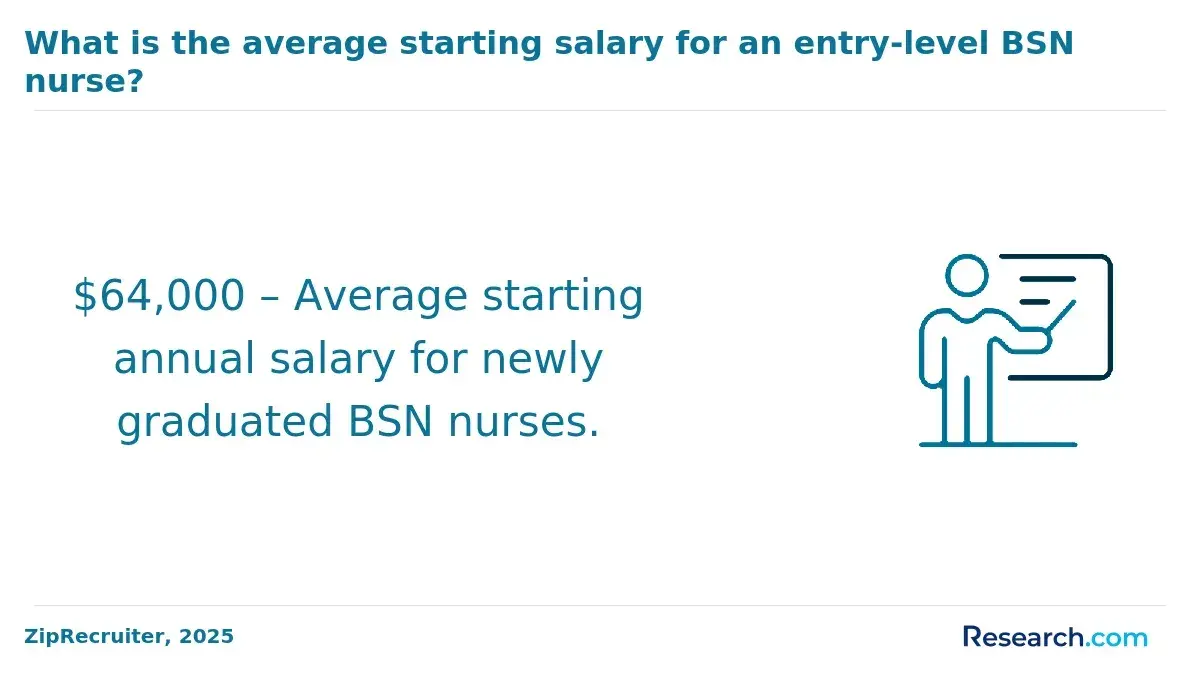
NP education can offer strong return potential, but salary outcomes are not guaranteed. Entry-level NP salary in the US is around $101,000 on average. Before borrowing, compare your expected cost against likely earnings in your specialty and region. Students considering graduate nursing pathways can also review Master of Science Nursing (M.S.N.) options.
What Are the Prerequisites for Enrolling in an Online Nurse Practitioner Program?
Admissions requirements vary by school, degree level, specialty, and state authorization. Most online NP programs require nursing licensure, prior nursing education, academic transcripts, and documentation that the student can complete clinical requirements in an approved location. Students comparing online nursing programs should review each admissions checklist carefully.
Common MSN Nurse Practitioner Prerequisites
- Bachelor’s degree in nursing: Many MSN NP programs expect applicants to hold a BSN from an accredited institution. Some pathways, including ADN to FNP bridge programs, may accommodate nurses with an associate degree in nursing.
- Active RN license: Applicants usually need a current, unrestricted registered nurse license in the state where clinical experiences will occur.
- Minimum GPA: Many programs require a minimum undergraduate GPA, often ranging from 3.0 to 3.5 on a 4.0 scale.
- RN work experience: Some programs prefer or require one to two years of relevant nursing experience.
- Prerequisite coursework: Schools may require prior study in anatomy, physiology, microbiology, statistics, or related areas.
Common DNP Prerequisites
- MSN for post-master’s DNP programs: Applicants to post-master’s DNP pathways typically need a graduate nursing degree from an accredited institution.
- APRN certification: Many DNP programs expect applicants to hold Advanced Practice Registered Nurse certification in a specialty such as FNP, AGNP, or PNP.
- Clinical experience: Some programs require one to two years of APRN clinical experience.
- Professional references: Applicants may need recommendations from supervisors, faculty, preceptors, or other nursing professionals.
- Statement of purpose: Programs commonly ask applicants to explain their clinical interests, career goals, and reasons for pursuing doctoral study.
What Courses Are Typically Included in an Online Nurse Practitioner Program?
Online NP curricula combine advanced science, clinical reasoning, pharmacology, population-focused care, role preparation, and supervised clinical practice. Course titles differ by school and specialty, but many programs include the following core areas.
- Advanced Pathophysiology: Students study disease processes, altered physiology, and clinical changes across the lifespan.
- Advanced Pharmacology: Coursework covers medication use, pharmacokinetics, pharmacodynamics, prescribing considerations, and safe management of drug therapy.
- Advanced Health Assessment and Diagnostic Reasoning: Students practice comprehensive assessment, history taking, physical exam techniques, and differential diagnosis.
- Advanced Practice Role Development: This course examines NP scope of practice, ethics, legal responsibilities, interprofessional collaboration, and professional identity.
- Clinical Practicum: Students complete supervised practice in approved healthcare settings and apply theory to patient assessment, diagnosis, treatment planning, and follow-up care.
The clinical practicum is one of the most important parts of NP education. Before enrolling, ask whether the school assigns placements, helps identify preceptors, or expects students to find their own clinical sites.
What Nurse Practitioner Specializations Are Available Online?
Specialization determines the population you will serve, the certification exam you may pursue, and the clinical settings where you are most likely to work. Choose a specialty based on patient population, work environment, state scope-of-practice rules, job availability, and long-term interests.
| Specialization | Primary Focus | Common Fit |
| Family Nurse Practitioner (FNP) | Primary care for individuals and families across the lifespan | Nurses who want broad primary care flexibility |
| Adult-Gerontology Nurse Practitioner (AGNP) | Care for adults and older adults, including chronic and complex conditions | Nurses interested in adult primary or acute care settings |
| Pediatric Nurse Practitioner (PNP) | Healthcare for infants, children, and adolescents | Nurses committed to pediatric populations |
| Psychiatric-Mental Health Nurse Practitioner (PMHNP) | Mental health assessment, diagnosis, psychotherapy, medication management, and crisis care | Nurses drawn to behavioral health and psychiatric care |
| Women’s Health Nurse Practitioner (WHNP) | Reproductive, gynecologic, prenatal, and women’s health services | Nurses focused on women’s health across life stages |
| Acute Care Nurse Practitioner (ACNP) | Management of acute and critical illness, often in hospitals and intensive care environments | Nurses with strong interest in high-acuity care |
Specialty choice can affect compensation, hiring options, and daily responsibilities. While salaries vary, NPs in the US tend to earn more than $100,000 per year.
Which Nurse Practitioner Specialties Are Easiest to Enter?
The “easiest” NP specialty is not simply the one with the least competition. It depends on your RN background, available clinical placements, admissions requirements, geographic demand, and personal fit. A specialty that is easier to enter may still be difficult to complete if you are not interested in the patient population or practice setting.
Family Nurse Practitioner and Adult-Gerontology Nurse Practitioner tracks may offer a smoother entry point for some students because they are common, widely offered, and connected to broad primary care needs. These pathways may also provide more program options and more potential clinical site types.
Specialties such as Pediatric Nurse Practitioner and Psychiatric-Mental Health Nurse Practitioner can be highly rewarding, but students may face more specific clinical placement needs or deeper specialty preparation. The right choice should balance access with long-term motivation.
If admissions flexibility is a major concern, compare programs using this guide to the easiest nurse practitioner specialty programs to get into. Use it as a starting point, not as the only factor in your decision.
How Do You Choose the Best Online Nurse Practitioner Program?
The best program is the one that meets professional standards and fits your specific career path. Use the following checklist before applying.
- Confirm accreditation: Look for recognition by the Commission on Collegiate Nursing Education or the Accreditation Commission for Education in Nursing.
- Verify state authorization: Make sure the program can enroll students from your state and that clinical placements are permitted where you live.
- Match the specialty to your goal: Do not choose an FNP, PMHNP, AGNP, or acute care track without understanding its certification and practice implications.
- Review the clinical placement model: Ask whether the school finds placements, provides leads, approves student-identified sites, or requires you to secure preceptors independently.
- Calculate total cost: Include tuition, fees, travel, clinical compliance expenses, books, technology, and lost work time. Compare student scholarships, grants, loans, and employer reimbursement.
- Evaluate faculty access: Online students need clear communication channels, advising, technical support, and timely feedback.
- Ask about outcomes: Review graduation rates, certification pass rates, job placement information, and alumni feedback when available.
- Understand the learning platform: Make sure the online system, simulation tools, discussion format, and exam requirements fit how you learn.
| Question to Ask the School | Why It Matters |
| Is the NP track approved for students in my state? | State authorization affects whether you can enroll and complete clinical requirements. |
| Who is responsible for finding clinical preceptors? | Clinical placement problems can delay graduation. |
| Does the curriculum prepare students for my intended certification exam? | Certification is commonly required for advanced practice roles. |
| How many campus visits are required? | Travel can affect cost, scheduling, and work obligations. |
| What is the total estimated program cost? | Tuition alone can understate the real investment. |
| What support exists for online students? | Advising, tutoring, technology help, and faculty access can affect persistence. |
How Are Online Nurse Practitioner Programs Accredited and Quality Assured?
Accreditation is one of the clearest indicators that a nurse practitioner program has been reviewed against recognized academic and professional standards. Accrediting bodies evaluate areas such as curriculum, faculty qualifications, clinical practicum expectations, student outcomes, and continuous improvement processes.
Students should verify accreditation directly rather than relying only on marketing language. The most relevant programmatic accreditors for nursing include the Commission on Collegiate Nursing Education and the Accreditation Commission for Education in Nursing. Accreditation can influence certification eligibility, employer confidence, credit transfer, and access to some forms of financial aid.
Students comparing RN-to-graduate nursing pathways may also review the best RN to MSN programs to understand how bridge options are structured.
How Does Geographic Location Affect Nurse Practitioner Salaries?
Location can have a major effect on nurse practitioner pay because compensation reflects local demand, cost of living, employer type, state practice authority, and specialty mix. A salary that looks high in one region may not stretch as far after housing, commuting, taxes, and insurance costs are considered.
Students should evaluate salary by state and specialty before estimating return on investment. This is especially important for specialties with regional variation, such as psychiatric nursing. For a more focused comparison, review data on psychiatric nurse practitioner salary by state.
What Challenges Should Online Nurse Practitioner Students Expect?
Online NP programs can be flexible, but they are not easy. Students often juggle graduate coursework, clinical hours, employment, family responsibilities, and licensure paperwork at the same time.
- Clinical placement pressure: Finding approved preceptors can be difficult if the program provides limited placement support.
- Time management: Online coursework requires consistent weekly study time, especially during clinical semesters.
- State-specific rules: Licensure and clinical requirements can vary by location.
- Reduced informal networking: Online students must be intentional about building relationships with faculty, classmates, alumni, and preceptors.
- Financial strain: Tuition, fees, travel, and reduced work hours can affect affordability.
Some students consider accelerated options such as 1 year nurse practitioner programs to reduce time in school. These can be useful for the right student, but they require careful planning and a realistic view of workload.
Common Mistakes to Avoid When Choosing an Online NP Program
| Mistake | Why It Can Hurt You | Better Approach |
| Choosing based only on tuition | Fees, travel, clinical costs, and extra credits can change the true price. | Calculate total program cost from admission to graduation. |
| Ignoring accreditation | Non-accredited programs may create certification, employment, or licensure problems. | Verify CCNE or ACEN accreditation before applying. |
| Assuming “online” means no campus visits | Many programs require intensives, labs, or orientation sessions. | Ask for the full on-campus schedule in writing. |
| Not checking clinical placement support | Students may struggle to find preceptors, delaying progress. | Ask who secures placements and what happens if a site falls through. |
| Choosing the wrong specialty | Your specialty affects certification, scope, and job options. | Shadow NPs and compare patient populations before choosing. |
| Assuming salary outcomes are guaranteed | Pay varies by state, specialty, experience, and employer. | Research local salaries and job postings before borrowing. |
What Career Paths Are Available for Online Nurse Practitioner Graduates?
Graduates of online nurse practitioner programs can pursue direct patient care, specialty practice, leadership, teaching, research, advocacy, and policy-related roles depending on their degree, certification, experience, and state practice rules.
- Advanced practice nursing: NPs may provide primary, acute, or specialty care in clinics, hospitals, community health centers, private practices, and other healthcare settings.
- Specialty care: NPs can focus on family practice, pediatrics, geriatrics, women’s health, mental health, oncology, emergency care, or other areas.
- Leadership and administration: Experienced NPs may move into clinical leadership, operations, quality improvement, or healthcare management roles.
- Education and research: Some graduates teach nursing students, train clinical staff, support evidence-based practice, or participate in research.
- Advocacy and policy: NPs may influence healthcare access, regulation, scope of practice, and public health initiatives.
The latest BLS data show that the industry with the highest NP employment was physicians' offices, but this was not the highest-paying. Instead, in 2024, the industry of residential intellectual and developmental disability, mental health, and substance abuse facilities provided the top annual wages for NPs.
Could a Dual Degree Strengthen a Nurse Practitioner Career?
A dual degree can make sense for nurse practitioners who want to combine clinical expertise with business, operations, finance, or healthcare leadership training. This route is most relevant for nurses interested in management, executive roles, consulting, health system strategy, or policy implementation.
For example, MSN MBA dual online options may help students build skills in financial management, organizational planning, and healthcare operations while maintaining a nursing leadership focus. Students who want to remain primarily in direct patient care may not need the added time and cost of a dual degree.
What Is the Job Market for Online Nurse Practitioner Graduates?
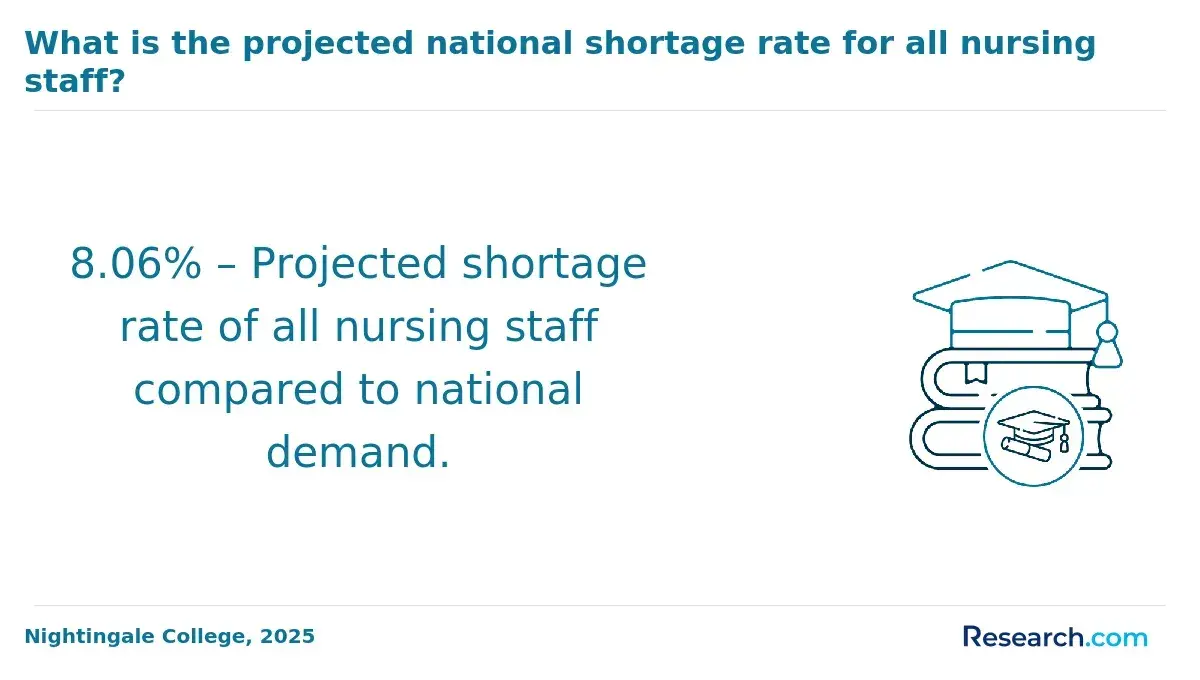
The labor market for nurse practitioners remains strong. Through 2034, the projected job growth for NPs in the US is expected to be around 40%, leading to the addition of approximately 29,500 annual new jobs by 2034. This amounts to a total estimate of 448,800 NP positions filled in the country in 2034, from 320,400 in the base year.
Students should still evaluate job demand by specialty and region. FNP, PMHNP, acute care, and adult-gerontology roles can differ in hiring patterns, clinical settings, and employer expectations. Local job postings, state scope-of-practice rules, and clinical network strength should all inform your decision.
What Technology and Resources Support Online Nurse Practitioner Students?
Strong online NP programs use technology to support clinical reasoning, communication, research, and faculty interaction. Technology does not replace clinical practice, but it can make remote learning more effective.
- Virtual simulations and labs: Students may work through patient scenarios that develop assessment, diagnostic, and decision-making skills.
- Learning management systems: Platforms such as Blackboard, Canvas, or Moodle organize lectures, assignments, grades, discussions, and course materials.
- Telehealth training: Many programs expose students to remote patient care, digital communication, and privacy-conscious clinical workflows.
- Digital libraries and research databases: Online access to clinical literature helps students apply evidence-based practice.
- Clinical placement tools: Some schools use placement software or dedicated services to manage site approval, preceptor documentation, and compliance tracking.
- Peer collaboration tools: Discussion boards, video meetings, shared projects, and cohort groups can reduce isolation.
- Faculty office hours and tutoring: Online advising, writing support, and tutoring can help students manage difficult coursework.
What Legal and Licensure Issues Should Online NP Students Understand?
Licensure is state-specific, so students must confirm that an online NP program meets requirements in the state where they plan to practice. This includes clinical hour expectations, supervision rules, documentation requirements, certification preparation, and state board policies.
Before applying, ask the program whether it has enrolled students from your state, whether its clinical placements are approved there, and whether graduates have been eligible for advanced practice licensure in that jurisdiction. Programs that clearly explain licensure steps can reduce confusion after graduation. Students comparing doctoral options may also review shorter DNP programs.
Can Additional Certifications Enhance a Nurse Practitioner Career?
Additional certifications can help NPs demonstrate focused expertise, shift into a new specialty, or meet employer expectations. The value of a certificate depends on accreditation, curriculum quality, clinical requirements, and alignment with your intended certification or practice area.
For example, nurses who already hold graduate nursing preparation may use online FNP certificate programs to move toward family practice preparation. Before enrolling, verify whether the certificate meets your state’s requirements and whether it includes the clinical experiences needed for your intended role.
Can Non-Nurses Become Nurse Practitioners?
People without a nursing background may be able to become nurse practitioners, but the route is longer because they must first build foundational nursing knowledge, complete clinical training, and become licensed registered nurses before advancing to NP preparation.
Accelerated and bridge pathways are designed to help non-nurses move into nursing through intensive coursework and supervised clinical experiences. One starting point is an online RN program for non-nurses, which can help students transition into entry-level nursing preparation while balancing other responsibilities.
After becoming licensed RNs and meeting graduate admissions requirements, students may pursue NP tracks in family practice, acute care, psychiatric-mental health, or other specialties. This path requires careful planning because not every online program is built for non-nurses.
How Do Online NP Programs Support Career Placement and Networking?
Career support can make a meaningful difference for online students who do not have daily campus contact. Useful services may include career advising, resume review, interview preparation, alumni networking, virtual career fairs, employer events, and mentorship.
Clinical placements also function as networking opportunities. Students should treat preceptor relationships professionally because clinical sites can lead to job referrals or early-career guidance. When comparing schools, evaluate student support with the same care you would use when reviewing admissions accessibility in resources such as What is the easiest school for nursing?
Can Online Bridge Programs Streamline the RN-to-NP Path?
Bridge programs can help registered nurses move toward advanced practice by reducing unnecessary repetition and creating a clearer academic sequence. These pathways may combine undergraduate completion, graduate nursing coursework, and advanced clinical preparation depending on the student’s starting point.
For RNs who still need a bachelor’s degree, easy online RN to BSN bridge programs can be one step toward future NP study. Students should confirm transfer credit rules, GPA requirements, and whether the bridge curriculum positions them well for MSN or DNP admission.
References
- Nightingale College. (2025). Nursing Shortage: 2026 US Statistics. https://nightingale.edu
- PayScale. (2026). Average Nurse Practitioner (NP) Salary. https://www.payscale.com/research/US/Job=Nurse_Practitioner_(NP)/Salary
- U.S. Bureau of Labor Statistics. (2025). Occupational projections and worker characteristics. https://www.bls.gov/emp/tables/occupational-projections-and-characteristics.htm
- ZipRecruiter. (2026). BSN Nurse Salary. https://www.ziprecruiter.com/Salaries/Bsn-Nurse-Salary
Key Insights
- The safest online NP program choice is accredited, authorized in your state, aligned with your intended certification, and transparent about clinical placement responsibilities.
- MSN NP programs are often the more direct route into advanced practice, while DNP programs may better fit nurses seeking doctoral-level leadership, policy, or systems improvement roles.
- Cost comparisons should include more than tuition. Required credits, fees, campus intensives, clinical compliance expenses, and lost work time can significantly change affordability.
- Specialty choice matters. FNP offers broad primary care flexibility, while PMHNP, AGNP, PNP, WHNP, and acute care tracks prepare students for more defined patient populations and settings.
- Online does not mean clinical-free. Every serious NP pathway requires supervised hands-on practice, and weak clinical placement support can delay graduation.
- Before enrolling, ask schools direct questions about accreditation, state licensure alignment, certification pass rates, clinical preceptor support, total cost, and online student services.
Other Things You Should Know About Online Nurse Practitioner Degree Programs
Most online nurse practitioner programs require 500 to 1,000 supervised clinical hours before graduation. The exact total depends on the track and school. These hours must be completed in approved settings with qualified preceptors, and some programs require separate hour minimums for specialty rotations.
In 2027, the top considerations for selecting an online nurse practitioner program include accreditation status, program flexibility, faculty expertise, clinical placement support, tuition costs, and graduate success rates in board certification exams. Each factor ensures a comprehensive education aligned with career goals.
In 2027, top online nurse practitioner programs ensure up-to-date clinical training by partnering with healthcare facilities that offer diverse, hands-on experiences. They integrate the latest medical practices and technologies through virtual simulation, regularly updated curriculum, and collaboration with experienced practitioners to ensure students are prepared for contemporary healthcare challenges.