
2027 Best Online DNP Programs

Co-Founder and Chief Data Scientist
Nurses considering a Doctor of Nursing Practice usually face three practical questions: Will an online DNP be respected, can it fit around clinical work, and will the degree support the role they actually want? This guide is built to answer those questions clearly. It explains what online DNP programs include, how they compare with campus-based options, what they may cost, which admissions requirements to expect, and how to evaluate programs before committing time and money.
An online DNP can be a strong option for experienced nurses who want advanced clinical, executive, policy, education, or systems leadership roles without leaving the workforce. However, the right program depends on your current credential, state licensure plans, specialty goal, clinical placement needs, and budget.
Quick answer: Is an online DNP worth it?
An online DNP can be worth it for registered nurses and advanced practice nurses who need doctoral-level preparation for clinical leadership, nurse practitioner practice, executive roles, quality improvement, health policy, or academic practice-based positions. The degree is most valuable when the program is accredited, aligned with your specialty, transparent about clinical requirements, and affordable enough to make sense for your expected career path.
- A DNP may support advanced roles such as nurse practitioner, nurse anesthetist, nurse midwife, nurse administrator, nurse educator, or healthcare leader.
- DNP-prepared professionals report competitive earnings, with an average base income of $112,000 yearly.
- Online delivery can help working nurses continue employment while completing doctoral coursework, projects, and clinical requirements.
What can I expect from an online DNP degree?
An online Doctor of Nursing Practice is a practice-focused doctoral degree for nurses who want to apply advanced evidence, leadership, and systems knowledge in real healthcare settings. Unlike a research-focused PhD, the DNP is designed around clinical practice, quality improvement, patient outcomes, healthcare delivery, and organizational change.
Most online DNP programs combine web-based coursework with in-person clinical experiences, practicums, immersion hours, or a final scholarly project. Courses may be asynchronous, allowing students to complete work on their own schedule, or synchronous, requiring live online attendance at set times.
Typical DNP study areas include:
- Advanced evidence-based nursing practice
- Healthcare policy and ethics
- Patient advocacy
- Leadership and organizational management
- Quality improvement and patient safety
- Population health, informatics, and systems-based care
Even when the academic portion is online, clinical learning is usually completed in approved settings such as hospitals, clinics, community health centers, specialty practices, or healthcare organizations. Before enrolling, confirm whether the school helps arrange placements or expects students to secure their own preceptors.
Where can I work with an online DNP degree?
DNP graduates work in many healthcare and education settings, including hospitals, private practices, outpatient clinics, long-term care facilities, universities, public health organizations, and healthcare administration offices. Some roles may also offer remote or hybrid work, especially in teaching, telehealth, consulting, case review, program management, and policy-related positions.
Common career directions for DNP-prepared nurses include:
- Advanced practice nursing roles
- Healthcare management and nurse executive positions
- Practice-based nursing faculty roles
- Nursing research and evidence translation roles
- Health policy, quality improvement, and systems leadership positions
How much can I make with an online DNP degree?
Salary depends on specialty, employer, region, experience, certification, and scope of practice. Online DNP graduates do not earn a single standard salary; compensation varies widely by role. The following figures from the original program analysis show common DNP-related career earnings:
| Career or specialty | Salary figure | What to know before choosing this path |
| Certified Registered Nurse Anesthetist (CRNA) | $213,497 | Among the highest-paid DNP-related specialties, but it may require additional licensure, intensive clinical preparation, and a terminal degree in this field. |
| Nursing manager | $122,200 | Best suited for nurses who want responsibility for staffing, budgets, operations, quality metrics, and team leadership. |
| Nurse practitioner (NP) | $123,740 | Requires the appropriate population-focused education, certification, and state licensure for advanced practice. |
| Nurse educator | $97,139 | May fit nurses interested in teaching, curriculum design, clinical instruction, and academic-practice partnerships. |
| Certified nurse midwife (CNM) | $122,194 | Requires specialized preparation and certification in nurse midwifery. |
For a broader specialty-by-specialty view, this guide to DNP salary by specialty can help you compare earnings by role and location.
- Best online DNP programs for 2027
- How long online DNP programs take
- Online DNP versus campus DNP programs
- Average online DNP program cost
- Financial aid for online DNP students
- Common online DNP admission requirements
- Typical courses in an online DNP curriculum
- Online DNP specializations
- How to choose the right online DNP program
- Career paths after an online DNP
- Job market for online DNP graduates
- Simulation and clinical training in online DNP programs
- Continuing education after earning a DNP
- How employers view online DNP degrees
- Scholarship options for DNP students
- Challenges online DNP students should expect
- Career support and networking in online DNP programs
- Nurse executive leadership training in a DNP
- Work-life balance during an online DNP
- Additional cost factors to review
- RN-to-MSN bridge programs and the path to a DNP
- Future trends in online DNP education
- DNP earning potential by specialty
2027 List of the best online DNP programs
How do we rank schools?
A DNP is a major professional and financial decision, so rankings should be used as a starting point rather than the only deciding factor. Research.com reviewed online DNP options using transparent education data and program-level considerations to identify strong choices for 2027.
Our ranking process draws from current U.S. government and education datasets, including:
- The Integrated Postsecondary Education Data System (IPEDS) database
- Peterson’s database, including its Distance Learning Licensed Data Set
- College Scorecard database
- National Center for Education Statistics
Program quality indicators such as graduation rate, student-faculty ratio, and academic focus are also considered. More details are available on our methodology page.
| Rank | School | Program length | Tracks or concentrations | Cost information | Credits | Accreditation |
| 1 | Wake Forest University | 24 months | DNP | $25,146 first-year tuition | 30 | Southern Association of Colleges and Schools Commission on Colleges (SACSCOC) |
| 2 | University of Virginia-Main Campus | 33 months | BSN to DNP and a post-MSN track | $20,682 per year (in-state students); $33,774 per year (out-of-state students) | 39 | Commission on Collegiate Nursing Education (CCNE) |
| 3 | University of Pennsylvania | 21 months | Post-master DNP; DNP practice in executive leadership | $6,658 per course unit | 10 | CCNE |
| 4 | University of North Carolina at Chapel Hill | 36 months | BSN to DNP and MSN to DNP | $9,667 per semester (in-state students); $18,530 per semester (out-of-state students) | Depends on the chosen track | CCNE |
| 5 | University of Michigan-Ann Arbor | 24-36 months | BSN to DNP; post-master DNP | $1,908 per credit (in-state students); $3,488 per credit (out-of-state learners) | Depends on the chosen track | CCNE; Accreditation Commission for Midwifery Education (ACME) |
| 6 | University of Florida | 36 months | BSN to DNP | $12,740 per year (in-state students); $30,134 per year (out-of-state students) | 75 to 78 | CCNE |
| 7 | University of Central Florida | 36 months | Executive, family nurse practitioner, adult and gerontology acute care, ARNP post-masters, adult-gerontology primary care, and advanced practice DNP | $370 per credit hour (in-state students); $1,194 per credit hour (out-of-state students) | Depends on the chosen track | CCNE |
| 8 | Ohio State University-Main Campus | 24 months | Direct clinical nursing practice; transformative leadership | $1,158.58 | 36 | CCNE |
| 9 | Johns Hopkins University | 36 months | Adult-gerontological acute care nurse practitioner, adult-gerontological primary care nurse practitioner, family primary care nurse practitioner, pediatric primary care nurse practitioner, pediatric dual primary/acute care nurse practitioner, psychiatric mental health nurse practitioner, nurse anesthesia, and clinical nurse specialist | $50,079 per year | Depends on the chosen track | CCNE |
| 10 | Georgetown University | 33 months | BSN to DNP; post-master DNP | $2,441 per credit hour | Depends on the chosen track | CCNE |
How to use this ranking
Do not choose a DNP program based only on rank. Use the list to identify credible options, then compare each school against your state licensure requirements, specialty certification goals, clinical placement support, total cost, and schedule. A lower-cost program that fits your specialty and licensure plan may be a better decision than a higher-ranked program that does not.
Key Findings
- A DNP can support advanced nursing, leadership, education, policy, and systems-focused roles, with professionals typically reporting an average base income of $112,000 yearly.
- Online nursing degree programs, including DNP options, can help working nurses continue employment while pursuing graduate education.
- DNP graduates may move into advanced practice, healthcare management, academia, nursing research, and health policy roles.
- Salary varies by specialty; CRNA roles are among the highest-paid options listed here at $213,497 yearly.
- Federal aid, state aid, institutional aid, scholarships, employer support, and loan repayment programs may reduce out-of-pocket DNP costs.
How long does it take to complete an online DNP program?
Program length depends on your entry point, enrollment pace, specialty, and required clinical hours. Some accelerated online DNP programs can be completed in one year or three semesters by students who already hold a Master of Science in Nursing and have advanced preparation as advanced practice registered nurses, nurse administrators, or nurse educators. Part-time students may spread the same work over two years or longer.
| Student profile | Typical pathway | Time considerations |
| RN with BSN | BSN to DNP | Usually longer because the student completes graduate-level nursing preparation and doctoral coursework. |
| Nurse with MSN | Post-MSN DNP | Often shorter because the student has already completed master’s-level preparation. |
| Working nurse studying part time | Part-time online DNP | May be easier to manage with employment but extends the graduation timeline. |
| Advanced practice nurse seeking speed | Accelerated post-master’s DNP | Can be faster, but the workload may be intense and clinical/project deadlines can be demanding. |
How does an online DNP compare to an on-campus program?
Online and campus-based DNP programs can lead to the same academic credential, but the student experience differs. The best format depends on your schedule, learning style, clinical placement needs, and access to campus resources.
| Factor | Online DNP | On-campus DNP |
| Schedule | Often more flexible, especially when coursework is asynchronous. | Usually follows a more structured campus schedule. |
| Clinical training | Completed in person at approved clinical or organizational sites. | Completed in person, often near the campus or affiliated sites. |
| Networking | May rely on virtual cohorts, faculty meetings, online events, and local clinical sites. | May offer more frequent face-to-face interaction with faculty and peers. |
| Best for | Working nurses, geographically distant students, and learners who need scheduling flexibility. | Students who prefer in-person learning, campus access, and structured weekly routines. |
| Main caution | Students may need to be proactive about time management, technology, and clinical placement coordination. | Commuting and fixed schedules may be difficult for full-time nurses. |
Clinical requirements are not “virtual only” in most DNP programs. Even a fully online academic format usually includes supervised practical experiences, immersion hours, or a project tied to a real healthcare setting.
What is the average cost of an online DNP program?
Online DNP costs vary widely. The final amount depends on the school, tuition model, residency status, number of credits, specialty track, fees, clinical expenses, and whether you enter with a BSN or MSN.
Research.com’s analysis found that students entering an online DNP program with a BSN degree may face a total cost range of $26,490 to $254,260 because they often complete master’s-level coursework as part of the pathway. Students who already hold an MSN may encounter a typical DNP cost range of $17,660 to $169,510.
| Cost factor | Why it matters |
| Entry credential | BSN-to-DNP students usually complete more credits than post-MSN students. |
| Residency status | Public universities may charge different rates for in-state and out-of-state students. |
| Specialty track | Clinical specialties may require more credits, placements, or fees than leadership-focused tracks. |
| Campus visits | Hybrid or residency requirements can add travel, lodging, and time-away-from-work costs. |
| Clinical placement expenses | Background checks, immunizations, compliance tracking, travel, and placement fees can affect total cost. |
| Technology and student fees | Online students may still pay institutional, platform, or course-related fees. |
What are the financial aid options for students enrolling in an online DNP program?
DNP students may reduce costs through federal aid, state programs, employer tuition support, institutional scholarships, professional association awards, and loan repayment programs. Because DNP students are typically graduate students, the aid mix may differ from undergraduate nursing aid.
Federal Aid
The first step for many students is completing the Free Application for Federal Student Aid (FAFSA). Schools use FAFSA information to determine eligibility for federal graduate loans and other aid opportunities.
The FAFSA must be submitted each year. Graduate applicants should be prepared to provide income information and should have tax documents available when completing the form.
State Aid
State-supported universities may be less expensive than private or out-of-state options, especially when in-state tuition applies. Some schools also participate in regional tuition agreements or offer reduced tuition to students from neighboring states.
Students should also check their state board of nursing for nursing scholarships, loan repayment programs, grants, and workforce initiatives. These opportunities vary by state and may be tied to practice location, specialty, service commitments, or shortage areas.
University Aid
Many universities offer school-based scholarships, assistantships, grants, payment plans, or tuition discounts. In addition to the FAFSA, some institutions require a separate financial aid or scholarship application. Review the financial aid page for each DNP program before applying so you do not miss priority deadlines.
What are the prerequisites for enrolling in an online DNP program?
Admission requirements differ by school and pathway, but online DNP applicants are commonly asked to provide proof of licensure, prior nursing education, clinical experience, and readiness for doctoral-level work.
| Requirement | What applicants should verify |
| Nursing license | A current, unrestricted RN license is typically required in the state where clinical work will be completed. Nurse practitioner applicants may also need proof of NP licensure. |
| Educational background | Many programs require an MSN, while BSN-to-DNP options admit qualified BSN-prepared nurses. Official transcripts are usually required from all colleges attended. |
| Clinical experience | Some programs expect prior practice experience, such as one year in an advanced practice role. |
| Test scores | Standardized test scores are not always required, but some schools may request them. |
| Interview | Applicants may complete an interview to discuss goals, readiness, specialty fit, and professional background. |
| Additional documents | Common materials include a personal statement, recommendation letters, resume, and criminal background check. |
What courses are typically in an online DNP program?
Course titles vary by university, but online DNP curricula usually focus on advanced clinical knowledge, research translation, leadership, quality improvement, healthcare systems, and population-level care.
- Advanced health assessment
- Advanced pharmacology
- Advanced pathophysiology
- Biostatistics
- Epidemiology
- Healthcare policy and ethics
- Healthcare informatics
- Leadership and management
- Population health
- Quality improvement
- Research methods
- Translational science
The final DNP project is often a major part of the curriculum. It usually requires students to identify a practice problem, apply evidence, measure outcomes, and present a solution that can improve care delivery or organizational performance.
What types of specializations are available in online DNP programs?
DNP specializations should be chosen based on your desired scope of practice, certification requirements, state licensure rules, and long-term career plan. Common online DNP focus areas include:
| Specialization | Best fit |
| Advanced clinical practice | Nurses who want deeper preparation in direct patient care and advanced practice decision-making. |
| Advanced systems practice | Nurses interested in improving care delivery across units, organizations, or populations. |
| Executive leadership or Nurse Executive | Nurses pursuing administrative, operational, finance, quality, or executive roles. |
| Nurse practitioner specializations | Students preparing for areas such as family nurse practitioner, adult-gerontology nurse practitioner, or psychiatric-mental health nurse practitioner practice. |
| Health policy | Nurses who want to influence regulation, advocacy, reimbursement, access, and healthcare systems. |
| Informatics | Nurses interested in clinical technology, data use, electronic records, and workflow improvement. |
| Public health | Nurses focused on community health, prevention, population outcomes, and health equity initiatives. |
| Nurse anesthesia | Nurses pursuing advanced anesthesia practice and CRNA-related preparation. |
| Nurse midwifery | Nurses seeking specialized preparation in women’s health, pregnancy, birth, and reproductive care. |
How to Choose the Best Online DNP Program
The best online DNP program is not always the fastest, cheapest, or highest ranked. It is the program that matches your professional goal, state requirements, learning needs, and financial reality.
- Start with your target role. Decide whether you want advanced clinical practice, executive leadership, education, informatics, health policy, nurse anesthesia, nurse midwifery, or another specialty.
- Check accreditation first. Look for recognized nursing accreditation such as CCNE or the Accreditation Commission for Education in Nursing (ACEN), and confirm institutional accreditation.
- Confirm licensure alignment. If your goal involves APRN practice, ask whether the program meets education requirements in the state where you plan to practice.
- Evaluate clinical placement support. Ask whether the school secures placements, assists students, or requires students to find preceptors independently.
- Compare total cost, not just tuition. Include fees, travel, clinical compliance costs, books, technology, lost wages, and loan interest.
- Review delivery format. Determine whether classes are asynchronous, synchronous, hybrid, or require campus visits.
- Ask about outcomes. Review graduation rates, board or certification preparation where relevant, employment information, and graduate earnings two years after completion when available.
- Speak with current students or alumni. Ask about faculty responsiveness, workload, placement help, technology reliability, and project support.
Questions to ask before enrolling
| Question | Why it matters |
| Is the DNP program accredited by a recognized nursing accreditor? | Accreditation can affect licensure, certification eligibility, employer acceptance, and financial aid access. |
| Does the program meet requirements in my state? | Online programs may not automatically satisfy every state’s APRN or clinical placement rules. |
| Who arranges clinical placements? | Placement responsibility can significantly affect stress, timeline, and ability to graduate on schedule. |
| How many campus visits are required? | Residencies, orientations, intensives, or defenses can add travel costs and scheduling challenges. |
| What is the total estimated program cost? | Tuition alone does not show the full financial commitment. |
| What support is available for the DNP project? | Strong faculty guidance can make a major difference in project design, implementation, and completion. |
What career paths are available for graduates of online DNP programs?
Online DNP graduates can pursue advanced clinical, leadership, academic, and policy roles. Common paths include nurse anesthetist, nurse practitioner, nurse midwife, nursing manager, nurse educator, clinical nurse specialist, healthcare administrator, quality improvement leader, informatics specialist, and policy advocate.
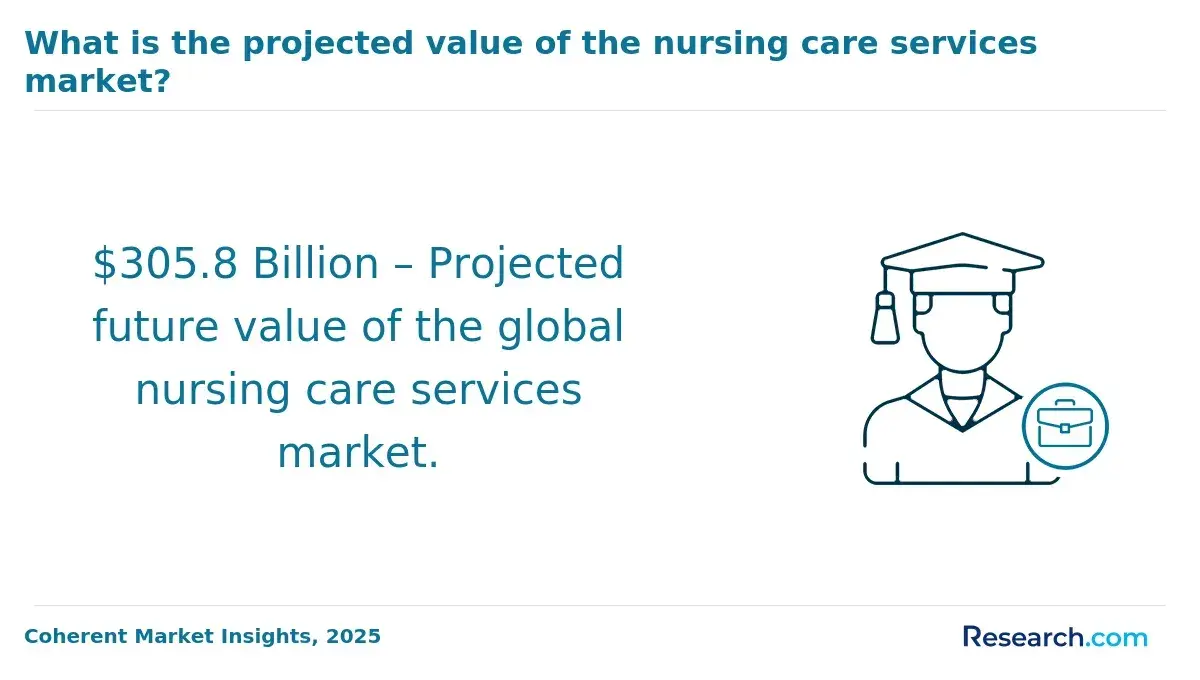
According to the U.S. Bureau of Labor Statistics, employment for nurse anesthetists, nurse midwives, and nurse practitioners is projected to increase by 38% through 2032.
What is the job market for graduates with an online DNP degree?
The job market for DNP graduates is broad because doctoral-prepared nurses can contribute in clinical care, operations, workforce development, policy, education, and quality improvement. Opportunities may exist in private practices, hospitals, clinics, nursing homes, academic institutions, public agencies, and healthcare systems.
Demand and compensation differ by specialty and region. Before choosing a track, compare local job postings, state scope-of-practice rules, certification requirements, and employer preferences. For example, a nurse executive track may be valuable for leadership roles, while a psychiatric-mental health or family nurse practitioner track may better support direct patient care goals.
How do online DNP programs incorporate advanced simulation technologies in clinical training?
Many online DNP programs use digital tools to strengthen clinical reasoning before students work in approved practice settings. These tools may include virtual simulations, interactive patient cases, electronic health record exercises, telehealth scenarios, and decision-making modules. Simulation does not replace required in-person clinical learning, but it can help students practice assessment, prioritization, documentation, communication, and systems thinking.
If technology-enhanced clinical training is important to you, compare how programs use simulation, how faculty provide feedback, and whether students receive access to realistic case-based practice. You can also review online DNP programs that emphasize efficient pathways and technology-supported learning.
What types of continuing education and professional development opportunities are available for DNP graduates?
Earning the DNP is not the end of professional development. DNP-prepared nurses often continue learning to maintain licensure, renew certifications, adapt to new standards, and move into higher-responsibility roles.
- Certification renewal and maintenance: Specialty credentials such as Family Nurse Practitioner (FNP) or Nurse Anesthetist may require continuing education hours, clinical practice hours, and recertification activities.
- Conferences and workshops: Professional meetings from groups such as the American Association of Nurse Practitioners (AANP) and the American Nurses Association (ANA) can support networking, research updates, and hands-on learning.
- Online courses and webinars: Flexible continuing education options can help working DNP graduates stay current in clinical practice, leadership, policy, technology, and specialty care.
- Mentorship and preceptorship: Serving as a mentor or preceptor can sharpen teaching skills while supporting the next generation of nurses.
- Research and publication: DNP graduates interested in academic or scholarly work may publish practice improvement findings, participate in studies, or collaborate with universities.
- Leadership programs and fellowships: Fellowships and leadership training can prepare DNP graduates for executive, policy, and systems improvement roles.
Do Employers Value Online DNP Degrees Equally?
Employers are most likely to respect an online DNP when the program is properly accredited, includes rigorous clinical or practice-based learning, and prepares graduates for the specialty or leadership role they are seeking. The word “online” matters less than program quality, accreditation, clinical competence, certification eligibility, and the graduate’s experience.
When comparing options, ask employers in your target setting what they look for in DNP-prepared candidates. If cost is a major concern and your goal is advanced practice, reviewing affordable online nurse practitioner programs can help you understand how schools balance cost, accreditation, and professional preparation.
Scholarships for DNP Programs to Explore
DNP tuition can be substantial, so scholarship research should begin before applying. Funding may come from professional associations, universities, employers, community foundations, and workforce programs.
- The American Association of Nurse Practitioners (AANP) Scholarships: Funding opportunities may be available for nurses pursuing advanced degrees, including DNP programs.
- The National Black Nurses Association (NBNA) Scholarships: Scholarship support may be available for African American nurses advancing their education.
- University-specific scholarships: Many nursing schools offer internal aid packages or scholarships for DNP students.
Students who are primarily trying to lower tuition should also compare affordable online DNP programs before borrowing. A lower tuition rate can reduce financial pressure, but it should never replace checks for accreditation, clinical support, and licensure fit.
What challenges might online DNP students encounter?
Online DNP programs are flexible, but they are not easy. Students often balance graduate coursework, clinical hours, doctoral projects, full-time employment, family responsibilities, and unpredictable healthcare schedules.
| Common challenge | Better way to prepare |
| Underestimating weekly workload | Ask current students how many hours they spend on coursework, clinical planning, and the DNP project. |
| Difficulty finding clinical sites | Confirm placement policies in writing before enrolling. |
| Limited face-to-face networking | Use virtual office hours, cohort groups, professional associations, and local clinical connections intentionally. |
| Technology problems | Check platform requirements, technical support hours, and backup plans for live sessions or exams. |
| Burnout | Reduce work hours if possible during intense terms, protect recovery time, and use student support services early. |
If you are comparing faster routes into advanced practice, this guide on how fast you can become a nurse practitioner may help you evaluate accelerated pathways realistically.
Do online DNP programs offer robust career support and networking opportunities?
Career support varies by school. Strong online DNP programs may offer faculty mentorship, alumni networks, virtual career events, employer connections, specialty advising, project support, and guidance for certification or leadership advancement. Weak programs may leave students to navigate career planning and clinical networking largely on their own.
Ask whether the program provides career counseling for advanced practice roles, executive roles, academic positions, or policy careers. Also ask whether online students receive the same services as campus students. Nurses still planning their undergraduate progression may also compare options such as RN to BSN programs with no clinicals when mapping a longer-term education pathway.
How Does Nurse Executive Leadership Training Enhance Your Online DNP Career?
Nurse executive leadership training prepares DNP students to move beyond individual patient care and influence staffing, budgets, operations, policy, quality improvement, and interprofessional collaboration. This track can be especially useful for nurses who want to lead units, service lines, departments, academic-practice initiatives, or healthcare organizations.
Leadership-focused coursework often emphasizes finance, health policy, organizational change, outcomes measurement, and strategic decision-making. If you are comparing executive pathways, this guide on what an MSN in nurse executive leadership can lead to can help clarify related career options before choosing a DNP concentration.
How to achieve work-life balance in online DNP programs?
Online DNP programs are designed for working professionals, but flexibility only helps if students plan their time carefully. The most successful students treat the program like a major professional commitment, not a side project.
- Build a weekly schedule before classes begin: Block time for readings, discussions, assignments, clinical hours, project work, and recovery. Do not rely on leftover time after shifts.
- Use online flexibility strategically: If your program offers asynchronous coursework, complete demanding tasks during your highest-energy hours rather than after exhausting shifts.
- Talk with your employer early: Some healthcare organizations may offer schedule flexibility, tuition assistance, or support for clinical and project work. Ask before the program becomes overwhelming.
- Protect physical and mental health: Sleep, exercise, meals, and breaks are not optional during a doctoral program. Burnout can slow progress more than a lighter schedule would.
- Create a peer support system: Virtual study groups, cohort chats, and faculty office hours can reduce isolation and help students stay accountable.
- Consider lower-stress work arrangements when possible: If your current role is incompatible with doctoral study, review options such as lower-stress nursing jobs that may offer more predictable schedules.
Work-life balance in a DNP program is less about doing everything perfectly and more about making deliberate trade-offs. Before enrolling, decide what you can realistically reduce, delegate, delay, or finance differently while in school.
What Else Should Be Considered When Evaluating the Cost of a DNP Program?
Tuition is only one part of DNP affordability. Students should also evaluate debt, interest, travel, clinical expenses, fees, lost work hours, certification costs, and the likely return on investment for their chosen specialty.
Before enrolling, compare the total projected cost with your career goal. A higher-cost program may be reasonable if it is required for a specialized role, but it may not be the best choice if a more affordable accredited program meets the same licensure and career requirements. Students who are not ready for doctoral study may want to compare earlier nursing pathways, including LPN training cost, before committing to a long graduate route.
Can RN to MSN bridge programs online accelerate your path to a DNP?
For nurses who do not yet hold a BSN or MSN, bridge pathways can shorten the route toward advanced graduate education. Online RN-to-MSN bridge programs may combine undergraduate completion with graduate nursing coursework, helping experienced nurses move toward advanced practice or leadership preparation more efficiently.
These programs are not the right fit for everyone. Students should check admission requirements, transfer credit policies, clinical expectations, state authorization, and whether the MSN portion aligns with future DNP goals. To compare bridge options, review RN to MSN bridge programs online.
What Future Trends Are Shaping Online DNP Programs?
Online DNP education is changing as healthcare delivery changes. Programs are placing more emphasis on telehealth, simulation, data-informed decision-making, informatics, leadership, and flexible course delivery. Employers also continue to look for nurses who can connect clinical expertise with systems improvement and measurable outcomes.
Students should look for programs that teach current practice tools without sacrificing fundamentals such as clinical judgment, ethics, evidence appraisal, and patient safety. If speed is a priority earlier in your nursing education plan, you may also compare accelerated online nursing programs.
What is the earning potential for DNP graduates, and how does it vary by specialty?
DNP earning potential varies by specialty, geography, employer type, experience, certification, and leadership responsibility. Nurse anesthetists, nurse practitioners, nurse midwives, nurse executives, nurse educators, and clinical specialists may all hold DNP degrees, but their compensation patterns are different.
Specialization is one of the biggest career decisions in a DNP program. CRNA preparation, psychiatric mental health practice, nurse executive leadership, and nurse practitioner tracks may each lead to different salary ranges, schedules, liability considerations, certification requirements, and career ladders.
Students who want higher earning potential should not look only at salary. They should also consider program cost, years in school, state scope-of-practice rules, call schedules, certification requirements, relocation needs, and long-term fit. A high-paying specialty that does not match your strengths or lifestyle may not be the best return on investment.
Common mistakes to avoid when choosing an online DNP program
- Choosing a program without verifying accreditation: Accreditation can affect certification, licensure, financial aid, and employer confidence.
- Assuming “online” means no in-person requirements: Clinical hours, immersions, campus visits, or project work may still require travel or local site coordination.
- Focusing only on tuition: Fees, travel, clinical compliance, lost wages, and loan interest can change the real cost.
- Ignoring state authorization and licensure rules: A program may be online but still not meet requirements in every state.
- Choosing the wrong specialty: Your DNP track should match the certification, scope of practice, and role you want after graduation.
- Waiting too long to plan clinical placements: Placement delays can slow graduation and increase stress.
- Relying only on rankings: Rankings help narrow options, but personal fit, clinical support, cost, and outcomes matter more.
Key Insights
- An online DNP is best for nurses who need doctoral-level preparation but cannot pause their careers for a traditional campus schedule.
- Accreditation, licensure alignment, clinical placement support, and specialty fit should be checked before cost or ranking.
- BSN-to-DNP pathways usually require more time and credits than post-MSN DNP programs, which can affect both cost and workload.
- Salary outcomes vary by specialty; CRNA, NP, CNM, leadership, and education paths involve different requirements and career trade-offs.
- Online coursework can be flexible, but clinical training and DNP projects require disciplined planning and in-person engagement.
- The best financial decision is not always the cheapest program; it is the accredited program that meets your career requirements at a cost you can justify.
- Before applying, ask each school who arranges clinical placements, whether the program meets your state’s requirements, what total costs include, and what support online students receive.
References:
- American Association of Colleges of Nursing. (2025). Doctor of nursing practice (DNP) programs. https://www.aacnnursing.org/dnp
- American Association of Colleges of Nursing. (2025). DNP fact sheet. https://www.aacnnursing.org/news-data/fact-sheets/dnp-fact-sheet
- American Association of Colleges of Nursing. (2025). Enrollment and graduations in baccalaureate and graduate programs in nursing. https://www.aacnnursing.org/news-data/research-data-center
- Commission on Collegiate Nursing Education. (2025). Accredited DNP programs. https://www.ccneaccreditation.org/accredited-programs
- Commission on Collegiate Nursing Education. (2025). Standards for accreditation of baccalaureate and graduate nursing programs. https://www.ccneaccreditation.org
- Centers for Disease Control and Prevention. (2025). Public health nursing workforce information. https://www.cdc.gov
- Health Resources and Services Administration. (2025). Nursing workforce supply and demand projections. https://bhw.hrsa.gov/workforce-analysis
- National Organization of Nurse Practitioner Faculties. (2025). Doctor of nursing practice competencies. https://www.nonpf.org
- National Institutes of Health. (2025). Doctor of nursing practice education and healthcare outcomes. https://www.ncbi.nlm.nih.gov
- U.S. Bureau of Labor Statistics. (2026). Nurse anesthetists, nurse midwives, and nurse practitioners. https://www.bls.gov/ooh/healthcare/nurse-anesthetists-nurse-midwives-and-nurse-practitioners.htm
- U.S. Bureau of Labor Statistics. (2026). Occupational outlook handbook: Registered nurses. https://www.bls.gov/ooh/healthcare/registered-nurses.htm
Other Things You Should Know About Online DNP Programs
Most online DNP programs require at least 1,000 post-baccalaureate clinical practice hours, as set by the AACN. If students enter with an MSN, some programs count prior graduate clinical hours toward that total, but each school verifies the remaining hours before graduation.
In 2027, the Commission on Collegiate Nursing Education (CCNE) updated accreditation standards for online DNP programs, emphasizing integrative clinical practice experiences and outcomes-based assessments. Programs must meet these standards to ensure quality education and maintain credibility within the nursing field.
The typical class format for 2027's best online DNP programs includes a combination of asynchronous lectures, scheduled video sessions, and interactive forums. Programs require clinical practicums conducted locally. Check individual program schedules for exact formats and the integration of technology like virtual simulations.


