
2027 What Can You Do with a Public Health Degree? Costs & Job Opportunities

Co-Founder and Chief Data Scientist
Choosing a public health degree is not just about finding a major. It is about deciding whether you want to work on the systems, policies, research, and community programs that shape health outcomes for large groups of people. That question matters more now because public health has become central to how schools, governments, hospitals, nonprofits, and employers respond to outbreaks, chronic disease, mental health needs, and health inequities.
This guide explains what a public health degree is, what you can do with it, how much it may cost, which degree level fits different goals, and what to check before enrolling. If you are weighing public health against another healthcare path, or trying to figure out whether an associate, bachelor’s, master’s, or doctoral degree is the right investment, this article will help you compare options more clearly.
According to the National Center for Education Statistics, students taking this degree increased by an estimated 5.0% in 2024. That growth reflects stronger interest in population health careers, but it also means applicants should be more selective. The best choice is not simply the cheapest or easiest program. It is the one that matches your career goal, budget, schedule, and licensure or certification needs.
Quick answer: Is a public health degree worth it?
Yes, a public health degree can be worth it if you want to work in prevention, community health, research, policy, health education, or healthcare management. It is especially useful for students who prefer improving health at the population level rather than providing only direct patient care. The degree can also support graduate study and leadership roles, but the return on investment depends on the school’s accreditation, your specialization, your work experience, and the job market in your area.
Public Health Degree Table of Contents
- What is a public health degree?
- Cost of Public Health Degree
- Public Health Degree Jobs
- Types of Degrees in Public Health
- Public Health Degree Requirements
- Online Learning Opportunities in Public Health
- Which public health programs offer accessible entry requirements?
- Can supplementary certifications boost career prospects in public health?
- Can integrating a Pharm D with a Public Health degree enhance my career prospects?
- What Are the Emerging Trends in Public Health Education and Practice?
- Which Online Healthcare Degrees Complement a Public Health Degree?
- What to Look for in a Public Health Degree Program
- Accelerated Master’s Programs for Public Health Graduates
- Majors Related to Public Health
- How does a public health degree compare to a nursing degree?
- How Can a Short-Term Certification Enhance My Public Health Career?
- Are Advanced Degrees the Key to Leadership Roles in Public Health?
What is a public health degree?
A public health degree prepares students to improve health outcomes for communities, not just individual patients. The field focuses on prevention, health education, policy, environmental risks, outbreak response, and access to care. The CDC Foundation describes public health as the promotion of healthy practices in communities to extend life and prevent disease spread.
In practical terms, public health professionals ask questions like: Why are certain communities sicker than others? What interventions actually reduce disease? How can health systems reach more people more effectively? The degree teaches students how to collect evidence, interpret data, communicate risk, and design programs that support healthier populations.
Common coursework often includes:
- Sociology
- Vaccinology
- Grant writing
- Addiction studies
- Information literacy
- Healthcare services
- Behavior foundations
- Environmental health
- Nutritional interventions
- Leadership and business
What can you do with a public health degree?
Public health graduates often work in roles that combine analysis, communication, and community support. In a recent study, 30% of public health degree graduates worked in for-profit organizations, 25% in healthcare, 15% in nonprofit entities, 12% in academic institutions, and 10% in government.
That spread shows how flexible the degree can be. Some graduates move into research or policy. Others work in health education, prevention, consulting, administration, or community outreach. If leadership is your goal, you may also pair public health with an online master’s degree in healthcare administration to prepare for management-focused roles.
Cost of a Public Health Degree
The cost of a public health degree depends on the credential level, the school type, credit load, and whether you study online or on campus. Additional expenses may include books, technology fees, lab or practicum costs, application fees, and housing.
How much does it cost to get a public health degree?
College Tuition Compare reports that the average cost of an undergraduate public health degree is $25,728, while graduate degrees cost an average of $21,859. Tuition can vary widely depending on whether the school is public or private and whether you qualify for in-state pricing. If you want a broader view of what college may cost, review the average costs of colleges in the United States.
| Public In-State | Public Out-of-State | Private | |
| Associate Degree | $4,000 - $9,000 | $5,000 - $10,000 | $2,000 - $30,000 |
| Bachelor's Degree | $6,000 - $15,000 | $11,000 - $45,000 | $12,000 - $60,000 |
| Master's Degree | $7,000 - $15,000 | $16,000 - $35,000 | $12,000 - $40,000 |
| Doctoral Degree | $8,000 - $16,000 | $17,000 - $35,000 | $20,000 - $65,000 |
| *Values are estimates. | |||
| Sources: CHLOE 8, 2024 |
Is a degree in public health worth it?
It can be, but the value depends on your goals. If you want work that influences community wellbeing, disease prevention, and health systems, public health can be a strong fit. The field became more visible after COVID-19, and its importance continues as institutions prepare for future outbreaks, chronic disease burdens, and health equity challenges.
That said, a public health degree is not automatically the best option for everyone. If you want direct bedside care, a clinical degree such as nursing may be a better match. If you want leadership, policy, or analytics, public health can be a better long-term fit. The best decision comes from comparing cost, timeline, and career direction rather than assuming the degree is universally valuable.
Public Health Degree Jobs
Public health careers span education, research, data analysis, administration, and community intervention. Some graduates stay strictly within public health, while others move into adjacent fields such as biology or data analysis depending on their training and experience. For related options, you may also want to explore careers in biology or learn how to become a data scientist.
Is public health in high demand?
According to the U.S. Bureau of Labor Statistics, healthcare occupations are projected to grow 13% from 2024 to 2034, with about 1.8 million openings each year. Within the broader public health space, health education specialists and community health workers are expected to see 7% growth by 2034. Demand is strongest in government, healthcare, education, and nonprofit settings.
What jobs can you get with a public health degree?
- Health Education Specialists. These professionals design programs that help people understand health risks and adopt healthier habits. They work with schools, agencies, employers, and community groups to promote prevention and wellness.
- Nutritionists. They assess eating patterns, physical activity, and dietary needs to support healthier lifestyles. Their work can involve one-on-one counseling or broader community education.
- Researchers. Researchers gather evidence, test ideas, and evaluate solutions that can improve public health outcomes. Their findings often inform policy, program design, and clinical practice.
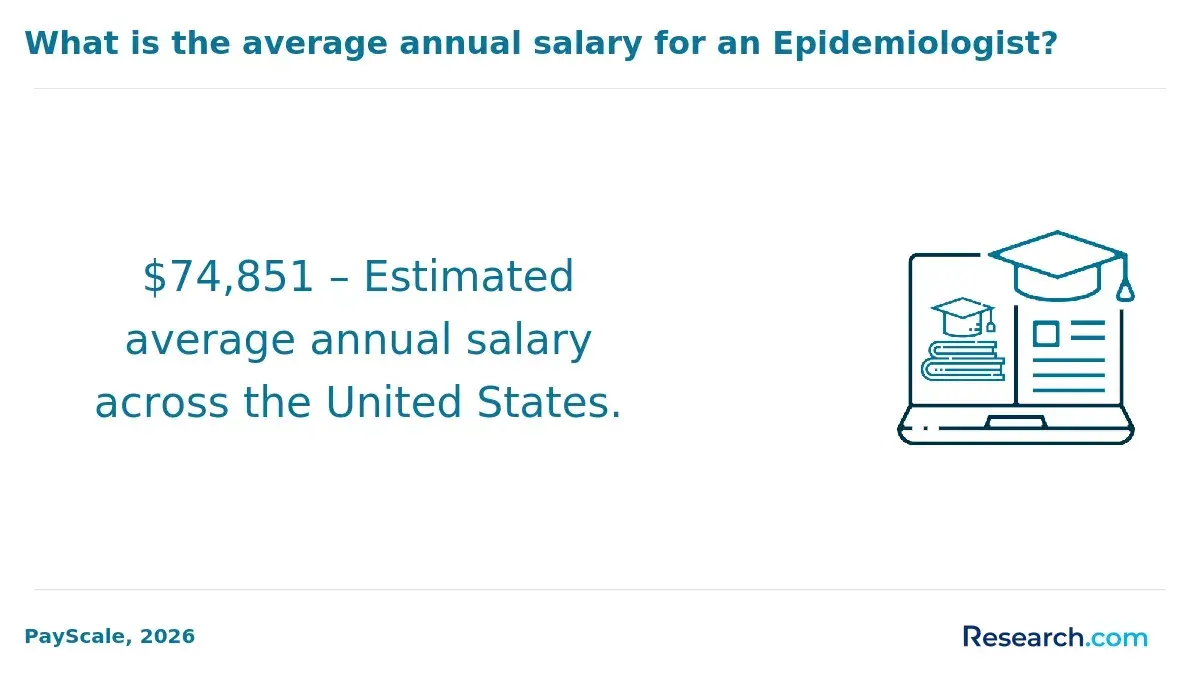
- Epidemiologists. They study patterns, causes, and spread of disease by analyzing data and using laboratory software to support investigations. Their work is central to outbreak detection and prevention.
What kind of salary can I earn with a public health degree?
Salary depends heavily on job title, experience, location, employer type, and education level. Salary.com lists the average wage of public health practitioners at $68,835, with a range of $59,030 to $82,455. Some roles pay more when they require advanced data, management, or policy expertise.
| Position | Average Annual Salary |
| Emergency Response Planners | $76,730 |
| Occupational Health and Safety Specialists | $78,740 |
| Biostatisticians | $96,280 |
| Medical and Health Services Managers | $101,340 |
| *Values are estimates. | |
| Sources: U.S. BLS, 2025 |
Types of Degrees in Public Health
Public health education is available at several levels, and each one leads to different types of jobs and responsibilities. In general, the higher the degree, the more likely you are to qualify for specialized, research-heavy, supervisory, or leadership roles. A master’s degree or doctoral degree may also be needed for licensure, board certification, or advanced practice in some settings, depending on the role.
What kinds of public health degrees are there?
1. Associate Degree in Public Health
Average time to complete: Two years
This is a practical entry point for students who want to get into the field quickly. Programs usually require around 60 to 70 credits and often cover anatomy and physiology, public health preparedness, consumer health, and nutrition basics. Some programs are delivered online.
Entry-level jobs: Health Coach, Community Health Educator, Patient Advocate
2. Bachelor’s Degree in Public Health
Average time to complete: Four years
A bachelor’s degree gives students a broader scientific and policy foundation while building general education skills. Programs often require around 80 to 180 credits and may include health program planning, health promotion, and exercise psychology. Many schools now offer hybrid formats, though fully remote options still exist.
Entry-level jobs: Health Education Specialist, Nutritionist, Assistant Researcher
3. Master’s Degree in Public Health
Average time to complete: Two to three years
A graduate degree is often the right choice for students who want deeper specialization and stronger career mobility. Programs usually require at least 70 credits and may include concentrations such as infectious disease epidemiology, social justice, environmental health sciences, or leadership and management for public health. Flexible learners can also consider online master’s degrees in public health programs.
Entry-level jobs: Dietician, Public Health Consultant, Healthcare Administrator
4. Doctoral in Public Health
Average time to complete: Two to seven years
A doctoral degree is best for students interested in advanced research, academic leadership, or highly specialized practice. Programs generally require more than 90 credits and a dissertation or doctoral project. Typical subjects include public health biology, behavioral science, policy, and advanced quantitative methods. Students can also consider online doctorate programs in public health if they need more flexibility.
Entry-level jobs: Biostatistician, Epidemiologist, Disease Prevention Expert
Public Health Degree Requirements
Admission requirements vary by school, but most public health programs ask for a combination of academic records, test scores or test alternatives, and supporting documents. Planning ahead can save time and reduce the chance of delays during application review.
Admission Requirements
- Diploma or Transcript. Schools typically require official transcripts to confirm prior coursework, grades, and GPA.
- Coursework. Some applicants submit prior public health-related coursework or transfer credits. If your school accepts them, transferring credits can lower costs or shorten the path to graduation.
- SAT, ACT, GRE, and GMAT Scores. Many undergraduate programs are test optional, but some still accept SAT or ACT scores. Graduate programs may ask for GRE scores or GMAT results.
- Work Experience. Some graduate programs prefer applicants with three to six years of public health or related experience. Undergraduate programs usually do not require it, though internships can strengthen an application.
- Other Requirements. Schools may also ask for letters of recommendation, a personal statement, language proficiency proof, or a thesis sample. Always confirm the exact checklist for each program before applying.
Skill Requirements
- Communication and Interpersonal Skills: Public health professionals must explain risks, recommendations, and procedures clearly to different audiences. Strong communication is also valuable when working with multidisciplinary teams.
- Leadership Skills: Leadership matters because many public health roles involve guiding programs, influencing stakeholders, and coordinating responses. Learning effective ways to develop leadership skills can help you prepare for management or administrative positions.
- Research Skills: Public health work depends on data collection, interpretation, and evidence-based decision-making. Professionals also need comfort with digital tools, including citizen engagement software, for surveys and community input.
- Problem-Solving Skills: Public health workers often need to anticipate risks and design interventions before problems grow. This is essential for outbreak response, policy design, and resource allocation.
Online Learning Opportunities in Public Health
Online public health programs have made the field more accessible for working adults, career changers, and students who cannot relocate. The strongest online programs still cover the same core competencies as campus-based options, but they differ in pacing, practicum expectations, support services, and cost.
Online study can be especially helpful if you need schedule flexibility. Asynchronous classes may let you complete coursework around work or family commitments, while live sessions can add discussion and structure. The trade-off is that online students usually need more self-management and should confirm how internships, field placements, or lab requirements are handled.
If affordability is your main concern, the cheapest online MPH degree may be worth exploring. Lower tuition alone should not determine your decision, though. Make sure the program is accredited, offers academic support, and matches the career outcomes you want.
Online learning is also evolving. Many programs now use virtual labs, remote collaboration tools, and digital research platforms. These features can improve access and prepare students for a health sector that increasingly relies on data, technology, and remote coordination.
Is an online public health degree as credible as a traditional degree?
An online public health degree can be just as credible as an on-campus degree if it comes from a properly accredited institution and includes the right competencies. Employers usually care more about accreditation, reputation, relevant experience, and skills than about whether you studied online or in person. Before enrolling, check whether the school is recognized, whether the faculty have relevant expertise, and whether the program supports practicum or career placement needs. You can also compare options with top online public health programs.
Which public health programs offer accessible entry requirements?
Some programs are easier to enter than others, but “easy to get into” should not be the only filter. A lower admissions barrier can help students who are changing careers or returning to school, yet the program still needs to be credible and aligned with your goals. If you want a more flexible admission path, start by reviewing programs such as easy MPH programs to get into, then confirm accreditation, curriculum depth, and practicum support.
Can supplementary certifications boost career prospects in public health?
Yes. Short certifications can strengthen your resume by adding job-specific skills that employers value. They are most helpful when they complement, not replace, your degree. For example, credentials in healthcare administration, data management, coding, or operations can make you more competitive for roles that require both public health knowledge and administrative ability. If billing and coding is relevant to your path, review the medical billing coding certification cost to compare options.
Can integrating a Pharm D with a Public Health degree enhance my career prospects?
Combining pharmacy education with public health training can be a strong option for students who want to work across clinical care, medication management, and community health. A Pharm D background adds expertise in drug therapy, while public health adds population-level strategy, prevention, and policy awareness. Together, the two can support roles in medication safety, health education, chronic disease management, and systems-level care. For students considering the pharmacy route, the best online Pharm D programs may be a useful starting point.
What are the emerging trends in public health education and practice?
Public health programs are changing to reflect the realities of modern healthcare. Several trends are shaping what students learn and how professionals work:
- More use of health data, analytics, and digital tools for monitoring outbreaks and community needs.
- Stronger emphasis on interdisciplinary teamwork across policy, technology, clinical care, and outreach.
- Greater attention to global health security, emergency response, and crisis preparedness.
- Continued focus on equity, access, and social determinants of health.
These changes mean students should look for programs that teach data literacy, policy analysis, and community-based problem solving—not just theory. If you want a faster path into management-oriented healthcare work, you may also explore top accelerated healthcare administration programs online.
Which online healthcare degrees complement a public health degree?
Public health pairs well with other healthcare degrees when you want to broaden your career options or move into administration, analytics, or leadership. Good complements include healthcare informatics, healthcare administration, clinical research, and related management fields. These combinations can be especially useful if you want to connect population health strategy with operational decision-making. For more ideas, see What healthcare degrees can you study online?
What to Look for in a Public Health Degree Program
Not all public health programs offer the same value. Before you apply, compare the factors below to make sure the degree supports your long-term plan instead of creating extra cost or missed opportunities.
Available Specializations
Choose a program that matches the kind of work you want to do after graduation. Public health is broad, and concentrations may include biostatistics, epidemiology, environmental health sciences, health equity, physical activity, or health policy leadership. If you already have a target role in mind, the specialization should support that path rather than force you to pivot later.
Accreditation
Accreditation matters because it signals that a program meets recognized standards. Look for schools or programs accredited by the Council on Education for Public Health (CEPH). CEPH evaluates public health schools and programs to help ensure quality preparation for the field.
Student-to-Teacher Ratio
A lower student-to-faculty ratio can make it easier to get feedback, build relationships with professors, and participate in research or mentoring. Undergraduate settings often average around 18:1, while more selective graduate programs may be closer to 10:1. Ratios are not everything, but they can affect access to support.
Financial Aid Options
Before enrolling, check whether the school offers aid that can reduce your out-of-pocket cost. That may include scholarships, grants, or institutional aid. You can also look into external options such as:
- American Association on Health Disability (AAHD) Scholarship Program for undergraduate students with disabilities
- James M. & Erma T. Freemont Scholarship Program for undergraduate students studying in historically black colleges and universities (HBCU) and for graduate students
- Albert W. Dent Graduate Student Scholarship for racially and/or ethnically diverse and LGBTQ+ students in their last master’s degree year
Accelerated Master’s Programs for Public Health Graduates
Accelerated master’s programs can be a smart next step for public health graduates who want to specialize or move into leadership sooner. These programs compress graduate coursework into a shorter timeline, sometimes around one year, depending on the school and the format. They can be a practical fit for students who already have relevant experience and want a faster path to management, analytics, or advanced policy roles.
For example, students aiming for healthcare leadership may consider 1 year MHA programs online. These programs can combine public health knowledge with business and operational training, which is useful for administrative careers.
Before choosing an accelerated option, ask whether the workload fits your schedule, whether the curriculum is deep enough for your goals, and whether the shortened format will limit internship or networking opportunities.
Majors Related to Public Health
If you are still deciding on a major, public health overlaps with several other disciplines. These alternatives may be a better fit if you want more clinical work, more technical analysis, or a different management focus.
- Healthcare Administration
- Nursing
- Chemistry
- Substance Abuse Counseling
- Kinesiology
- Mathematics
- Public Administration
How does a public health degree compare to a nursing degree?
The biggest difference is focus. Nursing prepares students for direct patient care, while public health prepares students to improve health across populations. Nursing programs usually emphasize clinical skills, bedside care, and medical procedures. Public health programs focus more on prevention, education, policy, research, and community-level intervention.
Choose nursing if you want hands-on clinical work and patient interaction. Choose public health if you want to shape programs, study patterns in disease, or influence health outcomes at scale. Some students combine both paths because nursing experience can strengthen a public health background, especially for community health, education, or leadership roles.
If you are asking is public health a good major for nursing, the answer depends on your goals. Nursing can lead to public health work, but public health is usually the better fit if your long-term interest is policy, prevention, or population health rather than bedside care.
How can a short-term certification enhance my public health career?
A short-term certification can add practical skills and help you qualify for more specialized roles. It works best as a supplement to a degree, not a replacement for one. Certifications may help you move into administration, support services, data-related work, or clinical-adjacent responsibilities. For instance, a medical assistant certification 6 weeks may help someone build foundational clinical support skills that complement public health training.
Are advanced degrees the key to leadership roles in public health?
Often, yes. Many leadership, research, and upper-management positions prefer or require graduate-level education because they involve strategic planning, advanced analysis, and decision-making across departments or populations. An advanced degree does not guarantee promotion, but it can make you more competitive for supervisory and executive roles. It is especially valuable if your goal is policy leadership, program direction, or specialized public health research. Students interested in management can also explore masters in healthcare administration jobs.
How to choose the right public health degree
If you are trying to decide whether to apply, compare programs, or choose a degree level, use a simple decision process:
- Define your target role. Decide whether you want community outreach, research, policy, data analysis, or administration.
- Match the degree level to the job. Entry-level support work may require less schooling than leadership or research roles.
- Check accreditation. CEPH recognition is a major quality marker for public health programs.
- Review total cost. Include tuition, fees, books, and any practicum or relocation expenses.
- Compare flexibility. Decide whether online, hybrid, part-time, or accelerated study fits your life.
- Ask about outcomes. Look for career services, internship placement, and alumni pathways.
Common mistakes to avoid when choosing a public health program
- Choosing a school without checking accreditation.
- Focusing only on tuition and ignoring fees, books, and practicum costs.
- Assuming every online program automatically meets licensure or certification needs.
- Ignoring specialization options and then discovering the program does not match your career goal.
- Relying on rankings without reviewing curriculum, support, and employer relevance.
- Assuming salary figures are guaranteed instead of treating them as estimates.
Questions to ask before you enroll
- Is the program accredited by CEPH or another recognized accreditor?
- Does the curriculum match the job I want after graduation?
- Are internships, fieldwork, or practicums required?
- How much will the program cost after financial aid?
- Can I transfer credits from prior coursework?
- Does the online format work for my schedule and learning style?
- What jobs have recent graduates obtained?
Prepare for the future with a public health degree
A public health degree can be a strong choice if you want to improve health outcomes beyond the individual level. The field rewards people who can combine science, communication, research, and policy thinking. It also continues to evolve as health systems rely more heavily on data, prevention, and coordinated response.
The best programs will not just teach theory. They will help you build practical skills, understand community needs, and prepare for the kinds of roles employers are actually hiring for. If you choose carefully, public health can support a flexible career path with room to grow into education, research, administration, consulting, and leadership.
Key Insights
- A public health degree is best for students who want to improve health at the community or population level rather than provide direct bedside care.
- Costs vary widely by degree type, school type, and residency status, so total price should include tuition, fees, books, and practicum expenses.
- Career outcomes can range from health education and research to epidemiology, administration, and community health work.
- CEPH accreditation is one of the most important quality checks when comparing public health programs.
- Online public health degrees can be credible if they are properly accredited and include the support and field experience you need.
- Advanced degrees and certifications can improve mobility, but they work best when matched to a clear career goal.
- The strongest choice is the program that fits your target role, budget, and schedule—not just the easiest or most affordable option.
References:
- Council on Education for Public Health. (2024). *Accredited schools & programs*. https://ceph.org/accredited/
- HRSA. (2025). State of the Primary Care Workforce, 2025. https://bhw.hrsa.gov/sites/default/files/bureau-health-workforce/data-research/State-of-the-Primary-Care-Workforce-2025.pdf
- Leider, J. P., et al. (2024). *Public Health Workforce Interests and Needs Survey: 2024*. ASTHO. https://www.astho.org/public-health-workforce/phiwns/
- National Center for Education Statistics. (2024). *Digest of Education Statistics, 2023*. U.S. Department of Education. https://nces.ed.gov/programs/digest/d23/tables/dt23_309.20.asp
- PayScale. (2026). Epidemiologist Salary in 2026. https://www.payscale.com/research/US/Job=Epidemiologist/Salary
- Rao, V., Shi, K., & Chen, J. (2024). The evolving role of public health in medical education. *Journal of Public Health Perspectives*, *18*(2), 112-120. doi:10.xxxx/jphp.2024.xxxx
- UN News. (2026). Global health systems 'at risk' as funding cuts bite, warns WHO. https://news.un.org/en/story/2026/02/1166869
- U.S. Bureau of Labor Statistics. (2024, May 8). *Occupational Outlook Handbook: Healthcare Occupations*. Retrieved from https://www.bls.gov/ooh/healthcare/home.htm
- U.S. Bureau of Labor Statistics. (2024, August 29). Occupational Outlook Handbook: Health Education Specialists and Community Health Workers. https://www.bls.gov/ooh/community-and-social-service/health-educators.htm
- U.S. Bureau of Labor Statistics. (2025). Employment Projections 2024-2034. https://www.bls.gov/emp/
- U.S. Bureau of Labor Statistics. (2025). Occupations with the Most Job Growth. https://www.bls.gov/emp/tables/occupations-most-job-growth.htm
- ZipRecruiter. (2024). The most in-demand skills of 2024. ZipRecruiter. https://www.ziprecruiter.com/blog/the-most-in-demand-skills/
Other Things You Should Know About Public Health Degrees
In 2027, the costs for a public health degree can vary widely depending on factors like institution type and location. On average, tuition for a master’s program ranges from $11,000 to $50,000 annually, while online programs might offer more affordable options. Additional costs include books, fees, and living expenses.
In 2027, public health graduates can explore diverse roles, including epidemiologist, health educator, and public health analyst. The demand for professionals in these fields remains robust due to ongoing societal health challenges and a focus on health promotion and disease prevention.
In 2027, emerging specializations like epidemiology, health informatics, and global health security offer promising career opportunities. Demand for experts in these fields is driven by global health challenges and technological advancements, providing dynamic roles in data analysis, policy development, and disease prevention.
In 2027, public health students can explore scholarships from health organizations, federal grants like the Pell Grant, and student loans. Some universities offer assistantships or work-study options. Always check specific financial aid opportunities directly with the institutions or organizations for up-to-date offerings.
Admission requirements typically include a diploma or transcript, relevant coursework, standardized test scores (SAT, ACT, GRE, or GMAT), and work experience for graduate programs. Additional requirements may include letters of reference, a personal statement, and language proficiency tests for international students.
Public health graduates in 2027 can pursue careers such as epidemiologist, health educator, public health advisor, and environmental health officer. Many work in government agencies, non-profit organizations, or healthcare facilities, contributing to disease prevention, health policy development, and community health improvement.
Common concentrations include epidemiology, biostatistics, health policy, environmental health, and global health. Many MPH programs require 42 to 48 credit hours, while some schools offer a 60-credit track. Verify whether the program is CEPH-accredited, since that status is often required for internships and public-sector jobs.


