2027 Accelerated Online MPH Programs

Co-Founder and Chief Data Scientist
Choosing an accelerated online Master of Public Health program is usually a timing decision as much as an academic one. You may want to move into public health leadership, health education, epidemiology, healthcare administration, emergency preparedness, or global health without spending several years away from work. Accelerated online MPH programs are built for that need: they compress graduate public health training into a shorter format while using online delivery to support working adults, caregivers, clinicians, and career changers.
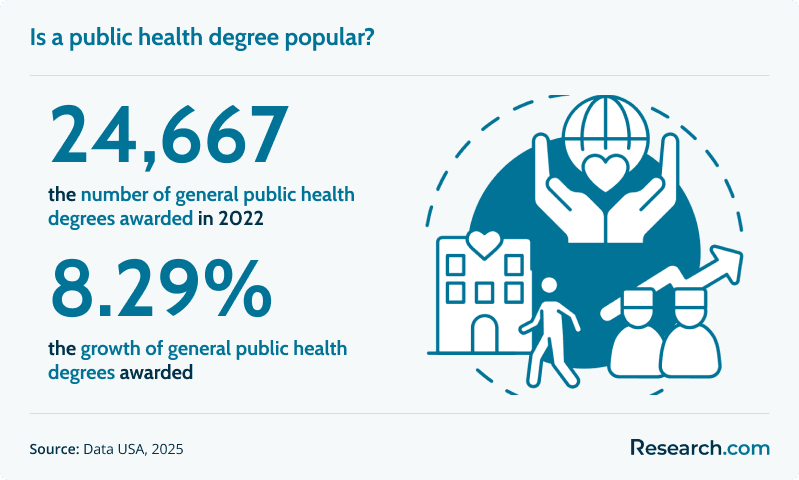
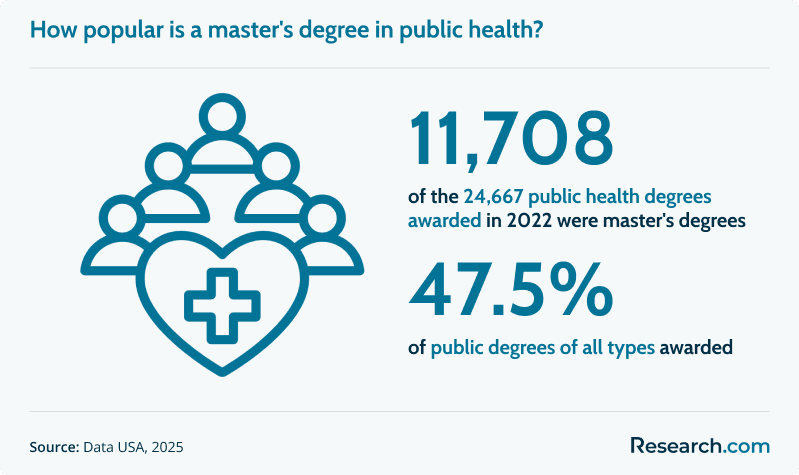
The demand for public health education has continued to rise. Recent data shows that 24,667 general public health degrees were awarded in 2022, an 8.29% increase, and 11,708 of those credentials were master’s degrees in public health, representing around 47.5% of all public health degrees awarded. This guide explains what accelerated online MPH programs include, how long they take, what they cost, which schools offer notable options, how to compare accreditation and specializations, and what career outcomes may be possible after graduation.
Quick answer: Are accelerated online MPH programs worth considering?
Accelerated online MPH programs can be a strong option if you already have the academic preparation, professional discipline, and weekly study time to handle a compressed graduate curriculum. Many programs can be completed in 12 to 18 months, and online delivery can make it easier to keep working while earning the degree. The best choice is usually a CEPH-accredited program with a specialization, practicum structure, cost, and schedule that match your career goal.
They are not the right fit for everyone. If you need extensive in-person faculty access, prefer a slower academic pace, or are unsure which public health path you want, a traditional two-year MPH or a part-time online program may be a better choice.
What are the benefits of enrolling in accelerated online MPH programs?
- An MPH can support advancement into public health, healthcare operations, health education, policy, emergency management, and administrative roles, including medical and health services managers, who have an average annual salary of $134,440.
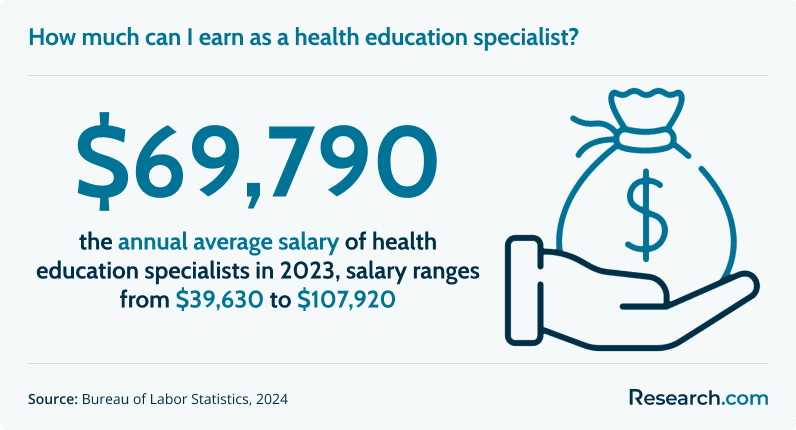
- Health education specialists are a common pathway for MPH graduates and earn a median annual salary of $69,790, while other MPH-related roles, such as emergency management directors and medical and health services managers, may offer higher earnings depending on experience, employer, and responsibility level.
- The online format can help students continue working, manage family responsibilities, and study from outside a campus area, but the accelerated pace still requires consistent weekly time and strong self-management.
What can I expect from accelerated online MPH programs?
An accelerated online MPH is a graduate public health degree delivered in a shortened format. Instead of spreading coursework over a traditional timeline, these programs often organize classes into intensive terms, year-round study, heavier course loads, or limited breaks. Many programs can be finished in 12 to 18 months, although timelines vary by school, credit load, practicum requirements, and whether you study full time or part time.
The curriculum usually covers the core areas of public health: epidemiology, biostatistics, environmental health, health policy, management, social and behavioral health, research methods, and program planning. Most programs also include applied learning, such as a practicum, internship, capstone, field project, or community-based experience. These requirements matter because employers often expect MPH graduates to show more than classroom knowledge; they want evidence that you can analyze data, design interventions, evaluate programs, communicate with communities, and work across systems.
Online does not necessarily mean self-paced. Some programs use asynchronous lectures and weekly deadlines, while others include live class meetings, group projects, scheduled discussions, or required immersion experiences. Before enrolling, confirm whether classes are synchronous, asynchronous, or a mix of both.
Accelerated programs often work best for applicants who already understand healthcare, public health, science, policy, data, or community work. Some are designed for medical students on a gap year, clinicians, health professionals with advanced credentials, or working adults who can handle graduate study while maintaining employment. If you are new to public health, look carefully at bridge resources, advising, tutoring, and career support.
Where can I work after graduating from accelerated online MPH programs?
MPH graduates work across healthcare, government, nonprofit, academic, consulting, and community settings. The right workplace depends on your concentration and prior experience. For example, a student focused on epidemiology may pursue disease surveillance or research roles, while someone specializing in healthcare administration may move toward operations, quality improvement, or health systems leadership.
Health education specialists are employed in several major settings. General medical and surgical hospitals employ the highest number of these professionals, with 9,340 workers. Local governments employ about 6,620 individuals, while state governments offer approximately 4,980 positions. Outpatient care centers employ 4,450 workers in the field, and individual and family services employ 4,190 health education specialists.
| Work setting | Common MPH-related work | Who this setting may fit |
| Hospitals and health systems | Quality improvement, patient education, population health, infection prevention, operations support | Students with clinical, administrative, or healthcare experience |
| Local and state government | Community health programs, disease prevention, emergency planning, policy implementation | Students interested in public service and population-level impact |
| Nonprofit organizations | Program management, advocacy, health promotion, grant-supported community initiatives | Students who want mission-driven work with specific populations |
| Research institutions | Data analysis, study coordination, epidemiologic research, program evaluation | Students with quantitative, scientific, or research interests |
| Global health agencies | International health programs, disease prevention, health equity, emergency response | Students with language skills, cross-cultural experience, or global health training |
If you are comparing public health with shorter healthcare credentials, you may also want to understand adjacent administrative paths. For example, Research.com explains how hard medical billing and coding is for students considering healthcare office or revenue-cycle roles rather than graduate public health training.
How much can I make with a degree from accelerated online MPH programs?
MPH salary outcomes vary widely because the degree leads to several different occupations. Your earnings may depend on your specialization, employer type, location, prior work experience, management responsibility, and whether you enter a public-sector, nonprofit, hospital, consulting, or private-sector role.
Medical and health services managers are among the higher-paying MPH-related career options, with an average annual salary of $134,440. Emergency management directors earn a median annual salary of $93,690. Health education specialists, a common role for MPH graduates, earn a median annual salary of $69,790.
| MPH-related role | Salary figure cited | Typical connection to an MPH |
| Medical and health services manager | $134,440 average annual salary | Healthcare administration, population health management, operations, policy, or quality improvement |
| Emergency management director | $93,690 median annual salary | Emergency preparedness, disaster response, public health crisis planning |
| Health education specialist | $69,790 median annual salary | Community health education, prevention programs, outreach, health promotion |
Do not choose an MPH based only on the highest salary figure. A management salary generally requires relevant experience and leadership responsibility, not just the credential. The strongest ROI usually comes from matching your MPH concentration with a realistic career path and using the practicum, capstone, and alumni network to build job-ready evidence.
- Best accelerated online MPH programs for 2027
- How long accelerated online MPH programs take
- Online accelerated MPH vs. campus-based MPH
- Typical cost of accelerated online MPH programs
- Financial aid options for MPH students
- Admissions requirements and prerequisites
- Common MPH courses
- Specializations available in accelerated online MPH programs
- Why accreditation matters
- How to succeed in an accelerated MPH format
- How to evaluate ROI
- When to combine an MPH with another healthcare degree
- How interdisciplinary collaboration supports public health work
- Challenges students should expect
- Complementary certifications and credentials
- Health information management preparation
- Practicums and hands-on learning
- Digital health and technology trends
- Bioinformatics and interdisciplinary innovation
- How to choose the right accelerated online MPH program
- Career paths after an accelerated online MPH
- Job market outlook for MPH graduates
List of the Best Accelerated Online MPH Programs for 2027
How do we rank schools?
Research.com developed this list of accelerated online MPH programs for 2027 by reviewing institutional and program data through our established ranking methodology. Data sources included the IPEDS database from the National Center for Education Statistics, Peterson’s database and its Distance Learning Licensed Data Set, and the College Scorecard for cost and outcome information. Program details should still be verified directly with each university because tuition, admission requirements, delivery formats, and practicum rules can change.
| School | Program length | Credits | Cost per credit | Accreditation |
| George Washington University | ~12 months | 45 | $1,890 | Council on Education for Public Health (CEPH) |
| Chamberlain University | as few as 3.5 semesters | 43 | $590 (online); $471 (military); $471 (alumni) | Council on Education for Public Health (CEPH) |
| Johns Hopkins University | ~2 to 3 years | 80 | $1,374 | Council on Education for Public Health (CEPH) |
| National University | 18 months | 72 quarter credits | $442 | Council on Education for Public Health (CEPH) |
| New York Medical College | 1 year | 42 | $1,270 | Council on Education for Public Health (CEPH) |
| Texas Tech University | 15 months | 45 | $738 | Council on Education for Public Health (CEPH) |
| University of Florida | ~1 to 2 years | 42 | $550 | Council on Education for Public Health (CEPH) |
| University of Southern California | 2 years | 42 | $2,354 | Council on Education for Public Health (CEPH) |
| University of North Carolina at Chapel Hill | 20-36 months | 42 | $1,735 | Council on Education for Public Health (CEPH) |
| University of South Florida | ~2 years | 42 | $525 | Council on Education for Public Health (CEPH) |
1. George Washington University
George Washington University offers MPH@GW, an online MPH option with accelerated tracks for students who want a faster route into public health practice. Students may choose a full-time 12-month intensive track or an 18-month option that can better support part-time work. The program emphasizes analytical skills, public health research, and applied learning through in-person practicum experiences.
- Program Length: ~12 months
- Required Credits to Graduate: 45
- Cost per Credit: $1,890
- Accreditation: Council on Education for Public Health (CEPH)
2. Chamberlain University
Chamberlain University provides an online MPH that can be completed in as few as 18 months. The program is designed for students interested in prevention, community health, and public health leadership. Its three specialization options allow students to align the degree with health promotion, community mental health, or healthcare administration goals.
- Program Length: as few as 3.5 semesters
- Specializations: Health Promotion; Community Mental Health; and Healthcare Administration
- Required Credits to Graduate: 43
- Cost per Credit: $590 (online); $471 (military); $471 (alumni)
- Accreditation: Council on Education for Public Health (CEPH)
3. Johns Hopkins University
Johns Hopkins University offers an MPH that may be completed online, on-site, or through a blended format. The program is structured for flexibility, especially for part-time learners who need to balance coursework with professional or personal responsibilities. Students typically complete the degree in two to three years by taking one to three courses per term, though some full-time students may finish in as little as one year.
- Program Length: ~2 to 3 years
- Required Credits to Graduate: 80
- Cost per Credit: $1,374
- Accreditation: Council on Education for Public Health (CEPH)
4. National University
National University offers an online MPH that can be completed in 18 months and is designed for students interested in health promotion, disease prevention, community mental health, and public health care administration. The curriculum focuses on developing and implementing public health initiatives while giving students access to internship opportunities, faculty support, and networking resources.
- Program Length: 18 months
- Specializations: Community Mental Health; Health Promotion; Healthcare Administration
- Required Credits to Graduate: 72 quarter credits
- Cost per Credit: $442
- Accreditation: Council on Education for Public Health (CEPH)
5. New York Medical College
New York Medical College offers an online MPH in Generalist program with the option to add concentrations and advanced certificates. Students can build a broader MPH plan or focus electives in areas such as Global Health, Health Administration, Health Education, and Emergency Management. Although the program is not explicitly described as accelerated, it includes a 42-credit structure and offers flexible elective options.
- Program Length: 1 year
- Specializations: Global Health; Health Care Administration; Environmental Health; Industrial Hygiene; Emergency Management; Health Education
- Required Credits to Graduate: 42
- Cost per Credit: $1,270
- Accreditation: Council on Education for Public Health (CEPH)
6. Texas Tech University
Texas Tech University offers a fully online MPH through its Health Sciences Center with a traditional two-year track and an accelerated 15-month option. The program covers the five core public health disciplines: biostatistics, environmental health, epidemiology, health policy management, and social and behavioral sciences. Its generalist concentration is intended to prepare students for a broad range of public health roles.
- Program Length: 15 months
- Required Credits to Graduate: 45
- Cost per Credit: $738
- Accreditation: Council on Education for Public Health (CEPH)
7. University of Florida
The University of Florida offers a 42-credit accelerated MPH for working professionals who already hold a terminal degree in a health science field. Students may study full time or part time. The curriculum includes 15 credits of core coursework, 12-18 credits in a concentration, a seminar on contemporary public health issues, and a 5-credit internship.
- Program Length: ~1 to 2 years
- Specializations: Biostatistics; Environmental Health; Epidemiology; Population Health Management; Public Health Practice; Social and Behavioral Sciences
- Required Credits to Graduate: 42
- Cost per Credit: $550
- Accreditation: Council on Education for Public Health (CEPH)
8. University of Southern California
The University of Southern California offers an MPH Fast-Track Program through the Keck School of Medicine. The program is designed for students such as medical students in a gap year, residents, or learners who want to accelerate entry into the workforce. Students complete the same course material and learn from the same faculty as the two-year MPH program, with requirements that include core courses, concentration coursework, electives, a practicum, and a capstone.
- Program Length: 2 years
- Required Credits to Graduate: 42
- Cost per Credit: $2,354
- Accreditation: Council on Education for Public Health (CEPH)
9. University of North Carolina at Chapel Hill
The University of North Carolina at Chapel Hill offers an online MPH through the Gillings School of Global Public Health. The program combines online accessibility with practical training and includes in-person practicum experiences. Students can select concentrations that match interests in leadership, nutrition, or applied epidemiology.
- Program Length: 20-36 months
- Specializations: Leadership in Practice; Nutrition; Applied Epidemiology
- Required Credits to Graduate: 42
- Cost per Credit: $1,735
- Accreditation: Council on Education for Public Health (CEPH)
10. University of South Florida
The University of South Florida offers an online MPH with a concentration in Public Health Practice. The program is designed for experienced health professionals who want broad leadership preparation for public health policy, advocacy, and complex problem-solving in U.S. and global settings.
- Program Length: ~2 years
- Specialization: Public Health Practice
- Required Credits to Graduate: 42
- Cost per Credit: $525
- Accreditation: Council on Education for Public Health (CEPH)
How long does it take to complete accelerated online MPH programs?
Most accelerated online MPH programs are built around a 12- to 18-month completion window, although some programs take longer depending on the credit requirement, practicum design, concentration, transfer credit policy, and student enrollment status. A one-year format usually requires full-time study and a highly structured schedule, while an 18-month or two-year option may offer more breathing room for working professionals.
If speed is your top priority, compare dedicated one-year options first. Research.com has a separate guide to the best one-year online MPH degree programs for students looking for the shortest practical timeline.
The biggest time-management issue is not the calendar length; it is weekly workload. Accelerated programs may require reading, discussion posts, group work, data assignments, practicum preparation, and capstone planning at the same time. Students who work full time should ask each school for expected weekly study hours before enrolling.
Some learners start with a broader online public health degree search because online MPH programs vary substantially in pace, cost, concentration, and field experience. Others plan a longer academic route and compare graduate study with doctoral options, including cheap online PhD in public health programs for research or academic leadership goals.
Public health education is attracting more students. In 2022, 24,667 general public health degrees were awarded, reflecting an 8.29% increase. MPH degrees made up around 47.5% of all public health degrees awarded in the U.S. across degree levels that year.
How does an accelerated online MPH program compare to an on-campus program?
The main difference is not academic quality by itself; it is delivery, pacing, access, and fit. A CEPH-accredited online MPH and a CEPH-accredited campus MPH should both meet recognized public health education standards, but the student experience can feel very different.
| Factor | Accelerated online MPH | On-campus MPH |
| Typical timeline | Often 12 to 18 months; some formats vary | Usually two years or more |
| Best for | Working adults, remote learners, career changers with strong time-management skills | Students who want in-person classes, campus networking, and a more traditional graduate experience |
| Course access | Remote coursework, often with asynchronous or hybrid online components | Scheduled in-person classes and campus-based activities |
| Faculty interaction | Virtual office hours, discussion boards, live sessions, email, and online advising | Face-to-face meetings, campus events, labs, seminars, and informal interaction |
| Hands-on learning | Practicums may be completed locally, remotely, or through approved partner sites | Often easier access to campus-connected field sites and local public health networks |
| Potential drawback | Compressed workload and less spontaneous peer interaction | Less flexible for students who cannot relocate or commute |
Some students compare accelerated MPH programs with broader graduate options, including 1 year master's programs online, because the appeal is often speed. The better comparison, however, is whether the program’s practicum, faculty access, accreditation, and concentration will support your specific public health goal.
Accelerated online programs are usually the better fit when flexibility and speed matter most. Campus programs may be stronger for students who want daily in-person structure, local networking, research assistantships, or deeper immersion in a public health school community.
What is the average cost of the accelerated online MPH programs?
The price of an accelerated online MPH depends on the institution, credit requirement, residency status, fees, books, technology charges, travel for required intensives, and practicum-related expenses. From the schools in this list, the tuition average ranges significantly from $22,050 to $109,920 for the entire program, with the cost per credit ranging from $525 to $1,735.
| Cost factor | Why it matters | Question to ask before enrolling |
| Per-credit tuition | Programs with similar names can have very different total prices depending on credit count. | What is the full tuition cost required to finish the degree? |
| University fees | Online, technology, graduation, practicum, and student service fees can add to the bill. | Are all required fees included in the published estimate? |
| Practicum expenses | Some students pay for travel, background checks, immunizations, or local placement requirements. | Can I complete the practicum near where I live? |
| Time away from work | A shorter program may reduce time to credential, but a heavy course load can affect work hours. | Can I maintain my income while meeting weekly course expectations? |
| Transfer or waived credits | Prior graduate coursework or advanced credentials may reduce required coursework at some schools. | Does the program evaluate transfer credits before admission or after enrollment? |
What are the financial aid options for students enrolling in accelerated online MPH programs?
Financial aid can change the real cost of an MPH, so compare net cost rather than sticker price. Students should confirm that the program is eligible for federal aid, ask whether accelerated enrollment affects aid disbursement, and request a full cost-of-attendance estimate before accepting admission.
- Federal and state grants: These funds are generally need-based and do not require repayment. Students typically begin by completing the FAFSA.
- Scholarships: Universities, public health schools, foundations, and professional associations may offer awards based on merit, need, service background, identity, geography, or public health interest area.
- Employer sponsorship: Some employers provide tuition assistance or reimbursement when the degree supports the employee’s current or future role.
- Federal student loans: Federal loans may provide borrower protections and repayment options that are not always available through private lenders.
- Private loans: Private education loans can fill funding gaps, but students should compare interest rates, repayment flexibility, cosigner requirements, and long-term cost carefully.
When reviewing aid, think beyond whether you can pay the first term. Ask how many terms the accelerated schedule requires, whether summer coursework is mandatory, and whether aid covers year-round enrollment. Also ask whether scholarships renew automatically or require a minimum GPA.
ROI should be evaluated against the career path you are pursuing. Health education specialist roles are common for MPH graduates, but other roles may have higher salary figures, including emergency management directors at $93,690 and medical and health services managers at $134,440. Those outcomes are not guaranteed by the degree alone; they depend on experience, role fit, employer, and labor market conditions.
What are the prerequisites for enrolling in accelerated online MPH programs?
Admissions requirements differ by school, but accelerated MPH programs commonly look for applicants who can handle graduate work at a compressed pace. Strong applicants usually show academic readiness, professional maturity, and a clear reason for pursuing public health.
- Bachelor’s degree: Most programs require a completed undergraduate degree. A background in health, biology, social sciences, statistics, policy, or a related field may be helpful but is not always required.
- Relevant work experience: Many programs prefer or value applicants with healthcare, public health, nonprofit, research, policy, education, or community experience.
- GRE scores: Some schools may request GRE scores, while others waive them for applicants with substantial work experience, strong academic records, or advanced degrees.
- Transcripts and recommendation letters: Applicants typically submit official academic records and references from professors, supervisors, or professional contacts who can speak to their readiness.
- Statement of purpose: A focused essay can be especially important because accelerated programs want to know why you are prepared for a fast MPH and what public health problem you hope to address.
Some accelerated MPH pathways are designed for specific populations, such as medical students, residents, clinicians, or applicants with terminal healthcare degrees. Others may admit students from a wide range of undergraduate majors. If you are still at the bachelor’s stage, Research.com’s guide to the easiest bachelor’s in public health programs can help you understand common undergraduate preparation routes.
What courses are typically in accelerated online MPH programs?
Accelerated MPH programs move quickly, but they still need to cover the foundational knowledge expected of public health professionals. Most curricula combine population health theory, quantitative methods, policy analysis, communication, and applied practice.
- Epidemiology: Students learn how diseases and health outcomes are distributed across populations and how to identify risk factors and patterns.
- Biostatistics: Coursework focuses on using statistical methods to interpret health data, evaluate evidence, and support public health decisions.
- Health Policy and Management: Students examine how health systems operate, how policies are developed, and how organizations implement public health priorities.
- Environmental Health: Courses explore how air, water, workplaces, climate, sanitation, and other environmental factors affect population health.
- Global Health: Students study health issues that cross national borders, including disparities, health systems, infectious disease, and access to care.
- Program Planning and Evaluation: Many MPH programs train students to design, implement, measure, and improve public health interventions.
These courses are meant to prepare students for practical public health responsibilities, including roles described by the National Commission for Health Education Credentialing in its overview of what health education specialists do and how they are prepared for the field. In 2023, the industries with the highest employment levels for health education specialists included general medical and surgical hospitals with 9,340 workers and local governments with 6,620 workers.
What types of specializations are available in accelerated online MPH programs?
Specialization choice is one of the most important MPH decisions because it shapes your coursework, practicum, capstone, networking, and first jobs after graduation. Choose based on the work you want to do, not only on which concentration sounds interesting.
| Specialization | Primary focus | Common work environments |
| Health Promotion | Designing education, prevention, and behavior-change programs | Public health departments, schools, hospitals, community organizations |
| Community Mental Health | Improving mental health awareness, access, prevention, and outreach | Nonprofits, clinics, hospitals, local agencies, behavioral health organizations |
| Healthcare Administration | Managing healthcare operations, systems, policies, budgets, and service delivery | Hospitals, health departments, outpatient networks, insurers, healthcare companies |
| Global Health | Addressing cross-border health issues, disease prevention, disparities, and access | NGOs, international organizations, public agencies, global health programs |
| Epidemiology | Studying disease patterns, outbreaks, risk factors, and population-level data | Health departments, research centers, universities, pharmaceutical companies |
Students interested in healthcare operations may want to compare MPH healthcare administration tracks with other graduate options and healthcare administration jobs. Students who want research, university teaching, or senior scientific leadership may eventually compare the MPH with an online PhD in public health.
Is accreditation a priority for your accelerated online MPH program?
Yes. Accreditation should be one of the first filters you use when evaluating an accelerated online MPH. The most relevant programmatic accreditor in public health is the Council on Education for Public Health (CEPH). CEPH accreditation indicates that a public health program has been reviewed against established standards for curriculum, faculty, resources, applied practice, and student outcomes.
Accreditation can affect employer recognition, eligibility for some credentials, transferability, doctoral study, and confidence that the online format meets accepted public health education expectations. Do not assume a university’s general institutional accreditation is the same as public health programmatic accreditation.
If your primary interest is health administration rather than broader public health practice, compare MPH options with related degrees, including the cheapest online MHA programs, to see which credential better supports your target role.
How can you succeed in an accelerated online MPH program?
Success in an accelerated MPH depends on planning before the first class starts. The workload can become difficult quickly if you wait until deadlines pile up. Build a weekly schedule, protect study blocks, and communicate with family members or employers about when you will be unavailable.
- Map every deadline at the start of the term. Accelerated classes often move too fast for last-minute recovery.
- Use faculty office hours early. Ask questions before confusion affects multiple assignments.
- Choose practicum interests early. Field placements can take time to approve, especially for remote students.
- Connect coursework to your job search. Save projects, data work, evaluation plans, and presentations that can become portfolio examples.
- Compare cost and value. If affordability is central to your decision, review Research.com’s guide to the cheapest MPH programs.
What is the return on investment for accelerated online MPH programs?
The ROI of an accelerated online MPH is not simply a comparison between tuition and salary. A shorter program may help you earn the credential sooner, but it may also require heavier course loads, reduced work hours, or less time for internships. The best ROI comes when the program clearly connects to a realistic promotion, career transition, or specialized role.
Evaluate ROI using four questions: Will the degree qualify you for roles you cannot currently access? Does the concentration match the job postings you are targeting? Can you complete the practicum in a setting that improves your resume? Will your employer offer tuition support, promotion opportunities, or salary advancement after graduation?
If your goal is healthcare leadership rather than public health practice, compare the MPH with adjacent options such as an accelerated healthcare management degree online.
Should you combine your MPH with other advanced healthcare degrees?
Combining an MPH with another advanced healthcare degree can make sense when the degrees support a specific career goal. For example, a clinician may pair public health training with clinical expertise to work in population health, medication safety, policy, prevention, or health systems leadership. Students interested in pharmacy and population-level medication policy may compare MPH options with online PharmD programs.
Do not add another degree just because it sounds impressive. Additional graduate study increases cost, time, and workload. The combination is most useful when employers in your target field commonly value both credentials.
Can interdisciplinary collaboration enhance your public health impact?
Public health work rarely happens in one discipline. MPH students may collaborate with clinicians, data analysts, social workers, emergency planners, health educators, pharmacists, nonprofit leaders, and policymakers. Online programs can support this through group projects, case studies, virtual discussions, and practicum partnerships.
For example, a student working with peers pursuing online Pharm D programs may gain insight into medication access, public health policy, prevention, and patient safety. These interdisciplinary connections can strengthen capstone projects and expand professional networks.
What challenges might I face in an accelerated online MPH program?
The main challenge is intensity. A compressed MPH can feel manageable at first, then become demanding when multiple classes, group assignments, practicum planning, and personal obligations overlap. Students also need comfort with online technology, self-directed learning, and written communication.
| Common challenge | Why it happens | Better approach |
| Underestimating weekly workload | Accelerated terms cover material quickly. | Ask admissions or faculty for expected weekly study hours before enrolling. |
| Waiting too long on the practicum | Field placements may require approvals, paperwork, or site matching. | Start practicum conversations during the first term. |
| Choosing online only for convenience | Online learning still requires deadlines, participation, and independent study. | Review class format, live meeting requirements, and student support. |
| Ignoring technical support | Online students depend on learning platforms, video tools, and digital libraries. | Confirm support hours, library access, tutoring, and accessibility services. |
| Using unrelated programs as quality benchmarks | Healthcare credentials vary by field, level, and purpose. | Compare MPH programs against public health accreditation and career outcomes, while using resources such as the best online schools for medical billing and coding only when exploring alternative healthcare education paths. |
Can complementary certifications enhance your accelerated online MPH experience?
Additional certifications can strengthen an MPH when they fill a specific skills gap. For example, a student focused on community health operations may benefit from training in patient-facing workflows, while a student focused on data may need stronger analytics preparation. The key is relevance: choose credentials that support your target role, not random certificates that add cost without improving employability.
Students comparing shorter clinical or allied health pathways can review medical assistant programs online, but these programs serve a different purpose than an MPH. A medical assistant credential may support clinical office work, while an MPH is a graduate public health degree focused on population-level problems.
Can a strong foundation in health information management enhance your MPH success?
Yes. Students with experience in health information management, data systems, coding workflows, compliance, or informatics may be better prepared for MPH coursework involving biostatistics, epidemiology, surveillance, evaluation, and digital health. Public health decisions increasingly rely on accurate data collection, interpretation, and communication.
If you are building undergraduate preparation before graduate school, a bachelor of health information management online can provide a useful foundation for students who want to connect healthcare data with population health strategy.
How do accelerated online MPH programs provide hands-on, practical experience?
Strong online MPH programs include applied practice even when coursework is remote. This may include local practicums, field-based projects, virtual simulations, case analyses, community assessments, program evaluations, or capstone projects with public health organizations. The best programs clearly explain how students find sites, who approves placements, and whether remote students receive placement support.
Ask each program whether you can complete the practicum in your own community, whether your current workplace can qualify, and what deliverables are required. If you are exploring shorter clinical exposure before or alongside graduate study, Research.com also discusses how some students may become a medical assistant in 6 weeks online, though that path is separate from MPH training.
How do accelerated online MPH programs integrate emerging digital health technologies?
Digital health is changing public health practice through electronic health records, telehealth data, predictive analytics, dashboards, remote monitoring, and online health communication. MPH programs may address these tools through informatics courses, case studies, data analytics assignments, virtual labs, or projects focused on surveillance and population health management.
Students who want stronger preparation in health data systems may also compare MPH coursework with a fast track health information management degree online. The best choice depends on whether your career goal is population health strategy, healthcare data management, compliance, analytics, or administration.
How can interdisciplinary innovations, including bioinformatics, enhance your MPH career?
Public health problems increasingly require data-driven and interdisciplinary solutions. Epidemiology, genomics, informatics, bioinformatics, environmental data, and health services research can intersect in areas such as outbreak tracking, disease modeling, precision prevention, and population-level risk analysis.
Students interested in advanced data or life science applications may compare MPH programs with bioinformatics masters programs online. Bioinformatics is not the same as public health, but it can complement MPH training for students who want to work at the intersection of health data, biology, and population outcomes.
How do you choose the best accelerated online MPH programs?
The best accelerated online MPH is the one that fits your career target, schedule, finances, learning style, and need for applied experience. Rankings can help you build a shortlist, but they should not replace a program-by-program review.
| Selection factor | Why it matters | What to verify |
| Accreditation | Public health accreditation helps validate program quality. | Is the MPH accredited by CEPH or another appropriate recognized body? |
| Specialization | Your concentration shapes your job options and practicum. | Does the program offer epidemiology, health promotion, global health, healthcare administration, or another track that matches your goal? |
| Program pace | Accelerated does not mean easier. | How many courses are taken per term, and what is the expected weekly workload? |
| Applied practice | Employers value experience and project evidence. | How are practicums arranged, supervised, and evaluated? |
| Total cost | Per-credit tuition does not show the full financial picture. | What is the total cost, including fees, books, travel, and required campus visits? |
| Career support | Online students still need networking and job-search help. | Does the school provide advising, alumni access, employer connections, resume support, and practicum guidance? |
Common mistakes include choosing the fastest program without checking accreditation, focusing only on tuition, assuming every online program can place you locally for a practicum, ignoring transfer credit rules, and expecting salary outcomes to be automatic after graduation.
What career paths are available for graduates of accelerated online MPH programs?
If you are asking what you can do with a master’s in public health, the answer depends heavily on your specialization and experience. MPH graduates may work in direct community programming, health systems management, research, emergency preparedness, environmental health, or policy.
- Health promotion and education: These professionals create, deliver, and evaluate programs that encourage healthier behaviors and prevent disease in schools, workplaces, community groups, hospitals, and government agencies.
- Healthcare administration and management: MPH graduates with administrative training may support healthcare operations, budgeting, quality improvement, compliance, population health, and patient-care systems.
- Epidemiology and research: Epidemiology-focused graduates may study disease patterns, support surveillance, analyze public health data, coordinate studies, or contribute to outbreak investigations.
- Environmental health and safety: This path focuses on environmental risks that affect human health, including air and water quality, sanitation, workplace hazards, and waste management.
- Emergency and disaster management: Professionals in this area help communities prepare for, respond to, and recover from disasters, disease outbreaks, and other public health emergencies.
- Global health: Graduates may work on international health programs, health equity initiatives, disease prevention, and access-to-care challenges across borders.
The strongest career outcomes usually come from aligning coursework, practicum, capstone, and networking around one target pathway rather than treating the MPH as a general credential with no focused plan.
What is the job market for graduates with a degree from accelerated online MPH programs?
The job market for MPH graduates is broad because public health skills apply across healthcare, government, nonprofit, research, and emergency response settings. Demand varies by occupation, and graduate education alone does not guarantee a specific role. Still, several MPH-related fields show continued opportunity.
Medical and health services managers are projected to grow by 29% from 2023 to 2033, with an average of 61,400 annual job openings. This role may appeal to MPH graduates focused on healthcare administration, population health management, quality improvement, or health systems operations.
Health education specialists are projected to grow by 7% over the same period, with 6,700 annual job openings. This pathway often fits graduates interested in prevention, outreach, community programming, and public health communication.
Emergency management directors are projected to grow by 4%, with around 1,000 job openings annually. MPH graduates interested in disaster preparedness, crisis response, and public health emergency planning may find this path relevant, especially with experience in government, healthcare, or emergency services.
What graduates say about accelerated online MPH programs
- I was unsure at first whether I could manage graduate school while caring for my family. The online structure helped me organize coursework around my schedule, and I still felt connected to instructors and classmates. The program helped me understand public health in a practical way and gave me confidence to serve my community. Kaye
- Being the first person in my family to complete a master’s degree was a major milestone. Studying online allowed me to keep my job while building the public health knowledge and applied skills I needed. I could continue handling responsibilities at home while moving toward the career I wanted. Hal
- I worried that a fully virtual program would feel isolating, but the format worked well for my life. I could stay employed while engaging with challenging, career-focused coursework. The MPH strengthened my ability to lead in public health and showed me how far I could go. Chloe
Key Insights
- Accelerated online MPH programs are best for students who need flexibility and speed but can handle a demanding graduate workload.
- Many accelerated MPH programs can be completed in 12 to 18 months, but some take longer depending on credits, practicum requirements, and enrollment intensity.
- CEPH accreditation should be a top priority because it helps confirm that the program meets recognized public health education standards.
- Cost comparisons should include total tuition, fees, practicum expenses, technology costs, and potential income changes, not just cost per credit.
- Specialization choice matters. Health promotion, epidemiology, healthcare administration, global health, and emergency management lead to different jobs and skill expectations.
- MPH-related salary outcomes vary widely: cited figures include $69,790 for health education specialists, $93,690 for emergency management directors, and $134,440 for medical and health services managers.
- Before enrolling, ask how the program supports online students with advising, practicum placement, faculty access, career services, and technical help.
- The strongest ROI comes from choosing a program that matches a specific career goal and using projects, internships, and capstones to build evidence of job-ready skills.
References:
- Bureau of Labor Statistics. (2024). Community and social service occupations. Retrieved January 21, 2025, from BLS.
- Bureau of Labor Statistics. (2024). Emergency management directors. Retrieved January 21, 2025, from BLS.
- Bureau of Labor Statistics. (2024). Health education specialist. Retrieved January 21, 2025, from https://www.bls.gov/ooh/community-and-social-service/health-educators.htm
- Bureau of Labor Statistics. (2024). Medical and health services managers. Retrieved January 21, 2025, from https://www.bls.gov/ooh/management/medical-and-health-services-managers.htm
- Bureau of Labor Statistics. (2024). Occupational employment and wages, May 2023 - 11-9111 Medical and health services managers. Retrieved January 21, 2025, from BLS.
- Bureau of Labor Statistics. (2024). Occupational employment and wages, May 2023 - 11-9161 Emergency management directors. Retrieved January 21, 2025, from BLS.
- Bureau of Labor Statistics. (2024). Occupational employment and wages, May 2023 - 21-1091 Health education specialists. Retrieved January 21, 2025, from BLS.
- Data USA. (2025). General public health. Retrieved January 21, 2025, from Data USA.
Other Things You Should Know About The Accelerated Online MPH Programs
Most accelerated online MPH programs require 120 to 240 practicum or fieldwork hours completed at an approved site. Students usually document competencies, work with a site supervisor, and complete the experience before graduation. Some programs also require a capstone project tied to the practicum.
In 2027, most accelerated online MPH programs require students to complete 42 to 48 credit hours. This typically includes core courses, electives, and a capstone project or practicum. Requirements may vary slightly between institutions, so it is essential to check specific program details.
Accelerated online MPH programs in 2027 require students to have reliable internet access, a modern computer, and updated software like word processors and video conferencing tools. Some programs may also specify compatibility with certain learning management systems or require specific applications for coursework.