2027 Online Kinesiology Bachelor's Degree Programs That Accept Transfer Credits

Co-Founder and Chief Data Scientist
If you already have college credits, the main question is not whether you can study kinesiology online. It is how much of your previous coursework will actually count toward the bachelor’s degree you want. A poor transfer fit can force you to repeat classes, pay for credits you have already earned, and delay graduation. A strong transfer-friendly program can shorten the path to a credential in exercise science, fitness, wellness, rehabilitation support, coaching, or graduate preparation.
Credit transfer matters because student mobility is common. According to the National Center for Education Statistics, nearly 37% of undergraduates transfer between institutions. For kinesiology students, the stakes can be especially high because science prerequisites, lab-based courses, and major requirements may be evaluated more strictly than general education classes.
This guide explains how online kinesiology bachelor’s degree programs evaluate transfer credits, who benefits most, what kinds of credits may transfer, how many credits schools typically accept, and how to choose a program that helps you use prior coursework wisely without compromising academic quality.
Key Benefits of Online Kinesiology Bachelor's Degree Programs That Accept Transfer Credits
- Accepting transfer credits can significantly reduce time to degree completion, allowing students to graduate up to a year earlier than those starting from scratch.
- By applying prior coursework, students lower tuition costs since they take fewer total credits, translating to substantial financial savings.
- Programs offer flexible online formats accommodating students' schedules, ideal for those balancing work or family while leveraging previous academic achievements.
Who should consider an online kinesiology bachelor's degree with transfer credits?
An online kinesiology bachelor’s degree with transfer credits is best for students who have already completed college-level coursework and want a practical way to finish a degree without starting over. Nearly 38% of undergraduate students in the U.S. transfer at least once during their academic journey, so many programs now build advising, transcript review, and degree-planning support around transfer students.
This option is especially useful if your previous credits include general education courses, biology, anatomy, physiology, psychology, health science, exercise science, or related electives. It can also help students who need an online format because of work, caregiving, military service, relocation, or schedule limitations.
Students who may benefit most
- Students with prior college credits: If you completed courses at a community college, university, or previous bachelor’s program, transfer credit may reduce the number of remaining courses required for graduation.
- Working professionals: Online programs with flexible scheduling can help students continue working while applying prior coursework toward the degree.
- Adult learners returning to school: Students who paused their education often benefit from programs that offer transcript reviews, online course delivery, and advising designed for degree completion.
- Military personnel and veterans: Some programs evaluate military training, prior college coursework, and service-related education for possible credit, though approval depends on institutional policy.
- Relocating students: Students who moved before finishing a degree may be able to continue progress online instead of losing momentum after a change in location.
Before enrolling, confirm whether the program is designed for your goal. A student planning for physical therapy, occupational therapy, athletic training, or another graduate pathway should pay close attention to prerequisite requirements, not just total transfer credits. Some graduate programs require specific science courses, grades, or in-person labs.
Students comparing healthcare-related pathways may also want to review options such as the fastest BSN to DNP program, especially if they are weighing kinesiology against other routes into advanced healthcare education.
How many credits can I transfer into an online kinesiology bachelor's degree?
Most students can expect online kinesiology bachelor’s programs to consider between 60 to 90 semester credits for transfer, depending on the school, the source of the credits, the grades earned, and how closely prior courses match degree requirements. For many students, that represents about two to three years of undergraduate work.
Many programs limit transferable credits to around 75% of the total degree requirements. In a 120-credit bachelor’s program, that means up to 90 credits may be eligible for transfer. However, “eligible” does not always mean “applied to the major.” A school may accept credits as electives while still requiring you to complete upper-division kinesiology courses through its program.
What affects the number of credits accepted?
- Institutional accreditation: Credits from regionally accredited colleges are often reviewed more favorably, though each school sets its own transfer standards.
- Course equivalency: A course is more likely to apply directly if its content, level, credit value, and learning outcomes match the receiving program’s requirements.
- Major relevance: Anatomy, physiology, biomechanics, exercise science, health promotion, nutrition, statistics, and psychology may be more useful than unrelated electives.
- Grade requirements: Some schools require a minimum grade before a course can transfer, particularly for science or major courses.
- Residency requirements: Even transfer-friendly programs usually require students to complete a certain portion of the degree through the institution awarding the diploma.
| Credit category | How it may apply | What to verify |
| General education credits | May satisfy writing, math, social science, humanities, or natural science requirements | Whether the course fulfills a specific requirement or only counts as an elective |
| Lower-division science credits | May support kinesiology prerequisites such as biology, anatomy, or physiology | Whether labs, course level, and recency meet program rules |
| Major-related credits | May apply to exercise science, health, wellness, or kinesiology requirements | Whether the course is considered equivalent to the target program’s course |
| Elective credits | May help reach total credit requirements for graduation | Whether you still need specific upper-division kinesiology courses |
Students comparing health-related programs may also find it useful to look at a healthcare administration degree, especially if their transfer credits lean more toward management, public health, or healthcare systems than exercise science.

What types of credits transfer to an online kinesiology bachelor's degree?
Online kinesiology bachelor’s programs may accept several kinds of previous learning, but academic college credit is usually the easiest to evaluate. Nearly 40% of learners in online bachelor’s programs submit transfer credits, reflecting how common it is for students to enter an online program with prior coursework already completed.
The strongest transfer credits are usually from accredited colleges and match specific requirements in the new curriculum. Other forms of learning, such as certifications or military training, may be reviewed separately and are not guaranteed to count.
Common sources of transfer credit
- Community college courses: General education, introductory biology, anatomy, physiology, psychology, statistics, and health-related courses from accredited two-year colleges may transfer well into bachelor’s programs.
- Previous college coursework: Credits from another university, an unfinished degree, or a related major such as exercise science, biology, public health, or health studies may satisfy core, prerequisite, or elective requirements.
- Advanced Placement and IB credits: AP or IB exam credit may apply to lower-division or general education requirements if the institution accepts the scores and awards college credit.
- Professional certifications: Some schools review fitness, wellness, emergency response, coaching, or rehabilitation-related certifications for possible credit when the learning aligns with the curriculum.
- Military training: Military education and occupational training may be evaluated for academic credit, often with documentation that helps the school determine equivalency.
Documents that can strengthen a credit review
- Official transcripts from every college attended
- Course descriptions from the catalog year when the class was taken
- Syllabi showing topics, assignments, textbooks, lab work, and learning outcomes
- Certification records, exam results, or training documentation
- Military education records, when applicable
One common mistake is assuming that accepted credits automatically reduce major requirements. A school may accept a course for total credit but not use it to replace a required kinesiology class. Ask for a written degree audit showing exactly how each credit applies before making an enrollment decision.
What are the rules for transferring credits to an online kinesiology bachelor's degree?
Transfer rules vary by institution, but most online kinesiology bachelor’s programs evaluate credits using the same core questions: Was the original institution accredited? Was the course college level? Did the student earn an acceptable grade? Does the course match the new program’s curriculum? Studies show that approximately 60% of online programs review transfer credits, but review does not guarantee acceptance.
Typical transfer credit rules
- Accreditation requirements: Schools commonly prefer credits from institutions accredited by recognized accrediting bodies because accreditation helps verify academic quality.
- Course equivalency: Prior courses usually need to match the content, level, credit value, and rigor of the required course in the kinesiology program.
- Minimum grade standards: Many programs consider credits earned with satisfactory grades, such as a C or higher, although stricter rules may apply to major or prerequisite courses.
- Credit limits: Programs often cap total transfer credit, commonly allowing between 50% and 75% of degree requirements to be fulfilled through transfer.
- Time restrictions: Some institutions set age limits for older credits, especially in science-based areas where current knowledge and lab preparation matter.
Questions to ask before applying
- Will my credits be reviewed before I commit to enrolling?
- Which credits apply to general education, major requirements, prerequisites, or electives?
- Are science courses with labs treated differently from lecture-only courses?
- Is there a maximum number of community college credits that can apply?
- Do I need to complete a minimum number of credits at the school to graduate?
- Can professional certifications, military training, or prior learning be evaluated?
Students should not rely only on admissions estimates. A formal transfer evaluation or degree audit is more useful because it shows remaining requirements and helps prevent surprises after enrollment. Those comparing affordable graduate or healthcare-related pathways may also want to review the cheapest master's in healthcare administration as part of a broader education plan.
Which colleges are transfer-friendly for an online kinesiology bachelor's degree?
Transfer-friendly colleges are not defined only by how many credits they accept. The best programs also explain their policies clearly, provide timely transcript evaluations, apply credits meaningfully toward the degree, and offer advising that helps students avoid unnecessary retakes. Recent studies reveal that almost 40% of undergraduates in the U.S. transfer at least once, making transfer support an important part of program quality.
Types of colleges that may be transfer-friendly
- Public universities: Many public universities have articulation agreements with community colleges and other public institutions, which can make course equivalencies easier to predict.
- Online-focused institutions: Schools built for distance learners often have established processes for transcript review, online advising, and degree planning for students with prior credits.
- Adult-friendly programs: Programs designed for working adults may offer flexible scheduling, multiple start dates, and policies for evaluating prior learning or professional training.
- Regional universities: Regional schools may have strong transfer pathways with nearby colleges and may be familiar with common course sequences from local institutions.
- Hybrid colleges: Schools offering both online and in-person options may provide more flexibility for students who need online coursework but also want access to labs, internships, or local resources.
Signs a program genuinely supports transfer students
- Published transfer credit limits and residency requirements
- Transfer equivalency tools or course databases
- Dedicated transfer advisors or admissions counselors
- Written degree audits before or soon after admission
- Clear policies for science labs, prerequisites, and upper-division coursework
- Transparent tuition and fee information for online students
Be cautious if a school gives only vague promises such as “most credits transfer” without showing how they apply. A student-friendly program should be able to tell you which previous courses count toward the major, which count only as electives, and which remaining courses you must complete to graduate.
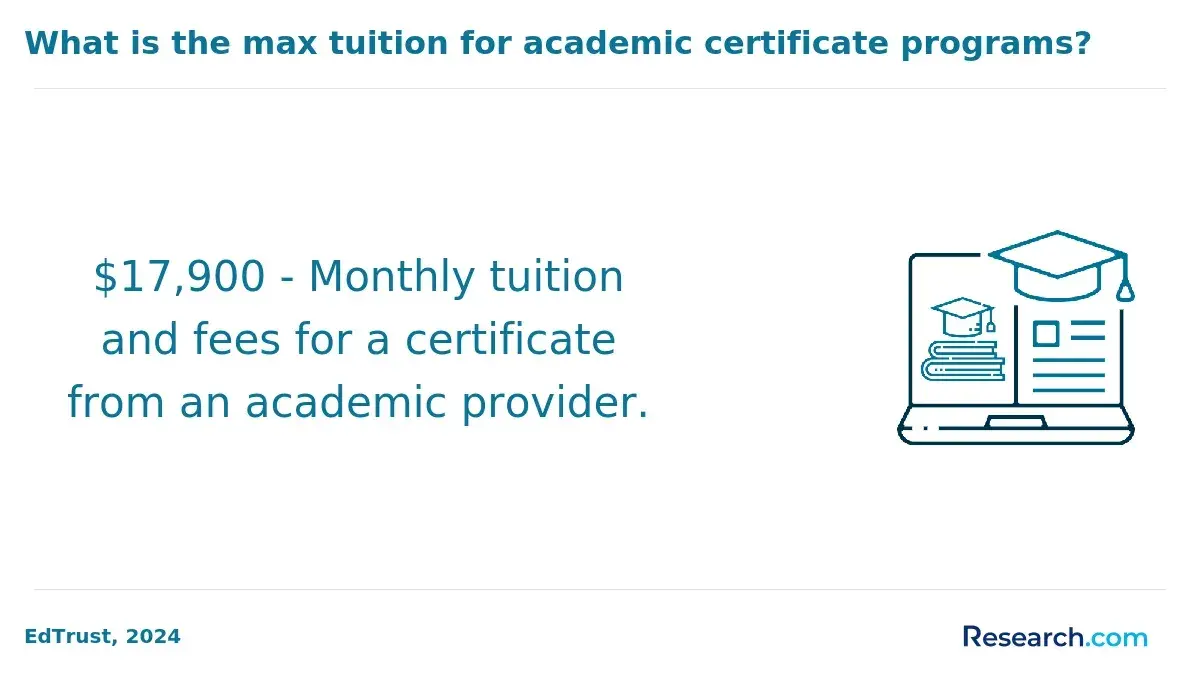
Which online kinesiology bachelor's degree programs accept the most transfer credits?
The programs that accept the most transfer credits are usually degree-completion programs, adult-focused online programs, and institutions with flexible elective structures. Some online kinesiology bachelor’s programs recognize upwards of 75% of prior coursework, but the practical value depends on whether those credits reduce your remaining requirements.
A program that accepts many credits as electives may still require you to complete a long sequence of upper-division kinesiology courses. For that reason, “maximum transfer credit” should be evaluated alongside time to completion, course availability, prerequisites, and total cost.
Features of high-transfer programs
- Flexible curricula: Programs with broad elective categories and multiple kinesiology-related concentration options may have more room to apply prior coursework.
- Competency-based learning: Some programs emphasize demonstrated mastery and may allow students to progress through material more efficiently, depending on institutional rules.
- Adult-focused scheduling: Accelerated terms, online course delivery, rolling admissions, and proactive advising can help transfer students maintain momentum.
- Clear transfer policies: Strong programs explain credit caps, grade requirements, residency rules, and documentation requirements before enrollment.
- Credit for experience: Some institutions evaluate military training, professional certifications, and other documented learning in addition to traditional college courses.
| Program feature | Why it matters for transfer students | What to confirm |
| High transfer credit cap | May reduce the total number of credits you need to complete | Whether the cap applies to all credits or only certain categories |
| Generous elective space | Can make it easier to use credits that do not match a specific major course | How many electives remain after general education and major requirements |
| Upper-division requirements | May determine how many courses must still be taken at the school | Which upper-division kinesiology courses cannot be transferred |
| Prior learning review | May help students with military, certification, or professional training | Fees, documentation rules, and whether awarded credit applies to the degree |
The best choice is the program that leaves you with the fewest necessary courses for your goal, not simply the one that advertises the largest possible transfer allowance.
How do I transfer credits to an online kinesiology bachelor's degree?
Transferring credits to an online kinesiology bachelor’s degree typically follows a formal evaluation process. Nearly 38% of undergraduate students in the U.S. take advantage of credit transfer at some point, but students who prepare documents early usually have a smoother experience.
Steps in the credit transfer process
- Identify programs that match your goals: Review curriculum requirements, online format, accreditation, tuition, transfer policies, and any graduate school prerequisites you may need later.
- Request official transcripts: Send official transcripts from every college or university you attended, even if you completed only a few courses.
- Submit supporting documents: Provide syllabi, course descriptions, lab details, certification records, or military training documentation when requested.
- Complete the course evaluation: Transfer staff, faculty, or academic departments compare your previous coursework with the kinesiology curriculum.
- Review the credit approval report: The school should show which credits were accepted and how they apply to general education, major requirements, prerequisites, or electives.
- Meet with an academic advisor: Use the evaluation to build a realistic degree plan, including remaining courses, sequencing, prerequisites, and expected completion timeline.
- Appeal or clarify when appropriate: If a course was denied or applied only as an elective, ask whether additional documentation could support a reevaluation.
Common mistakes to avoid
- Enrolling before seeing how credits apply to the degree
- Assuming unofficial transcript estimates are final
- Forgetting to send transcripts from every prior institution
- Overlooking lab requirements for science courses
- Ignoring prerequisite sequences that may affect graduation timing
Each institution sets its own process, so timelines and documentation requirements can vary. The safest approach is to request a written evaluation and compare final degree plans from multiple programs before choosing where to enroll.
How do transfer credits speed up an online kinesiology bachelor's degree?
Transfer credits speed up an online kinesiology bachelor’s degree by reducing the number of courses a student must complete after enrollment. On average, students who transfer credits save between 6 to 12 months in degree completion time by applying previously earned coursework toward their new program.
The time savings are greatest when transferred courses satisfy required parts of the degree, not just free electives. A student who transfers general education, anatomy, physiology, statistics, and lower-division health science courses may be able to move into upper-division kinesiology coursework sooner.
How transfer credits shorten the path
- Reduced coursework: Students may avoid retaking foundational classes such as biology, chemistry, anatomy, or general education courses if prior credits are accepted.
- Fewer prerequisites: Approved transfer credits can help students meet entry requirements for more advanced kinesiology courses earlier.
- Shorter enrollment period: Fewer remaining credits can reduce the number of terms needed to graduate, especially in programs with frequent start dates or accelerated sessions.
- Faster access to upper-division work: Students may reach courses in biomechanics, exercise physiology, motor learning, health promotion, or capstone requirements sooner.
- Better schedule flexibility: A lighter remaining course load can help working students balance school with employment, family, or clinical observation hours.
Transfer credit does not always shorten the timeline automatically. Course sequencing, limited course availability, required prerequisites, and internship or capstone timing can still affect graduation. Students should ask the program for a term-by-term completion plan based on accepted credits.
Some students exploring kinesiology also compare adjacent healthcare career paths, including the medical coding job outlook, to understand how different education choices align with healthcare employment options.
Can transfer credits reduce the cost of an online kinesiology bachelor's degree?
Yes. Transfer credits can reduce the cost of an online kinesiology bachelor’s degree when they lower the number of credits or courses you still need to pay for. According to the National Student Clearinghouse Research Center, transfer students can save up to 25% on total degree costs by applying previous credits toward their new program.
The actual savings depend on tuition structure, fees, accepted credit amount, financial aid eligibility, and whether transferred credits replace required courses or only count as electives.
Ways transfer credits can lower costs
- Fewer tuition charges: If tuition is billed per credit or per course, accepted transfer credits can reduce the number of credits you must complete at the new institution.
- Lower textbook and material costs: Taking fewer courses generally means buying fewer textbooks, access codes, lab materials, or online learning resources.
- Shorter enrollment period: Completing the degree sooner may reduce recurring fees tied to enrollment, technology access, or student services.
- Earlier workforce entry: Graduating sooner may allow students to pursue employment or advancement earlier, though job outcomes vary by role, location, experience, and additional credentials.
Costs to check before enrolling
- Transfer evaluation or prior learning assessment fees
- Online course fees or technology fees
- Tuition differences for upper-division courses
- Financial aid requirements for minimum enrollment
- Residency requirements that force students to complete a minimum number of institutional credits
Students focused on cost should compare the total remaining price after transfer, not just published tuition. A program with a higher per-credit rate may still be less expensive if it accepts more credits that apply directly to the degree. Students planning future graduate study in health-related fields may also want to compare cheapest online MBA in healthcare management options as part of long-term education planning.
Transfer-friendly programs can be a strong choice for students who want to finish an online kinesiology bachelor’s degree without paying again for coursework they have already completed.
How can I maximize transfer credits for an online kinesiology bachelor's degree?
To maximize transfer credits, start the process before you enroll. Many students transferring into online kinesiology bachelor’s programs successfully apply a substantial amount of prior coursework, with data showing nearly 70% achieve this advantage. The key is to document your previous learning clearly and compare how each program will apply it.
Practical strategies to increase accepted credits
- Review transfer policies early: Look for credit caps, grade minimums, accreditation requirements, residency rules, and limits on older science coursework.
- Compare coursework against the curriculum: Match your completed courses to the target program’s general education, prerequisite, major, and elective requirements.
- Request credit evaluations from multiple schools: Different institutions may apply the same credits differently, so compare written evaluations before deciding.
- Prepare complete documentation: Gather official transcripts, syllabi, course descriptions, lab details, certification records, and military training records if relevant.
- Ask about appeals: If a course is denied or applied only as an elective, ask whether a syllabus or department review could change the decision.
- Protect graduate school prerequisites: If you plan to apply to physical therapy, occupational therapy, athletic training, or other graduate programs, make sure transferred courses meet those future requirements.
What to compare before choosing a program
| Question | Why it matters |
| How many credits were accepted? | This shows the total credit value the school recognizes. |
| How many credits apply to required courses? | This matters more than total accepted credits because it affects graduation time. |
| How many credits remain? | This helps estimate cost, timeline, and workload. |
| Are any prerequisites still missing? | Missing prerequisites can delay access to upper-division kinesiology courses. |
| Are older science credits accepted? | Some schools restrict outdated science coursework, especially for lab-based requirements. |
The strongest transfer strategy is to get everything in writing. A clear degree audit lets you compare programs based on remaining requirements, not marketing claims.
What Graduates Say About Online Kinesiology Bachelor's Degree Programs That Accept Transfer Credits
- : "Choosing an online kinesiology bachelor's program was a game-changer for me since it allowed me to transfer credits from my previous studies seamlessly. The process was surprisingly affordable, which made continuing my education much less stressful financially. Today, I'm thriving in my career knowing that the credits I earned really paved the way for my professional advancement. — Alyssa"
- : "I transferred to an online kinesiology program mainly because of the flexibility it offered alongside my full-time job. Although transferring credits did cost a bit more than I initially expected, it was a worthwhile investment in my future. Reflecting back, the ability to build on my previous coursework has opened doors I didn't think were possible in the health field. — Chloe"
- : "My decision to move into an online kinesiology bachelor's degree program was rooted in the convenience and recognition of transfer credits. The streamlined credit evaluation saved me both time and money, which I deeply appreciate. Professionally, this transfer has accelerated my growth, allowing me to apply new knowledge quickly and confidently in clinical settings. — Justine"
Other Things You Should Know About Kinesiology Degrees
Prior coursework in foundational subjects like anatomy, physiology, and biomechanics is typically required for transferring credits into 2027 online kinesiology bachelor's degree programs. These courses must usually have a minimum grade of C and be from regionally accredited institutions.
Yes. Many 2027 online kinesiology bachelor’s programs set a minimum transfer GPA of 2.0 to 2.5 on a 4.0 scale for admission of prior college credits. Some require a C- or better in major and general education courses, plus official transcripts from each college attended.
References
- Online Kinesiology Degree Programs: Review Top Schools https://www.edumed.org/online-schools/kinesiology-degrees/
- Post Secondary Transfer Applicants https://www.ualberta.ca/en/kinesiology-sport-recreation/programs/undergraduate-programs/admissions/post-secondary-transfer-applicants/index.html
- Online Kinesiology Degree – Bachelor's in Kinesiology – ECU Online https://online.ecok.edu/online-degrees/bs-bachelors-kinesiology/
- How to Get a Bachelor's Degree Faster https://www.snhu.edu/about-us/newsroom/education/how-to-get-a-bachelors-degree-faster
- Online Kinesiology Degree – Highly Rated, Quick, Affordable https://exsci.cuchicago.edu/kinesiology/degrees/bachelors/
- Best Online Kinesiology Degree Programs, Updated for 2026 https://www.kinesiologydegrees.org/programs/online
- B.Sc Degrees Online 2025 - Best Course After 12th | Compare Top Programs https://b.sc/blog/transfer-credits
- Program Transfer Search https://ontransfer.ca/i/ontransfer+pathways_search_details
- Transfer credits | Study https://www.uottawa.ca/study/undergraduate-studies/transfer-credits
- Courses Outside UCalgary https://kinesiology.ucalgary.ca/current-students/undergraduates/courses-outside-ucalgary