2027 Self-Paced Online Kinesiology Bachelor's Degree Programs

Co-Founder and Chief Data Scientist
Balancing full-time work with advancing education can be a challenge, especially for professionals aiming to enter the kinesiology field without interrupting their careers. Traditional programs often lack the flexibility needed for those juggling schedules and personal commitments. Recent data shows that 42% of students enrolling in self-paced online kinesiology bachelor's degree programs cite scheduling flexibility as their primary motivation. This growth reflects a broader trend towards adaptable learning models in health sciences.
This article explores key features of self-paced online kinesiology bachelor's programs, guiding readers to choose options that enable effective learning while accommodating busy lifestyles.
Key Benefits of Self-Paced Online Kinesiology Bachelor's Degree Programs
- Self-paced online kinesiology bachelor's degree programs offer working professionals unmatched flexibility-allowing study schedules that adapt to shift work and family commitments.
- Accelerated learning models enable students to progress upon demonstrating mastery, shortening time to degree completion compared to traditional semester-based programs.
- Cost-effective pathways include transfer credits and prior learning assessments, often reducing tuition expenses while maintaining accreditation and eligibility for federal financial aid.
What Are Self-Paced Online Kinesiology Bachelor's Degree Programs, and How Do They Differ From Traditional Online Formats?
Self-paced online kinesiology bachelor's degree programs offer flexible, student-driven pathways in higher education, differing markedly from cohort-based or scheduled asynchronous courses. These programs feature open enrollment and milestone-based progression, allowing learners to start anytime and complete assignments within broad timeframes. This approach centers on competency-based education models, enabling mastery demonstration without the pressure of timed exams, aligning well with students managing work and family commitments.
Comparing competency-based kinesiology degree online vs traditional formats reveals several distinctions:
- Time Management: Self-paced learners control their schedules without weekly deadlines, granting flexibility but demanding strong discipline to maintain progress.
- Faculty Interaction: Traditional programs often provide regular live sessions and office hours, whereas self-paced formats rely more on on-demand instructor support tailored to individual questions.
- Student Accountability: Cohort-based classes encourage peer interaction and shared pacing, enhancing motivation; self-paced students depend heavily on self-drive and institutional milestone tracking tools.
Who benefits most from self-paced kinesiology degrees? Working professionals aiming for career advancement, non-traditional students returning to education, and first-time college enrollees in need of maximum scheduling flexibility find these programs ideal. Many institutions recognize transfer credits and prior learning assessments, which accelerate degree completion and optimize costs. Financial aid eligibility further supports access to these programs.
For those considering additional flexible healthcare degrees, exploring online dnp programs without clinicals can provide complementary pathways aligned with similar student needs.
Which Accredited Institutions Offer Self-Paced Online Kinesiology Bachelor's Degree Programs?
Several regionally accredited institutions now offer self-paced online kinesiology bachelor's degree programs suitable for working professionals and non-traditional students seeking flexibility. These programs often utilize competency-based education models, allowing learners to advance by demonstrating mastery of skills instead of adhering to a traditional semester schedule. Tuition is typically charged per credit or through subscription models, with many schools recognizing transfer credits and prior learning assessments, which can significantly reduce both the time and cost of degree completion.
- Western Governors University: Accredited by the Northwest Commission on Colleges and Universities, WGU offers a competency-based online kinesiology-related degree through its Bachelor of Science in Health Sciences program. Tuition is subscription-based, billed every six months, enabling students to accelerate their progress. Average completion time ranges from 2 to 3 years depending on transfer credits and prior learning.
- Southern New Hampshire University: Regionally accredited by the New England Commission of Higher Education, SNHU provides a Bachelor of Science in Sports Sciences with a flexible online format. Tuition charges apply per credit hour, and the institution widely accepts transfer credits. While not fully self-paced, students can progress quickly at their own tempo.
- Northeastern University: Accredited by the New England Commission of Higher Education, Northeastern's Bachelor of Science in Health Sciences supports asynchronous learning with flexible timelines. Tuition is charged per credit, and prior learning evaluation options help reduce the study load. The program length varies according to individual student pace.
- University of Texas at Arlington: Accredited by the Southern Association of Colleges and Schools Commission on Colleges, UTA offers an online Bachelor of Science in Kinesiology designed for part-time and self-paced study. Tuition is per credit hour, with generous transfer policies and credit awarded for applicable work experience.
- Capella University: Regionally accredited by the Higher Learning Commission, Capella's Bachelor of Science in Health Sciences employs a self-paced competency-based model. Tuition is subscription-based, billed in six-week terms, permitting students to complete courses faster or slower based on personal circumstances.
These accredited self-paced online kinesiology bachelor's degree programs also often provide eligibility for financial aid. Prospective students should carefully evaluate transfer credit policies and prior learning assessments to maximize savings and expedite completion. For those interested in related fields, exploring options through a bachelor's degree in healthcare administration can complement kinesiology studies, especially in healthcare management roles.
2026 Update: Checking Hands-On Learning Requirements Before You Enroll
For 2026, this article adds guidance on how self-paced online kinesiology students can evaluate practical learning expectations, especially courses that require observation, labs, fitness testing, or local field experiences.
- Whether anatomy, biomechanics, or exercise physiology courses include virtual labs, lab kits, or in-person components.
- How the program verifies skills such as movement assessment, exercise instruction, or wellness coaching.
- If internships, practicums, or observation hours can be completed near your home or workplace.
- Whether students must secure their own placement sites or receive school support.
- What equipment, software, camera setup, or testing tools may be needed for remote demonstrations.
- How self-paced deadlines apply to hands-on assignments that depend on site availability.
Reviewing these details helps students choose a flexible kinesiology program that still provides the applied experience needed for career preparation or future graduate study.
How Long Does It Take to Complete a Self-Paced Online Kinesiology Bachelor's Degree?
Completion times for self-paced online kinesiology bachelor's degrees range significantly based on individual circumstances. While some students finish as quickly as one or two years, most follow timelines closer to traditional four-year programs.
- Prior Credits and Transfers: Students having college credits or transfer agreements often bypass introductory courses, accelerating their progress. Many programs allow up to 60 transferred credits, which can substantially reduce time needed to graduate.
- Weekly Time Investment: The amount of time committed weekly influences pacing-the more hours dedicated, typically 20 or more, the faster students can advance. Those balancing employment or family responsibilities may opt for a more gradual pace.
- Prior Learning Assessments: Some institutions award credit through assessments recognizing competencies acquired from work experience or certifications. Effective use of PLAs can shorten the path to a degree by granting credit for existing knowledge.
- Benchmark Data: Per data from the National Center for Education Statistics, bachelor's degrees average about 4.5 years to complete. This offers a reference point, though self-paced programs provide flexible options to finish sooner or allow extended schedules.
- Realistic Scheduling: Planning achievable study goals and maintaining a consistent routine are essential. Students should carefully evaluate their time constraints to avoid burnout and ensure steady advancement.
- Support Services: Access to academic advising, tutoring, technical assistance, and career counseling aids students in staying motivated and aligned with their career objectives.
A professional who enrolled in a self-paced online kinesiology bachelor's program described his experience as a balancing act between ambition and reality. "At times, I underestimated the workload while juggling a full-time job," he said, sharing how he learned to set small weekly targets rather than rush through courses. The flexibility allowed him to pause during demanding work periods but also required self-discipline to resume studies afterward. He noted that regular check-ins with academic advisors provided crucial encouragement and guidance, helping him maintain focus despite occasional setbacks. Ultimately, this approach let him tailor his progress to his unique schedule and gradually build his credentials toward a new career.
What Are the Admission Requirements for Self-Paced Online Kinesiology Bachelor's Degree Programs?
High School Diploma or GED: Applicants typically need a recognized high school diploma or GED to demonstrate sufficient academic preparation for college-level study. This foundational credential remains a baseline requirement across most programs.
Minimum GPA Requirements: Many self-paced online kinesiology bachelor's programs set minimum GPA thresholds-often between 2.0 and 2.5 on a 4.0 scale-to assess academic readiness. More competitive programs may demand higher academic performance to address program rigor.
Prerequisite Coursework: Some programs require prior coursework in areas like biology, chemistry, or math to ensure students possess essential knowledge relevant to kinesiology. However, many programs emphasize open access and may not enforce strict prerequisites.
Open-Enrollment and Rolling Admissions: To support non-traditional and returning students, numerous self-paced kinesiology degree admission criteria incorporate flexible admission windows-such as rolling or open enrollment-allowing learners to start coursework without strict deadlines. This approach helps working professionals balance education with other responsibilities.
Selective vs. Open-Access Programs: Selective programs often provide extensive academic advising and support services, favoring candidates with stronger records, while open-access options prioritize accessibility but may require students to be highly self-motivated to succeed.
Strengthening Your Application: Applicants who don't meet all stated requirements can enhance their profiles by gaining relevant work experience, completing foundational courses, or submitting solid personal statements clarifying clear career goals and demonstrating readiness for self-directed study.
Many prospective students also explore related degree opportunities, such as the cheapest dnp programs, to compare flexibility and cost options across healthcare fields.
How Much Does a Self-Paced Online Kinesiology Bachelor's Degree Cost, and What Affects Tuition?
Self-paced online kinesiology bachelor's degree programs typically charge tuition based on credits, with rates usually between $300 and $600 per credit hour. Completing the roughly 120 credits needed can cost from $36,000 up to $72,000, depending on the institution. Another option is flat-rate subscription models, where students pay a monthly or quarterly fee for unlimited course access; this suits those who progress quickly but may lead to higher costs if studies extend over many months. Some schools also use bundled fee systems, combining tuition, technology, and materials into one comprehensive charge, which simplifies budgeting but requires careful comparison to per-credit pricing.
Hidden charges such as technology fees, online exam proctoring, course materials, and software licenses can add several hundred to thousands of dollars beyond the stated tuition. These expenses vary widely and should be included when estimating total costs. Choosing between the lowest upfront rate and the lowest overall cost largely depends on how fast students complete their courses. While a low per-credit rate may appear cheaper initially, extended enrollment can increase costs through additional fees. Subscription models encourage faster completion but risk becoming expensive for those needing more time.
- Institution Type: Public universities generally have lower tuition, especially for in-state students, compared to private schools.
- Transfer Credits: Accepting prior credits can shorten program length and lower expenses.
- Prior Learning Assessment: Credit for relevant work or previous coursework helps reduce costs and accelerate graduation.
- Financial Aid Eligibility: Scholarships, grants, and loans affect the net amount students must pay.
One professional who completed a self-paced online kinesiology degree shared that balancing work, study, and family was challenging, requiring careful time management and discipline. She mentioned the flexibility allowed her to accelerate through some courses while taking extra time on others, which influenced her overall cost. Although unexpected fees like software subscriptions came as a surprise, she found that proactive budgeting and leveraging prior learning credits helped manage expenses. Reflecting on her experience, she noted that understanding these cost factors early made her feel more confident about investing in her education and career advancement.
What Financial Aid Options Are Available for Self-Paced Online Kinesiology Bachelor's Programs?
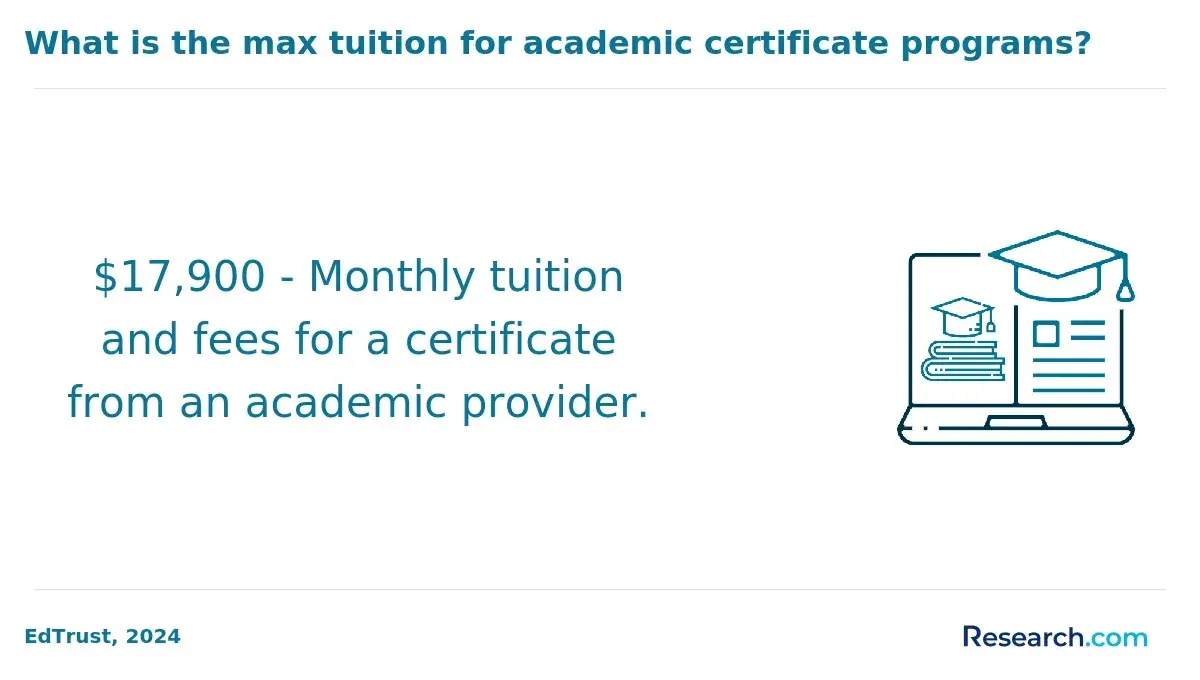
Financial aid for self-paced online kinesiology bachelor's degrees is sourced from federal, state, and institutional programs, often influenced by competency-based education (CBE) models. Since some CBE programs evaluate aid eligibility through credit-hour equivalencies instead of traditional semesters, FAFSA processing can vary, making it vital to consult financial aid offices before enrolling. According to the College Board's Trends in Student Aid report, federal grants for undergraduates-such as Pell Grants and Direct Loans-average over $4,500 annually, illustrating ongoing support for online students.
State aid offerings differ significantly by region and may require residency verification or program approval. Many schools provide scholarships tailored specifically for online or self-paced learners to help reduce reliance on loans. Additionally, professional kinesiology organizations often grant scholarships based on merit or career aspirations, providing a discipline-focused funding avenue.
The timing of aid disbursement can vary in flexible programs, potentially requiring upfront payments or causing delays. Confirming financial timelines with program counselors helps avoid unexpected issues during enrollment or study.
- Federal Aid Eligibility: Students in accredited self-paced kinesiology programs qualify for Pell Grants, Direct Loans, and Federal Work-Study, though CBE formats may impact FAFSA award timing and processing.
- State Assistance: Grants and aid vary by state and usually demand proof of residency or approval, adding complexity for distance learners.
- Institutional Scholarships: Universities often offer scholarships designed for online or competency-based students, reducing the need for loans.
- Professional Association Grants: Kinesiology-focused groups award scholarships based on academic achievement or professional goals, aiming to support students in the field.
- Aid Disbursement Timing: Flexible program pacing can delay or require upfront payment of financial aid; early verification is essential.
How Do Competency-Based Education (CBE) Models Work in Self-Paced Online Kinesiology Programs?
Competency-based education (CBE) in self-paced online Kinesiology bachelor's degree programs allows students to advance by proving mastery of specific skills through assessments rather than completing traditional seat time. Learners demonstrate their knowledge via projects, exams, or practical applications, enabling personalized pacing-ideal for working professionals or students balancing other commitments.
For financial aid, CBE programs convert demonstrated competencies into credit hours using either direct assessment or credit-hour-equivalent methods. Direct assessment programs measure learning outcomes without assigning traditional credit hours and require special approval to qualify for federal aid. In contrast, credit-hour-equivalent programs align competencies with standard credit hours, simplifying aid eligibility and credit transfer.
Examples of institutions offering self-paced CBE kinesiology programs include Western Governors University, which uses performance tasks coupled with ongoing faculty mentorship, and Southern New Hampshire University, emphasizing flexible assessments and accessible faculty support. These programs are recognized by employers for their practical, skill-based credentials and adapt well to students' lifestyles.
Success in CBE formats depends heavily on strong self-discipline and motivation, so prospective students should carefully assess their preferred learning styles before enrolling. Recent data indicate a 15% increase in competency-based program enrollment from 2021 to 2023, underscoring the growing demand for flexible higher education options.
- Mastery Focus: Students progress by demonstrating specific skills and knowledge through assessments instead of completing fixed seat-time, allowing for a personalized learning pace.
- Financial Aid Translation: Competencies are converted into credit hours for aid, with direct assessment and credit-hour-equivalent models differing in eligibility and approval requirements.
- Program Examples: Western Governors University and Southern New Hampshire University offer robust, flexible kinesiology programs featuring practical assessments and responsive faculty support.
- Self-Discipline Needed: Learners must be highly motivated and organized to succeed independently without traditional classroom structures.
- Growing Popularity: Enrollment in competency-based education programs increased by 15% between 2021 and 2023, reflecting wider acceptance of flexible degree models.
What Accreditation Should a Self-Paced Online Kinesiology Bachelor's Program Hold?
Accreditation plays a vital role in choosing a self-paced online kinesiology bachelor's degree program, as it confirms the program meets recognized quality standards valued by employers, graduate schools, and licensing bodies. In the United States, regional accreditation carries more prestige and acceptance than national accreditation, especially in kinesiology, due to its rigorous academic oversight. The U.S. Department of Education recognizes six regional accrediting bodies: Middle States Commission on Higher Education (MSCHE), New England Commission of Higher Education (NECHE), Higher Learning Commission (HLC), Northwest Commission on Colleges and Universities (NWCCU), Southern Association of Colleges and Schools Commission on Colleges (SACSCOC), and Western Association of Schools and Colleges (WASC). Programs accredited by these organizations typically enjoy broader credit transferability and stronger acceptance in postgraduate education.
Many self-paced kinesiology programs also pursue programmatic accreditation from specialized organizations that evaluate discipline-specific curriculum and professional standards, enhancing the program's credibility within health and physical education fields. In contrast, nationally accredited or non-accredited programs often face limitations-credits may not transfer easily, and graduates might encounter obstacles in advancing their careers or gaining certification.
Prospective students must verify a program's accreditation status through reliable sources such as the U.S. Department of Education's accreditation database and the Council for Higher Education Accreditation (CHEA) directory before enrolling. This step helps protect against enrollment in programs that may hinder future education or employment prospects. Additionally, students interested in flexible health-related degrees can explore options like a health information management degree online.
- Regional Accreditation: Recognized as the highest quality standard, regional accreditation is preferred because it ensures institutional integrity and broad academic quality, enhancing the value of kinesiology bachelor's degrees.
- National Accreditation: Typically applies to vocational or specialized institutions but is less prestigious, which can restrict credit transfer and reduce acceptance among employers and graduate programs.
- Programmatic Accreditation: Some kinesiology programs obtain additional discipline-specific accreditation, affirming that their curriculum aligns with professional standards in health and physical education.
- Transferability Risks: Degrees from nationally or non-accredited programs often have limited transferability, creating barriers for continuing education or obtaining certifications and licenses.
- Verification Resources: Checking a program's status through the U.S. Department of Education and CHEA databases helps students confirm accreditation legitimacy before enrollment.
How Many Transfer Credits Can Be Applied Toward a Self-Paced Online Kinesiology Bachelor's Degree?
Transfer credit policies for self-paced online kinesiology bachelor's degree programs differ widely between institutions but commonly allow a significant portion of prior college work to count toward degree requirements. These programs typically assess transfer credits based on course equivalency, the accreditation status of the previous institution, and how recently the coursework was completed. The acceptance of military training credits endorsed by the American Council on Education (ACE) is another factor, supporting many veterans and service members in applying earned credits toward their kinesiology degree.
Some self-paced kinesiology programs are especially generous, accepting up to 90 transfer credits-enabling students to start with junior standing or close to degree completion. Additionally, articulation agreements with community colleges simplify the credit transfer process by pre-approving specific general education or foundational kinesiology courses. Prospective students interested in an accelerated kinesiology degree online should request a formal transfer credit evaluation before enrollment. This step clarifies the actual number of transferable credits, helping students accurately estimate remaining credit hours, tuition costs, and expected time to graduation.
- Transfer Credit Limits: Policies vary, but some programs accept as many as 90 credits from regionally accredited colleges, facilitating faster degree completion.
- Military and ACE Credits: Many self-paced kinesiology programs recognize military and prior learning credits recommended by ACE to expand credit transfer opportunities for veterans.
- Course Equivalency and Accreditation: Transfer approval is contingent on matching previous coursework to program requirements and verifying accreditation of the original institution.
- Community College Agreements: Pre-established articulation agreements ease transfer by pre-approving courses from select community colleges, streamlining admission pathways.
- Pre-Enrollment Evaluation: Requesting an official transfer credit assessment prior to enrollment helps students understand their academic standing and financial commitment.
Can Students Earn Credit Through Prior Learning Assessment in Self-Paced Online Kinesiology Programs?
Prior Learning Assessment (PLA) enables self-paced kinesiology students to receive credit for knowledge gained through work experience, military service, professional certifications, and independent study. Common evaluation methods include portfolio reviews, challenge exams, and standardized tests such as CLEP and DSST, which are widely accepted in affordable kinesiology programs. These programs often allow students to earn between 30 and 60 credits through PLA, significantly accelerating degree progress.
The American Council on Education (ACE) plays a crucial role by assessing military and training programs, providing credit recommendations that streamline acceptance for service members and working adults. Programs with flexible PLA policies typically offer clear guidelines for submission, requiring detailed documentation like work samples, certifications, and recommendation letters to verify prior learning.
Students increase their chances of credit approval by maintaining comprehensive portfolios and consulting academic advisors early to understand specific program requirements. This preparation helps align experiential learning with academic standards.
A 2023 study showed over 40% of online degree students use PLA credits to shorten their time to graduation, highlighting the growing value of this option in higher education.
- Flexible Credit Options: Many programs allow up to 60 credits through PLA, reducing coursework and overall time to degree completion.
- Standardized Exams: CLEP and DSST exams provide affordable, widely accepted ways to earn credit in kinesiology subjects.
- Portfolio Documentation: Detailed portfolios demonstrating skills and achievements are essential for successful credit evaluation.
- ACE Evaluations: ACE credit recommendations validate military and non-traditional learning for academic credit transfer.
- Early Advisor Consultation: Communicating with advisors early ensures understanding of PLA policies and proper evidence submission.
What Concentrations or Specializations Are Available in Self-Paced Online Kinesiology Bachelor's Programs?
Self-paced online kinesiology bachelor's degrees offer diverse concentrations tailored to students' career goals and market needs. Program length varies by specialization-more hands-on tracks with clinical or internship components often take longer, while theoretical or wellness-focused paths may expedite completion.
- Exercise Science: Concentrates on human movement and fitness, preparing graduates for roles like fitness coaches and rehab specialists. Certifications such as Certified Strength and Conditioning Specialist (CSCS) are often needed, with median salaries between $50,000 and $60,000 annually according to BLS.
- Sports Management: Focuses on business, marketing, and administration in sports organizations. Careers here typically do not require licensure but benefit from practical experience through internships, offering median wages near $60,000 per year.
- Health Promotion and Wellness: Emphasizes community health program design and disease prevention. Graduates may become health educators or wellness coaches, with median earnings around $45,000, sometimes needing certifications like Certified Health Education Specialist (CHES).
- Physical Therapy Pre-Professional Track: Designed for students aiming for graduate physical therapy programs, this track requires additional clinical hours beyond the bachelor's and supports eligibility for licensure exams. Median physical therapist salaries often exceed $90,000 annually.
- Biomechanics and Motor Control: Explores neuromuscular function and movement mechanics, ideal for research or rehabilitation careers. Licensure is not required, but advanced degrees can boost earning potential.
Choosing the right concentration strategically balances personal interests with labor market demand and influences how swiftly a self-paced kinesiology program can be completed.
What Graduates Say About Self-Paced Online Kinesiology Bachelor's Degree Programs
- Conrad: "Choosing a self-paced online kinesiology bachelor's degree was a game-changer for me because it allowed me to balance my existing work schedule with learning at my own rhythm. The affordability compared to traditional programs made it accessible without burdening me with debt. Since graduating, I've been able to advance in my career by applying the practical knowledge I gained, which has opened doors to new opportunities I hadn't imagined."
- Walker: "Reflecting on my decision to pursue a self-paced online kinesiology program, I appreciate how the flexibility helped me stay committed despite my unpredictable hours as a part-time athlete coach. The cost-effectiveness was an important factor-knowing I could manage tuition on my terms made the goal feel attainable. Professionally, earning this degree has enhanced my credibility and confidence when working with clients, which has been incredibly rewarding."
- Joseph: "I opted for a self-paced online kinesiology bachelor's because I needed a program that accommodated my unique learning style and busy lifestyle. The lower overall cost compared to campus-based education made it easier to justify investing in my future. Completing this program has significantly impacted my career, allowing me to step into leadership roles and broaden my expertise in sports rehabilitation."
Other Things You Should Know About Kinesiology Degrees
These programs offer flexibility by allowing students to progress through coursework on their own schedules, which is ideal for those balancing jobs or family commitments. Many programs provide asynchronous learning options without fixed class times, and they often grant credit for prior learning or professional experience. Additionally, academic advising and career services are tailored to address the unique needs of non-traditional students.
Self-paced online kinesiology degrees often provide a strong return on investment due to lower tuition costs and reduced expenses for commuting or housing. The flexibility to continue working during studies also minimizes lost income, which can speed up degree completion and entry into the workforce. While traditional programs may offer more in-person networking, many online degrees maintain accreditation and provide comparable academic rigor.
References
- Online Kinesiology Degree Programs: Review Top Schools https://www.edumed.org/online-schools/kinesiology-degrees/
- Competency-Based Education (CBE) https://lakeshore.edu/future-students/flexible-learning-options/competency-based-education
- 10 Key Components of a Competency-Based Education Program https://www.openlms.net/blog/education/10-key-components-competency-based-education-program/
- How long does a Kinesiology degree take? - Answers https://www.answers.com/Q/How_long_does_a_Kinesiology_degree_take
- 2026 Best Online Kinesiology Degrees https://www.onlineu.com/degrees/kinesiology
- What is Competency-Based Education (CBE)? | University of Phoenix https://www.phoenix.edu/blog/what-is-competency-based-education-and-how-does-it-work.html
- Kinesiology https://careerline.eliteinfoworld.com/course/kinesiology
- Nontraditional student trying to go to school for kinesiology http://ask.metafilter.com/325491/Nontraditional-student-trying-to-go-to-school-for-kinesiology/amp
- Is an Online Degree the Same as a Traditional Degree | Online Degree https://www.cambridgehealth.edu/online-degrees/get-an-online-degree/is-an-online-degree-the-same-as-a-traditional-degree/
- Online Bachelor’s in Kinesiology and Exercise Science Programs https://teach.com/online-ed/healthcare-degrees/online-bachelors-kinesiology-exercise-science/