
2027 Best Online CyberOps Training Bootcamps

Co-Founder and Chief Data Scientist
Looking to start a career in cybersecurity operations? Online CyberOps training bootcamps offer a fast, flexible path to gaining hands-on skills in threat detection, incident response, and network defense. These intensive programs are designed to prepare you for entry-level roles like SOC analyst or cybersecurity technician in just a few months.
With growing demand for cyber professionals and high salaries on the table, choosing the right bootcamp can launch your career quickly and effectively.
In this guide, you will discover the best online CyberOps training bootcamps, how they compare, what to expect, and how to choose the one that fits your goals.
What are the benefits of getting an online CyberOps training bootcamp?
- Prepares you for in-demand roles like Security Operations Center (SOC) analyst, cybersecurity technician, or incident responder.
- Cybersecurity professionals earn a median salary of around $112,000 per year, according to the U.S. Bureau of Labor Statistics.
- Online bootcamps let you train from anywhere, often at your own pace, which isideal for working professionals or career changers.
- Most programs take just 8 to 24 weeks, allowing you to build job-ready skills without a four-year degree.
What can I expect from an online CyberOps training bootcamp?
A CyberOps training bootcamp is an intensive, short-term program that teaches the core skills needed to work in cybersecurity operations. Unlike broader cybersecurity programs, CyberOps bootcamps focus specifically on defending systems, detecting threats, and responding to incidents in real-time.
Students learn practical tools and concepts such as networking fundamentals, system security, intrusion detection, log analysis, and incident response—skills commonly used in Security Operations Centers (SOCs).
These bootcamps are designed for rapid skill-building, often preparing students for industry-recognized certifications like Cisco CyberOps Associate or CompTIA Security+. Many are beginner-friendly and require no prior experience in IT, making them a strong entry point for those looking to break into cybersecurity.
Online CyberOps bootcamps add the benefit of flexible learning, allowing students to train remotely and on their own schedules. With hands-on labs, real-world simulations, and job support services, these programs offer a practical and efficient path into a fast-growing tech field.
Where can I work with an online CyberOps training bootcamp?
Graduates of online CyberOps training bootcamps are well-equipped to work in a variety of industries where data security and threat monitoring are critical. Common employers include companies in finance, healthcare, e-commerce, government, and technology—sectors that handle sensitive data and are frequent targets of cyberattacks.
CyberOps professionals play a key role in identifying vulnerabilities, monitoring systems for breaches, and responding to security incidents. As cyber threats become more sophisticated, demand for trained security operations personnel continues to rise across both public and private sectors.
Typical workplaces include:
- Security Operations Centers (SOCs): Often within large corporations or government agencies.
- Managed Security Service Providers (MSSPs): Firms that deliver outsourced cybersecurity services to other businesses.
- Tech and software companies: Especially those offering cloud, networking, or cybersecurity products.
- Healthcare and financial institutions: Which must meet strict data privacy regulations like HIPAA and PCI-DSS.
- Government and defense contractors: Where CyberOps skills are used for national and infrastructure security.
How much can I make with an online CyberOps training bootcamp?
Graduates of online CyberOps training bootcamps often step into the cybersecurity workforce under job titles such as SOC (Security Operations Center) Analyst, Cyber Operations Analyst, or Incident Response Technician.
Salary expectations for entry-level SOC Analysts in the United States typically range from $60,000 to $75,000, depending on region and employer size. National average base salaries for SOC Analysts hover around $84,000 to $97,000 per year, with total compensation—including bonuses—often reaching $97,000 to $100,000.
With experience (2–5 years), mid-level roles can yield salaries in the $80,000 to $100,000+ range. Senior-level SOC or Cyber Operations analysts may earn $120,000+, while top-tier locations like San Francisco or San Jose sometimes offer six-figure salaries exceeding $130,000 to $147,000+. For Cyber Operations Analysts specifically, median total compensation is around $95,000 in the U.S.. These figures reflect the high demand and competitive pay in cybersecurity operations careers.
- 10 Best Online CyberOps Training Bootcamps for 2027 List of Programs
- How long does it take to complete an online CyberOps training bootcamp? Completion Time
- How does an online CyberOps training bootcamp compare to an on-campus program? How does an online CyberOps training bootcamp compare to an on-campus program?
- What is the average cost of an online CyberOps training bootcamp? Program Cost
- What are the financial aid options for students enrolling in an online CyberOps training bootcamp? Financial Aid
- What are the prerequisites for enrolling in an online CyberOps training bootcamp? What are the prerequisites for enrolling in an online CyberOps training bootcamp?
- What courses are typically in an online CyberOps training bootcamp? What courses are typically in an online CyberOps training bootcamp?
- What types of specializations are available in online CyberOps training bootcamps? What types of specializations are available in online CyberOps training bootcamps?
- How do you choose the best online CyberOps training bootcamp? How do you choose the best online CyberOps training bootcamp?
- What career paths are available for graduates of online CyberOps training bootcamps? Careers Paths
- What is the job market like for graduates of an online CyberOps training bootcamp? Job Outlook
- What accreditation and industry standards do online CyberOps bootcamps follow? What accreditation and industry standards do online CyberOps bootcamps follow?
10 Best Online CyberOps Training Bootcamps for 2027
Choosing an online CyberOps bootcamp is a high-stakes decision: the right program can help you build practical security operations skills, prepare for certifications, and move toward entry-level cybersecurity roles, while the wrong one can leave you with debt, shallow training, or credentials employers do not value. This guide is for career changers, IT beginners, working professionals, and students comparing short-term cybersecurity training options.
CyberOps training focuses on the work done in security operations centers, incident response teams, and threat monitoring roles. Unlike broad cybersecurity degrees, bootcamps usually emphasize hands-on labs, security tools, log analysis, networking basics, and job preparation. Some learners also pair CyberOps training with specialized credentials, such as a CCSP certification training online course, when they want to strengthen cloud security knowledge later in their career.
Below, you will find a decision-focused comparison of online CyberOps bootcamps, including program length, cost, curriculum, prerequisites, financial aid options, career paths, and mistakes to avoid before enrolling.
Quick Answer: Are Online CyberOps Bootcamps Worth Considering?
An online CyberOps bootcamp can be worth considering if you want structured, skills-based cybersecurity training in a shorter format than a degree and you are prepared to practice outside class. The best fit is usually a program that includes live or well-supported instruction, hands-on labs, certification preparation, career coaching, transparent tuition, and clear outcomes for roles such as SOC analyst, cybersecurity analyst, incident response technician, or IT security administrator.
Bootcamps are not a guaranteed job shortcut. Before enrolling, confirm the curriculum, instructor support, refund policy, financing terms, certification alignment, and whether the program’s schedule matches your weekly availability.
How We Approach This Ranking
This ranking is informed by a transparent Research.com methodology and by education data sources such as the Integrated Postsecondary Education Data System database, Peterson's databases, including the Distance Learning Licensed Data Set, and the College Scorecard from the National Center for Education Statistics.
Because bootcamps are not always evaluated the same way as colleges and universities, students should treat rankings as a starting point rather than a final answer. Compare each provider’s curriculum, tuition, schedule, student support, certification preparation, and career services against your own goals.
Best Online CyberOps Training Bootcamps: At-a-Glance Comparison
| Provider | Program Format and Length | Published Cost | Best For |
| Evolve Security Academy | 20 weeks, part-time | $13,950 | Learners who want live evening instruction and lab-based cybersecurity training |
| Fullstack Academy | 13-21 weeks full-time or 26 weeks part-time | $9,995 to $10,995 with discount; regular tuition listed as $12,995 part-time and $13,995 full-time | Students comparing full-time and part-time cybersecurity analytics options |
| Springboard | 6-12 months | $10,900 upfront or $1,983 per month | Learners who want mentorship, career coaching, labs, and CompTIA Security+ preparation |
| Nucamp | 15 weeks | $2,124 early bird rate | Cost-conscious beginners looking for cybersecurity fundamentals |
| DigitalCrafts | 15 weeks | $9,500 | Beginners who prefer flexible online project-based learning |
| BrainStation | 10 weeks | $16,500 | Professionals seeking a cybersecurity certificate course rather than a full career-change bootcamp |
| Coding Temple | 6 months | $4,000 | Beginners who want recorded lessons, projects, live coaching, and on-demand help |
| QuickStart | 10-18 weeks | $8,900 | Entry-level learners seeking online labs and CompTIA Sec+ preparation |
| Ironhack | 9 weeks full-time or 24 weeks part-time | Approximately $8,600 | Learners interested in online and on-campus blended cybersecurity training |
| Flatiron School | 15 weeks full-time or 40 weeks part-time | $16,900 with a $500 deposit | Students who want a rigorous online cybersecurity analytics program |
1. Evolve Security Academy
Evolve Security Academy offers a Cybersecurity Bootcamp built around live online instruction, evening classes, labs, and practical security scenarios. The program typically runs part-time for 20 weeks, with live sessions scheduled Monday-Friday evenings. It is designed for learners preparing to enter cybersecurity and emphasizes applied work rather than theory alone.
- Training Program Length: 20 weeks (part-time)
- Bootcamp Cost: $13,950
- Consider this program if: you want a structured live schedule, hands-on labs, and career preparation while studying outside traditional daytime hours.
2. Fullstack Academy
Fullstack Academy provides a Cybersecurity Analytics Bootcamp with full-time and part-time options. The program is delivered online and is intended for beginners as well as learners who already have some programming or technical exposure. Coursework covers defensive and offensive security concepts, certification preparation, and job search support.
- Training Program Length: 13-21 weeks (full-time) or 26 weeks (part-time)
- Bootcamp Cost: $9,995 (part-time with discount) - $10,995 (full-time with discount). The regular tuition is listed as $12,995 for part-time and $13,995 for full-time.
- Consider this program if: you want a recognized online provider with both accelerated and extended pacing options.
3. Springboard
Springboard offers a Cybersecurity Career Track that is fully online and beginner-friendly. The program is usually completed part-time in 6-12 months and includes one-on-one mentorship, career coaching, more than 30 technical labs, mini-projects, a capstone, and preparation for CompTIA Security+.
- Training Program Length: 6-12 months
- Bootcamp Cost: $10,900 (upfront payment) or $1,983 per month
- Consider this program if: you want a longer runway, mentorship, and structured support while building cybersecurity analyst skills.
4. Nucamp
Nucamp offers a Cybersecurity Fundamentals program for learners with basic PC skills. The 15-week part-time format combines self-paced online work with weekly real-time workshops led by an instructor. Topics include foundational cybersecurity, ethical hacking, and network security.
- Training Program Length: 15 weeks
- Bootcamp Cost: $2,124 (early bird rate) for the Cybersecurity Fundamentals bootcamp.
- Consider this program if: affordability is a major factor and you want a beginner-level introduction before pursuing deeper CyberOps or certification training.
5. DigitalCrafts
DigitalCrafts offers an online Cybersecurity Certificate bootcamp that can be finished in as little as 15 weeks. The program is built for students with no previous experience and uses hands-on, project-based learning. Its flexible format allows students to progress online with instructor guidance and feedback.
- Training Program Length: 15 weeks
- Bootcamp Cost: $9,500 (based on comparison to other bootcamps listed).
- Consider this program if: you want a project-centered cybersecurity certificate with flexibility and instructor input.
6. BrainStation
BrainStation provides a Cyber Security certification course covering foundational security concepts and more advanced topics. It is better viewed as a cybersecurity skills course than a traditional intensive career-change bootcamp. The course is offered online through live classes that include collaboration and feedback, making it more suitable for professionals who want to expand existing technical knowledge.
- Training Program Length: 10 weeks
- Bootcamp Cost: $16,500
- Consider this program if: you are already working in or near technology and want live instruction to strengthen cybersecurity literacy.
7. Coding Temple
Coding Temple offers an online cybersecurity bootcamp for learners who want to build the skills needed for cybersecurity roles without prerequisite knowledge. The 6-month program includes recorded lectures, coding exercises, 10 hands-on projects, on-demand assistance, and live coaching.
- Training Program Length: 6 months
- Bootcamp Cost: $4,000
- Consider this program if: you want a lower-cost online option with project work and coaching support.
8. QuickStart
QuickStart offers a 100% online Cybersecurity Bootcamp that can be completed in 10-18 weeks through full-time or part-time formats. It is designed for entry-level learners without prior cybersecurity experience and includes projects, virtual labs, certification preparation, instructor-led sessions, and independent study. The program specifically supports preparation for certifications such as CompTIA Sec+.
- Training Program Length: 10-18 weeks
- Bootcamp Cost: $8,900
- Consider this program if: you want a short online bootcamp with hands-on labs and certification-focused training.
9. Ironhack
Ironhack offers a Cybersecurity Bootcamp with full-time and part-time pathways. The curriculum is intended for students with little to no IT background and covers areas such as operating systems, networking, forensics, and ethical hacking. Delivery uses a blended online and on-campus model, with hands-on learning and career services included.
- Training Program Length: 9 weeks (full-time) or 24 weeks (part-time)
- Bootcamp Cost: Approximately $8,600
- Consider this program if: you want a bootcamp that combines online learning with an on-campus component.
10. Flatiron School
Flatiron School offers a Cybersecurity Analytics program in full-time and part-time online formats. The curriculum moves from hardware and networking fundamentals into topics such as threat intelligence and incident response. Students complete project-based work online and may use optional weekly sessions with facilitators for additional support.
- Training Program Length: 15 weeks (full-time) or 40 weeks (part-time)
- Bootcamp Cost: $16,900 ($500 deposit)
- Consider this program if: you want a longer-established bootcamp provider with flexible online pacing options.
How Long Does It Take to Complete an Online CyberOps Training Bootcamp?
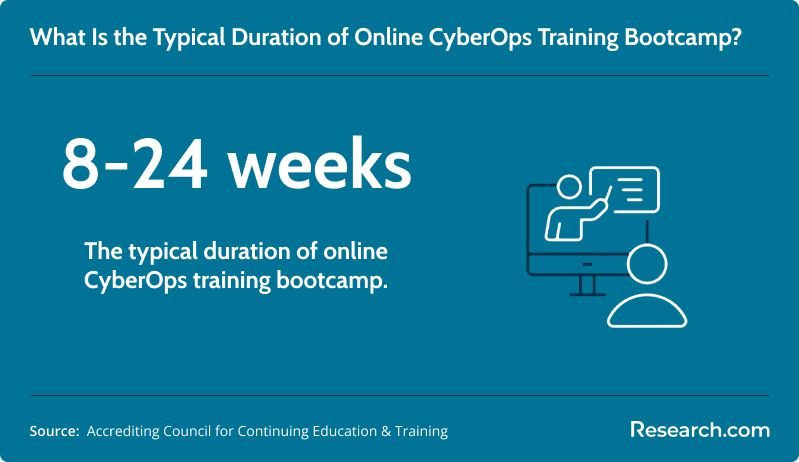
Most online CyberOps bootcamps take 8 to 24 weeks, depending on whether the format is full-time, part-time, live online, hybrid, or self-paced. Immersive full-time programs are often designed for learners who can treat training like a job and commit roughly 30–40 hours per week. Part-time formats commonly stretch over four to six months, making them more realistic for people who are employed, caregiving, or studying alongside other responsibilities.
Self-paced programs give students more control, but they also require stronger discipline. A flexible schedule can be helpful, but it can also lead to delays if there are no regular deadlines, instructor check-ins, or accountability structures. If you need foundational tech training before moving into CyberOps, comparing related options such as the best IT boot camps training programs can help you decide whether to start broader or specialize immediately.
| Format | Typical Fit | Best Choice If | Watch Out For |
| Full-time online | Career changers who can pause work or reduce hours | You want to finish quickly and can study intensively | High weekly workload and less time to absorb difficult concepts |
| Part-time online | Working adults and students with other obligations | You need evenings, weekends, or a slower pace | Longer completion timeline and possible motivation dips |
| Self-paced online | Independent learners with strong study habits | You already know some IT basics and can manage your schedule | Less structure, fewer live interactions, and possible gaps in support |
| Hybrid or blended | Learners near a campus or training center | You want online convenience plus some in-person structure | Location requirements and less scheduling flexibility |
How Does an Online CyberOps Training Bootcamp Compare to an On-Campus Program?
Online CyberOps bootcamps are usually the better fit for learners who need flexibility, cannot relocate, or want access to training from home. Strong online programs use virtual labs, cloud-based practice environments, live sessions, recorded lessons, simulations, and instructor support to recreate many parts of a technical classroom. They may also reduce indirect costs such as commuting, parking, and housing.
On-campus programs can be useful for students who learn best in a physical classroom, need a fixed routine, or value in-person networking with classmates and instructors. The trade-off is less flexibility. You may need to live near the training site, attend at set times, and absorb additional transportation or living costs.
CyberOps learners who want to expand beyond security operations into cloud infrastructure may also compare related credentials, including affordable online CompTIA cloud training, especially if they are targeting cloud security or hybrid infrastructure roles.
| Decision Factor | Online CyberOps Bootcamp | On-Campus CyberOps Program |
| Schedule | Often more flexible, especially in part-time or self-paced formats | Usually fixed and tied to classroom availability |
| Hands-on practice | Delivered through virtual labs, simulations, and remote security tools | May include physical labs and direct instructor observation |
| Networking | Depends on live sessions, cohorts, alumni channels, and career events | More natural face-to-face interaction |
| Cost considerations | May reduce travel and housing expenses | May require commuting, relocation, or campus fees |
| Best for | Working adults, remote learners, and career changers needing flexibility | Students who need structure and learn better in person |
What Is the Average Cost of an Online CyberOps Training Bootcamp?
The average cost of an online CyberOps training bootcamp typically ranges from $3,000 to $12,000, depending on the provider, length, delivery model, included tools, and level of career support. Some programs on this list are below that range, while others are above it, which is why comparing the total package matters more than looking at tuition alone.
Lower-cost or shorter programs may focus on fundamentals and may not include exam vouchers, deep career coaching, or extensive lab access. Higher-priced programs often bundle live instruction, mentor support, hands-on labs, certification preparation, job search services, and employer networking. Students looking for lower-cost technical training can also review best value online IT training bootcamps before committing to a CyberOps-specific program.
The cybersecurity labor market continues to show a skills gap, but students should not assume that demand automatically guarantees employment. Training quality, portfolio projects, certifications, networking, interview readiness, and prior technical experience can all affect outcomes. The following chart illustrates the cybersecurity skill gap over the next five years.
What Financial Aid Options Are Available for Online CyberOps Bootcamp Students?
Financial aid for bootcamps works differently from traditional college financial aid. Many CyberOps bootcamps are not eligible for the same federal aid options used for degree programs, so students usually rely on provider-based payment plans, scholarships, private loans, employer benefits, veteran benefits, or income-based repayment arrangements.
Common options include monthly installment plans, scholarships for veterans or underrepresented groups in technology, deferred tuition, private lender partnerships, and Income Share Agreements. With an Income Share Agreement, students may pay little or nothing upfront, then pay a percentage of income after obtaining a qualifying job. These agreements can be useful for some learners, but they require careful review because repayment caps, income thresholds, and contract terms vary.
If your goal is certification rather than a full CyberOps bootcamp, compare lower-cost alternatives as well. For example, some of the cheapest online CCNA training bootcamps may help you build networking knowledge that supports future cybersecurity work.
| Funding Option | How It Works | Questions to Ask Before Choosing It |
| Payment plan | Tuition is divided into installments over time | Is there interest, a service fee, or a penalty for late payment? |
| Scholarship | Provider reduces tuition for eligible students | Who qualifies, and is the award guaranteed or competitive? |
| Private loan | A lender pays tuition and the student repays under loan terms | What are the interest rate, repayment start date, and total repayment cost? |
| Income Share Agreement | Student pays a percentage of income after meeting employment criteria | What counts as a qualifying job, and what is the maximum repayment amount? |
| Employer sponsorship | An employer pays some or all training costs | Do you need to stay with the employer for a required period? |
| Veteran benefits | Eligible students may use approved military education benefits | Is the specific bootcamp approved for the benefit you plan to use? |
What Are the Prerequisites for Enrolling in an Online CyberOps Training Bootcamp?
Prerequisites vary, but many online CyberOps bootcamps are designed for beginners. At minimum, students should be comfortable using a computer, managing files, browsing the web, installing software, following technical instructions, and working with basic productivity tools. A reliable computer, stable internet connection, and time for independent practice are also important.
Some programs may recommend basic networking, operating systems, IP addressing, Linux commands, Windows administration, or command-line familiarity. Others may require an assessment, interview, prep module, or technical readiness course. Even when no formal experience is required, students who understand basic IT concepts usually have an easier time keeping up.
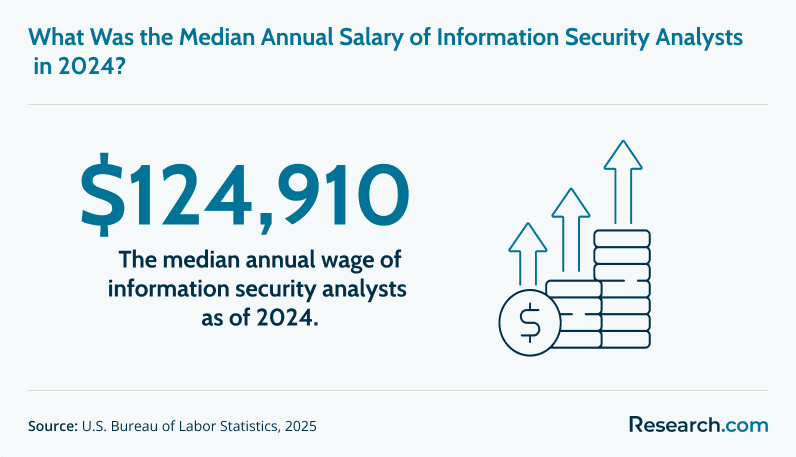
Before enrolling, consider building a foundation through free or low-cost practice, beginner labs, or cyber security certifications online. The effort can be worthwhile: information security analysts earned a median annual wage of $124,910 as of 2024, although individual salaries vary by role, experience, location, employer, and credentials.
- Technical readiness: basic computer use, troubleshooting, networking concepts, and comfort with new tools.
- Time readiness: enough weekly study time for lectures, labs, review, and project work.
- Learning readiness: persistence with difficult material, strong note-taking, and willingness to practice repeatedly.
- Career readiness: interest in documentation, alerts, risk, investigation, and continuous learning.
What Courses Are Typically Included in an Online CyberOps Training Bootcamp?
A strong CyberOps curriculum should build from IT fundamentals into security monitoring, detection, investigation, and response. The exact sequence varies by provider, but most programs include a mix of networking, systems, threat analysis, security tools, incident response, and certification preparation.
- Networking Fundamentals: TCP/IP, DNS, firewalls, routing, switching, ports, protocols, and network traffic basics.
- Operating Systems: Windows and Linux security, command-line tools, user permissions, system hardening, and configuration.
- Security Concepts: the CIA triad, common threat types, malware, vulnerabilities, risk management, and security controls.
- Security Operations Center Tools: SIEM platforms, intrusion detection systems, firewalls, log review, alert triage, and escalation procedures.
- Incident Response and Digital Forensics: breach identification, containment, evidence handling, recovery steps, and post-incident review.
- Ethical Hacking and Penetration Testing: introductory offensive security methods that help defenders understand attacker behavior.
- Threat Intelligence and Analysis: indicators of compromise, attack patterns, open-source intelligence, and threat reporting.
- Compliance and Legal Issues: security frameworks such as NIST and ISO, along with regulatory topics involving GDPR or HIPAA.
Many bootcamps also prepare students for credentials such as Cisco CyberOps Associate, CompTIA Security+, or Certified SOC Analyst. Foundational certification preparation matters because employers often use recognized credentials as screening tools. If this is your main goal, compare programs focused on the best CompTIA Security+ online course options as well.
What Types of Specializations Are Available in an Online CyberOps Training Bootcamp?
Some CyberOps bootcamps are generalist programs, while others let students focus projects, electives, or capstones on a specific security operations path. A specialization can be useful if you already know the type of cybersecurity role you want, but beginners should usually make sure they understand the fundamentals before narrowing too early.
| Specialization | What You Learn | Best Career Fit |
| Security Operations Center Analysis | Alert triage, log review, monitoring workflows, SIEM use, and escalation | SOC analyst or cybersecurity analyst |
| Incident Response and Digital Forensics | Investigation steps, evidence preservation, breach containment, and recovery | Incident response specialist or digital forensics technician |
| Threat Intelligence | Threat research, attacker behavior, indicators of compromise, and reporting | Threat intelligence analyst |
| Network Security | Firewall rules, VPNs, intrusion prevention, segmentation, and secure network design | Network security specialist |
| Cloud Security Operations | Security monitoring and incident handling for AWS, Azure, or GCP environments | Cloud security analyst or cloud-focused SOC role |
| Compliance and Risk Management | Policies, audits, governance, risk controls, and frameworks such as NIST, ISO, or HIPAA | Security compliance analyst or risk analyst |
If you want broader academic preparation, a degree in cyber security may offer more depth in theory, research, policy, and advanced computing than a short bootcamp. A bootcamp is usually better for targeted skills; a degree may be better for long-term academic credentials or roles that list a bachelor’s degree as preferred.
How Do I Choose the Best Online CyberOps Training Bootcamp?
Start with your target role. A learner aiming for a SOC analyst job needs strong log analysis, SIEM practice, networking, alert triage, and incident response basics. A learner aiming for cloud security needs networking plus cloud platform exposure. A learner who is completely new to technology may need IT fundamentals before jumping into CyberOps.
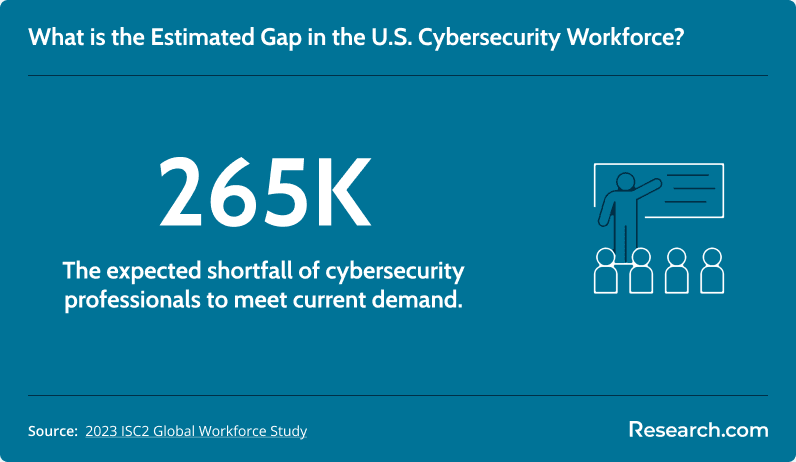
CyberSeek data shows that the U.S. cybersecurity workforce faces a shortfall of nearly 265,000 professionals to meet current demand, and only 83% of available cybersecurity positions have been filled. That gap can create opportunity, but employers still expect proof of skill. Choose a program that helps you demonstrate competence through labs, projects, certifications, and interview-ready explanations of your work.
If you are not sure whether a bootcamp is the right first step, compare beginner-friendly academic pathways such as the easiest cybersecurity programs before enrolling in an intensive technical course.
Questions to Ask Before Enrolling
- Curriculum: Does the program cover networking, Linux, Windows, SIEM tools, incident response, threat analysis, and security fundamentals?
- Hands-on work: Are there real labs, simulations, projects, or capstones that can be discussed in interviews?
- Certification alignment: Does the bootcamp prepare you for Cisco CyberOps Associate, CompTIA Security+, CompTIA Sec+, or another relevant credential?
- Instructor access: Can you ask questions live, book office hours, or get help when labs break?
- Career services: Does the provider offer resume feedback, LinkedIn support, mock interviews, portfolio guidance, and employer introductions?
- Student outcomes: Are job placement claims clearly defined, recent, and verifiable?
- Cost: What is the full price after fees, deposits, financing charges, materials, and exam costs?
- Refunds and withdrawal: What happens if the program is not a fit after the first week or two?
- Schedule: How many hours per week are required, and are live sessions mandatory?
- Support after graduation: How long can you access labs, mentors, alumni networks, and career coaching?
Common Mistakes to Avoid
| Mistake | Why It Can Hurt You | Better Approach |
| Choosing only by ranking | A highly ranked program may not fit your schedule, budget, or target role | Use rankings as a shortlist, then compare curriculum and outcomes |
| Looking only at tuition | Lower tuition may exclude career support, labs, or certification preparation | Compare total value, not just sticker price |
| Ignoring prerequisites | Beginners can fall behind if networking and operating systems are assumed | Ask what knowledge is expected before day one |
| Assuming a job is guaranteed | Bootcamp completion does not replace interviewing, networking, and practice | Build projects, earn credentials, and apply consistently |
| Skipping contract details | Loans, ISAs, and refunds can create unexpected obligations | Read payment and withdrawal terms before signing |
| Overlooking accreditation or standards | Some credentials may not carry the recognition you expect | Verify provider reputation, industry alignment, and certification pathways |
What Career Paths Are Available for Online CyberOps Bootcamp Graduates?
Graduates of online CyberOps bootcamps often pursue entry-level or early-career roles in cybersecurity and IT security operations. These positions typically involve monitoring systems, investigating alerts, documenting findings, escalating incidents, and helping organizations reduce risk.
- Security Operations Center Analyst: Reviews alerts, monitors dashboards, investigates suspicious activity, and escalates threats.
- Cybersecurity Analyst: Assesses vulnerabilities, supports security controls, reviews risks, and contributes to compliance efforts.
- Incident Response Specialist: Helps contain attacks, investigate breaches, recover systems, and document response actions.
- Threat Intelligence Analyst: Studies threat actors, attack trends, and indicators of compromise to help teams prepare defenses.
- Network Security Specialist: Supports firewalls, intrusion detection tools, network segmentation, and secure connectivity.
- IT Security Administrator: Manages access controls, updates systems, configures security settings, and supports day-to-day protection.
- Digital Forensics Technician: Collects and analyzes digital evidence related to attacks, investigations, or policy violations.
With experience and additional certifications, graduates may move toward security engineer, penetration tester, cybersecurity consultant, cloud security analyst, or leadership roles. Students interested in investigative work may also compare cybersecurity pathways with programs such as the best crime analysis degree online options.
What Is the Job Market Like for Online CyberOps Bootcamp Graduates?
The market for cybersecurity talent remains favorable for qualified candidates, but it is also competitive at the entry level. Employers increasingly want applicants who can show practical ability through labs, projects, certifications, internships, IT experience, or a strong portfolio. Bootcamp graduates who pair training with hands-on practice and active networking are usually better positioned than those who rely on the certificate of completion alone.
The demand for cybersecurity professionals continues to exceed supply in many areas. The U.S. Bureau of Labor Statistics projects 32% job growth for information security analysts from 2022 to 2032, much faster than the average for all occupations.
Entry-level opportunities may appear in finance, healthcare, technology, government, education, retail, and managed security service providers. Remote and hybrid security operations roles can expand access, but they may also increase competition because applicants are not limited to one local market.
How Do Online CyberOps Bootcamp Curricula Keep Up With New Cybersecurity Threats?
CyberOps programs need frequent curriculum updates because security operations work changes as attack methods, tools, cloud environments, and regulations evolve. Strong bootcamps consult practitioners, refresh lab scenarios, introduce current case studies, and teach students how to keep learning after graduation. Topics such as AI-enhanced threat detection, advanced incident response, cloud monitoring, and updated frameworks may appear as programs adjust to current security needs.
Students should ask how often the curriculum is reviewed, who reviews it, and whether lab environments reflect current tools used in security operations. A program that teaches only static theory without current detection, response, or investigation practice may not prepare students well for modern SOC work. For additional context on how interdisciplinary technical fields evolve, review Research.com’s guide to online CyberOps training bootcamps.
What Professionals Say About Online CyberOps Training Bootcamps
- Jordan: "The online CyberOps bootcamp helped me practice the same kinds of tasks I now use in my SOC analyst role. I could keep working full time while attending remote classes, and the labs made the career change feel realistic instead of theoretical."
- Tanya: "I started without an IT background, so being able to replay lessons and review labs mattered a lot. The instructors helped me break down difficult concepts, and that support gave me the confidence to move into threat detection work."
- Marcus: "The best part was how practical the training felt. Even though the bootcamp was online, we worked through security scenarios and tools that closely match what I handle in my current cybersecurity job."
What Accreditation and Industry Standards Do Online CyberOps Bootcamps Follow?
Bootcamps do not always follow the same accreditation model as colleges and universities, so students need to verify quality signals carefully. Some providers align training with industry certifications, employer advisory boards, security frameworks, or recognized technical standards. Others may operate independently without formal accreditation.
Before enrolling, ask whether the program prepares students for specific certification exams, whether instructors have current cybersecurity experience, whether labs are updated, and whether outcomes are independently verified. If you want a credential that fits into a broader academic pathway, compare bootcamp training with degree options such as the best accelerated computer science degree online programs.
Can Complementary Academic Programs Strengthen Cybersecurity Operations Expertise?
CyberOps bootcamps are designed for speed and applied practice, while academic programs usually provide broader theory, research, writing, systems thinking, and long-term credential value. Combining the two can make sense for learners who want both job-ready technical skills and a deeper academic foundation.
For example, students may use a bootcamp to prepare for entry-level SOC work, then pursue a degree in cybersecurity, computer science, information technology, or another technical discipline. Some learners also explore adjacent technical areas to understand specialized risks. Research.com’s resources on online space studies degrees show how emerging fields can connect technology, systems, and risk analysis in less traditional contexts.
What Post-Bootcamp Career Support Helps Graduates Succeed?
Career support can be one of the biggest differences between a useful bootcamp and an expensive self-study course. Strong programs help students translate technical labs into interview stories, build resumes around security skills, prepare for behavioral and technical interviews, and identify realistic entry-level roles.
- Resume and LinkedIn support: helps students describe labs, tools, certifications, and transferable experience clearly.
- Mock interviews: prepares students for technical questions, scenario-based prompts, and behavioral interviews.
- Portfolio guidance: turns labs, reports, and capstones into evidence of practical ability.
- Employer connections: may include hiring events, alumni referrals, or introductions to security teams.
- Alumni access: supports continued networking after graduation.
- Mentorship: helps graduates plan certification, job search, and advancement steps.
Ongoing support matters because cybersecurity hiring changes quickly. The same logic applies across emerging technical sectors, where long-term career growth depends on continuous learning and market awareness, as shown in Research.com’s coverage of online space studies degrees.
Can You Quantify the Return on Investment From an Online CyberOps Bootcamp?
Bootcamp ROI depends on the total cost of attendance, the quality of training, the student’s prior experience, certification outcomes, job search effort, and salary progression after completion. Students should be cautious with broad placement claims unless the provider clearly defines how outcomes are measured.
When comparing ROI, ask each provider for the percentage of graduates who secure relevant roles within six months, the average salary increase after completion, certification pass rates, refund policies, and the number of students included in the data. If a bootcamp cannot explain its outcomes clearly, treat that as a warning sign.
| ROI Factor | Why It Matters | What to Verify |
| Total cost | Tuition alone may not include exam fees, tools, financing charges, or lost work time | Ask for a full cost breakdown before enrolling |
| Certification preparation | Recognized certifications can help signal knowledge to employers | Confirm which exams are covered and whether vouchers are included |
| Career outcomes | Placement claims can be defined differently by each provider | Ask how outcomes are tracked and whether data is recent |
| Portfolio quality | Projects help students prove practical ability | Review sample labs, reports, or capstone expectations |
| Time to completion | Longer programs may provide more practice but delay job searching | Choose a schedule you can complete without burnout |
Comparing ROI across technical fields can also help students think more broadly about opportunity costs. For example, Research.com’s guide to online space studies degrees can provide another perspective on how specialized education pathways differ in cost, focus, and career direction.
What Are the Potential Challenges of Online CyberOps Bootcamps?
Online CyberOps bootcamps can be effective, but they are not easy. Students often struggle with the compressed pace, technical vocabulary, troubleshooting demands, and the self-discipline required for remote learning. Cybersecurity also changes quickly, so graduates must keep practicing and learning after the bootcamp ends.
- Condensed learning: Bootcamps cover a large amount of material quickly, which can overwhelm beginners.
- Limited real-world exposure: Virtual labs are useful, but they may not fully replicate the complexity of live enterprise environments.
- Uneven support: Some programs offer strong mentoring, while others rely heavily on independent study.
- Entry-level competition: Many graduates target the same SOC analyst and cybersecurity analyst roles.
- Ongoing learning needs: Tools, threats, and frameworks continue changing after graduation.
- Financing risk: Loans and ISAs can create financial pressure if job placement takes longer than expected.
Before enrolling, evaluate mentor availability, lab depth, career services, and how the bootcamp supports graduates after completion. Students should also compare related training resources, including Research.com’s guide to online CyberOps training bootcamps, when weighing alternatives.
References
- Boston Consulting Group (2024). Cybersecurity workforce report 2024.
- CyberSeek (n.d.). Cybersecurity supply and demand heat map.
- Fortinet (2024). 2024 state of operational technology and cybersecurity report.
- IBM (2024). Cybersecurity workforce trends 2024: Insights from CISOs and HR leaders.
- O’Reilly Media (2024). The state of security in 2024.
- PR Newswire (2024). CyberSeek highlights persistent cybersecurity skills shortage despite hiring stabilization. Additional workforce report source
Key Insights
- Online CyberOps bootcamps are best for practical security operations training. They can help students build skills in monitoring, log analysis, incident response, networking, SIEM tools, and certification preparation.
- Program fit matters more than ranking alone. Compare schedule, cost, labs, instructor access, career support, certification alignment, and refund terms before enrolling.
- Costs vary widely. The average cost typically ranges from $3,000 to $12,000, but listed programs include options below and above that range.
- Beginners should check prerequisites carefully. Even beginner-friendly programs are easier if you understand basic IT, networking, operating systems, and troubleshooting.
- Career outcomes are not automatic. Demand is strong, but graduates still need projects, certifications, networking, interview preparation, and consistent job applications.
- Financial terms deserve close review. Payment plans, private loans, scholarships, employer sponsorship, veteran benefits, and ISAs can reduce upfront cost, but each option has different risks.
- The best bootcamps teach students how to keep learning. CyberOps work changes constantly, so long-term success depends on continuous practice, updated skills, and awareness of emerging threats.
Other Things You Should Know About the Best Online CyberOps Training Bootcamps
Yes. Most online CyberOps bootcamps require supervised labs that use virtual networks, Linux systems, and SIEM tools such as Splunk. These labs usually include packet analysis, log review, and incident-response exercises, and many programs assign 20 to 40 lab hours before completion.
Top online CyberOps bootcamps in 2027 prepare students for industry-recognized exams like the Certified Information Systems Security Professional (CISSP) and CompTIA Cybersecurity Analyst (CySA+). Successful completion boosts your credibility in the cybersecurity field and enhances job prospects.
To enroll in the best CyberOps bootcamps of 2027, participants typically need a basic understanding of IT fundamentals and networking. While a degree isn't necessary, some bootcamps may require prior experience in related fields or completion of introductory cybersecurity courses.


