
2027 Best Online CompTIA Security+ Training Bootcamps

Co-Founder and Chief Data Scientist
With over $77.8 billion in recent equity investments, the cybersecurity industry isn't just growing; it's a foundational part of the global economy. This creates an urgent demand for qualified professionals, but figuring out the right entry point can feel overwhelming and risky. The CompTIA Security+ certification is the globally recognized standard for launching a career in this field.
This guide is your strategic plan. We'll show you how to choose the right online CompTIA Security+ training bootcamps to ensure your investment of time and money leads directly to a successful career.
What are the benefits of attending online CompTIA Security+ training bootcamps?
- It gives you direct access to in-demand job roles like Security Analyst and SOC Analyst.
- You can expect a significant salary boost, with certified professionals often earning an average of over $90,000.
- The online format provides the flexibility to gain these new skills without having to quit your current job.
What can I expect from an online CompTIA Security+ training bootcamp?
You can expect a highly structured and interactive experience. Forget any idea of just passively watching pre-recorded videos. A quality program is built around live online classes where you can ask questions and engage directly with an expert instructor.
A huge part of your time will be spent in hands-on virtual labs. This is where you'll practice using the actual security tools and techniques that professionals use every day. It’s how you build real-world skills, not just theoretical knowledge.
The best online CompTIA Security+ training bootcamps also provide a complete support system. This includes a community of classmates for collaboration and dedicated career services to help you with your resume, interview prep, and job search strategy. You're not just buying a course; you're investing in a direct path to a new career.
Where can I work with an online CompTIA Security+ training bootcamp?
One of the biggest misconceptions is that you have to work for a big tech company. The reality is that these skills are needed everywhere. Every industry that handles sensitive data—which is almost all of them—needs qualified security professionals.
You’ll find graduates working in finance, banking, healthcare, retail, and manufacturing. The government and military are also two of the largest employers of Security+ certified professionals. Because security is a fundamental business need, your skills are highly portable.
This also means you aren't tied to a specific geographic location. With the rise of remote work, you could be working for a hospital on the West Coast or a financial firm in Chicago, all from your own home office. It gives you a tremendous amount of flexibility in where you choose to build your career.
How much can I make with an online CompTIA Security+ training bootcamp?
You can expect a strong return on your investment. The U.S. Bureau of Labor Statistics reports the median salary for information security analysts was $124,910 as of May 2024.
With a Security+ certification, you'll qualify for roles like Cybersecurity Analyst or SOC Analyst. Starting salaries for these positions typically fall between $70,000 and $90,000, depending on the company and location.
This salary is a solid starting point. It places you on a clear path toward six-figure roles as you gain experience and specialize further.
- List of the Best Online CompTIA Security+ Training Bootcamps for 2027 List of Bootcamps
- How long does it take to complete an online CompTIA Security+ training bootcamps? Completion Time
- How does an online CompTIA Security+ training bootcamps compare to an on-campus training bootcamp? How does an online CompTIA Security+ training bootcamps compare to an on-campus training bootcamp?
- What is the average cost of an online CompTIA Security+ training bootcamps? Bootcamp Cost
- What are the financial aid options for students enrolling in an online CompTIA Security+ training bootcamps? Financial Aid
- What are the prerequisites for enrolling in an online CompTIA Security+ training bootcamps? What are the prerequisites for enrolling in an online CompTIA Security+ training bootcamps?
- What courses are typically in an online CompTIA Security+ training bootcamps? What courses are typically in an online CompTIA Security+ training bootcamps?
- What types of specializations are available in online CompTIA Security+ training bootcamps? What types of specializations are available in online CompTIA Security+ training bootcamps?
- How to Choose the Best Online CompTIA Security+ Training Bootcamp How to Choose the Best Online CompTIA Security+ Training Bootcamp
- What career paths are available for graduates of an online CompTIA Security+ training bootcamps? Career Paths
- What is the job market for graduates with an online CompTIA Security+ training bootcamps? Job Market
- Can Additional Academic Credentials Amplify Your Cybersecurity Career? Can Additional Academic Credentials Amplify Your Cybersecurity Career?
Best Online CompTIA Security+ Training Bootcamps for 2027
CompTIA Security+ is one of the most common starting points for people who want to move into cybersecurity, validate existing IT experience, or qualify for entry-level security roles. The challenge is choosing a bootcamp that does more than rush you through exam topics. A strong Security+ bootcamp should help you understand networks, threats, controls, incident response, and risk well enough to pass the exam and explain your skills in an interview.
This guide is for career changers, IT support professionals, network technicians, military or government-focused candidates, and working adults comparing online Security+ training options. You will learn which bootcamps stand out, how long they take, what they cost, what to check before enrolling, and when a Security+ bootcamp makes sense compared with other paths such as the best CompTIA Network+ certification training online.
Quick Answer: Is an Online CompTIA Security+ Bootcamp Worth It?
An online CompTIA Security+ bootcamp can be worth it if you already understand basic IT and networking concepts, need structured exam preparation, and want live instruction or guided labs instead of self-study alone. The best programs are usually short, intensive, and focused on CompTIA exam objectives, but they are not a substitute for hands-on practice, networking knowledge, or career preparation.
| Best fit | Why it works | When to be cautious |
| IT support or help desk workers | Security+ can help formalize security knowledge and open doors to analyst or SOC roles. | If networking fundamentals are weak, start with Network+ or equivalent preparation. |
| Career changers with technical exposure | A bootcamp provides structure, deadlines, and instructor feedback. | A few days of training may not be enough without prior study. |
| Working professionals needing a credential quickly | Short bootcamps can prepare candidates efficiently when they already have experience. | Do not choose speed over real comprehension and lab practice. |
| Self-directed learners | A bootcamp can fill gaps and provide exam strategy. | Lower-cost self-study may be enough if you are disciplined and already prepared. |
How We Ranked These Online CompTIA Security+ Bootcamps
Because bootcamp tuition is a meaningful investment, the programs below were reviewed with an emphasis on practical decision factors: program length, stated tuition, CompTIA alignment, institutional or partner recognition, delivery format, and relevance for Security+ exam preparation. Research.com also considers data and context from sources such as the IPEDS database, Peterson's database, the College Scorecard database, and The National Center for Education Statistics when evaluating education providers and institutional information.
For a broader explanation of how Research.com evaluates programs and education options, visit Research.com and review the methodology page.
Online CompTIA Security+ Bootcamps Compared
| Rank | Provider | Program length | Total tuition | Recognition or accreditation listed |
| 1 | Training Camp | 3 days | $2,895.00 | Official CompTIA Partner |
| 2 | Certification Academy | 5 days | $1,995.00 | Official CompTIA Partner |
| 3 | Infosec Institute | 5 days | $2,799.00 | Official CompTIA Partner |
| 4 | Cyberkraft | 5 days | $2,170.00 | Official CompTIA Partner |
| 5 | University of Houston | 5 days | $2,799.00 | Southern Association of Colleges and Schools Commission on Colleges (SACSCOC) |
| 6 | Midwestern State University | 5 days | $2,799.00 | Southern Association of Colleges and Schools Commission on Colleges (SACSCOC) |
| 7 | Mississippi State University | 5 days | $2,799.00 | Southern Association of Colleges and Schools Commission on Colleges (SACSCOC) |
1. Training Camp - Security+ Certification Boot Camp
Training Camp provides a condensed Security+ certification boot camp for learners who want a highly focused route to exam readiness. The program runs for three days and includes an exam voucher, making it a strong option for candidates who already have IT experience and need a fast, structured review.
- Program Length: 3 days
- Total Tuition: $2,895.00
- Accreditation: Official CompTIA Partner
2. Certification Academy - CompTIA Security+ Boot Camp Online
Certification Academy offers a five-day online Security+ boot camp built around exam preparation and practical cybersecurity concepts. The curriculum addresses areas such as secure configuration, threat recognition, risk reduction, and the policies and laws that shape security work.
- Program Length: 5 days
- Total Tuition: $1,995.00
- Accreditation: Official CompTIA Partner
3. Infosec Institute - Security+ Training Boot Camp
Infosec Institute delivers a five-day Security+ boot camp that combines instructor-led preparation with applied exercises. As an authorized CompTIA partner, the provider structures its training around certification readiness and includes an exam pass guarantee.
- Program Length: 5 days
- Total Tuition: $2,799.00
- Accreditation: Official CompTIA Partner
4. Cyberkraft - CompTIA Security+ Bootcamp
Cyberkraft offers a 40-hour online Security+ bootcamp delivered through live instruction over five days. The training is designed for candidates preparing for the SY0-701 exam and includes instructor support with exam scheduling for learners planning their first attempt.
- Program Length: 5 days
- Total Tuition: $2,170.00
- Accreditation: Official CompTIA Partner
5. University of Houston - CompTIA Security+ Boot Camp
The University of Houston offers a five-day CompTIA Security+ boot camp delivered with support from Infosec. The program focuses on identifying, analyzing, and responding to security threats while preparing participants for the Security+ exam.
- Program Length: 5 days
- Total Tuition: $2,799.00
- Accreditation: Southern Association of Colleges and Schools Commission on Colleges (SACSCOC)
6. Midwestern State University - CompTIA Security+ Training Boot Camp
Midwestern State University offers a live online Security+ boot camp through a partnership with Infosec. The five-day format is intended to help learners build exam readiness while studying current security threats and response practices for the SY0-601 exam.
- Program Length: 5 days
- Total Tuition: $2,799.00
- Accreditation: Southern Association of Colleges and Schools Commission on Colleges (SACSCOC)
7. Mississippi State University - CompTIA Security+ Training Bootcamp
Mississippi State University provides a five-day Security+ training bootcamp that blends information security concepts with hands-on exercises. The course emphasizes technical security controls, configuration, and operational security tasks tied to CompTIA Security+ preparation.
- Program Length: 5 days
- Total Tuition: $2,799.00
- Accreditation: Southern Association of Colleges and Schools Commission on Colleges (SACSCOC)
How Long Does an Online CompTIA Security+ Bootcamp Take?
Online Security+ bootcamps vary widely. Many part-time options take between three and six months, especially when they are designed for working adults who need evening or weekend study time. Intensive programs can be much shorter, with some running for 3 to 5 days.
The best timeline depends less on the calendar and more on your starting point. A learner with help desk, systems, or networking experience may benefit from a short exam-focused bootcamp. A beginner who has not studied networking, operating systems, or basic IT troubleshooting may need a longer path before Security+ training will be useful.
Why Faster Is Not Always Better
The purpose of a Security+ bootcamp is not only to help you answer multiple-choice questions. It should also help you discuss threats, controls, logs, risk, and incident response clearly enough for technical interviews and workplace tasks.
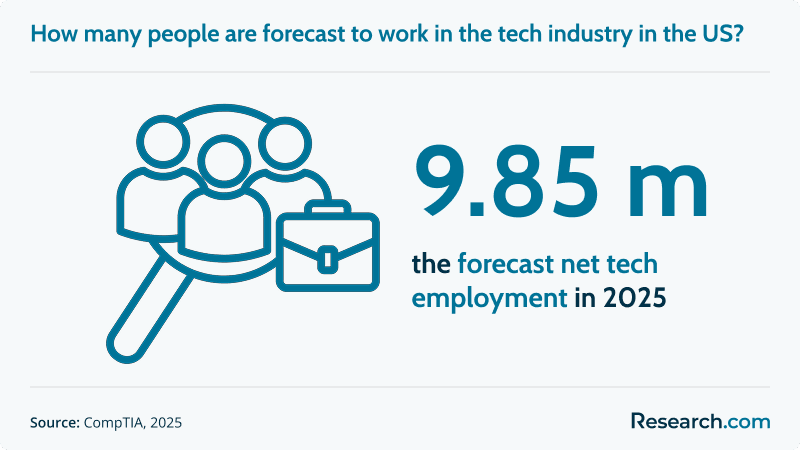
Be careful with programs that imply certification alone will make you job-ready in a few days. Employers generally want evidence that you can apply security concepts, not just memorize terms. Building real competence through labs, review, and interview preparation matters in a tech economy with nearly 10 million tech jobs in the U.S. economy.
| Training format | Typical timeline stated in this guide | Best for | Main risk |
| 3-day intensive | 3 days | Experienced IT workers who need targeted exam review | Too compressed for beginners |
| 5-day boot camp | 5 days | Candidates who can study full-time for one week | Limited time for deep practice after class |
| Part-time program | Three to six months | Working adults and career changers | Requires consistent self-discipline |
Online vs. On-Campus CompTIA Security+ Bootcamps: Which Is Better?
A strong online Security+ bootcamp can be just as useful as an on-campus program when it includes live instruction, structured labs, instructor access, and meaningful career support. The physical location matters less than the quality of the curriculum, the instructor’s security experience, and the amount of practice you receive.
Online training can be especially practical for cybersecurity because many security teams already work with distributed tools, cloud systems, ticketing platforms, virtual labs, and remote collaboration. Learning online can mirror parts of that work environment while giving students access to instructors and providers outside their local area.
| Factor | Online Security+ bootcamp | On-campus Security+ bootcamp |
| Flexibility | Better for working adults, parents, and remote learners | Requires travel and fixed attendance at a physical location |
| Instructor access | Can connect students with instructors beyond their region | Limited to local or scheduled in-person availability |
| Hands-on labs | Usually delivered through virtual environments | May use in-person or virtual lab resources |
| Networking | Requires intentional participation in online discussions and events | May offer easier face-to-face interaction |
| Best use case | Students who need convenience without sacrificing structure | Students who learn best in a physical classroom |
Bootcamp or Degree: How to Choose the Right Credential
A Security+ bootcamp is built for a narrow goal: prepare for a specific cybersecurity certification as efficiently as possible. It is usually skills-focused and exam-focused. A degree is broader, more theoretical, and often better suited for long-term academic progression, leadership preparation, or roles that require a formal college credential.
Some professionals start with Security+ to enter the field and later pursue advanced study. For example, learners interested in policy, homeland security, public-sector security, or leadership may eventually compare the fastest online master's degree in homeland security programs after gaining practical experience.
How Much Does an Online CompTIA Security+ Bootcamp Cost?
The programs listed in this guide range from $1,995.00 to $2,895.00 in stated tuition. Many reputable Security+ bootcamps cluster around $2,000 to $3,000, but the lowest price is not automatically the best value.
Before comparing tuition, confirm what is included. A program that includes an exam voucher, retake support, live instruction, labs, and career coaching may offer stronger value than a cheaper option that only provides lectures. CompTIA has reported a 93% positive salary gain expectation after certification, but salary results are never guaranteed and depend on experience, location, employer needs, and how well you can demonstrate your skills.
What to Look for Beyond Tuition
| Cost factor | Why it matters | Question to ask before enrolling |
| Exam voucher | You may need to pay separately if it is not included. | Is the Security+ exam voucher part of the tuition? |
| Retake option | A retake can reduce risk if you do not pass on the first attempt. | Does the program include a retake or pass guarantee? |
| Labs | Hands-on practice helps turn concepts into usable skills. | What lab platform is used, and how long will I have access? |
| Career services | Resume, interview, and job-search support can affect outcomes. | What support is available after the bootcamp ends? |
| Schedule format | Missing sessions in a short bootcamp can be costly. | Are recordings, makeups, or instructor office hours available? |
Cybersecurity Jobs Are Not Limited to Traditional Tech Hubs
Security roles exist across industries because organizations of many sizes need to protect systems, data, users, and operations. The financial return on training can look different depending on where you live, whether you work remotely, and whether you enter cybersecurity from an existing IT role.
The broader lesson is to evaluate career outcomes in your actual market, not just in expensive technology centers. This is similar to how students comparing the best BSN to MSN online programs should think beyond the program price and consider mobility, advancement, and long-term role options.
Financial Aid and Payment Options for Online Security+ Bootcamps
Security+ bootcamps may not always qualify for the same financial aid options as degree programs, so students should ask providers directly about payment plans and funding eligibility. Common options include employer tuition reimbursement, installment plans, personal loans, and Income Share Agreements (ISAs).
If you are already employed, start with your employer. Cybersecurity training can benefit the organization as well as your career, especially if your current role touches IT support, compliance, operations, systems administration, or network management.
How to Ask Your Employer to Pay for Security+ Training
When requesting reimbursement, connect the training to business needs. Explain how Security+ knowledge can help the company strengthen security awareness, reduce risk, support compliance expectations, and build internal capability instead of hiring externally for every security need.
A focused tuition reimbursement request should include the provider name, total tuition, schedule, exam goal, and specific ways your new skills could support your team. Employers are more likely to consider funding when the benefit is clear and measurable.
Installment Plans, Loans, and ISAs
If employer funding is not available, compare payment plans carefully. Installment plans can spread out tuition, while loans add borrowing costs. ISAs may reduce upfront payment, but the total amount repaid can be higher than tuition depending on the contract terms.
Read every agreement closely before signing. Students in accelerated professional programs, including fast track programs for public health nursing, face similar trade-offs: faster training can be valuable, but the repayment structure must still make financial sense.
Prerequisites for an Online CompTIA Security+ Bootcamp
CompTIA does not list formal prerequisites for the Security+ exam, but successful candidates usually need a working understanding of networks, operating systems, hardware, and basic troubleshooting. Security+ assumes you can understand what you are protecting before you study how to protect it.
The most common mistake is trying to learn cybersecurity without first learning networking. If terms such as IP addressing, ports, protocols, DNS, routing, firewalls, and authentication are unfamiliar, Security+ will be much harder than it needs to be.
Recommended Learning Sequence
A practical path for many beginners is CompTIA A+, then Network+, then Security+. A+ builds a base in hardware, operating systems, and support. Network+ explains how systems communicate. Security+ adds the protection layer: threats, controls, monitoring, response, and governance.
If you are missing the basics, compare the fastest online IT training bootcamps before committing to Security+. Starting at the right level can save money, reduce frustration, and improve your odds of passing and using the credential effectively.
| Your background | Recommended next step | Why |
| No IT experience | Start with foundational IT training | Security concepts are easier when hardware, operating systems, and troubleshooting make sense. |
| Help desk experience | Review networking, then prepare for Security+ | Support experience helps, but networking gaps can slow you down. |
| Network technician or systems administrator | Consider a focused Security+ bootcamp | You may already have enough technical context for accelerated study. |
| Existing security responsibilities | Use the bootcamp for exam alignment | The certification can validate skills you may already use at work. |
What Do Online CompTIA Security+ Bootcamps Teach?
Quality Security+ bootcamps should map their lessons to CompTIA’s official domains. These domains organize the knowledge candidates need for the exam and for entry-level cybersecurity work.
- Threats, Attacks, and Vulnerabilities: Students learn how attackers target systems, how vulnerabilities are identified, and how common attack types are recognized. This area matters because ransomware accounted for over 70% of all detected cyberattacks worldwide in 2023.
- Architecture and Design: This domain focuses on designing secure systems, networks, and environments before incidents occur.
- Implementation: Learners study how to deploy and configure security tools, controls, and technologies.
- Operations and Incident Response: This area covers monitoring, response procedures, escalation, and incident handling.
- Governance, Risk, and Compliance (GRC): Students examine the policies, risk frameworks, laws, and business requirements that guide security decisions.
Why GRC and Operations Matter for Entry-Level Jobs
Many new cybersecurity workers do not begin by “hacking” systems. They begin by monitoring alerts, documenting incidents, following procedures, supporting audits, reviewing access, and applying policies. That makes operations and GRC especially valuable for analyst and SOC roles.
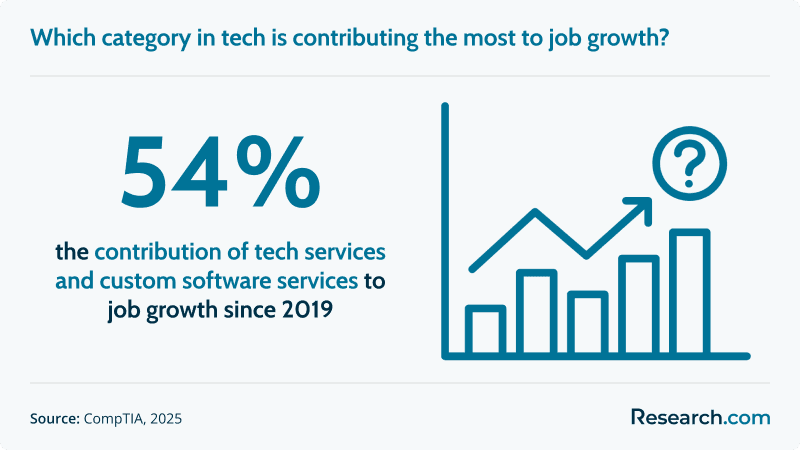
The tech services sector has accounted for 54% of all tech job growth since 2019. Because consulting firms and managed security providers often support clients through policy, monitoring, compliance, and response work, Security+ graduates with strong GRC and operations knowledge may be better prepared for those environments. Specialized preparation can create the same kind of career advantage that students may seek from the best online exercise science programs in health and wellness fields.
Does CompTIA Security+ Offer Specializations?
Security+ is a foundational certification, not a specialized credential. Its value is that it gives you a broad cybersecurity base that can support several next steps. After Security+, many professionals move toward either defensive security, offensive security, governance, or management.
| Path after Security+ | What the work involves | Possible next credential mentioned in this guide |
| Defensive security, or blue team | Monitoring systems, detecting threats, investigating alerts, and responding to incidents | CompTIA CySA+ (Cybersecurity Analyst) |
| Offensive security, or red team | Testing systems for weaknesses and helping organizations fix vulnerabilities | CompTIA PenTest+ |
| Security leadership | Managing programs, policies, teams, risk, and security strategy | CISSP |
The Management Track
If your long-term goal is Security Manager, security director, or CISO, Security+ can help prove that you understand core technical concepts. It is usually an early credential, not the final one.
Experienced professionals often move from foundational certifications to management-oriented credentials. For many security leaders, fast-track CISSP training online becomes a later step because CISSP is widely associated with advanced security leadership knowledge.
How to Choose the Best Online CompTIA Security+ Bootcamp
Do not choose a Security+ bootcamp based only on ranking position, advertising language, or the shortest completion time. The right program should match your current knowledge, study style, budget, and career goal.
Key Factors to Compare
- CompTIA alignment: Confirm that the curriculum follows the current Security+ exam objectives and that the provider clearly explains which exam version it prepares students for.
- Instructor quality: Look for instructors with real cybersecurity or IT operations experience, not only test-prep familiarity.
- Hands-on labs: Choose training that lets you practice with security tools, scenarios, logs, configurations, or simulations.
- Exam support: Check whether the tuition includes an exam voucher, retake option, practice tests, and exam scheduling support.
- Career services: Ask whether the program offers resume help, interview preparation, LinkedIn review, job-search coaching, or employer connections.
- Schedule fit: Make sure you can attend live sessions and still reserve time for review outside class.
Questions to Ask Before You Enroll
| Question | Why it matters |
| Which Security+ exam version does the bootcamp cover? | Studying the wrong objectives can waste time and money. |
| Is the provider an official CompTIA partner? | Partner status can indicate closer alignment with CompTIA materials. |
| How much lab time is included? | Cybersecurity hiring often depends on applied skill, not memorization alone. |
| What happens if I do not pass the exam? | Retake policies, guarantees, or added support can affect total value. |
| What career support is available after completion? | Job-search help can be especially important for career changers. |
| What background should students have before starting? | A credible program should be honest about readiness expectations. |
Common Mistakes to Avoid
- Choosing only by price: A cheaper course can become more expensive if it excludes vouchers, labs, or support.
- Ignoring prerequisites: Security+ is harder if you do not understand networking basics.
- Assuming online means self-paced: Some online bootcamps require live attendance at fixed times.
- Relying only on the certificate: Employers may ask technical and scenario-based questions that require real understanding.
- Skipping career preparation: Resume language, interview practice, and project examples matter for entry-level searches.
- Not checking exam version: Security+ objectives change, so confirm that training matches the exam you plan to take.
Why Career Support Can Matter More Than a Small Tuition Difference
The goal of online CompTIA Security+ training bootcamps is not simply to earn a digital badge. Most students enroll because they want a better role, a security-focused promotion, or a career transition.
Career services can help you translate bootcamp work into resume bullets, prepare for technical screening questions, and explain your background to employers. In a bootcamp market with varied quality, strong career support is one of the clearest signs that a provider understands student outcomes, not just enrollment.
Career Paths After an Online CompTIA Security+ Bootcamp
Security+ can support several entry-level cybersecurity and IT security roles. It is especially useful for candidates who can combine the certification with IT experience, labs, projects, or a clear understanding of business risk.
| Role | Typical focus | Why Security+ helps |
| Security Analyst | Monitoring and protecting systems, reviewing alerts, and supporting investigations | The certification covers threats, controls, risk, and incident response. |
| SOC Analyst | Working in a Security Operations Center to identify and escalate threats | Security+ introduces the language and workflow of detection and response. |
| Cybersecurity Specialist | Handling a broad mix of security tasks in an organization | The broad curriculum fits generalist entry-level work. |
| Junior Security Engineer | Supporting security tools, infrastructure, and technical controls | Implementation and architecture topics help with hands-on responsibilities. |
These roles can become a starting point for broader career mobility. As professionals gain experience, they may gain access to 91% more career choices.
Adjacent Career Options
Security+ knowledge can also support work in fraud, compliance, audit, risk, and investigations. For example, professionals who enjoy evidence analysis and financial crime may use cybersecurity knowledge while exploring how to become a fraud investigator.
The strongest career strategy is to pair the certification with visible proof of skill: labs, documented projects, home network practice, incident write-ups, or experience in IT support and operations.
Job Market for Online CompTIA Security+ Bootcamp Graduates
The cybersecurity labor market continues to be shaped by demand for people who can protect systems, investigate threats, and support secure operations. CompTIA projects that demand for cybersecurity analysts and engineers will grow by 367% over the next decade.
That does not mean every graduate will receive a job offer immediately. Entry-level cybersecurity can still be competitive, especially for candidates with no IT background. Security+ is most powerful when combined with networking knowledge, practical labs, a clear resume, and interview readiness.
How Security+ Can Lead to Higher-Level Roles
Security+ is often the first step in a longer credential and experience pathway. With time, professionals may move into engineering, architecture, cloud security, incident response, penetration testing, governance, or executive leadership.
Advanced experience and credentials can lead toward some of the top paying cyber security jobs, including roles such as Security Architect or CISO. The key is to treat Security+ as a foundation, then keep building deeper technical, operational, and leadership skills.
What Graduates Say About Online CompTIA Security+ Bootcamps
- : "“I had spent five years in IT support and felt like I could not move forward. The bootcamp helped me organize what I knew, fill security knowledge gaps, and add a credential that hiring teams recognized. After finishing, I started getting interviews and accepted a Security Analyst role six weeks later with a 30% pay increase.” — Katrina"
- : "“Going back to school full time was not realistic for me because I was working and raising my children. Online training made the schedule possible. I studied after bedtime, joined live sessions, and used the labs to stay on track. It was demanding, but the structure helped me finish.” — Aisha"
- : "“I had managed our company network for years, but I did not have a formal security title. Earning Security+ gave leadership a clear way to recognize my experience. It helped support the creation of a Senior Security Specialist role for me.” — Edmund"
Can a Degree Strengthen a Cybersecurity Career After Security+?
A bootcamp can help with certification readiness, but a degree can add broader depth in programming, systems, databases, algorithms, networks, or security theory. For students who want a stronger technical foundation, an accelerated online computer science degree may complement Security+ training and support long-term growth.
This route is not necessary for every cybersecurity role. It may be more useful for candidates aiming for engineering, architecture, research, leadership, or positions where employers prefer a degree. The decision should depend on your current experience, target job postings, budget, and timeline.
Cybersecurity Trends Affecting Security+ Bootcamp Curriculum
Security+ training is influenced by changes in the threat landscape and employer expectations. Strong bootcamps increasingly emphasize cloud security, IoT vulnerabilities, identity and access management, risk, compliance, and real-time threat intelligence because security work now extends across hybrid systems, remote users, connected devices, and third-party platforms.
Students should still be cautious about programs that chase buzzwords without teaching fundamentals. Emerging topics are useful only when they are grounded in core security concepts. Interdisciplinary thinking can also be valuable; for example, students examining unconventional technology environments may find broader context in online space studies degree programs, but Security+ learners should prioritize the exam domains and workplace security skills first.
How Accreditation, Partnerships, and Instructor Expertise Affect Bootcamp Quality
Accreditation and official partnerships do not guarantee a job, but they can help students judge program credibility. For Security+ bootcamps, an Official CompTIA Partner designation is especially relevant because it signals alignment with CompTIA’s certification ecosystem. For university-affiliated options, institutional accreditation can also provide additional context about the school offering or hosting the program.
Instructor expertise is equally important. A knowledgeable instructor can explain how exam topics appear in real security work, show how to reason through scenarios, and help students avoid memorizing definitions without understanding. As with online space studies degree programs, the value of a technical program depends heavily on curriculum quality, instructor credibility, and how well the training connects theory to applied practice.
References
- CompTIA. (2024). Assessing outcomes, efficacy, and value. Retrieved July 29, 2025, from https://partners.comptia.org/docs/default-source/resources/comptia-assessing-outcomes-efficacy-and-value.pdf
- CompTIA. (2025). State of the Tech Workforce 2025. Retrieved July 29, 2025, from https://lecbyo.files.cmp.optimizely.com/download/808ea63053b111f08b6ca695fc160b1a
- CompTIA. (2025, July). Tech Jobs Report July 2025. Retrieved July 29, 2025, from https://lecbyo.files.cmp.optimizely.com/download/6b6fc8e4ff4a11efbebeaeb5c39a94d9?sfvrsn=725f3c8d_0
- General Assembly. (2024, April 16). The state of tech talent acquisition 2024. General Assembly Blog. Retrieved July 29, 2025, from https://generalassemb.ly/blog/the-state-of-tech-talent-acquisition-in-2024-insights-strategies-revealed/
- McKinsey. (2025). McKinsey Technology Trends Outlook 2025. Retrieved July 29, 2025, from https://www.mckinsey.com/capabilities/mckinsey-digital/our-insights/the-top-trends-in-tech
- Additional source links retained from the original reference set: General Assembly tech talent acquisition report; CompTIA Tech Jobs Report July 2025; CompTIA State of the Tech Workforce 2025; CompTIA outcomes, efficacy, and value report; CompTIA certification value source
Key Insights
- Online CompTIA Security+ bootcamps are best for learners who already have basic IT and networking knowledge and want structured certification preparation.
- The listed programs range from $1,995.00 to $2,895.00, so compare included vouchers, labs, retake support, and career services before judging value.
- Short bootcamps can work well for experienced IT professionals, but beginners may need foundational training before Security+.
- Security+ is a foundation, not a specialization. It can lead toward analyst, SOC, engineering, penetration testing, GRC, or leadership pathways.
- Career outcomes are strongest when the certification is paired with hands-on labs, networking knowledge, a clear resume, and technical interview preparation.
- Before enrolling, verify the exam version, CompTIA alignment, instructor expertise, lab access, refund or retake policies, and post-bootcamp career support.
Other Things You Should Know About the Online CompTIA Security+ Training Bootcamps
Yes. A qualifying bootcamp should map its curriculum to the CompTIA Security+ SY0-701 exam objectives, which cover threats, architecture, operations, governance, risk, and incident response. Look for training that includes hands-on labs, practice questions, and coverage of the 90-question, 90-minute exam format.
To participate in a 2027 online CompTIA Security+ bootcamp, you need a computer with reliable internet, up-to-date web browsers, and tools like Zoom or similar platforms for virtual classes. Some programs might also require specific software installations for cybersecurity labs.


